
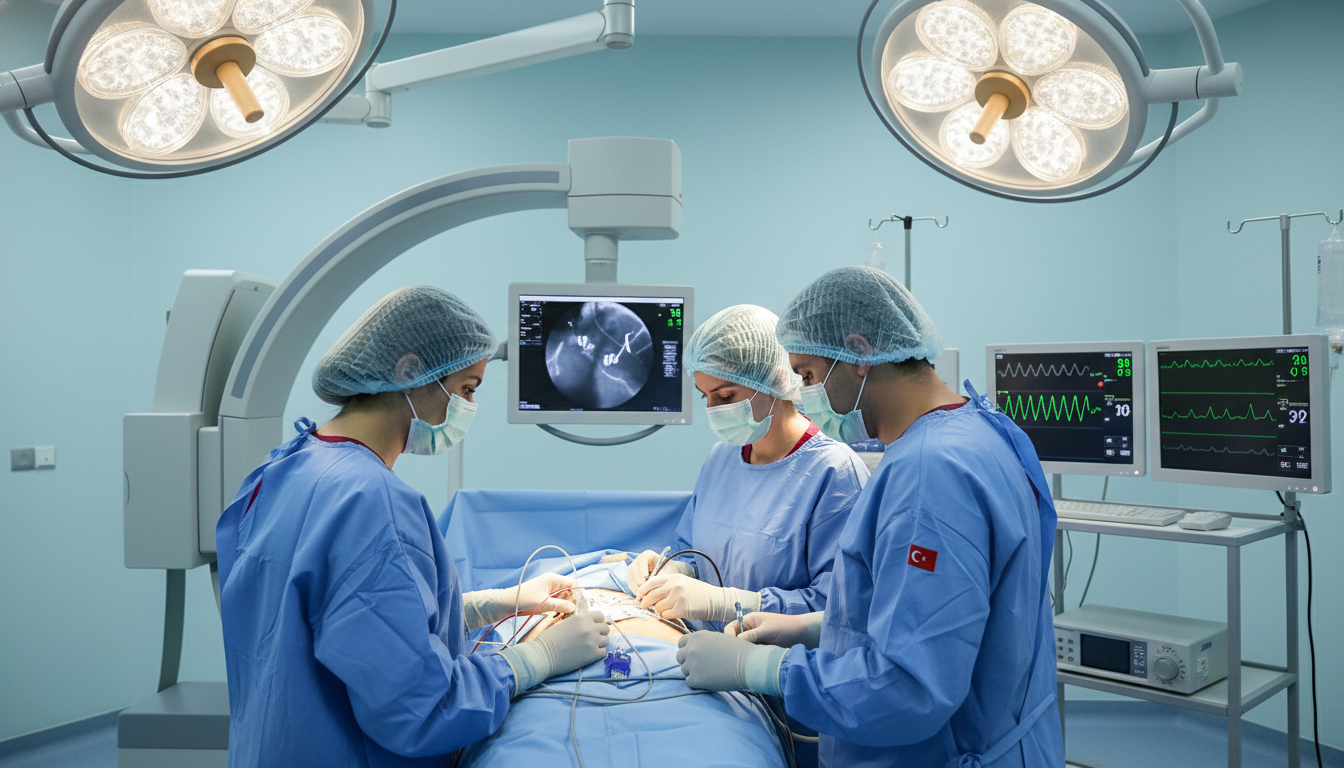
More and more people in the UK are looking abroad for world-class cardiac care. They want quick, top-notch medical help that focuses on their well-being. Catheter ablation surgery in Turkey is a top pick for treating heart rhythm problems.
Turkish hospitals are known for sticking to global safety and quality rules. They use the latest tech and have skilled doctors. This makes them a great choice for those needing heart care. Traveling for this surgery means getting top-notch care and a smooth recovery in a caring place.
Key Takeaways
- More UK residents are choosing Turkey for heart procedures.
- Turkish hospitals follow strict safety and quality standards.
- Patients get access to the latest medical tech and expert doctors.
- Traveling abroad often means quicker access to heart treatments.
- Medical teams in Turkey focus on patient care and long-term health.
Understanding Cardiac Arrhythmias and the Need for Intervention
The human heart needs a precise electrical system to keep a steady beat. When this system gets disrupted, the heart may beat too fast, too slow, or irregularly. It’s vital to get arrhythmia treatment quickly to keep your heart healthy.
Common Types of Heart Rhythm Disorders
There are many types of heart rhythm disorders. Atrial fibrillation is one, where the heartbeat in the upper chambers is fast and chaotic. Supraventricular tachycardia is another, causing fast heart rates above the ventricles.
Symptoms That Require Professional Medical Attention
It’s important to know the signs of a heart rhythm problem. Many people feel a flutter in their chest, or palpitations. They might also feel dizzy, tired, or lightheaded when they’re active.
If you suddenly feel short of breath or faint, get medical help right away. These signs mean your heart might not be pumping well. Early treatment can greatly improve your life and prevent serious problems.
The Long-Term Impact of Untreated Arrhythmia
Not treating a heart rhythm disorder can cause serious problems. A big risk is stroke, because blood might clot in the heart. The heart muscle can also weaken from irregular work.
Long-term strain can lead to heart failure or other serious issues. By getting arrhythmia treatment, you can avoid these risks. Looking after your heart health now is the best way to secure a healthy future.
What is Catheter Ablation Surgery?
Modern medicine has changed how we treat heart rhythm problems. Catheter-based ablation is a precise method. It finds and stops the heart tissue causing irregular signals. This helps patients live better and avoid serious health issues.
Defining the Catheter-Based Ablation Process
A specialist puts thin, flexible tubes called catheters into a blood vessel in the groin. They guide these tubes through the body to the heart. Then, they use advanced mapping technology to find the heart’s rhythm problem.
This step is key for catheter ablation surgery success. The surgeon uses real-time heart images to find and fix the problem area. This way, the healthy heart muscle stays safe.
How Radiofrequency Energy Corrects Abnormal Heart Signals
Radiofrequency energy is often used. It heats the problem tissue, creating a small scar. This scar stops the abnormal signals from spreading.
Many find cardiac ablation surgery with this method very effective. The process is done while the patient is sedated, keeping them comfortable. It’s a precise method that’s now common in treating heart rhythm issues.
Cryoablation Techniques Explained
Cryoablation uses cold instead of heat. A special balloon is used to freeze the tissue. This precise freezing technique stops the irregular rhythm.
Both radiofrequency and cryoablation are safe and reliable. The choice depends on the arrhythmia type and the patient’s heart shape. Here’s a table showing the main differences between these two methods.
| Feature | Radiofrequency Ablation | Cryoablation |
|---|---|---|
| Mechanism | Thermal heat energy | Extreme cold energy |
| Primary Use | Focal point targeting | Circumferential isolation |
| Tissue Effect | Creates a thermal scar | Freezes and disables cells |
| Procedure Goal | Restore sinus rhythm | Restore sinus rhythm |
Why Turkey is a Leading Destination for Cardiac Care
Turkey has become a global leader in advanced medical treatments. Over the last ten years, it has focused on improving its health sector. This effort ensures patients get top-notch care that is both technologically superior and very caring.
Investment in Advanced Medical Infrastructure
Big investments have gone into building top hospitals in major cities. These hospitals have the latest tools for diagnosing and treating heart problems. They follow strict international standards, making them safe for complex heart surgeries.
- Integration of cutting-edge diagnostic imaging technology.
- Strict adherence to global patient safety protocols.
- Continuous funding for research and medical innovation.
The Growth of Medical Tourism for Cardiology
Turkey is now a top choice for medical tourism, mainly for cardiology. Every year, thousands of patients from abroad come for world-class expertise at lower costs than in Western countries. This is thanks to a strong network of clinics for heart rhythm disorders.
The demand has made hospitals compete to offer exceptional patient experiences. They have special departments for international patients and staff who speak many languages. This ensures patients get all the support they need during their stay.
Strategic Location and Accessibility for UK Patients
For UK patients, Turkey is close and easy to get to. There are many direct flights from British airports to Turkish ones. This makes it a great choice for quick medical help without long waits.
The travel is also made easier by the good infrastructure around these hospitals. Many hospitals offer travel packages with airport transfers and places to stay. This strategic advantage lets patients focus on getting better in a modern, welcoming place.
The Role of Electrophysiology Procedures in Modern Cardiology
Modern electrophysiology has greatly changed cardiac care. It focuses on the heart’s electrical system. This lets doctors treat rhythm disorders with great accuracy.
This shift to high-tech diagnostics has changed how doctors handle complex heart conditions. It’s a big step forward in cardiac care.
Mapping the Heart’s Electrical Pathways
To treat an arrhythmia, doctors first need to know the abnormal signal’s path. An electrophysiology procedure helps create a detailed map of the heart’s electrical system. Small catheters are used to record electrical activity in real-time.
Visualising these pathways is key to finding the heartbeat irregularity’s source. Doctors can then plan a precise treatment. This ensures only the right tissue is treated.
Diagnostic Accuracy in Electrophysiology Studies
Getting a precise diagnosis is key to good cardiac care. Electrophysiology studies give a detailed view of electrical impulses in the heart. This helps doctors tell apart different rhythm disorders.
Patients at top facilities like the HCor Hospital do Coracao get this detailed care. They use high-tech imaging and sensors for accurate diagnoses. This reduces the chance of unnecessary treatments and improves patient health.
Advancements in Minimally Invasive Ablation
Thanks to detailed mapping, treatments have improved. Minimally invasive ablation is now the best way to fix heart rhythm problems without surgery. It uses energy to target and stop the arrhythmia-causing cells.
These procedures are less invasive, leading to quicker recovery times. Modern technology keeps making these methods safer and more available. This combination of advanced diagnostics and surgery has greatly improved heart function.
State-of-the-Art Facilities and Technology in Turkish Hospitals
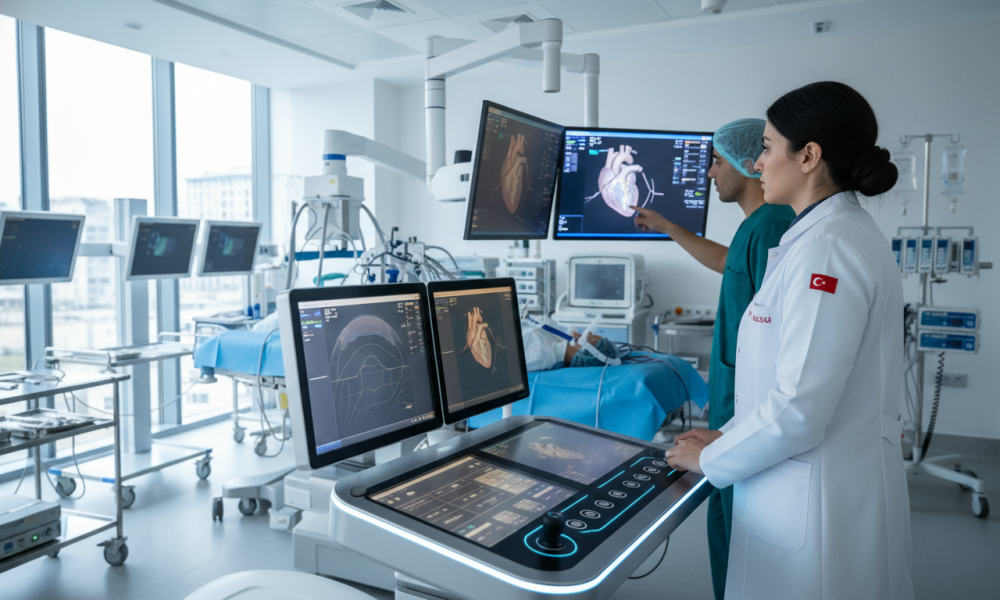
Turkey is now a top choice for complex heart surgeries thanks to its advanced technology. Places like the Acibadem Maslak Hospital show their commitment to top-notch care. They invest in the latest medical tools, making sure patients get the best treatment.
Utilising 3D Mapping Systems
Modern heart surgery needs clear views of the heart’s inside. Doctors use 3D mapping systems to see the heart in real-time. This helps them find and fix heart problems with great accuracy.
With 3D views, doctors can guide catheters through the heart safely. This makes surgeries shorter and more successful. It also means treatments are made just for each patient’s heart.
Robotic-Assisted Cardiac Interventions
Robotic technology has changed heart surgery for the better. It gives surgeons more control and precision than human hands. This means they can do very detailed work with great accuracy.
Using robots helps avoid damage to the heart and speeds up recovery. It’s a key part of the top care offered in Turkish hospitals. It makes sure patients are safe during complex surgeries.
Modern Operating Theatres and Intensive Care Units
The place where surgery happens is just as important as the surgeon. Turkish hospitals have the latest operating rooms. These rooms are clean and efficient, ready for any surgery.
After surgery, patients go to modern ICUs for close monitoring. These units have teams ready to handle any needs. This care ensures every part of the patient’s journey is supported by the best facilities.
| Technology Feature | Traditional Approach | Modern Turkish Standard |
|---|---|---|
| Visualisation | 2D Fluoroscopy | Advanced 3D Mapping |
| Precision | Manual Control | Robotic-Assisted |
| Safety Protocols | Standard Monitoring | Real-Time Digital Tracking |
| Recovery Environment | General Ward | Specialised Cardiac ICU |
Qualifications and Expertise of Turkish Cardiologists
Patients visiting Turkey for heart care often find the medical expertise top-notch. Turkish cardiologists are known worldwide for their deep knowledge and skill. They get extensive training to meet the highest standards of safety and success in surgery.
Training and International Certification Standards
Becoming a cardiologist in Turkey takes years of hard study at leading medical schools. Many doctors also get prestigious international fellowships in Europe and North America. This keeps them up-to-date with the latest in heart medicine.
Most top doctors have certifications from places like the European Society of Cardiology. These show they stick to evidence-based practice and keep learning. Patients can trust their surgeon follows strict global standards.
Experience with Complex Arrhythmia Cases
Turkish heart centres see a lot of patients, giving cardiologists a lot of practical experience. This is key for treating complex heart rhythm problems. Turkish doctors are experts at handling tricky cases that might be risky elsewhere.
They have years of practice dealing with tough heart issues. By doing many ablation procedures, they get better at giving optimal patient outcomes. This experience helps Turkey’s growing reputation for heart care.
Multidisciplinary Approaches to Patient Care
Good heart care often involves a team effort. Turkish hospitals focus on a multidisciplinary approach. Cardiologists work with anaesthesiologists, nurses, and technicians to care for patients.
This team effort helps spot and handle problems quickly. It makes care safer and more comfortable for patients from abroad. The table below shows the key skills of Turkish cardiac care teams.
| Professional Attribute | Standard of Care | Patient Benefit |
|---|---|---|
| Academic Training | University & Fellowship | Advanced clinical knowledge |
| Certification | International Board | Adherence to global safety |
| Clinical Volume | High-frequency practice | Expertise in complex cases |
| Team Structure | Multidisciplinary | Comprehensive patient support |
Preparing for Your Catheter Ablation Procedure
Getting ready for your heart treatment is key. Organising your health records and following advice helps your team prepare for a safe catheter ablation procedure. Before you go, make sure to research your chosen facility to meet international standards.
Initial Consultations and Medical History Review
Your journey begins with a detailed review of your medical history. Share all about your heart conditions, surgeries, and allergies with your cardiologist. Transparency is key to tailor the treatment to your needs.
Talk about your lifestyle and recent symptoms. This helps your team create a plan for your catheter-based ablation. Accurate data reduces risks and improves treatment precision.
Pre-operative Testing and Diagnostic Imaging
You’ll have tests to map your heart’s electrical activity before surgery. These might include an ECG, echocardiograms, or cardiac MRI scans. These images help the surgeon understand your heart’s layout.
These tests are vital for finding the exact location of abnormal signals. They ensure the catheter-based ablation is precise. Expect these tests soon after arriving at the clinic.
Medication Management Before the Procedure
Managing your medications is a big part of getting ready. Your doctor will tell you which medicines to keep taking and which to stop. It’s extremely important to follow these instructions to avoid complications during the catheter ablation procedure.
Patients often need to adjust blood-thinning or anti-arrhythmic drugs before surgery. Keep a list of your current prescriptions to share with your team. Following these instructions carefully prepares your body for the procedure.
What to Expect During the Heart Rhythm Procedure
Knowing what to expect during your surgery can help reduce your anxiety. Understanding the steps of your heart rhythm procedure makes you feel ready and confident. Our medical teams are open and clear to support you from the start.
Anaesthesia and Patient Comfort Protocols
Your comfort is key during the catheter ablation procedure. The anaesthesiology team will choose the right sedation for you. Most people get conscious sedation, which relaxes you but keeps you awake.
In some cases, general anaesthesia is used for full comfort. A specialist will always be with you to ensure your comfort. This personalised approach aims to make your experience as stress-free as possible.
Step-by-Step Overview of the Catheter Insertion
The first step is inserting thin, flexible tubes called catheters. These are put in through a blood vessel in the groin, under local anaesthetic. Advanced imaging helps the cardiologist guide them to the heart.
When the catheters reach the heart, the electrophysiology procedure starts. The team places the devices to find the source of the irregular signals. This precise work is what makes modern heart treatments so effective.
Monitoring and Real-Time Feedback During Surgery
Your vital signs are watched closely during the heart rhythm procedure. This includes blood pressure, oxygen levels, and heart rate. The team gets real-time data to adjust the treatment as needed.
This feedback loop is critical for the success of your electrophysiology procedure. The surgeon can see the heart’s electrical activity live. This ensures every step is safe and effective for your heart health.
Recovery and Post-Operative Care After Minimally Invasive Ablation
After your surgery, your comfort and recovery are top priorities. This stage is crucial for ensuring the long-term success of your treatment. Medical teams in Turkey focus on patient safety with careful observation.
Immediate Post-Procedure Monitoring
Right after the catheter ablation procedure, you’ll go to a special recovery area. Nurses will watch your vital signs, like blood pressure and heart rate, to keep you stable. They also check the insertion site to stop any bleeding or bruising.
This watchful period usually lasts a few hours. You need to stay calm and not move much to help the healing in your groin. Your medical team will offer constant support and real-time feedback about your condition.
Managing Recovery in the Hospital Environment
Once the initial check-up is over, you’ll move to a comfortable ward. The hospital aims to help you rest and rapidly heal after your minimally invasive ablation. You’ll get clear advice on managing pain and staying hydrated from your nurses.
Most people can sit up and eat soon after the procedure. Your cardiologist will come to talk about the heart rhythm procedure findings and what’s next. This teamwork makes sure you’re well-informed and confident before you leave.
Guidelines for Returning to Daily Activities
Getting back to your usual life needs a slow and careful approach. Even though the heart rhythm procedure is not invasive, your body needs time to adjust. Follow these general tips to help your recovery:
- Avoid heavy lifting or strenuous exercise for at least one week.
- Keep the insertion site clean and dry to prevent infection.
- Attend all scheduled follow-up appointments with your local GP or cardiologist.
- Monitor your pulse and report any unusual symptoms immediately.
By following these simple steps, you can get the most out of your catheter ablation procedure. Most people can start with light activities in a few days. But, everyone recovers at their own pace. Always listen to your body and talk to your medical team if you have any worries during your minimally invasive ablation recovery.
Comparing Costs of Ablation Treatment in Turkey versus the UK
When looking at cardiac ablation surgery, the cost difference between UK clinics and Turkey is huge. Knowing the total cost for your heart health is key to planning your medical journey. This helps you choose quality care that fits your budget.
Breakdown of Procedure Expenses
The cost of an ablation treatment includes several main parts. These are the surgeon’s fees, the use of the electrophysiology lab, and the anaesthetist’s charges. The price also covers the special catheters and technology needed for the surgery.
Ask for a detailed quote that shows these main costs and any extra fees. Knowing exactly what you’re paying for helps avoid surprises. Clear communication with the clinic is key to avoid unexpected costs.
Hidden Costs and What is Typically Included
Travel costs are also important to consider. Turkish clinics often offer packages that include airport transfers, luxury stays, and patient support. These packages make things easier for international patients.
Check if your quote includes post-op meds and follow-up visits. Some clinics offer all-inclusive prices, while others charge extra for tests or longer stays. Always confirm what’s included to make sure your budget covers everything.
Value for Money in Private Turkish Healthcare
Turkey is a top choice for ablation treatment at a lower cost than the UK. The country’s top-notch medical facilities and lower costs mean better prices. This lets patients get advanced technology and expert care at a lower cost.
The table below compares the costs for patients choosing between the UK and Turkey.
| Expense Category | Private UK Clinic | Turkish Medical Centre |
|---|---|---|
| Surgical Procedure | High Cost | Competitive/Affordable |
| Hospital Stay | Premium Daily Rate | Included in Package |
| Consultant Fees | Separate Billing | Usually Bundled |
| Travel & Support | Patient Responsibility | Often Included |
Safety Standards and Accreditation in Turkish Medical Centres
When looking into heart procedures abroad, knowing about safety standards is key. People from the United Kingdom often look for top-notch care and openness when choosing a healthcare provider. Turkey has worked hard to match the best medical facilities in Europe.
The focus on patient safety is clear through the use of international standards. Turkish hospitals follow global guidelines closely. This ensures every step of a patient’s care is handled with precision and care.
JCI Accreditation and International Benchmarks
Many top hospitals in Turkey have the Joint Commission International (JCI) accreditation. This shows they meet high standards for patient safety and care quality. It means these hospitals are on par with the best in the world.
These hospitals also take part in international audits. This ongoing effort keeps their standards high. Patients can trust that their care follows globally recognised protocols.
Infection Control and Patient Safety Protocols
Keeping the environment clean is key in cardiac surgery. Turkish medical centres use advanced infection control methods. These include strict cleaning of surgical tools and HEPA filters in operating rooms.
Staff get regular training to follow strict hygiene rules. This helps lower the chance of complications after surgery. Patient safety is a top priority at every step, from first visit to discharge.
Quality Assurance in Cardiac Departments
Quality assurance is a big part of cardiac departments in Turkey. Hospitals use advanced systems to track patient outcomes and recovery. This focus on continuous improvement helps doctors get better and improve patient experiences.
The table below shows the main safety pillars in these modern facilities:
| Safety Feature | Implementation Standard | Patient Benefit |
|---|---|---|
| JCI Accreditation | International Gold Standard | Proven clinical excellence |
| Infection Control | Strict Sterile Protocols | Reduced risk of complications |
| Clinical Audits | Regular External Reviews | Consistent high-quality care |
| Staff Training | Continuous Professional Development | Expert handling of complex cases |
Navigating the Patient Journey from the United Kingdom
Many patients from the United Kingdom find a well-planned journey to Turkey helps their heart health. Taking the first step towards cardiac treatment abroad is a big decision. It benefits from structured support and clear communication.
Coordinating Care with Local UK GPs
Before you travel, it’s key to keep in touch with your local GP in the UK. Continuity of care ensures your medical history is shared with the Turkish surgical team. Ask for a detailed summary of your heart condition and any ongoing medications to bring with you.
Your GP can also give advice on flying and what to expect after surgery. Sharing your treatment plan with your local surgery helps your doctor provide the best care when you return. This teamwork ensures a smooth transition back home.
Travel Logistics and Accommodation Support
Modern medical centres in Turkey know travel can be stressful for international patients. Most clinics offer all-inclusive packages that cover airport transfers, local transport, and hotel bookings. These services aim to make your journey easy and stress-free.
Accommodation options are chosen for their closeness to the hospital and comfort. Whether alone or with a companion, these arrangements meet your needs. Having your travel plans managed by professionals lets you relax and prepare for your procedure without worry.
Language Services and Patient Liaison Officers
Good communication is key to your medical experience, and language barriers shouldn’t be a problem. Dedicated patient liaison officers are there to help you in Turkey. They act as your personal advocates, answering all your questions clearly and accurately.
From arrival to departure, your liaison officer will help communicate between you and your medical team. They handle both clinical and non-clinical queries, making your stay feel like a supported recovery retreat. This level of service is a hallmark of Turkish cardiac departments.
| Service Provided | Support Level | Benefit to Patient |
|---|---|---|
| Airport Transfers | Comprehensive | Reduces travel fatigue |
| Liaison Officer | 24/7 Availability | Eliminates language barriers |
| Accommodation | Hospital-Adjacent | Ensures comfort and safety |
| GP Coordination | Documentation Support | Maintains medical continuity |
Potential Risks and Success Rates of Cardiac Ablation Surgery
Modern medical tech has changed heart care a lot. But, it’s key to look at both sides of any surgery. People want to know how likely it is to work when they think about cardiac ablation surgery to fix their heart rhythm.
Knowing the real facts about these surgeries helps you make better choices for your health. Seeing both the good and the bad helps set up the right hopes for your recovery and future health.
Understanding the Success Rates for Atrial Fibrillation
The success of atrial fibrillation treatment depends on many things. This includes how long you’ve had it and your overall health. Studies show many people see a big drop in symptoms after the surgery.
For many, one catheter ablation surgery session is enough to stop irregular heartbeats. But, some might need a second surgery to get the best results. This is common in complex arrhythmia treatment.
Managing Possible Complications
Every surgery has some risks, and heart surgeries are no different. In Turkey, specialist teams are ready to handle these risks to keep patients safe.
They use careful monitoring and advanced imaging to guide the catheter. Prompt intervention by skilled cardiologists helps deal with any surprises right away. This keeps your health safe.
Follow-up Care and Long-Term Monitoring
Getting a healthy heart doesn’t stop when you leave the hospital. Follow-up care is key for successful arrhythmia treatment. It lets your team keep an eye on your progress.
Regular check-ups and tests help keep your heart in rhythm. Sticking to your care plan after surgery boosts the surgery’s long-term success. This keeps your life quality high.
Combining Medical Treatment with Recovery in Turkey
Recovery after heart surgery is just as important as the surgery itself. Turkey offers top-notch medical care in a peaceful setting. This helps you heal faster.
The Benefits of a Relaxing Recovery Environment
A calm place is key after heart surgery. Turkey’s Mediterranean climate and coastal views are perfect for a peaceful start to your recovery.
Stress can harm your heart. A relaxing environment in Turkey can help lower stress. This supports your body’s healing after ablation treatment.
Post-Surgery Wellness and Rehabilitation Programmes
Turkish medical centres offer special wellness programmes. These include gentle exercises, nutrition advice, and mindfulness sessions. They’re tailored to your heart health needs.
These programmes are led by experts. They help you regain strength safely. You’ll also enjoy the local hospitality.
Balancing Medical Needs with Travel Comfort
It’s vital to balance medical needs with travel comfort. Make sure you have enough rest time. This keeps your ablation treatment recovery first.
Work with your medical team to plan activities. Choose accommodation close to your clinic. This ensures easy access to care.
| Recovery Setting | Stress Level | Medical Access | Comfort Level |
|---|---|---|---|
| Hospital Ward | Moderate | Immediate | Basic |
| Recovery Resort | Low | High | Excellent |
| Home Environment | High | Limited | Variable |
Legal and Ethical Considerations for International Patients
When you look for cardiac treatment abroad, knowing the laws and ethics is key. Turkish medical places follow strict rules to protect visitors. Being well-informed helps make your medical trip smooth and worry-free.

Understanding Patient Rights and Informed Consent
In Turkey, patient rights are protected by laws that match many global standards. Before any treatment, your doctor will explain the risks, benefits, and other options. This informed consent makes sure you know what you’re agreeing to.
You can ask questions and get answers in a language you understand. Hospitals have patient liaison officers to help with this. Being open is key in the doctor-patient relationship.
Medical Insurance and Liability Coverage
Getting the right medical insurance is important. Check that your policy covers cardiac procedures abroad. Also, find out about the hospital’s liability insurance in case of problems.
Many Turkish clinics have good insurance for their staff. Check your policy with your insurer before you go. Always have your insurance details ready while you’re away.
Data Protection and Medical Record Transfers
Your health info is kept private. Turkish hospitals protect your records well. When you go back to the UK, your records will be sent to your doctor or cardiologist.
This makes sure your care continues smoothly. You’ll get a summary of your treatment, including any images and aftercare advice. Keeping these records is important for your health in the future.
| Consideration | Patient Responsibility | Hospital Commitment |
|---|---|---|
| Informed Consent | Review all provided documentation | Clear explanation of risks |
| Insurance | Verify international coverage | Provide necessary medical reports |
| Data Privacy | Request record copies | Secure storage of health data |
Conclusion
Choosing the right path for your cardiac health is key. Turkey offers top-notch medical care and skilled specialists. You get access to advanced technology for precise heart treatments.
Your success in medical care depends on your preparation. Talk to your UK GP to keep your medical history in focus. Clear communication with your chosen clinic ensures a smooth treatment journey.
Controlling your heart health is a big step towards a better life. Contact a qualified cardiology team to discuss your needs. Your journey to recovery begins with a decision to focus on your well-being.
FAQ
Q: Why is Turkey considered a leading destination for catheter ablation surgery?
A: Turkey is a top choice for cardiac care thanks to its advanced medical setup. It has world-class hospitals like Acıbadem Healthcare Group and Memorial Hospitals Group. British patients pick Turkey for its skilled cardiologists and cutting-edge technology, like CARTO 3 mapping systems. Plus, they get to avoid long UK waiting times.
Q: What specific conditions can be treated with a catheter-based ablation?
A: A catheter-based ablation treats various heart rhythm problems. It’s great for conditions like atrial fibrillation (AFib), supraventricular tachycardia (SVT), and atrial flutter. It works by stopping the irregular signals in the heart, helping it beat normally again.
Q: How does the electrophysiology procedure work to correct heart rhythms?
A: The electrophysiology procedure maps the heart’s electrical paths. A specialist uses radiofrequency or cryoablation to create scars on the heart. These scars block the bad signals, fixing the rhythm problem in a safe, small way.
Q: Is the catheter ablation procedure painful, and what anaesthesia is used?
A: Comfort is key in Turkish hospitals. Patients get local anaesthesia and sedation to stay calm and pain-free. Sometimes, general anaesthesia is used for more complex cases. An anaesthesiology team watches over the procedure to keep it safe.
Q: What technology is available in Turkish hospitals for cardiac ablation surgery?
A: Turkish hospitals use top-notch 3D mapping systems and robotic tools. These give clear views of the heart during surgery. They help doctors work with great precision, making the surgery safer and more effective.
Q: How long is the recovery period following a minimally invasive ablation?
A: Recovery from a minimally invasive ablation is quick. Patients stay in the hospital for 24 hours to check they’re okay. They can usually go back to light activities in a few days. But, it’s best to avoid heavy lifting or hard exercise for about a week.
Q: How does the cost of ablation treatment in Turkey compare to private care in the UK?
A: Getting ablation in Turkey is a great deal. Patients can save 40% to 70% compared to UK private care. The packages include the procedure, surgeon fees, luxury stay, and post-op meds. This makes the cost clear and affordable.
Q: Are Turkish medical centres accredited for safety and quality assurance?
A: Yes, many Turkish hospitals are JCI accredited. This is the highest standard in healthcare. It means they follow strict rules for safety and quality, giving patients peace of mind.
Q: How should I coordinate my heart rhythm procedure with my local GP in the UK?
A: It’s important to keep your care consistent. Talk to your UK GP to share medical records and scans. Turkish hospitals have patient liaison officers to help with this. They make sure your treatment is smooth from start to finish.
Q: What are the success rates for arrhythmia treatment like cardiac ablation?
A: Turkey’s success rates for arrhythmia treatment are high. For SVT, success rates are over 90-95%. For AFib, the success depends on the condition’s type and length. But, Turkey’s advanced care and technology lead to good outcomes and a better life.
Related guides

Healthcare Content Compliance Guide for Growth
A high-performing treatment page can generate international patient inquiries within hours. It can also create material risk if…

Turkey Hospitals vs Local Hospitals Compared
A lower procedure quote can get a patient’s attention. It should not make the decision on its own.…

Patient Experience That Drives Trust and Growth
A patient who has already uploaded medical records, compared providers, and arranged time away from work is not…