
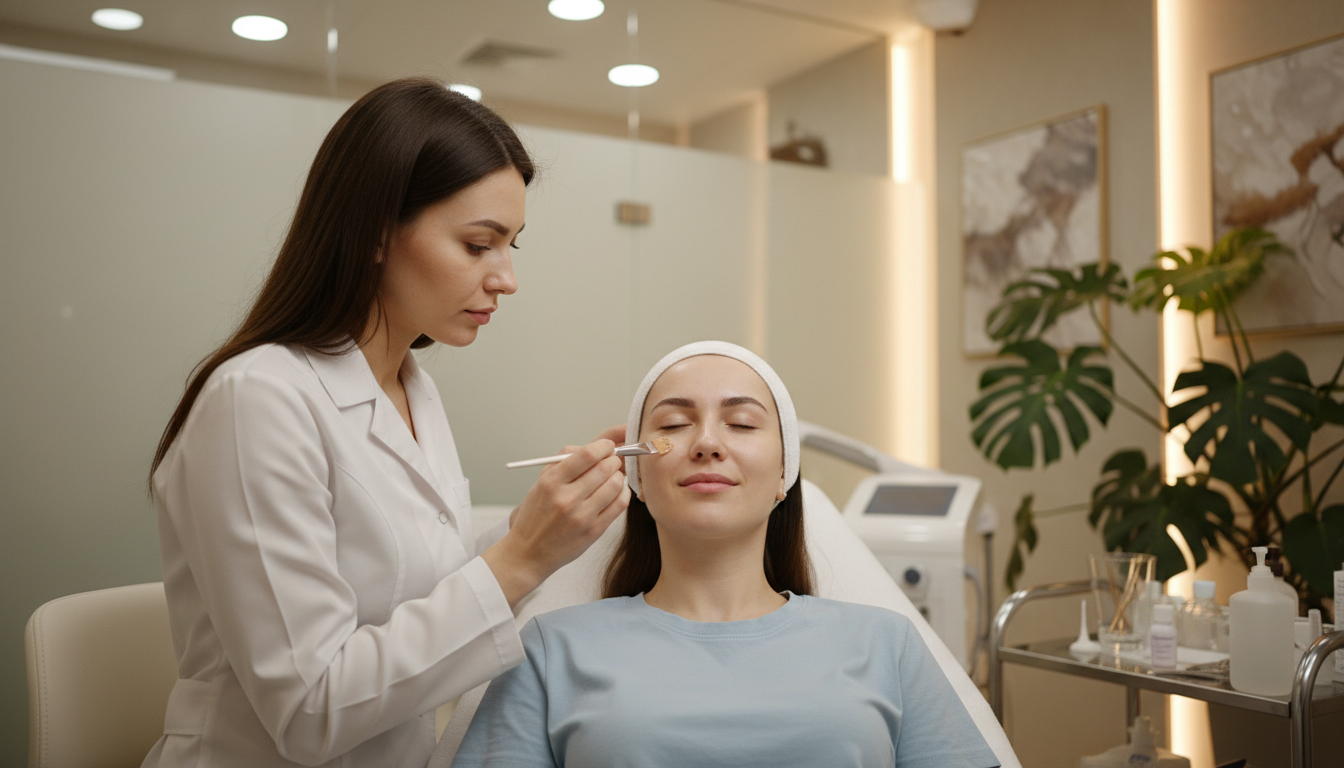
Medical tourism is getting more popular, with Turkey being a top choice for quality dermatology. Many from the UK are going abroad for effective solutions to skin problems that are hard to fix at home.
Finding the right way to improve your skin can be tough. But, Turkish clinics are known for their expertise. This guide helps you understand Chemical Peel Treatment for Acne Scars to boost your confidence and get a smoother skin.
By focusing on professional standards and the latest technology, patients get care that meets their needs. We look into how this treatment works and why many choose Turkey for their beauty journey.
Key Takeaways
- Turkey is a leading hub for international medical tourism and dermatological services.
- Patients from the UK frequently choose Turkish clinics for their high standards of care.
- A professional approach ensures safety and optimal results for skin rejuvenation.
- Understanding the procedure helps individuals make informed decisions about their health.
- Expert practitioners provide tailored solutions for long-term skin improvement.
Understanding the Impact of Acne Scars on Skin Texture
Acne scars can really affect your skin and how you feel about yourself. When acne goes deep, it can change your skin’s texture for good. It is common to feel frustrated when creams don’t fix these uneven spots.
Scars come in two main types: atrophic and hypertrophic. Atrophic scars look like depressions or pits. They happen when the skin doesn’t make enough collagen when healing. On the other hand, hypertrophic scars are raised and firm because of too much collagen.
These changes are hard to fix with everyday products because they’re deep in the skin. Moisturisers and serums can make your skin feel better but can’t change deep scars. That’s why you might need professional acne scar treatment for a smoother look.
Knowing how chemical peel effects work on scars is key. Peels remove damaged skin, helping your skin heal more evenly. Choosing the right clinical approach can make your skin look and feel better, boosting your confidence.
The Science Behind Chemical Peel Treatment for Acne Scars
Chemical peels work by making the skin repair itself after it’s gently peeled. A special solution is applied to the skin’s surface. This removes the damaged top layers of the epidermis.
This action starts a natural healing response in the skin. It’s key for long-term skin renewal.
As the skin heals, it makes more collagen and elastin. These are important for healthy skin. They help fill in the marks left by past breakouts. So, Chemical Peel Treatment for Acne Scars helps the skin renew itself.
One big benefit of chemical peels is how they improve skin texture. They get rid of old, damaged cells. This reveals a brighter, more even skin underneath.
They also help fix uneven skin colour. This is a big plus for those with marks from past acne.
People often see more than just scar reduction. The treatment makes the skin look brighter and more alive. When done right, it helps the skin heal in a way that looks good.
Knowing how chemical peels work helps people see why doing them regularly is important. They work for both small texture issues and deeper scars. The chemical peel benefits offer a scientific way to get clearer, smoother skin.
Why Turkey Has Become a Global Hub for Dermatological Procedures
Turkey’s rise as a top spot for medical aesthetics is not by chance. It’s thanks to strategic investment. Over the last ten years, Turkey has focused on improving its healthcare. This effort has made it a leading place for top-notch dermatological care.
The key to Turkey’s success is the extensive investment in modern medical facilities. Clinics in big cities now have the latest technology. This ensures treatments are safe and effective. Turkish clinics offer a top-notch experience, matching the UK’s best.
Also, the training of medical experts is a big part of Turkey’s growth. Dermatologists and aesthetic practitioners go through rigorous training programmes. These programmes meet strict international standards. This means every procedure, like complex chemical peels, is done with great care.
Because of these high standards, more patients from Europe are coming. People from the UK and other countries are picking Turkey for their skin needs. They value the exceptional balance of quality and ease of access. This growth shows the trust international patients have in Turkey’s healthcare.
In summary, Turkey’s advanced technology, skilled professionals, and focus on safety have made it a global leader. It’s a top pick for those who want the best in dermatological treatments. By picking a reputable clinic, patients get world-class results in a friendly and professional setting.
Types of Chemical Peels Available for Scar Revision
Not all skin treatments are the same. That’s why it’s key to know about chemical peel types. This knowledge helps you choose the right treatment for your skin. It ensures you get the results you want and can recover well.
Superficial Peels for Mild Texture Irregularities
Superficial peels use gentle acids like alpha-hydroxy acids (AHAs). They work on the skin’s surface. These chemical peel types are great for small skin issues or minor colour changes.
They are easy on the skin and don’t need much time to heal. So, you can get back to your normal life quickly.
Medium-Depth Peels for Moderate Scarring
For deeper scarring, medium-depth peels are a good choice. They use trichloroacetic acid (TCA) to reach deeper skin layers. They’re good at making moderate scars less noticeable and improving skin colour.
But, they do need some time to heal. It’s important to follow your doctor’s advice during this period.
Deep Peels for Severe Acne Scarring
Deep peels are for serious scarring. They use phenol to deeply penetrate the skin. This leads to a strong healing response.
Because they’re so intense, they take longer to recover from. They should only be done by experts.
| Peel Depth | Primary Acid Used | Target Concern | Recovery Time |
|---|---|---|---|
| Superficial | Glycolic/Lactic | Mild Texture | 1-3 Days |
| Medium | TCA | Moderate Scars | 7-10 Days |
| Deep | Phenol | Severe Scarring | 2-4 Weeks |
Assessing Your Suitability for Chemical Peel Therapy
Your journey to smoother skin starts with checking your skin type. Dermatologists look at your medical history. They make sure a Chemical Peel Treatment for Acne Scars is safe and works for you.
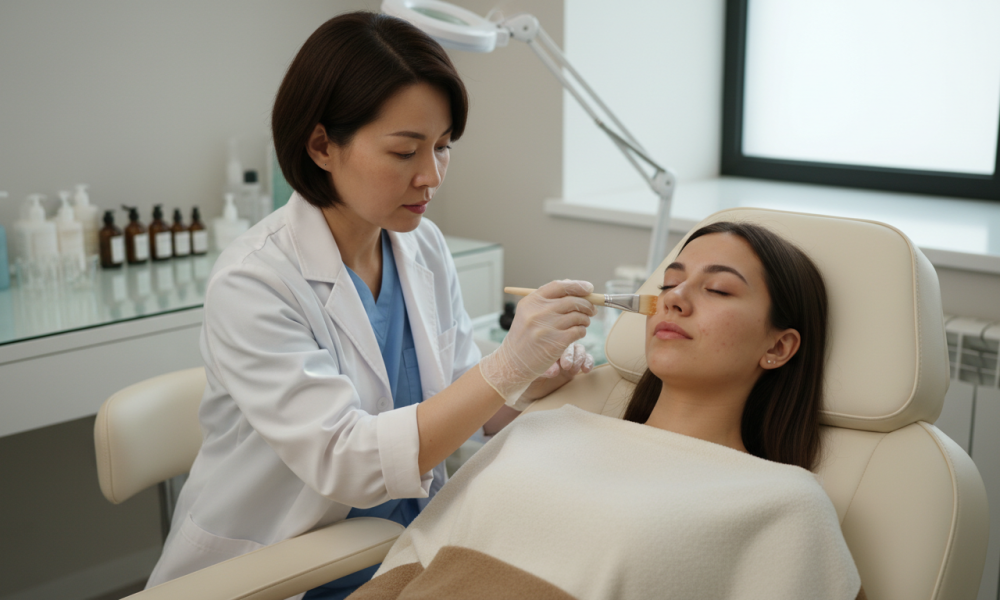
Several things decide if you’re right for this treatment. Experts look at a few important points during your first check-up:
- Skin Type and Tone: Some skin types might change colour more after a peel.
- Acne History: How often and how bad your acne was helps decide the peel’s depth.
- Underlying Health Conditions: Skin problems or autoimmune diseases can affect healing.
- Current Skincare Routine: Using retinoids or exfoliants might mean waiting before treatment.
Telling the truth about your health and meds is crucial. This lets your specialist make the Chemical Peel Treatment for Acne Scars just right for you. It helps avoid risks.
Looking at these points helps you see if this treatment fits your skin health goals. A professional chat is the best way to know if a Chemical Peel Treatment for Acne Scars is for you.
The Chemical Peel Process: What to Expect During Your Visit
The chemical peel process is carefully managed to keep you comfortable and ensure great results. At a top clinic in Turkey, you’ll find a safe and welcoming space. It’s designed to make sure you’re happy and safe from start to finish.
Initial Consultation and Skin Analysis
Every treatment starts with a detailed chat. A skilled dermatologist will look closely at your skin. They’ll figure out your skin type and how bad your acne scars are.
This step is crucial for picking the right chemical mix. The expert will choose the best treatment for your skin, making sure it’s safe and works well.
Preparation Protocols Before the Procedure
Before the treatment starts, your skin needs to be ready. The team will clean your skin deeply to get rid of oils and dirt. This makes sure the chemicals work evenly.
A special cleaner is used to get your skin ready. This meticulous preparation helps the chemicals reach your skin right. It also makes sure the results are even.
The Application and Neutralisation Phase
When it’s time for the treatment, the dermatologist will apply the chemical solution carefully. You might feel a bit of tingling or warmth. This is normal during the chemical peel process.
The dermatologist will watch your skin closely. They make sure the solution stays on just the right amount of time. Then, they use a neutralising agent to stop the treatment.
This final step is essential to protect your skin. After neutralising, the area is rinsed and treated with soothing products. This helps your skin start healing right away.
Comparing Chemical Peels with Other Acne Scar Treatments
Choosing the right acne scar treatment means looking at the benefits of chemical peels versus other methods. Each treatment has its own strengths, depending on your skin and scars. Knowing these differences helps you pick the best option for your beauty goals.
Chemical Peels Versus Laser Resurfacing
Laser resurfacing uses light to remove damaged skin layers precisely. It’s great for deep scars but takes longer to heal than chemical peels. Chemical peels are good at fixing surface issues and colour problems at the same time.
Many like peels because they offer a gentle way to exfoliate. They’re less harsh than some lasers, making them a top choice for those wanting quick recovery.
Chemical Peels Versus Microneedling
Microneedling creates tiny injuries to boost collagen. It’s perfect for deep scars needing a lot of repair. Chemical peels, on the other hand, dissolve the skin’s top layers for a smoother look.
Deciding between these treatments depends on what you want to fix. A mix of both might be best for the best results. A pro can help figure out what’s best for your skin.
| Treatment Type | Primary Mechanism | Best For | Recovery Time |
|---|---|---|---|
| Chemical Peels | Chemical Exfoliation | Pigmentation & Texture | Short to Moderate |
| Laser Resurfacing | Light Energy | Deep Scarring | Long |
| Microneedling | Collagen Induction | Pitted Scars | Moderate |
Benefits of Choosing Turkey for Your Dermatological Care
Turkey is a top choice for those looking for quality and value in skin care. People from the UK often go there for world-class treatments. These treatments help with many skin problems. Knowing the chemical peel benefits in these clinics helps you choose the best for your skin.
Advanced Medical Infrastructure and Technology
Turkish clinics are known for their modern technology. They have the latest equipment for precise treatments. This means they can offer effective skin solutions.
The medical staff in these clinics are highly trained. They have international certifications. This ensures your treatment is safe and fits your skin type. This is why more and more people are choosing chemical peel benefits in Turkey.
Cost-Effectiveness and All-Inclusive Packages
Choosing Turkey is great because it’s affordable. Clinics offer all-inclusive packages that make planning easy. These packages include your stay, transport, and the treatment.
These packages make your trip smooth. You can focus on recovering and enjoying the chemical peel benefits for your skin. Here’s why many prefer this approach to medical tourism.
| Feature | Standard Local Clinic | Turkish Specialist Clinic |
|---|---|---|
| Treatment Cost | High | Competitive |
| Package Inclusions | Procedure Only | All-Inclusive |
| Technology Level | Variable | State-of-the-Art |
| Logistical Support | None | Full Concierge |
Safety Standards and Regulatory Oversight in Turkish Clinics
When you think about getting skin treatments abroad, knowing the rules is key. Turkey has a strong system to make sure medical places follow strict safety rules. These rules help keep patients safe and ensure top-notch care, just like in specialised medical treatments in Turkey.
The Ministry of Health in Turkey keeps an eye on clinics to make sure they meet global standards. Picking a clinic with official approval means it follows strict cleanliness rules and has skilled staff. This is important when you’re looking at different chemical peel types for your skin.
Always check if your clinic is listed with health authorities. This step adds extra safety, making sure the place is checked for safety and rules. By doing this, you can be completely confident in the quality of chemical peels you can get.
With top-notch medical setup and strict government watch, Turkey is a safe place for skin treatments. Choosing approved clinics means your path to better skin is backed by expertise and safety.
Managing Expectations: Realistic Chemical Peel Results
To get the skin you dream of, you must know what a chemical peel can do. The chemical peel benefits are many, like smoother skin and a brighter look. But, remember, it’s a medical treatment, not a quick fix.
Right after your first peel, you might see a big change. But, for deep scars, it takes more than one session. Your skin needs time to heal and grow back between peels. Consistency is truly the secret to success for lasting skin issues.
Before starting, think about these important points:
- Individual skin response: Everyone reacts differently to peels, based on their skin and scars.
- Gradual improvement: Big changes come slowly, over months.
- Professional guidance: Your dermatologist will make a plan that fits your skin’s needs.
Talking openly with your specialist is key. Share your chemical peel results hopes at your first meeting. This way, you and your dermatologist can work together. Trusting your dermatologist keeps you positive during the healing time.
Potential Chemical Peel Risks and How They Are Mitigated
Many people wonder about the safety of the chemical peel process. They also ask how clinics handle any side effects. While these treatments are generally safe, it’s true that all medical procedures have some risks. Knowing about these risks helps you feel more confident and calm when you start your beauty journey.
Some common side effects include mild redness, skin sensitivity, or slight colour changes. These are usually part of the skin’s natural healing process. Professional dermatologists in Turkey are skilled at watching for these signs. They make sure you’re comfortable while your skin heals.
Clinics take many steps to keep you safe before starting treatment. They do a detailed skin check and test the peel on a small area first. This way, they can use medical-grade products safely. They can also control how deep the peel goes, which lowers the risk of problems.
The table below shows some common worries and how clinics deal with them to keep you safe:
| Potential Risk | Likelihood | Mitigation Strategy |
|---|---|---|
| Temporary Redness | High | Soothing post-peel balms |
| Skin Sensitivity | Moderate | Customised acid concentration |
| Pigment Changes | Low | Pre-treatment skin assessment |
| Surface Irritation | Low | Controlled neutralisation phase |
The success of your treatment depends a lot on your doctor’s skill. Choosing a clinic that values patient safety and transparency is key. This way, every step of the chemical peel is done with the utmost care. This careful approach helps you get the skin you want while avoiding any serious issues.
Essential Chemical Peel Aftercare for Optimal Healing
Good chemical peel aftercare is key to healing well after a treatment. Your daily actions after the treatment greatly affect the results. By following these tips, you protect your skin and get the best from your chemical peel results.
Immediate Post-Treatment Skincare Routine
After your treatment, your skin will be sensitive and might peel or turn red. Use only gentle, non-abrasive cleansers to keep it moist. Don’t scrub or pick at peeling skin to avoid scars or spots.
Keeping your skin hydrated is vital. Use a good, fragrance-free moisturiser as advised by your specialist. This helps your skin heal faster and keeps your chemical peel results looking great.
Long-Term Sun Protection and Maintenance
Protecting your skin from the sun is very important for long-term chemical peel aftercare. New skin is very sensitive to UV rays, which can cause dark spots and undo your treatment. Always use a broad-spectrum SPF 50+ sunscreen every day, even on cloudy days in the UK.
To keep your skin healthy, stick to a daily routine. Use antioxidants and avoid harsh exfoliants for a few weeks. This way, your skin stays looking good for a long time.
| Recovery Phase | Primary Focus | Key Action |
|---|---|---|
| Days 1-3 | Soothing | Gentle cleansing and hydration |
| Days 4-7 | Protection | Strict SPF application |
| Long-Term | Maintenance | Consistent sun avoidance |
Selecting the Right Clinic and Specialist in Turkey
Finding a good clinic is key to getting the best results and avoiding chemical peel risks. It’s important to do your homework to find a qualified doctor in a safe place. A careful vetting process will help you choose the right medical team.
Verifying Surgeon Credentials and Experience
Start by checking the doctor’s credentials. Look for board certifications from well-known medical groups. Experience is important for treatments like chemical peels.
Here are some things to check when looking for a specialist:
- Years of practice in dermatology.
- Membership in aesthetic medicine societies.
- Training and certification in chemical peels.
- A good track record in patient safety and chemical peel risks.
Reviewing Patient Testimonials and Before-and-After Galleries
Looking at before-and-after photos and reading patient testimonials can give you a good idea of what to expect. Good clinics in Turkey have many examples of their work. These photos help you understand what your treatment might look like.
When reading testimonials, look for detailed stories about the recovery and communication. A good clinic will share success stories and talk openly about chemical peel risks.
| Feature | Reputable Clinic | Questionable Provider |
|---|---|---|
| Communication | Clear and detailed | Vague or pushy |
| Documentation | Full medical history taken | No pre-screening |
| Safety Focus | Proactive risk management | Ignores possible complications |
Choosing the right specialist carefully is the best way to have a good outcome. Focus on safety and expertise to lower chemical peel risks. Always trust your gut if a clinic doesn’t answer your questions clearly.
Navigating Travel Logistics for Your Medical Trip
A successful medical trip needs seamless coordination between your travel plans and recovery needs. When you plan your visit to Turkey, make sure your flight schedule matches your procedure’s needs. This helps you focus on your chemical peel aftercare without worrying about travel issues.
Top clinics in Turkey provide great support for local transport. We suggest booking flights that give you time to rest after treatment. Prioritising your comfort in the first days is key for the best skin results.
Make sure your return flight has enough time for your healing. By planning your recovery well, you can keep up with your chemical peel aftercare routine abroad. Professional logistical planning makes your medical trip stress-free. You’ll return home feeling refreshed and confident in your skin.
Conclusion
Improving your skin through expert care is a journey. It needs careful planning and smart choices. Turkey is a great place for this, with its advanced technology and skilled doctors.
Getting good results depends on following professional advice and aftercare routines. Choose clinics with proven records to keep your journey safe and successful.
Choosing to get acne scar treatment abroad is a big step. It’s a move towards feeling more confident. Contact top clinics in Istanbul or Antalya for a consultation. With the right team, achieving clear, healthy skin is possible.
FAQ
Q: Why is Turkey considered a leading destination for chemical peel treatment for acne scars?
A: Turkey is a top choice for chemical peel treatment for acne scars because of its advanced medical setup. It has specialised dermatologists who follow strict international standards. The country offers top-notch care, modern technology, and affordable packages that include everything you need.
Q: What are the primary chemical peel benefits for individuals with persistent acne scarring?
A: Chemical peels do more than just exfoliate. They trigger the skin’s healing process and boost collagen production. This helps to improve the look of scars, enhance skin texture, and even out skin tone, leading to a smoother complexion.
Q: How do the different chemical peel types vary in terms of depth and recovery?
A: There are three main chemical peel types for scar treatment. Superficial peels use mild acids for gentle exfoliation with little downtime. Medium-depth peels treat moderate scarring, and deep peels target severe damage. Each type has different effects, and the right one depends on the scar’s severity and your skin.
Q: What should I expect during the professional chemical peel process in a clinical setting?
A: The chemical peel process starts with a skin analysis and consultation to pick the right acid. Then, the skin is prepared to make it ready for the peel. During the treatment, the peel is applied carefully, and then neutralised to control its depth.
Q: When will I see definitive chemical peel results after my procedure?
A: You might see initial chemical peel results like brighter and smoother skin after the peeling phase. But, the real improvements in acne scars take time, often several months. For deep scars, you might need more than one session to see the best results.
Q: What are the possible chemical peel risks and how are they managed by specialists?
A: While safe in expert hands, chemical peel risks include temporary redness, sensitivity, or colour changes. Top clinics in Turkey reduce these risks with thorough testing, using high-quality products, and giving detailed chemical peel aftercare advice.
Q: How does a chemical peel compare to other options like laser resurfacing or microneedling?
A: Chemical peels are a versatile acne scar treatment that can tackle texture issues and colour problems. Unlike laser or microneedling, peels use chemical exfoliation. Many prefer peels for their all-in-one skin rejuvenation, but a specialist might suggest combining treatments for the best outcome.
Q: What is the most important aspect of chemical peel aftercare to ensure successful healing?
A: Following chemical peel aftercare closely is key for a smooth recovery. Use gentle cleansers, keep your skin hydrated, and protect it from the sun. Avoiding the sun is critical to prevent issues like hyperpigmentation and protect your new skin as it heals.
Q: How do I determine if I am a suitable candidate for this type of acne scar treatment?
A: A dermatologist will assess your skin type, acne history, and health during a consultation. Certain factors like keloid scarring or medication use might affect the recommendation. A custom approach ensures the chemical peel effects meet your specific skin needs.
Related guides

Healthcare Content Compliance Guide for Growth
A high-performing treatment page can generate international patient inquiries within hours. It can also create material risk if…
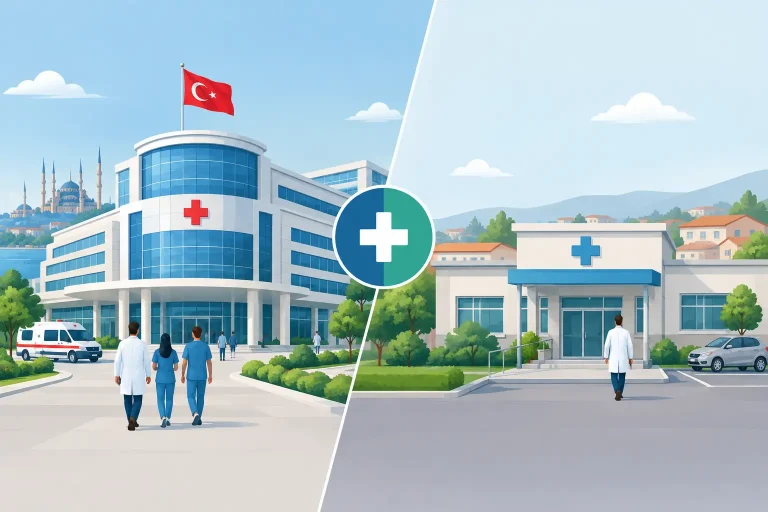
Turkey Hospitals vs Local Hospitals Compared
A lower procedure quote can get a patient’s attention. It should not make the decision on its own.…

Patient Experience That Drives Trust and Growth
A patient who has already uploaded medical records, compared providers, and arranged time away from work is not…