
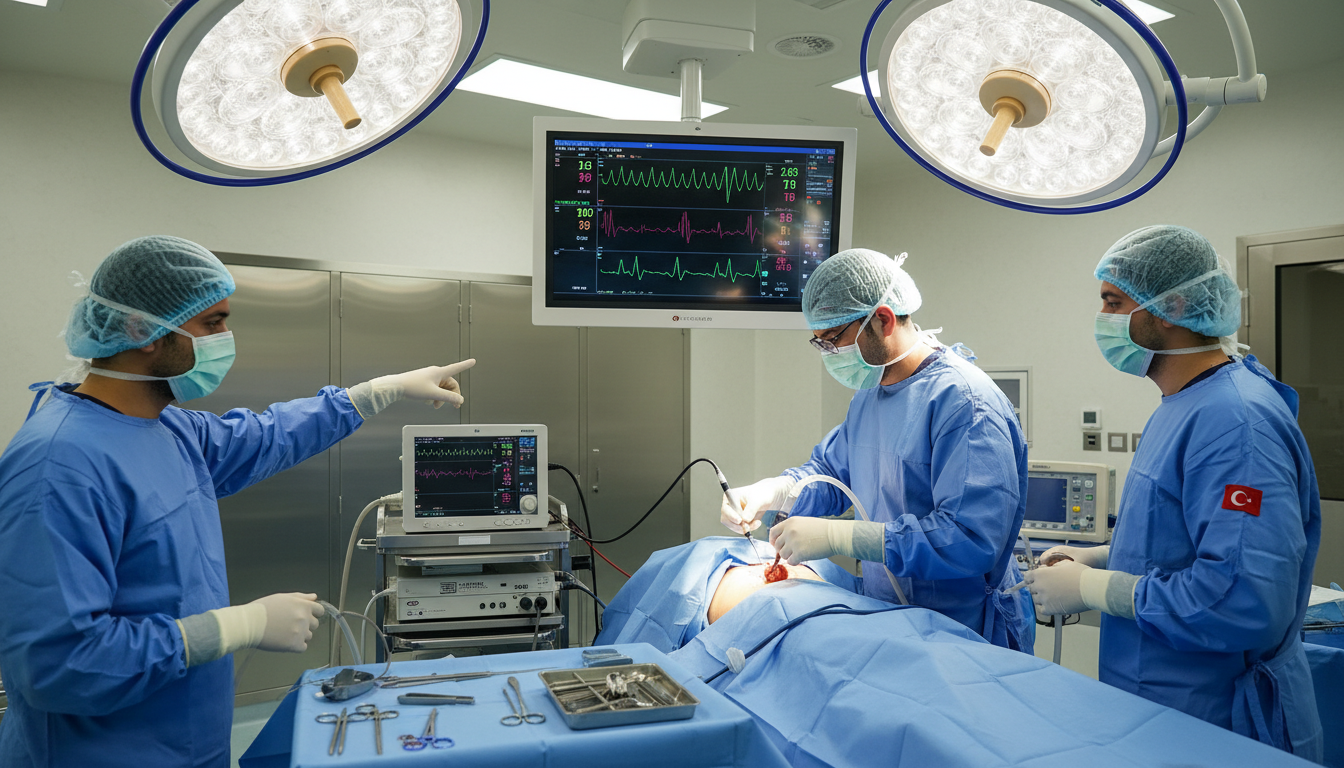
More and more people from the UK are choosing to go abroad for medical care. They want high-quality care and don’t want to wait long. Turkey is becoming a top choice for many looking for top-notch medical help.
Turkish hospitals are known for their exceptional standards and the latest technology. For those needing a Cholecystectomy/Gallbladder Stone Surgery, Turkey offers a smooth experience. Expert doctors make sure each patient gets the care they need every step of the way.
Having this surgery in a top clinic in Turkey means you can relax. You’ll get world-class expertise and care that focuses on your comfort. It’s clear why so many Brits choose these places for their health needs.
Key Takeaways
- Increasing numbers of UK patients travel to Turkey for medical procedures.
- Turkish clinics maintain rigorous professional standards for patient safety.
- The country is recognised as a leading hub for specialised abdominal operations.
- Patients benefit from modern facilities and highly experienced medical teams.
- Personalised care plans help ensure a smooth and successful recovery process.
Understanding Gallbladder Disease and the Need for Surgery
Many patients face surgery after sharp pain from biliary conditions. The gallbladder stores bile, key for fat digestion. Stones disrupt this, often needing gallstone removal to avoid health issues.
Symptoms and Clinical Presentation of Gallstones
Biliary colic, sharp pain in the upper right, is a common sign. It can spread to the back or shoulder after fatty meals. Patients should remain vigilant, as ongoing symptoms may signal bile duct cancer or severe inflammation.
Jaundice, yellow skin and eyes, is a critical sign needing quick medical attention. It happens when a stone blocks the bile duct. Spotting these symptoms early is key for effective gallstone removal and recovery.
| Symptom | Clinical Significance | Urgency Level |
|---|---|---|
| Biliary Colic | Temporary duct blockage | Moderate |
| Jaundice | Bile duct obstruction | High |
| Persistent Fever | Potential infection | Critical |
Diagnostic Procedures for Biliary Conditions
Doctors use advanced tools to confirm surgery needs. An abdominal ultrasound is often the first step. It shows the gallbladder and stones clearly, helping plan gallstone removal safely.
In complex cases, MRI or MRCP might be used. These give detailed views of the biliary tree. This ensures surgeons understand the patient’s anatomy well. Accurate diagnosis is vital for successful treatment and safety.
The Rise of Medical Tourism for Cholecystectomy/Gallbladder Stone Surgery
Medical tourism has grown from a small market to a big choice for those seeking top care. Many now look abroad for care that’s both excellent and easy to get to. This is true for elective surgeries, where getting there and finding a good doctor are key.
The need for Cholecystectomy/Gallbladder Stone Surgery shows a bigger trend. People are taking charge of their health by looking at international options. This way, they can avoid long waits and get top-notch care sooner.
Why United Kingdom Patients Choose Turkey
More patients from the UK are choosing Turkey for medical care. They save a lot of money and avoid long waits. Turkey is also close to the UK, making it easy to get to for quick treatment.
Patients say the care they get is very personal. This means they get support from start to finish with their gallbladder stone surgery. It makes their recovery smoother.
Standards of Care in Turkish Hospitals
Turkish hospitals have modern setups and the latest medical tech. Many top hospitals have international seals, showing they meet high safety and quality standards. They often match or beat the standards of the best Western hospitals.
The doctors in these places are well-trained, often from around the world. Turkey is known for its reliable care in complex surgeries like Cholecystectomy/Gallbladder Stone Surgery. Patients know they’re in good hands with skilled doctors aiming for the best results.
Surgical Techniques for Gallbladder Removal
Surgeons use two main ways to treat gallbladder disease. The choice depends on your symptoms and how complex your case is. Both methods aim to fix your symptoms and keep you safe and healthy in the long run.
Laparoscopic Cholecystectomy: The Gold Standard
The laparoscopic cholecystectomy is the top choice for removing the gallbladder. It’s a small cut method that uses tiny cameras and tools. This way, surgeons can work with great detail.
This method is popular because it has big benefits. It causes less pain, lowers infection risk, and you heal faster. Most people can get back to normal in just a few days.
Open Cholecystectomy: When Traditional Surgery is Required
Though the laparoscopic method is preferred, open cholecystectomy is also important. It uses a bigger cut to directly reach the gallbladder. It’s for complex cases or when the area is very inflamed.
Your surgeon might pick this if your past surgeries have made it hard to see the gallbladder. Safety is the main reason for choosing between these methods. If an open surgery is safer for you, your surgeon will explain why.
Both cholecystectomy methods are common and work well. In Turkey, modern surgery standards mean top care for all patients, no matter the method.
Specialised Biliary Surgery and Choledocholithiasis Treatment
Gallstones in the common bile duct need precise surgery. This is called choledocholithiasis. It can cause jaundice or pancreatitis. In Turkey, patients get top-notch care from skilled surgeons for this complex issue.
Managing Bile Duct Stones
The main goal is to keep bile flowing freely. Surgeons must check the stone’s size and where it is before surgery. They aim to avoid harming nearby delicate areas.
Often, they remove the gallbladder and clear the bile duct in one go. This method cuts down on surgeries and speeds up recovery. It’s a key part of treating bile duct stones effectively.
Advanced Endoscopic Approaches
Modern medicine has changed how we treat blockages. Endoscopic Retrograde Cholangiopancreatography (ERCP) is a key tool. It lets surgeons reach the bile duct from the mouth, without big cuts.
With high-tech imaging and tools, doctors can remove stones gently. These advanced endoscopic approaches are central to top care in Turkish hospitals. They help patients get back to normal life quickly.
| Procedure Type | Primary Focus | Invasiveness |
|---|---|---|
| Laparoscopic Surgery | Gallbladder Removal | Low |
| ERCP | Bile Duct Clearance | Minimal |
| Open Biliary Surgery | Complex Obstructions | Moderate |
Selecting the Right Surgeon and Medical Facility in Turkey
Finding the right medical team is key when you’re planning gallbladder surgery in Turkey. It’s vital to do your homework to ensure your safety and quality care. For more advice, check out this guide on choosing a doctor for your treatment.

Accreditations and International Standards
When picking a hospital, look for internationally recognised accreditations like the Joint Commission International (JCI) seal. These show the hospital meets global standards for safety and quality. Choosing an accredited hospital means you’re in a place that values your safety and care.
Also, check if the clinic follows ISO quality management standards. These ensure the hospital operates at a high level in all areas. A hospital that follows these standards shows it’s serious about reducing surgical risks and creating a clean, professional space for your recovery.
Evaluating Surgeon Experience and Qualifications
Your surgeon’s skill is key to a successful surgery. Make sure your surgeon is board-certified and trained in minimally invasive biliary surgery. It’s okay to ask about their experience and how many gallbladder surgeries they do each year.
Here’s how to check your surgeon’s qualifications:
- Look at their professional credentials and memberships in surgical societies.
- Ask about their experience with laparoscopic versus open surgery.
- Check out patient testimonials or case studies to see their clinical precision and bedside manner.
By checking these qualifications, you’ll know you’re in good hands. A good surgeon will talk openly about their experience and answer your questions before you travel. This openness is the start of a safe and successful medical journey.
The Patient Journey: From Consultation to Surgery
The journey to successful gallbladder surgery starts long before you get to the hospital in Turkey. A well-organised process ensures each patient gets personalised care suited to their needs. This clear path helps you feel confident and ready for your surgery.
Initial Remote Consultations and Medical History Review
Thanks to modern tech, talking to your surgical team in Turkey is easy. Your journey begins with a virtual consultation. Here, you can talk about your symptoms and medical history with a specialist. This first step is key to seeing if you’re right for surgery.
You’ll be asked to share all your medical records, like blood tests and scans. The team will look over these to thoroughly assess your health. This remote check ensures all decisions are based on the latest information before you book your flight.
Pre-operative Preparation and Requirements
After scheduling your surgery, you’ll get a detailed guide on what to do before. Following these instructions is crucial for your safety and the success of the surgery. You’ll learn about fasting rules, which mean avoiding food and drink for a few hours before the surgery.
You might also need to do health checks when you arrive at the hospital. These include a physical check, blood tests, and a chat with an anaesthetist to make sure you’re ready for surgery. Clear communication with your medical coordinator makes managing these steps easy. This lets you focus on getting better.
Anaesthesia and Safety Protocols in Turkish Operating Theatres
Understanding the safety measures in Turkish hospitals can give you peace of mind. They focus on patient welfare with advanced technology and skilled teams. This ensures your gallbladder removal is done with great care.
Modern Anaesthetic Techniques
Turkish surgical centres use the latest drugs for tailored anaesthetic plans. A consultant anaesthetist reviews your history before surgery. This helps create a safe and effective anaesthetic plan for you.
The use of short-acting anaesthetic agents helps control sedation levels. These modern methods keep you comfortable and stable. They focus on your needs to reduce anaesthesia risks.
Patient Monitoring and Safety Standards
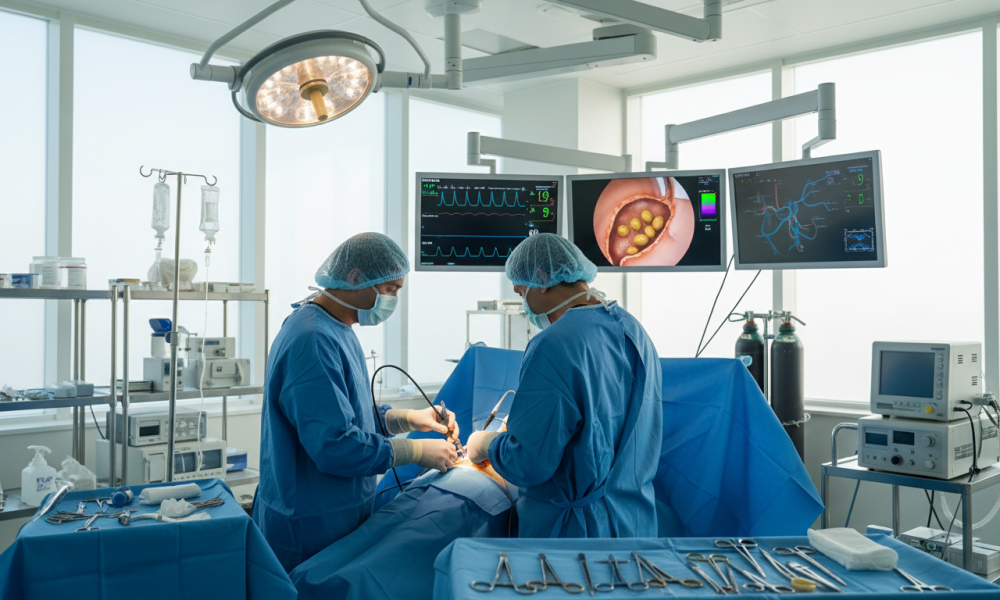
Operating theatres monitor vital functions in real-time. Advanced equipment tracks your heart rate, blood oxygen, and blood pressure. This allows the team to act quickly if needed.
Turkish hospitals follow strict safety and hygiene standards. They have state-of-the-art ventilation systems to keep the area clean. Every staff member is well-trained to keep safety first from start to finish.
Post-operative Care and Recovery Expectations
After your surgery, your focus shifts to healing and feeling comfortable. Turkish medical facilities make sure you move smoothly from the operating room to the recovery ward. Here, dedicated nurses watch over you closely.
You’ll stay in the recovery area until the anaesthesia wears off and your health signs are stable. This is a short time.
Immediate Recovery in the Hospital
Most patients stay in the hospital for just one night. This is to check for any immediate problems. Your surgical team will keep a close eye on you, making sure you’re comfortable.
Early mobilisation is encouraged. Walking a bit soon after surgery helps prevent blood clots and speeds up recovery.
The nursing staff will give you clear instructions on wound care and follow-up appointments before you leave. They are there 24/7 to answer any questions. This attentive approach helps you feel at ease as you start healing.
Managing Pain and Dietary Adjustments
Managing pain is key to your care plan. You might feel some mild pain or bloating, but your team will give you the right painkillers. It’s vital to follow the prescribed medication schedule to manage pain well.
Your diet will need to change for a while to help your digestive system adjust. Start with light, low-fat meals and gradually add more foods as you can. Avoiding high-fat, fried, or greasy foods is important to prevent digestive issues early on.
| Recovery Phase | Expected Activity | Dietary Focus |
|---|---|---|
| Days 1-3 | Rest and light walking | Clear liquids and low-fat soups |
| Days 4-7 | Increased movement | Small, frequent low-fat meals |
| Weeks 2-4 | Return to light daily tasks | Gradual return to balanced diet |
| Month 1+ | Normal physical activity | Healthy, fibre-rich nutrition |
Potential Risks and Complications of Gallbladder Surgery
Gallbladder surgery is common worldwide. But, it’s important to know the risks. Thanks to modern medicine, the risks are lower. Knowing about them helps you feel more confident about your treatment.
Understanding Surgical Risks
Most people do well after surgery. But, some might face minor problems like infections or pain. Rarely, serious issues like bile duct injuries can happen.
Doctors carefully check your health before surgery. They use your medical history to plan the best approach. This helps keep you safe during the whole process.
Mitigation Strategies and Follow-up Care
Doctors use strict safety rules and new tech to reduce risks. They use special cameras to see clearly during surgery. Structured follow-up care is also key to watch your recovery and solve any issues quickly.
Your recovery plan includes regular check-ups. It’s important to talk openly with your doctors to keep your health on track. Here’s how doctors handle risks in a clinical setting.
| Potential Risk | Mitigation Strategy | Follow-up Action |
|---|---|---|
| Wound Infection | Sterile surgical environment | Regular dressing checks |
| Bile Duct Injury | Advanced imaging guidance | Post-operative monitoring |
| Anaesthetic Reaction | Pre-operative health screening | Anaesthetist consultation |
| Digestive Discomfort | Personalised dietary advice | Nutritional follow-up |
Comparing Costs: Turkey versus the United Kingdom
Looking into medical treatment, the cost of gallbladder stone surgery in Turkey is often much lower than in the UK. Many patients find the total cost is significantly less without losing quality or safety.
It’s key to understand the cost of your procedure. By comparing private healthcare at home with international options, you can make a better choice for your health and wallet.
Breakdown of Surgical Expenses
The cost of surgery includes several main parts. In Turkey, these are often combined into one clear price. In the UK, private hospitals might charge for each item separately.
- Surgeon Fees: The fee for the doctor doing the surgery.
- Hospital Charges: Costs for the operating room, nurses, and your stay.
- Anaesthesia Costs: Fees for the anaesthetist and the drugs needed.
- Diagnostic Tests: Blood work and scans before surgery for safety.
The table below shows a general comparison of the costs for gallbladder stone surgery in both places.
| Expense Category | Typical UK Private Cost | Typical Turkey Cost |
|---|---|---|
| Surgical Procedure | High | Moderate |
| Hospital Stay | High | Included |
| Anaesthesia | Variable | Included |
Hidden Costs and Value-Added Services
It’s important to look at more than just the initial price. Some costs might pop up during your medical trip. While some places offer all-in-one deals, others might charge extra for important services.
Many Turkish clinics offer value-added services not usually found in UK private quotes. These can include:
- Airport transfers and local transport to the clinic.
- Accommodation for you and a guest.
- Dedicated coordinators for language help.
- Medication and follow-up visits after surgery.
Choosing a full package can help avoid surprise costs. Always ask for a detailed quote that lists all services included. This way, you won’t face unexpected expenses during your gallbladder stone surgery.
Logistics for International Patients Travelling from the UK
Planning your medical trip from the UK needs careful thought for your comfort and safety. When choosing where to go for medical care, knowing the logistics is as key as picking your surgeon. A good plan lets you focus on healing without worrying about travel.
Travel Arrangements and Accommodation
Major Turkish cities are easily reached by direct flights from the UK. It’s highly recommended to book flights early for the best prices and to match your arrival with your pre-op consultation.
For your stay, many clinics have deals with nearby hotels for post-surgery patients. It’s essential to stay close to the hospital for follow-ups and quick medical help. Make sure your hotel has easy access and facilities for your mobility after surgery.
Support Services for Medical Tourists
Turkish medical facilities offer great support for international visitors. They have a dedicated patient coordinator to help you throughout your stay.
These services include:
- Airport Transfers: Private transport from the airport to your hotel or clinic.
- Translation Services: Professional interpreters for clear talks with your medical team.
- Concierge Assistance: Help with local activities, pharmacy visits, or other needs during your recovery.
Using these services can make your trip less stressful. By letting your medical provider handle the details, you can focus on your health and recovery.
Legal and Ethical Considerations for Medical Tourism
Choosing to have surgery abroad means you must prioritise your legal and ethical protections. It’s not just about finding a skilled surgeon. You need to understand the laws and regulations of the country. Knowing your rights will make you confident and secure during your medical trip.
Patient Rights and Informed Consent
The key to ethical medical care is informed consent. Before surgery, your team must explain the procedure, what you can expect, and any risks. You should ask questions and get clear answers in a language you understand.
In Turkey, top hospitals follow strict rules about patient documents. Make sure all consent forms are in English. You should have time to read them before signing. Never feel rushed to agree until you’re sure about the information.
Insurance and Liability Coverage
Getting the right medical travel insurance is a must for UK patients. Regular travel insurance might not cover surgery complications. So, you need special insurance for international surgery and aftercare.
It’s also key to know about liability coverage. Even with Turkey’s high care standards, it’s good to know your legal options if something goes wrong. Always check if your clinic has comprehensive professional indemnity insurance. These steps protect you, so you can focus on healing and health.
Life After Cholecystectomy: Long-term Health Outlook
After the gallbladder is removed, your body starts to adapt. Most people find that a cholecystectomy greatly improves their life by getting rid of gallstone pain. It usually takes a few weeks for most to get back to normal.
Adapting to Life Without a Gallbladder
The gallbladder stores bile from the liver. After a cholecystectomy, bile flows straight to the small intestine all the time. This means no more sudden bile release when eating fatty foods.
Most people adjust well to this change. But, some might notice slight digestive changes like more frequent bowel movements or temporary bloating. These usually go away as your body gets used to the constant bile flow.
Long-term Dietary Recommendations
Keeping a healthy lifestyle is key after surgery. You don’t need to stick to a strict diet forever. But, making smart food choices helps your body digest better. Eating balanced meals is good for your health and keeps digestion smooth.
It’s a good idea to slowly add high-fat foods back into your diet. Watch how your body reacts to different foods to find out which ones might upset your stomach. Eating more fibre and having smaller, more frequent meals can also help with digestion.
| Dietary Focus | Recommended Action | Expected Benefit |
|---|---|---|
| Fat Intake | Choose healthy fats in moderation | Reduces digestive strain |
| Fibre Consumption | Increase intake of vegetables and grains | Promotes regular bowel function |
| Meal Frequency | Eat smaller, more frequent meals | Prevents overloading the bile flow |
| Hydration | Drink plenty of water daily | Supports overall metabolic health |
Integrating Turkish Surgical Care with UK Follow-up
Connecting your international surgery care with your local NHS or private GP is key. Turkey’s care quality is top-notch, but it’s vital that your local team knows about it. This ensures your recovery goes smoothly without any mix-ups.
Communicating with Your GP in the UK
After you get back, see your GP right away. Being open and clear about your surgery is the best way to get the right follow-up care. Your GP must know what surgery you had to watch your healing closely.
To have a good talk with your GP, follow these steps:
- Take a detailed summary of your surgery from Turkey.
- Make a list of any medicines you were given abroad.
- Ask your GP to update your health record with the cholecystectomy info.
- Talk about any new symptoms or worries you’ve had.
For other surgeries, like a corneal transplant in Turkey, keep talking to your doctor. This keeps your medical history complete.
Transferring Medical Records and Continuity of Care
Good care depends on sharing your medical records well. Make sure you have all your surgery papers, discharge notes, and scans before leaving Turkey. These documents are a crucial link between your Turkish surgeon and your UK doctor.
If your GP needs more info, reach out to your Turkish clinic. Top hospitals in Turkey help international patients a lot. Keeping your records in order helps you stay healthy and worry-free.
Conclusion
Choosing gallbladder surgery in Turkey is a big step towards a better life. You’ll get top-notch care and skilled surgeons. This means a good chance of a smooth recovery.
Your health journey needs both expert care and your own effort to stay well after surgery. This mix is key to a successful outcome.
For a successful medical trip, do your homework and talk clearly with your doctors. Check your clinic’s credentials and keep your UK GP updated. This helps link your international care with local follow-up.
Being informed helps you make smart choices for your health. Look for trusted clinics to discuss your needs and options. This is the first step to a life free from pain.
FAQ
Q: What are the common symptoms that indicate I need gallbladder stone surgery?
A: You might need gallbladder surgery if you have sharp pain in your upper right abdomen. This pain is called biliary colic. You might also see yellow skin and eyes, feel sick, or have indigestion after eating fatty foods.
If these symptoms don’t go away, doctors will use tests like ultrasound or MRI. These tests help find out if you have stones and if you need surgery.
Q: Why is Turkey considered a premier destination for a cholecystectomy compared to the United Kingdom?
A: Turkey is chosen for its top-notch care and good prices. Hospitals like Acibadem Healthcare Group or Memorial Health Group are well-known. They meet global safety standards.
Waiting times in Turkey are much shorter than in the NHS. This means you can have your surgery sooner and feel better faster.
Q: What is the difference between laparoscopic cholecystectomy and open cholecystectomy?
A: Laparoscopic cholecystectomy is the preferred method today. It uses small cuts and leads to less pain and quicker healing. Open cholecystectomy is used for more complex cases where the other method is not safe.
Q: How is choledocholithiasis treatment managed if stones are found in the bile duct?
A: If stones move to the bile duct, special treatment is needed. This might include bile duct surgery or advanced endoscopic procedures like ERCP. These methods help clear the blockage in the bile duct before or during the main surgery.
Q: What should I look for when evaluating a surgeon for biliary surgery in Turkey?
A: Look for a surgeon with the right qualifications and experience in laparoscopic cholecystectomy. Many Turkish surgeons have international training and are part of top organisations like EAES. Check the hospital’s accreditation and read patient reviews to ensure quality care.
Q: What does the patient journey look like for a UK resident travelling for gallstone removal?
A: It starts with a remote consultation to review your medical history and scans. Once cleared, you’ll have pre-operative tests in the hospital. After surgery, you’ll stay for monitoring before moving to a hotel for recovery before returning to the UK.
Q: Is the anaesthesia and surgical environment in Turkey safe?
A: Yes, Turkish operating rooms use the latest anaesthetic methods and monitoring tools. The anaesthetists are highly skilled and follow strict safety protocols. This ensures your safety during the surgery.
Q: What are the long-term dietary recommendations after a cholecystectomy?
A: After removing the gallbladder, bile goes straight to the small intestine. Most people adapt well. But, eating less fat in the first weeks helps avoid digestive issues. Long-term, focus on high-fibre foods and small, frequent meals to help your digestive system adjust.
Q: How do I coordinate my post-operative care with my GP in the United Kingdom?
A: It’s important to keep your care consistent. Before leaving Turkey, get a detailed medical report and discharge summary in English. Book a GP appointment in the UK to transfer these records. This helps your local doctor understand your surgery and any ongoing care you might need.
Q: What are the typical costs of gallbladder surgery in Turkey versus the UK?
A: In the UK, private gallbladder surgery can cost over £6,000. In Turkey, the price is much lower. It covers surgery, anaesthesia, hospital stay, and sometimes includes VIP transfers and accommodation. This makes Turkey a cost-effective option without sacrificing quality or expertise.
Related guides

Healthcare Content Compliance Guide for Growth
A high-performing treatment page can generate international patient inquiries within hours. It can also create material risk if…
Turkey Hospitals vs Local Hospitals Compared
A lower procedure quote can get a patient’s attention. It should not make the decision on its own.…

Patient Experience That Drives Trust and Growth
A patient who has already uploaded medical records, compared providers, and arranged time away from work is not…