
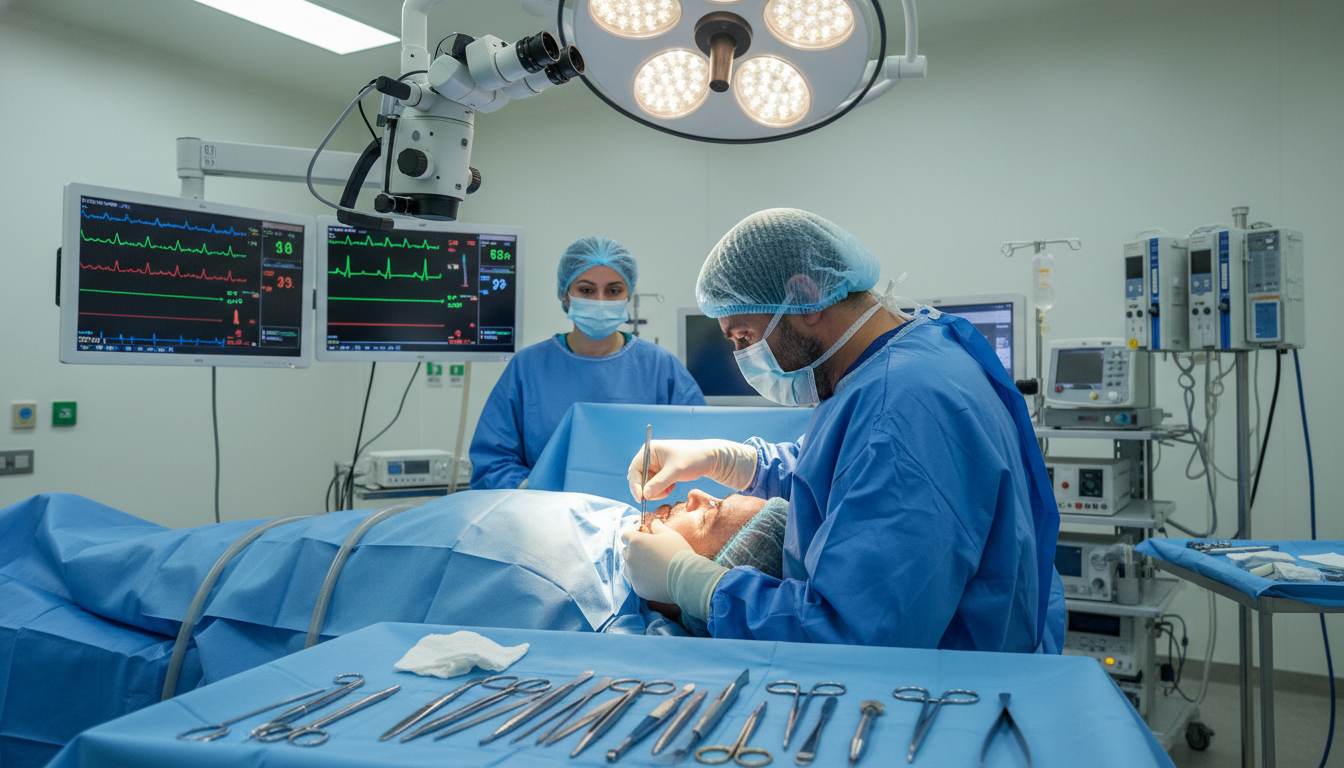
More and more people in the UK are looking abroad for top-notch medical care. They want advanced clinical expertise and quicker access to life-changing treatments. For those with hearing loss, Cochlear Implant Surgery is a top choice.
Traveling for hearing device surgery means getting the best care and facilities. It’s a way to improve your life quality. For thousands of Brits, this journey to better hearing is smooth and professional.
Key Takeaways
- Rising numbers of UK patients travel abroad for specialised medical treatments.
- Accessing international clinics often provides shorter waiting times for essential procedures.
- Advanced technology ensures high standards of care for those with severe hearing loss.
- Professional medical teams in Turkey offer complete support during recovery.
- Restoring hearing can greatly enhance daily life and social interactions.
Understanding Hearing Loss and the Role of Auditory Implants
Many people with hearing loss treatment wonder why their devices don’t work well. It’s key to understand how your ears work to find a lasting solution. Knowing the cause of your hearing problem helps you choose the right path.
The Physiology of Sensorineural Hearing Loss
Sensorineural hearing loss happens when tiny hair cells in the cochlea or nerve pathways get damaged. These hair cells are essential for turning sound into signals the brain can understand. Damage to these areas means the ear can’t send sound signals, no matter how loud it is.
This kind of hearing loss is often permanent. So, treatments aim to bypass damaged areas to get sound to the brain. Knowing how this works is important for those looking at advanced treatments.
How Cochlear Implants Differ from Traditional Hearing Aids
It’s important to know the difference between traditional hearing aids and cochlear implants. Hearing aids amplify sound to help healthy hair cells detect it. But, if the cochlea is too damaged, this won’t help with speech recognition.
Cochlear implants, on the other hand, bypass damaged areas. They capture sound and send electrical impulses directly to the auditory nerve. This lets people with severe hearing loss hear sounds that regular amplification can’t.
| Feature | Traditional Hearing Aid | Cochlear Implant |
|---|---|---|
| Primary Function | Acoustic Amplification | Direct Nerve Stimulation |
| Target Audience | Mild to Moderate Loss | Severe to Profound Loss |
| Mechanism | Uses Existing Hair Cells | Bypasses Damaged Hair Cells |
| Clinical Goal | Enhance Residual Hearing | Restore Auditory Perception |
Why Turkey Has Become a Global Hub for Cochlear Implant Surgery
Turkey’s rise as a top medical destination is not by chance, mainly in otolaryngology. More and more international patients are coming here for world-class medical facilities and expert surgical teams. This is because of a focus on innovation and putting patients first in auditory implant surgery.
Advancements in Turkish Otolaryngology and Audiology
Turkish hospitals have invested in the latest technology for ear, nose, and throat treatments. Surgeons use the newest tools, making auditory implant surgery more precise. This leads to better results and quicker recovery times.
The country also has a wealth of medical talent. Many doctors have trained at top international schools, bringing the best practices home. If you’re looking for a clinic, a guide to choosing the right clinic can help, as the principles are the same for all surgeries.
Accreditation Standards and International Hospital Quality
Top Turkish medical centres put patient safety first. Most leading hospitals have Joint Commission International (JCI) accreditation, showing they meet global care and hygiene standards. They are audited regularly to keep their accreditation, giving patients peace of mind.
Having multidisciplinary teams means every part of the patient’s journey is well-managed. From the first visit to the last check-up, quality and safety are the focus. Choosing an accredited facility means your auditory implant surgery will be in a safe and professional setting.
The Cochlear Implant Procedure: What Patients Should Expect
The journey to better hearing starts with detailed medical checks. These checks help make sure the outcome is the best it can be. Understanding the cochlear implant procedure is key to successful hearing recovery.
Pre-operative Assessments and Candidacy Criteria
Before starting, patients go through many tests. These tests check if they can get the most from an implant. Doctors look at how much hearing loss there is and the health of the nerve.
This step is very important. It helps set what to expect and makes sure the treatment works well in the long run. When looking for a doctor for your treatment, make sure they do these tests. Your health and safety are always the main focus during this time.
The Surgical Process and Anaesthesia Protocols
After being found suitable, the surgery is set up in a clean, safe place. Cochlear Implant Surgery is done under general anaesthesia. This keeps the patient comfortable and pain-free during the surgery.
The surgery can take a few hours. The surgeon carefully puts the device under the skin behind the ear. Anaesthesiologists watch the patient’s vital signs closely to keep them safe.
After the surgery, patients go to a recovery area. Here, medical staff watch over them. Cochlear Implant Surgery is a well-known treatment. Modern methods help patients recover smoothly and quickly.
Leading Cochlear Implant Technologies Available in Turkey
Modern inner ear implant surgery uses the latest technology to help patients hear better. Turkish clinics work with top manufacturers to give patients the best devices for their needs.
Cochlear Nucleus 8 Sound Processor Features
The Nucleus 8 is known for its compact and lightweight design. This makes it comfortable to wear every day. It also has ForwardFocus technology to cut down background noise in loud places.
This processor also has direct streaming from phones. This means patients can listen to music and make calls clearly and easily.
Advanced Bionics HiRes Ultra 3D System Capabilities
The HiRes Ultra 3D system is great for those who need MRI compatibility and clear sound. Its design lets you have MRI scans safely without removing the magnet. This is good for long-term health checks.
This system also uses ClearVoice technology. It adjusts to different sounds in real-time. This helps users understand speech better, even in noisy places.
MED-EL Synchrony 2 Implant Technology
MED-EL focuses on natural hearing restoration with advanced technology. The Synchrony 2 implant is made to work like the human cochlea. It helps users hear a wider range of sounds.
This device is also very durable. It has a self-aligning magnet for easy attachment. Choosing this technology for inner ear implant surgery often leads to a more natural and comfortable hearing experience.
| Feature | Nucleus 8 | HiRes Ultra 3D | Synchrony 2 |
|---|---|---|---|
| Primary Benefit | Connectivity | MRI Safety | Natural Sound |
| Design Focus | Compact | High Resolution | Durability |
| Noise Control | ForwardFocus | ClearVoice | FineTuning |
Comparing Costs of Hearing Restoration Surgery in Turkey versus the UK
Choosing to have hearing restoration surgery in Turkey can save you a lot of money compared to the UK. The cost for top-quality care is much lower, even when you factor in travel costs. This makes it easier for people to get the best medical technology without breaking the bank.
Breakdown of Surgical Fees and Hospital Expenses
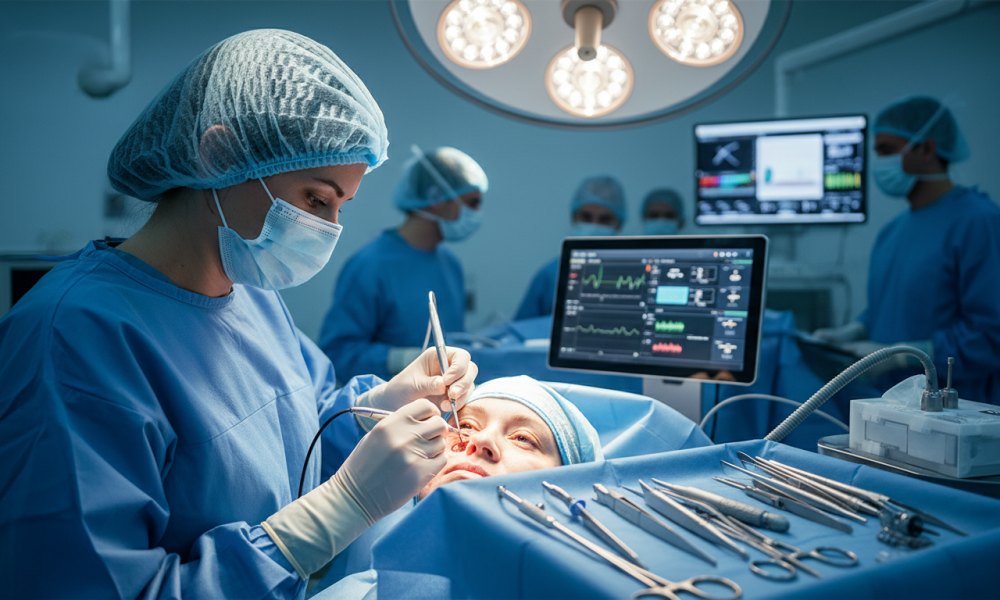
Looking at your medical bill can help you make a decision. Turkish hospitals offer all-inclusive packages. These cover the surgeon’s fees, the implant, and your stay. This way, you don’t have to worry about extra charges for things like anaesthesia or theatre time.
| Service Component | Typical UK Private Cost | Typical Turkish Cost |
|---|---|---|
| Surgical Procedure | High | Competitive |
| Implant Device | Premium | Standardised |
| Hospital Stay | Variable | Inclusive |
| Hearing restoration surgery | Significant | Accessible |
Hidden Costs and Financial Planning for Medical Tourists
While the main surgery cost is clear, you also need to think about travel costs. You’ll need to budget for flights, local transport, and where to stay while you recover. Careful preparation helps keep your total cost in check.
Don’t forget about the cost of follow-up visits and any extra sessions you might need. Some clinics include these in their initial price, while others charge extra. Knowing this upfront helps make sure your hearing restoration surgery is both effective and affordable.
Selecting the Right Clinic and Surgeon for Your Needs
Your journey to better hearing starts with finding a skilled surgical team. Choosing wisely is key. It ensures your surgery is done with care and precision.
Verifying Surgeon Credentials and Experience
When looking for clinics, check your surgeon’s board certifications and their surgical history. Make sure they have lots of experience with auditory implant surgery. Ask for proof of their training and successful surgeries.
A good surgeon will share their background and professional links openly. They should also keep up with new tech and attend medical events. Professional transparency shows they are trustworthy.
The Importance of Multidisciplinary Medical Teams
Success in surgery depends on more than just the operation. You need a multidisciplinary team of audiologists, speech therapists, and more. This team helps from the start to long after you recover.
Together, they make a plan just for you. This team effort is key for the best hearing outcomes. Always check if a clinic has a coordinated support system for your care.
| Selection Criteria | Why It Matters | Key Benefit |
|---|---|---|
| Surgeon Experience | Reduces surgical risks | Improved safety |
| Multidisciplinary Team | Ensures holistic care | Better long-term results |
| Clinical Accreditation | Validates safety standards | Peace of mind |
| Post-op Support | Facilitates rehabilitation | Faster adaptation |
Post-operative Care and the Rehabilitation Journey
After surgery, the real work starts. The surgery gives you the tools, but your brain needs to learn to use them. This learning is key to your hearing loss treatment plan.
Initial Activation and Mapping Sessions
About two to four weeks after surgery, you’ll go back to the clinic. This time, it’s for the first time using your device. It’s a big moment, filled with both excitement and adjustment.
After that, you’ll have several mapping sessions. These are important for adjusting the sound levels. Regular adjustments help keep the sound clear and comfortable as your brain gets used to it.
Long-term Auditory Training and Speech Therapy
Good hearing loss treatment goes beyond the clinic. You need to keep practicing to improve your hearing. This takes time and effort from you.
Speech therapy is also key. It helps you get better at listening and talking. Consistent practice at home, with help from a professional, will really help you.
Your journey to better hearing is a team effort. By sticking to your therapy plan, you get the most out of your implant. This hard work is essential for successful hearing loss treatment and keeping your hearing healthy in the long run.
Navigating the Logistics of Medical Travel to Turkey
Planning your trip for surgical treatment for deafness in Turkey is easy once you know the steps. Start arranging your travel early to focus on your health and recovery. A good plan makes your journey from the UK to your clinic smooth and worry-free.
Visa Requirements and Travel Documentation for UK Citizens
UK citizens going to Turkey for medical reasons need to check their travel documents early. Most British passport holders can travel visa-free for short visits. But, always check the latest rules on official government websites.
For your surgical treatment for deafness, have these documents ready:
- A passport valid for at least six months after your entry date.
- Printed copies of your medical appointment confirmation and clinic invitation letter.
- Proof of travel insurance that covers medical care abroad.
- Details of your return flight and where you’ll stay.
Accommodation and Recovery Support Services
Top clinics in Turkey offer full support for international patients. They have dedicated patient coordinators to help from the start. They arrange clean, safe places for you to stay after surgery.
Many patients prefer to stay in partner hotels or serviced apartments. They offer:
- Private transfers from the airport, hotel, and hospital.
- 24/7 support staff who speak English well.
- Close to the hospital for easy check-ups.
- Food tailored to your needs after surgery.
Using these services means you recover in a safe, supportive place. You can rest well while your medical team watches your progress closely.
Safety Standards and Infection Control in Turkish Hospitals
When you think about inner ear implant surgery, knowing Turkey’s safety standards is key. Turkish hospitals use the latest technology for top-notch cleanliness. They follow strict rules to keep everything clean during treatment.
Sterilisation Protocols in Modern Surgical Suites
In Turkey, modern operating rooms use top sterilisation protocols. They have HEPA filters to keep the air clean. Doctors and staff wear clean clothes to avoid germs.
Also, all tools are cleaned and sterilised in several steps. This includes high-pressure autoclaves. Regular checks make sure everything is spotless. This is why Turkey is known for safe medical care.
Patient Rights and Legal Protections for International Patients
International patients get strong legal protection. Turkish law makes sure patients know what they’re getting into. They also get to see their medical records anytime.
Many hospitals have international seals, like the Joint Commission International (JCI). This means they meet global safety standards. So, patients from the UK get the same care they would at home. Here’s what Turkish hospitals focus on for safety.
| Safety Feature | Implementation Standard | Patient Benefit |
|---|---|---|
| Surgical Sterilisation | International ISO Standards | Reduced infection risk |
| Facility Accreditation | JCI or National Quality Awards | Verified clinical excellence |
| Legal Framework | Patient Rights Legislation | Transparent medical care |
| Equipment Maintenance | Regular Calibration Protocols | Precision in implant surgery |
Success Rates and Long-term Outcomes of Cochlear Implantation
The journey to better hearing through cochlear implantation is marked by steady progress and clear goals. The surgery is a big step, but success is really about the long-term hearing improvement. People often see a big boost in their quality of life as they get used to new sounds.
Factors Influencing Auditory Performance Post-surgery
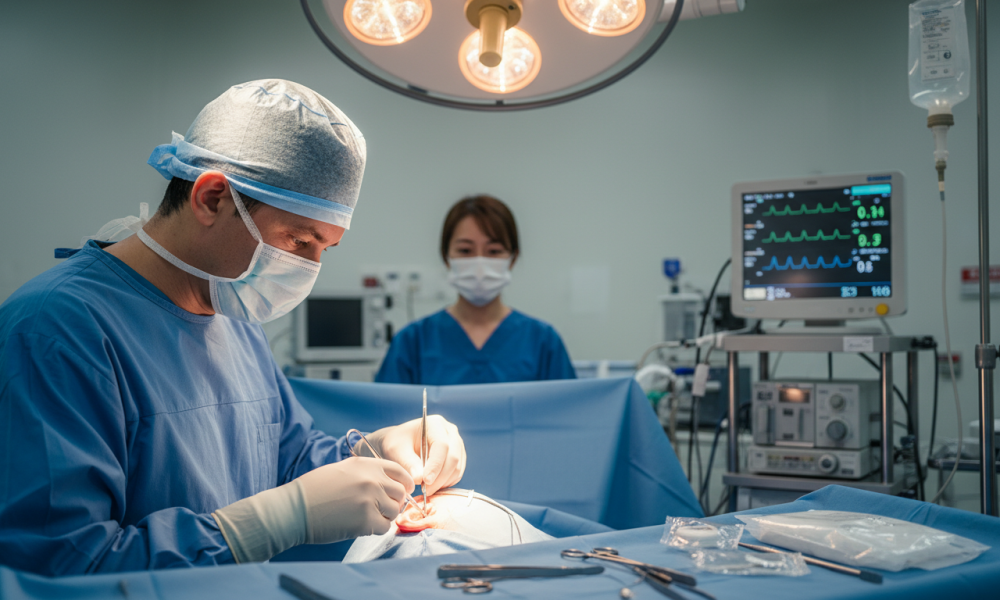
Many things affect how well someone hears after getting a cochlear implant. Doctors and audiologists in Turkey look at these factors to make a plan just for each person. Success is rarely instantaneous, but it comes from these important factors:
- Duration of hearing loss: Those who lost their hearing more recently tend to adapt faster.
- Anatomical health: The shape and health of the cochlea and auditory nerve are key for sound transmission.
- Consistency in rehabilitation: Regular check-ups and speech therapy help the brain adjust.
- Device technology: Using the newest cochlear implantation technology helps with clearer sound.
Managing Expectations for Adults and Paediatric Patients
The journey for adults and children is very different. Kids have remarkable neuroplasticity, which helps their brains learn to hear quickly during important growth times. Early treatment is key for kids to catch up with speech and language skills.
Adults, on the other hand, need more time to retrain their brains to understand sound. Patience is essential during this time. With a positive attitude and a set training plan, most adults see great results from cochlear implantation in the long run.
Addressing Common Concerns Regarding Auditory Implant Surgery
Choosing to have surgery for hearing loss is a big decision. It raises questions about safety and how to get better. People want to know about the challenges of Cochlear Implant Surgery to be ready for their journey. Modern clinics are open and help patients understand everything they need to know.
Managing Surgical Risks and Possible Complications
Every surgery has risks, like reactions to anaesthesia or infections. But, in Turkey, skilled teams follow strict safety rules. They check patients’ health before surgery to make sure everything goes well.
The medical team watches over patients closely during and after surgery. They use top-notch equipment and clean places to keep patients safe. They use many ways to lower risks, like:
- Doing full health checks before surgery.
- Using gentle surgery methods to cause less harm.
- Following strict rules for cleanliness and infection control.
- Having teams watch over patients closely after surgery.
Recovery Timelines and Getting Back to Normal
Knowing how long it takes to recover is important for getting back to life after Cochlear implant procedure. Most people can start with light activities a few days after surgery. It usually takes a few weeks for the body to heal fully.
It’s best to avoid hard work or heavy lifting for two to four weeks. This helps the implant settle right and the cut to heal well. Being patient is important during this time, as your body heals.
Most people can go back to work or school in one to two weeks. This depends on what they do every day. Your team will make a plan just for you. By following their advice, you can smoothly get back to your life and prepare for your device’s activation.
The Role of Audiologists in the Turkish Healthcare System
In Turkey, hearing rehabilitation is a team effort. It’s not just about the surgery. Audiologists play a key role in making sure the implant works well.
They fine-tune the device to turn electrical signals into sound. This is vital for the patient’s long-term hearing.
Collaborative Care Models for Hearing Rehabilitation
Medical centres in Turkey work together closely. Surgeons and audiologists talk often. This teamwork helps patients get the best care from start to finish.
They offer comprehensive ear, nose and throat treatment. It covers both physical and functional needs.
This team approach means smooth care after surgery. Audiologists work with the surgical team. They use this info to make sound maps that improve listening.
Utilising Tele-audiology for Follow-up Consultations
For UK patients, remote support is a big plus. Turkish clinics use tele-audiology for post-op adjustments. This lets your audiologist fine-tune your device from afar.
Remote sessions are just as good as face-to-face ones. They’re great for routine checks and tweaks. Here’s a comparison of in-person and remote support to help plan your recovery.
| Service Feature | In-Person Visit | Tele-audiology |
|---|---|---|
| Device Mapping | High Precision | High Precision |
| Troubleshooting | Immediate Physical Check | Remote Diagnostic Tools |
| Travel Required | Yes | No |
| Patient Comfort | Clinical Setting | Home Environment |
Cultural and Linguistic Considerations for UK Patients
Traveling abroad for medical care is more than just getting treatment. It’s about connecting cultures and languages. Choosing surgical treatment for deafness in Turkey means entering a system focused on your comfort and understanding. Modern clinics know that your experience is as important as the surgery itself.
Language Support and Translation Services in Clinics
Good communication is key for any medical procedure. Turkish hospitals have international patient coordinators who speak English fluently. They ensure no detail is missed during your talks. These coordinators translate medical terms into simple language for you.
Many clinics offer on-demand translation services for all your needs. This means you can ask about your recovery and get clear answers. Having a translator helps reduce stress when getting care abroad.
Cultural Sensitivity in Patient-Centred Care
Offering top-notch surgical treatment for deafness means respecting each patient’s background. Turkish medical teams are trained to care for patients with respect for their culture. This builds trust and security during your medical journey.
Staff are taught to respect personal boundaries and communication styles. This makes your stay not just medically successful but also culturally welcoming. Below is a table showing the support services for international patients.
| Service Category | Support Provided | Benefit to Patient |
|---|---|---|
| Linguistic Assistance | Professional medical interpreters | Clear communication of surgical treatment for deafness |
| Cultural Liaison | Dedicated patient advocates | Reduced anxiety and improved comfort |
| Logistical Support | 24/7 concierge services | Seamless transition between hospital and recovery |
Future Trends in Hearing Restoration and Implant Technology
The world of hearing technology is changing fast. This brings hope for those looking for hearing restoration surgery. Scientists are working on making devices smaller, more efficient, and easier to use.
Innovations in Electrode Design and Neural Stimulation
New discoveries are happening in how implants connect with the ear. Engineers are creating thinner, more flexible electrode arrays. These can be placed more carefully to avoid harming the ear’s delicate parts.
These improvements mean better sound for patients. By sending signals to precise spots in the nerve, patients can hear more clearly. This makes hearing restoration surgery more effective.
The Integration of Artificial Intelligence in Sound Processing
Artificial intelligence is now key in hearing implants. New devices use machine learning algorithms to block out background noise. This lets users hear speech better in noisy places.
This tech learns what each person prefers, making sounds more natural. As it gets better, the dream of perfect hearing through surgery is getting closer for people everywhere.
Conclusion
Choosing hearing restoration in Turkey is a smart move. It combines top medical skills with big savings. You get to use the latest tech from Cochlear, Advanced Bionics, and MED-EL.
This choice can change your life. It brings clarity and connection to your daily life.
Success depends on good research and choosing the right team. Make sure your surgery is in an accredited hospital. This ensures it meets global safety standards.
Don’t forget the importance of aftercare. It’s key to getting the best hearing results.
Starting your hearing journey needs careful thought. Modern surgery opens doors to a more lively life. Contact trusted clinics to start your path to better hearing and communication.
FAQ
Q: How does cochlear implant surgery differ from using a traditional hearing aid?
A: Traditional hearing aids just make sounds louder. But, cochlear implants are different. They go directly into the cochlea to send signals to the auditory nerve. This is great for people with severe hearing loss who can’t get better with regular hearing aids.
Q: Why has Turkey become a global hub for auditory implant surgery?
A: Turkey is known for its top-notch medical care. It has modern hospitals and skilled doctors. These places are safe and use the latest technology, making Turkey a top choice for hearing surgery.
Q: Which device brands are available for inner ear implant surgery in Turkish clinics?
A: Turkish clinics use the latest devices from Cochlear, Advanced Bionics, and MED-EL. These include the Cochlear Nucleus 8 and the Advanced Bionics HiRes Ultra 3D. They offer advanced features like artificial intelligence and MRI safety.
Q: Is the cochlear implant surgery cost in Turkey lower than in the UK?
A: Yes, cochlear implants in Turkey are often cheaper than in the UK. The cost includes surgery, the implant, hospital stay, and tests. Even with travel costs, it’s usually cheaper, making it a good option for those waiting in the UK.
Q: What does the recovery and rehabilitation process look like after a cochlear implant procedure?
A: Recovery from surgery is fast, with most going home soon after. The “switch-on” session comes a few weeks later. Long-term success needs a good rehabilitation program, including adjustments and speech therapy.
Q: How do UK patients manage follow-up care after returning home from hearing device surgery?
A: Turkish clinics use tele-audiology for remote care. This lets audiologists adjust devices online. It means UK patients get ongoing support without needing to travel back and forth.
Q: What are the success rates for surgical treatment for deafness in adults and children?
A: Cochlear implants work well for most people. Kids often do great because their brains are more adaptable. Adults also see big improvements in communication and life quality. It’s important to have realistic expectations before surgery.
Q: Are there language barriers for UK citizens undergoing a cochlear implant procedure in Turkey?
A: No, Turkish hospitals for international patients have English-speaking staff. They make sure you understand everything from the start to the end of your treatment.
Q: What travel documentation is required for UK citizens seeking inner ear implant surgery?
A: UK citizens usually don’t need a visa for medical visits in Turkey up to 90 days. Make sure your passport is valid for at least six months. Also, carry all your medical records and appointment details for a smooth trip.
Related guides

Healthcare Content Compliance Guide for Growth
A high-performing treatment page can generate international patient inquiries within hours. It can also create material risk if…

Turkey Hospitals vs Local Hospitals Compared
A lower procedure quote can get a patient’s attention. It should not make the decision on its own.…

Patient Experience That Drives Trust and Growth
A patient who has already uploaded medical records, compared providers, and arranged time away from work is not…