
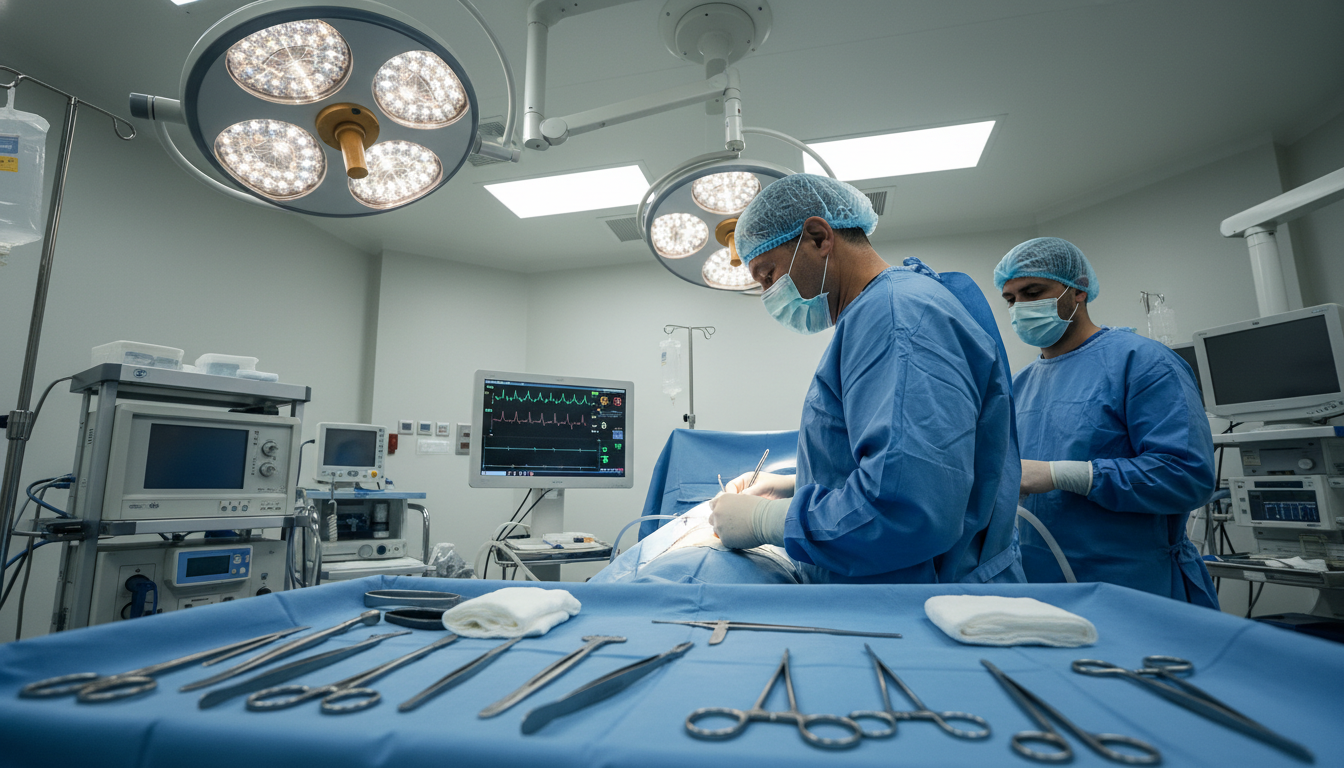
Turkey is now a top choice for people looking for top-notch medical care. Many travel here for Colorectal Surgery. They find facilities that match those in the United States.
Hospitals in Turkey focus on keeping patients safe and providing the best care. They use advanced technology and skilled doctors. This ensures each patient gets care tailored to their needs.
Getting Colorectal Surgery abroad in Turkey is both affordable and professional. It offers a great mix of cost and quality. This makes Turkey a top pick for those looking to improve their health.
Key Takeaways
- Turkey is recognised as a leading hub for specialised medical care and surgical excellence.
- International patients benefit from modern facilities that prioritise rigorous safety standards.
- The healthcare system offers a cost-effective alternative for those seeking high-quality treatment.
- Medical professionals in the region are highly trained and utilise the latest clinical technologies.
- Patients receive extensive support, ensuring a smooth experience from consultation to recovery.
The Rise of Medical Tourism for Colorectal Surgery
Turkey is now a top choice for people needing colorectal surgery. It offers top-notch care in a welcoming setting. More and more people are looking for better treatment options abroad.
Patients from the US and Europe are choosing to travel for their surgeries. They avoid long waits and high costs. They find world-class facilities that focus on the patient’s needs.
Turkey’s success comes from its big investment in modern healthcare infrastructure. Its hospitals have the latest technology. This ensures care that meets international standards.
The Turkish approach to medical tourism also focuses on a smooth experience. Patients get help from the start to the end of their stay. This makes them feel safe and supported.
Understanding Colorectal Surgery and Its Applications
When health issues hit the colon or rectum, surgery is often the best way to get better. Colorectal Surgery deals with many problems in the lower gut. It’s key to know that each problem needs its own surgery, based on where it is.
The main difference is where the surgery happens. Colon surgery is for the big intestine. Rectal surgery is for the last part of the gut. Both need great care to work well for the patient.
Common Conditions Requiring Surgical Intervention
Many people turn to surgery when other treatments don’t work. Surgeons tackle many health issues that affect daily life. Some common reasons for surgery include:
- Inflammatory Bowel Disease (IBD): Treating severe Crohn’s disease or ulcerative colitis.
- Diverticulitis: Fixing problems from inflamed colon pouches.
- Colorectal Polyps: Taking out growths that could turn cancerous.
- Colorectal Cancer: Saving lives by removing tumours and fixing the area.
The Importance of Early Diagnosis and Treatment
Finding problems early is key to good health outcomes. Early detection means less surgery is needed. This can mean quicker recovery times.
Waiting too long can make problems worse, needing more surgery. Regular checks and quick action can prevent emergencies. Early diagnosis boosts health chances and makes surgery safer and more effective.
Why Turkey is a Leading Destination for Colorectal Procedures
Turkey has become a top choice for complex medical procedures. It offers exceptional quality and accessibility to patients worldwide. The reliability of the medical environment is key for those planning a colorectal procedure.
Accreditation and International Standards
Turkish hospitals follow strict standards for patient safety and clinical excellence. Many hold Joint Commission International (JCI) accreditation, a global healthcare benchmark. This shows they meet high standards for surgical care and patient management.
Surgeons in these hospitals create a safe space for every colorectal procedure. They go through regular audits to keep their quality high. This commitment gives patients peace of mind when they travel abroad for surgery.
Investment in Modern Healthcare Infrastructure
The Turkish government and private sector have invested heavily in modern medical facilities. They focus on using the latest surgical technologies. Modern operating theatres have advanced tools for greater precision and faster recovery times.
This focus on modern infrastructure means every colorectal procedure uses the latest medical techniques. Turkish clinics stay at the top of global medicine. Patients get world-class care that matches the best in the United States.
Qualifications and Expertise of a Turkish Colorectal Surgeon
The quality of a colorectal surgeon in Turkey is high. They meet strict academic and clinical standards. Patients look for a specialist who is skilled and cares about their safety.
Training Pathways and Board Certification
In Turkey, becoming a specialist is a tough journey. Surgeons need a medical degree and years of residency in general surgery and colorectal health.
Many surgeons also get international fellowships and keep learning. Board certification shows they meet high standards. It’s like checking the clinic’s credentials when you choose an orthopaedic clinic.
Multidisciplinary Approaches to Patient Care
Modern medicine is all about teamwork. A good colorectal surgeon in Turkey works with a team. This team considers all aspects of a patient’s health before, during, and after surgery.
This team includes oncologists, radiologists, and nurses. They work together to create a holistic treatment plan. This team approach is key to quality care, giving patients confidence in their recovery.
Technological Advancements in Minimally Invasive Colorectal Surgery
Minimally invasive colorectal surgery is a big step forward in medicine. It lets surgeons work on complex problems with more skill. This change has greatly improved the patient’s journey from start to finish.
Benefits of Laparoscopic Techniques
Laparoscopic methods use small cuts instead of big ones. This reduces trauma to the body during surgery. Patients feel less pain and have fewer complications after.
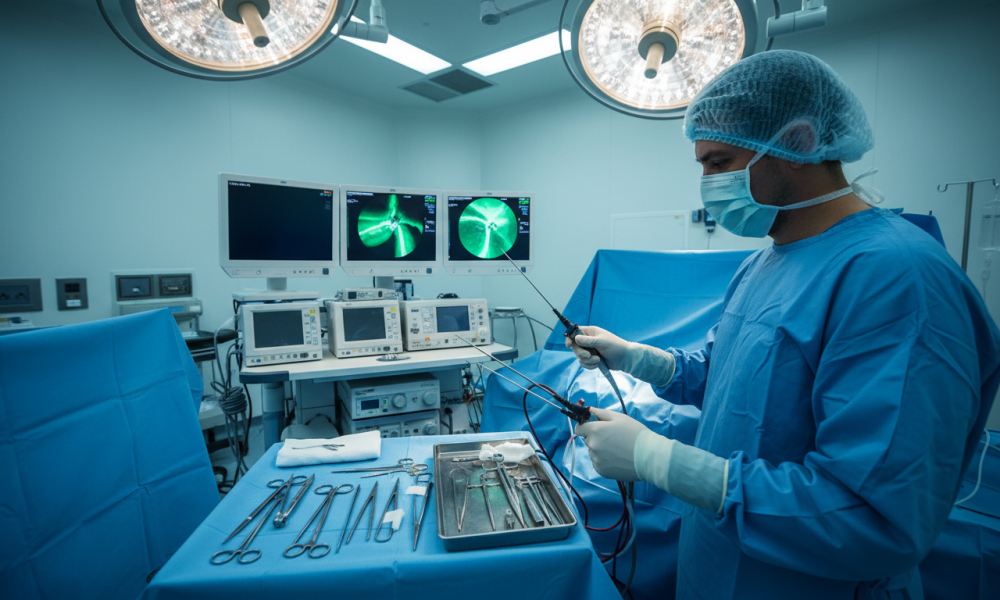
Surgeons use special cameras and tools for clear views. This enhanced visualisation helps them work more precisely. The surgery becomes safer and quicker for the patient.
Reducing Recovery Times Through Precision
The main aim of new surgery methods is to make patients’ lives better. Minimally invasive surgery means less stress for the body. This leads to a faster return to daily activities and more comfort while healing.
Patients usually stay in hospital less time than before. Precision is the key to this success. It reduces scarring and helps tissues heal faster. These advances offer better care for those needing treatment.
The Role of Robotic Colorectal Surgery in Modern Practice
The world of colorectal surgery is changing fast. Advanced robotic systems are now common in top hospitals. They give surgeons unparalleled control during tricky operations. This means patients get the best care possible today.
Precision and Enhanced Visualisation
Robotic colorectal surgery uses top-notch 3D imaging. This gives a clear view of the area being operated on. Surgeons can see details they couldn’t before, thanks to this technology.
The robotic arms move like human wrists. This lets surgeons do things they can’t with regular tools. It’s a big deal when working in tight spaces like the pelvis.
Surgeons can do fine work without harming nearby tissues. This reduces the chance of damage to other organs. It’s a big step forward in surgery.
Patient Outcomes in Robotic-Assisted Procedures
Using robotic colorectal surgery has made recovery better for patients. Smaller cuts mean less pain and a quicker recovery. This means patients can get back to their lives sooner.
Studies show these surgeries also lead to fewer infections and complications. Here’s a comparison of traditional and robotic surgery:
| Feature | Traditional Surgery | Robotic-Assisted |
|---|---|---|
| Incision Size | Large/Open | Minimally Invasive |
| Visualisation | Standard 2D | High-Definition 3D |
| Recovery Time | Extended | Rapid |
| Precision | Manual | High-Tech Robotic |
The move to robotic colorectal surgery shows a focus on safety. It combines human skill with machine precision. This leads to better health outcomes for patients.
Patient Safety Standards in Turkish Hospitals
Turkish healthcare places a high value on patient safety. They follow strict safety rules. This is why many international patients choose Turkey for their medical needs.
These hospitals meet or go beyond global safety standards. This ensures a safe surgical experience for everyone.
Infection Control and Sterilisation Protocols
Keeping the operating room clean is key. Turkish hospitals use advanced sterilisation technologies to prevent infections. They follow strict cleaning cycles that meet international health standards.
Staff members follow strict hygiene rules to protect patients. Regular checks ensure all medical equipment is properly cleaned and stored. This focus on infection control reassures patients from abroad.
Monitoring and Emergency Response Capabilities
Hospitals keep a close eye on patient health 24/7. They use advanced digital tools to monitor vital signs in real-time. If there’s a problem, the emergency response team springs into action quickly.
Major hospitals have special units for critical care. These are staffed by experts ready to handle emergencies. Below is a table showing the main safety measures these hospitals take.
| Safety Pillar | Implementation Strategy | Patient Benefit |
|---|---|---|
| Sterilisation | High-pressure autoclaving | Reduced infection risk |
| Monitoring | 24/7 digital telemetry | Rapid clinical response |
| Emergency Care | On-site ICU teams | Enhanced surgical safety |
| Staff Training | Regular safety drills | Consistent care quality |
Navigating the Consultation Process for International Patients
Your journey to recovery starts long before you fly. It begins with a detailed virtual review. By checking out the doctor for your treatment, you make sure your health needs are met. This first step helps you feel clear and confident before you travel.
Virtual Consultations and Medical Record Review
Today, medical tourism lets you talk to top doctors from home. In a virtual chat, you’ll discuss your symptoms and health history with a surgeon. This is key to see if you’re right for certain colorectal surgeries.
You’ll share your medical scans online. A specialist will then review them to plan your treatment. This way, you know exactly what to expect when you travel.
Communication and Language Support Services
Good communication is key for a great medical trip. Turkish hospitals offer patient coordinators to help. They make sure you understand your treatment abroad in your own language.
These services do more than translate. They also help you feel at home in a new place. Whether it’s about after-care or hospital details, having someone fluent by your side is invaluable. They support you from start to finish, making sure your needs are met.
| Feature | Traditional Consultation | Virtual Consultation |
|---|---|---|
| Convenience | Requires travel | Accessible from home |
| Speed | Slower scheduling | Rapid record review |
| Cost | High travel expenses | Significant savings |
| Communication | In-person only | Dedicated support staff |
Pre-operative Preparation and Diagnostic Protocols
Getting the best from your colon surgery starts before the operation. A careful health check helps your team plan with precision and safety.
Essential Screening and Imaging Requirements
Your medical team needs a full view of your inside before surgery. This step is like a critical roadmap for the surgeon. It helps them know exactly where and how big the problem is.
Here are the usual tests needed:
- Colonoscopy: To see inside the large intestine and take samples if needed.
- CT Scans or MRI: For detailed pictures to help plan the surgery.
- Blood Panels: To check your health, including how well your blood clots and organs work.
Nutritional and Lifestyle Adjustments Before Surgery
Improving your health before surgery is vital for recovery. Making changes a few weeks before colon surgery can lower risks and speed up healing.
Here’s what patients are often told to do:
- Dietary Modifications: Eating a low-residue diet to make sure the bowel is clean.
- Hydration: Drinking enough water to help your body work well.
- Lifestyle Changes: Quitting smoking and drinking less alcohol to boost oxygen and immune health.
Following these steps helps make your body ready for surgery. Listening to your medical team ensures a smoother recovery.
What to Expect During Your Colorectal Procedure
Knowing what happens from the operating theatre to recovery is key for a smooth surgery. When you arrive for your colorectal procedure, Turkish medical facilities offer a clear and structured care approach.
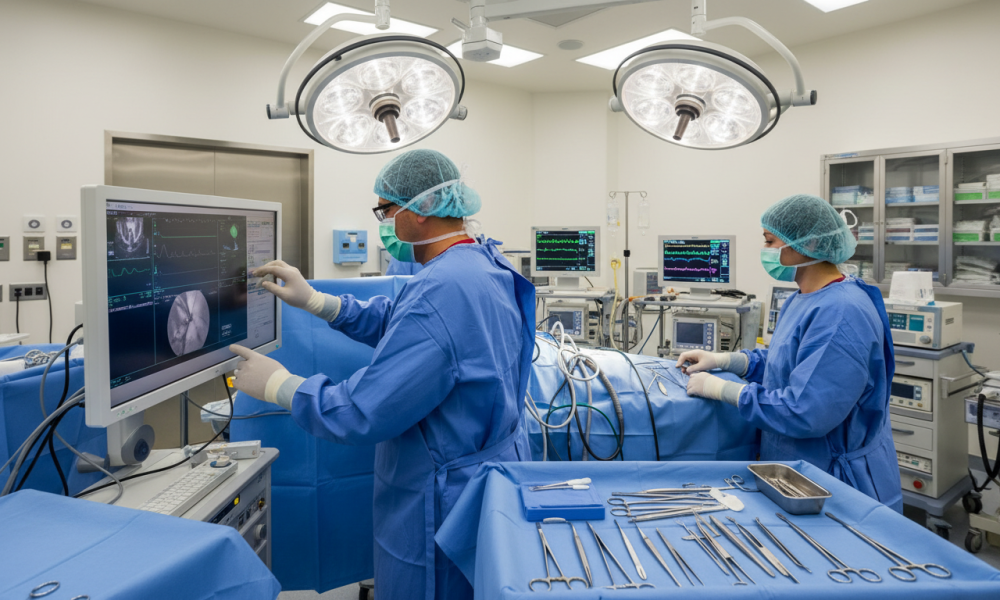
Anaesthesia and Surgical Team Coordination
First, you’ll talk to your anaesthesiologist about your sedation plan. This is based on your health and ensures you’re comfortable and pain-free during surgery.
The surgical team works together with meticulous coordination to meet your needs. This team includes:
- A lead colorectal surgeon with advanced techniques.
- An anaesthesiology team watching your vital signs.
- Surgical nurses and technicians for equipment and sterility.
- A support team for your comfort and safety.
Hospital Stay and Immediate Post-operative Care
After your rectal surgery, you’ll go to a recovery area. Here, nurses will watch your condition closely. Their main goal is to keep your vital signs stable and manage any pain.
Pain management is a critical component of your care. Your team will use medication and monitoring to keep you comfortable. This helps your body heal.
You’ll have regular visits from your surgical team to check on you. They’ll address any concerns and help you recover well. This approach reduces risks and prepares you for healing.
Optimising Colorectal Surgery Recovery and Aftercare
The journey to full health starts when you leave the operating theatre. A successful colorectal surgery recovery needs both medical advice and following post-operative rules. By focusing on healing, patients can get back to their daily lives easily and comfortably.
Pain Management Strategies
Managing pain well is key to healing. Doctors use a mix of medicines to keep pain low and avoid strong opioids. This helps patients move around, which is important to avoid blood clots.
“Recovery is not just about the absence of pain, but the restoration of function and quality of life through careful, patient-centred management.”
Those who have robotic colorectal surgery often feel less pain afterwards. After a rectal resection, your team will make a plan for your pain. Taking medicine on time is better than waiting for pain to get bad.
Follow-up Care and Remote Monitoring
Regular check-ups are important to keep your recovery on track. Your surgeon will check how your wounds and digestion are healing. These visits help spot any problems early and adjust your recovery plan.
New technology has changed how we care for you after surgery. Surgeons can watch your progress from afar. You can share updates on your symptoms online, so expert help is always there. This makes your robotic colorectal surgery experience better and more reassuring.
Comparing Costs and Quality of Care for US Patients
Turkey is becoming a top choice for those looking for top-notch surgery at lower costs than in the US. Many find that high-quality medical outcomes are possible at a much lower price. This is thanks to Turkey’s advanced medical setup and competitive healthcare market.
Value Proposition of Turkish Healthcare
Choosing general surgery in Turkey offers great value to international patients. Clinics in Turkey provide premium care at a lower cost by cutting down on admin and overheads. This means patients pay less for their Colorectal Surgery compared to back home.
Quality of care is a big deal in Turkey. Medical facilities there often get international accreditations, showing they meet global standards. This means patients get specialised treatment from skilled surgeons who use the latest medical tech.
Hidden Costs and Financial Planning
Planning your finances well is key for a smooth medical trip. While surgery costs are clear, remember to budget for travel, stay, and post-op meds too. A detailed budget helps avoid surprises during your recovery.
Talk about all costs with your clinic upfront. Knowing all expenses helps keep your Colorectal Surgery trip affordable and organised. Proactive planning lets you focus on getting better while abroad.
Selecting the Right Colorectal Specialist for Your Needs
Finding the right colorectal specialist for surgery abroad is key. Your health matters most. So, take time to check out who you might choose.
Researching Surgeon Credentials and Experience
Start by looking into the surgeon’s background. Check if they are board certified. This means they’ve met high standards and followed international rules.
Also, see how much experience they have with your condition. Find out how many surgeries they do each year. And if they specialise in what you need.
Reviewing Patient Testimonials and Success Rates
What others say is very important. Look for real stories from past patients. They should cover everything from the first meeting to getting better.
A good colorectal specialist will share how well they do. They should talk about their success rates and how they handle problems. This helps you make a better choice.
Choosing a colorectal surgeon who talks openly and cares about you is best. They should mix skill with success stories. This way, you can feel sure about your treatment.
Logistics and Travel Planning for Medical Tourists
Traveling abroad for surgery needs careful planning. A good plan helps you focus on getting better, not on travel issues. Make sure to check your clinic’s credentials before you go. This ensures your safety and peace of mind.
Visa Requirements and Travel Documentation
Most patients going to Turkey for colorectal surgery need to get entry permits early. You might get an e-Visa, which makes things easier. Always check your passport is valid for at least six months after you plan to leave.
Carry a folder with your medical history, consent forms, and your doctor’s contact info. Having digital copies in a secure cloud account is a good backup. This helps avoid delays when you arrive.
Accommodation and Local Transportation Options
Choosing the right place to stay is key for a good medical tourism experience. Many prefer serviced apartments or hotels close to the hospital. Look for places with accessible facilities and quiet areas for rest.
Don’t worry about public transport right after surgery. Many clinics in Turkey offer private transfer services. These services provide reliable and comfortable transport to and from the airport and your accommodation. This keeps you safe and comfortable during your stay.
Managing Possible Risks and Post-operative Complications
Minimally invasive colorectal surgery aims for quick healing. But, knowing about possible complications is key. Keeping an eye on your body after surgery helps you control your healing. Being informed lets you protect your health during the recovery period.
Recognising Warning Signs During Recovery
A smooth colorectal surgery recovery means knowing when something’s off. While some pain is normal, certain signs need quick doctor attention. Watch your recovery closely and call your colorectal specialist if you see these:
- Persistent high fever or chills that do not subside.
- Severe abdominal pain that is not managed by prescribed medication.
- Redness, swelling, or unusual discharge around the incision sites.
- Inability to pass gas or stool for an extended period.
- Persistent nausea or vomiting that prevents hydration.
Accessing Emergency Support While Abroad
Feeling safe while recovering abroad is vital. Most clinics offer a 24/7 support line. This ensures you can reach your colorectal specialist anytime. It’s highly recommended to keep emergency contact info and hospital documents handy.
If a medical emergency happens, follow your team’s advice. This usually means calling the hospital’s international patient department. They can arrange urgent care or an ambulance. Remember, your colorectal surgery recovery is supported. Don’t hesitate to seek help if you think your health is at risk.
Conclusion
Choosing the right path for your colorectal health is key. Turkey offers a unique mix of advanced technology and skilled specialists. This combination is dedicated to your health outcomes.
Deciding to get treatment abroad needs careful planning. You must focus on your long-term health. Look for accredited hospitals and experienced teams to ensure top-notch care.
Your recovery begins with making informed choices. Understanding your medical needs is essential. Working with trusted providers means you get the best care with confidence.
Start your medical journey by contacting clinics in Istanbul or Ankara. Use the knowledge from this guide to get the best results for your future.
FAQ
Q: Why has Turkey become a premier destination for Colorectal Surgery?
A: Turkey is a top choice for medical tourism. It offers world-class facilities and clinical excellence. Patients looking for safety and quality choose Turkey for its advanced surgeries at lower costs than in Europe or the US.
Hospitals in Istanbul and Ankara are known for their focus on patient safety. They use the latest technology in every colorectal procedure.
Q: What is the medical distinction between colon surgery and rectal surgery?
A: Colon surgery deals with the large intestine, while rectal surgery focuses on the final part of the digestive tract. A colorectal specialist will assess the condition to choose the right surgery.
Q: How can I verify the credentials of a colorectal surgeon in Turkey?
A: Look for a surgeon with board certification and training recognised by the Turkish Medical Association and international bodies. Many Turkish specialists have fellowships at top institutions like the Cleveland Clinic or Mayo Clinic.
Q: What are the primary benefits of minimally invasive colorectal surgery?
A: Minimally invasive surgery uses smaller incisions than traditional surgery. It reduces trauma and blood loss. This means less pain, lower infection risk, and faster recovery for the patient.
Q: How does robotic colorectal surgery improve surgical precision?
A: Robotic surgery uses advanced systems like the da Vinci Surgical System. It offers high-definition 3D visuals and greater dexterity. This precision helps surgeons navigate complex anatomy, preserving healthy tissue and nerves.
Q: What safety standards are in place for international patients in Turkish hospitals?
A: Leading Turkish hospitals meet international standards, with many accredited by the Joint Commission International (JCI). They follow strict infection control and sterilisation protocols. This ensures a safe environment for complex surgeries.
Q: Can I consult with my colorectal specialist before travelling to Turkey?
A: Yes, top medical centres offer virtual consultations. They review your medical records and imaging before your visit. This helps plan your treatment. They also provide language support for clear communication.
Q: What diagnostic protocols are required before undergoing colon surgery?
A: Preparation is key for a successful surgery. Patients undergo CT scans, MRIs, or colonoscopies. Your specialist will also advise on nutrition and lifestyle changes to prepare your body for surgery.
Q: What should I expect during the colorectal surgery recovery phase?
A: Recovery starts in the hospital with pain management and monitoring. After discharge, patients are often checked remotely. Turkey offers a detailed aftercare programme, including follow-up appointments to ensure a smooth recovery.
Q: How do the costs of Colorectal Surgery in Turkey compare to the United States?
A: Patients from the US often find Turkey’s value proposition unbeatable. High-quality surgeries, including robotic procedures, are 50% to 70% cheaper than in the US. This allows for top-notch care without breaking the bank, though travel and accommodation costs should be considered.
Q: What logistics should I consider when planning a medical trip to Turkey?
A: Ensure you have a valid passport and the correct medical visa. Use the Republic of Türkiye E-Visa system for this. Also, arrange accommodation near the hospital and local transport for follow-up visits.
Q: What happens if there are complications after I return home?
A: Manage complications proactively. Your surgeon will provide a detailed discharge plan and contact information for support. In case of complications, your specialist will help coordinate with local healthcare or provide emergency protocols.
Related guides

Healthcare Content Compliance Guide for Growth
A high-performing treatment page can generate international patient inquiries within hours. It can also create material risk if…
Turkey Hospitals vs Local Hospitals Compared
A lower procedure quote can get a patient’s attention. It should not make the decision on its own.…

Patient Experience That Drives Trust and Growth
A patient who has already uploaded medical records, compared providers, and arranged time away from work is not…