
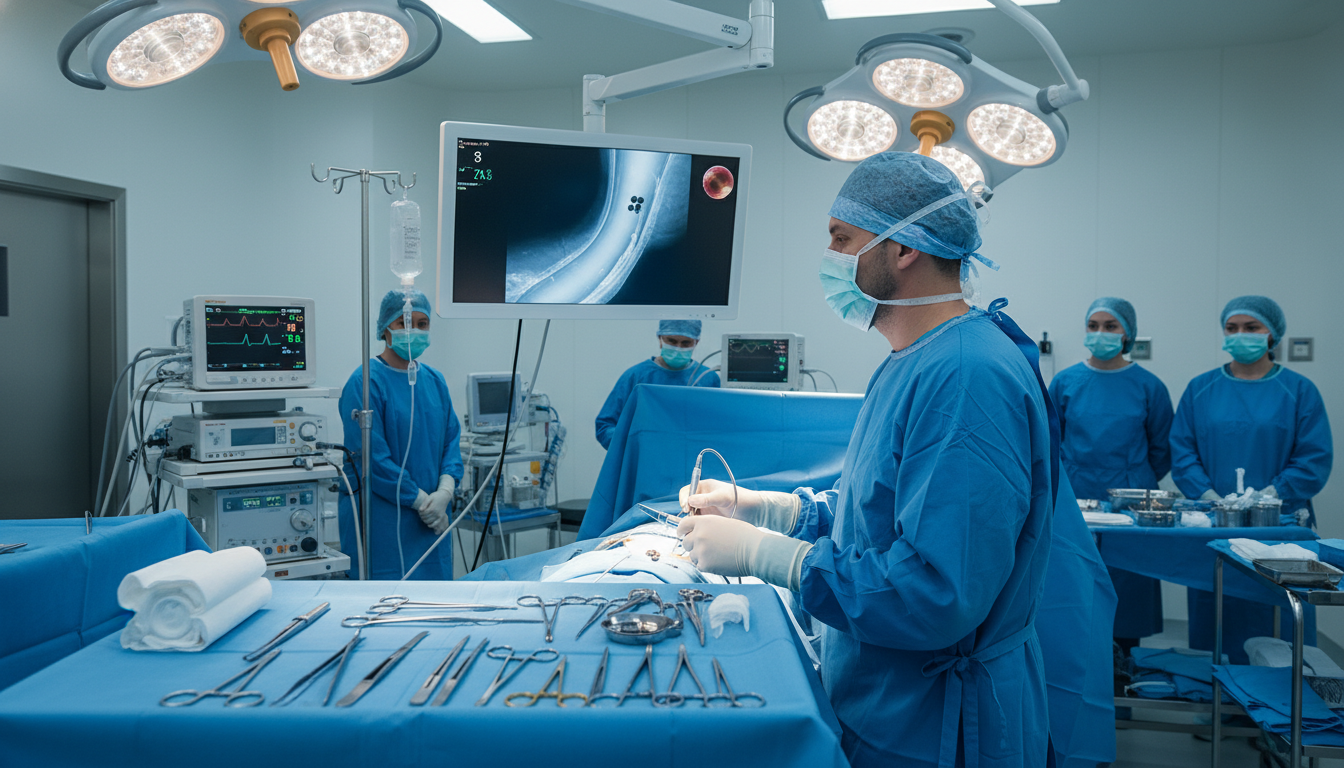
Turkey is becoming a top choice for people looking for quality medical care. Many travel there for specialised healthcare services that are both affordable and efficient.
More people are trusting Turkish doctors for biliary procedures. They choose Turkey for its modern technology and the exceptional standards of local medical professionals.
Looking for Common Bile Duct Stone Surgery abroad can be daunting. This guide helps you make the right choice for your treatment journey.
Key Takeaways
- Turkey is a leading global hub for medical tourism and specialised biliary treatments.
- International patients benefit from advanced medical technology and highly qualified consultants.
- Cost-effectiveness remains a primary driver for those seeking procedures in Turkish centres.
- Comprehensive planning is vital for a smooth and successful medical experience abroad.
- Local clinics prioritise patient safety and high standards of post-operative care.
Understanding Choledocholithiasis and the Need for Surgical Intervention
Stones in the common bile duct block the flow of bile. This is called choledocholithiasis. It needs quick treatment to avoid harm to the liver and pancreas. Spotting the signs early is key for a good recovery.
Pathophysiology of Common Bile Duct Stones
Most common bile duct stones start in the gallbladder. They then move into the ducts. This blockage causes bile to build up, leading to pressure and inflammation.
Symptoms and Clinical Presentation
Pain in the upper right abdomen is a common symptom. It can spread to the back or shoulder. Jaundice, dark urine, and nausea or fever are also signs. These symptoms mean you need to see a doctor fast.
Diagnostic Modalities for Bile Duct Obstruction
Doctors use ultrasound first to check for stones. It’s a non-invasive test. For more detailed images, MRCP is used. It shows the ducts clearly without invasive tools.
ERCP is used for both diagnosis and treatment. It lets doctors see the blockage and remove the stone. Picking the right test is important for each patient’s care.
Why Turkey Has Become a Global Hub for Biliary Surgery
Turkey’s rise to the top in surgery is not a coincidence. It’s the result of years of focus on medical innovation. This focus has made choledocholithiasis management a precise and caring field.
Advancements in Turkish Healthcare Infrastructure
Turkish hospitals have changed a lot, using the latest tech. They now match the best clinics in Western Europe and North America.
These advanced surgical rooms let doctors do complex surgeries with less harm. This technological edge means patients get top care during their recovery.
Accreditation Standards and International Quality Benchmarks
Turkey’s success comes from following global safety rules closely. Many hospitals have Joint Commission International (JCI) accreditation. This is a top mark for patient safety and results.
This focus on quality means choledocholithiasis management is based on solid evidence. Patients know their team is watched closely by international standards.
The Role of Medical Tourism Agencies in Facilitating Care
Going for medical care abroad can be tough. That’s why agencies are key. They help from the start to after you’re back home.
They handle all the details, so patients can just focus on getting better. Good choledocholithiasis management needs this smooth support for a stress-free experience.
| Feature | Turkish Standards | Global Benchmarks |
|---|---|---|
| JCI Accreditation | High Prevalence | Standardised |
| Surgical Technology | Advanced Robotics | State-of-the-art |
| Patient Support | Comprehensive | Variable |
| Cost Efficiency | Highly Competitive | Market Average |
Common Bile Duct Stone Surgery Techniques Explained
Surgeons in Turkey use different methods to safely remove bile duct stones. They choose the best approach for each patient to get the best results. These bile duct surgery techniques aim to be precise and comfortable for the patient.
Laparoscopic Cholecystectomy and Duct Exploration
The laparoscopic cholecystectomy is today’s most common procedure. It involves small cuts in the abdomen to reach the gallbladder and bile ducts. A camera and special tools help remove stones accurately.
During this, the surgeon might also explore the ducts to check for any remaining stones. This minimally invasive method lowers infection risks. Patients usually have less pain and a shorter stay in hospital.
Open Surgery Approaches for Complex Cases
For some complex cases, open surgery is needed. This traditional method is used for severe inflammation or complicated anatomy. It allows for a detailed look at the biliary tree.
Open surgery takes longer to recover from than keyhole surgery. But it’s a highly reliable technique for tough obstructions. Turkish hospitals follow strict standards to keep patients safe. Surgeons decide if open surgery is the safest option for each patient.
Minimally Invasive Trends in Turkish Hospitals
Turkish hospitals are moving towards minimally invasive methods to improve patient care. They use advanced robotic systems and high-definition imaging for Common Bile Duct Stone Surgery. This leads to faster healing and less scarring.
The adoption of these bile duct surgery techniques shows a commitment to world-class standards. Patients getting a laparoscopic cholecystectomy in Turkey get the latest technology. This ensures they can quickly get back to their lives with little disruption.
The ERCP Procedure: A Primary Treatment Modality
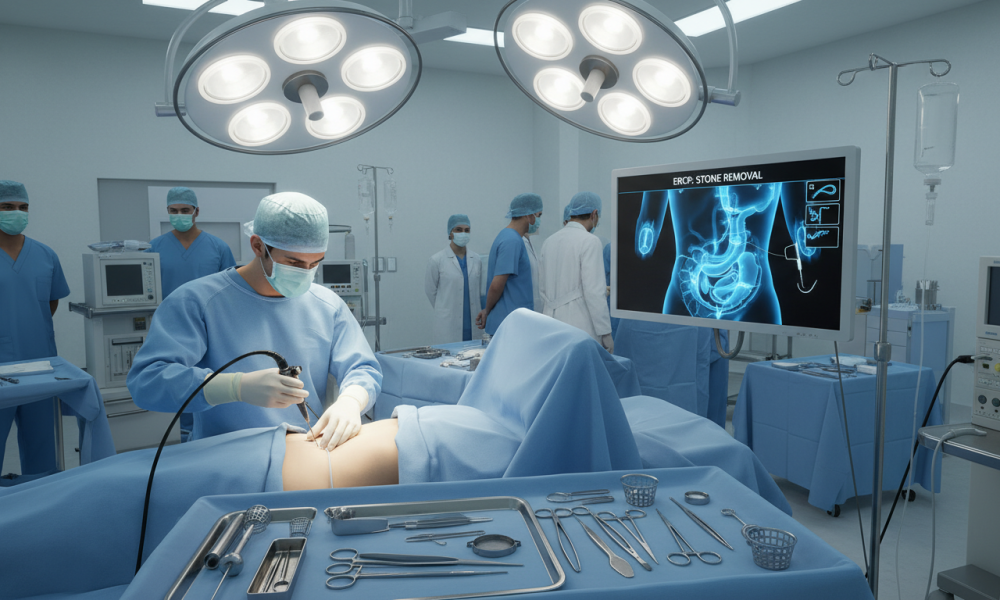
For those needing bile duct stone removal, ERCP is a key solution. It’s a modern, less invasive method. It lets doctors see and fix problems without open surgery.
By using endoscopy and fluoroscopy, doctors can see the biliary tree clearly. This makes the procedure precise.
How Endoscopic Retrograde Cholangiopancreatography Works
The ERCP starts with a flexible tube going through the mouth. It reaches the small intestine. Then, a dye is used to see the bile duct on an X-ray.
This detailed mapping helps find and measure blockages. Doctors can then clear the blockage. This is usually done while the patient is sedated.
Indications for ERCP in Stone Removal
Doctors suggest ERCP when tests show stones in the bile duct. It’s good for those with jaundice, cholangitis, or severe pain. Quick action is key to avoid bigger problems.
This method is chosen for its less invasive nature. Patients can recover faster than with traditional surgery. It’s the preferred choice for many.
Success Rates and Safety Profiles in Turkish Clinics
Turkish clinics have high success rates with ERCP. They use the latest technology and skilled gastroenterologists. These clinics follow stringent international safety standards.
Expert staff and top-notch equipment mean low risks. Patients in Turkey can trust the ERCP procedure. It’s safe and efficient, thanks to years of experience.
Endoscopic Sphincterotomy: Precision in Stone Extraction
Endoscopic sphincterotomy is a key part of modern biliary care for removing stones. It lets surgeons get into the common bile duct with unparalleled accuracy. This method changes the duct opening to safely take out even hard stones.
The Role of Sphincterotomy in Facilitating Access
The main goal is to make the biliary orifice bigger. This is because it’s too small for usual tools. An endoscopic sphincterotomy makes a small cut in the sphincter of Oddi. This makes it possible for tools to go into the duct system.
This method also cuts down on the harm caused by removing stones. It makes it easier for the surgeon to move through the ducts. This means the whole process takes less time.
Technological Tools Used During the Procedure
Modern clinics in Turkey use the latest tools for these precise tasks. Surgeons use a sphincterotome, a special catheter with a cutting wire, for the incision. They use high-resolution fluoroscopic imaging for real-time visual feedback.
They also use high-frequency electrosurgical units for precise cutting. These devices cut the tissue cleanly and stop small vessels from bleeding. This technological integration helps keep the area clear and safe for the patient.
Managing Possible Complications During Extraction
Even though it’s very effective, there are risks like bleeding or perforation. Surgeons watch closely for any signs of trouble. They can quickly fix small problems before they get worse.
After the procedure, patients are watched closely to make sure everything goes well. This careful attention to meticulous safety protocols is what makes Turkish medical care stand out.
Selecting the Right Surgeon and Medical Facility in Turkey
Finding the right surgeon and medical facility in Turkey is key. It’s essential for a safe and successful biliary procedure. Look for quality indicators to find a provider that meets your health needs.
Evaluating Surgeon Credentials and Experience
Start by checking if your surgeon is board certified and has the right training. Being part of reputable surgical societies shows they keep up with the latest in their field.
Also, ask about their experience with bile duct stone removal. Find out how many procedures they do each year. A surgeon who does many of these operations is more skilled and ready for any challenges.
Assessing Hospital Technology and Surgical Suites
Look for modern surgical suites in top Turkish hospitals. Make sure they use advanced imaging technology and the latest endoscopic equipment. These tools help diagnose and remove stones safely.
Check if the hospital has international accreditation, like the Joint Commission International (JCI) seal. This means they follow strict safety rules and care standards. A well-equipped hospital is ready for any surgery, routine or emergency.
Verifying Patient Testimonials and Success Metrics
Reading patient testimonials can give you a good idea of the care quality. Look for feedback that praises the medical team’s professionalism and clear communication.
Also, ask about the clinic’s success metrics and complication rates. Good medical centres are open about their performance data. This helps you make a choice based on real facts, not just promises.
| Evaluation Criteria | Standard Facility | Premium Medical Centre |
|---|---|---|
| Accreditation Status | Local Certification | JCI International Standard |
| Surgical Technology | Basic Laparoscopic Tools | Robotic & Advanced Imaging |
| Surgeon Experience | General Practice | Specialised Biliary Focus |
| Patient Support | Standard Nursing | Dedicated International Liaison |
Cost Analysis of Bile Duct Stone Removal in Turkey
Understanding the costs of international surgery is key. Many look for cheaper options abroad due to high local prices. Turkey is known for its bile duct stone removal services, blending affordability with quality.
Comparing Turkish Costs Against United States Healthcare
The cost difference between Turkey and the US is big. Traveling for surgery can save a lot of money. Yet, Turkish clinics don’t skimp on quality, often meeting international standards.
| Service Category | United States Average | Turkey Average |
|---|---|---|
| Surgical Procedure | High | Competitive |
| Hospital Stay | Premium | Inclusive |
| Follow-up Care | Variable | Standardised |
What is Typically Included in Surgical Packages
Turkish clinics offer full bile duct stone removal packages. These packages aim to make things easier for international patients. They combine various services to simplify the financial side.
These packages usually include:
- Pre-operative tests and blood work.
- Surgeon and anaesthesiologist fees.
- Hospital and operating room costs.
- Post-operative meds and first follow-up.
- Support and translation services.
Hidden Costs and Financial Planning for Medical Tourists
While packages cover the main medical costs, other expenses are needed. Good financial planning makes your bile duct stone removal trip worry-free. It’s wise to have a backup fund for unexpected costs.
When planning your budget, remember:
- Flights and local transport.
- Accommodation for recovery.
- Travel insurance for medical tourism.
- Money for food and fun.
Good preparation lets you focus on healing, not money worries. Always ask for a clear cost breakdown from your clinic before booking your trip.
Preoperative Preparation for International Patients
Starting your surgical journey well before your flight to Turkey is key. Proper preparation is the cornerstone of a safe and effective medical experience. By sorting out logistics and health needs early, you can focus on healing once you arrive.

Medical Records and Remote Consultations
First, gather your complete medical history. Make sure all important images, like MRIs or CT scans, are digitised and ready to send to your surgical team. Clear communication at this stage is critical for a precise assessment.
Most top clinics now offer remote consultations via video. These chats let you discuss your diagnosis and treatment plan with your surgeon. It’s also a great time to check your clinic or hospital to ensure they meet your care and safety standards.
“Preparation is the most important factor in achieving a positive surgical outcome. When patients arrive fully informed and medically optimised, the entire process becomes significantly smoother.” —
Travel Logistics and Visa Requirements for US Citizens
US citizens going to Turkey for medical procedures need to check visa rules early. While many can get an e-Visa, it’s important to confirm the latest entry rules through official sites. Plan your travel dates around your surgery to rest well.
Here’s a checklist to help with your travel plans:
| Preparation Category | Action Required | Timeline |
|---|---|---|
| Documentation | Gather medical records | 4 weeks prior |
| Travel | Verify visa status | 3 weeks prior |
| Logistics | Book recovery accommodation | 2 weeks prior |
Optimising Health Before the Surgical Procedure
Your health before surgery is very important for recovery. Surgeons often suggest a balanced diet and some exercise before your trip. Avoiding smoking and limiting alcohol helps your body heal better.
Talk to your doctor before changing your routine. They can help with managing medications or supplements that might affect anaesthesia. These steps help ensure you’re in the best health for your surgery.
Postoperative Care for Bile Duct Stones and Recovery
After a bile duct stone removal, the right care is key to a smooth recovery. The surgical team works hard to make sure you heal well. Turkish hospitals focus on keeping patients safe with careful monitoring and support.
Immediate Hospital Recovery Protocols
When you wake up, you’ll go to a recovery room. Nurses will watch your heart rate, blood pressure, and oxygen levels closely. They might also encourage you to move early to prevent blood clots.
They’ll check your wounds often for signs of healing or infection. You’ll have blood tests to check your liver function. This careful care is standard in top Turkish clinics for postoperative care for bile duct stones.
Managing Pain and Dietary Adjustments Post-Surgery
Your pain treatment will be tailored to you, using both IV and oral medicines. Your team aims to keep you comfortable without heavy sedatives. It’s important to tell the nurses how much pain you’re in.
Starting with clear liquids and then moving to a low-fat diet is key. Avoiding heavy or greasy foods helps your digestive system adjust without discomfort.
Follow-up Care and Monitoring for Recurrence
Regular check-ups are vital for long-term success. Your surgeon will review your progress and discuss lifestyle changes. These visits help catch any early signs of problems.
Keeping a healthy weight and drinking plenty of water are important to prevent future problems. Your team will give you a detailed plan for diet and activity. Following this plan greatly improves your chances of a full recovery.
| Recovery Phase | Primary Focus | Expected Outcome |
|---|---|---|
| Immediate (0-24 hours) | Vital sign monitoring | Stabilisation |
| Short-term (1-7 days) | Pain and diet management | Wound healing |
| Long-term (1-3 months) | Recurrence prevention | Full recovery |
Potential Risks and Complications of Biliary Surgery
Biliary surgery is usually safe, but knowing the risks is key. Any common bile duct stone treatment deals with complex parts inside you. It’s important to watch out for problems during recovery. Knowing what to look for can help your healing go smoothly.
Recognising Early Warning Signs of Infection
After surgery, keep an eye on how you feel. Catching problems early is the best way to avoid big issues.
If you have a high fever that won’t go away, severe belly pain, or yellow skin or eyes, call your doctor right away. These signs could mean an infection or blockage that needs quick medical help.
Long-term Management of Biliary Health
Keeping healthy after common bile duct stone treatment is more than just getting better. Eating a balanced, low-fat diet helps your digestive system. Also, regular check-ups are key to watch your liver and make sure no new stones form.
Sticking to a healthy lifestyle is important for long-term health. Drinking plenty of water and following your surgeon’s advice helps your body adjust well.
Mitigating Risks Through Expert Surgical Care
Choosing a place that focuses on patient safety and top-notch surgery is smart. Skilled surgeons use the latest tech and precise methods to lower the risk of damage to your bile ducts.
Good care means watching you closely and having a clear plan for recovery. Picking a trusted clinic means your common bile duct stone treatment is in the best hands.
| Symptom | Urgency Level | Recommended Action |
|---|---|---|
| Mild incision soreness | Low | Monitor and use prescribed pain relief |
| Persistent high fever | High | Contact your surgeon immediately |
| Yellowing of skin or eyes | High | Seek emergency medical evaluation |
| Minor digestive discomfort | Moderate | Adjust diet and consult your clinic |
Navigating the Turkish Healthcare System as a Foreign Patient
Turkey offers top-notch care for international patients. It combines modern tech with a focus on the patient. This means you get smooth treatment, whether it’s for biliary surgery or urology treatment in Turkey.
Language Barriers and Translation Services
Good communication is key in medical care. Top hospitals in Turkey have teams that speak many languages. They make sure you understand your treatment fully.
Many clinics also offer certified medical interpreters. They help during visits and when you’re recovering. This way, you can focus on getting better without worry. Clear communication is a fundamental right in Turkish hospitals.
“The true measure of a healthcare system is not just its technology, but how well it listens to and understands the needs of every patient who walks through its doors.”
Cultural Considerations and Patient Support Systems
Turkish culture is known for its warmth, which is also true in hospitals. They offer support that covers both your physical and emotional needs. You’ll get a personal advocate who helps with everything.
This support makes you feel at home in a foreign place. Hospitals make sure you’re treated with respect and care. Personalised care plans are standard, taking into account your cultural and dietary needs.
Legal Protections for International Medical Tourists
Turkey has strict rules to protect patients, including those from abroad. The Ministry of Health checks all hospitals to make sure they meet high standards. This ensures you get the best care.
International patients get the same rights as locals. This includes clear information about your treatment and access to your medical records. Transparency and accountability are key in Turkey’s medical tourism. Choosing an accredited facility means your care is well-protected.
Integrating Medical Treatment with Recovery in Turkey
Recovering in Turkey after biliary surgery means getting top-notch care in a beautiful setting. The Mediterranean climate adds to your healing. Staying in the area lets your body heal in a calm place. This makes your medical treatment a restorative journey for your body and mind.
Choosing the Right Environment for Convalescence
Finding the right place for recovery is key. Many choose quiet coastal towns or boutique hotels for peace. These places offer a calm setting for low-stress recuperation.
When picking a place, think about these things for comfort:
- Proximity to medical facilities: Pick a place close to your clinic for easy follow-ups.
- Accessibility: Look for places with easy access to avoid strain.
- Nutritional support: Choose places that can meet your dietary needs after surgery.
- Tranquillity: Opt for places with quiet gardens or sea views to help you heal faster.
Balancing Medical Appointments with Rest
Recovery needs a balance of medical visits and rest. Work with your team to plan your time wisely. Pacing your activities helps avoid fatigue and ensures healing.
Here are tips for a good balance:
- Schedule appointments in the morning: This leaves afternoons for rest or gentle walks.
- Avoid over-planning: Keep your day simple to avoid getting too tired.
- Utilise local support: Use transport services to get to appointments without strain.
- Listen to your body: Rest when you’re tired to avoid overdoing it.
Combining medical care with rest in Turkey can greatly improve your recovery. Turkey’s world-class healthcare and beautiful landscapes make it perfect for a holistic health journey.
Technological Innovations in Turkish Biliary Surgery
The field of biliary surgery is changing fast in Turkey. Medical centres are getting new equipment. This makes Common Bile Duct Stone Surgery safer and more effective for patients from abroad.
Robotic-Assisted Surgical Systems
Hospitals in Turkey are using robotic systems like the Da Vinci for complex surgeries. These systems give surgeons unparalleled precision and a clear view of the area. They can work on delicate parts with more ease than old methods.
This tech is great for Common Bile Duct Stone Surgery in tricky cases. It reduces damage to tissues and lowers the chance of complications. Patients often heal faster and feel less pain.
Advanced Imaging and Intraoperative Cholangiography
Top Turkish clinics use high-definition imaging for clear views during surgery. Intraoperative cholangiography maps the bile ducts in real-time. This helps surgeons remove stones with absolute accuracy.
These imaging tools help teams confirm the bile duct is clear before finishing surgery. This lowers the risk of leftover stones. It gives both the surgeon and the patient greater peace of mind about the surgery’s success.
Future Outlook for Minimally Invasive Biliary Procedures
The future of biliary care in Turkey is about making surgeries less invasive. Researchers are looking into using artificial intelligence for better diagnosis and planning. These steps aim to make Common Bile Duct Stone Surgery more efficient and available to more people.
As tech improves, we’ll see smaller cuts and quicker healing times. Turkish healthcare is committed to leading in medical innovation. This ensures patients get top-notch care with the latest global standards.
Conclusion
Choosing Turkey for your biliary procedure is a smart move. It combines top-notch care with great value. Modern hospitals in cities like Istanbul offer care as good as the best in the United States.
You get to use the latest surgical technology. Plus, the healthcare system is set up to help international patients. This makes your experience smooth from start to finish.
Success depends on being well-prepared and talking clearly with your medical team. Learn about your surgeon and the surgery package. This helps you have a smooth journey and focus on getting better.
Your health is the most important thing. By choosing a trusted clinic and planning carefully, you’re in control. Get the best treatment to improve your health and life quality. Start your recovery journey today by contacting top specialists who care about your long-term health.
FAQ
Q: Why is Turkey considered a leading destination for common bile duct stone surgery?
A: Turkey is a top choice for bile duct stone surgery. It has top medical facilities and skilled surgeons. Patients get great care at lower costs than in the US or UK.
Q: What is the difference between gallstones and choledocholithiasis management?
A: Gallstones are in the gallbladder. Choledocholithiasis is when stones move to the bile duct. This needs special treatment to avoid serious problems.
Q: How does the ERCP procedure work for stone extraction?
A: ERCP is a minimally invasive method. It uses endoscopy and fluoroscopy. A flexible tube is guided through the mouth to the bile duct. This allows for stone removal without open surgery.
Q: What are the primary bile duct surgery techniques used in Turkey?
A: Turkish surgeons use advanced techniques. They focus on minimally invasive methods. Laparoscopic cholecystectomy is common. Robotic systems are used for precise surgery.
Q: Is a laparoscopic cholecystectomy always necessary during treatment?
A: ERCP can remove duct stones. But, removing the gallbladder is often needed. This prevents future problems. Surgeons decide the best approach for you.
Q: What should I expect regarding postoperative care for bile duct stones?
A: Post-care in Turkey is thorough. It includes monitoring for infection and pain management. Most patients recover quickly. But, long-term care is needed to prevent future problems.
Q: How can I verify the credentials of a surgeon in Turkey?
A: Check a surgeon’s certifications and experience. Look for international memberships. Also, check the hospital’s success rates and JCI accreditation.
Q: What are the cost advantages of seeking treatment in Turkey vs the United States?
A: Treatment in Turkey is 50% to 70% cheaper than in the US. Packages include all costs, making planning easier.
Q: Are there language barriers for international patients in Turkish hospitals?
A: Major hospitals have international departments. They offer translation and coordinators who speak English. This ensures clear communication.
Q: What are the risks associated with biliary surgery?
A: Risks include infection, bleeding, and anaesthesia reactions. Biliary surgery risks are lower in Turkey. Advanced care and imaging reduce these risks.
Related guides

Healthcare Content Compliance Guide for Growth
A high-performing treatment page can generate international patient inquiries within hours. It can also create material risk if…

Turkey Hospitals vs Local Hospitals Compared
A lower procedure quote can get a patient’s attention. It should not make the decision on its own.…

Patient Experience That Drives Trust and Growth
A patient who has already uploaded medical records, compared providers, and arranged time away from work is not…