
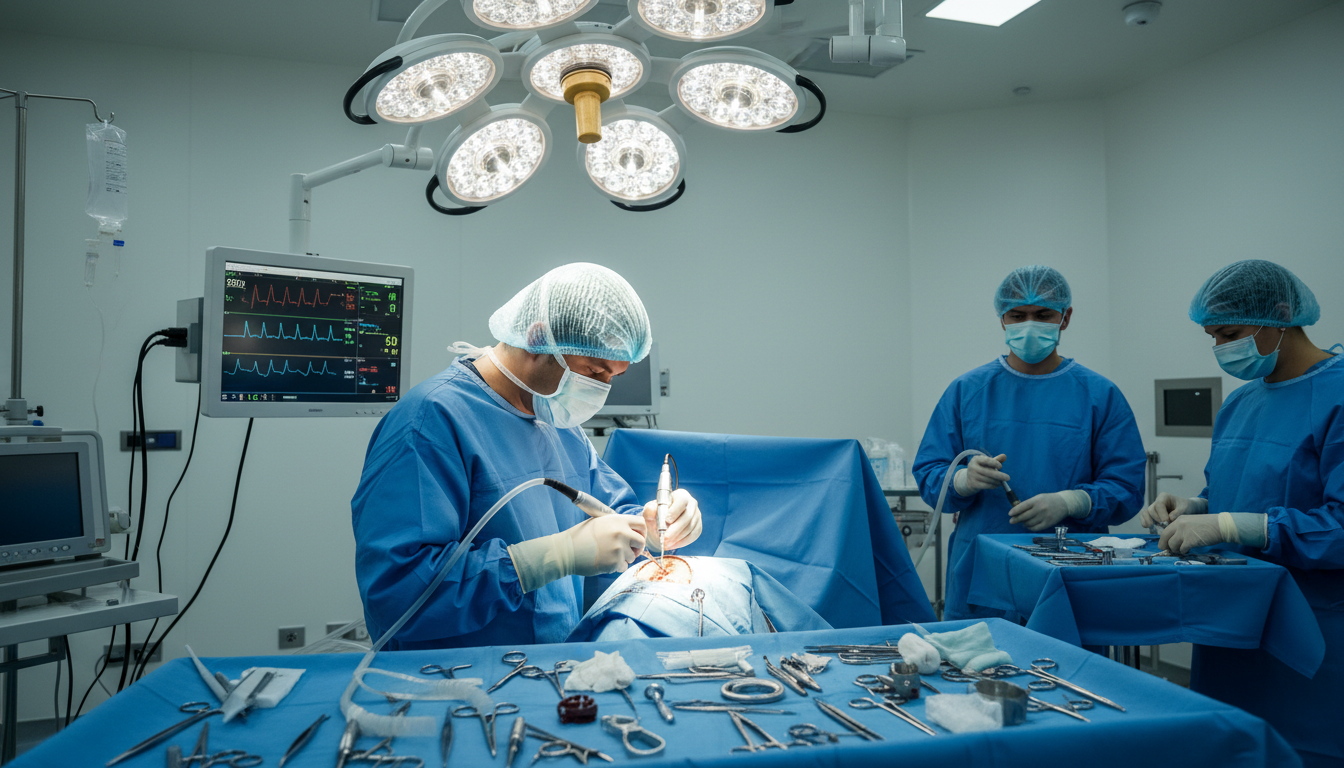
Turkey is now a top choice for people looking for top-notch medical care. It combines the latest technology with high professional standards. This makes it a great place for visitors to get the best care.
Many people travel here for complex brain surgeries. The healthcare in Turkey is well-known for its focus on safety and new ideas. Patients get to use modern facilities that are as good as those in the US.
Choosing Craniotomy Surgery means trusting the medical team and the facilities. Turkish clinics aim to make the whole process smooth. Their focus on doing things right makes Turkey a good choice for brain surgery.
Key Takeaways
- Turkey is a leading hub for advanced medical treatments and neurological care.
- Healthcare organisations in the region maintain rigorous international professional standards.
- Patients benefit from state-of-the-art technology and highly skilled medical practitioners.
- The country offers a seamless, patient-centred approach to complex medical procedures.
- International travellers receive high-quality care that is both accessible and efficient.
The Rise of Medical Tourism for Neurosurgery in Turkey
Turkey is becoming a top choice for neurosurgery worldwide. Over the last ten years, it has built top-notch medical facilities. This is to attract patients from all over.
Many people travel to Turkey for brain surgery. They find the care is excellent and the costs are lower than in Western countries. Turkey’s healthcare system focuses on safety and new technology.
The Turkish government and private hospitals work together to grow this field. They make sure every neurosurgery unit meets international standards. This has made Turkey a trusted place for complex surgeries.
Choosing where to have brain surgery is a big decision. Turkey offers great value with its affordable yet top-quality medical care. Here’s why more patients are choosing Turkey.
| Feature | Turkish Healthcare Standard | Global Competitive Advantage |
|---|---|---|
| Clinical Expertise | Highly Specialised Surgeons | Advanced Training Protocols |
| Cost Efficiency | Competitive Pricing Models | High Value for Investment |
| Technology | Latest Surgical Equipment | State-of-the-art Facilities |
| Patient Care | Comprehensive Support Services | Multidisciplinary Approach |
Understanding Craniotomy Surgery and Its Clinical Applications
When the brain needs direct medical attention, a surgical procedure called a craniotomy is often used. This surgery removes a part of the skull temporarily. It gives neurosurgeons the space and view they need to work on the brain.
By carefully working around the brain’s delicate parts, doctors can treat serious conditions with great precision.
Indications for Intracranial Surgery
Intracranial surgery aims to treat problems that can’t be fixed with medicine or non-surgical methods. A common reason for this surgery is tumour removal. Surgeons remove abnormal growths while keeping important brain functions safe.
Other important reasons include fixing cerebral aneurysms, removing haematomas after injuries, and treating severe epilepsy.
Some patients might also look into cranio-facial surgery for complex structural issues. Each case needs a detailed check to see if a craniotomy is the best option. Doctors always consider the patient’s safety, weighing the need for surgery against possible risks.
Types of Craniotomy Procedures
Today’s skull surgery offers many techniques, each suited to the patient’s needs. A standard craniotomy uses a bigger bone flap. But, smaller incisions are used in some cases to make recovery faster. The choice depends on the condition’s location, size, and type.
The table below shows common conditions and the surgical methods used:
| Condition | Primary Objective | Surgical Approach |
|---|---|---|
| Brain Tumour | Tumour removal | Standard or Keyhole Craniotomy |
| Cerebral Aneurysm | Vascular clipping | Microsurgical Craniotomy |
| Traumatic Injury | Pressure relief | Decompressive Craniotomy |
| Skull Base Lesion | Accessing deep structures | Endoscopic-assisted Craniotomy |
Craniotomy Surgery is a key part of neurosurgery. Knowing about these details helps patients feel more confident about their treatment. Whether it’s about tumour removal or fixing blood vessel problems, modern technology ensures top care in every surgery.
Why Turkey is a Leading Destination for Brain Surgery
Patients looking for top-notch care often choose Turkey. Turkish hospitals meet high safety and precision standards. They have invested in their medical setup, making them a top pick for brain surgery.
By combining skilled doctors with modern facilities, Turkey offers a safe place for patients from abroad.
Accreditation and International Standards in Turkish Hospitals
Turkish healthcare focuses on keeping patients safe. Many top hospitals have Joint Commission International (JCI) accreditation. This shows they aim for the best in patient care and results.
This accreditation means Turkish hospitals follow the same high standards as the best in the West.
The rules in Turkey help build trust and openness. For those working with medical tourism agencies, these hospitals make things easy. They have:
- Comprehensive safety audits by independent groups.
- Standardised infection control to lower risks.
- Teams that check each case for the best results.
Technological Advancements in Neurosurgical Equipment
Modern brain surgery needs advanced tech. Turkish hospitals have the latest tools for precise surgeries. This tech helps patients recover faster and safer.
Top clinics use new systems for their neurosurgery. These include:
- Robotic-assisted platforms for better control and view.
- Intraoperative MRI and CT for live imaging during brain surgery.
- Advanced systems for precise brain mapping to avoid damage.
With these technologies, Turkish neurosurgeons can tackle complex cases safely. This focus on innovation means patients get the latest treatments in a modern, safe place.
The Expertise of Turkish Neurosurgeons
Every successful brain procedure in Turkey is thanks to a skilled neurosurgeon. These doctors are known worldwide for their top-notch skills and ability to tackle tough brain cases.
Training and Specialisation Pathways
Becoming a neurosurgery specialist in Turkey is tough. Doctors start with a long medical degree and then a few years of intense practice.
They learn by doing in big hospitals. Many also get extra training abroad to keep up with the latest methods.
| Training Phase | Duration | Focus Area |
|---|---|---|
| Medical School | 6 Years | General Medicine Foundations |
| Residency | 5-6 Years | Specialised Neurosurgical Training |
| Fellowship | 1-2 Years | Advanced Sub-specialisation |
Multidisciplinary Approaches to Patient Care
Modern neurosurgery is not just about skills. It’s about teamwork. Turkish hospitals focus on working together.
Doctors like neurosurgeons team up with others. This way, they make sure every patient gets the best care possible.
Minimally Invasive Surgery Techniques in Turkey
Minimally invasive surgery has changed how brain surgeries are done. Turkish hospitals focus on precision and comfort. This makes them leaders in neurosurgery.
These new methods are very accurate. They also reduce the impact on the patient.
Benefits of Keyhole Craniotomy
A keyhole craniotomy uses a small incision to reach the brain. It’s less invasive than old methods. This leads to faster recovery times and less pain.
Patients usually stay in hospital less. They can get back to their lives sooner.
“The shift towards smaller, more precise incisions represents a major leap forward in patient safety and surgical outcomes.”
Endoscopic-Assisted Procedures
Endoscopic-assisted techniques give surgeons a clear view of the area. This is great for skull surgery where space is tight. Doctors use cameras for unmatched precision.
This protects healthy tissue during surgery.
The table below shows the main differences between old and new surgery methods in Turkey:
| Feature | Traditional Surgery | Minimally Invasive |
|---|---|---|
| Incision Size | Large | Small (Keyhole) |
| Recovery Time | Extended | Rapid |
| Tissue Trauma | Significant | Minimal |
| Precision | Standard | High (Endoscopic) |
These advances mean patients get top care. Turkish medical centres are at the forefront of neurosurgery.
The Patient Journey: From Initial Consultation to Arrival
Starting your journey to neurosurgical care in Turkey begins long before you fly. Clinics aim for a seamless experience, managing every detail with care. They focus on clear communication to build trust with patients from the start.
Remote Consultations and Medical Record Review
It all starts with a virtual consultation. Patients talk to top neurosurgeons from home. Specialists then review medical records and scans to plan the best action.
This thorough evaluation prepares the surgical team before the patient arrives. It answers clinical questions early, reducing anxiety. This digital-first approach saves time and sets clear expectations for the surgery.
“The true measure of a successful medical journey is the peace of mind a patient feels when they know they are in capable hands, regardless of the distance travelled.”
Logistics and Travel Support for International Patients
After deciding on treatment, patient support teams handle logistics. They aim to remove travel stress, focusing on recovery. They arrange airport transfers and luxury stays, coordinating everything.
Hospitals offer comprehensive packages with personal translators and case managers. This ensures care quality and comfort, no matter the language barrier. Below is a table showing typical support services for a smooth journey.
| Service Category | Standard Support | Concierge Medical Support |
|---|---|---|
| Airport Transfers | Self-arranged | Private chauffeur service |
| Accommodation | Patient-booked | Hospital-partnered hotel |
| Communication | Basic translation | Dedicated 24/7 interpreter |
| Follow-up | Email updates | Direct clinical liaison |
Turkish medical centres offer a supportive environment like a home away from home. This approach is key to the high-quality care for international patients needing neurosurgery.
Preoperative Assessment and Diagnostic Protocols
Patient safety starts long before surgery, with detailed checks and risk analysis. Surgeons need to know the patient’s anatomy well for the best results. This careful preparation is key to quality care in Turkish medical centres.
Advanced Imaging Techniques
High-resolution imaging is key for precise surgical planning. Before intracranial surgery, teams use MRI and CT scans to map the brain. These scans help surgeons find the right spot for surgery while avoiding important brain paths.
These scans help specialists choose the best surgical method. Whether it’s traditional surgery or minimally invasive surgery, the images are vital. They guide every move during the surgery with clear, real-time data.
Anaesthesiology and Risk Management
Keeping patients stable is key in skull surgery. Anaesthesiology teams work with neurosurgeons to watch vital signs and brain function. Their skills are essential in avoiding complications and making the surgery smooth.
Risk management is a top priority for patient safety. Preoperative screenings help the team prepare for any issues. This way, patients know their health is in the hands of skilled professionals who focus on safety.
The Surgical Experience: What to Expect in the Operating Theatre
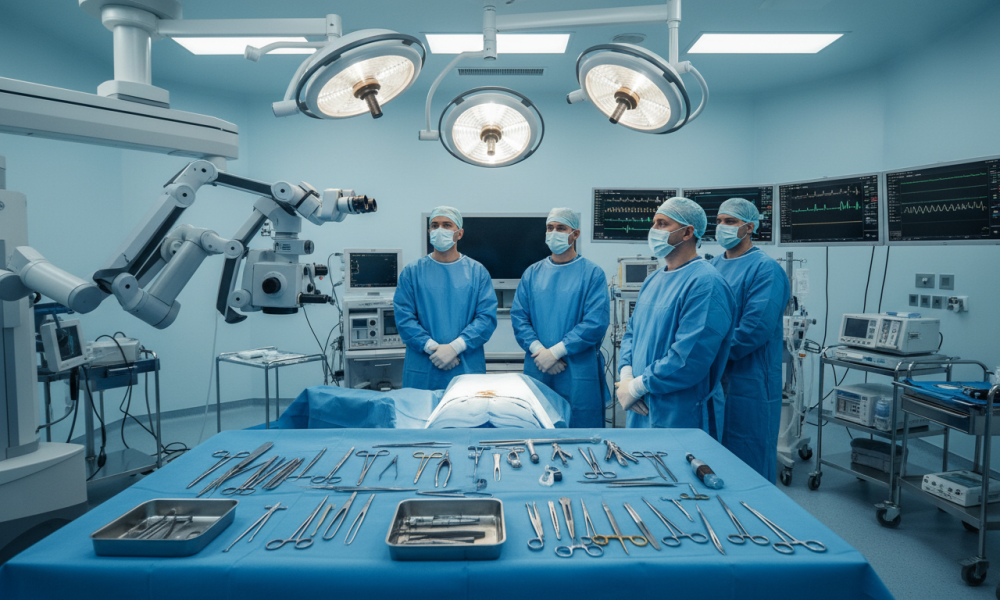
The operating theatre is a place of advanced technology and careful planning. It’s designed for the safety and success of patients. The room is set up to help the neurosurgeon during complex surgeries.
Patients feel reassured knowing the theatre is built to reduce risks. It also makes the surgical procedure more efficient.
Standardised Safety Protocols
Safety is the top priority in Turkish medical centres. Hospitals follow strict international rules. This ensures the surgical team follows a detailed checklist before, during, and after brain surgery.
These checklists cover everything from keeping the area clean to making sure the right patient is operated on.
“The integration of standardised safety checklists has revolutionised our ability to prevent complications and ensure consistent, high-quality outcomes for every patient in the theatre.”
Monitoring and Intraoperative Imaging
Modern theatres use advanced technology to help the neurosurgeon. They have systems that watch vital signs all the time. This gives the anaesthesiology team quick feedback.
They also have tools for seeing the brain in real-time. This is key for navigating during surgical procedure.
These systems are like a GPS for the team. They help perform brain surgery with great accuracy. The mix of human skill and digital precision makes complex surgeries possible.
The table below shows what makes a modern, high-tech operating theatre stand out.
| Feature | Standard Theatre | High-Tech Neurosurgical Suite |
|---|---|---|
| Imaging | Basic X-ray | Real-time Intraoperative MRI/CT |
| Navigation | Manual Mapping | Computer-Assisted Neuronavigation |
| Monitoring | Basic Vital Signs | Advanced Neuromonitoring |
| Lighting | Standard LED | Shadowless Surgical Spotlights |
Postoperative Care and Rehabilitation Programmes
The journey to healing starts right after your surgical procedure ends. Top-notch postoperative care is key for patient safety and long-term brain health. Turkish medical centres are known for their high standards during this important time.
Those who have minimally invasive surgery often heal faster. This method causes less damage to the brain, making recovery more comfortable. Each patient gets a customised care plan based on their needs.
Immediate Recovery in the Intensive Care Unit
After surgery, patients go to a special Intensive Care Unit (ICU). A team of neuro-intensivists and nurses watch over them closely. They keep an eye on vital signs and brain health.
They use the latest tech to check brain pressure and oxygen levels. Safety rules are followed closely to keep the patient stable for the first 24 to 48 hours. This setup helps both the patient and their family feel at ease.
Long-term Rehabilitation and Physiotherapy
When the patient is stable, the focus turns to long-term recovery. Detailed rehabilitation plans are started to help patients get stronger and regain brain function. Multidisciplinary teams, like physiotherapists and speech therapists, work together to create a full recovery plan.
These plans are made just for each person, taking into account their unique challenges. Regular checks make sure the plan keeps up with the patient’s progress. Continuous support is key to successful long-term health after complex brain surgery.
Managing Tumour Removal and Complex Neurological Conditions
Every patient with a brain tumour needs a treatment plan that’s just for them. Modern neurosurgery focuses on unique strategies for each person. This approach considers each patient’s medical history and needs.
Personalised Treatment Plans
Creating a good plan for tumour removal starts with looking at all the patient’s data. A skilled neurosurgeon and a team work together. They check the tumour’s size, location, and genetics.
This team makes sure the surgery is safe and works well. The plan changes as the patient gets better. They use new imaging and tests to add treatments that stop the tumour from coming back.
“The true measure of surgical success is not just the removal of the lesion, but the long-term quality of life and functional preservation of the patient.”
Follow-up Care for International Patients
Keeping care going after surgery is key, even for patients from other countries. Good postoperative care doesn’t stop at the hospital. It moves to remote checks and local help.
Patients get help from online health tools. Their neurosurgeon can check scans and reports anytime. This helps spot and fix problems fast. It’s important for the patient’s doctor back home to talk with the surgery team.
The aim is to help patients smoothly get back to their lives. Regular check-ups and rehab help them feel sure about their recovery. This care keeps the benefits of the surgery going for a long time.
Cost-Effectiveness and Quality of Care
Understanding the cost and quality of healthcare is key. Many Americans are looking abroad for medical care. They compare the cost and quality of Craniotomy Surgery in places like Turkey. Turkey offers top-notch care at a lower cost.
Lower costs don’t mean less care. Turkey’s lower living and labour costs help keep healthcare affordable. For tumour removal, Turkey’s prices are much lower than in the US.
Comparing Costs with the United States
The cost difference between the US and Turkey is huge. High US insurance and hospital costs make care expensive. Turkey’s efficient hospitals pass these savings to patients. Here’s a comparison of costs.
| Service Category | United States (Est.) | Turkey (Est.) |
|---|---|---|
| Consultation Fees | $500 – $1,000 | $100 – $200 |
| Surgical Procedure | $50,000 – $100,000+ | $15,000 – $30,000 |
| Hospital Stay (Per Day) | $3,000 – $7,000 | $500 – $1,200 |
| Total Estimated Savings | Baseline | 60% – 75% |
Transparency in Medical Billing
Transparency is key in Turkey’s medical tourism. Patients get clear quotes before they go. This means no surprise costs for Craniotomy Surgery.
“True value in healthcare is found where clinical precision meets honest, transparent communication regarding the entire patient journey.”
Looking for tumour removal or other complex surgeries? Turkey’s billing is clear. Hospitals offer all-inclusive packages. This transparent approach focuses on your recovery and health.
Legal and Ethical Considerations for Medical Tourists
Deciding to have surgery abroad is more than just a medical choice. It’s about legal planning too. Patients need to make sure they’re protected during treatment, including postoperative care. Knowing the laws in Turkey helps you feel secure and ensures your rights are respected.
Patient Rights and Informed Consent
Turkish healthcare follows strict ethical rules, just like the rest of the world. Every patient gets all the facts about their condition, the surgery, and possible risks. Informed consent is key, making sure you’re involved in your health choices.
Before surgery, doctors explain everything clearly. This makes patients confident in their choice of hospital and doctors. Always ask questions until you’re sure you understand everything.
Insurance and Liability Coverage
When planning intracranial surgery, check your insurance early. Many patients get special medical travel insurance. This covers the surgery and any unexpected problems during recovery. Knowing what your policy covers is important for managing risks.
Turkey’s laws protect both patients and doctors. It’s smart to look at the hospital’s insurance and make sure your team is accredited. These steps help make sure your intracranial surgery and postoperative care are legally secure.
| Consideration | Patient Responsibility | Hospital Obligation |
|---|---|---|
| Informed Consent | Review all documents | Provide clear explanations |
| Insurance | Verify coverage limits | Provide itemised billing |
| Legal Rights | Understand local laws | Maintain ethical standards |
| Liability | Secure travel insurance | Ensure professional indemnity |
Turkey is a safe choice for international patients because of its quality care and clear laws. Looking after your legal rights lets you focus on getting better and staying healthy.
Conclusion
Choosing the right location for complex brain surgery is a big decision. Turkey is a top choice because it has advanced medical technology and skilled surgeons.
Patients get access to top-notch facilities that focus on safety and precision. The goal is to give each person the best care possible, from start to finish.
Turkish hospitals follow strict international standards. This ensures good health results. It also gives patients peace of mind, knowing they are in good hands.
Turkey is known for its clinical expertise and affordable treatments. This makes it a great place for neurosurgery. You can trust that you’re in the right hands.
Start your journey to better health by contacting a trusted clinic. Making informed choices and getting expert help is the first step.
FAQ
Q: What exactly is a Craniotomy Surgery, and why is it performed?
A: A Craniotomy Surgery is a special procedure where a part of the skull is temporarily removed. This gives neurosurgeons access to the brain. It’s used for removing tumours, treating blood clots, and fixing cerebral aneurysms.
In Turkey, these surgeries are done in top facilities. They focus on keeping patients safe and precise.
Q: Why has Turkey become a leading destination for neurosurgery?
A: Turkey is now a top spot for neurosurgery thanks to its advanced technology and skilled doctors. Hospitals like Florence Nightingale and Anadolu Medical Centre are known worldwide. They meet high medical standards.
Patients choose Turkey for its top brain surgery skills and lower costs. This is compared to the UK or the US.
Q: What are the advantages of minimally invasive surgery for intracranial conditions?
A: In Turkey, there’s a move towards less invasive surgery. This includes smaller cuts and faster recovery times. It means less trauma, lower infection risks, and quicker care.
For those with intracranial surgery, it means a shorter hospital stay. And a quicker return to daily life.
Q: How is the recovery process managed after brain surgery in Turkey?
A: After brain surgery, Turkey’s healthcare model focuses on thorough care. Patients are watched closely in a high-tech ICU. Then, they move to a special ward.
The recovery includes a custom rehabilitation plan. This includes physiotherapy and monitoring to ensure the best outcomes.
Q: How do the costs for tumour removal in Turkey compare with those in the United States?
A: Getting tumour removal in Turkey is much cheaper. Patients can save up to 70% compared to the US. Yet, the quality of care and technology is not compromised.
Turkish clinics are clear about costs. They offer packages that include surgery, hospital stay, and initial recovery.
Q: Can I consult with a neurosurgeon before travelling to Turkey?
A: Yes, many Turkish hospitals offer remote consultations. Patients can discuss their case with a neurosurgeon online. This ensures a tailored treatment plan before they travel.
It gives patients peace of mind and clarity about their treatment journey.
Q: What safety protocols are in place during a neurosurgical surgical procedure?
A: Turkish operating theatres use the latest in neurosurgery. This includes MRI and neuronavigation systems. These tools help monitor brain function during surgery.
There’s strict adherence to safety protocols. Specialised anaesthesiology teams manage risks during the surgery.
Related guides

Healthcare Content Compliance Guide for Growth
A high-performing treatment page can generate international patient inquiries within hours. It can also create material risk if…
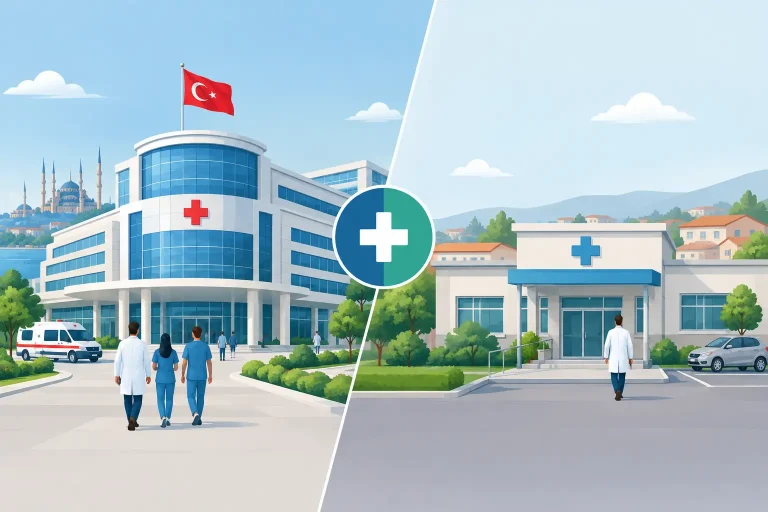
Turkey Hospitals vs Local Hospitals Compared
A lower procedure quote can get a patient’s attention. It should not make the decision on its own.…

Patient Experience That Drives Trust and Growth
A patient who has already uploaded medical records, compared providers, and arranged time away from work is not…