
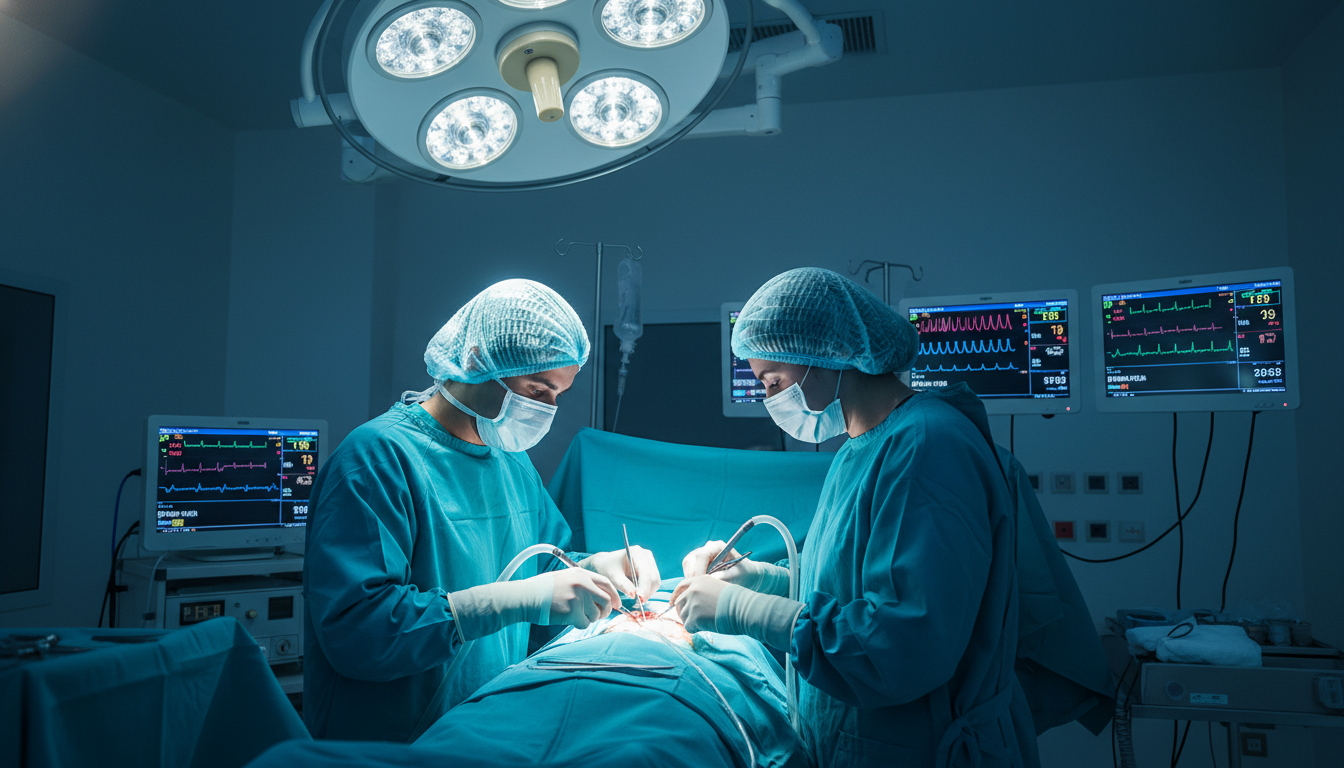
Turkey is becoming a top spot for people looking for quality medical care. It offers advanced clinical expertise in a friendly setting. This makes it a great choice for those needing complex wound care.
More and more people are going to Turkish clinics for world-class treatment at lower costs. This is because Turkey is dedicated to modern healthcare and has skilled specialists.
Getting Debridement Surgery in Turkey means you get full support during your recovery. The mix of affordable prices and top-notch care is what makes Turkey’s healthcare stand out to visitors from around the world.
Key Takeaways
- Turkey is a leading global hub for specialised medical tourism.
- Patients benefit from high standards of clinical care and modern facilities.
- The country offers a unique balance of cost-effectiveness and professional expertise.
- Complex wound management is handled by highly skilled medical teams.
- International visitors receive dedicated support throughout their treatment journey.
Understanding the Necessity of Debridement Surgery
Effective wound management often needs the removal of dead tissue to start healing. When tissue dies, it blocks healthy cells from growing and closing the wound. Professional help is often needed to clear this block and help the body heal.
The Role of Necrotic Tissue Removal in Healing
Necrotic tissue removal is a key procedure to get rid of dead or damaged skin. This dead skin is a breeding ground for harmful bacteria. By removing infected tissue, surgeons can lower the risk of complications and help new tissue grow.
Without this step, the body stays in an inflammatory state. Dead matter stops the formation of granulation tissue, needed for healing. Removing these barriers is essential to avoid infections and promote tissue health.
Identifying Candidates for Surgical Wound Cleaning
Doctors use certain criteria to decide if a patient needs wound cleaning surgery. Patients with wounds that won’t heal after weeks of treatment are often candidates. This includes those with diabetic ulcers, pressure sores, or complex surgical wounds.
The choice to do surgical wound cleaning depends on the wound’s condition and the patient’s health. Doctors look for extensive necrosis, deep infections, or biofilm that can’t be treated topically. Patients with these signs are usually the best for surgery to ensure a safe and efficient recovery.
Why Turkey is a Leading Destination for Wound Care
Turkey’s medical scene has changed a lot, making it a top place for care. People from around the world come here for unparalleled combination of cutting-edge tech and caring staff. This shows Turkey’s strong aim to match the best in the US and Europe.
Advancements in Medical Infrastructure and Technology
Turkish hospitals have spent a lot on state-of-the-art infrastructure for complex surgeries. They have top-notch imaging, robotic surgery rooms, and clean areas that meet global standards. This setup makes sure patients get safe and efficient care.
Digital health records and modern monitoring systems help with recovery. Turkish healthcare focuses on technological innovation to improve patient results. This focus on modern tech is key to Turkey’s growing fame in medical tourism.
The Expertise of Turkish Surgeons in Wound Management
The success in wound care in Turkey also comes from its exceptional skill in doctors. Turkish surgeons get a lot of training, often in special areas like wound healing. They know a lot about tissue problems, helping them tackle tough cases.
Many doctors also do research and keep learning to stay updated. Their dedication to expertise means patients get the best care based on the latest research. Here’s a table showing what makes Turkish medical care stand out.
| Feature | Turkish Medical Standard | Global Benchmark |
|---|---|---|
| Hospital Technology | State-of-the-art/Modern | Variable |
| Surgeon Specialisation | High/Board-Certified | Standard |
| Patient Care Focus | Multidisciplinary | Departmental |
| Infrastructure Quality | JCI Accredited | Varies by Region |
Types of Debridement Procedures Available
Knowing about wound cleaning methods helps you make better health choices. Doctors look at the wound’s size, depth, and where it is to choose the best treatment. Picking the right method is key for healthy tissue growth and avoiding more problems.
Surgical Debridement Techniques Explained
Surgical debridement is best for wounds with a lot of dead or infected tissue. It uses clean tools like scalpels or scissors to remove the bad tissue. This way, doctors can get rid of the bad stuff while keeping the good tissue safe.
This Debridement Surgery is great for quickly getting rid of waste. It’s done in a clean place to keep everything safe and clean. People often pick this when they need fast action to stop an infection.
Biological and Enzymatic Alternatives
For those who can’t have surgery, there are softer ways to care for wounds. These methods use chemicals or nature to break down dead tissue instead of cutting it out. They help keep the wound moist, which is crucial for healing.
- Enzymatic Debridement: Uses special creams with enzymes to break down dead tissue.
- Biological Debridement: Uses medical-grade larvae to eat away dead tissue without harming healthy skin.
- Autolytic Debridement: Uses your body’s own enzymes and moisture to soften and break down hard scabs.
Choosing between these depends on your wound and health situation. While surgical debridement works fast, the other methods are gentler for long-term care. Talking to your doctor helps make sure your Debridement Surgery plan fits your needs.
The Patient Journey for Debridement Surgery in Turkey
Your journey to healing in Turkey starts well before you fly. Patients get a clear and safe process for their care. This makes your recovery focus on health, not worries.
Initial Consultations and Remote Assessments
It often begins with a detailed online check-up. Turkish doctors review your health and wound without needing to see you first. You’ll share photos and medical records online.
In these virtual talks, doctors assess your wound and plan the best surgery for you. This step is key for a good doctor-patient relationship. It also makes sure everyone knows what to expect before you travel.
Pre-operative Preparation and Health Screening
When you arrive in Turkey, you’ll prepare for surgery. You’ll have important health checks to make sure you’re ready. These include blood tests and scans to see how bad the tissue damage is.
These tests are critical for safety. Your health is the main concern at this stage. They help doctors plan the surgery just for you, ensuring top care.
Safety Standards and Clinical Excellence
Turkey is a world leader in rigorous safety standards in healthcare. Patients coming for surgery can find a top-notch clinical environment. Every step of the surgical process is done with great care and precision.
Accreditation of Turkish Hospitals and Clinics
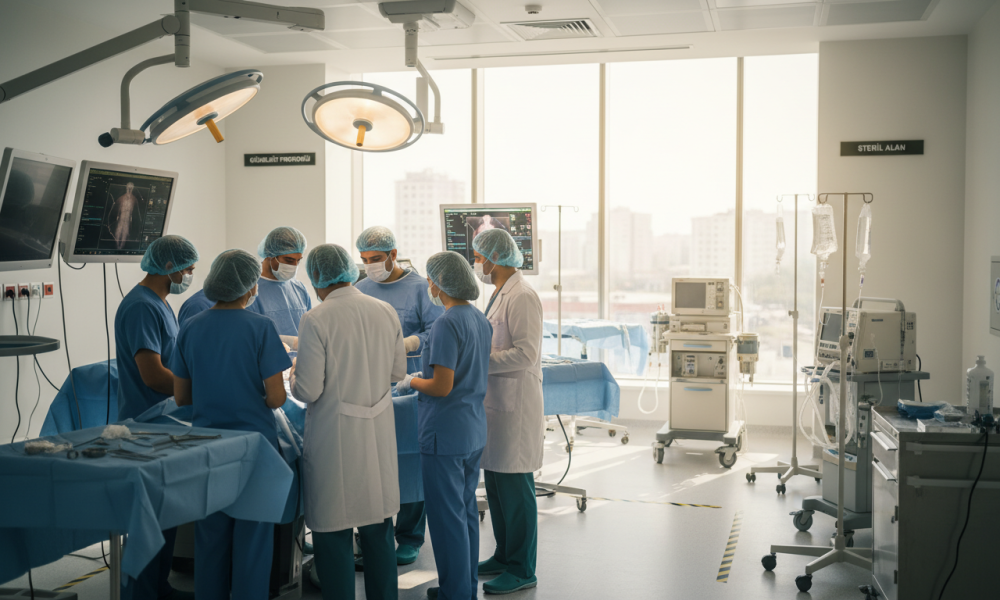
Many top medical centres in Turkey have Joint Commission International (JCI) accreditation. This shows they are serious about patient safety and quality. Hospitals must pass tough checks regularly to keep their accreditation.
Also, many clinics follow ISO quality management systems. These systems help manage risks in complex surgeries. Choosing an accredited place means you know it’s safe and well-run.
“Quality is never an accident; it is always the result of high intention, sincere effort, intelligent direction and skilful execution; it represents the wise choice of many alternatives.”
Sterilisation Protocols and Infection Control
Keeping things clean is key for wound healing and avoiding complications. Turkish hospitals use advanced sterilisation protocols and the latest tech to kill germs. Every tool is cleaned and sterilised thoroughly to ensure safety.
Infection control teams work around the clock to keep things clean. They follow strict rules for air, surfaces, and staff protection. This makes surgeries safer, helping patients recover better.
Benefits of Choosing Turkey for Tissue Removal Surgery
Looking into tissue removal surgery, Turkey stands out as a top choice for medical tourists. Many from the United States are exploring options abroad for quality, affordable healthcare. Turkey leads by combining cutting-edge tech with a patient-centric approach.
Cost-Effectiveness Compared to the United States
Cost is a big reason for medical travel, with Turkey being much cheaper than the US. The total cost, including travel and stay, is often lower than in the US. This financial relief lets patients focus on healing without worrying about debt.
The lower costs don’t mean less quality. It shows Turkey’s healthcare market is competitive and efficient. Patients get top-notch care while keeping their finances stable.
Access to Multidisciplinary Care Teams
The Turkish healthcare model is known for its integrated care. Patients get the best from tissue removal surgery thanks to teams of specialists. These teams work together to cover all aspects of a patient’s health.
These teams include:
- Expert Surgeons: Skilled in complex wound management.
- Infectious Disease Specialists: Watch for and prevent complications.
- Nutritionists: Help with recovery plans for tissue growth.
- Physical Therapists: Help regain mobility and function.
This holistic strategy is key to Turkish medicine. It ensures patients get a treatment plan that meets their immediate and long-term needs. This focused care is a big plus for those seeking lasting results.
Post-Operative Care and Recovery Protocols
After your surgery, your care and healing are the main focus. It’s crucial to follow your doctor’s instructions for a good recovery. When you pick the right orthopedic clinic in Turkey, you get full support for every stage of healing.
Managing Surgical Wounds During the Healing Phase
Looking after your wound is key to getting better. Keep the area clean and dry to avoid infections. Being consistent with dressing changes and treatments is important.
Here are some basic steps to follow:
- Follow hygiene protocols: Always wash your hands before touching your wound.
- Monitor for changes: Watch for signs like redness, swelling, or discharge.
- Limit physical strain: Don’t do too much that could harm the healing tissue.
- Maintain nutrition: Eat well to help your body heal.
Follow-up Care and Monitoring Progress
Your doctor will set up regular check-ups to see how you’re doing. These visits are important for catching any problems early. Even if you’re back home, many clinics can keep in touch with you.
At these appointments, your surgeon will check the wound and the tissue around it. Don’t be shy about asking questions or sharing any pain you feel. Being open and active in your care helps you recover smoothly.
Navigating Logistics for International Patients
Planning a medical trip abroad can seem daunting. But, Turkish medical facilities make it as seamless as they can. They handle all the travel and stay details, so patients can focus on getting better.
Travel Arrangements and Accommodation Support
Top clinics in Turkey offer full packages, including end-to-end travel coordination. This means a private driver will meet you at the airport. They help you get to your accommodation without any hassle.
They choose hotels close to the hospital. This makes it easy to get to follow-up appointments and get help when needed.
Language Assistance and Patient Liaison Services
Language can be a big worry when travelling. But, Turkish healthcare has strong solutions. Each patient gets a dedicated patient liaison who speaks many languages.
This person helps with everything from understanding medical instructions to emotional support. They make sure patients feel supported and confident during their stay.
Common Challenges in Chronic Wound Management
Fixing chronic wounds is more than just surgery. It needs a full view of the patient’s health. Effective management means spotting and tackling hidden health problems early. This way, surgery can work better.
Addressing Underlying Health Conditions
Many patients with non-healing wounds have health issues like diabetes or poor blood flow. These problems make it hard for wounds to heal. Turkish doctors focus on fixing these problems first.
By controlling blood sugar and improving blood flow, doctors help wounds heal better. This approach is key to avoiding more problems later. Comprehensive care in Turkey aims for long-term health.
The Importance of Nutritional Support in Recovery
The body needs lots of energy and nutrients to fix damaged skin and tissue. Without enough nutritional support, even the best surgery might not work. Patients get special diets to help their bodies heal.
Important nutrients like protein, zinc, and vitamin C help with healing. Being well-fed speeds up wound closure and lowers the chance of complications. Here’s what affects healing the most.
| Factor | Impact on Healing | Management Strategy |
|---|---|---|
| Blood Glucose | High levels delay closure | Strict glycaemic control |
| Protein Intake | Essential for tissue repair | High-protein dietary plans |
| Vascular Flow | Delivers oxygen to site | Vascular assessment and therapy |
| Hydration | Maintains cellular function | Monitored fluid intake |
Technological Innovations in Wound Debridement
The world of wound care is changing fast in Turkey. Clinics are using new tech to improve patient care. They focus on clinical precision to help patients heal better.
Laser-Assisted Debridement Methods
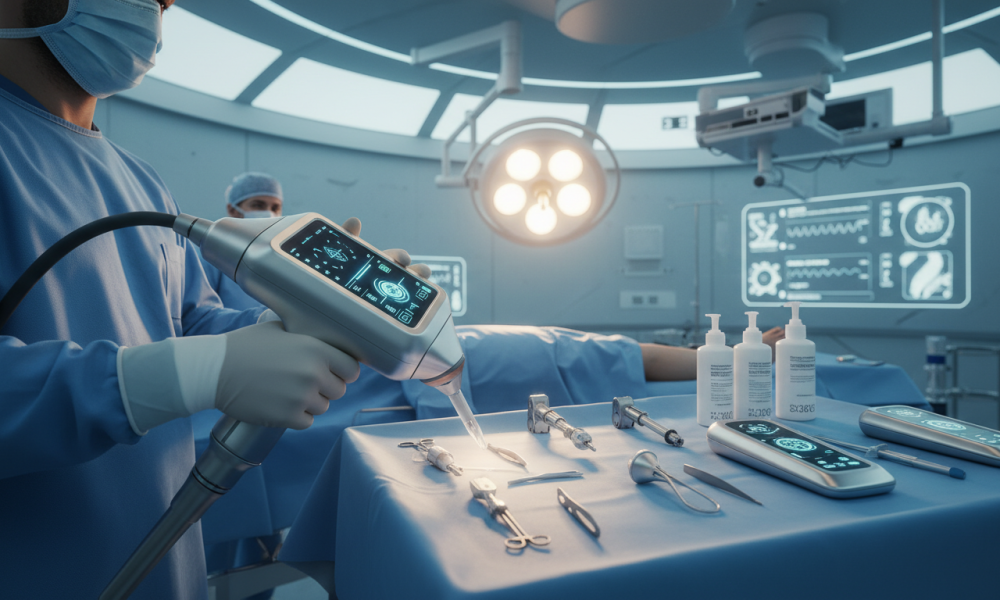
Laser technology is a big step forward in wound debridement. It lets doctors remove dead tissue without harming the good skin around it. This means patients feel less pain and can get back to their lives sooner.
“Innovation is the bridge between traditional surgical limitations and the future of regenerative medicine, allowing for outcomes that were once considered impossible.”
This minimally invasive approach is great for people with long-term health issues. Doctors use lasers to remove all infection, which is key for healing. The laser’s precision lowers the chance of problems during recovery.
Advanced Dressing Technologies Used in Turkey
New dressing materials are also changing wound care. These smart dressings keep the right amount of moisture for healing. Many clinics in Turkey use these to help the body heal naturally.
These dressings also keep the wound safe from germs. This means fewer infections. By making patients more comfortable, these technologies help wounds heal faster. This focus on innovation means top care for every patient.
Legal and Ethical Considerations for Medical Tourists
Keeping your health and rights safe is key to a good medical trip to Turkey. Getting surgery in another country means you’re in a new legal world. Knowing your rights helps make your trip safe and focused on getting better.
Understanding Patient Rights and Informed Consent
Every patient has the right to know all about their surgery. In Turkey, good clinics make sure you understand the risks and benefits. They want you to feel sure about your choice.
Having clear documents is your best protection. Make sure all papers, plans, and what to expect after surgery are in a language you get. Being open is key to trust with your medical team.
“The essence of informed consent is not just a signature on a form, but the genuine understanding of the medical path ahead.”
Insurance and Liability in International Healthcare
Dealing with insurance abroad can be tough, but it’s vital for your safety. Most home insurance doesn’t cover surgeries abroad. So, get medical travel insurance made for international care.
How liability works can differ, so check the clinic’s policies on problems before you go. A top clinic will talk openly about their clinical governance and risk management. Knowing this early lets you heal without worry.
Comparing Surgical Wound Debridement Costs
When you look into international surgery costs, it’s not just the surgeon’s fee. Knowing the full cost is key when you decide where to go for medical care. Good planning makes your surgical debridement affordable and stress-free.
Breakdown of Expenses for International Patients
The cost of a surgical wound debridement has several parts. Most clinics offer a full package. But, it’s important to check what’s included in your quote.
- Surgeon and Anaesthetist Fees: These cover the professional expertise needed for the procedure.
- Hospital Facility Charges: This includes the operating theatre, nursing staff, and essential medical equipment.
- Diagnostic Testing: Pre-operative blood work and imaging are usually required to ensure patient safety.
- Post-Operative Care: This covers initial dressings, medications, and hospital stay duration.
The following table shows how these costs are structured for international patients:
| Expense Category | Description | Estimated Impact |
|---|---|---|
| Clinical Fees | Surgeon and facility costs | High |
| Logistics | Flights and local transport | Moderate |
| Recovery | Accommodation and follow-up | Moderate |
Hidden Costs and Budgeting Tips
There are extra costs beyond the main medical fees. These can add up during recovery. A successful surgical debridement needs careful financial planning to avoid surprises.
Hidden costs include longer stays if healing is slower than expected or the need for special medical supplies when you get back home. Always save at least 15% of your total budget for unexpected costs.
Here are some tips to manage your money well for your surgical wound debridement:
- Ask for a detailed quote from your chosen clinic before paying anything.
- Check if your insurance covers international medical procedures.
- Consider the cost of a companion, as you might need help during your initial recovery.
- Use a dedicated travel card to avoid high currency conversion fees while abroad.
Psychological Impact of Chronic Wound Treatment
Chronic wounds do more than just hurt physically. They also weigh heavily on the mind, causing anxiety, frustration, and social isolation. It’s important to see that healing is not just about fixing the body. It’s also about fixing the mind.
Support Systems for Long-term Recovery
Having a strong support network is key to getting better. Patients do well with professional counselling and medical care. Counselling helps them deal with the emotional side of having a wound that won’t heal.
Family and friends are also important. Their support can make a big difference. Support groups let patients share their struggles with others who get it.
Improving Quality of Life Through Effective Surgery
Good surgery can change a patient’s life. It removes dead tissue, helping the body heal and giving hope. When a wound starts to heal, patients feel better and more hopeful.
Less pain and more movement mean more independence. Patients can start doing things they love again. This change is transformative, helping them overcome their condition’s limits.
| Aspect of Recovery | Impact of Surgery | Psychological Benefit |
|---|---|---|
| Pain Management | Significant reduction | Lowered stress levels |
| Mobility | Increased range of motion | Boosted self-confidence |
| Social Interaction | Reduced wound odour/drainage | Improved social comfort |
| Daily Routine | Less time on dressing changes | Greater sense of normalcy |
Preparing for Your Medical Trip to Turkey
Getting ready for your medical trip to Turkey can be easy if you have a checklist. Organising your things before you go lets you focus on getting better when you arrive. Feeling prepared is the first step toward a successful surgical outcome.
Essential Documentation and Medical Records
Before you fly, make sure your papers are in order. Keep a folder with your passport, visa, and travel insurance. Also, have a detailed list of your medical history, including medicines, allergies, and test results.
Having these documents ready helps your surgical team make quick decisions. If you’re choosing a provider, check their clinic or hospital to meet international standards. Always keep digital copies of your documents on a secure cloud drive as a backup in case of loss or theft.
What to Pack for Your Recovery Period
Packing for surgery needs to be both comfortable and practical. Choose soft, breathable clothes that won’t bother your surgery site. Loose-fitting shirts or pyjamas are good if you can’t move much after surgery.
Also, pack items that make you comfortable:
- Personal hygiene products that are gentle on sensitive skin.
- A universal travel adapter to keep your electronic devices charged.
- Entertainment options, such as books or a tablet, to pass the time during your stay.
- Any specific comfort aids recommended by your surgeon, such as specialised pillows.
Remember, your main goal is to rest and heal. By packing wisely, you reduce stress and create a peaceful environment for healing in Turkey.
Conclusion
Choosing the right path for your health is important. Turkey offers top-notch medical care and affordable treatments. This is great for those looking to manage wounds effectively.
Patients get to work with teams focused on improving tissue health. This helps in boosting overall quality of life.
Understanding your medical needs is the first step towards recovery. Working with skilled surgeons helps create treatment plans that focus on safety and success. Istanbul’s modern facilities are perfect for complex procedures.
Next, reach out to trusted clinics to talk about your health goals. Medical liaisons are there to help with your questions and guide you. Choosing expert care is key to a successful healing journey.
FAQ
Q: Why has Turkey become a premier destination for Debridement Surgery?
A: Turkey is a top choice for medical tourism because of its high standards and advanced technology. Patients choose Turkish clinics for their expertise and affordability. Istanbul and Ankara’s hospitals have top facilities, making them reliable for complex surgeries.
Q: What is the primary purpose of necrotic tissue removal in the healing process?
A: Removing dead tissue is key to healing. It helps the body heal by removing barriers like bacteria. This lets healthy tissue get the oxygen and nutrients it needs to repair.
Q: Who are the ideal candidates for surgical wound cleaning?
A: Those with chronic wounds, like diabetic ulcers or severe burns, are good candidates. Turkish specialists assess each case to decide if surgery is best.
Q: How does surgical debridement differ from biological or enzymatic alternatives?
A: Surgical debridement uses sharp tools to remove dead tissue. It’s chosen for its precision and speed. Turkey offers various methods, including biological and enzymatic, for different needs.
Q: What does the patient journey look like for those travelling to Turkey for wound debridement?
A: The journey starts with a remote consultation. Patients share their medical history and wound images. After a treatment plan is made, they undergo health checks before surgery.
Q: How do Turkish hospitals ensure safety and infection control during infected tissue removal?
A: Turkish hospitals follow strict standards, like those from JCI. They use advanced sterilisation and infection control in the operating room. This ensures a safe environment for surgery.
Q: What are the economic benefits of choosing Turkey for tissue removal surgery?
A: Turkey’s healthcare is more affordable than in the UK or US. Patients get top-quality surgery at a lower cost. This includes the surgery, hospital stay, and post-op care.
Q: What post-operative care is provided following wound cleaning surgery?
A: Recovery includes dressing changes, pain management, and monitoring. Turkish clinics give detailed care instructions and follow-up consultations. This helps prevent complications and ensures healing.
Q: How are logistics and language barriers managed for international patients?
A: Leading Turkish clinics offer patient liaison services. They help with language, travel, and accommodation. This makes the experience smooth and stress-free for international patients.
Q: What role does nutrition play in the recovery after surgical wound debridement?
A: Nutrition is vital for wound healing. Turkish teams include dieticians who provide nutrition plans. Proper nutrition helps with collagen synthesis and immune function, key for healing.
Q: Are there technological innovations used in Turkish clinics for debridement surgery?
A: Yes, Turkey uses new technologies like laser and ultrasonic debridement. These tools improve precision and reduce damage. Advanced dressings, like NPWT, also help in wound closure.
Q: What should I pack and prepare for my medical trip to Turkey?
A: Bring medical records, a list of medications, and comfortable clothes. Also, have digital copies of your reports. This helps the Turkish team understand your health before surgery.
Related guides

Healthcare Content Compliance Guide for Growth
A high-performing treatment page can generate international patient inquiries within hours. It can also create material risk if…
Turkey Hospitals vs Local Hospitals Compared
A lower procedure quote can get a patient’s attention. It should not make the decision on its own.…

Patient Experience That Drives Trust and Growth
A patient who has already uploaded medical records, compared providers, and arranged time away from work is not…