
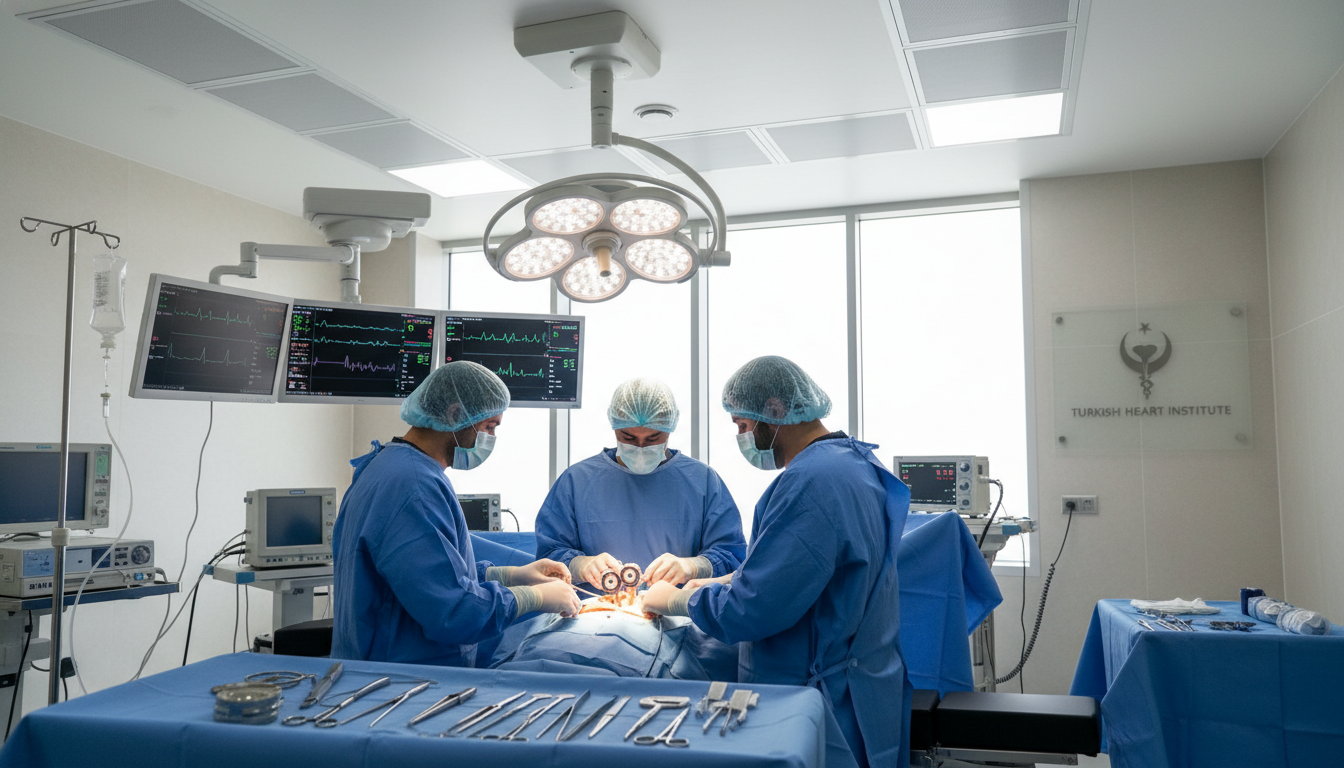
Looking for top-notch heart care often means searching outside your home country. Turkey has become a top choice for complex heart surgeries, like a Double Valve Replacement (DVR). People pick Turkish medical centres for their focus on excellence and modern setup.
The care in Turkey is as good as the best places worldwide. Surgeons here are highly skilled and use advanced technology. This ensures each patient gets the best care possible. Deciding to have a big surgery abroad is backed by strict safety rules and high success rates.
Key Takeaways
- Turkey offers world-class cardiac facilities for complex heart surgeries.
- Patients benefit from highly specialised surgeons and modern medical equipment.
- Rigorous safety standards are maintained throughout the entire treatment process.
- International travellers receive complete support and tailored care plans.
- The country is known for its affordable yet high-quality healthcare services.
Understanding the Need for Double Valve Replacement (DVR)
Some heart conditions need a special fix to keep blood flowing right. A Double Valve Replacement is key for survival when both heart valves fail. It makes sure the heart pumps blood well to the body.
Pathophysiology of Valvular Heart Disease
Valvular heart disease comes from inflammation, birth defects, or age. These issues make valves narrow or leak. This makes the heart work too hard, leading to damage and failure.
“The heart is a masterpiece of engineering, yet even the most resilient systems require expert maintenance when their primary valves begin to falter.”
When both aortic and mitral valves fail, the heart can’t handle it. Doctors check how damaged the valves are. They decide if a Double Valve Replacement is needed. Knowing this helps patients at top places like the Policlinico Universitario A. Gemelli.
Indications for Simultaneous Aortic and Mitral Valve Surgery
Doctors are very careful when deciding on this big surgery. They look at how well the heart is working. A Double Valve Replacement is chosen when both valves can’t be fixed by repair.
Patients might feel very tired, have trouble breathing, or chest pain. If tests show both valves are failing, acting fast is key. Fixing both valves at once can greatly improve a patient’s life and future.
Why Turkey is a Leading Destination for Cardiac Surgery
Turkey has become a top choice for heart surgery thanks to its advanced medical facilities. Patients from around the world come here for exceptional clinical outcomes and cutting-edge treatments. This is due to years of investment in healthcare.
Looking for heart surgery means finding a place with top care. Turkey stands out by combining the latest technology with expert medical teams. This ensures patients get the best treatment in a modern setting.
Advancements in Turkish Cardiovascular Infrastructure
Turkish hospitals have changed a lot, focusing on specialised cardiac excellence. Many now have dedicated heart centres with the newest tools. These places are ready for complex surgeries.
The fast update of these centres means they use digital health records and robotic systems. Turkish clinics keep up with the latest in medicine. This helps surgeons do detailed surgeries safely and accurately.
Accreditation and International Standards in Turkish Hospitals
Keeping safety high is key in Turkey’s healthcare. Many hospitals have Joint Commission International (JCI) accreditation. This shows they meet global benchmark for quality standards.
Patients coming for heart surgery can trust these hospitals. They follow the same high standards as top Western hospitals. Regular checks and quality improvement keep these standards high. This gives patients peace of mind when they need surgery abroad.
The Expertise of Turkish Cardiac Surgeons
When looking at advanced heart surgery, the skill of the surgical team is key. Patients going abroad for cardiac surgery need to know their team is top-notch. They must be sure their doctors can handle complex operations.
Training and Qualifications of Specialists
Turkish surgeons go through tough training. They complete long fellowships at top international places. Then, they lead departments in Turkey.
This dedication to lifelong learning keeps them up-to-date with the latest in medicine. They meet or beat global standards thanks to their board certification.
Multidisciplinary Approaches to Complex Heart Procedures
Good cardiovascular treatment needs a team effort. Turkish hospitals have cardiologists, anaesthetists, and surgeons working together. They handle high-risk cases as a team.
This team approach leads to better planning and decisions during surgery. It means each patient gets care that fits their unique needs.
Looking into cardiology treatment in Turkey means finding these well-coordinated teams. This multidisciplinary approach boosts safety and improves results for complex cardiac surgery.
Technological Innovations in Double Valve Replacement (DVR)
Doing a Double Valve Replacement (DVR) needs more than skill; it needs the latest tech. Turkish medical centres have adopted digital tech to give top-notch care. They use advanced systems to make complex heart surgeries safer and more effective.
State-of-the-Art Operating Theatres
Modern operating rooms in Turkey are set up for complex surgeries. They have integrated digital monitoring systems that give the team real-time data. This helps surgeons make quick, smart choices during surgery.
These rooms also use automated systems to keep everything clean and infection-free. When patients get a Double Valve Replacement (DVR) here, they get a safe and controlled space.
Advanced Diagnostic Imaging and Pre-operative Planning
High-quality imaging is key for detailed plans before surgery. Surgeons use 3D models and advanced echocardiography to understand the heart’s layout. This prep helps tailor the surgery to each patient’s needs.
With clear images, the team can spot possible issues and get ready. This careful planning is at the heart of modern heart care, making surgeries smoother and more predictable.
| Technology Feature | Traditional Approach | Modern Turkish Standard |
|---|---|---|
| Imaging Quality | Standard 2D Ultrasound | High-Resolution 3D Mapping |
| Surgical Planning | Generalised Protocols | Patient-Specific Digital Models |
| Monitoring Systems | Manual Observation | Real-time Digital Analytics |
| Theatre Efficiency | Standardised Setup | Optimised Robotic Integration |
Minimally Invasive Surgery Options in Turkey
Modern surgery has made big improvements for those needing valve replacement. In Turkey, doctors now use new methods that are less invasive than old ways. They focus on minimally invasive surgery to treat heart problems with less harm to the chest.
Benefits of Robotic-Assisted Valve Replacement
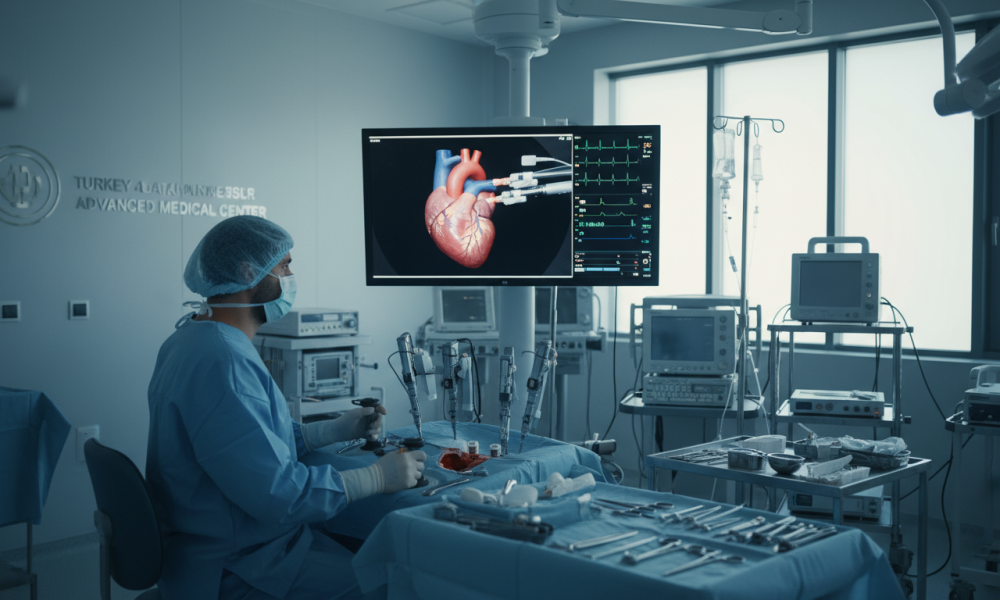
Robotic systems are at the top of cardiac surgery today. They give surgeons clear, 3D views of the heart. This helps them replace valves with great precision.
The robotic arms can reach tight spots in the chest that are hard for hands to get to. This reduces risks and makes the surgery more accurate. Patients get smaller cuts, which means less blood loss and better looks.
Recovery Advantages of Keyhole Cardiac Procedures
Keyhole surgeries help patients heal faster. They don’t split the breastbone, so the body feels less stress. Most patients feel less pain after surgery than with old methods.
“The shift toward keyhole approaches has fundamentally changed the patient experience, allowing for a quicker return to daily activities and a smoother transition back to normal life.”
Patients can go home sooner with keyhole surgeries. This is a big plus for those coming from the US. Here’s a table showing the main differences between old and new surgery ways.
| Feature | Traditional Surgery | Minimally Invasive |
|---|---|---|
| Incision Size | Large (Full Sternotomy) | Small (Keyhole) |
| Recovery Time | Extended | Rapid |
| Post-op Pain | High | Low |
| Hospital Stay | Longer | Shorter |
Choosing minimally invasive surgery means you value both top-notch care and comfort. This way of doing cardiac surgery puts your health first, all the way through your treatment.
Comparing Mechanical and Biological Valve Prostheses
When you’re looking at aortic valve replacement or mitral valve replacement, the choice of prosthesis matters a lot. It affects your health in the long run. You need to think about how long the valve will last and if you’ll need ongoing medical care.
This choice depends on your age, how active you are, and what health issues you have. It’s a personal decision.
Durability and Long-term Outcomes of Mechanical Valves
Mechanical valves are made to last forever. They’re made from strong materials like pyrolytic carbon. They’re best for younger people who don’t want to have surgery again.
The main drawback is that you’ll need to take blood-thinning medicine for life. This is to stop blood clots from forming on the valve.
“The choice of a prosthetic valve is a partnership between the surgeon and the patient, balancing the need for durability against the realities of daily life.”
Quality of Life Considerations for Biological Tissue Valves
Biological valves come from animals and feel more natural. They don’t need long-term blood-thinning medicine, which is good for your daily life. But, they wear out over time. This might mean you’ll need another aortic valve replacement or mitral valve replacement later on.
Deciding between these valves depends on your lifestyle. If you’re active and don’t want to take medicine every day, a biological valve might be for you. But, if you want to avoid more surgeries, a mechanical valve is more reliable in the long run.
The Patient Journey from the United States to Turkey
Your journey to better heart health starts with a digital connection from the United States to Turkey. Modern medical tourism has changed how patients get cardiac surgery across borders. We take care of every step, ensuring your transition is smooth and detailed.
Initial Consultation and Remote Medical Assessment
Before you fly, our experts do a remote medical check to see if you’re right for the surgery. They look at your medical history and scans online. Clear communication is key in our planning.
You’ll talk to your surgeon online to discuss your cardiac surgery. This lets you ask questions and understand what to expect. We want you to be fully informed before you leave the United States.
Logistics of Medical Travel and Accommodation
Traveling internationally can be stressful, but our concierge team makes it easy. They help with flights and guide you on the best travel times for your cardiac surgery. We aim to take away the stress so you can focus on healing.
“The success of international medical treatment relies on the seamless integration of clinical excellence and patient-centred logistics, ensuring that every traveller feels supported from arrival to departure.”
We also book comfortable, top-notch places for your recovery. These spots are close to the hospital and quiet for healing. Here’s a table showing the travel planning stages.
| Planning Stage | Primary Focus | Support Provided |
|---|---|---|
| Initial Inquiry | Medical Eligibility | Remote Assessment |
| Travel Logistics | Flight & Visa | Concierge Assistance |
| Arrival & Stay | Recovery Comfort | Hospital Transfers |
Choosing this path means your cardiac surgery is backed by a strong care framework. We’re dedicated to your health and safety in Turkey.
Pre-operative Preparation and Clinical Evaluation
Success in cardiac surgery starts long before the patient goes into the operating theatre. A thorough pre-operative assessment is key for a safe and effective surgery. This is true for those going abroad for care.
Medical teams can spot risks early and plan the surgery to fit the patient’s needs. This is very important for a aortic valve replacement and mitral valve replacement together.
Comprehensive Cardiac Screening Protocols
Every patient gets many tests to check their heart’s health. These tests include echocardiograms, coronary angiography, and blood tests.
These tests give surgeons a clear picture of the heart. This is vital for a mitral valve replacement. It helps them plan every detail before starting the surgery.
Optimising Patient Health Before Surgery
Doctors also work to make the patient’s health better before surgery. They manage conditions like high blood pressure and diabetes.
Patients might be told to stop smoking and eat better. This helps them get stronger. It makes the aortic valve replacement safer.
This part is not just a routine. It’s a critical safety step. When patients are in the best shape, they recover better and have a good outcome.
The Surgical Procedure and Intraoperative Care
In a modern Turkish hospital, every detail of your surgery is carefully planned. This ensures the best possible outcome. When you have a Double Valve Replacement (DVR), the operating theatre buzzes with activity.
The surgical team works together to manage the heart’s complexities. They do this while keeping medical care at the highest level.
Anaesthesia and Monitoring During Complex Valve Surgery
The anaesthesiology team’s expertise is key to a successful cardiac procedure. During a Double Valve Replacement (DVR), they watch your vital signs closely. They track blood pressure, oxygen levels, and heart output to keep you stable.
They use advanced anaesthesia protocols to meet your needs. With top-notch equipment, they can adjust your medication quickly. This lets the surgical team focus on replacing the damaged valves.
Ensuring Patient Safety in the Operating Room
Safety is the top priority in every cardiac procedure in Turkey. Strict sterilisation protocols are followed to reduce risks. Every team member checks that everything meets international safety standards.
Having a team of experts ensures your Double Valve Replacement (DVR) is handled with care. Your wellbeing is the main focus from start to finish. This dedication to excellence gives patients the peace of mind they need for heart surgery abroad.
Post-operative Recovery and Rehabilitation Programmes
The journey to full recovery starts when you leave the operating theatre. After a Double Valve Replacement, the first healing phase is key for long-term success. Patients get special support to ease their return to daily life.

Immediate Intensive Care Unit Protocols
After surgery, patients go to a special Intensive Care Unit (ICU). Here, skilled medical staff watch vital signs closely. They check heart rhythm, blood pressure, and oxygen levels constantly.
Managing pain is a top priority to keep patients comfortable and moving early. Nurses and anaesthesiologists work together to give the right pain relief. This helps prevent complications like breathing problems or blood clots.
“The immediate post-operative period is the foundation upon which all future cardiac health is built. Precision in monitoring and early intervention are the hallmarks of world-class cardiovascular care.”
Cardiac Rehabilitation and Long-term Follow-up
When patients are stable, they start a rehabilitation programme. These programmes help improve heart and physical strength after a Double Valve Replacement. Expert physiotherapists lead patients through exercises that boost activity safely.
Long-term success depends on regular follow-up care. Patients get a detailed plan for ongoing checks. This includes:
- Medication management for blood thinning and heart function.
- Nutritional advice for heart-healthy eating.
- Diagnostic imaging to check valve health.
- Psychological support for emotional adjustment.
Following these programmes helps patients regain their quality of life. Staying close to your medical team ensures your Double Valve Replacement works well for years.
Managing Costs and Insurance for International Patients
Financial clarity is key in Turkish cardiac centres. Knowing the full cost of a double valve replacement is essential for peace of mind. Patients often find Turkey’s treatment costs are worth it, without sacrificing quality.
Transparency in Medical Pricing and Packages
Top clinics in Turkey offer all-inclusive medical packages. These packages cover surgeon fees, hospital stay, anaesthesia, and post-op meds. They give a clear financial plan from start to finish.
Make sure to check what’s included in your quote. Ask for a detailed breakdown to avoid surprises. This clarity helps you compare options well, like when choosing the right clinic. Transparency means you can focus on getting better without worrying about money.
Navigating Insurance Coverage for Overseas Treatment
Getting insurance for international care needs early talks with your provider. Many US insurers have rules for out-of-network or international care. Check if they cover elective cardiac surgeries abroad.
Get a pre-authorisation letter from your insurer before you go. This letter is key for coverage and avoids later disputes. Keep all medical records and invoices in order for easy reimbursement when you return.
If insurance doesn’t cover everything, look into financing or health savings accounts. The international patient department at your hospital can help with paperwork. They’re skilled in making insurance processes smoother.
Safety Standards and Infection Control Measures
Patient safety is top priority for medical teams in Turkish hospitals. They follow strict international guidelines for heart surgery. This ensures a safe and clean environment for every patient.
Rigorous Sterilisation Protocols in Turkish Clinics
Turkish medical centres use state-of-the-art sterilisation technology. Every instrument is cleaned thoroughly, including high-pressure autoclaving and chemical disinfection. This focus on cleanliness is key to their clinical excellence.
Staff members follow strict rules about personal protective equipment and theatre access. They limit movement and keep positive air pressure to prevent airborne contaminants. These steps are vital for keeping the operating area clean during heart surgery.
Monitoring and Minimising Surgical Complications
Monitoring is key to preventing post-operative issues. Surgeons and anaesthesiologists track vital signs in real-time. This allows them to spot and fix problems early.
Hospitals also use antibiotic prophylaxis and wound care to help patients heal quickly. A multidisciplinary approach ensures specialists work together to reduce risks. Here’s a table showing the main safety pillars in top Turkish facilities.
| Safety Pillar | Implementation Method | Benefit to Patient |
|---|---|---|
| Sterilisation | Advanced Autoclave Systems | Elimination of Pathogens |
| Air Quality | HEPA Filtration Units | Reduced Infection Risk |
| Clinical Oversight | Real-time Telemetry | Enhanced Surgical Safety |
| Infection Control | Prophylactic Antibiotics | Optimised Recovery for Heart Surgery |
Patient Testimonials and Success Stories
Many people from the United States have found new health in Turkey. They went to top-notch facilities for heart issues. Their stories show Turkey’s high medical standards.
Real-world Experiences of International Patients
Patients praise the exceptional professionalism of Turkish doctors. They talk about the smooth treatment process. They feel safe and supported by teams who speak many languages.
“Choosing to have my heart surgery in Turkey was the best decision for my health. The level of attention I received from the surgeons and the nursing staff was truly world-class, making me feel confident and secure throughout the entire process.”
People also love the transparent communication and the modern hospitals. The mix of new tech and caring staff makes patients feel important.
Long-term Health Outcomes Post-Surgery
Patients say they live better lives after surgery. Those who had minimally invasive surgery healed faster. They got back to their daily routines quicker.
Studies show patients keep good heart health years later. Minimally invasive surgery means less pain and scarring. This proves Turkish doctors’ skills.
Legal and Ethical Considerations for Medical Tourism
Traveling abroad for surgery needs you to know the legal and ethical rules. This ensures your safety and peace of mind. Understanding these rules helps you make informed choices and have a smooth medical journey.
Understanding Patient Rights and Medical Liability
Every patient deserves top-quality care, no matter where they are. In Turkey, clinics follow strict international standards. They make sure you fully understand what you’re agreeing to before any treatment starts.
It’s important to check your medical contract. This should explain what the treatment includes and who is responsible if something goes wrong. You should also know what legal options you have if there are problems.
Good clinics are open about their policies and follow global medical ethics. To protect yourself, take these steps:
- Check if the hospital is internationally accredited.
- Get a detailed plan of your cardiovascular treatment and any risks.
- Make sure the surgical team has professional indemnity insurance.
- Have all financial deals written down in a clear contract.
Ensuring Continuity of Care Upon Returning Home
Going back to the US after your surgery is a key part of your recovery. It’s important to keep your care consistent. This means your international team and your US doctor need to talk well.
Make sure all important medical information is shared with your US doctors. This helps your recovery go smoothly. Many patients see their local cardiologist soon after coming back. This ensures they’re on the right track.
Working together with your international and local healthcare teams is key. It lets you enjoy top surgery care with the support of your local doctors.
Conclusion
Choosing the right path for double valve replacement is key. You need to understand your medical needs and the options abroad. Turkey is a top choice, with its world-class surgeons and modern hospitals.
Patients from the United States often prefer Turkey’s care. They get top clinical standards and personal attention. This means access to advanced robotic surgery and skilled teams focused on your recovery.
Success in cardiac treatment starts with good preparation and informed choices. Looking into places like Istanbul or Ankara is a big step. It helps you improve your life quality.
Looking after your heart health is a big decision. Check out Turkey’s top surgical programs for your condition. Taking charge of your treatment is the first step to a healthier future.
FAQ
Q: Why is Turkey considered a premier destination for Double Valve Replacement (DVR)?
A: Turkey is a top choice for heart surgery thanks to its advanced medical setup. Places like Acıbadem Healthcare Group and Memorial Hospitals Group offer top-notch care. They use the latest technology and have skilled surgeons.
Patients from around the world pick Turkey for its high success rates in complex surgeries. They also appreciate the affordable, transparent prices.
Q: What clinical conditions necessitate a simultaneous aortic and mitral valve surgery?
A: A Double Valve Replacement is needed when both the aortic and mitral valves are severely damaged. This damage can’t be fixed with medicine alone. It often happens due to degenerative or rheumatic heart disease.
At top hospitals, like Florence Nightingale Hospital, surgeons do these surgeries together. This helps restore blood flow and prevent heart failure.
Q: Are Turkish hospitals accredited by international health organisations?
A: Yes, many Turkish medical centres have JCI (Joint Commission International) accreditation. This shows they meet global safety and quality standards. It makes Turkey a reliable place for heart surgery.
Q: What are the qualifications of the surgeons performing heart surgery in Turkey?
A: Turkish cardiac surgeons are very skilled. They’ve had rigorous training at places like Hacettepe University. They’ve also done fellowships in the UK and US.
These experts are great at both aortic and mitral valve replacements. They work in teams to handle high-risk cases carefully.
Q: How is technology utilised in the pre-operative planning of a Double Valve Replacement?
A: Turkish clinics use advanced imaging like 3D echocardiography and CT scans. These create detailed maps of the heart. This helps plan the surgery precisely, reducing risks.
Q: Can Double Valve Replacement be performed using minimally invasive surgery?
A: Yes, many Turkish centres, like Medicana International, offer minimally invasive surgery. They use robotic systems for smaller incisions. This leads to less pain, less scarring, and faster recovery.
Q: What are the primary differences between mechanical and biological valve prostheses?
A: Mechanical valves last a long time but need lifelong blood thinners. Biological valves don’t need blood thinners but may need to be replaced in 10 to 15 years. The choice depends on the patient’s health and goals.
Q: How do international patients from the United States manage the logistics of medical travel to Turkey?
A: The journey starts with a remote consultation. Then, medical travel coordinators help with flights, transfers, and accommodation. Many hospitals offer packages that include surgery, stay, and recovery logistics.
Q: What screening protocols are involved in the pre-operative clinical evaluation?
A: Patients undergo a detailed cardiovascular screening before surgery. This includes blood tests, lung function tests, and cardiac imaging. Managing health conditions is key to a safe surgery.
Q: How is patient safety ensured during the surgical procedure in the operating room?
A: Continuous monitoring and advanced anaesthesia are key to safety. Anaesthetists and perfusionists watch vital signs closely. The surgical team follows strict checklists to reduce risks.
Q: What does the post-operative cardiac rehabilitation programme entail?
A: Recovery starts in the ICU and then moves to a cardiac rehab programme. This includes supervised exercise, nutrition advice, and lifestyle counselling. Places like Anadolu Medical Centre provide ongoing care and support.
Q: Is the pricing for cardiovascular treatment in Turkey transparent for international patients?
A: Yes, Turkish hospitals are clear about costs. They provide detailed quotes for surgery, surgeon fees, hospital stay, and medication. Even with travel costs, the total cost is often lower than in the US or Western Europe.
Q: What measures are taken to prevent infection following heart surgery?
A: Turkish hospitals follow strict sterilisation protocols. They use HEPA-filtered air and enforce hand hygiene. These measures are monitored to keep the environment clean and prevent infections.
Q: What are the expected long-term outcomes for patients after a Double Valve Replacement?
A: Long-term outcomes are usually very good. Patients see a big improvement in their quality of life and physical ability. Following the rehab and medication plan helps them return to normal activities.
Q: How is the continuity of care managed when a patient returns to their home country?
A: Before leaving, patients get a detailed medical report and follow-up plan. Turkish specialists stay in touch with local cardiologists. This ensures the patient’s care continues smoothly.
Related guides

Healthcare Content Compliance Guide for Growth
A high-performing treatment page can generate international patient inquiries within hours. It can also create material risk if…

Turkey Hospitals vs Local Hospitals Compared
A lower procedure quote can get a patient’s attention. It should not make the decision on its own.…

Patient Experience That Drives Trust and Growth
A patient who has already uploaded medical records, compared providers, and arranged time away from work is not…