
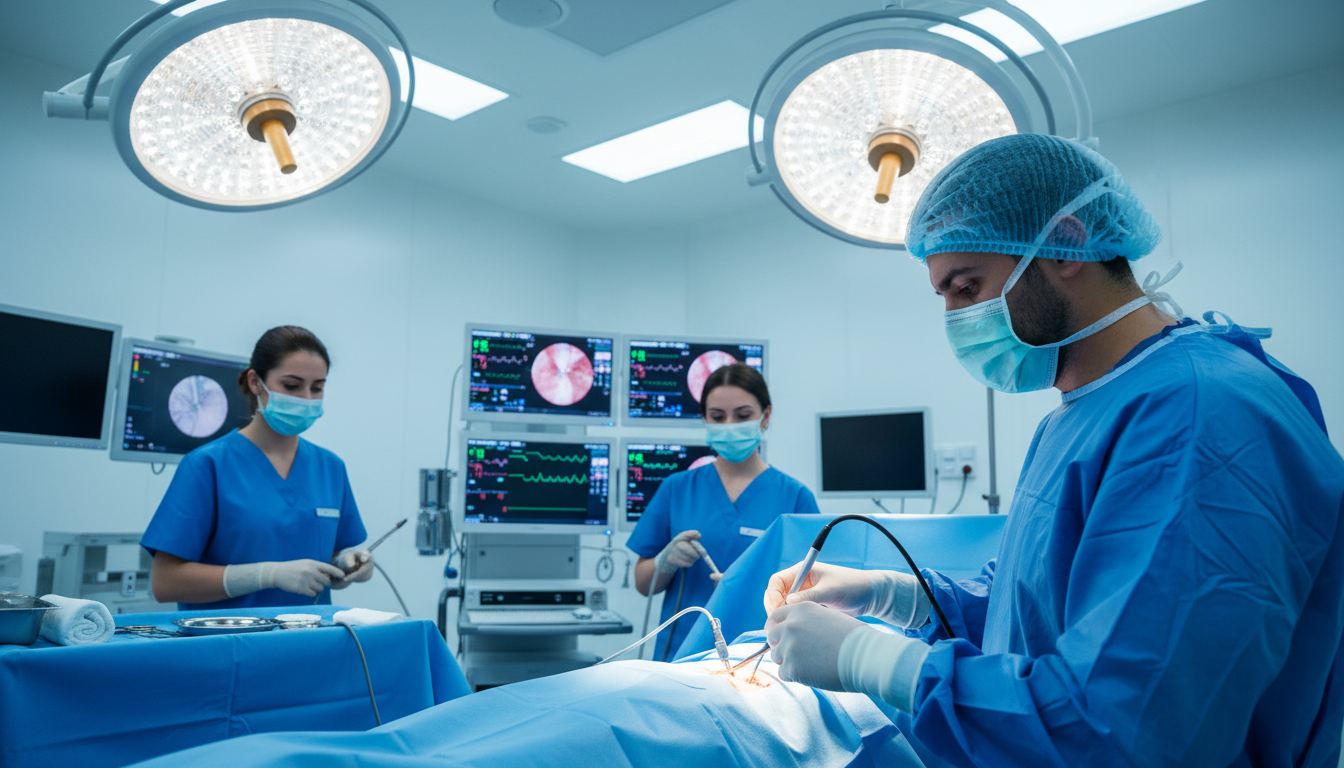
Turkey is now a top choice for those looking for quality medical care. Many people travel here for specialised urological treatments. They find it affordable and of high standard.
The country has modern clinics with the latest technology. Medical experts here offer exceptional standards of care. They make sure each patient gets care that fits their needs. Getting Enlarged Prostate Surgery in Turkey means you get to see top urologists.
Patients say the advanced clinics and caring environment make their stay better. Turkish medical centres focus on patient wellbeing. Choosing Enlarged Prostate Surgery abroad can help you regain your quality of life.
Key Takeaways
- Turkey is a leading hub for international medical tourism in urology.
- Clinics utilise state-of-the-art technology for patient procedures.
- Highly qualified specialists provide personalised care plans for all visitors.
- The cost-effectiveness of treatment does not compromise the high standards of medical excellence.
- Patients benefit from a supportive environment that prioritises comfort and recovery.
Understanding Benign Prostatic Hyperplasia and Surgical Necessity
When the prostate gland grows too big, it can really mess up your daily life and how you use the bathroom. This problem, called benign prostatic hyperplasia (BPH), is when the prostate grows but it’s not cancer. It can make the urethra smaller, forcing the bladder to work too hard.
If treatments that don’t involve surgery don’t help, you might need prostatic hyperplasia surgery. This surgery can help you pee normally again and keep your kidneys healthy.
Symptoms and Clinical Indicators for Intervention
It’s important to know the signs of an enlarged prostate to see a doctor early. You might feel like you need to pee a lot, pee weakly, or feel like your bladder isn’t empty. These signs mean the problem is getting worse.
- A frequent or urgent need to urinate, even at night.
- It’s hard to start peeing or the flow is weak.
- You feel like your bladder isn’t empty.
- You keep getting urinary tract infections or see blood in your pee.
If these symptoms don’t go away, surgery might be needed. Getting benign prostatic enlargement surgery can really improve your life.
Diagnostic Procedures Prior to Considering Surgery
Before surgery, doctors need to check you thoroughly. This makes sure the surgery is right for you.
Doctors usually do a few tests first:
- Prostate-Specific Antigen (PSA) blood test: Checks for prostate health and cancer.
- Transrectal Ultrasound: Shows how big and shaped the prostate is.
- Uroflowmetry: Measures how fast and much you pee to see how bad the blockage is.
- Digital Rectal Examination (DRE): Lets the doctor feel the prostate to check its size and feel.
These tests help doctors know if prostatic hyperplasia surgery will work for you. They make sure the surgery fits your needs for the best results.
Why Turkey Has Become a Global Hub for Urological Care
Turkey’s rise in medical tourism is not by chance. It’s due to a big investment in healthcare. Over ten years, Turkey has changed its medical scene. Now, it offers top-notch services that draw thousands of patients from around the world each year.
This growth is because of a focus on being the best and using the latest surgical tech.
Accreditation Standards in Turkish Hospitals
Turkey’s success comes from sticking to high quality standards. Many top hospitals in Turkey have the Joint Commission International (JCI) accreditation. This shows they meet global patient safety and care standards.
These hospitals are checked regularly to keep their surgery results up to par with the best in the West.
But it’s not just about JCI. Turkish hospitals also have the latest equipment and keep their staff up to date. This focus on continuous improvement means patients get care that’s both modern and trustworthy. This makes Turkish clinics a safe place for complex urological surgeries.
The Role of Medical Tourism Agencies in Patient Coordination
Getting medical help abroad can be daunting without help. That’s where medical tourism agencies play a big role. They help connect patients with hospitals, taking care of everything from the first meeting to aftercare.
These agencies handle all the details, like travel, where to stay, and translation. They make sure everything runs smoothly, so patients can focus on getting better. This is key to the modern medical tourism experience in Turkey.
| Service Feature | Standard Hospital | Accredited Turkish Facility |
|---|---|---|
| JCI Accreditation | Not Always Present | Widely Maintained |
| Patient Coordination | Self-Managed | Full Agency Support |
| Technology Level | Variable | Advanced/Robotic |
| Cost Efficiency | High | Highly Competitive |
Comprehensive Overview of Enlarged Prostate Surgery Options
When looking into Enlarged Prostate Surgery, it’s key to know the different methods. New medical discoveries have given us several ways to tackle urinary blockages from an enlarged prostate. The right choice depends on your body, prostate size, and health goals.
Exploring prostate surgery options can boost a patient’s confidence in their treatment. Each method has its own benefits, from proven success to cutting-edge technology in urology.
Transurethral Resection of the Prostate (TURP) Explained
The TURP procedure is a top choice for treating benign prostatic hyperplasia. A specialist removes the inner prostate gland that blocks the urethra. This clears the blockage, improving urine flow and easing symptoms.
This method works well for many, giving durable and long-lasting results. Surgeons are very experienced with TURP, making it safe. Soon after recovery, patients see a big improvement in their life quality.
Holmium Laser Enucleation of the Prostate (HoLEP)
The Holmium Laser Enucleation of the Prostate is a modern alternative. It uses laser energy to remove tissue with little bleeding. It’s great for those with bigger prostates, avoiding more invasive surgeries.
The main benefit of HoLEP is it can remove a lot of tissue with a short hospital stay. It’s minimally invasive, so patients recover faster. This advanced laser option offers great results with fewer risks.
Advancements in Robotic Prostate Surgery
The world of urology is moving towards high-tech treatments that focus on better patient results. Robotic prostate surgery is a big step forward, giving surgeons tools they never had before. These tools help with complex surgeries, making them more accurate and controlled.
Precision and Benefits of the Da Vinci Surgical System
The Da Vinci Surgical System is leading this tech change. It gives surgeons enhanced visualisation with high-definition 3D images. This is key for working with delicate parts of the body.
It also offers better dexterity, letting instruments move in ways humans can’t. This is thanks to its advanced design.
Thanks to this tech, medical teams can do robotic prostate surgery with more confidence. The system removes natural hand tremors, making every move precise. This is vital for keeping nerves and tissues safe during surgery.
Comparing Robotic Techniques to Traditional Methods
Patients often look at robotic surgery versus traditional open surgery. A big plus of robotic surgery is the significant reduction in blood loss during the operation. Smaller incisions mean less damage to the body, leading to quicker healing.
Those who have robotic prostate surgery usually stay in hospital less time than those with open surgery. This means they can get back to their normal lives faster. It shows a focus on modern, patient-centred care in Turkish medical facilities.
Minimally Invasive Prostate Surgery Techniques
Minimally invasive prostate surgery is a new way to treat prostate issues. It’s less invasive than old methods, meaning smaller cuts and shorter hospital stays. This approach aims to improve your life with less disruption.
UroLift System and Water Vapor Thermal Therapy
The UroLift system uses small implants to lift the prostate away from the urethra. This mechanical solution helps the urine flow better. It’s popular because it doesn’t remove tissue.
Water vapour thermal therapy, or Rezum, treats prostate issues with water vapour’s energy. It sends targeted thermal energy into the prostate. The body absorbs the treated tissue, reducing blockage and improving urine flow.
Recovery Advantages of Minimally Invasive Approaches
Choosing minimally invasive surgery means a rapid recovery time. Most patients can get back to normal in a few days, not weeks. This is great for those who travel and want to return home quickly.
These methods are also good at preserving sexual function. They avoid deep cuts, reducing long-term side effects. Patients often say they’re happy with the results, feeling better without losing their physical health.
Selecting the Right Surgeon and Medical Facility
Getting a good result from your prostate surgery starts before you travel. When you choose to get care abroad, you must do your homework. It’s key to check the doctor and the hospital carefully for your safety and peace of mind.
Evaluating Surgeon Credentials and Experience
Your surgeon’s skill is the most critical factor for your recovery. Make sure they are board certified in urology by a respected body. Also, check if they have experience with your specific surgery, like robotic-assisted prostatectomy.
Ask about the surgeon’s yearly number of surgeries. More surgeries often mean better skills and fewer problems. Get a detailed profile to learn about their training and any international fellowships.
Assessing Hospital Infrastructure and Technology
The hospital’s quality is just as important as the surgeon’s. Look for places with Joint Commission International (JCI) accreditation. This shows they meet high safety and quality standards.
Check if the hospital has a dedicated urology department with the latest tech. Having advanced robotic platforms and good post-op care shows they care about your health. Look at these points to choose the best place for your care.
| Evaluation Criteria | Key Indicators of Quality | Why It Matters |
|---|---|---|
| Surgeon Certification | Board-certified Urologist | Ensures verified expertise |
| Facility Accreditation | JCI or ISO Certified | Guarantees safety standards |
| Surgical Technology | Robotic/Laser Systems | Improves precision and recovery |
| Patient Support | Multilingual Staff | Facilitates clear communication |
The Patient Journey from the United States to Turkey
Choosing to have surgery abroad is a big decision. It needs a clear plan for travel and care. Breaking it down into steps helps patients smoothly move from home to a top medical facility in Turkey.
Initial Consultations and Remote Medical Assessments
It often starts with a virtual meeting. This lets you talk to your surgeon from home. You’ll share your health history, symptoms, and any test results like MRI or ultrasound.
These online checks are key for a custom treatment plan. Surgeons review your case and talk about the best surgery options. This early talk makes sure you know what to expect before traveling.
“The success of medical tourism relies heavily on the quality of the initial remote assessment. When patients and surgeons align their expectations early, the entire recovery process becomes significantly more predictable and comfortable.”
Logistics of Travel and Post-Operative Accommodation
After planning your treatment, you’ll focus on the trip details. Many patients use travel coordinators for flights and transfers. These experts make your arrival in Turkey easy, helping you smoothly start your care.
Choosing the right place to stay after surgery is important. Look for quiet, comfy spots for rest. Some clinics offer hotel stays with 24/7 nursing to watch over you in the first days.
| Phase | Primary Focus | Key Action |
|---|---|---|
| Preparation | Medical Records | Submit diagnostic files |
| Consultation | Treatment Plan | Virtual surgeon meeting |
| Logistics | Travel Arrangements | Book flights and stay |
| Recovery | Post-Op Care | Follow medical guidance |
By planning these details well, you can focus on your health. A clear plan reduces worry and lets you face your surgery with confidence and peace of mind.
Financial Considerations and Cost-Effectiveness
Many patients from the United States are finding that top-notch urological care in Turkey is much cheaper. This doesn’t mean they sacrifice quality. Instead, they get access to advanced technology at a lower cost than in the US.
Deciding to have surgery abroad means weighing quality against cost. Turkey’s lower costs mean top services at a lower price than in American hospitals.

Comparing Surgical Costs Between the US and Turkey
The cost difference comes from various factors. These include administrative costs, insurance, and local prices. Patients often save a lot by choosing Turkey, even with travel costs included.
| Service Component | Typical US Cost | Typical Turkey Cost |
|---|---|---|
| Surgeon Fees | High | Moderate |
| Hospitalisation | Premium | Inclusive |
| Follow-up Care | Variable | Included |
“The true value of medical tourism lies not just in the price tag, but in the seamless integration of high-quality care and patient-centred support systems.”
Understanding What is Included in Medical Packages
Transparency is key in Turkish medical tourism. Top clinics offer all-inclusive medical packages to avoid surprise costs.
These packages usually include everything you need for your treatment. You can expect the following in your initial quote:
- Pre-operative diagnostic tests and lab screenings.
- Professional surgeon fees and anaesthesiology costs.
- Hospital stay, including private room and nursing support.
- Post-operative meds and follow-up consultations.
By combining these services, clinics make recovery easier. This streamlined approach gives patients peace of mind, knowing costs are clear from the start.
Preparing for Your Prostatectomy Procedure
Getting ready for surgery is key before you go to the hospital in Turkey. Preparing your body well can make your surgery and recovery better after a prostatectomy.
Pre-operative Lifestyle Adjustments and Health Optimisation
Starting a healthier lifestyle a few weeks before surgery is essential. If you smoke, stopping at least four weeks before can greatly help your lungs and healing.
Eating a balanced diet rich in nutrients is important for your body’s readiness for surgery. Light exercise, like walking, boosts your heart health and energy. It’s smart to check your clinic or hospital to make sure it supports your health goals.
Medication Management Before Travelling Abroad
Handling your medications is a big part of your prostatectomy journey. You must give your surgical team a full list of all your medicines, supplements, and herbal products.
Some medicines, like blood thinners or anti-inflammatory drugs, might need to stop a few days before your surgery. Always talk to your doctor or the surgical team before changing your medicines.
By planning your medication, you make sure your body is ready for your prostatectomy. Good preparation reduces risks and lets you focus on getting better after surgery.
Navigating the Prostate Surgery Recovery Timeline
Your journey to better health doesn’t stop after surgery. Knowing the prostate surgery recovery timeline helps set realistic goals. It ensures a smooth return to your daily life.
Immediate Post-operative Care in the Hospital
When you wake up, a team of doctors will watch over you. Pain management is key in those first hours. It helps you feel comfortable as your body heals.
You might have a urinary catheter to help with bladder issues. The nurses will teach you how to care for it. Proper catheter care is vital to avoid infections and aid healing.
Managing Recovery During the First Few Weeks at Home
At home, focus on keeping up your progress. Listen to your surgeon about when to be active and when to rest. This avoids putting too much strain on your body.
Plan for a slow recovery, avoiding heavy lifting or hard exercise for weeks. Drinking plenty of water and eating well will help your body heal.
Watch your symptoms closely and go to all follow-up appointments. Sticking to this prostate surgery recovery timeline will help you get back to your normal life. It ensures you meet your long-term health goals.
Potential Risks and Complications of Prostate Procedures
Understanding the post-operative phase is key. Knowing what to expect and what to watch for is important. A prostatectomy is usually safe and effective. But, all surgeries have some risks. Being informed helps patients recover better.
Recognising Warning Signs During the Healing Process
Right after surgery, some discomfort or changes in urination are normal. But, watch out for signs of trouble like infection or too much bleeding. Catching these early can stop bigger problems.
If you have a high fever, chills, or trouble urinating, call your doctor right away. Also, seek help if you see a lot of bright red blood or pain that won’t go away. Keeping a symptom journal helps your doctor help you better.
Long-term Follow-up and Monitoring Requirements
The success of a prostatectomy doesn’t stop when you leave the hospital. Long-term checks are vital to keep your urinary health on track. Regular visits let your doctor keep an eye on you and fix any issues.
These visits include blood tests and physical checks. Going to these appointments is a big part of your care. Talking regularly with your doctor helps manage any long-term changes you might need.
| Potential Concern | Common Symptom | Recommended Action |
|---|---|---|
| Post-operative Infection | High fever or chills | Contact surgeon immediately |
| Urinary Obstruction | Inability to pass urine | Seek emergency medical care |
| Significant Bleeding | Bright red blood in urine | Monitor and notify clinic |
| Routine Monitoring | Scheduled check-up | Attend all follow-up visits |
Quality of Life Improvements Following Surgery
After surgery, many men feel a new sense of energy and comfort. The main goal is to fix health issues, but the benefits go beyond that. People often see a significant transformation in their well-being as they go back to their usual lives.

Restoring Urinary Function and Daily Comfort
One of the first and most welcome changes is better urinary function. Those who used to wake up a lot at night or had to go to the bathroom often find these problems gradually fade away. This makes their daily life much more predictable and relaxed.
Regaining bladder control also has a big psychological impact. It lets people enjoy social activities, travel, or exercise without worrying about finding a restroom. Most patients see a big improvement in their quality of life as they adjust to their new, symptom-free life.
Addressing Concerns Regarding Sexual Health Post-Surgery
Patients often wonder about their sexual health after prostate surgery. Modern surgery tries to minimise impact on nerves and tissues. It’s key to talk openly with your doctor to understand what to expect.
With time and proper care, many men can keep a fulfilling intimate life. Remember, the body needs time to heal after big changes. Focusing on overall health and following your doctor’s advice is the best way to ensure long-term happiness and comfort.
Legal and Ethical Considerations for International Patients
Choosing surgery abroad means knowing the legal side is as vital as the treatment itself. Navigating the complexities of international healthcare needs careful planning for your safety. Knowing local laws helps you relax and focus on getting better.
Understanding Patient Rights and Medical Liability
Every country has its own medical laws and ethics. In Turkey, hospitals follow strict rules to protect patients. Make sure to review your informed consent documents carefully before any surgery.
Medical liability laws abroad can be very different from those in the US. Turkish hospitals are very good, but patients need to know their rights. Transparency is key, so ask your agency about the hospital’s liability policies.
Ensuring Continuity of Care Upon Returning to the United States
Going back home is a big part of your recovery. Your US doctor needs your full medical history and surgery reports. Requesting detailed documentation from your Turkish team is very important.
Talking openly with your primary care doctor helps a lot. If you have any new symptoms, having a plan for follow-ups is key. Proactive coordination between your international surgeons and your local team is best for long-term care.
| Category | Action Required | Benefit |
|---|---|---|
| Legal Documentation | Review informed consent | Ensures clear expectations |
| Medical Records | Request full surgical reports | Facilitates local follow-up |
| Care Coordination | Consult with US physician | Maintains continuity of care |
| Liability Awareness | Verify hospital insurance | Provides financial security |
Conclusion
Deciding to tackle prostate health through surgery is a big step towards feeling better. Turkey has top-notch medical care and technology, just like in the US. People often find the skilled surgeons and modern hospitals help them recover well.
Planning and researching your health options is key. This helps you make smart choices about your care and future health. Working with trusted doctors means you get the best treatment for your needs.
Today’s surgery options look promising for those with urinary issues. Taking care of your health now can make your life more active and enjoyable. Talk to doctors about your situation and start improving your health.
FAQ
Q: Why is Turkey considered a premier destination for enlarged prostate surgery?
A: Turkey is a top choice for enlarged prostate surgery. It has world-class hospitals like Acıbadem Healthcare Group and Memorial Health Group. These places offer the latest technology, like the Da Vinci Surgical System, at lower costs than in the US or UK.
Q: What are the primary prostate surgery options available for treating BPH?
A: There are several prostate surgery options for BPH. TURP (Transurethral Resection of the Prostate) is the most common. But, HoLEP (Holmium Laser Enucleation of the Prostate) and robotic surgery are also popular. For less invasive options, the UroLift system and Rezum water vapour therapy are available.
Q: How does a TURP procedure differ from a robotic prostatectomy?
A: TURP removes tissue through the urethra to treat BPH. Robotic prostate surgery is for more complex cases. It offers better precision and less blood loss, leading to quicker recovery.
Q: What should I expect during the prostate surgery recovery timeline?
A: The recovery time varies by surgery type. After TURP or HoLEP, patients stay in hospital for 1 to 2 days with a catheter. Recovery takes 3 to 6 weeks, avoiding strenuous activities. Minimally invasive surgeries have quicker recovery, often within days.
Q: Are the diagnostic procedures for prostatic hyperplasia surgery thorough in Turkey?
A: Yes, Turkish urology departments follow strict protocols before surgery. They use PSA tests, digital rectal exams, uroflowmetry, and ultrasound imaging. This ensures the chosen surgery is best for the patient.
Q: Is it safe for international patients to undergo robotic prostate surgery abroad?
A: Yes, it’s safe if patients choose JCI-accredited facilities. Turkish hospitals for international patients have dedicated coordinators. They offer the same technology and expertise as top Western clinics.
Q: How cost-effective is enlarged prostate surgery in Turkey compared to the United States?
A: Enlarged prostate surgery in Turkey is much cheaper, often 50% to 70% less than in the US. These packages include surgery fees, hospital stay, tests, and sometimes post-operative care. This makes surgery more accessible to those facing high costs or long waits.
Q: Will minimally invasive prostate surgery preserve my sexual function?
A: Minimally invasive surgeries, like the UroLift system, aim to preserve sexual health. They don’t remove prostate tissue, reducing the risk of long-term side effects. This makes them a good choice for maintaining urinary and sexual function.
Related guides

Healthcare Content Compliance Guide for Growth
A high-performing treatment page can generate international patient inquiries within hours. It can also create material risk if…

Turkey Hospitals vs Local Hospitals Compared
A lower procedure quote can get a patient’s attention. It should not make the decision on its own.…

Patient Experience That Drives Trust and Growth
A patient who has already uploaded medical records, compared providers, and arranged time away from work is not…