
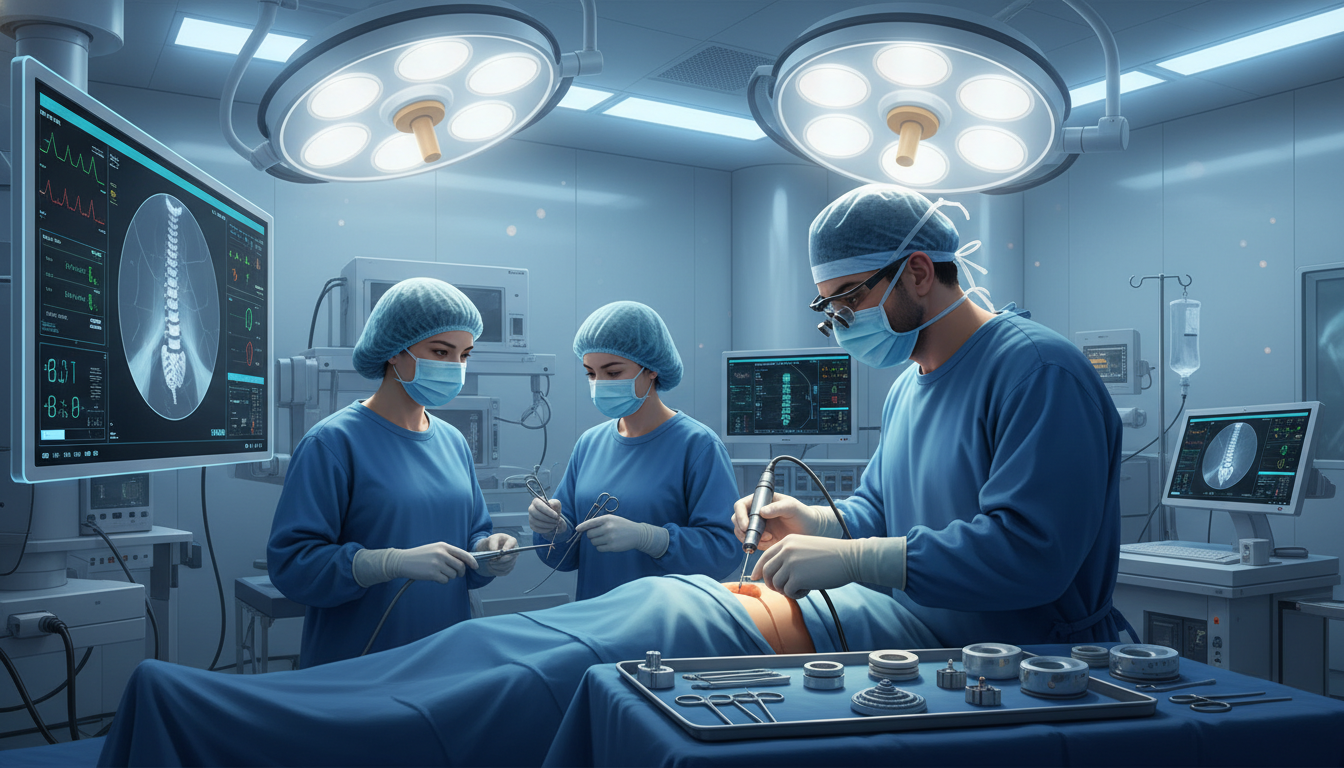
Turkey is becoming a top choice for people looking for top-notch spinal care. Many travel here to find world-class medical facilities that offer advanced treatments at lower costs.
The rise in medical tourism is thanks to Turkey’s exceptional standards. Turkish clinics use the latest technology to give each patient the best care. Getting Disc Replacement Surgery in Turkey can change someone’s life for the better, if they have chronic back pain.
Turkey puts patient safety and clinical excellence first. Visitors get a smooth experience, from the first visit to getting better, thanks to skilled doctors.
Key Takeaways
- Turkey is a leading global hub for specialised spinal health and orthopaedic care.
- International patients benefit from high standards of clinical practice and modern technology.
- The country offers cost-effective solutions without compromising on the quality of medical outcomes.
- Clinics focus on providing a complete, patient-centred approach to recovery.
- Advanced procedures help restore mobility and improve the overall quality of life for patients.
Understanding the Need for Spinal Intervention
Understanding why you have back pain is the first step to feeling better. When your spine changes, your body sends clear signals. Spotting these signs early helps fix your spine for good.
Identifying Chronic Back and Neck Pain
Chronic pain lasts more than 12 weeks, even after trying to treat it. It can feel like a dull ache, sharp pains, or stiffness that limits how you move. Spotting these signs early helps avoid more damage to your spine.
People often say their pain changes throughout the day. Certain actions, like bending, can make it worse. Listening to your body is key, as it helps doctors understand your pain better.
When Conservative Treatments Fail
Many start with non-surgical treatments like physical therapy and medication. These work for minor injuries but might not be enough for serious conditions.
If you’re not getting better after months of therapy, it’s time to see a specialist. Surgical options are needed when other treatments don’t help. This ensures the real problem is fixed, not just the symptoms.
The Impact of Degenerative Disc Disease on Quality of Life
Degenerative disc disease makes everyday tasks hard. As discs lose water and shape, the spine can’t absorb shocks well. This leads to chronic instability and nerve pressure.
This condition also affects your mind. Pain can cause tiredness, mood swings, and less interest in activities. Getting your mobility back is key to feeling better overall and emotionally stable.
| Symptom Category | Common Manifestation | Clinical Significance |
|---|---|---|
| Mechanical Pain | Stiffness during movement | Indicates structural wear |
| Radicular Pain | Shooting nerve sensations | Suggests nerve compression |
| Functional Loss | Inability to perform daily tasks | Requires professional review |
| Psychological Impact | Chronic fatigue and stress | Affects recovery |
The Evolution of Disc Replacement Surgery
Back surgery has changed a lot, focusing on keeping patients mobile and comfortable for a long time. For years, doctors used old methods that made it hard for patients to move. Now, Disc Replacement Surgery is a big step forward in treating backs.
From Spinal Fusion to Motion Preservation
Spinal fusion used to be the top choice for back problems. It joined vertebrae together to stop pain. But, it put too much stress on other parts of the spine.
Today, doctors prefer motion preservation methods. These keep the spine flexible, helping patients stay active sooner. This change is a big deal in treating back issues.
Technological Advancements in Prosthetic Discs
New implants are key to Spinal Disc Replacement success. These prosthetics are made to act like real discs, absorbing shock. They’re made from strong materials like cobalt-chromium and polyethylene.
“The goal of modern spinal surgery is not just to alleviate pain, but to restore the patient’s ability to move naturally and live without the limitations of a rigid spine.”
The Shift Towards Minimally Invasive Techniques
New surgical tools have led to smaller cuts in surgery. This means less damage to muscles and tissues. It also means patients can leave the hospital sooner and recover faster.
Doctors use special tools and images to place implants accurately. This is important for Spinal Disc Replacement to work well. Patients feel less pain after surgery and can get back to their lives sooner.
Why Turkey Has Become a Global Hub for Spinal Care
Turkey’s rise as a global hub for spinal surgery is not by chance. It’s the result of decades of strategic development. The country has combined advanced medical technology with a focus on patient care. This has drawn thousands of international patients looking for reliable spinal solutions.
Investment in Modern Medical Infrastructure
The Turkish government and private sector have invested heavily in state-of-the-art hospital facilities. These centres have the latest diagnostic and surgical tools. This ensures patients get care that meets or exceeds international standards. Many of these hospitals have prestigious accreditations, showing their commitment to safety and quality.
“The integration of cutting-edge technology within Turkish hospitals has fundamentally changed the landscape of orthopaedic surgery, allowing for safer and more precise outcomes for patients worldwide.”
The Reputation of Turkish Orthopaedic Specialists
Behind the advanced machinery are highly skilled professionals. Turkish orthopaedic surgeons have undergone rigorous training. They often participate in international fellowships and research, staying at the forefront of medical innovation. Their expertise is recognised globally, attracting patients for complex spinal interventions.
The success of these specialists is built on several key pillars:
- Extensive clinical experience in treating degenerative disc diseases.
- Active participation in global medical conferences and research.
- A commitment to continuous professional development and training.
- Multidisciplinary collaboration to ensure complete patient care.
Strategic Location and Accessibility for International Patients
Turkey is a natural bridge between Europe, Asia, and the Middle East. It’s an exceptionally accessible destination for medical travellers. Major international airports in cities like Istanbul provide easy access to almost every corner of the globe. This geographical advantage is further supported by a robust infrastructure designed to assist international patients.
Beyond location, the country offers a full support system for those travelling from abroad. From dedicated patient coordinators to streamlined visa processes, the journey is designed to be as stress-free as possible. This seamless integration of logistics and clinical excellence ensures patients can focus entirely on their recovery.
Types of Procedures: Cervical Disc Replacement and Lumbar Disc Surgery
In Turkey, orthopaedic care focuses on the cervical and lumbar areas. Surgeons use special techniques for each area to get the best results. This approach helps fix problems and ease long-term pain.
Cervical Disc Replacement: Restoring Neck Mobility
The neck needs to move freely but also stay stable. Cervical Disc Replacement replaces a bad disc with a new one that moves like a real disc. It’s great for those with nerve issues or herniated discs in the neck.
This surgery keeps the neck moving, unlike old-fashioned fusions. Patients often see a big improvement in their neck’s range of motion right after. This makes recovery faster and easier.
Lumbar Disc Surgery: Addressing Lower Back Instability
The lower back bears most of our weight, leading to wear and tear. Lumbar Disc Surgery aims to stabilise this area and fix pain. Doctors use new implants to lift the disc and ease nerve pressure.
This surgery is key for those with long-term back pain. It helps the spine line up right again. It’s a strong fix for those who’ve tried other treatments without success.
Determining the Appropriate Surgical Approach
Choosing the right surgery needs careful checks first. Doctors in Turkey use detailed scans to see where the damage is. This makes sure the surgery fits the patient’s needs and future health goals.
| Feature | Cervical Procedure | Lumbar Procedure |
|---|---|---|
| Primary Focus | Neck Mobility | Lower Back Stability |
| Anatomical Load | Low Weight-Bearing | High Weight-Bearing |
| Main Goal | Motion Preservation | Structural Support |
Evaluating Disc Surgery Alternatives
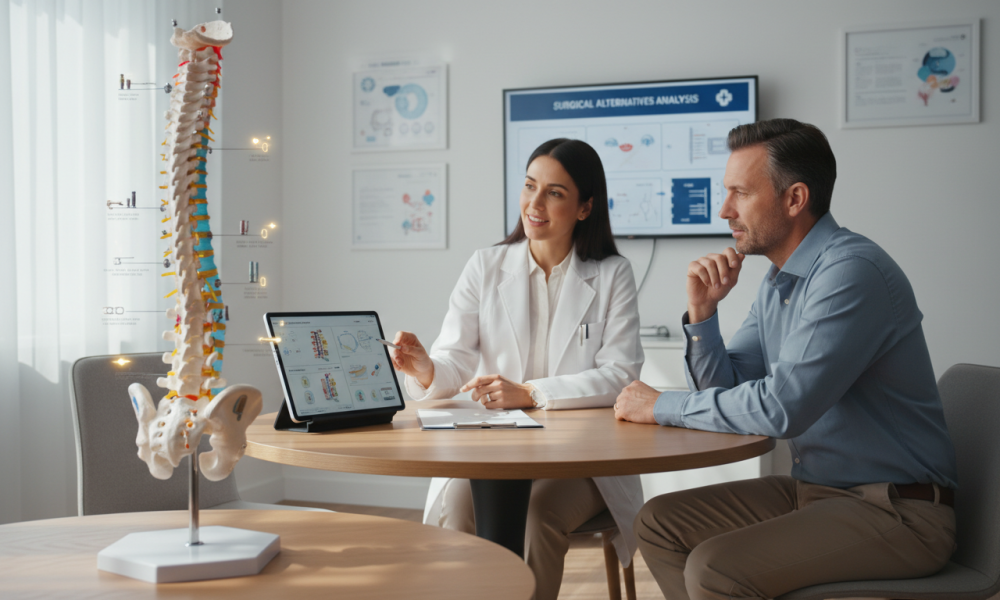
Many people find relief from back pain without surgery. It’s important to look at Disc Surgery Alternatives first. These options help manage symptoms and improve function. Many patients avoid surgery by trying these methods first.
Physical Therapy and Lifestyle Modifications
Physical therapy is key for non-surgical spinal care. It strengthens the core muscles, supporting the spine and easing disc pressure. Consistency is key to see improvements in flexibility and posture.
Making lifestyle changes also helps spinal health. Keeping a healthy weight and using ergonomic workspaces reduce strain. These steps are often the first defence against chronic pain.
Epidural Steroid Injections
If pain doesn’t go away with physical therapy, doctors might suggest epidural steroid injections. These injections target the spinal nerves with anti-inflammatory medication. They can offer quick, but temporary, relief from pain caused by disc issues.
“The goal of conservative management is to restore function and quality of life while minimising the need for permanent structural changes to the spine.”
Comparing Fusion Surgery with Artificial Disc Replacement
If other treatments fail, patients must consider surgery. Spinal fusion is traditional but makes the spine immobile. Artificial Disc Replacement, on the other hand, aims to keep the spine moving, potentially reducing further damage.
When choosing an orthopedic clinic, it’s important to discuss which surgery is best for you. The table below shows the main differences between these surgeries:
| Feature | Spinal Fusion | Artificial Disc Replacement |
|---|---|---|
| Motion | Restricted/Eliminated | Preserved |
| Recovery Time | Longer | Generally Shorter |
| Adjacent Segment Risk | Higher | Lower |
The choice between these surgeries depends on your specific situation. Surgeons will look at your scans to see if you’re a good candidate for a motion-preserving option.
The Clinical Benefits of Artificial Disc Replacement
Artificial disc replacement is a big step forward in treating spinal problems. It focuses on making the spine work like it should again. This means patients can move more naturally.
Preserving Natural Spinal Motion
The main aim of Artificial Disc Replacement is to keep the spine moving. It uses a prosthetic that acts like a healthy disc. This lets the spine bend and twist as it should.
When the spine can move, the muscles stay active. This stops the stiffness that can happen with other surgeries. Patients can move more easily while they recover.
Reducing Stress on Adjacent Spinal Segments
Traditional spinal fusion can put more stress on other parts of the spine. This can cause them to wear out faster. Spinal Disc Replacement spreads out the stress, protecting these areas.
This way, the treated segment can share the load. The discs around it stay healthy longer. This is a key part of modern spine care.
Long-term Outcomes and Patient Satisfaction
Studies show that patients who get motion-preserving surgery are happier. They can live more active lives without the limits of a fused spine. The implants also last a long time.
| Feature | Traditional Fusion | Artificial Disc Replacement |
|---|---|---|
| Motion Preservation | None (Rigid) | High (Dynamic) |
| Adjacent Segment Stress | Increased | Reduced |
| Recovery Time | Longer | Faster |
| Long-term Mobility | Limited | Maintained |
Choosing the right surgery depends on your needs and goals. Spinal Disc Replacement is a good choice for those who want to stay active and pain-free.
Patient Selection Criteria for Spinal Procedures
Getting the best results from surgery starts long before the operation. It begins with a detailed patient selection process. Surgeons must check each person carefully to make sure the surgery fits their needs. This meticulous screening reduces risks and boosts the chance of long-term success.
Diagnostic Imaging and Clinical Assessment
High-quality diagnostic imaging is key to any surgical plan. Specialists often need recent MRI or CT scans to see the exact problem. These images help the team find the source of pain with remarkable precision.
But it’s not just about the images. A detailed clinical assessment is also vital. Surgeons do physical tests to check nerve function and movement. This mix of visual data and physical tests makes sure the surgery fixes the real problem.
Age and Overall Health Considerations
Age is important, but it’s not the only thing surgeons look at. They focus more on the patient’s overall physiological health. They check if the patient can handle anaesthesia and recovery well.
Patients with smoking or diabetes issues need extra care before surgery. Managing these health factors makes the surgery safer. This approach helps the body heal better.
Setting Realistic Expectations for Surgical Outcomes
It’s key for the surgeon and patient to talk clearly. Surgery can greatly reduce pain and improve movement. But, it’s not a fix for all spinal problems. Setting realistic goals helps patients stay positive during recovery.
Patients need to be ready for a rehabilitation plan after surgery. Success often depends on sticking to physiotherapy and making lifestyle changes. When expectations match what’s possible, patients tend to be happier with their results.
Navigating the Risks of Disc Replacement Surgery
Modern medicine has made big strides, but it’s key to know about the Risks of Disc Replacement Surgery. Every medical step has some uncertainty. Knowing these risks is a big step towards getting better.
By understanding the challenges, you can work with your medical team. This ensures the safest outcome for you.
Potential Complications and How They Are Managed
There are specific complications to talk about with your surgeon. These include infection, nerve issues, or implant problems. Turkish medical centres have strict rules to watch patients closely before and after surgery.
They use advanced tools to spot and fix problems early. If a complication happens, a team of experts is ready to help. This quick action makes the recovery safer.
Understanding Implant Longevity
Many wonder about the Disc Replacement Surgery implant’s lifespan. Modern implants are made to last many years. Your age, bone health, and activity level affect how long it lasts.
Most people find their implants help them stay active. It’s key to follow your surgeon’s advice on exercise. Regular check-ups help keep an eye on the implant’s performance.
The Importance of Surgeon Expertise in Mitigating Risks
The skill of your surgical team is key in lowering Risks of Disc Replacement Surgery. Surgeons in Turkey have lots of experience and training. They know the spine well, which helps with tricky cases.
Choosing a skilled surgeon means your surgery is in good hands. They plan your care before and after surgery. This focus on quality is what Turkish hospitals are known for.
Advanced Surgical Technologies Used in Turkish Hospitals
Patients in Turkey get top-notch care for their spines thanks to advanced tech. Turkish hospitals use the latest equipment for Spinal Disc Replacement to meet global standards. This tech helps surgeons achieve results that were hard to get before.
Robotic-Assisted Spinal Surgery
Robotic systems have changed spinal surgery for the better. They offer unparalleled precision for Artificial Disc Replacement. This means less chance of mistakes and a smaller incision.
Intraoperative Neuromonitoring
Safety is key in spinal surgery. Intraoperative neuromonitoring tracks nerve function live during surgery. It’s a critical safety measure that helps avoid nerve damage, making recovery smoother.
High-Resolution Imaging and Navigation Systems
Turkish operating rooms have the latest imaging and navigation systems. They act like a GPS for the spine. These systems give a clear, 3D view of the area, ensuring Spinal Disc Replacement is done right. Surgeons can confidently work through complex areas, leading to better results for patients.
The Role of Experienced Spinal Surgeons in Turkey
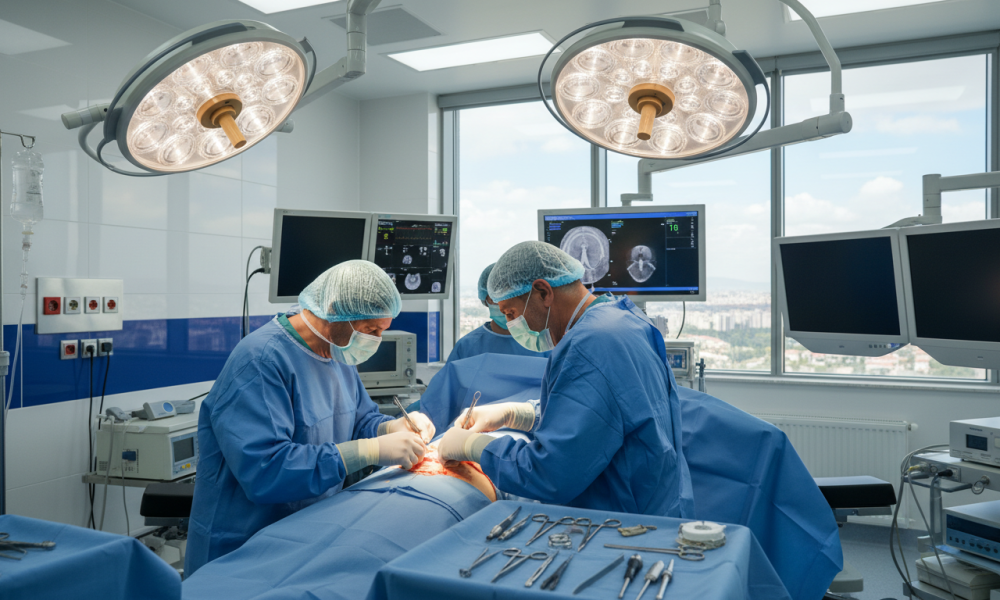
The success of any spinal procedure depends on the surgeon’s skill and dedication. Patients seek high-quality care from experts who know anatomy well and use the latest techniques. Choosing orthopedic surgery in Turkey means accessing a team committed to excellence.
Training and International Certification
Turkish spinal surgeons undergo intense training to become top professionals. Many have fellowships in Europe and North America, ensuring they follow global best practices. This training helps them use the latest methods in their work.
These specialists also have certifications from recognised medical boards. These show their dedication to safety. Continuous professional development is key in Turkey, keeping surgeons up-to-date with spinal health.
Multidisciplinary Team Approaches
Complex spinal conditions need a team effort, not just one specialist. Turkish hospitals use a multidisciplinary team approach for full patient care. This team includes neurosurgeons, orthopaedic specialists, anaesthesiologists, and pain management experts.
“The strength of the team is each individual member. The strength of each member is the team.”
Working together, these experts cover all aspects of care, from before surgery to after. This teamwork reduces risks and improves surgical results. Coordinated care means every treatment detail is reviewed by many experts.
Communication and Patient-Centred Care
Good communication is key between a surgeon and patient. Turkish doctors focus on patient-centred care, making sure you understand everything. They explain your condition and treatment goals clearly.
This clear approach builds trust and reduces surgery anxiety. Surgeons encourage open talk, letting patients ask questions and share concerns. This creates a supportive environment, making you empowered and confident during your care.
Preparing for Your Medical Journey to Turkey
Starting your journey for spinal surgery in Turkey is a big step towards better health. Getting ready well is key to a good medical experience. It makes you feel confident and supported from the start.
By following a clear plan, you can focus on getting better instead of worrying about details.
Consultation Processes and Remote Assessments
Thanks to modern tech, you can talk to top surgeons before you travel. Most clinics in Turkey do comprehensive remote assessments to see if you’re a good fit for surgery. They ask for your medical history and scans like MRI or CT scans online.
In these virtual chats, you can talk about your symptoms and what you hope to achieve. This is key for setting clear expectations and making sure you understand the treatment plan. It also helps the team tailor their approach to your needs.
Logistics: Travel, Accommodation, and Support Services
Planning your travel can be tough, but Turkish hospitals have patient coordinators to help. They are your main contact for arranging airport transfers, hotels, and local transport. They know how to meet the needs of international patients, making your stay comfortable.
When choosing where to stay, think about how close it is to the hospital and if it has good recovery facilities. Many clinics work with hotels that have accessible facilities and services for patients. Having a good support system helps you feel at ease during your recovery.
Documentation and Medical Records Management
Getting your paperwork in order is a big part of preparing. Keep a complete file of your medical records, including past surgeries, current meds, and allergies. Having these in English helps your Turkish team understand your health history.
Also, make sure your travel documents like your passport and visas are valid for your stay. Keep digital copies of important documents in a safe place. This proactive approach reduces stress and lets you focus on your surgery and recovery.
Recovery from Disc Replacement Surgery: A Timeline
Your journey to a pain-free life doesn’t end when you leave the operating theatre. Successful recovery from disc replacement surgery needs a plan made just for you. Knowing the usual milestones helps you get back to your normal life smoothly.
Immediate Post-Operative Care in the Hospital
After your surgery, you’ll stay in the hospital for close watch by a special team. Nurses and physiotherapists will keep an eye on your health and help with any pain. Early mobilisation starts soon after, usually within a day.
You’ll start moving around, with help, to keep blood flowing and prevent stiffness. This early movement helps avoid problems and speeds up healing. Your surgeon will tell you how to care for your wound and what movements to avoid before you go home.
The First Few Weeks: Managing Pain and Mobility
At home, you’ll focus on managing pain and keeping the surgery area safe. It’s normal to feel some soreness as your body gets used to the new implant. Stick to your pain meds as directed to stay comfortable and sleep well.
Avoid heavy lifting, twisting, or bending your spine too much. Consistency in gentle exercises at home is key for long-term success. If you had lumbar disc surgery, your physiotherapist will guide you on safe movements for your lower back.
Returning to Daily Activities and Work
Slowly adding daily tasks back into your routine is important for recovery. Most people can go back to light office work in a few weeks, depending on their job. But, avoid hard physical work until your spine is stable, as advised by your surgeon.
Keeping a balanced lifestyle helps your disc replacement surgery results. Listen to your body and don’t overdo it in the first months. Regular check-ups are key to tracking your progress and keeping your spine healthy long-term.
| Recovery Phase | Primary Focus | Expected Activity Level |
|---|---|---|
| Days 1-3 | Hospital Monitoring | Assisted walking and rest |
| Weeks 1-4 | Pain Management | Light walking and gentle movement |
| Weeks 4-12 | Strengthening | Gradual return to office work |
| Months 3+ | Full Integration | Resuming normal daily activities |
Post-Operative Rehabilitation and Physiotherapy
Physiotherapy is key to a good recovery from disc replacement surgery. The surgery fixes the pain, but rehab helps your body adjust. It makes sure you move right and avoids future problems.
The Importance of Customised Exercise Programmes
Everyone heals differently. So, a customised exercise programme is essential. It helps your spine move naturally again. These plans are made by experts to keep you safe and active.
Sticking to your plan is important in the early days. It helps with stiffness. Your physiotherapist will keep an eye on you and change the exercises as needed.
Strengthening Core Muscles for Spinal Support
Your spine needs strong muscles around it. This keeps the artificial disc safe and your spine straight. Targeted exercises work on these muscles.
These exercises help spread your weight evenly. This lowers the chance of other problems and keeps your spine healthy. A stronger core means better posture and comfort.
Long-term Maintenance and Follow-up Care
Recovering fully from surgery takes time. Regular check-ups are important. They help your team see how well the implant is working and how you’re doing.
Living a healthy lifestyle is key for lasting results. This includes regular exercise and good posture. Taking care of your health keeps the surgery benefits going for years.
| Rehabilitation Phase | Primary Focus | Expected Outcome |
|---|---|---|
| Early (Weeks 1-4) | Pain management and gentle mobility | Reduced inflammation and basic movement |
| Intermediate (Weeks 5-12) | Core strengthening and posture | Increased spinal stability |
| Long-term (3+ Months) | Functional activity and maintenance | Return to full daily activities |
Comparing Costs and Quality of Care
Turkey is a top choice for disc replacement surgery, blending low costs with high quality. Patients from the US often find Turkey’s prices much lower than in the US. Yet, the quality of care is not compromised, thanks to strict international standards.
Cost-Effectiveness of Medical Tourism in Turkey
Turkish healthcare is cost-effective due to lower operational costs compared to Western countries. Hospitals enjoy favourable exchange rates and lower admin costs, which they pass on to patients. When deciding where to go for medical, remember that lower prices reflect the local economy, not a lack of skill.
Many Turkish clinics offer all-inclusive packages for surgery, anaesthesia, and hospital stay. These packages make planning easier for international patients. They help avoid the uncertainty of variable hospital bills.
Hidden Costs and What to Include in Your Budget
While the surgical quote is key, remember to budget for more. Include international flights, local transport, and post-op accommodation. Also, set aside for follow-up care or unexpected medication needs.
Insurance coverage for international procedures varies. Always check if your policy covers overseas treatment. Proper financial planning helps focus on recovery, not stress.
Value Proposition: High-Quality Care at Competitive Rates
Turkey offers world-class expertise and modern facilities. Patients get care from top-trained surgeons. This quality, combined with competitive prices, makes Turkey an attractive option for spinal relief.
| Expense Category | Estimated Cost (Turkey) | Estimated Cost (USA) |
|---|---|---|
| Surgical Procedure | Low to Moderate | Very High |
| Hospital Stay | Included in Package | Daily Surcharge |
| Post-Op Rehabilitation | Affordable | Expensive |
| Total Value | High Efficiency | High Financial Burden |
Ensuring Safety and Accreditation in Turkish Medical Centres
Your journey toward spinal recovery should be built on trust and verified medical excellence. When you choose to travel for complex procedures, the safety protocols of your destination facility are key. They are the most important factor in your decision-making process.
JCI Accreditation and International Standards
The Joint Commission International (JCI) is the gold standard for healthcare quality worldwide. Many top-tier hospitals in Turkey hold this prestigious accreditation. It shows they meet rigorous international benchmarks for patient safety and clinical outcomes.
Facilities with JCI status undergo regular, unannounced surveys to ensure they maintain high levels of care. Choosing an accredited centre gives you significant peace of mind. It confirms the hospital follows strict infection control, medication management, and surgical safety protocols.
Verifying Hospital Credentials and Surgeon Track Records
Before finalising your travel plans, it’s vital to research the specific institution and the medical team involved. A proactive approach to checking out your clinic or hospital will help you confirm the facility has the latest technology. It also ensures the staff has the necessary international certifications.
You should ask about the surgeon’s experience with your specific procedure. Include their success rates and volume of surgeries performed. Transparency is key; reputable clinics will readily provide documentation regarding their credentials and professional memberships.
Patient Rights and Legal Protections
International patients in Turkey are protected by clear legal frameworks that govern medical practice and patient rights. These regulations ensure you receive informed consent, maintain privacy regarding your medical records, and have access to clear communication throughout your treatment.
It’s advisable to review the patient charter provided by your chosen hospital to understand your rights fully. Understanding these protections ensures you are empowered to advocate for your own health and well-being during your stay.
| Safety Indicator | Standard Requirement | Patient Benefit |
|---|---|---|
| JCI Accreditation | International Compliance | Verified Quality Care |
| Surgeon Certification | Board Specialisation | Expert Surgical Skill |
| Informed Consent | Legal Documentation | Clear Expectations |
| Emergency Protocols | 24/7 Availability | Rapid Response Capability |
Conclusion
Choosing the right path for your spinal health is important. Turkey offers top-notch medical care and skilled surgeons. They focus on keeping your spine moving for the long term.
Your recovery begins with knowing what you need. Working with accredited medical centres means you get care that meets global standards. You’ll be in the hands of experts who use the latest technology.
Don’t rush when choosing your treatment. Talk to specialists who put patients first. A well-planned treatment leads to better results and a quicker recovery. Aim for a life without chronic pain. Start your journey to a healthier spine in Turkey today.
FAQ
Q: Why is Turkey currently considered a global leader for Disc Replacement Surgery?
A: Turkey is a top choice for Disc Replacement Surgery. It has invested heavily in medical facilities. Places like Acıbadem Healthcare Group and Memorial Hospitals Group are world-class.
Patients get expert care and modern facilities. These meet JCI standards. Plus, wait times are shorter than in Western Europe.
Q: How can I determine if I am a suitable candidate for Spinal Disc Replacement?
A: To see if you’re a good fit, you’ll need a detailed check-up. This includes MRI and CT scans. It’s for those with degenerative disc disease who haven’t found relief yet.
Good candidates have healthy bones and no spinal instability. Talking to a specialist at the Istanbul Spine Centre can help.
Q: What is the primary difference between traditional spinal fusion and Artificial Disc Replacement?
A: Spinal fusion joins two vertebrae to stop pain. Artificial Disc Replacement keeps the spine moving. It uses a prosthetic to mimic natural movement.
This method reduces stress on other parts of the spine. It might lower the risk of future problems.
Q: What are the specific focuses of Cervical Disc Replacement versus Lumbar Disc Surgery?
A: Cervical Disc Replacement helps the neck. It eases nerve pressure and arm pain. Lumbar Disc Surgery stabilises the lower back and eases back pain.
Both aim to help patients move better. They address different parts of the spine.
Q: Are there viable Disc Surgery Alternatives I should consider first?
A: Before surgery, try non-invasive treatments. These include physical therapy and lifestyle changes. Epidural steroid injections can also help.
Surgery is considered when these options don’t work for six months or more.
Q: What advanced technologies are utilised in Turkish hospitals for spinal procedures?
A: Turkish hospitals use the latest tech. This includes the Mazor X Stealth Edition for robotic surgery. Surgeons also use IONM to protect nerves and high-resolution systems for precise implant placement.
Q: What are the possible Risks of Disc Replacement Surgery and how are they managed?
A: Risks include infection and implant issues. Turkish clinics take these seriously. They follow strict protocols and use advanced materials.
Choosing an experienced surgeon is key. They have the skills to manage these risks.
Q: What is the expected timeline for Recovery from Disc Replacement Surgery?
A: Recovery starts with a few days in hospital. Most patients walk within 24 hours. The first weeks are about managing pain and avoiding heavy lifting.
By six weeks, many can go back to sitting work. Full recovery takes three to six months. A physiotherapy plan helps.
Q: Why is post-operative physiotherapy so important for long-term success?
A: Rehabilitation is vital for the spine’s stability. It ensures the artificial disc works right. A programme strengthens the core, supporting the spine.
Regular check-ups with specialists are important. They make sure the implant is working well and the patient is moving safely.
Q: How do the costs of spinal surgery in Turkey compare to the UK or USA?
A: Turkey’s prices for Spinal Disc Replacement are much lower. They are 50% to 70% less than in the UK or USA. This is due to lower costs and a good exchange rate.
Most packages in Turkey include the surgery, hospital stay, and initial rehab. This makes it clear and affordable for international patients.
Related guides

Healthcare Content Compliance Guide for Growth
A high-performing treatment page can generate international patient inquiries within hours. It can also create material risk if…

Turkey Hospitals vs Local Hospitals Compared
A lower procedure quote can get a patient’s attention. It should not make the decision on its own.…

Patient Experience That Drives Trust and Growth
A patient who has already uploaded medical records, compared providers, and arranged time away from work is not…