
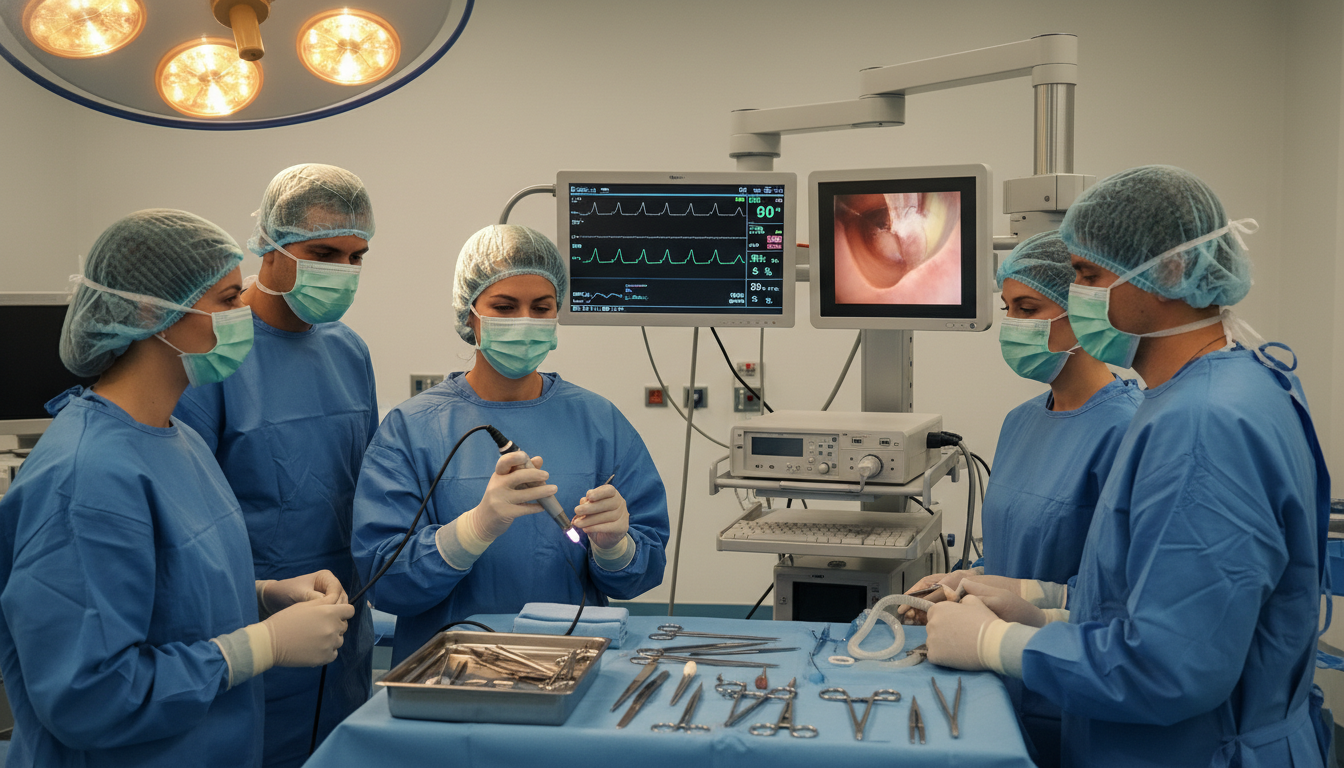
More and more people from the United States are choosing to travel abroad for medical care. Turkey is becoming a top choice for gynaecological treatments. It offers both top-notch care and affordable prices.
Going for Endometrial Ablation Surgery in another country means you get to use the best facilities. You won’t have to wait long, unlike in many local hospitals. Turkish clinics are known for their modern setup and skilled doctors who put your safety first.
This trend shows a big change in how people look for health solutions. By choosing Endometrial Ablation Surgery in Turkey, you get the latest technology and care plans made just for you. It’s all about improving your life quality.
Key Takeaways
- Turkey is a leading destination for high-quality gynaecological treatments.
- Patients from the United States benefit from significant cost savings.
- Turkish clinics utilise state-of-the-art medical technology and equipment.
- Highly qualified specialists ensure a focus on patient safety and care.
- Reduced waiting times allow for faster access to essential procedures.
Understanding the Need for Endometrial Ablation Surgery
Knowing why you might need gynaecological surgery is key to feeling better. Many women choose Endometrial Ablation Surgery for heavy periods that don’t get better with usual treatments. This surgery aims to cut down or stop heavy bleeding by removing or destroying the lining of the uterus.
Identifying Symptoms of Heavy Menstrual Bleeding
Heavy menstrual bleeding, or menorrhagia, means bleeding for more than seven days or needing to change sanitary products often. It can make you feel very tired and even lead to anaemia from losing too much blood. This makes it hard to do things you enjoy or need to do every day.
Spotting these signs early is important for managing them well. If your periods are really affecting your life, talking to a specialist about Endometrial Ablation Surgery might be a good step.
When Medical Management Fails
Doctors usually suggest non-surgical treatments first, like hormonal pills, IUDs, or iron supplements. These work for many, but not everyone. If these don’t help, surgery might be the next step.
Going for surgery can really help by fixing the problem at its source. It’s a long-term solution for those who don’t want to have more children and want to avoid the problems of heavy bleeding.
The Role of Diagnostic Testing Before Surgery
Before surgery, a detailed check-up is needed. Your doctor will do a pelvic ultrasound to look at your uterus and check for any issues. A biopsy is also crucial to check for any serious problems like cancer or hyperplasia.
These tests make sure you’re a good fit for the surgery. They help your surgeon know it’s the right choice for you, without worrying about other health issues.
Why Turkey is a Leading Destination for Gynaecological Procedures
Turkey is now a top place for gynaecological care worldwide. People from all over come to Turkish clinics for advanced medical solutions and care that focuses on the patient. This is because of the country’s investment in technology and its commitment to being the best.
Advancements in Turkish Healthcare Infrastructure
The Turkish healthcare sector has changed a lot in the last ten years. Modern hospitals have state-of-the-art diagnostic tools and surgical suites that are among the best in the world. This makes sure patients get care in safe and comfortable places.
Hospitals use digital systems for easy data management and precise planning. With the latest imaging technology, surgeons can do procedures with unparalleled accuracy. This setup is perfect for complex gynaecological surgeries.
Accreditation Standards for Turkish Hospitals
Quality is a big deal in Turkish medical institutions. Many hospitals have international accreditations, like those from the Joint Commission International (JCI). These show that they follow rigorous safety protocols and high standards of care.
Regular checks make sure these hospitals keep up with global best practices. International patients can trust that their clinic meets stringent regulatory requirements. This builds trust for those coming from abroad for treatment.
The Expertise of Turkish Gynaecologists
The skill of the surgeon is key for a successful procedure. Turkish gynaecologists are known for their extensive training and board certifications, often from top universities. Many also do research abroad, keeping them up-to-date with reproductive health.
These doctors have a lot of experience and make sure each patient gets a personalised treatment plan. Their ongoing learning and professional growth means they’re experts in the latest techniques. This is why Turkey is known for its medical tourism.
Minimally Invasive Endometrial Ablation Techniques Explained
Minimally invasive endometrial ablation is a top choice for women with chronic symptoms. These new methods treat the uterine lining with great precision. They offer big improvements in quality of life.
They avoid traditional surgery, leading to shorter recovery times and less pain.
Thermal Balloon Ablation Methods
Thermal balloon ablation uses heat to treat the endometrium. A thin, flexible catheter with a balloon tip is inserted into the uterus. The balloon is then filled with heated fluid to gently ablate the uterine lining.
Radiofrequency Ablation Technology
Radiofrequency ablation is a controlled way to manage heavy menstrual bleeding. It uses a mesh device that expands to fit the uterine cavity. It delivers radiofrequency energy to remove the lining, ensuring consistent and effective results for the patient.
Cryoablation and Other Modern Approaches
Cryoablation uses extreme cold to treat the target tissue. It’s often chosen for its ability to provide targeted therapy while protecting the surrounding structures. These endometrial ablation techniques let doctors tailor treatments to each patient’s needs.
| Technique | Primary Mechanism | Typical Duration |
|---|---|---|
| Thermal Balloon | Heated Fluid | 8–12 Minutes |
| Radiofrequency | Electrical Energy | 2–5 Minutes |
| Cryoablation | Extreme Cold | 6–10 Minutes |
Choosing the right method depends on individual health and goals. These advanced endometrial ablation techniques set a high standard in modern gynaecology.
The Endometrial Ablation Procedure: What to Expect
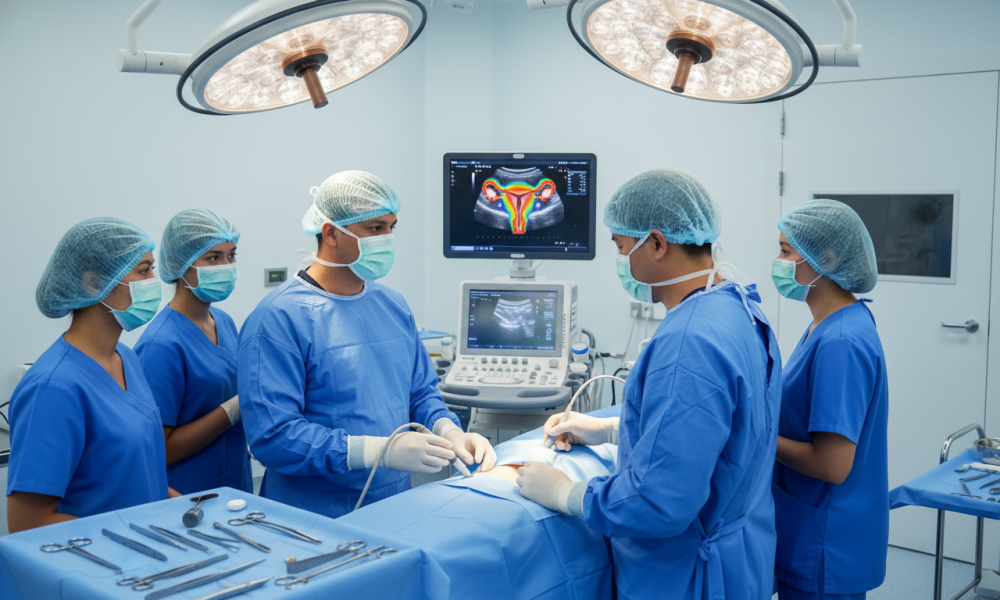
The endometrial ablation procedure is designed to be quick, safe, and professional. Knowing what to expect helps patients feel more confident and calm when they go to Turkey for treatment.
Pre-operative Preparation and Anaesthesia
Your medical team will check you’re ready for surgery. They’ll look at your medical history and make sure you’ve followed the fasting instructions for anaesthesia.
Clincs use either general anaesthesia or conscious sedation, based on your needs and the surgeon’s advice. An anaesthesiologist will watch over you to keep you comfortable during the whole process.
Step-by-Step Surgical Process
When you’re sedated, the surgeon starts by gently opening the cervix. A special device is then put into the uterus to apply energy or heat to the lining.
The surgeon watches the device closely to treat the endometrial tissue accurately. This is done quickly to keep you safe and comfortable.
Duration and Immediate Post-operative Care
The surgery itself takes 30 to 60 minutes. But you’ll be at the clinic longer because of preparation and recovery. After the surgery, you’ll go to a recovery area where nurses will check your vital signs.
You’ll stay in the clinic for a few hours until the anaesthesia wears off. The medical staff will give you clear instructions for your care before you leave for your accommodation.
| Phase | Estimated Time | Focus |
|---|---|---|
| Pre-operative | 60 Minutes | Assessment and Anaesthesia |
| Surgical Phase | 30–60 Minutes | Endometrial Ablation Procedure |
| Post-operative | 2–4 Hours | Observation and Recovery |
Recovery from Endometrial Ablation and Post-operative Care
Knowing what to expect after recovery from endometrial ablation makes the process easier. This procedure is not invasive, but your body needs time to heal. Resting and following your surgeon’s advice is key to a good recovery.
Managing Physical Symptoms During Recovery
Right after surgery, you might feel some cramping and light spotting. These can be managed with over-the-counter pain meds, but check with your doctor first. It’s important to listen to your body and not overdo it.
Some people might see watery or blood-tinged discharge for weeks. This is normal as your uterus heals. But, if you have severe pain, heavy bleeding, or fever, call your doctor right away.
Timeline for Returning to Daily Activities
You can start with light activities a few days after the procedure. But, avoid heavy lifting or intense exercise for two weeks. Your surgeon will give you a timeline based on your health and the procedure.
Going back to work usually takes a week, unless your job is too physically demanding. A balanced approach to activity helps you recover faster and regain your energy.
Follow-up Requirements for International Patients
If you’re traveling from abroad, keeping up with your care is critical. Make sure you have all your post-op instructions and a summary of your procedure before you leave. It’s wise to see your local gynaecologist after you return to check on your progress.
Keep all your medical records safe. These are important for your doctor back home to understand your treatment. Good communication between your surgeon abroad and your local doctor ensures you get the care you need.
| Recovery Phase | Expected Activity Level | Common Symptoms |
|---|---|---|
| Days 1-3 | Rest and light movement | Mild cramping, spotting |
| Days 4-14 | Gradual return to work | Light discharge, fatigue |
| Weeks 2-4 | Normal daily routine | Minimal to no symptoms |
Assessing the Risks of Endometrial Ablation
Thinking about gynaecological surgery means looking at the good and the bad. Endometrial ablation is great for heavy bleeding, but knowing all about it helps you get ready for recovery in Turkey.
Common Side Effects and How to Manage Them
Right after the surgery, most people feel a bit of pain and might see some bleeding. This bleeding can last for weeks.
Doctors in Turkey are great at helping you deal with these issues. They suggest using pain meds and keeping things clean to feel better while you heal.
Rare Complications and Mitigation Strategies
Even though it’s rare, problems like holes in the uterus or burns can happen. Hospitals in Turkey use top-notch tech and follow strict rules to avoid these issues.
Your team is ready to spot and fix any problems right away. Picking a well-regarded hospital means your safety is the top concern.
Long-term Considerations and Possible Need for More Surgery
Endometrial ablation might not work forever for everyone. Some people might need more treatment later on.
Talking to your doctor about your future plans is key. This surgery can make getting pregnant hard and risky. Keeping in touch with your doctor helps you stay up to date on your health.
Financial Planning: Understanding Endometrial Ablation Cost
Many patients find that the overall Endometrial Ablation Cost is lower when they travel abroad for the procedure. By looking at international options, you can get top-quality care at a lower price than in the US. Careful financial planning is key to a stress-free and budget-friendly medical journey.
Comparing Costs Between the United States and Turkey
The cost difference between American hospitals and Turkish clinics is big. US healthcare costs are high due to admin and insurance issues. Turkish providers offer good prices without lowering clinical standards.
| Expense Category | United States (Avg) | Turkey (Avg) |
|---|---|---|
| Surgical Procedure | $8,000 – $15,000 | $2,500 – $4,500 |
| Hospital Stay | Included/Variable | Included |
| Surgeon Fees | High | Moderate |
| Total Estimated Savings | – | 50% – 70% |
What is Typically Included in Surgical Packages
Reputable clinics in Turkey offer full packages for your Endometrial Ablation Cost. These include surgeon fees, anaesthesia, and theatre use. They also cover post-op meds and follow-up visits for a smooth recovery.
Make sure you know what your package includes before paying. Some clinics add airport transfers and local transport, which is a big plus. Always ask for a detailed itemised quote to avoid surprises.
Hidden Costs and Budgeting for Travel
Remember to include travel costs in your Endometrial Ablation Cost plan. Flights, accommodation, and daily living expenses are separate from the medical package. It’s wise to have a backup fund for unexpected costs or longer recovery times.
Good budget planning lets you focus on your health without worrying about money. Look for cheap flights and stay near your clinic to save money. Transparent communication with your clinic will help you know all costs upfront.
Selecting the Right Endometrial Ablation Doctors in Turkey
Choosing the right Endometrial Ablation Doctors is very important. It affects your surgery’s success and how well you recover. Turkey is known for its top-notch medical care. But, it’s key to research your surgeon well to get the best care.
Just like finding a good orthopedic clinic in Turkey, finding a gynaecologist needs effort and a focus on quality.

Verifying Credentials and Board Certifications
Make sure your surgeon is properly certified before your surgery. In Turkey, top doctors are often part of the Turkish Medical Association. They also have fellowships from international gynaecology groups. Always check if they have experience with uterine procedures, not just general gynaecology.
Evaluating Patient Reviews and Success Rates
Reading patient reviews gives you a good idea of a doctor’s skills and care. Look for stories that cover everything from the first visit to aftercare. A good doctor will be open about their success rates and how they handle problems.
Communication and Language Support for International Patients
Good communication is key for your comfort and safety. Make sure your medical team can speak English well. This way, they can explain things clearly. A clinic that values clear communication will make you feel supported and confident.
| Criteria | What to Look For | Importance |
|---|---|---|
| Board Certification | Specialist Gynaecology Status | High |
| Clinical Experience | Years of Ablation Practice | High |
| Language Support | Fluent English Staff | Critical |
| Patient Feedback | Verified Success Stories | Medium |
Navigating Medical Tourism Logistics in Turkey
Traveling abroad for surgery requires careful planning. A well-organised trip helps you focus on recovery and health. Before planning, research where to go for medical care to find the best place for you.
Visa Requirements and Travel Documentation
Most patients going to Turkey need a travel authorisation. Turkey’s e-Visa system is quick and easy. Make sure your passport is valid for at least six months after your trip.
Carry official medical documents from your clinic. These should include:
- A formal invitation letter from your chosen hospital.
- Detailed records of your scheduled procedure.
- Proof of travel insurance that covers international medical treatment.
Choosing Accommodation Near Medical Facilities
Finding the right place to stay is key for recovery. Many prefer to stay near the hospital to avoid travel fatigue. This makes it easy to get to follow-up appointments.
Look for places with these amenities for a smooth recovery:
- Proximity to pharmacies and grocery stores for easy access to supplies.
- Quiet environments that allow for adequate rest.
- Accessibility features if you require assistance during the initial recovery phase.
Coordinating Care with Your Primary Physician at Home
Keeping in touch with your primary doctor is important. Share your treatment plan and the credentials of your Endometrial Ablation Doctors before you go. This helps your local doctor assist with any questions after surgery.
Be open about the Endometrial Ablation Cost and the techniques used. This helps your doctor at home monitor your progress. Clear communication ensures your medical history is complete and follow-up care is smooth. Always ask for a detailed summary of your surgery in English before leaving Turkey.
Patient Eligibility and Contraindications
To find out if you’re right for the endometrial ablation procedure, you need a detailed medical check-up. Doctors will look at your health history. They want to make sure this treatment is safe and works best for you.
Who is an Ideal Candidate for the Procedure
Women with heavy menstrual bleeding that medicines can’t stop are top candidates. It’s best for those who don’t plan to have more kids. This is because the procedure makes it hard to get pregnant again.
Good health and a normal-sized uterus are key. It’s important to know this isn’t a way to stop having kids for good. You’ll need to keep using birth control.
Conditions That Preclude Endometrial Ablation
Some health issues make this surgery not possible. For example, big fibroids or an odd-shaped uterus might stop you from getting it done.
Also, if you have an infection or a weak uterus, it’s a big no. You can’t be pregnant, as it’s not safe and could be harmful.
The Importance of Ruling Out Malignancy
Your doctor must check for cancer or early signs of cancer before surgery. They use tests like a biopsy or ultrasound to do this.
If they find something odd, they’ll focus on treating cancer instead. Keeping the uterus lining healthy is key to avoiding problems and keeping you safe.
| Criteria Category | Ideal Candidate | Contraindicated |
|---|---|---|
| Reproductive Status | Completed family planning | Desires future pregnancy |
| Uterine Health | Normal cavity size | Presence of malignancy |
| Medical History | Failed medical therapy | Active pelvic infection |
| Anatomy | Standard uterine shape | Significant fibroids |
Comparing Endometrial Ablation with Alternative Treatments
Choosing the right treatment for heavy menstrual bleeding is important. It’s about finding a balance between quick relief and long-term health. Endometrial Ablation Surgery is a top choice for those wanting to stop bleeding without big surgery.
Hormonal Therapies Versus Surgical Intervention
Many start with hormonal treatments like birth control or IUDs. These aim to control the cycle and cut down on blood loss. But, they need regular use and can cause side effects like mood swings or weight gain.
Minimally Invasive Endometrial Ablation is a more lasting solution. It directly targets the uterine lining, reducing symptoms for good. It’s a good option for those who can’t handle daily meds.
Hysterectomy as a Last Resort
A hysterectomy removes the uterus completely. It’s a permanent fix but is usually a last choice due to its major nature. Doctors often suggest less invasive options first.
Endometrial Ablation Surgery is seen as a better middle ground. It offers relief from heavy periods without the big surgery risks. It’s a good choice for those wanting to improve their life without major surgery.
Weighing the Benefits of Fertility Preservation
Minimally Invasive Endometrial Ablation isn’t for those wanting to get pregnant later. It reduces the uterine lining, making pregnancy risky. Hormonal treatments are safer for those who want to keep their fertility.
Patients must consider their future pregnancy plans against immediate symptom relief. Talking to a gynaecologist about these options is key to making the right choice. Here’s a table comparing these treatments.
| Treatment Option | Invasiveness | Recovery Time | Fertility Impact |
|---|---|---|---|
| Hormonal Therapy | Non-invasive | N/A | Reversible |
| Endometrial Ablation | Minimally Invasive | Short | Not Recommended |
| Hysterectomy | Highly Invasive | Long | Permanent |
Ethical and Legal Considerations for Medical Tourists
Traveling abroad for surgery means knowing your legal rights is as important as the surgery itself. You should ask questions and demand clear information at every step. Make sure to check the qualifications of your doctor to ensure they meet global safety standards.
Understanding Patient Rights in Turkish Clinics
Turkish healthcare follows strict rules to protect patients. You have the right to know about the Risks of Endometrial Ablation in simple terms. Transparency is key to a good doctor-patient relationship, making sure you understand what to expect.
Legal Recourse and Insurance Coverage Abroad
Dealing with international healthcare laws needs careful attention. Most health insurance at home doesn’t cover surgeries abroad. Get a special medical travel insurance that covers emergencies or complications. Knowing the Risks of Endometrial Ablation is just the start; having insurance gives you peace of mind.
Maintaining Continuity of Care Across Borders
Your medical journey doesn’t stop when you leave the clinic. Make sure your local doctor knows about your surgery for a smooth Recovery from Endometrial Ablation. Always ask for a detailed copy of your medical records before you go.
Good communication between your Turkish surgeon and your doctor back home is essential. This ensures your Recovery from Endometrial Ablation goes smoothly, with your local team ready to help. Keeping this connection strong keeps your health the main focus.
Conclusion
Deciding to have surgery abroad needs careful thought and knowing what you want for your health. Turkey is known for its top-notch surgery and lower costs. This makes it a great choice for those looking to ease heavy menstrual bleeding.
It’s important to do your homework when picking a clinic or surgeon. Our Endometrial Ablation FAQ can help answer common questions. It’s a good place to start your journey to a better life.
Talking openly with your doctor is key. Share your symptoms and health history to make sure this treatment is right for you. Your doctor can help decide if this surgery is what you need.
Being well-informed is powerful. It helps you understand the steps of getting care abroad. Contact trusted medical teams in Turkey to start your healing journey.
FAQ
Q: Why is Turkey considered a premier destination for Endometrial Ablation Surgery?
A: Turkey is a top choice for Endometrial Ablation Surgery. It has world-class hospitals and skilled doctors. Patients from the UK and US find it cheaper and just as good as back home.
Q: What are the most common Minimally Invasive Endometrial Ablation techniques used today?
A: Today’s Endometrial Ablation Techniques aim for quick recovery. NovaSure, Thermal Balloon, and Cryoablation are the most used. They’re done through the cervix, so you don’t need big cuts.
Q: Is the Endometrial Ablation Procedure suitable for everyone suffering from heavy periods?
A: Not everyone is a good fit. It’s for women with heavy periods who don’t want more kids. You’ll need tests first to check for any health issues.
Q: What can I expect during the Recovery from Endometrial Ablation?
A: Recovery is quick. You might feel some cramps and watery discharge for a bit. Most women can go back to work in a day or two.
Q: What are the possible Risks of Endometrial Ablation that I should consider?
A: There are risks like infection or bleeding. But Turkish doctors use careful methods to lower these risks. Always talk about your health with your surgeon.
Q: How does the Endometrial Ablation Cost in Turkey compare to the United States?
A: Endometrial Ablation in Turkey is much cheaper. Prices are 50% to 70% lower than in the US or UK. You get a full package that includes everything you need.
Q: How do I verify the expertise of Endometrial Ablation Doctors in Turkey?
A: Check if your doctor is certified and has experience with international patients. Look for surgeons in Istanbul and Ankara who have trained abroad.
Q: Will I need a follow-up appointment after returning home?
A: Yes, you’ll need to see your doctor back home. Your Turkish team will give you a report to help with this.
Q: Can I get pregnant after undergoing an Endometrial Ablation Procedure?
A: Pregnancy after ablation is rare but risky. It’s only for women who don’t want more kids. You’ll need to use contraception or have a sterilisation procedure.
Q: Does this Endometrial Ablation FAQ cover all types of uterine bleeding?
A: This FAQ is for heavy menstrual bleeding. If you have other issues, your doctor might suggest other treatments. Always get a full check-up first.
Related guides

Healthcare Content Compliance Guide for Growth
A high-performing treatment page can generate international patient inquiries within hours. It can also create material risk if…

Turkey Hospitals vs Local Hospitals Compared
A lower procedure quote can get a patient’s attention. It should not make the decision on its own.…

Patient Experience That Drives Trust and Growth
A patient who has already uploaded medical records, compared providers, and arranged time away from work is not…