
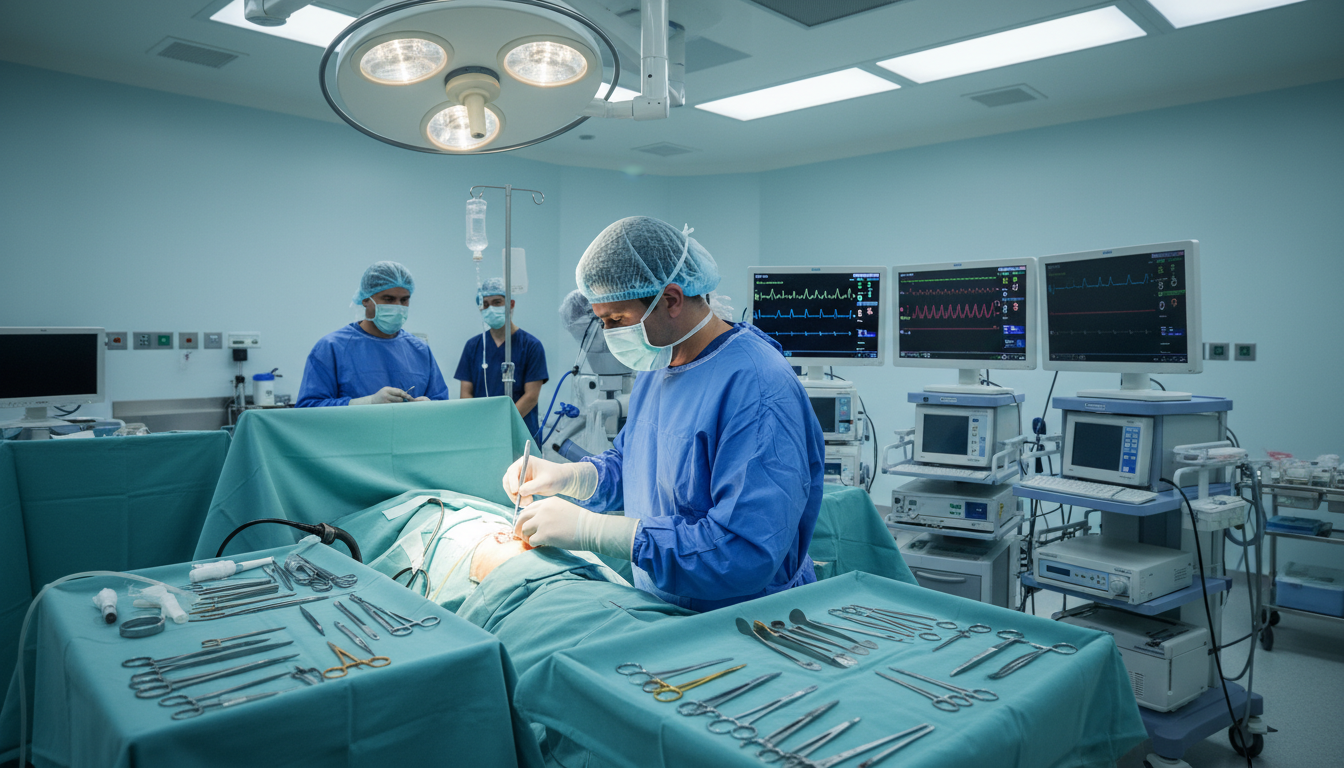
Many patients now travel abroad for exceptional medical care that’s both quality and affordable. Turkey has become a top choice for those looking for special urological treatments. It offers modern clinics and skilled doctors.
People choose Turkey for its advanced medical technology at lower costs than in Western countries. Turkish clinics focus on patient comfort and safety. This has made Turkey a world leader in enlarged prostate surgery.
Finding the right place for your health journey is important. Turkey has top-notch facilities and a focus on excellence. Patients get a smooth experience from start to finish.
Key Takeaways
- Turkey offers world-class medical facilities for international patients.
- The country combines advanced technology with cost-effective treatment plans.
- Highly qualified specialists perform complex urological procedures with precision.
- Patients benefit from a streamlined and professional healthcare experience.
- The nation has become a top choice for those seeking reliable medical outcomes.
Understanding Benign Prostatic Hyperplasia and Surgical Necessity
First, we need to understand what happens when the prostate gets bigger. Benign prostatic hyperplasia (BPH) is when the prostate grows, blocking the urethra. This can make it hard to pee normally. It’s not cancer, but it can cause a lot of pain and health problems if not treated.
When simple changes and medicines don’t help, BPH surgery might be needed. This surgery aims to fix the pee flow and stop damage to the bladder or kidneys. It helps patients feel better and avoid serious health issues.
Symptoms and Clinical Indicators for Intervention
BPH can cause many pee problems. Men might have a weak or interrupted urine stream, need to pee a lot at night, or feel like they can’t empty their bladder fully. These signs show the prostate is putting too much pressure on the pee tract.
Doctors usually suggest surgery when pee problems keep coming back or when there are bladder stones. If someone can’t pee at all, they need surgery right away. These signs mean it’s time to see a doctor to avoid serious bladder damage.
Diagnostic Procedures Before Considering Surgery
Before surgery, doctors do a lot of tests. They check if BPH is the real cause of the symptoms. They start with a physical exam and a digital rectal exam to see how big and what the prostate feels like.
They also use special tools to make sure and plan the surgery. These include:
- PSA Testing: A blood test to check for prostate cancer.
- Transrectal Ultrasound: An imaging test to see the prostate’s size and shape.
- Uroflowmetry: A test to measure how fast and much urine flows, showing how bad the blockage is.
These tests help doctors choose the best benign prostatic hyperplasia treatment for each patient. This careful planning is key to a successful BPH surgery and recovery.
The Rise of Medical Tourism for Enlarged Prostate Surgery
Modern medical tourism has changed how we get treatments like the prostate enlargement operation. Turkey is now a top choice, thanks to its advanced tech and focus on patients. This makes it easy for people to get top care while enjoying a smooth trip.
Why International Patients Choose Turkey
Many choose Turkey for exceptional value and quality care. Turkish surgeons are well-trained and experienced in the latest urology procedures. Plus, they don’t have to wait long for a prostate enlargement operation compared to the West.
Travel and medical care are combined in Turkey, making it attractive. Clinics offer packages with airport transfers, luxury stays, and translation services. This support makes patients feel cared for from start to finish.
Accreditation and Standards in Turkish Hospitals
Safety is top for Turkey’s hospitals. Many are Joint Commission International (JCI) accredited, showing they meet global healthcare standards. They’re checked regularly to keep their high surgical standards.
Here’s why Turkish medical centres are popular for urology:
| Feature | Benefit for Patient | Standard of Care |
|---|---|---|
| Clinical Expertise | Highly trained urologists | International level |
| Technology | Advanced robotic systems | State-of-the-art |
| Procedure Efficiency | Rapid prostate enlargement operation | Optimised recovery |
| Accreditation | JCI certified facilities | Strict safety protocols |
Common Surgical Techniques for Prostate Enlargement
Choosing the right surgery for an enlarged prostate is important. Over the years, minimally invasive prostate surgery has improved. Now, doctors use different methods based on the prostate size and the patient’s health.
Transurethral Resection of the Prostate (TURP) Explained
The Transurethral resection of the prostate (TURP) is a common treatment. A surgeon removes part of the prostate gland through the urethra. This method helps clear blockages and improve urine flow.
Though effective, TURP might need a short hospital stay. Many patients see big improvements in their life quality after recovery.
Holmium Laser Enucleation of the Prostate (HoLEP)
HoLEP uses a laser to remove prostate tissue. It’s great for big prostates, avoiding open surgery. This method is precise and effective.
“Laser technology has fundamentally changed the landscape of urological care, allowing for reduced bleeding and faster patient recovery times compared to older methods.”
GreenLight Laser Therapy and Minimally Invasive Options
GreenLight laser therapy is a minimally invasive prostate surgery option. It uses light to remove excess tissue. It’s good for those on blood thinners because it reduces bleeding risk. The procedure is usually done as an outpatient, allowing for quick recovery.
The table below compares these surgical methods. It shows the differences in recovery and use.
| Technique | Primary Benefit | Recovery Time |
|---|---|---|
| TURP | Proven long-term results | Moderate |
| HoLEP | Ideal for large glands | Fast |
| GreenLight | Minimal bleeding risk | Very Fast |
Comparing Costs of Prostatectomy in Turkey versus the United States
Many patients are surprised by the big cost differences between a prostatectomy in the United States and Turkey. Both places have top-notch medical care. But their healthcare systems are very different. Knowing these financial differences is key for anyone planning surgery.

Breakdown of Hospital and Surgeon Fees
In the United States, a prostatectomy has complex billing. You pay for the surgeon, anaesthesiologist, and hospital separately. These costs can add up fast because of high overheads and admin fees.
In Turkey, clinics offer all-inclusive packages. These packages include the surgeon’s fees, operating theatre costs, and anaesthesia. This makes it easier for patients to know their total cost before they travel.
Hidden Costs and Financial Planning for Medical Travel
When planning a prostatectomy abroad, remember it’s not just the surgery. You need to think about flights, local transport, and where you’ll stay while recovering.
Also, don’t forget about post-op meds and follow-up visits. Effective financial planning means setting aside extra money for surprises. This way, you can focus on getting better without worrying about money.
| Expense Category | United States (Est.) | Turkey (Est.) |
|---|---|---|
| Surgeon & Anaesthesia | $15,000 – $25,000 | $4,000 – $7,000 |
| Hospital Facility Fees | $10,000 – $20,000 | $2,000 – $4,000 |
| Total Prostatectomy Cost | $25,000 – $45,000 | $6,000 – $11,000 |
Selecting the Right Urological Clinic in Turkey
Finding a good urological clinic in Turkey needs careful thought. The clinic you choose affects your safety and the success of your prostate treatment. Many patients look for advice like a guide to choosing the right orthopedic clinic. But, for urological care, you need to focus on the surgeon’s special skills.
Evaluating Surgeon Credentials and Experience
The surgeon’s past work is key. Make sure your doctor is certified by well-known medical groups. It’s important to check if they have done the exact surgery you need, like HoLEP or robotic surgery.
Ask how many surgeries the doctor does each year. High-volume surgeons tend to have better results and fewer problems. Also, ask about their training to make sure they meet global standards.
The Importance of Multidisciplinary Care Teams
Prostate treatment today often involves a team. The best clinics have multidisciplinary care teams with urologists, anaesthesiologists, and nurses. This team works together to watch over your health before, during, and after surgery.
Having a team means you get extra support. This team can handle risks and help you recover better. Choosing a clinic that values teamwork makes your experience better.
| Selection Criteria | Why It Matters | Key Benefit |
|---|---|---|
| Surgeon Certification | Ensures professional standards | Clinical safety |
| Procedure Volume | Reflects practical expertise | Better surgical outcomes |
| Care Team Structure | Provides holistic support | Faster recovery times |
| Hospital Accreditation | Validates facility quality | Reduced infection risk |
Pre-operative Preparation for International Patients
Getting ready for surgery starts long before you travel. It’s all about thorough preparation at home. When you’re going for urological care in Turkey, it’s key to talk clearly with your local doctor and the Turkish team. This way, your medical team can give you the best care possible.
Medical Records and Remote Consultations
Your medical history is the base of your treatment. Turkey’s top clinics use digital health portals to check your scans and meds before you get there. This lets your surgeon plan the surgery just for you.
Video calls with your consultant are also a big part of this. You can talk about surgical risks and recovery times. It’s a chance to ask questions and feel sure about your choice of clinic.
Lifestyle Adjustments Before Travelling
Getting your body ready for surgery can really help your recovery. Eating well and doing some exercise can boost your strength. Drinking more water and keeping a healthy weight can also help your body handle surgery better.
It’s also important to check your meds with your doctor. Some might need to stop before surgery to avoid bleeding. Doing this makes sure you’re in the best shape for your surgery in Turkey.
| Preparation Step | Action Required | Timeline |
|---|---|---|
| Medical Records | Gather all recent scans and biopsy reports | 4 weeks prior |
| Remote Consultation | Schedule video call with the surgical team | 3 weeks prior |
| Medication Review | Consult GP regarding blood thinners | 2 weeks prior |
| Lifestyle Changes | Adopt a heart-healthy diet and light exercise | Ongoing |
The Surgical Experience and Hospital Stay
Going to the hospital for a prostate enlargement operation can be daunting. Turkish medical facilities are known for their focus on patients. They make sure you feel safe and informed from start to finish.
The team works efficiently and with care. They help you smoothly move from arrival to the operating room.
What to Expect Upon Arrival at the Clinic
When you arrive, a patient coordinator will help you. They’ll guide you through the admission process. You’ll have pre-operative assessments to check your health.
This includes:
- Reviewing your medical history and current medications.
- Final blood tests and an electrocardiogram (ECG) to check your heart.
- Talking to your anaesthesiologist about your sedation plan.
You’ll be in a private, modern room with all you need. You’ll meet your surgical team. They’ll answer any questions you have about your prostate enlargement operation.
Post-operative Monitoring and Nursing Care
After the surgery, you’ll go to a recovery area. Specialised nurses will watch over you day and night. They focus on pain management and helping you start your recovery.
Nurses are trained to notice any changes in your condition. They act quickly if needed.
“The standard of nursing care in Turkish hospitals is exceptional, combining advanced medical technology with a deeply compassionate approach to patient recovery.”
Your surgeon will check on you regularly. The nursing team will help you move around early. This is a critical component of a good recovery after a prostate enlargement operation.
The hospital keeps high standards of hygiene and care. This makes your stay as comfortable and safe as possible.
Recovery Timelines and Post-surgical Care
Planning your recovery after surgery abroad can seem overwhelming. Prioritising your rest and following your surgeon’s advice is key. Before you go, make sure to check the doctor to trust their care plan.
Managing Immediate Recovery in a Foreign Country
The first 48 to 72 hours are spent in the hospital. Nurses will watch your health and manage pain. Staying hydrated and mobile is important to avoid blood clots.
After leaving the hospital, you might stay in a recovery retreat or hotel. Make sure you have reliable local transport for the first week. Keep your medical papers and contact details handy.
Follow-up Protocols and Returning Home Safely
Your surgeon will check you before you leave Turkey. You’ll get a detailed summary of your care, including what to avoid. Clear communication with your doctor back home is vital for ongoing care.
Plan your flight carefully, with enough room to move and avoid heavy bags. Most surgeons advise waiting a week or two before long flights. Make sure to book your follow-up appointments and be ready for remote check-ins with your Turkish team.
| Recovery Phase | Typical Focus | Activity Level |
|---|---|---|
| Days 1-3 | Hospital monitoring | Bed rest and light walking |
| Days 4-14 | Wound healing | Gentle movement, no heavy lifting |
| Weeks 2-6 | Gradual return to routine | Light exercise, avoiding strain |
| Month 3+ | Full recovery assessment | Resuming normal physical activity |
Minimally Invasive Prostate Surgery Innovations
The world of urology is moving towards more precise and less invasive treatments. Surgeons now use advanced tools for better control during complex surgeries. These changes mark a big step forward in treating urological issues.
Modern clinics are now using high-intensity focused ultrasound (HIFU) for targeted care. This shift means patients get the best treatment available today.
Robotic-Assisted Procedures and Precision
Robotic-assisted platforms have changed how specialists do enlarged prostate surgery. These systems give surgeons clear, 3D views of the area being operated on. This detail allows for unmatched accuracy in handling delicate parts.
The main benefit of this tech is less human error and tissue damage. Surgeons can work with exceptional precision using small instruments. This leads to less blood loss during surgery.
Benefits of Reduced Hospitalisation Times
Minimally invasive prostate surgery means quicker recovery times. These methods cause less damage, so the body heals faster than with open surgery. This is great for patients who want to go home quickly.
Shorter hospital stays also cut down on the risk of complications like infections. Patients can usually get back to their normal lives with minimal disruption. This efficient care makes medical travel a viable option for top-notch treatment.
Managing Possible Risks and Complications
It’s important to know about the risks of prostate surgery. BPH surgery is usually safe and works well, but there are risks. Knowing about these risks helps you feel more confident and calm during your recovery.
Understanding Common Side Effects
Most people have minor, short-term side effects after surgery. You might notice you need to pee more or feel a bit of burning when you do. These symptoms usually go away as your body heals.
Some people might see a bit of blood in their pee or feel some discomfort in their pelvis. These are normal parts of healing for many who get Benign prostatic hyperplasia treatment. Doctors will tell you how to handle these symptoms at home.
When to Seek Immediate Medical Attention
While some side effects are normal, there are signs that mean you need to see a doctor right away. If you can’t pee at all, have a lot of bleeding that won’t stop, or have a high fever, call your doctor fast. These could be signs of an infection or blockage that need quick help.
Your safety is the top priority when you’re recovering. Make sure you have your emergency contact info ready and know what to do after your BPH surgery. Talking to your doctor often is the best way to make sure you recover well.
| Symptom | Severity Level | Recommended Action |
|---|---|---|
| Mild burning during urination | Low | Increase fluid intake and monitor |
| Small amounts of blood in urine | Low to Moderate | Rest and follow hydration advice |
| High fever or chills | High | Seek immediate medical attention |
| Complete inability to urinate | Critical | Contact emergency services immediately |
Logistics of Medical Travel to Turkey
Planning your medical trip to Turkey needs careful steps. You must get your entry documents and book a place to stay. A good plan helps you recover without stress. It lets you focus on getting better.
Visa Requirements and Travel Documentation
Most people going to Turkey for medical reasons need to check their visa needs early. You might get an e-Visa, which is easy to get from the government website. Make sure your passport is valid for at least six months after you leave.
Your clinic will give you a letter for your visa. This letter proves you’re going for surgery. Keep all your medical and travel papers safe and easy to find.
“Preparation is the key to success in any endeavour, specialy when it involves travelling abroad for specialised medical care.”
Accommodation and Recovery Retreats for Patients
Choosing the right place to stay after surgery is key. Many prefer specialised recovery retreats with 24-hour care. These places are close to hospitals, making travel easy.
If you want to stay in a hotel, look for ones in big Turkish cities. Choose hotels with easy-to-get rooms and good transport links. Prioritising comfort and accessibility makes your stay better and helps you get back to normal.
Patient Rights and Ethical Considerations
Choosing surgery in Turkey means you’re covered by strict ethical rules and patient rights. Medical places in the country follow global standards. This ensures everyone gets fair and respectful care. Patient autonomy is key in Turkey’s healthcare, letting you decide about your health.

Informed Consent and Transparency
Being open is key before any surgery. Your surgeon must explain the treatment fully. This includes risks, recovery, and other choices. This way, you know what to expect, like with penis enlargement in Turkey.
“The essence of medical ethics lies in the commitment to honesty, where the patient’s well-being is always placed above all other considerations.”
You should never feel pushed into a decision. A good clinic wants you to ask questions until you’re sure. Clear communication about costs, hospital stays, and aftercare is a right for every patient.
Navigating Language Barriers and Translation Services
Good communication is key for a smooth surgery. Many top hospitals in Turkey have teams that speak many languages. They help make sure your medical history and worries are shared right with the surgical team.
If a clinic can’t translate, getting a professional interpreter is best. Using apps for translation can cause misunderstandings about important health info. Professional support makes sure you understand your treatment and recovery fully.
Long-term Outcomes and Quality of Life Improvements
The journey to better health doesn’t stop after surgery. People who have surgery for an enlarged prostate often see big changes in their comfort and confidence. These surgeries help fix the problem and lead to lasting health.
Urinary Function Recovery and Long-term Health
Most people start to feel better in their urine flow soon after surgery. Whether it’s a Prostatectomy or a TURP, the main goal is to get your bladder working right again. This means fewer trips to the bathroom at night and more freedom during the day.
Studies show that the benefits of a Transurethral resection of the prostate last for most patients. Healing takes time, but the outlook is very good. Many people find their quality of life improves a lot as they take back control of their health.
“The true measure of surgical success is not just the procedure itself, but the sustained improvement in the patient’s ability to live an active and unburdened life.”
Maintaining Prostate Health Post-operation
Even after healing, it’s important to keep up with your health. Regular visits to your urologist help track your progress and catch any small issues early. Healthy habits also play a big role in keeping you well.
Here are some key strategies for keeping healthy after surgery:
- Make sure to have annual check-ups to keep an eye on your prostate and urine health.
- Eat a balanced diet full of veggies and lean proteins to help your body stay healthy.
- Stay active to keep your blood flowing well and help manage your weight.
- Talk openly with your doctor about any changes in your symptoms.
By staying informed and involved in your care, you can enjoy the long-term benefits of your Prostatectomy. Regular check-ups and a healthy lifestyle are key to keeping the good results of your TURP or other surgeries for years.
Conclusion
Choosing surgery for an enlarged prostate is a big step towards a better life. Turkey has top-notch medical care and modern hospitals for patients from abroad. By picking accredited places and skilled surgeons, you’re on the right path to recovery.
Success in medical travel comes from being well-prepared and talking clearly with your clinic. Look over your medical history and learn about the surgery options. This way, you make a choice that fits your health goals.
Looking after yourself after surgery is key to your long-term health. Working closely with your doctors helps keep your urinary system working well. Start looking into your options and talk to doctors who focus on you.
The world of urological surgery is getting better, giving men more hope. By using these new advances, you can face the future with confidence. Your health is precious, and finding the right care is the best investment for your future.
FAQ
Q: Why has Turkey become a leading destination for enlarged prostate surgery?
A: Turkey is known for its top-notch urology care. It offers advanced medical tech and low prices. Places like Acıbadem Healthcare Group and Memorial Hospitals Group attract patients worldwide. They provide world-class care at a good price.
Q: What are the primary clinical indicators that I require benign prostatic hyperplasia treatment?
A: When meds don’t help, surgery might be needed. Signs include trouble peeing, infections, stones, or blood in urine. Doctors use tests to see if surgery is right for you.
Q: What is the difference between TURP and HoLEP for treating an enlarged prostate?
A: TURP is the old way, using a wire loop to remove tissue. HoLEP is newer, using a laser for bigger prostates. It means less bleeding and quicker recovery. The choice depends on your prostate size.
Q: How much can I expect to save on a prostatectomy in Turkey compared to the United States?
A: Prostate surgery in Turkey is much cheaper than in the US. You could save 50% to 70%. This is because of lower costs and better exchange rates. You get the whole package, including surgeon fees and luxury stays.
Q: Is minimally invasive prostate surgery available in Turkish hospitals?
A: Yes, Turkey leads in minimally invasive surgery. Clinics use the Da Vinci Robotic System for precise, bloodless procedures. GreenLight Laser Therapy is also an option for those on blood thinners.
Q: How should I prepare for BPH surgery if I am travelling from abroad?
A: Start with a remote consultation to share your health history. Make sure to tell your doctor about all meds. Quit smoking and manage blood pressure before surgery.
Q: What is the typical recovery timeline after a transurethral resection of the prostate (TURP)?
A: After TURP, you’ll stay in the hospital for 1 to 2 days. A catheter is needed for a few days. Avoid heavy lifting for 4 to 6 weeks to heal properly.
Q: How do Turkish clinics handle language barriers for international patients?
A: Top hospitals in Turkey, like Medical Park or Medicana International, have patient coordinators. They ensure everything is explained clearly in English, making your stay smooth.
Q: What are the long-term outcomes of a prostate enlargement operation?
A: Most patients see better urine flow and fewer night-time trips to the bathroom. Success rates are high, improving life quality. Regular check-ups and a healthy diet are key for long-term health.
Q: What risks are associated with undergoing a prostatectomy?
A: Prostate surgery can lead to temporary issues like incontinence or erectile dysfunction. But, with skilled surgeons in Turkey, risks are low. Your doctor will discuss these risks with you.
Related guides

Healthcare Content Compliance Guide for Growth
A high-performing treatment page can generate international patient inquiries within hours. It can also create material risk if…

Turkey Hospitals vs Local Hospitals Compared
A lower procedure quote can get a patient’s attention. It should not make the decision on its own.…

Patient Experience That Drives Trust and Growth
A patient who has already uploaded medical records, compared providers, and arranged time away from work is not…