
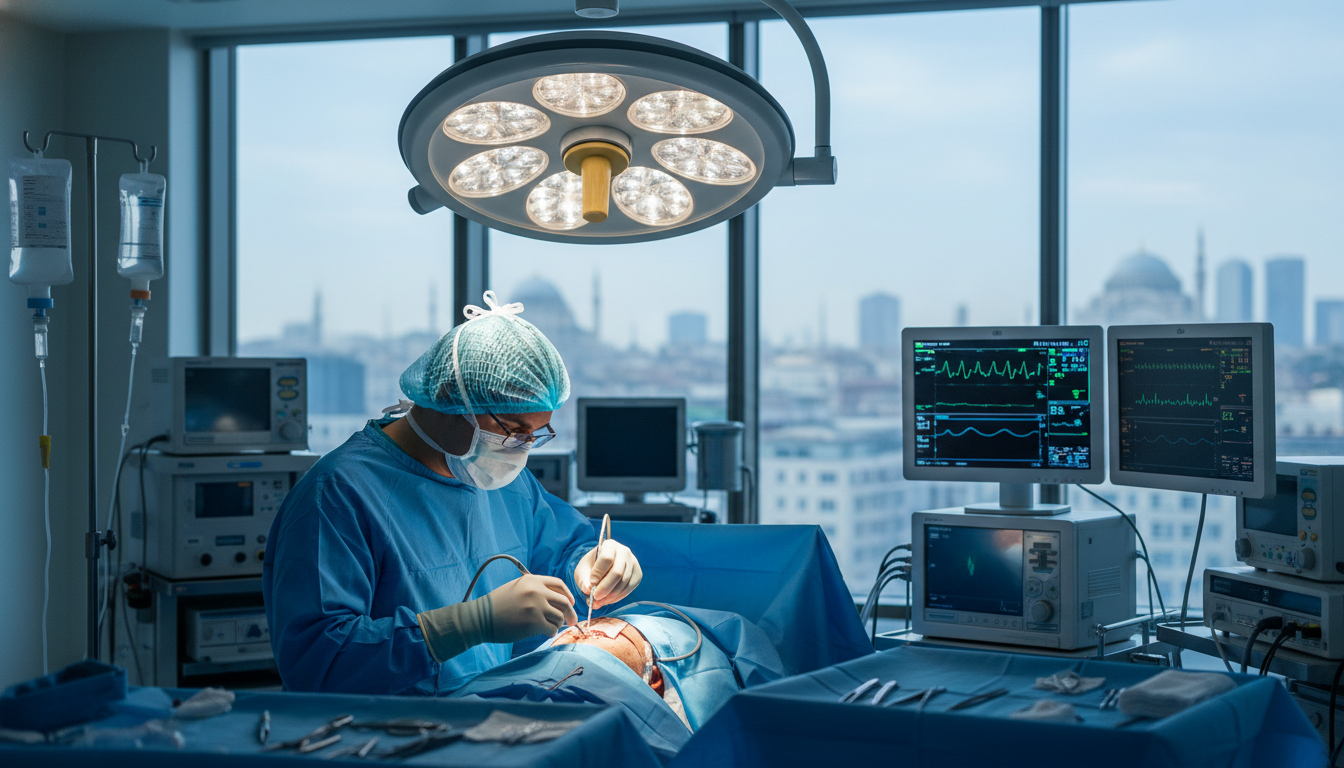
Turkey has quickly become a top choice worldwide for those needing advanced brain treatments. People from all over come here for top-notch care in complex brain issues.
The country has put a lot of effort into having the latest technology and skilled doctors. This means patients get the best care available, meeting top international standards.
Choosing where to have such a serious surgery is a big decision. Turkey offers both top medical care and caring support. It’s a leader in medical tourism, focusing on making patients’ lives better through Epilepsy Surgery.
Key Takeaways
- Turkey is recognised as a leading hub for advanced neurological treatments.
- Medical centres utilise cutting-edge technology to ensure precise patient care.
- International patients benefit from highly qualified specialists and modern infrastructure.
- The country offers a seamless experience for those seeking complex medical interventions.
- Prioritising patient safety and successful outcomes remains the primary focus of local clinics.
The Landscape of Medical Tourism for Neurological Care in Turkey
Turkey has become a top choice for those needing advanced neurological care. This is thanks to big investments in medical facilities and a focus on top-quality care. Many medical tourism agencies now see Turkey as a leading place for complex surgeries.
The Rise of Turkey as a Global Healthcare Hub
In the last ten years, Turkey has become a key player in global healthcare. It draws thousands of patients each year who want world-class treatment at lower costs than in Western countries. This growth is thanks to the mix of modern technology and care that puts patients first.
Hospitals in big cities like Istanbul and Ankara have the latest diagnostic tools. These places are made to be safe and comfortable for visitors from abroad. Turkish clinics focus on making patients happy, setting a new standard for medical travel worldwide.
Accreditation and Standards in Turkish Neurosurgical Facilities
For patients thinking about surgery abroad, safety is key. Turkish neurosurgical centres follow strict international standards for safety. Many hospitals have big names like the Joint Commission International (JCI) accreditation, showing their dedication to quality.
These places are checked often to keep their high standards. Patients can trust that they’re in good hands with skilled doctors in places that value transparency and patient rights. Below is a table showing the main standards these top places follow.
| Standard Category | Focus Area | Patient Benefit |
|---|---|---|
| Clinical Governance | Evidence-based protocols | Consistent surgical outcomes |
| Facility Safety | Sterilisation and hygiene | Reduced infection risk |
| Staff Expertise | Continuous medical training | Advanced surgical precision |
| Patient Support | Multilingual care teams | Clear communication and comfort |
Understanding Epilepsy Surgery as a Treatment Option
Knowing when surgery is needed is key for those with ongoing seizures. Many people manage their epilepsy with medicine. But, some find that drugs don’t work well enough. For them, Epilepsy Surgery could be a game-changer.
Defining Refractory Epilepsy
Refractory epilepsy, or drug-resistant epilepsy, happens when seizures keep coming despite the right medicine. Doctors say a patient has this if they’ve tried at least two medicines and no seizures have stopped. It’s a tough diagnosis that means a deeper look at the brain’s electrical signals is needed.
Uncontrolled seizures can hurt a person’s thinking and daily life. Spotting this early is key to seeing if Epilepsy Surgery could help. Doctors look for specific brain patterns to see if surgery could work.
When Medication is No Longer Sufficient
Choosing to try surgery is a big step in a patient’s care. If medicine can’t stop seizures, doctors look into Epilepsy Surgery. This choice is carefully made after a team of experts checks the patient’s brain.
The main aim is to make life better by cutting down or stopping seizures. Good surgery results depend on finding the exact spot in the brain where seizures start. By going for surgery, patients take charge of their brain health and future.
Why International Patients Choose Turkey for Epilepsy Surgery
When patients get a serious diagnosis, they look for the best care. Turkey has become a top choice for medical tourism. It offers advanced technology and caring doctors. Many see Turkey as the best place for Epilepsy Surgery.
Cost-Effectiveness Compared to Western Healthcare Systems
One big reason is the cost. Patients from the US often save a lot by choosing Turkey. The quality of care is high, but the prices are lower.
The savings come from lower costs, not less quality. Traveling for surgery can save patients from big medical bills. Key benefits include:
- Clear prices with no hidden fees.
- Full packages that include stay and transport.
- Shorter waits for treatment.
Access to World-Class Neurosurgeons
Another reason is the doctors. Many surgeons in Turkey have trained in top places in Europe and North America. This means patients get the latest and best care.
These doctors are experts in complex brain surgeries. They work together to make sure every detail of the Epilepsy Surgery is perfect. Patient safety and success are their main goals.
Turkey’s mix of top doctors and focus on patients sets a high standard for brain care. Choosing Turkey gives patients the confidence they are in good hands.
Advanced Diagnostic Technologies Used in Turkish Hospitals
Before surgery, Turkish hospitals use advanced tools to find where seizures start. This is essential to locate the brain area with abnormal electrical activity. Surgeons use these tools to make a detailed map for their surgery.
These technologies help doctors tell healthy tissue from the areas needing treatment. This is key in modern neurosurgery in Turkey. It leads to treatments that are both effective and safe for the brain in the long run.
High-Resolution MRI and PET Scans
High-resolution MRI scans show the brain’s structure in detail. They help find small problems that might cause seizures. PET scans show how the brain works, adding more information.
PET scans show where the brain uses glucose differently, which might be where seizures start. By combining these scans, doctors can find the exact location of the problem very accurately. This is common in top Turkish hospitals.
Video-EEG Monitoring and Mapping
Video-EEG monitoring is also key in preparing for surgery. It watches patients closely to catch seizures in real time. This lets doctors see how symptoms match brain activity.
The mapping process shows how electrical signals move in the brain. This is important for a safe surgery plan. The benefits include:
- More precise surgery by finding the seizure focus.
- Less chance of harming healthy brain tissue.
- Better chances of stopping seizures long-term.
- More data for doctors to make better decisions.
Types of Neurosurgical Treatment for Epilepsy
When medication doesn’t stop seizures, neurosurgical treatment for epilepsy is considered. Surgeons look at where and how seizures start to choose the best treatment. This approach makes sure each patient gets the right care for their brain.
Resective Surgery Techniques
Resective surgery is key in treating epilepsy today. It removes the brain tissue causing seizures. Success depends on finding and removing the seizure focus without harming other brain functions.
People who have this surgery often see big improvements in their lives. By removing the seizure source, many live without seizures for a long time. Learn more about these specialised medical procedures to see how they meet individual needs.
Laser Interstitial Thermal Therapy
Laser Interstitial Thermal Therapy (LITT) is a newer, less invasive option. It uses a laser to heat and destroy the seizure focus. This method avoids the need for a big surgery.
LITT is known for its precision and quick recovery times. It’s great for patients with seizures in hard-to-reach brain areas. Advanced imaging helps surgeons do this neurosurgical treatment for epilepsy with great accuracy and little harm to healthy brain tissue.
Evaluating Surgical Options for Epilepsy
For many, surgical options for epilepsy offer a chance for better seizure control. When traditional surgery isn’t right, new methods like neuromodulation are promising. These systems help control brain activity, improving life quality for patients.
Vagus Nerve Stimulation
Vagus Nerve Stimulation (VNS) is like a brain pacemaker. A small device is placed under the skin, connected to the vagus nerve. It sends regular, mild electrical pulses to the brain to stop seizures before they happen.
Many find VNS greatly reduces seizure frequency and intensity. It’s great for those who’ve tried many medicines without success. It’s a top surgical option for epilepsy for long-term management.
Deep Brain Stimulation
Deep Brain Stimulation (DBS) involves placing electrodes in the brain’s seizure areas. These electrodes connect to a pulse generator under the skin near the collarbone. It sends controlled signals to interrupt abnormal brain patterns.
Many patients travel to Turkey for deep brain stimulation due to the expertise there. It’s a cutting-edge option among surgical options for epilepsy. It allows for tailored treatment, adjusting to each patient’s needs.
The Epilepsy Surgery Procedure: What to Expect
Understanding the epilepsy surgery procedure can ease worries before surgery. Knowing the detailed steps helps patients trust their medical team more. This openness is key for those looking for specialised care abroad.
Pre-Surgical Planning and Mapping
Before surgery starts, the team plans carefully. They use precise mapping to find where seizures start. High-resolution images help protect important brain functions like speech and movement.
This planning is key for Epilepsy Surgery success. By pinpointing the seizure source, the team can plan a customised approach. This reduces risks and boosts chances of stopping seizures for good.
The Surgical Intervention Process
Under general anaesthesia, the neurosurgeon works with great care. They watch brain activity live to avoid harming healthy areas. This careful method ensures the epilepsy focus is effectively removed or disconnected.
After the main surgery, the surgeon uses advanced methods to close the site. The patient then goes to a recovery area for close monitoring. Below is a table showing the typical stages of the surgery.
| Phase | Primary Focus | Duration |
|---|---|---|
| Planning | Mapping seizure focus | Days to Weeks |
| Anaesthesia | Patient comfort and safety | Initial stage |
| Intervention | Targeted tissue removal | Variable |
| Recovery | Monitoring and stabilisation | Immediate post-op |
Every Epilepsy Surgery is different, with time varying by case complexity. Patients should know that the epilepsy surgery procedure is done by skilled experts with the latest tech. This detailed process aims to give the best results for each patient.
Safety Protocols and Epilepsy Surgery Risks
Modern Turkish hospitals focus a lot on keeping patients safe. They use strict protocols and the latest monitoring systems. This is very important when it comes to Epilepsy Surgery. The use of advanced technology and skilled medical teams lowers the risk of problems.
Managing Possible Complications
Surgeons in Turkey take a proactive approach to handle Epilepsy Surgery Risks. They use special tools like intraoperative mapping and real-time imaging. This helps them work on the brain with great care, avoiding damage to healthy areas.
Hospitals in Turkey stick to strict safety rules:
- They do a full check-up before surgery to find out who might be at higher risk.
- They use the latest neuro-navigation systems for exact work.
- They keep a close eye on the brain function during surgery.
Long-Term Neurological Monitoring
Recovery doesn’t stop after surgery. It’s important to keep checking in to make sure everything is healing right. Just like after brain aneurysm surgery, patients need a good plan for getting better.
Long-term monitoring helps doctors adjust treatments and watch how the brain is doing. This close work between doctors and patients is key to good results from Epilepsy Surgery. By being careful, doctors can catch small issues before they get big, helping patients live their best lives.
Analysing the Epilepsy Surgery Success Rate
Looking at the epilepsy surgery success rate means we must consider each patient’s health. The dream of being free from seizures is hopeful. Yet, we must see these numbers with a clear view. Every person’s brain is different, affecting how well surgery works.
Factors Influencing Positive Outcomes
Many things decide if a patient will see long-term relief from seizures. Doctors look at these factors before surgery to guess the chance of success.
- Seizure Focus Location: Surgery on clear, safe brain areas usually works better.
- Age at Onset: Younger patients might do better because their brains are more adaptable.
- Pathology Type: The cause of epilepsy, like a benign lesion, affects the surgery plan.
- Duration of Condition: Getting epilepsy surgery early can lead to better results.
Seizure Freedom Statistics
Numbers help us understand the benefits of surgery. Many patients see a big drop in seizures or no seizures at all after surgery.
| Procedure Type | Estimated Success Rate | Primary Benefit |
|---|---|---|
| Temporal Lobe Resection | 70% – 80% | High seizure freedom |
| Extratemporal Resection | 40% – 60% | Targeted symptom control |
| Neuromodulation | 30% – 50% | Reduced seizure severity |
Epilepsy surgery is a personal journey. The epilepsy surgery success rate looks good for many. But the real goal is to improve the patient’s life quality. Keeping up with post-surgery care is key to lasting success.
Post-Operative Care and Epilepsy Surgery Recovery
Your journey to freedom from seizures doesn’t end when you leave the operating room. A careful plan for Epilepsy Surgery Recovery is key. It helps ensure the surgery’s success and your health.

Immediate Hospital Recovery Phases
Right after your Epilepsy Surgery, you’ll go to a special unit for brain care. Doctors and nurses watch your health closely. They check your vital signs and brain status all day and night.
Managing pain is very important in the first days. Doctors and nurses work hard to keep you comfortable. They also watch for swelling or changes in your brain. Most patients stay in the hospital for a few days to make sure they’re healing well.
Long-Term Rehabilitation and Follow-up
After you go home, your care shifts to helping you get back to normal life. Regular check-ups are important. They help keep an eye on your brain health and adjust your medicine as needed.
You might need physical or occupational therapy to get back to full strength. Long-term success depends on sticking to your follow-up appointments. It’s also important to talk openly with your doctors about any new symptoms.
| Recovery Phase | Primary Focus | Expected Duration |
|---|---|---|
| Immediate Post-Op | Neurological monitoring | 24 to 48 hours |
| Hospital Discharge | Wound care and stability | 3 to 7 days |
| Early Recovery | Medication adjustment | 1 to 3 months |
| Long-term Follow-up | Seizure freedom assessment | 6 months and beyond |
Epilepsy Surgery is a big step towards a better life. It needs patience and following a recovery plan made just for you. This helps your brain heal and do well.
Financial Considerations and Epilepsy Surgery Cost
Understanding the financial side of medical care is key. When you travel for treatment, knowing the costs is essential for peace of mind and planning.
Breakdown of Surgical Expenses
The Epilepsy Surgery cost includes several parts for full care. You’ll need to pay for hospital fees, which cover the operating room, nurses, and post-op ward stays.
Also, the cost of the neurosurgeon and anaesthesiology team depends on the surgery’s complexity. Diagnostic testing, like advanced imaging and pre-surgery mapping, might be extra or part of a package.
Insurance and Payment Options for International Patients
Getting insurance for Epilepsy Surgery abroad can be tricky. Policies differ a lot. It’s best to talk to your insurance early to see if they cover international care.
Many Turkish hospitals offer payment plans for international patients. These include:
- Direct wire transfers for secure international payments.
- Credit card facilities for initial deposits or final balances.
- Customised payment plans through medical travel facilitators.
Knowing the Epilepsy Surgery costs helps you focus on getting better. By sorting out these details early, your health journey can be smooth and stress-free.
Selecting the Right Neurosurgical Centre in Turkey
Choosing the right neurosurgical centre in Turkey is the first step towards freedom from seizures. This field is very specialised. So, the centre you pick must offer more than basic medical care. It needs a dedicated environment with advanced technology and expert clinical guidance.
Researching Hospital Credentials
Before choosing a hospital, check its official standing and quality. Look for Joint Commission International (JCI) accreditation. This is a top mark for patient safety and care quality worldwide.
Also, check the neurology and neurosurgery departments. A top centre should have:
- Dedicated epilepsy monitoring units with 24/7 video-EEG.
- Access to advanced neuro-imaging suites, including 3T MRI and PET scanning.
- A history of high-volume surgical procedures for complex neurological conditions.
- Transparent reporting of clinical outcomes and infection control protocols.
Consulting with Specialist Surgeons
After narrowing your hospital list, talk directly with the medical team. A meaningful consultation helps you see if the surgeon’s approach fits your health goals and comfort.
“The relationship between a patient and their neurosurgeon is built on trust, clarity, and a shared understanding of the surgical objectives. Always ensure your surgeon takes the time to explain the risks and benefits in a language you fully comprehend.”
Ask detailed questions about the surgeon’s experience with your type of epilepsy. You should feel empowered and informed after each talk. If a surgeon can’t give clear answers or seems rushed, it’s time to look elsewhere.
The right centre will focus on your long-term well-being, not just a quick fix. By checking credentials and talking openly, you make sure your care is top-notch.
The Role of Multidisciplinary Teams in Patient Outcomes
A successful surgical journey for epilepsy patients relies on teamwork. In top Turkish medical centres, many healthcare professionals work together. They aim to improve the patient’s quality of life through a coordinated effort.
This team approach means every part of the patient’s condition is looked at from different angles. They create treatment plans that fit each patient’s needs. This method leads to the best possible results.
Collaboration Between Neurologists and Neurosurgeons
Neurologists and neurosurgeons work together to care for epilepsy patients. Neurologists start by finding where seizures start in the brain. Then, they work with neurosurgeons to plan the best surgery.
This teamwork leads to precise surgical planning. It lowers risks and boosts the chance of stopping seizures. Surgeons use maps from neurologists to safely operate in the brain. This partnership is key throughout the surgery and after.
The Importance of Psychological Support
The mental health of patients is just as important as their physical health. Epilepsy can be emotionally tough, and surgery can cause anxiety. Psychologists join the team to offer essential emotional support.
These experts help patients deal with the stress of treatment and adjust to life after surgery. They address fears and expectations, leading to a holistic recovery experience. Patients who get this care often feel more satisfied and have better mental health in the long run.
Legal and Ethical Standards in Turkish Healthcare
Turkey has a strong legal system to protect patients’ rights and safety. Medical places in the country follow strict rules that meet international standards. This focus on transparency and accountability makes sure patients get safe and professional care.
Patient Rights and Informed Consent
In Turkey, patients have the right to know everything about their treatment. Before surgery, your doctor must explain all the risks, benefits, and other options. This way, you can make a choice that’s entirely voluntary and informed.
Hospitals must keep a detailed record of this consent. You can ask any questions and clear up any doubts about your treatment. This informed consent process is key to your empowerment during your medical journey.
Data Privacy and Medical Records
Keeping your health information safe is a big deal for Turkish healthcare. Modern hospitals use top-notch digital systems to keep your records private and safe. These systems follow strict data protection laws that match global patient privacy standards.
You have the right to see your medical history and get copies of your reports or summaries. Turkish clinics are known for their trust and reliability. This lets international patients focus on getting better and improving their health in the long run.
Preparing for Your Medical Journey to Turkey
Your journey to Turkey for neurological treatment starts long before you fly. Proper preparation is key for a smooth and stress-free trip. By sorting out the practical stuff early, you can focus on your health and recovery when you arrive.

Logistics and Travel Arrangements
First, get your travel documents in order. You’ll need a valid passport and possibly an e-Visa or entry permit, depending on your nationality. Check the Turkish government’s official website for the latest requirements well before you leave.
After sorting your documents, book your flights and accommodation with your chosen clinic. Many Turkish hospitals offer dedicated patient support services. They help with airport transfers and hotel bookings, making your transition smooth.
“The journey of a thousand miles begins with a single step, but a successful medical journey begins with a well-organised plan.”
Managing Expectations for Medical Travel
Traveling abroad for surgery changes your mindset. It’s important to manage your expectations about recovery and treatment pace. Turkish medical facilities are top-notch, but healing is a personal journey that takes time.
Keep in touch with your medical team while you’re there. Ask about your post-operative care and follow-up needs. Being mentally ready for the challenges of international travel helps you stay calm and focused on your health goal.
Conclusion
Choosing the right path for epilepsy treatment is a big decision. Turkey has a strong setup for advanced neurosurgery. This means you get top-notch care from experts who want to improve your life.
Success in treating epilepsy depends on your preparation. Working with a team of doctors and nurses is key. They help you understand your treatment and support you every step of the way.
Deciding to fight seizures is a big step. You can find world-class facilities that focus on your safety and success. Start by contacting trusted centres for a consultation. Your journey to better health begins with informed choices and expert advice.
FAQ
Q: Why has Turkey emerged as a premier destination for an Epilepsy Surgery Procedure?
A: Turkey has become a top choice for Epilepsy Surgery thanks to its investment in healthcare. It has world-class hospitals like Acıbadem Healthcare Group and Memorial Hospitals Group. These places offer top-notch surgery that combines advanced technology, attracting patients who want quality care at a good price.
Q: What qualifies a patient for Neurosurgical Treatment for Epilepsy?
A: Patients with refractory epilepsy, where seizures can’t be controlled by drugs, might need surgery. Turkish neurologists do thorough checks to see if surgery can target the seizure source safely.
Q: How does the Epilepsy Surgery Cost in Turkey compare to Western Europe or North America?
A: Epilepsy Surgery in Turkey is much cheaper, often 50% to 70% less than in the UK or US. This is because of lower costs and better exchange rates. Hospitals offer full packages, including tests, surgery, and luxury stay.
Q: What advanced diagnostic tools are used to map the brain before surgery?
A: Turkish centres use top tech like 3T MRI, PET-CT, and SPECT scans to find seizure spots. They also use Video-EEG monitoring and sometimes put electrodes directly on the brain for precise surgery.
Q: What are the different Surgical Options for Epilepsy available in Turkish hospitals?
A: Turkish hospitals offer many surgery options, including traditional and new methods. They are leaders in Laser Interstitial Thermal Therapy (LITT) and neuromodulation like VNS and DBS.
Q: What is the typical Epilepsy Surgery Success Rate for international patients?
A: The success rate in Turkey is high, with many patients becoming seizure-free after surgery. The exact rate depends on how well the brain is mapped before surgery and the skill of the team.
Q: What are the primary Epilepsy Surgery Risks I should consider?
A: Risks include infection, bleeding, or changes in mood or thinking. Turkish hospitals use careful planning and advanced tech to reduce these risks.
Q: What does the Epilepsy Surgery Recovery process entail for someone travelling from abroad?
A: Recovery starts with a 5 to 7-day hospital stay for monitoring. Then, patients stay in Turkey for 10 to 14 days for follow-ups. A rehabilitation plan and medication adjustments are key to long-term recovery.
Q: How do I ensure I am choosing a high-quality neurosurgical centre in Turkey?
A: Look for JCI accreditation, which shows a hospital meets global standards. Check the surgeons’ qualifications, as many have worked at top places like the Cleveland Clinic.
Q: What role does a multidisciplinary team play in the surgical outcome?
A: A team of experts is key to success. They include epileptologists, neurosurgeons, and more. This team approach ensures a patient’s health is fully considered, leading to better outcomes.
Q: What legal and ethical protections are in place for international patients in Turkey?
A: Turkish healthcare follows strict rules to protect patients. This includes the right to informed consent and keeping medical data safe. Hospitals must give clear information and keep detailed records for patients’ care at home.
Q: How should I prepare for the logistics of my medical journey to Turkey?
A: Start by working with the hospital’s international patient department. They help with visas, transfers, and translation. Bring all medical records to ensure a smooth start in Turkey.
Related guides

Healthcare Content Compliance Guide for Growth
A high-performing treatment page can generate international patient inquiries within hours. It can also create material risk if…
Turkey Hospitals vs Local Hospitals Compared
A lower procedure quote can get a patient’s attention. It should not make the decision on its own.…

Patient Experience That Drives Trust and Growth
A patient who has already uploaded medical records, compared providers, and arranged time away from work is not…