
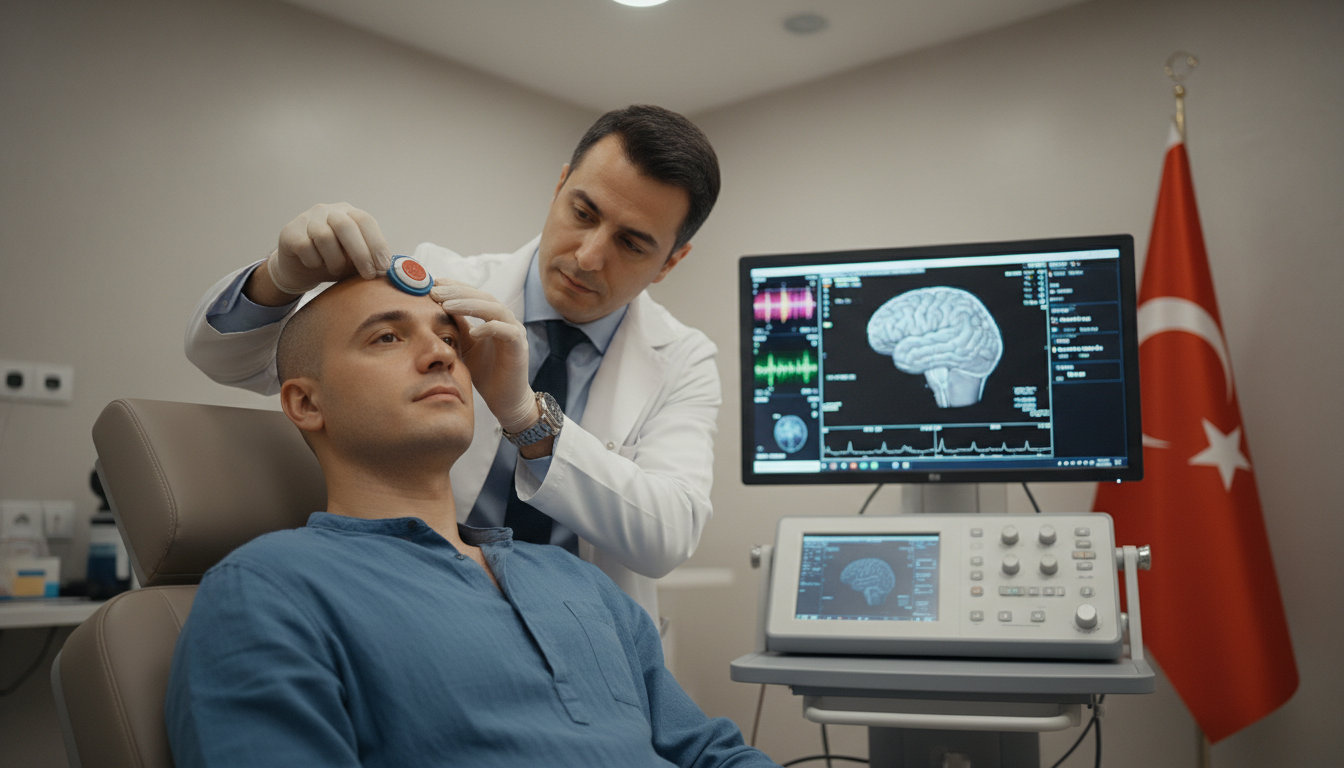
Turkey is now a premier destination for those needing advanced neurological care. It offers top-notch medical technology and skilled surgeons. This makes it a favourite for complex procedures.
Many people travel to Turkey for world-class treatment that’s both effective and affordable. By choosing Deep Brain Stimulation in Turkey, they get care that focuses on patient outcomes and excellence.
Turkish medical institutions are known worldwide for their high standards and innovation. They provide a professional setting where every patient gets personalised attention during their recovery.
Key Takeaways
- Turkey is a leading centre for specialised neurological interventions.
- Patients benefit from high-quality care at competitive prices.
- Turkish hospitals utilise the latest medical technologies for better results.
- The healthcare system is fully equipped to support international visitors.
- Clinical teams are highly experienced in managing complex neurological conditions.
The Rise of Medical Tourism for Neurological Care
Turkey is becoming a top choice for those with Neurological Disorders seeking top-notch care. It’s known for its world-class medical skills and focus on patients. Many see traveling abroad as a way to get life-changing surgeries.
Why Patients Choose Turkey for Complex Neurosurgery
People from the United States often pick Turkey for its affordable yet high-quality care. The country’s skilled surgeons use the newest techniques. This makes Turkish hospitals very appealing.
Traveling also means avoiding long waits at home. Turkey offers a personal touch in treating Neurological Disorders. Patients get a treatment plan made just for them. Surgeons focus on clear talks and detailed checks before surgery.
Global Standards in Turkish Neurological Centres
Turkish hospitals meet high standards through strict checks. They have certifications from places like the Joint Commission International (JCI). This shows they follow strict safety and quality rules.
These hospitals keep up with the latest tech. They have the newest tools for diagnosing and treating Neurological Disorders. Turkey’s commitment to innovation keeps its medical care at the forefront.
Understanding Deep Brain Stimulation
Modern medicine has changed how we treat movement disorders with neuromodulation. This advanced treatment helps those who don’t get better with usual medicines. It targets the brain to control symptoms that were hard to manage before.
The Mechanism of Neuromodulation
Deep Brain Stimulation works like a brain pacemaker. A thin wire, called a lead, is put into the brain during surgery. It connects to a device under the skin near the collarbone.
This device sends electrical signals to certain brain areas. It stops the bad signals that cause tremors and other motor problems. People can try different surgical therapies to see if it’s right for them.
Conditions Treated with Surgical Therapy
Doctors use this tech to help with many chronic conditions. It’s not just for Parkinson’s disease anymore. Many people see big improvements in their daily life and happiness.
The table below shows the main conditions treated with this method:
| Condition | Primary Symptom | Treatment Goal |
|---|---|---|
| Parkinson’s Disease | Rigidity and Tremor | Motor Signal Regulation |
| Essential Tremor | Involuntary Shaking | Stability Improvement |
| Dystonia | Muscle Contractions | Postural Correction |
Deep Brain Stimulation changes the brain’s electrical signals. It’s tailored for each person. This makes it safe and effective for a long time.
The Clinical Landscape of Deep Brain Stimulation in Turkey
Turkey’s neurological care is marked by quick innovation and cutting-edge technology. Top medical centres have invested in the latest tools for treating neurological disorders. This ensures patients get care that’s among the best worldwide.
Technological Advancements in Turkish Hospitals
Turkish hospitals use top-notch imaging systems for precise procedures. High-resolution MRI and CT scanners give surgeons detailed brain maps. This is key for Deep Brain Stimulation success.
Operating theatres also have advanced monitoring systems. These track brain activity live. This tech support is critical for neuromodulation therapies, ensuring safety during surgery.
Integration of Robotic-Assisted Neurosurgery
Robotic systems have changed brain surgery. They offer precision and stability beyond human capabilities. This has cut down surgery time and complications.
- Enhanced Precision: Robotic arms provide sub-millimetre accuracy during lead placement.
- Reduced Trauma: Minimally invasive techniques lead to faster recovery times for patients.
- Standardised Outcomes: Robotic guidance ensures consistent results across different surgical teams.
Multidisciplinary Teams and Patient-Centred Care
Success in treating neurological disorders goes beyond technology. Turkish hospitals focus on a multidisciplinary approach. Specialists work together to create custom treatment plans.
This team includes neurosurgeons, neurologists, and psychiatrists. They work together at every step. This ensures Deep Brain Stimulation is managed carefully. Patients get support that covers both physical and emotional needs.
Candidate Selection for DBS Procedures
Choosing the right candidate for Deep Brain Stimulation is a detailed process. It makes sure only those who will benefit from it go to surgery. This careful selection improves the lives of those with movement disorders.
Diagnostic Criteria for Parkinson’s Disease Treatment
For Parkinson’s Disease Treatment, the key is how well a patient responds to levodopa. Doctors look for symptom improvement when the patient is “on” medication. Symptoms return when the effect fades, showing the disease responds to treatment.
The length of time a patient has had the disease is also important. Those with the condition for years and experiencing motor issues are often the best candidates. DBS is the top choice for these symptoms, unlike other treatments for different conditions.
Assessing Suitability for Essential Tremor and Dystonia
For essential tremor or dystonia, the focus is on how symptoms affect daily life. Surgeons check if tremors or muscle issues hinder activities like eating or writing. If other treatments don’t work, surgery is considered.
“The success of neurosurgical intervention is not merely found in the technology itself, but in the meticulous selection of the patient who will gain the most functional independence.”
Psychological and Cognitive Evaluations
Before DBS, a detailed psychological and cognitive check is needed. Surgeons must confirm the patient’s mental health is stable. This is critical for the patient’s safety and the success of the Parkinson’s Disease Treatment.
| Condition | Primary Indicator | Secondary Factor |
|---|---|---|
| Parkinson’s Disease | Levodopa Response | Motor Fluctuations |
| Essential Tremor | Functional Disability | Medication Refractory |
| Dystonia | Muscle Contractions | Quality of Life Impact |
The aim is to match patient hopes with what Deep Brain Stimulation can realistically offer. High standards in choosing candidates ensure the best care for those with movement disorders.
Pre-operative Planning and Diagnostic Imaging
Getting ready for neurosurgery needs precise planning. High-resolution data helps doctors map the brain’s complex paths with unparalleled accuracy. This step is key to the success of the surgery.
Advanced MRI and CT Mapping Techniques
Top neurosurgical centres in Turkey use advanced imaging. They create detailed 3D brain maps. This is done by combining MRI and CT scans.
This method lets surgeons pinpoint deep brain structures. It ensures every detail is considered before surgery. This is like the precision needed for CyberKnife for cancer treatments.
Such detailed mapping helps the team plan the surgery carefully. It reduces the risk of harming healthy brain areas. It turns complex data into a clear plan for surgery.
Customising Electrode Placement for Optimal Outcomes
After mapping, the focus is on placing electrodes correctly. Each brain is unique, so the approach must be highly personalised. Surgeons plan the best path to reach the target areas.
“The goal of surgical planning is not merely to reach a destination, but to do so with the least possible disruption to the patient’s cognitive and motor functions.”
This custom approach is key for treating Parkinson’s disease or essential tremor. Tailoring electrode placement improves the treatment’s long-term success. This is a key part of care in top Turkish facilities.
Preparing for the Surgical Journey
Getting ready for surgery is more than just medical checks. It’s about the patient’s overall well-being. Patients should talk openly with their team about any worries.
Having clear expectations and being well-prepared is important. This makes the transition to surgery smoother.
Patients should:
- Follow all pre-operative instructions.
- Make sure medical records and images are ready.
- Talk about the recovery time and goals.
By being proactive, patients can feel more confident about their surgery. Expert planning and patient readiness lead to life-changing results.
The Surgical Procedure Explained
The journey to relief through deep brain stimulation is precise and controlled. It’s important to understand the brain surgery process. This helps clear up any worries about neurological treatments.
Step-by-Step Overview of the Implantation
Surgeons plan every step carefully to ensure accuracy. They use advanced frames to guide the placement of electrodes in the brain.
The process includes these key stages:
- Incision and Burr Hole: A small skull opening is made for electrode access.
- Lead Placement: The neurosurgeon inserts a thin wire into the target area.
- Testing: Real-time testing confirms the electrode’s correct position.
- Fixation: The lead is secured to the skull with a small cap or anchor.
“Precision is the cornerstone of modern neurosurgery, where every millimetre of placement determines the long-term success of the patient’s quality of life.”
Anaesthesia and Patient Monitoring Protocols
Patient safety is the top priority during brain surgery. The team may use local anaesthesia with sedation or general anaesthesia, depending on the case.
Continuous monitoring tracks vital signs like heart rate and blood pressure. These systems help the team respond quickly to any changes.
A multidisciplinary approach ensures a safe environment for the patient. This careful attention during brain surgery leads to high success rates in neurological centres.
Post-operative Recovery and Programming
Getting the best results from your surgery needs careful attention right after. This time is for your safety as your body heals.
Initial Recovery Phase in the Hospital
Right after surgery, you’ll go to a special recovery unit. Doctors will watch your health and the surgery site for any problems. Patient safety is the main goal in these first days.
You might feel a bit sore or swollen where the surgery was. This is normal. Nurses and doctors will help with pain to keep you comfortable. Most people can start moving gently soon after, which helps them heal faster.
“The success of modern neurosurgery relies not just on the precision of the implant, but on the dedicated care provided during the critical hours following the operation.”
Fine-Tuning the Neurostimulator Settings
When you’re fully healed, it’s time to adjust your device. This is key for getting the most from your DBS therapy. A specialist will use a programmer to tweak the electrical signals.
The aim is to find the right balance for symptom control and managing side effects. Everyone is different, so this process is tailored to you. You’ll work with your team to find the best settings for your needs.
The table below shows what to expect in your post-op care and device management:
| Phase | Primary Focus | Expected Outcome |
|---|---|---|
| Days 1-3 | Wound care and monitoring | Stable recovery |
| Weeks 2-4 | Initial device activation | Symptom assessment |
| Months 1-3 | System fine-tuning | Optimised DBS performance |
| Ongoing | Long-term neurostimulation | Sustained quality of life |
Regular check-ups are key to keep your neurostimulation working well. Your team will help with any changes to make sure you get the most from your treatment.
Comparing Costs and Quality of Care
Turkey is now a top choice for those looking for top-notch neurological care at lower costs. Many from the United States are choosing this path to cut down on the high costs of Parkinson’s Disease Treatment. They find that they can get the latest technology without losing quality of care.
Economic Advantages for United States Patients
The main reason for medical tourism here is the big price difference. In the US, high healthcare costs mean big bills for neurosurgery. But Turkish hospitals offer competitive pricing that includes everything from first visit to aftercare.
Patients find that the whole cost, including travel and stay, is much less than in their home country. This economic efficiency helps families save for ongoing care and support. It’s a way to make medical care more affordable for those who can’t afford it.
Quality Assurance and International Accreditation
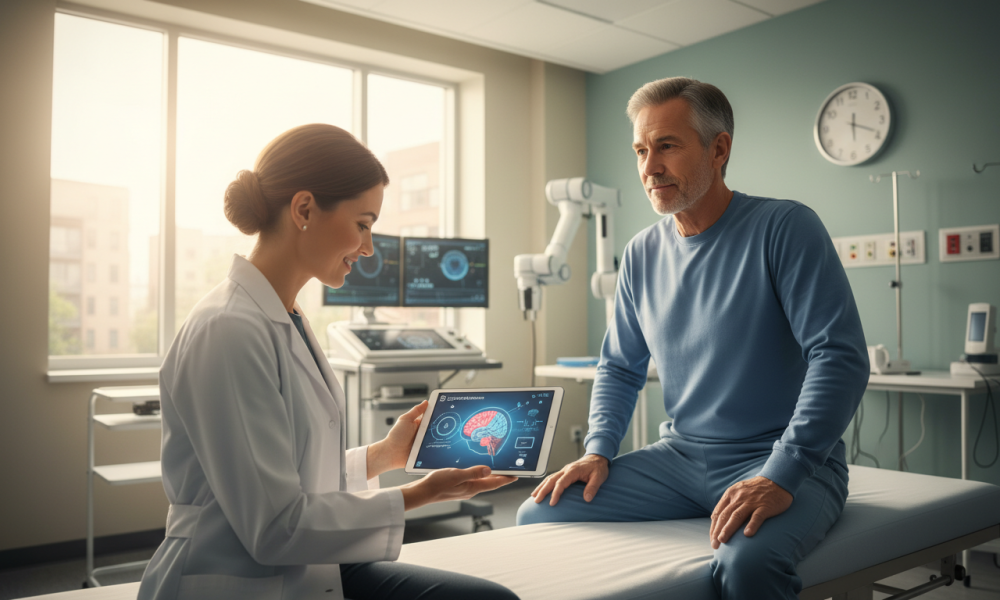
Cost is important, but quality is key in Turkey’s healthcare. Many top hospitals in Turkey have Joint Commission International (JCI) accreditation. This means they meet strict global standards for safety and care.
These hospitals spend a lot on the latest tech for Parkinson’s Disease Treatment. Teams work together closely from start to finish. This meticulous approach ensures care that’s as good as, or better than, in top US clinics.
In the end, Turkey’s clear pricing and top medical care make it a solid choice for advanced neurological treatments. Patients can trust that their health is in the hands of experts who focus on safety and quality of life.
Navigating Logistics for International Patients
Planning your trip for deep brain stimulation requires several steps before you fly. Travelling abroad for surgery might seem scary, but Turkish medical centres have streamlined processes for international patients. They focus on clear communication and preparation to help you focus on recovery.
Visa Requirements and Travel Arrangements
Most US patients find entering Turkey easy. The Turkish government’s e-Visa system makes getting your travel authorisation quick. Make sure your passport is valid for at least six months after your planned departure.
Top hospitals in Turkey offer medical concierge services for travel arrangements. They work with airlines to meet your medical needs during the flight. Here are steps to complete your travel plans:
- Check your e-Visa status early before your surgery.
- Share your flight details with your hospital’s international patient department.
- Book private airport transfers from the hospital for a smooth arrival.
Accommodation and Support Services for Families
Turkish medical centres care about your family’s comfort. They offer specialised accommodation options, from on-site suites to nearby hotels. These places are quiet and supportive during recovery.
“The integration of family support services is a cornerstone of the Turkish healthcare model, ensuring that patients feel connected and cared for throughout their entire surgical journey.”
Hospitals also provide comprehensive support services for families. They offer translators, help with local transport, and advice on nearby amenities. This support lets your family focus on your recovery with complete peace of mind.
Managing Long-Term Follow-up Care
Improving your neurological health doesn’t stop when you leave Turkey. You need a structured approach for ongoing care in the United States. This ensures your DBS system works well with your lifestyle and changing symptoms.
Coordinating Care with Local Neurologists
Turkish medical centres make sure your care continues smoothly. Before you go, they give your local neurologist all the details. This helps your local team understand your DBS therapy.
“True healing is a collaborative process that extends far beyond the operating theatre, requiring seamless integration between global experts and local care providers.”
This teamwork means any changes to your treatment are done carefully. Your local team can keep track of your health easily. This partnership gives you peace of mind, knowing help is always there.
Remote Programming and Telemedicine Options
Technology has changed how we manage our health from anywhere. Many Turkish centres offer remote programming sessions. These sessions let specialists adjust your DBS settings without you needing to travel.
Telemedicine has many benefits for long-term care:
- Reduced travel burden: Adjustments happen from home.
- Rapid response: Specialists can quickly address any issues.
- Data-driven insights: Continuous monitoring helps calibrate your device better.
Using these digital tools keeps your care at a high standard. This proactive approach ensures your DBS system supports your neurological health well.
Potential Risks and Complications
It’s important to talk openly about possible problems with neurostimulation. This treatment has helped many people, but it’s a serious procedure. Patients need to know what to expect before, during, and after treatment.
Understanding Surgical and Hardware-Related Risks
Surgical therapy comes with risks that patients should think about. Possible problems include infection or bleeding in the brain. These are rare but serious and need quick medical help.
There can also be issues with the hardware over time. For example, the leads might move or the battery could fail. This could make the treatment less effective. Also, the battery will need to be replaced eventually.
Mitigation Strategies in High-Volume Centres
Top hospitals in Turkey use strict rules to lower these risks. They use advanced intraoperative imaging to place electrodes accurately. This helps avoid problems with the hardware.
These centres also have teams of experts working together. They follow strict standardised safety guidelines to keep patients safe. They keep a close eye on patients and adjust the treatment as needed. This ensures safety for everyone getting surgical therapy.
| Risk Category | Potential Complication | Mitigation Strategy |
|---|---|---|
| Surgical | Infection or Bleeding | Sterile protocols and imaging |
| Hardware | Lead Migration | Advanced surgical mapping |
| System | Battery Depletion | Scheduled maintenance checks |
| Clinical | Suboptimal Response | Expert neurostimulation tuning |
Ethical Considerations and Patient Rights
When you think about brain surgery in another country, the ethics of your care are as important as the skill of the surgeon. It’s key to feel sure that your rights are looked after and that the medical team is honest and trustworthy.
Informed Consent in International Neurosurgery
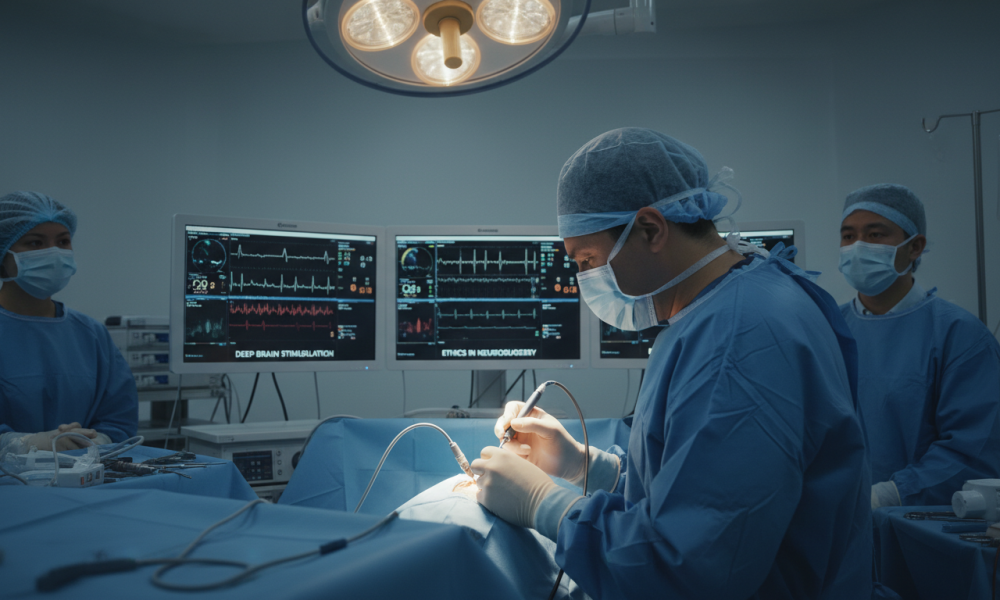
Informed consent is the base of safe and ethical medical care. It makes sure you know all about the risks, benefits, and other options before any surgery.
Good clinics make sure you understand everything clearly, even if there’s a language barrier. Whether you’re looking for a guide to choosing the right clinic or getting ready for surgery, your consent must be free and based on all the facts.
Transparency in Success Rates and Outcomes
It’s important for clinics to be open about their results. Patients should be able to see how well brain surgery works at their chosen place.
“The true measure of a medical institution is found in its commitment to honesty, where clinical outcomes are shared openly to empower patients in their journey toward recovery.”
Top clinics in Turkey follow strict rules by sharing their results. This openness lets you judge the quality of care for yourself, making sure your hopes match what’s possible.
Patient Advocacy and Support Networks
Patient advocacy is very important when you’re getting medical care abroad. Support groups offer the emotional and practical help you need to deal with the challenges of international treatment.
These groups make sure your voice is heard and your rights are respected. By connecting with others and advocacy groups, you get valuable insights that can improve your experience.
| Ethical Pillar | Patient Benefit | Clinical Standard |
|---|---|---|
| Informed Consent | Full clarity on risks | Mandatory documentation |
| Data Transparency | Evidence-based decisions | Publicly audited outcomes |
| Patient Advocacy | Enhanced support systems | Independent oversight |
Choosing a place that values honesty and transparency means your brain surgery will be done with respect for you. These standards give you peace of mind as you focus on getting better and staying healthy.
Conclusion
Choosing the right treatment for complex neurological issues is a big decision. Turkey stands out with its top-notch medical care and lower costs. This makes it a great choice for those needing advanced surgeries.
In cities like Istanbul, you’ll find modern medical facilities that match the best in the US. You can check out specialised resources for medical tourism patients to learn more about your treatment options.
It’s important to talk to experienced neurosurgeons about your health goals. Doing thorough research helps ensure you get the best care for your condition. Making informed decisions is the first step towards a better life.
Turkish hospitals are known worldwide for their high standards. Taking advantage of these opportunities means you can get cutting-edge treatments while saving on costs. Contact dedicated support teams to start planning your recovery today.
FAQ
Q: Why has Turkey emerged as a premier destination for Deep Brain Stimulation (DBS)?
A: Turkey is a top choice for DBS thanks to its high standards and expert doctors. Places like Acıbadem Healthcare Group and Memorial Hospitals Group use the latest technology. This makes Turkey a great option for quality care at a lower cost.
Q: Which movement disorders can be effectively managed with neurostimulation?
A: DBS is key for treating chronic neurological issues. It’s a top treatment for Parkinson’s disease when meds don’t work well. It also helps with essential tremor, dystonia, and some cases of OCD, improving life quality.
Q: What diagnostic criteria are used for candidate selection in Turkish hospitals?
A: Turkish hospitals have a strict selection process for brain surgery. They do a detailed check-up, use MRI, and test the brain and mind. Medical Park ensures patients are ready for the surgery.
Q: How is robotic-assisted neurosurgery integrated into the treatment plan?
A: Turkish centres use robotic surgery for better precision. They use tools like the Medtronic StealthStation for accurate brain mapping. This reduces risks and targets the right area for symptom relief.
Q: What should patients expect regarding the surgical journey and anaesthesia?
A: The surgery has two parts: putting electrodes in the brain and placing the neurostimulator under the skin. The brain mapping might be done while awake. But, modern anaesthesia makes it safe and painless.
Q: How do the costs of Deep Brain Stimulation in Turkey compare to the United States?
A: DBS in Turkey is 50% to 70% cheaper than in the US or UK. Yet, the care quality is high. Turkish hospitals meet international safety standards, proving value for money.
Q: How is the neurostimulator calibrated during the post-operative recovery phase?
A: After the hospital stay, a neurologist fine-tunes the device. They adjust settings for the best symptom control. This personal touch is key for effective treatment.
Q: What long-term follow-up and telemedicine options are available for international patients?
A: Turkish hospitals work with local doctors for ongoing care. They also offer remote consultations. This helps avoid frequent travel for device checks.
Q: What long-term follow-up and telemedicine options are available for international patients?
A: Turkish hospitals work with local doctors for ongoing care. They also offer remote consultations. This helps avoid frequent travel for device checks.
Q: What long-term follow-up and telemedicine options are available for international patients?
A: Turkish hospitals work with local doctors for ongoing care. They also offer remote consultations. This helps avoid frequent travel for device checks.
Q: What long-term follow-up and telemedicine options are available for international patients?
A: Turkish hospitals work with local doctors for ongoing care. They also offer remote consultations. This helps avoid frequent travel for device checks.
Q: What long-term follow-up and telemedicine options are available for international patients?
A: Turkish hospitals work with local doctors for ongoing care. They also offer remote consultations. This helps avoid frequent travel for device checks.
Q: What long-term follow-up and telemedicine options are available for international patients?
A: Turkish hospitals work with local doctors for ongoing care. They also offer remote consultations. This helps avoid frequent travel for device checks.
Q: What long-term follow-up and telemedicine options are available for international patients?
A: Turkish hospitals work with local doctors for ongoing care. They also offer remote consultations. This helps avoid frequent travel for device checks.
Q: What long-term follow-up and telemedicine options are available for international patients?
A: Turkish hospitals work with local doctors for ongoing care. They also offer remote consultations. This helps avoid frequent travel for device checks.
Q: What long-term follow-up and telemedicine options are available for international patients?
A: Turkish hospitals work with local doctors for ongoing care. They also offer remote consultations. This helps avoid frequent travel for device checks.
Q: What long-term follow-up and telemedicine options are available for international patients?
A: Turkish hospitals work with local doctors for ongoing care. They also offer remote consultations. This helps avoid frequent travel for device checks.
Q: What long-term follow-up and telemedicine options are available for international patients?
A: Turkish hospitals work with local doctors for ongoing care. They also offer remote consultations. This helps avoid frequent travel for device checks.
Q: What long-term follow-up and telemedicine options are available for international patients?
A: Turkish hospitals work with local doctors for ongoing care. They also offer remote consultations. This helps avoid frequent travel for device checks.
Q: What long-term follow-up and telemedicine options are available for international patients?
A: Turkish hospitals work with local doctors for ongoing care. They also offer remote consultations. This helps avoid frequent travel for device checks.
Q: What long-term follow-up and telemedicine options are available for international patients?
A: Turkish hospitals work with local doctors for ongoing care. They also offer remote consultations. This helps avoid frequent travel for device checks.
Q: What long-term follow-up and telemedicine options are available for international patients?
A: Turkish hospitals work with local doctors for ongoing care. They also offer remote consultations. This helps avoid frequent travel for device checks.
Q: What long-term follow-up and telemedicine options are available for international patients?
A: Turkish hospitals work with local doctors for ongoing care. They also offer remote consultations. This helps avoid frequent travel for device checks.
Q: What long-term follow-up and telemedicine options are available for international patients?
A: Turkish hospitals work with local doctors for ongoing care. They also offer remote consultations. This helps avoid frequent travel for device checks.
Q: What long-term follow-up and telemedicine options are available for international patients?
A: Turkish hospitals work with local doctors for ongoing care. They also offer remote consultations. This helps avoid frequent travel for device checks.
Q: What long-term follow-up and telemedicine options are available for international patients?
A: Turkish hospitals work with local doctors for ongoing care. They also offer remote consultations. This helps avoid frequent travel for device checks.
Q: What long-term follow-up and telemedicine options are available for international patients?
A: Turkish hospitals work with local doctors for ongoing care. They also offer remote consultations. This helps avoid frequent travel for device checks.
Q: What long-term follow-up and telemedicine options are available for international patients?
A: Turkish hospitals work with local doctors for ongoing care. They also offer remote consultations. This helps avoid frequent travel for device checks.
Q: What long-term follow-up and telemedicine options are available for international patients?
A: Turkish hospitals work with local doctors for ongoing care. They also offer remote consultations. This helps avoid frequent travel for device checks.
Q: What long-term follow-up and telemedicine options are available for international patients?
A: Turkish hospitals work with local doctors for ongoing care. They also offer remote consultations. This helps avoid frequent travel for device checks.
Q: What long-term follow-up and telemedicine options are available for international patients?
A: Turkish hospitals work with local doctors for ongoing care. They also offer remote consultations. This helps avoid frequent travel for device checks.
Q: What long-term follow-up and telemedicine options are available for international patients?
A: Turkish hospitals work with local doctors for ongoing care. They also offer remote consultations. This helps avoid frequent travel for device checks.
Q: What long-term follow-up and telemedicine options are available for international patients?
A: Turkish hospitals work with local doctors for ongoing care. They also offer remote consultations. This helps avoid frequent travel for device checks.
Q: What long-term follow-up and telemedicine options are available for international patients?
A: Turkish hospitals work with local doctors for ongoing care. They also offer remote consultations. This helps avoid frequent travel for device checks.
Q: What long-term follow-up and telemedicine options are available for international patients?
A: Turkish hospitals work with local doctors for ongoing care. They also offer remote consultations. This helps avoid frequent travel for device checks.
Q: What long-term follow-up and telemedicine options are available for international patients?
A: Turkish hospitals work with local doctors for ongoing care. They also offer remote consultations. This helps avoid frequent travel for device checks.
Q: What long-term follow-up and telemedicine options are available for international patients?
A: Turkish hospitals work with local doctors for ongoing care. They also offer remote consultations. This helps avoid frequent travel for device checks.
Q: What long-term follow-up and telemedicine options are available for international patients?
A: Turkish hospitals work with local doctors for ongoing care. They also offer remote consultations. This helps avoid frequent travel for device checks.
Q: What long-term follow-up and telemedicine options are available for international patients?
A: Turkish hospitals work with local doctors for ongoing care. They also offer remote consultations. This helps avoid frequent travel for device checks.
Q: What long-term follow-up and telemedicine options are available for international patients?
A: Turkish hospitals work with local doctors for ongoing care. They also offer remote consultations. This helps avoid frequent travel for device checks.
Q: What long-term follow-up and telemedicine options are available for international patients?
A: Turkish hospitals work with local doctors for ongoing care. They also offer remote consultations. This helps avoid frequent travel for device checks.
Q: What long-term follow-up and telemedicine options are available for international patients?
A: Turkish hospitals work with local doctors for ongoing care. They also offer remote consultations. This helps avoid frequent travel for device checks.
Q: What long-term follow-up and telemedicine options are available for international patients?
A: Turkish hospitals work with local doctors for ongoing care. They also offer remote consultations. This helps avoid frequent travel for device checks.
Q: What long-term follow-up and telemedicine options are available for international patients?
A: Turkish hospitals work with local doctors for ongoing care. They also offer remote consultations. This helps avoid frequent travel for device checks.
Q: What long-term follow-up and telemedicine options are available for international patients?
A: Turkish hospitals work with local doctors for ongoing care. They also offer remote consultations. This helps avoid frequent travel for device checks.
Q: What long-term follow-up and telemedicine options are available for international patients?
A: Turkish hospitals work with local doctors for ongoing care. They also offer remote consultations. This helps avoid frequent travel for device checks.
Q: What long-term follow-up and telemedicine options are available for international patients?
A: Turkish hospitals work with local doctors for ongoing care. They also offer remote consultations. This helps avoid frequent travel for device checks.
Q: What long-term follow-up and telemedicine options are available for international patients?
A: Turkish hospitals work with local doctors for ongoing care. They also offer remote consultations. This helps avoid frequent travel for device checks.
Q: What long-term follow-up and telemedicine options are available for international patients?
A: Turkish hospitals work with local doctors for ongoing care. They also offer remote consultations. This helps avoid frequent travel for device checks.
Q: What long-term follow-up and telemedicine options are available for international patients?
A: Turkish hospitals work with local doctors for ongoing care. They also offer remote consultations. This helps avoid frequent travel for device checks.
Q: What long-term follow-up and telemedicine options are available for international patients?
A: Turkish hospitals work with local doctors for ongoing care. They also offer remote consultations. This helps avoid frequent travel for device checks.
Q: What long-term follow-up and telemedicine options are available for international patients?
A: Turkish hospitals work with local doctors for ongoing care. They also offer remote consultations. This helps avoid frequent travel for device checks.
Q: What long-term follow-up and telemedicine options are available for international patients?
A: Turkish hospitals work with local doctors for ongoing care. They also offer remote consultations. This helps avoid frequent travel for device checks.
Q: What long-term follow-up and telemedicine options are available for international patients?
A: Turkish hospitals work with local doctors for ongoing care. They also offer remote consultations. This helps avoid frequent travel for device checks.
Q: What long-term follow-up and telemedicine options are available for international patients?
A: Turkish hospitals work with local doctors for ongoing care. They also offer remote consultations. This helps avoid frequent travel for device checks.
Q: What long-term follow-up and telemedicine options are available for international patients?
A: Turkish hospitals work with local doctors for ongoing care. They also offer remote consultations. This helps avoid frequent travel for device checks.
Q: What long-term follow-up and telemedicine options are available for international patients?
A: Turkish hospitals work with local doctors for ongoing care. They also offer remote consultations. This helps avoid frequent travel for device checks.
Q: What long-term follow-up and telemedicine options are available for international patients?
A: Turkish hospitals work with local doctors for ongoing care. They also offer remote consultations. This helps avoid frequent travel for device checks.
Q: What long-term follow-up and telemedicine options are available for international patients?
A: Turkish hospitals work with local doctors for ongoing care. They also offer remote consultations. This helps avoid frequent travel for device checks.
Q: What long-term follow-up and telemedicine options are available for international patients?
A: Turkish hospitals work with local doctors for ongoing care. They also offer remote consultations. This helps avoid frequent travel for device checks.
Q: What long-term follow-up and telemedicine options are available for international patients?
A: Turkish hospitals work with local doctors for ongoing care. They also offer remote consultations. This helps avoid frequent travel for device checks.
Q: What long-term follow-up and telemedicine options are available for international patients?
A: Turkish hospitals work with local doctors for ongoing care. They also offer remote consultations. This helps avoid frequent travel for device checks.
Q: What long-term follow-up and telemedicine options are available for international patients?
A: Turkish hospitals work with local doctors for ongoing care. They also offer remote consultations. This helps avoid frequent travel for device checks.
Q: What long-term follow-up and telemedicine options are available for international patients?
A: Turkish hospitals work with local doctors for ongoing care. They also offer remote consultations. This helps avoid frequent travel for device checks.
Q: What long-term follow-up and telemedicine options are available for international patients?
A: Turkish hospitals work with local doctors for ongoing care. They also offer remote consultations. This helps avoid frequent travel for device checks.
Q: What long-term follow-up and telemedicine options are available for international patients?
A: Turkish hospitals work with local doctors for ongoing care. They also offer remote consultations. This helps avoid frequent travel for device checks.
Q: What long-term follow-up and telemedicine options are available for international patients?
A: Turkish hospitals work with local doctors for ongoing care. They also offer remote consultations. This helps avoid frequent travel for device checks.
Q: What long-term follow-up and telemedicine options are available for international patients?
A: Turkish hospitals work with local doctors for ongoing care. They also offer remote consultations. This helps avoid frequent travel for device checks.
Q: What long-term follow-up and telemedicine options are available for international patients?
A: Turkish hospitals work with local doctors for ongoing care. They also offer remote consultations. This helps avoid frequent travel for device checks.
Q: What long-term follow-up and telemedicine options are available for international patients?
A: Turkish hospitals work with local doctors for ongoing care. They also offer remote consultations. This helps avoid frequent travel for device checks.
Q: What long-term follow-up and telemedicine options are available for international patients?
A: Turkish hospitals work with local doctors for ongoing care. They also offer remote consultations. This helps avoid frequent travel for device checks.
Q: What long-term follow-up and telemedicine options are available for international patients?
A: Turkish hospitals work with local doctors for ongoing care. They also offer remote consultations. This helps avoid frequent travel for device checks.
Q: What long-term follow-up and telemedicine options are available for international patients?
A: Turkish hospitals work with local doctors for ongoing care. They also offer remote consultations. This helps avoid frequent travel for device checks.
Q: What long-term follow-up and telemedicine options are available for international patients?
A: Turkish hospitals work with local doctors for ongoing care. They also offer remote consultations. This helps avoid frequent travel for device checks.
Q: What long-term follow-up and telemedicine options are available for international patients?
A: Turkish hospitals work with local doctors for ongoing care. They also offer remote consultations. This helps avoid frequent travel for device checks.
Q: What long-term follow-up and telemedicine options are available for international patients?
A: Turkish hospitals work with local doctors for ongoing care. They also offer remote consultations. This helps avoid frequent travel for device checks.
Q: What long-term follow-up and telemedicine options are available for international patients?
A: Turkish hospitals work with local doctors for ongoing care. They also offer remote consultations. This helps avoid frequent travel for device checks.
Q: What long-term follow-up and telemedicine options are available for international patients?
A: Turkish hospitals work with local doctors for ongoing care. They also offer remote consultations. This helps avoid frequent travel for device checks.
Q: What long-term follow-up and telemedicine options are available for international patients?
A: Turkish hospitals work with local doctors for ongoing care. They also offer remote consultations. This helps avoid frequent travel for device checks.
Q: What long-term follow-up and telemedicine options are available for international patients?
A: Turkish hospitals work with local doctors for ongoing care. They also offer remote consultations. This helps avoid frequent travel for device checks.
Q: What long-term follow-up and telemedicine options are available for international patients?
A: Turkish hospitals work with local doctors for ongoing care. They also offer remote consultations. This helps avoid frequent travel for device checks.
Q: What long-term follow-up and telemedicine options are available for international patients?
A: Turkish hospitals work with local doctors for ongoing care. They also offer remote consultations. This helps avoid frequent travel for device checks.
Q: What long-term follow-up and telemedicine options are available for international patients?
A: Turkish hospitals work with local doctors for ongoing care. They also offer remote consultations. This helps avoid frequent travel for device checks.
Q: What long-term follow-up and telemedicine options are available for international patients?
A: Turkish hospitals work with local doctors for ongoing care. They also offer remote consultations. This helps avoid frequent travel for device checks.
Q: What long-term follow-up and telemedicine options are available for international patients?
A: Turkish hospitals work with local doctors for ongoing care. They also offer remote consultations. This helps avoid frequent travel for device checks.
Q: What long-term follow-up and telemedicine options are available for international patients?
A: Turkish hospitals work with local doctors for ongoing care. They also offer remote consultations. This helps avoid frequent travel for device checks.
Q: What long-term follow-up and telemedicine options are available for international patients?
A: Turkish hospitals work with local doctors for ongoing care. They also offer remote consultations. This helps avoid frequent travel for device checks.
Q: What long-term follow-up and telemedicine options are available for international patients?
A: Turkish hospitals work with local doctors for ongoing care. They also offer remote consultations. This helps avoid frequent travel for device checks.
Q: What long-term follow-up and telemedicine options are available for international patients?
A: Turkish hospitals work with local doctors for ongoing care. They also offer remote consultations. This helps avoid frequent travel for device checks.
Q: What long-term follow-up and telemedicine options are available for international patients?
A: Turkish hospitals work with local doctors for ongoing care. They also offer remote consultations. This helps avoid frequent travel for device checks.
Q: What long-term follow-up and telemedicine options are available for international patients?
A: Turkish hospitals work with local doctors for ongoing care. They also offer remote consultations. This helps avoid frequent travel for device checks.
Q: What long-term follow-up and telemedicine options are available for international patients?
A: Turkish hospitals work with local doctors for ongoing care. They also offer remote consultations. This helps avoid frequent travel for device checks.
Q: What long-term follow-up and telemedicine options are available for international patients?
A: Turkish hospitals work with local doctors for ongoing care. They also offer remote consultations. This helps avoid frequent travel for device checks.
Q: What long-term follow-up and telemedicine options are available for international patients?
A: Turkish hospitals work with local doctors for ongoing care. They also offer remote consultations. This helps avoid frequent travel for device checks.
Q: What long-term follow-up and telemedicine options are available for international patients?
A: Turkish hospitals work with local doctors for ongoing care. They also offer remote consultations. This helps avoid frequent travel for device checks.
Q: What long-term follow-up and telemedicine options are available for international patients?
A: Turkish hospitals work with local doctors for ongoing care. They also offer remote consultations. This helps avoid frequent travel for device checks.
Q: What long-term follow-up and telemedicine options are available for international patients?
A: Turkish hospitals work with local doctors for ongoing care. They also offer remote consultations. This helps avoid frequent travel for device checks.
Q: What long-term follow-up and telemedicine options are available for international patients?
A: Turkish hospitals work with local doctors for ongoing care. They also offer remote consultations. This helps avoid frequent travel for device checks.
Q: What long-term follow-up and telemedicine options are available for international patients?
A: Turkish hospitals work with local doctors for ongoing care. They also offer remote consultations. This helps avoid frequent travel for device checks.
Q: What long-term follow-up and telemedicine options are available for international patients?
A: Turkish hospitals work with local doctors for ongoing care. They also offer remote consultations. This helps avoid frequent travel for device checks.
Q: What long-term follow-up and telemedicine options are available for international patients?
A: Turkish hospitals work with local doctors for ongoing care. They also offer remote consultations. This helps avoid frequent travel for device checks.
Q: What long-term follow-up and telemedicine options are available for international patients?
A: Turkish hospitals work with local doctors for ongoing care. They also offer remote consultations. This helps avoid frequent travel for device checks.
Q: What long-term follow-up and telemedicine options are available for international patients?
A: Turkish hospitals work with local doctors for ongoing care. They also offer remote consultations. This helps avoid frequent travel for device checks.
Q: What long-term follow-up and telemedicine options are available for international patients?
A: Turkish hospitals work with local doctors for ongoing care. They also offer remote consultations. This helps avoid frequent travel for device checks.
Q: What long-term follow-up and telemedicine options are available for international patients?
A: Turkish hospitals work with local doctors for ongoing care. They also offer remote consultations. This helps avoid frequent travel for device checks.
Q: What long-term follow-up and telemedicine options are available for international patients?
A: Turkish hospitals work with local doctors for ongoing care. They also offer remote consultations. This helps avoid frequent travel for device checks.
Q: What long-term follow-up and telemedicine options are available for international patients?
A: Turkish hospitals work with local doctors for ongoing care. They also offer remote consultations. This helps avoid frequent travel for device checks.
Q: What long-term follow-up and telemedicine options are available for international patients?
A: Turkish hospitals work with local doctors for ongoing care. They also offer remote consultations. This helps avoid frequent travel for device checks.
Q: What long-term follow-up and telemedicine options are available for international patients?
A: Turkish hospitals work with local doctors for ongoing care. They also offer remote consultations. This helps avoid frequent travel for device checks.
Q: What long-term follow-up and telemedicine options are available for international patients?
A: Turkish hospitals work with local doctors for ongoing care. They also offer remote consultations. This helps avoid frequent travel for device checks.
Q: What long-term follow-up and telemedicine options are available for international patients?
A: Turkish hospitals work with local doctors for ongoing care. They also offer remote consultations. This helps avoid frequent travel for device checks.
Q: What long-term follow-up and telemedicine options are available for international patients?
A: Turkish hospitals work with local doctors for ongoing care. They also offer remote consultations. This helps avoid frequent travel for device checks.
Q: What long-term follow-up and telemedicine options are available for international patients?
A: Turkish hospitals work with local doctors for ongoing care. They also offer remote consultations. This helps avoid frequent travel for device checks.
Q: What long-term follow-up and telemedicine options are available for international patients?
A: Turkish hospitals work with local doctors for ongoing care. They also offer remote consultations. This helps avoid frequent travel for device checks.
Q: What long-term follow-up and telemedicine options are available for international patients?
A: Turkish hospitals work with local doctors for ongoing care. They also offer remote consultations. This helps avoid frequent travel for device checks.
Q: What long-term follow-up and telemedicine options are available for international patients?
A: Turkish hospitals work with local doctors for ongoing care. They also offer remote consultations. This helps avoid frequent travel for device checks.
Q: What long-term follow-up and telemedicine options are available for international patients?
A: Turkish hospitals work with local doctors for ongoing care. They also offer remote consultations. This helps avoid frequent travel for device checks.
Q: What long-term follow-up and telemedicine options are available for international patients?
A: Turkish hospitals work with local doctors for ongoing care. They also offer remote consultations. This helps avoid frequent travel for device checks.
Q: What long-term follow-up and telemedicine options are available for international patients?
A: Turkish hospitals work with local doctors for ongoing care. They also offer remote consultations. This helps avoid frequent travel for device checks.
Q: What long-term follow-up and telemedicine options are available for international patients?
A: Turkish hospitals work with local doctors for ongoing care. They also offer remote consultations. This helps avoid frequent travel for device checks.
Q: What long-term follow-up and telemedicine options are available for international patients?
A: Turkish hospitals work with local doctors for ongoing care. They also offer remote consultations. This helps avoid frequent travel for device checks.
Q: What long-term follow-up and telemedicine options are available for international patients?
A: Turkish hospitals work with local doctors for ongoing care. They also offer remote consultations. This helps avoid frequent travel for device checks.
Q: What long-term follow-up and telemedicine options are available for international patients?
A: Turkish hospitals work with local doctors for ongoing care. They also offer remote consultations. This helps avoid frequent travel for device checks.
Q: What long-term follow-up and telemedicine options are available for international patients?
A: Turkish hospitals work with local doctors for ongoing care. They also offer remote consultations. This helps avoid frequent travel for device checks.
Q: What long-term follow-up and telemedicine options are available for international patients?
A: Turkish hospitals work with local doctors for ongoing care. They also offer remote consultations. This helps avoid frequent travel for device checks.
Q: What long-term follow-up and telemedicine options are available for international patients?
A: Turkish hospitals work with local doctors for ongoing care. They also offer remote consultations. This helps avoid frequent travel for device checks.
Q: What long-term follow-up and telemedicine options are available for international patients?
A: Turkish hospitals work with local doctors for ongoing care. They also offer remote consultations. This helps avoid frequent travel for device checks.
Q: What long-term follow-up and telemedicine options are available for international patients?
A: Turkish hospitals work with local doctors for ongoing care. They also offer remote consultations. This helps avoid frequent travel for device checks.
Q: What long-term follow-up and telemedicine options are available for international patients?
A: Turkish hospitals work with local doctors for ongoing care. They also offer remote consultations. This helps avoid frequent travel for device checks.
Q: What long-term follow-up and telemedicine options are available for international patients?
A: Turkish hospitals work with local doctors for ongoing care. They also offer remote consultations. This helps avoid frequent travel for device checks.
Q: What long-term follow-up and telemedicine options are available for international patients?
A: Turkish hospitals work with local doctors for ongoing care. They also offer remote consultations. This helps avoid frequent travel for device checks.
Q: What long-term follow-up and telemedicine options are available for international patients?
A: Turkish hospitals work with local doctors for ongoing care. They also offer remote consultations. This helps avoid frequent travel for device checks.
Q: What long-term follow-up and telemedicine options are available for international patients?
A: Turkish hospitals work with local doctors for ongoing care. They also offer remote consultations. This helps avoid frequent travel for device checks.
Q: What long-term follow-up and telemedicine options are available for international patients?
A: Turkish hospitals work with local doctors for ongoing care. They also offer remote consultations. This helps avoid frequent travel for device checks.
Q: What long-term follow-up and telemedicine options are available for international patients?
A: Turkish hospitals work with local doctors for ongoing care. They also offer remote consultations. This helps avoid frequent travel for device checks.
Q: What long-term follow-up and telemedicine options are available for international patients?
A: Turkish hospitals work with local doctors for ongoing care. They also offer remote consultations. This helps avoid frequent travel for device checks.
Q: What long-term follow-up and telemedicine options are available for international patients?
A: Turkish hospitals work with local doctors for ongoing care. They also offer remote consultations. This helps avoid frequent travel for device checks.
Q: What long-term follow-up and telemedicine options are available for international patients?
A: Turkish hospitals work with local doctors for ongoing care. They also offer remote consultations. This helps avoid frequent travel for device checks.
Q: What long-term follow-up and telemedicine options are available for international patients?
A: Turkish hospitals work with local doctors for ongoing care. They also offer remote consultations. This helps avoid frequent travel for device checks.
Q: What long-term follow-up and telemedicine options are available for international patients?
A: Turkish hospitals work with local doctors for ongoing care. They also offer remote consultations. This helps avoid frequent travel for device checks.
Q: What long-term follow-up and telemedicine options are available for international patients?
A: Turkish hospitals work with local doctors for ongoing care. They also offer remote consultations. This helps avoid frequent travel for device checks.
Q: What long-term follow-up and telemedicine options are available for international patients?
A: Turkish hospitals work with local doctors for ongoing care. They also offer remote consultations. This helps avoid frequent travel for device checks.
Q: What long-term follow-up and telemedicine options are available for international patients?
A: Turkish hospitals work with local doctors for ongoing care. They also offer remote consultations. This helps avoid frequent travel for device checks.
Q: What long-term follow-up and telemedicine options are available for international patients?
A: Turkish hospitals work with local doctors for ongoing care. They also offer remote consultations. This helps avoid frequent travel for device checks.
Q: What long-term follow-up and telemedicine options are available for international patients?
A: Turkish hospitals work with local doctors for ongoing care. They also offer remote consultations. This helps avoid frequent travel for device checks.
Q: What long-term follow-up and telemedicine options are available for international patients?
A: Turkish hospitals work with local doctors for ongoing care. They also offer remote consultations. This helps avoid frequent travel for device checks.
Q: What long-term follow-up and telemedicine options are available for international patients?
A: Turkish hospitals work with local doctors for ongoing care. They also offer remote consultations. This helps avoid frequent travel for device checks.
Q: What long-term follow-up and telemedicine options are available for international patients?
A: Turkish hospitals work with local doctors for ongoing care. They also offer remote consultations. This helps avoid frequent travel for device checks.
Q: What long-term follow-up and telemedicine options are available for international patients?
A: Turkish hospitals work with local doctors for ongoing care. They also offer remote consultations. This helps avoid frequent travel for device checks.
Q: What long-term follow-up and telemedicine options are available for international patients?
A: Turkish hospitals work with local doctors for ongoing care. They also offer remote consultations. This helps avoid frequent travel for device checks.
Q: What long-term follow-up and telemedicine options are available for international patients?
A: Turkish hospitals work with local doctors for ongoing care. They also offer remote consultations. This helps avoid frequent travel for device checks.
Q: What long-term follow-up and telemedicine options are available for international patients?
A: Turkish hospitals work with local doctors for ongoing care. They also offer remote consultations. This helps avoid frequent travel for device checks.
Q: What long-term follow-up and telemedicine options are available for international patients?
A: Turkish hospitals work with local doctors for ongoing care. They also offer remote consultations. This helps avoid frequent travel for device checks.
Q: What long-term follow-up and telemedicine options are available for international patients?
A: Turkish hospitals work with local doctors for ongoing care. They also offer remote consultations. This helps avoid frequent travel for device checks.
Q: What long-term follow-up and telemedicine options are available for international patients?
A: Turkish hospitals work with local doctors for ongoing care. They also offer remote consultations. This helps avoid frequent travel for device checks.
Q: What long-term follow-up and telemedicine options are available for international patients?
A: Turkish hospitals work with local doctors for ongoing care. They also offer remote consultations. This helps avoid frequent travel for device checks.
Q: What long-term follow-up and telemedicine options are available for international patients?
A: Turkish hospitals work with local doctors for ongoing care. They also offer remote consultations. This helps avoid frequent travel for device checks.
Q: What long-term follow-up and telemedicine options are available for international patients?
A: Turkish hospitals work with local doctors for ongoing care. They also offer remote consultations. This helps avoid frequent travel for device checks.
Q: What long-term follow-up and telemedicine options are available for international patients?
A: Turkish hospitals work with local doctors for ongoing care. They also offer remote consultations. This helps avoid frequent travel for device checks.
Related guides

Healthcare Content Compliance Guide for Growth
A high-performing treatment page can generate international patient inquiries within hours. It can also create material risk if…
Turkey Hospitals vs Local Hospitals Compared
A lower procedure quote can get a patient’s attention. It should not make the decision on its own.…

Patient Experience That Drives Trust and Growth
A patient who has already uploaded medical records, compared providers, and arranged time away from work is not…