
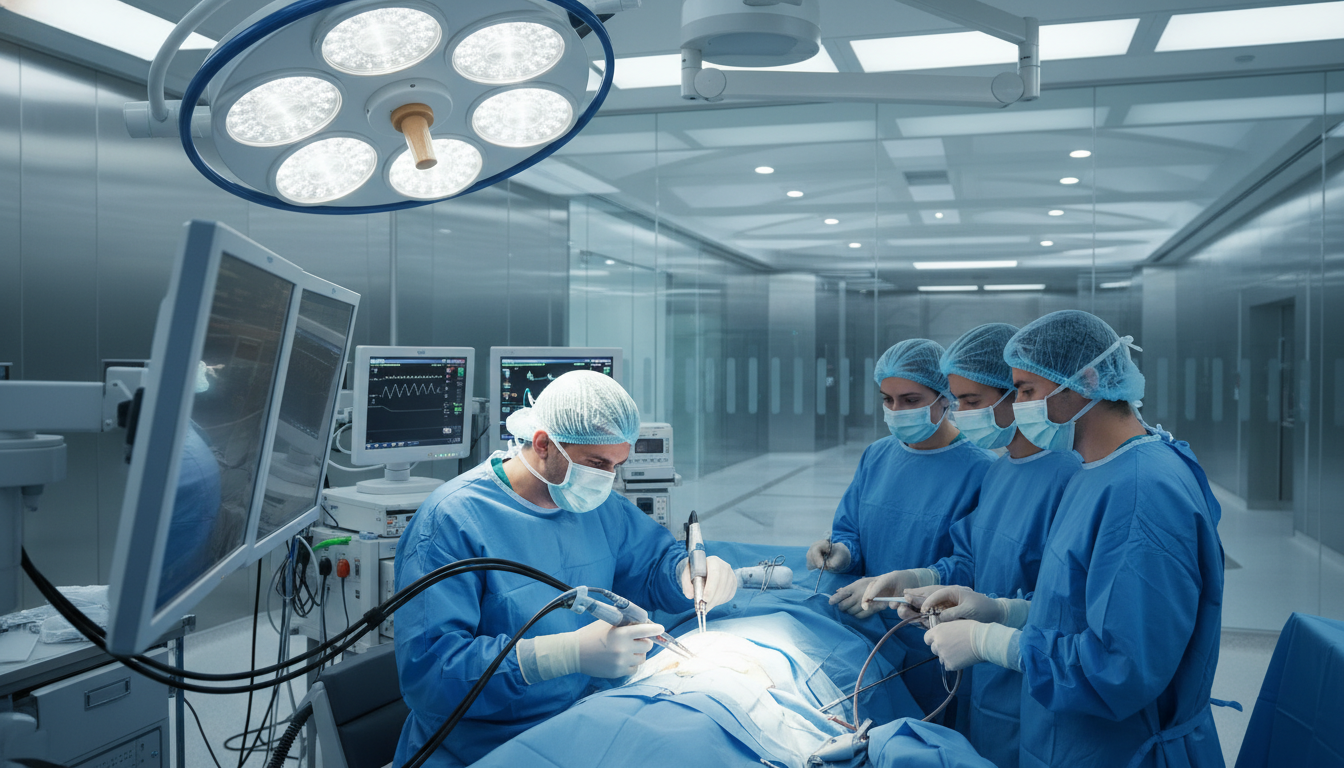
Turkey is now a top choice for people needing complex surgeries. It’s known for its top-notch medical care and dedication to excellence.
For those with oesophageal conditions, the best care is essential. In Turkey, an esophagectomy is done by skilled surgeons using the latest technology. These hospitals focus on keeping patients safe and comfortable during recovery.
Turkey is known for its quality and affordability. Getting an esophagectomy there means you get top care that meets global standards. This guide shows why many people choose Turkish doctors for their health.
Key Takeaways
- Turkey provides world-class surgical care for complex oesophageal conditions.
- Hospitals in the region utilise advanced medical technology to ensure patient safety.
- International patients benefit from highly skilled surgeons who specialise in modern techniques.
- The healthcare system in Turkey maintains rigorous professional standards for all procedures.
- Choosing this destination offers a balance of clinical excellence and cost-effective treatment options.
The Rise of Medical Tourism for Complex Thoracic Surgery
Medical tourism has grown into a big global industry, focusing on complex surgeries like thoracic surgery. More patients are looking abroad for top-notch care that’s affordable. They want places known for their advanced technology and success rates.
Turkey is now a top choice for complex surgeries. It has seen a lot of investment in healthcare, leading to modern hospitals. These hospitals are as good as those in the US and Europe.
Several factors make Turkey appealing to international patients:
- Cost-efficiency: Patients get top surgery at lower costs than in Western countries.
- Medical Expertise: Turkish surgeons are well-trained, often joining global fellowships.
- Modern Infrastructure: Hospitals have the latest tech for optimal patient outcomes.
International patients trust Turkey’s healthcare for good reasons. It’s because of a strong focus on international standards and patient care. Turkey leads in thoracic surgery, giving patients a safe and advanced place for treatment.
Understanding Esophagectomy and Its Clinical Indications
An esophagectomy is often the last resort for severe medical conditions. This surgery removes part or all of the oesophagus. It’s a complex procedure that needs skilled surgeons and careful patient choice.
Primary Conditions Requiring Surgical Intervention
The main reason for an esophagectomy is oesophageal cancer. It’s also used for high-grade dysplasia in Barrett’s oesophagus, a cancer risk factor.
Severe, non-cancerous conditions like debilitating strictures or chronic motility disorders may also need surgery. The goal is to fix swallowing problems and ensure proper nutrition.
Diagnostic Criteria and Pre-Surgical Assessment
Before an esophagectomy, a detailed diagnostic process is essential. This prepares the patient for the surgery. High-resolution imaging like CT and PET scans help pinpoint the disease’s location and stage.
Endoscopic ultrasound and biopsies are key for confirming the diagnosis. Clinicians also check the patient’s overall health. They assess the heart and lungs to see if they can handle the surgery’s stress.
A team of experts decides if an esophagectomy is right. They consider the benefits and risks to find the best outcome for the patient. This careful planning is a sign of top-notch surgical care.
Why Turkey is a Leading Destination for Esophageal Cancer Treatment
More and more patients are choosing Turkey for esophageal cancer treatment. The country has made big investments in healthcare. This means patients get care as good as in the US or Western Europe.
Investment in Modern Medical Infrastructure
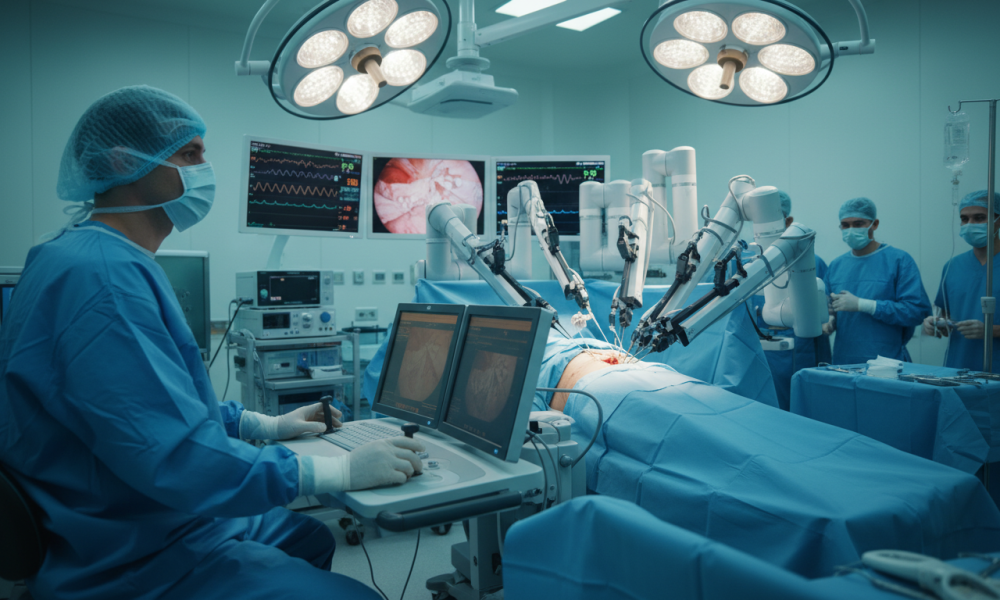
Turkey has built top-notch hospitals with the latest technology. These hospitals have advanced imaging and robotic tools for complex surgeries. This allows surgeons to work with unparalleled precision and safety.
For those looking for options, specialised medical tourism agencies point out Turkey’s tech as a key reason. They focus on combining innovation with caring. This setup helps patients smoothly from diagnosis to recovery.
Accreditation and International Standards in Turkish Hospitals
Safety is key in Turkey’s medical care. Many top hospitals have Joint Commission International (JCI) accreditation. This shows they meet global quality and safety standards.
The table below shows what makes Turkish medical centres stand out:
| Quality Indicator | Standard Practice | Turkish Excellence |
|---|---|---|
| Accreditation | Local Licensing | JCI International Standards |
| Technology | Standard Surgical Tools | Robotic-Assisted Systems |
| Patient Support | Basic Care | Multidisciplinary Concierge |
| Clinical Oversight | Individual Review | Multidisciplinary Tumour Boards |
Turkey keeps attracting patients with its high standards for esophageal cancer treatment. The mix of modern tech and strict rules means patients get top care during their recovery.
Advanced Surgical Techniques for Esophagectomy
Choosing the right surgery is key for treating esophageal cancer. Surgeons look at the patient’s body and the tumour’s location. This careful planning helps get the best results.
Transhiatal Versus Transthoracic Approaches
The choice between transhiatal and transthoracic methods is important in thoracic surgery. Each has its own benefits based on the cancer’s stage and location.
- Transhiatal Esophagectomy: This method skips a big chest cut, which can lower lung problems. It’s often used for cancers in the lower oesophagus.
- Transthoracic Esophagectomy: This method lets the surgeon see more of the chest. It’s chosen for complex cases needing more access.
Skilled surgeons pick the best method for each patient. This choice helps improve the patient’s life quality in the long run.
Lymph Node Dissection and Oncological Precision
The main goal of esophagectomy is oncological precision. Removing all cancerous lymph nodes is critical.
This task needs great skill and knowledge of the body’s anatomy. Surgeons must carefully remove lymph nodes without harming important nerves and blood vessels. Doing this well can lead to better survival chances and less chance of cancer coming back.
Turkish medical centres focus on these advanced techniques in thoracic surgery. Their dedication to detail ensures each esophagectomy is done with the utmost care and precision.
Minimally Invasive Esophagectomy and Robotic-Assisted Approaches
Modern surgery is changing fast. Now, doctors use new methods that cause less harm. This is a big step forward in treating cancer of the chest.
These new ways help doctors tackle tough cases better. Patients often feel better and recover faster. This is why more people are doing well after surgery.
Benefits of Laparoscopic and Thoracoscopic Methods
Laparoscopic and thoracoscopic surgery use small cuts. This minimally invasive esophagectomy cuts down on infection and blood loss. Patients usually feel less pain and get back to normal quicker.
Here’s a table showing the main differences between old and new surgery methods:
| Feature | Traditional Surgery | Minimally Invasive |
|---|---|---|
| Incision Size | Large | Small |
| Recovery Time | Extended | Rapid |
| Post-Op Pain | High | Low |
“The precision afforded by modern surgical technology is not merely a convenience; it is a fundamental requirement for improving long-term patient survival and quality of life.”
The Role of Da Vinci Robotic Systems in Precision Surgery
The Da Vinci robotic system has made surgery better. It gives a clear 3D view of the area being operated on. Surgeons can do things more precisely than with their hands.
Robotic help means surgeons can do very detailed work. This is key when working around the oesophagus. It helps remove the bad parts while keeping the good parts safe.
It’s important to choose a place that uses these advanced tools for surgery. The mix of skilled surgeons and modern technology leads to the best results.
Preparing for Your Esophagus Resection in Turkey
A successful esophagus resection starts long before you arrive at the hospital in Turkey. It’s important to organise your medical records and travel plans well in advance. This ensures your surgical team has all they need to care for you.
Pre-operative Screening and Medical Clearance
Before you travel, your medical team will need a detailed look at your health. This often starts with remote consultations to review your scans and biopsy results. You must share your full medical history to check if you’re ready for the surgery.
Getting formal medical clearance is a must. This includes blood tests, heart checks, and lung function tests. These steps confirm your body can handle the surgery. After your records are checked, the hospital will send you a formal invitation. This is needed for visa and travel documents.
Logistical Planning for International Patients
Planning your trip is more than just booking a flight. Top Turkish hospitals offer concierge services to help with your stay and travel. It’s wise to arrive a few days early for final checks and to get used to the local area.
Here’s a checklist to help you plan your trip well:
| Category | Action Item | Timeline |
|---|---|---|
| Medical | Submit all diagnostic reports | 4 weeks prior |
| Logistics | Confirm flight and hotel | 3 weeks prior |
| Preparation | Final esophagus resection consult | 2 days prior |
| Recovery | Arrange post-discharge stay | 1 week prior |
By planning ahead, you can focus on your recovery. Clear communication with your patient coordinator will help solve any last-minute issues. This is key for a smooth experience as an international patient.
The Role of Multidisciplinary Teams in Surgical Oncology
In advanced medical care, teams working together are key to success. Surgical oncology needs careful planning to tackle complex thoracic diseases. By combining experts from different fields, hospitals offer a better chance for recovery.
Collaboration Between Surgeons, Oncologists, and Radiologists
Surgeons, medical oncologists, and radiologists work closely together. They meet often to discuss test results, making sure every decision is well thought out. This teamwork helps decide the best time for surgery and other treatments.
Radiologists help by creating detailed maps of tumours. These maps guide surgeons during operations. Oncologists figure out how to use chemotherapy or radiation to reduce tumour size before surgery. This team effort means no detail is missed in a patient’s care.
Personalised Treatment Planning for Complex Cases
Every patient is different, needing a treatment plan that fits them. When treating esophageal cancer, the team looks at the disease’s stage and the patient’s health. This personalised approach is vital for the best results.
The team creates a plan that considers the tumour and the patient’s life quality. This ensures the treatment is strong enough to work but also safe for the patient. Patients get a treatment plan that uses the latest medical knowledge.
Navigating the Healthcare Infrastructure in Turkish Hospitals
Traveling abroad for an esophagectomy means you need to know about the local healthcare. Turkey has invested a lot in its medical sector. It has a strong network of facilities that match the best in the US and Europe.
This focus on quality ensures that international patients get world-class care. They receive it in a professional and well-regulated setting.
Top-Tier Medical Centres in Istanbul and Ankara
Istanbul and Ankara are the heart of Turkey’s healthcare. These cities have many hospitals with Joint Commission International (JCI) accreditation. This means they follow the highest safety standards.
Patients can look forward to modern operating theatres and advanced imaging suites.
The table below shows what these leading medical hubs offer:
| Feature | Istanbul Centres | Ankara Centres |
|---|---|---|
| Specialisation | Oncological Surgery | Thoracic Excellence |
| Technology | Robotic Systems | Advanced Imaging |
| Accreditation | JCI Certified | JCI Certified |
Communication and Language Support for Foreign Patients
Many medical tourists worry about language barriers. But, top Turkish hospitals have great patient support services. They offer professional translation services during your stay.
“The integration of multilingual staff and concierge support is not just a convenience; it is a fundamental component of patient safety and clinical success.”
These departments help with more than just translation. They handle airport transfers and accommodation. This seamless coordination lets patients focus on recovery, not navigating a foreign city.
Clear communication is a top priority. It starts from your first consultation and continues until your last follow-up.
Managing Esophagectomy Complications
Modern surgery has made big strides in patient care. Yet, dealing with esophagectomy complications is key in recovery. Top medical centres in Turkey focus on early monitoring to help patients heal well. They keep a close eye on patients to catch and fix problems early.
Early Detection of Anastomotic Leaks
An anastomotic leak is a big risk after an esophagectomy. Doctors and nurses watch for signs like fever, fast heart rate, or changes in fluid. Finding these signs early helps start the right treatment fast.
Quick action is key to managing leaks. Treatment can range from watching closely to surgery. The goal is to stop infection. This careful approach is similar to other complex surgeries, like rectal resection.
Respiratory Management and Pulmonary Care
After thoracic surgery, breathing problems are common. So, managing breathing is a top priority. Teams start physiotherapy right away to help lungs expand and clear mucus. This helps lower the risk of pneumonia.
Patients are encouraged to do breathing exercises and move around early. This helps improve oxygen levels. By focusing on these esophagectomy complications, hospitals make recovery safe and quick. Here’s a table showing how they manage these risks.
| Complication Type | Primary Management Strategy | Clinical Goal |
|---|---|---|
| Anastomotic Leak | Contrast imaging and drainage | Prevent systemic sepsis |
| Pulmonary Infection | Chest physiotherapy | Improve lung function |
| Cardiac Arrhythmia | Continuous ECG monitoring | Maintain haemodynamic stability |
| Thromboembolism | Anticoagulant therapy | Ensure vascular health |
Post-Esophagectomy Care and Long-Term Recovery Protocols
The journey to full recovery starts right after surgery. A successful esophagectomy recovery needs a careful medical plan. This plan focuses on keeping patients safe and stable.
In Turkey, doctors follow proven protocols. They make sure each patient gets the right care in the first few days.
Immediate Post-Operative Monitoring in Intensive Care
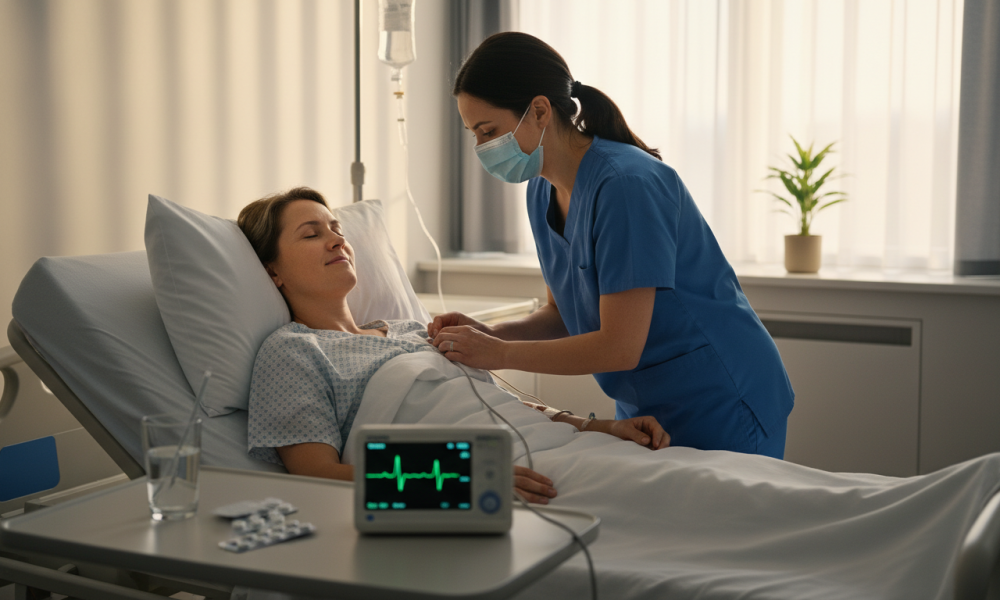
Patients go to the ICU after surgery for continuous observation. This is a key part of post-esophagectomy care. It helps watch vital signs, fluid levels, and breathing.
Doctors and anaesthesiologists work together to manage pain. This is important to avoid putting stress on the surgery site.
Nurses check patients often for any early signs of problems. Early detection of issues like leaks or heart problems means quick action. This helps patients do better after an esophagectomy.
Transitioning to Ward Care and Early Mobilisation
When patients are stable, they move to a surgical ward. This is where they start to get stronger and more independent. Early mobilisation is key here. It helps avoid lung problems and speeds up bowel function.
Physiotherapists help patients with gentle exercises and breathing. This helps them move safely and well. By doing these activities, patients help their own healing. This leads to better results and a smoother return to daily life.
Nutritional Rehabilitation Following Oesophageal Surgery
After esophagus surgery, your body needs a special diet to heal well. The surgery changes how you digest food, making the first few weeks very important. Prioritising your nutritional intake helps your body repair and get stronger.
Enteral and Parenteral Feeding Strategies
Right after surgery, you can’t eat normally to let the area heal. Doctors often use enteral feeding to give you nutrients through a tube in your small intestine. This keeps your gut working and boosts your immune system.
If your gut needs a break, parenteral nutrition might be needed. This method gives nutrients directly into your blood through an IV. It ensures you get the right amount of nutrients without using your digestive system.
Long-Term Dietary Adjustments for Improved Quality of Life
As you get better, it’s key to start eating in a way that’s good for you long-term. Making small changes to your diet can make a big difference in how you feel. Eating foods that are easy to digest helps avoid problems like dumping syndrome or reflux.
Here are some tips for a better diet:
- Eat smaller, more frequent meals to not overload your stomach.
- Chew food thoroughly to break it down before it hits your stomach or intestines.
- Maintain an upright position for at least thirty minutes after eating to help with digestion and avoid discomfort.
- Stay hydrated by drinking fluids between meals, not during them, to manage your stomach better.
Talking to a dietitian is highly recommended to make these changes work for you. With the right care and nutrition, you can overcome the challenges of recovery and live a better life.
Comparing Costs and Quality of Care for International Patients
Many patients thinking about surgery abroad wonder how Turkey keeps costs low without losing quality. It’s important to know that cheaper prices don’t mean lower quality. Instead, they show Turkey’s lower costs and good economic situation.
Cost-Effectiveness Without Compromising Clinical Standards
The cost of an esophagectomy in Turkey is mainly because of lower labour costs and government support. Yet, Turkish hospitals stick to high international standards. They even have accreditations from global bodies. You can learn more about medical tourism benefits and advantages to see how they focus on patient safety and results.
Top facilities in Turkey use advanced technology, like robotic systems, for precision and safety. By picking a well-known centre, you get to work with top surgeons. They use the same quality equipment as in top hospitals in the US or Europe. Here’s how Turkey stays competitive while keeping high standards.
| Service Category | Turkish Medical Standards | Cost Efficiency |
|---|---|---|
| Surgical Expertise | Board-certified specialists | Highly competitive |
| Hospital Infrastructure | JCI-accredited facilities | Optimised overheads |
| Patient Support | Comprehensive concierge | Inclusive pricing |
Insurance Coverage and Payment Options for Medical Tourists
Planning your finances for international patients needs careful thought and talking to your clinic. Some private health insurance might cover procedures abroad, but check your policy first. Turkish hospitals often have clear, all-inclusive packages to help with budgeting.
If your insurance doesn’t cover it, you’ll find many payment options. Clinics usually accept bank transfers, credit cards, and sometimes payment plans. Make sure you get a clear cost breakdown, including after-care and follow-up visits, to avoid surprises during your recovery.
Legal and Ethical Standards in Turkish Surgical Practice
The integrity of surgical oncology in Turkey is high. Strict ethical standards and patient rights are key. Medical institutions follow a strong system to ensure patient safety and transparency.
This system makes sure international patients get top-notch care. It meets or goes beyond global standards.
Patient Rights and Informed Consent Procedures
Every patient has the right to know about their treatment. Surgeons explain the risks, benefits, and possible outcomes before surgery. This informed consent process helps patients make informed health decisions.
Turkish hospitals are open and transparent. Patients can ask questions and get clear answers. The Turkish healthcare system protects several important patient rights:
- The right to clear information about diagnosis and treatment options.
- The right to privacy and protection of personal medical records.
- The right to refuse treatment or ask for a second opinion.
- The right to be treated with dignity and respect by medical staff.
Regulatory Oversight by the Turkish Ministry of Health
The Turkish Ministry of Health is key in keeping medical facilities top-notch. It sets high accreditation standards. This ensures all surgical oncology centres follow strict safety rules.
These rules cover everything from equipment to staff qualifications. Regular checks are done to make sure hospitals follow health guidelines. This proactive approach creates a safe place for patients.
So, Turkey is a trusted place for complex medical treatments. It’s thanks to professional accountability and government oversight.
Patient Support Services and Medical Concierge Assistance
Having major esophagus surgery abroad can be daunting. But, Turkish hospitals offer support to make it easier. They focus on more than just medical care. They aim for a smooth patient experience.
With concierge help, they manage all the details for you. This ensures a worry-free stay.
Accommodation and Travel Coordination
Planning travel for big medical procedures can be stressful. Turkish hospitals offer comprehensive concierge services. They take care of airport transfers and booking luxury stays.
They work with your medical schedule. This way, you don’t have to worry about getting around.
Your family gets help too. They find places to stay close to the hospital. This personalised approach lets you focus on getting better. It makes your journey easier.
Post-Discharge Follow-Up and Remote Consultations
After you go home, your care doesn’t stop. Your team will keep in touch. They use secure online platforms for remote check-ups.
These online meetings are key for your long-term health. You get advice on meds, diet, and exercise. This support helps you stay on track with your recovery.
| Service Feature | Standard Medical Travel | Concierge-Assisted Care |
|---|---|---|
| Logistics Planning | Patient-managed | Full professional support |
| Airport Transfers | Public transport/Taxi | Private chauffeur service |
| Follow-up Care | Limited | Remote digital consultations |
| Accommodation | Self-booked | Hospital-partnered options |
Evaluating Success Rates and Patient Outcomes
Measuring the success of an esophagectomy involves looking at clinical data and the patient’s personal experience. In Turkey, surgeons use a multidimensional approach to track patient recovery. They monitor health from physical healing to emotional well-being.
Analysing Survival Statistics and Quality of Life Metrics
Clinical success is often measured by survival statistics. Hospitals in Turkey track long-term survival rates to meet international standards. These figures show the impact of early diagnosis and advanced surgery on patient longevity.
Medical professionals also focus on Quality of Life (QoL) metrics. They assess how well patients can do daily activities, maintain nutrition, and manage symptoms. Standardised questionnaires help doctors identify areas for extra support or adjustments in the recovery plan.
Patient Testimonials and Long-Term Clinical Follow-Up
Patient testimonials offer invaluable insights into the recovery journey. Many patients say the personalised care in Turkey makes returning to normal life easier. These stories highlight the dedication of the medical teams.
Long-term clinical follow-up is key to sustained success. Regular check-ups help surgeons monitor for recurrence and ensure nutritional and respiratory health. This ongoing relationship builds trust and confidence in the recovery process.
| Metric Category | Primary Focus | Success Indicator |
|---|---|---|
| Clinical Survival | Oncological clearance | High 5-year survival rates |
| Functional Recovery | Swallowing and digestion | Improved nutritional intake |
| Patient Wellbeing | Mental and physical health | Positive QoL survey scores |
| Follow-up Care | Long-term monitoring | Early detection of issues |
Conclusion
Choosing the right place for complex thoracic surgery is a big decision for your health. Turkey has top-notch surgical skills and modern facilities that meet international standards. Patients get to work with skilled teams who focus on precision and safety at every step.
Success in treating oesophageal conditions needs good preparation and choosing the right medical facilities. Top hospitals in Istanbul or Ankara offer care that follows global best practices. These places have the support you need to recover well, focusing on your specific needs.
Researching your options helps you make a smart choice about your surgery. Getting top-notch care abroad is possible for those looking for advanced robotic-assisted techniques and thorough after-care. Contact medical concierge services today to start your consultation and take a step towards better health.
FAQ
Q: What clinical conditions typically necessitate an esophagus resection?
A: An esophagus resection, or esophagectomy, is mainly for treating esophageal cancer. It’s also used for conditions like end-stage achalasia or severe Barrett’s oesophagus. Turkish surgical oncology departments do thorough checks before surgery.
Q: Why is Turkey considered a premier destination for complex thoracic surgery?
A: Turkey leads in thoracic surgery with modern medical setups and JCI (Joint Commission International) standards. Hospitals in Istanbul and Ankara offer top-notch care at lower costs. This doesn’t mean they sacrifice quality in esophagus surgery.
Q: What are the advantages of a minimally invasive esophagectomy compared to traditional open surgery?
A: Minimally invasive esophagectomy uses laparoscopic and thoracoscopic techniques. It causes less body trauma. Patients get smaller cuts, less pain, and quicker recovery. Turkish centres use the Da Vinci robotic system for precise esophageal cancer treatment.
Q: How are esophagectomy complications managed in Turkish hospitals?
A: Turkish teams are skilled in spotting and treating esophagectomy complications early. They use advanced care in ICUs to address any issues quickly. This ensures patient safety.
Q: What does the post-esophagectomy care and nutritional rehabilitation process involve?
A: Post-esophagectomy care starts in the ICU and moves to ward care. It focuses on early movement. Nutritional support is key, starting with feeding tubes and then oral food. Dietitians and nurses help with long-term eating plans.
Q: How is the treatment plan personalised for international patients undergoing surgical oncology?
A: In Turkey, surgical oncology is a team effort. Each case gets a detailed review by a team of experts. This ensures a tailored approach, including neoadjuvant therapies. International patients get help with travel and language needs.
Q: Are the legal and ethical standards for surgery in Turkey consistent with global benchmarks?
A: Yes, Turkey’s surgery is governed by the Turkish Ministry of Health. Hospitals follow strict rules on patient rights and consent. This means clear information on treatments and outcomes for esophageal cancer treatment.
Related guides

Healthcare Content Compliance Guide for Growth
A high-performing treatment page can generate international patient inquiries within hours. It can also create material risk if…

Turkey Hospitals vs Local Hospitals Compared
A lower procedure quote can get a patient’s attention. It should not make the decision on its own.…

Patient Experience That Drives Trust and Growth
A patient who has already uploaded medical records, compared providers, and arranged time away from work is not…