
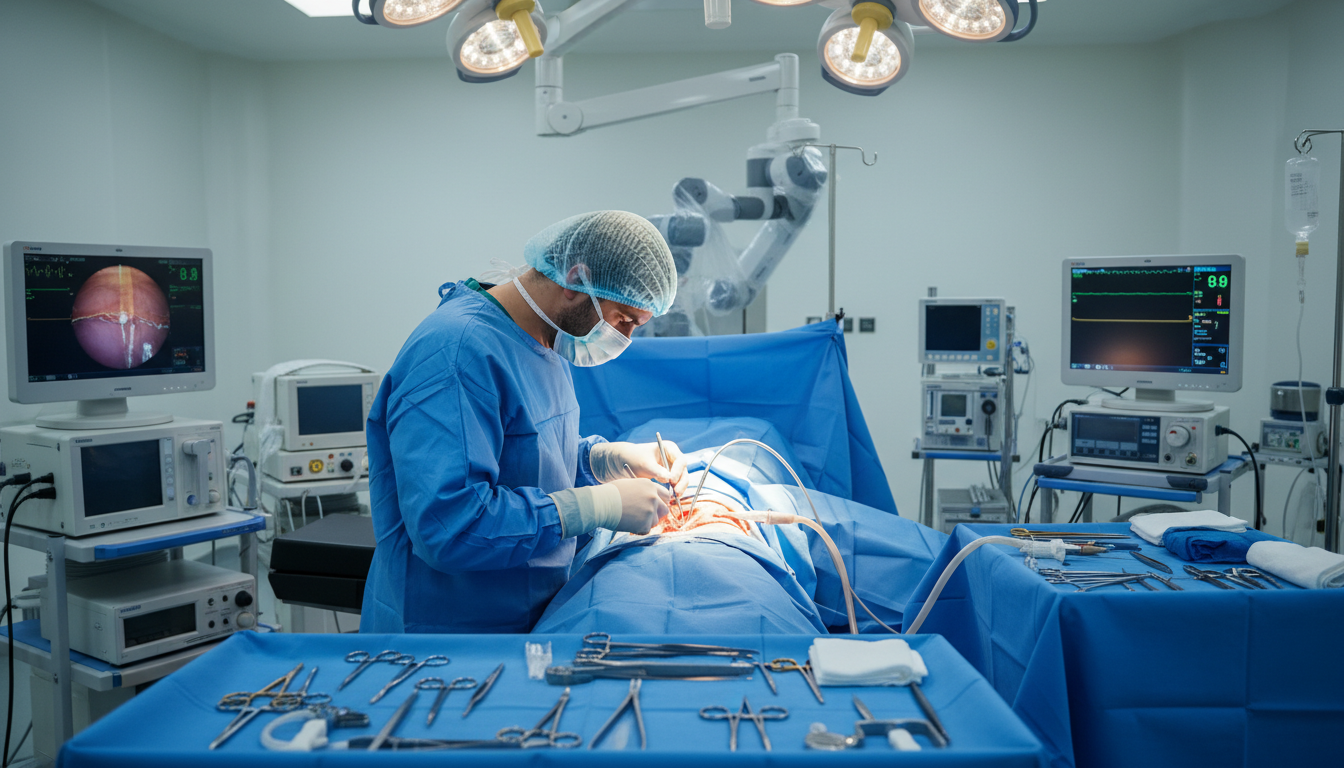
Turkey is now a top choice for people looking for quality surgery. Many travel here for complex surgeries like Gastrectomy (Stomach Removal). This is because Turkish surgeons are very skilled.
Medical centres in Turkey have top-notch facilities like those in the US. They use the latest technology but charge less. This makes Turkey a great place for health care.
Deciding to have a stomach removal abroad needs careful thought. But Turkey is safe and reliable. The country has strict rules to keep patients safe and help them recover well.
Key Takeaways
- Turkey is a leading hub for medical tourism, with specialised care.
- Patients get access to modern medical centres and expert staff.
- Procedure costs are often lower than in Western countries.
- All hospitals follow strict safety rules.
- International patients get full support from start to finish.
Understanding the Gastrectomy Procedure
The gastrectomy procedure is a big surgery that needs to know about the stomach’s structure. It’s done to treat serious problems with digestion. By taking out part or all of the stomach, doctors can tackle life-threatening diseases and help patients get better in the long run.
Defining Total and Partial Gastrectomy
A partial gastrectomy means taking out just a bit of the stomach. This is often the choice when the disease is in one area. It lets the rest of the stomach stay connected to the small intestine, keeping some digestion going.
A total gastrectomy means removing the whole stomach. The surgeon then links the oesophagus to the small intestine. This is for cases where the disease has spread all over the stomach.
| Procedure Type | Extent of Removal | Primary Goal |
|---|---|---|
| Partial Gastrectomy | Lower or upper portion | Remove localised disease |
| Total Gastrectomy | Entire stomach | Eliminate widespread pathology |
| Reconstruction | Digestive tract rerouting | Restore nutritional flow |
Medical Indications for Stomach Surgery
Deciding on a gastrectomy is a big choice. It’s usually because of gastric cancer. Surgery is often the best way to stop the cancer from spreading and to cure it.
Severe peptic ulcer disease is another reason for surgery. If ulcers don’t get better with medicine or cause problems, a partial gastrectomy might be needed. Talking to a doctor can help understand why a gastrectomy procedure is suggested for these conditions.
Why Turkey is a Leading Destination for Gastric Surgery
Turkey has become a top choice for medical tourism. It offers clinical excellence and strategic investment. Patients from around the world pick Turkey for stomach surgery because of its modern setup and skilled doctors. The country focuses on making patients happy, making it a leader in healthcare.
Advancements in Turkish Surgical Technology
Turkish hospitals use the latest technology for precise surgeries. They use robotic-assisted platforms and high-definition systems. This makes operations safer and recovery times shorter.
They also use minimally invasive methods to reduce pain after surgery. Many clinics have special programs for those needing revision gastric sleeve. This means even complex cases get the best care with modern tools.
Accreditation and Standards of Turkish Hospitals
Safety is the top priority in Turkish hospitals. Most top hospitals have international accreditations like the Joint Commission International (JCI) seal. This shows they follow strict safety rules.
These rules ensure every stomach surgery is done in a clean, safe place. Here’s what keeps Turkish medical care at high standards:
| Standard Category | Implementation Focus | Patient Benefit |
|---|---|---|
| Clinical Governance | Strict adherence to international protocols | Consistent, high-quality outcomes |
| Technology Integration | Regular upgrades to surgical equipment | Increased precision and safety |
| Infection Control | Advanced sterilisation and monitoring | Lower risk of post-operative complications |
| Staff Training | Continuous professional development | Expertise in modern surgical techniques |
Turkish clinics keep high standards for international patients. This ensures patients get top-notch care during their stomach surgery.
The Expertise of Turkish Surgeons
The quality of a surgical outcome depends on the skill and dedication of the medical team. Patients need to know their surgeon is both skilled and has good judgement. This is key for a successful gastrectomy.
Turkey has invested a lot in its medical setup. This has led to a group of surgeons known worldwide for their precision. They mix local knowledge with international experience to offer world-class surgical care.
Qualifications and Training Requirements
Turkish surgeons go through a long educational journey. They start with a six-year medical degree. Then, they do a five-year or more residency in general surgery.
Many surgeons also do specialised fellowships in advanced gastrointestinal procedures. These programmes keep them up-to-date with the latest techniques and safety measures.
They also join international surgical societies. This keeps them learning and up-to-date with medical innovation and best practices.
Multidisciplinary Approaches to Patient Care
Modern surgery is a team effort. In Turkish clinics, a multidisciplinary team approach is standard. This team looks at the patient’s health from all angles.
This team includes surgeons, oncologists, and nutritionists. They work together to create a treatment plan that suits the patient. This way, they can manage the complexities of stomach surgery and focus on the patient’s long-term health.
Nutritionists are key in this process. They help patients get ready for the dietary changes after a gastrectomy. This holistic strategy ensures every part of the patient’s recovery is looked after by an expert.
Preparing for Your Gastrectomy in Turkey
Getting ready for surgery starts long before you go to the clinic. It’s all about thorough preparation. When you’re going abroad for a big operation, sorting out your medical and travel plans is essential for a smooth experience. By following a structured approach, you can focus on your recovery and health goals.
Initial Consultations and Medical Assessments
The first step is a detailed remote assessment by your chosen surgical team in Turkey. You’ll need to share your medical history, recent scans, and reports from your doctor. This lets the specialists check if you’re a good candidate for the surgery and plan it just for you.
During these virtual talks, ask all the questions you have about the surgery and what to expect. Clear communication at this stage is key. Make sure you have the following ready for your initial review:
- Up-to-date blood test results and metabolic panels.
- Recent endoscopy or imaging reports about your stomach.
- A complete list of current medications and any allergies.
- Details of any previous surgeries or chronic health conditions.
Logistical Planning for International Patients
After your medical assessment, focus on the practical stuff to reduce travel anxiety. Many clinics in Turkey have patient coordinators who help with the details of your trip. These people are invaluable resources for dealing with the complexities of international medical travel.
When planning your travel, consider these practical steps for a stress-free trip:
- Accommodation: Pick a place near the hospital to cut down travel time during your recovery.
- Travel Documents: Check your passport is valid and if you need an e-visa for Turkey.
- Support Person: It’s a good idea to bring someone with you for the first few days after surgery.
- Recovery Timeline: Plan to stay in Turkey for as long as your surgeon advises for safe follow-up checks.
By sorting out these details early, you set up a good environment for healing. Taking charge of your preparations helps you feel confident and at peace about your surgery.
The Gastrectomy (Stomach Removal) Surgical Process
Modern surgery has changed a lot, including stomach removal. Patients get a safe and precise environment. Every part of the gastrectomy procedure is planned for the best results.
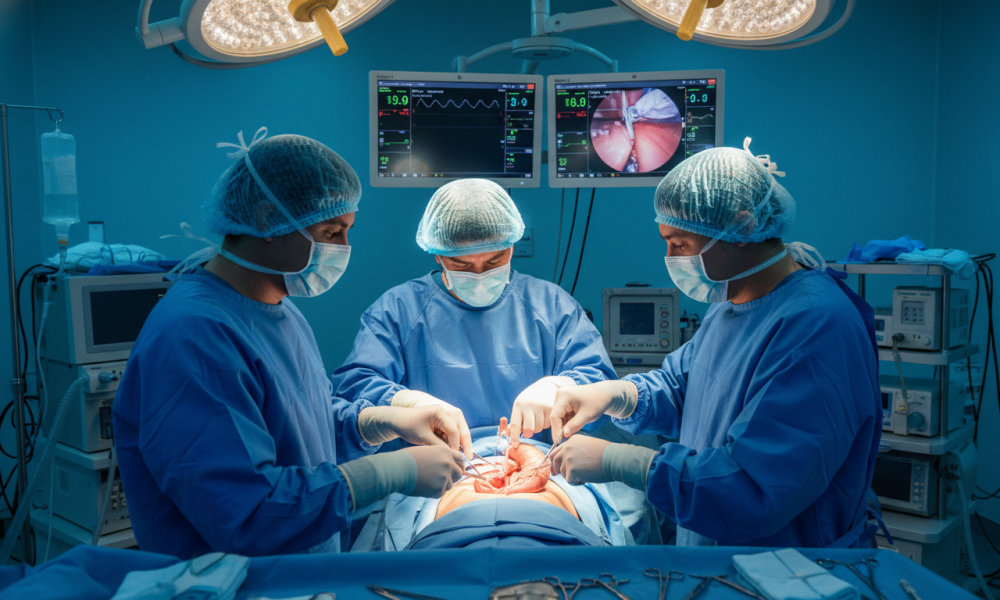
Anaesthesia and Surgical Techniques
The first step is general anaesthesia. This keeps the patient asleep and pain-free. Anaesthesiologists watch the patient’s heart rate and oxygen levels closely.
After the patient is sedated, the team cleans the area with sterile solutions. This reduces infection risk. The surgeon then makes incisions to reach the stomach.
The surgeon might remove part or all of the stomach. The gastrectomy (stomach removal) ends with fixing the digestive tract. This ensures it works right after the surgery.
“The success of modern gastric surgery relies not only on the skill of the surgeon but also on the seamless integration of advanced technology and rigorous patient monitoring protocols.”
Minimally Invasive versus Open Surgery
Patients can choose between open surgery and minimally invasive methods. Open surgery uses one big incision for direct access. It needs a longer hospital stay and recovery.
Laparoscopic surgery, on the other hand, uses small incisions and special tools. It’s preferred for less damage to tissues. Patients usually have less pain and recover faster.
| Feature | Laparoscopic Surgery | Open Surgery |
|---|---|---|
| Incision Size | Small (Keyhole) | Large |
| Recovery Time | Faster | Slower |
| Post-Op Pain | Lower | Higher |
| Hospital Stay | Short | Extended |
Post-Operative Care and Immediate Recovery
After surgery, you start your recovery with close medical watch. This early time is key for a good outcome and to avoid problems as you heal.
In Turkey, your safety is top priority. You’ll be taken to a special recovery area. Here, your health is closely monitored.
Hospital Stay and Monitoring Protocols
Nurses and surgeons keep a close eye on your health in the hospital. They check your heart rate, blood pressure, and oxygen levels. This makes sure your body is healing well.
The surgical area gets extra care to help it heal right. Regular checks mean the team can act fast if needed. This keeps you calm during your stay.
Managing Pain and Early Mobilisation
Managing pain is a big part of your recovery. Doctors use medicines and other methods to keep you comfortable. This is crucial for your health.
Getting up and moving early is also vital. The team encourages you to sit or walk a bit. This helps blood flow and lowers clot risks.
Moving gently helps you heal faster and gets your digestive system working again. Your care team will help you with these steps. They make sure every move is safe and supported.
Navigating the Post-Gastrectomy Diet
Your recovery journey starts with your post-gastrectomy diet after surgery. Eating in a new way is key to healing. Your body needs time to adjust to its new size. A structured diet helps avoid discomfort and gives your body the right fuel.
Nutritional Phases Following Surgery
Recovering involves different eating stages to ease your digestive system. You’ll start with clear liquids, then move to thicker fluids and pureed foods. Patience is vital to avoid problems like dumping syndrome or nausea.
When you can handle soft foods, you’ll add solids back. Eat small, frequent meals to fit your smaller stomach. Remember, chewing well is essential for digestion and to prevent blockages.
| Phase | Food Consistency | Primary Goal |
|---|---|---|
| Phase 1 | Clear Liquids | Hydration and bowel rest |
| Phase 2 | Pureed/Soft Foods | Gentle nutrient absorption |
| Phase 3 | Solid Foods | Balanced long-term nutrition |
Essential Supplements and Vitamin Management
After a gastrectomy, you need strictly necessary vitamin and mineral supplements. You might face a higher risk of deficiencies in Vitamin B12, iron, calcium, and Vitamin D. Regular blood tests help keep your levels right.
Managing vitamins can become a daily routine. Working with a dietitian keeps your post-gastrectomy diet balanced. This prevents malnutrition and its health risks. Always check with your doctor before starting new supplements.
Long-Term Recovery and Lifestyle Adjustments
Your journey to full recovery from gastrectomy is a slow one. It focuses on your long-term health. The first healing phase is about wound care. But the months after need new habits every day. Patience is your greatest asset as your body adapts to a smaller or absent stomach.
Adapting to Changes in Digestion
Your digestive system changes a lot after surgery. You’ll need to eat smaller, more frequent meals to avoid discomfort. Thoroughly chewing your food is now key to digesting nutrients well.
Managing dumping syndrome might also be a challenge. Watch your intake of refined sugars and high-fat foods. Keeping a food diary can help you spot and avoid triggers. Consistency in your eating schedule helps keep your blood sugar stable and boosts your energy.
Physical Activity and Return to Normalcy
Starting to be active again is important for recovery from gastrectomy. But be careful. Begin with light activities like gentle walking. This builds your stamina without stressing your body too much. Always listen to your body and avoid heavy lifting until your surgeon says it’s okay.
As you get stronger, you can do more intense workouts. This helps your heart and keeps your muscles strong. Being active also helps your mental health during this time. Here’s a table showing how your activity levels can increase over time.
| Recovery Phase | Recommended Activity | Focus Area |
|---|---|---|
| Early (Weeks 1-4) | Gentle indoor walking | Preventing blood clots |
| Intermediate (Months 2-3) | Light resistance training | Muscle tone restoration |
| Long-term (Month 4+) | Moderate aerobic exercise | Cardiovascular endurance |
Comparing Costs of Gastrectomy in Turkey versus the United States
Many patients are surprised by the big price gap for a gastrectomy between the US and Turkey. Both countries offer top-notch medical care, but costs vary a lot. Knowing these differences is key for anyone planning surgery.
Breakdown of Surgical and Hospital Expenses
In the US, a gastrectomy comes with a complex billing system. You’ll pay for the surgeon, anaesthesiologist, and hospital separately. These costs add up fast due to high overheads and insurance prices.
Turkish clinics, on the other hand, offer all-inclusive packages. They combine all necessary services into one clear price. This makes it easier to understand the total cost upfront.
With Turkish hospitals, you avoid surprise bills later. Even with travel and stay costs, the total often comes out lower in Turkey.
Hidden Costs and Value-Added Services
When looking at gastrectomy prices, don’t just focus on the surgery fee. US procedures might have extra costs for follow-ups, meds, and rehab. Turkish clinics often include value-added services to make things smoother for international patients.
These services might include airport transfers, luxury stays, and translation help at no extra charge. Such extras save money and make recovery easier. Here’s a table showing typical cost differences.
| Expense Category | United States (Estimated) | Turkey (Estimated) |
|---|---|---|
| Surgical Procedure | $30,000 – $60,000 | $8,000 – $15,000 |
| Hospital Stay | $10,000 – $20,000 | Included in Package |
| Post-Op Care | $5,000 – $10,000 | Included in Package |
| Concierge Services | Not Included | Included |
Safety Standards and Quality Assurance in Turkish Clinics
Turkey has a strong system for medical excellence, focusing on patient wellbeing. Choosing to have complex procedures, like those in gastroenterology treatment in Turkey, means you get top safety. Patient safety is the highest priority for top medical centres. They make sure every step is precise and caring.
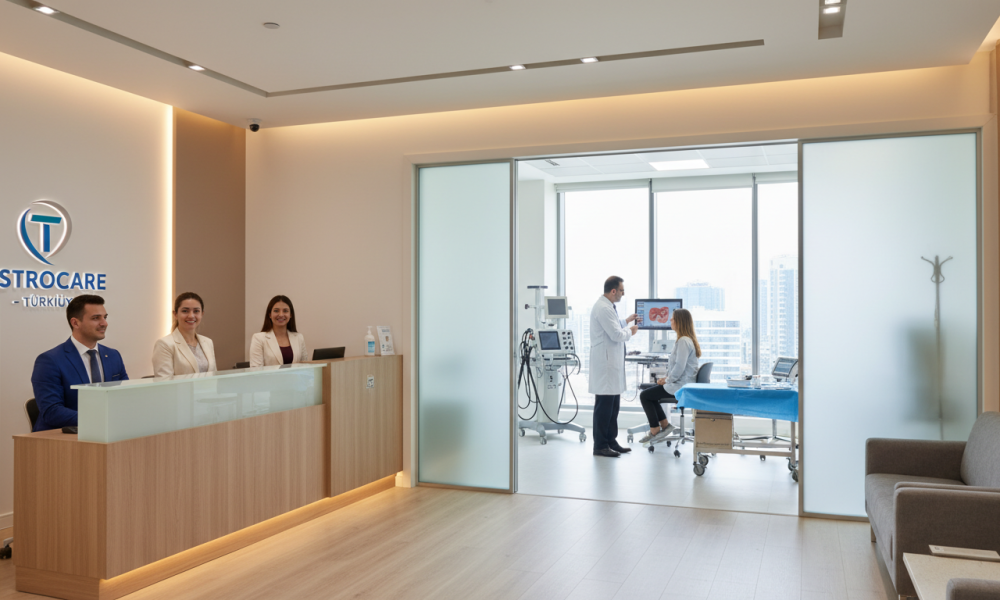
International Accreditation Bodies
Many top Turkish hospitals have international accreditations, like from the Joint Commission International (JCI). These groups do tough audits to check if clinics meet stringent global benchmarks for quality and safety. Turkish facilities show their commitment to excellence by following these standards.
Not just JCI, many clinics also have ISO certifications. These focus on quality management and how well things work. These accreditations give patients peace of mind that their clinic is checked by experts. This shows the Turkish healthcare’s focus on being open and always getting better.
Patient Safety Protocols and Infection Control
Turkish clinics have strict safety rules for every part of care. From the start to the end, strict infection control measures are in place. This includes clean equipment and air filters in operating rooms.
Hospitals also have teams watching over patients all the time. They use new tech and meticulous clinical oversight to catch and fix problems fast. This helps patients recover well and stay safe.
Legal and Ethical Considerations for Medical Tourism
Going for surgery in another country means knowing the rules of international healthcare. Patients in Turkey get a strong system that keeps standards high and protects them. This makes sure your medical trip is safe, clear, and right from the start.
Understanding Patient Rights in Turkey
The Turkish healthcare system has strict rules to protect patients. Visitors get the same rights as locals, like informed consent and full medical records. Transparency is key, so you know all about surgery risks and options before it starts.
Hospitals and clinics must follow strict rules and keep patient secrets safe. If you have concerns, there are ways to report them and bodies to check care quality. Choosing accredited places helps protect your rights and ensures your treatment meets global medical standards.
Insurance and Liability Coverage
Getting the right insurance is a big part of planning your surgery. Many Turkish clinics have their own insurance, but it’s wise to get specialised medical travel insurance. This covers unexpected problems, emergency transport, or longer stays than planned.
Check your policy covers surgeries abroad before you go. Also, talk to your surgical team about liability to understand their risk management. Being prepared lets you relax and focus on getting better and achieving your health goals.
Support Systems for International Patients
Turkish healthcare providers make sure you have a smooth experience. They offer lots of help for international patients. Getting medical care in a new country can be tough, but they’re here to help. Your comfort and safety are their top priorities.
Language Assistance and Translation Services
Good communication is key for great medical care. Turkish clinics have professional medical interpreters for you. They speak English and your native language.
These interpreters help you understand your surgery and aftercare. The staff is trained to talk clearly and kindly with visitors. Having a translator by your side makes you feel more at ease. It means you can make choices about your health without worry.
Accommodation and Travel Concierge Support
Turkish hospitals also help with travel plans. They arrange places to stay near the hospital and transport for your visits. This lets you focus on getting better.
The concierge team can help with airport transfers and suggest local places to visit. They make sure your move from the hospital to your recovery spot is easy. Knowing they’ve got everything covered lets you focus on healing.
Potential Risks and Complications of Stomach Surgery
Understanding the risks after a gastrectomy is key to a smooth recovery. Modern surgery has made it safer, but there are risks to watch out for. Knowing what to look for helps you act fast if something seems off.
Recognising Early Warning Signs
Keep an eye out for symptoms early on. Look for a high fever, severe stomach pain, or redness around the cut. These could mean an infection or leak, needing quick doctor’s attention.
Also, watch for dehydration or constant nausea. If you feel dizzy, have a fast heart rate, or trouble breathing, call your doctor right away. Catching problems early is the best way to handle them.
Mitigation Strategies and Follow-up Care
Doctors use many steps to lower risks and help you heal. They use antibiotics, get you moving early, and guide your diet. Regular check-ups are key to keeping track of your progress and making any needed changes.
Your doctor will give you a recovery plan just for you. Stick to it, including taking vitamins and following diet rules. Talking openly with your healthcare team helps avoid problems and speeds up your recovery.
| Potential Concern | Early Warning Sign | Recommended Action |
|---|---|---|
| Infection | Redness or pus at incision | Contact surgeon immediately |
| Dehydration | Dark urine or dizziness | Increase fluid intake/Consult doctor |
| Nutritional Deficit | Extreme fatigue or weakness | Review supplement plan |
Integrating Local Care with Your Home Physician
Recovering well from a gastrectomy needs a good connection between your Turkish surgical team and local doctors. Turkey’s medical skills are top-notch, but your ongoing health depends on seamless transition of your medical data to your home. You must be the key person to keep your local doctor updated on your surgery.
Coordinating Records and Continuity of Care
Before leaving your surgical centre, make sure you have all your medical records. These should include your surgery report, discharge summary, and any test results. Looking at places like the Policlinico Universitario A. Gemelli can help you understand what’s expected in top medical settings.
Having these records ready helps your local doctor understand your surgery right away. Consistency in your medical history is key for long-term care. If your local clinic uses electronic health records, ask your surgical team to send files that fit these systems.
Communicating Surgical Details to Local Specialists
Your local doctor might not know the exact surgery techniques used on you. It’s your job to explain your post-op needs, like diet and vitamins. Clear communication avoids confusion that could slow down your recovery.
If you need to see specialists, like a gastroenterologist or nutritionist, make sure they get your surgery notes. Giving them a detailed recovery plan helps them give advice that fits your needs. Here’s what you should prepare for your local medical team.
| Document Type | Purpose | Frequency of Review |
|---|---|---|
| Operative Report | Details surgical approach | Initial consultation |
| Discharge Summary | Outlines recovery status | Ongoing |
| Medication List | Prevents drug interactions | Every visit |
| Nutritional Plan | Ensures metabolic health | Monthly |
Keeping your records in order helps protect your health and ensures your local team can support you well. Proactive management of your records is the best way to keep your surgery success leading to lasting health.
Conclusion
Choosing Turkey for your gastrectomy is a smart move. It offers top-notch surgical skills and big savings. Hospitals in Istanbul and Ankara use the latest tech to keep patients safe.
Your success depends on your effort. Get ready well before your trip and follow your doctor’s advice after surgery. This helps you feel better and recover well.
Keep in touch with your doctor back home. Share your surgery details to ensure you get the best care. This teamwork helps you stay healthy and get back to normal life.
Focus on your health by doing your homework and talking to trusted doctors. Your path to better health starts with choosing safety, quality, and lasting results.
FAQ
Q: What is the primary difference between a partial gastrectomy and a total gastrectomy?
A: A partial gastrectomy removes part of the stomach. A total gastrectomy removes the whole stomach. The choice depends on the condition’s location and extent. A specialist surgeon will decide after a thorough medical check-up.
Q: Why is Turkey considered a leading global destination for a gastrectomy procedure?
A: Turkey is known for its top-notch medical care and advanced technology. Hospitals like Acıbadem Healthcare Group and Memorial Healthcare Group have Joint Commission International (JCI) accreditation. This ensures patients get the best care possible.
Q: What qualifications do Turkish surgeons hold for performing complex stomach surgery?
A: Turkish surgeons are highly trained and board-certified. Many have done international fellowships in Europe or the United States. They work with oncologists and nutritionists to care for patients before, during, and after surgery.
Q: How should international patients prepare for the logistical aspects of travelling to Turkey for surgery?
A: First, patients have a remote consultation to review their medical records. Then, they can book a package that includes travel help, airport transfers, and accommodation. It’s important to plan early to make the trip smooth.
Q: What are the benefits of laparoscopic versus open gastrectomy surgery?
A: Laparoscopic gastrectomy uses small incisions, leading to less pain and quicker recovery. Turkish hospitals offer both laparoscopic and robotic options. These aim to reduce scarring and shorten hospital stays.
Q: What does the immediate post-operative recovery from gastrectomy involve?
A: After surgery, patients are watched closely in the hospital. They are encouraged to move early to prevent blood clots. A controlled liquid diet is started to help the healing process.
Q: How must a patient’s lifestyle and diet change after a gastrectomy?
A: Patients need to eat smaller, more frequent meals after a gastrectomy. They also need vitamin and mineral supplements, like B12 injections and iron, to avoid nutritional problems.
Q: Is it significantly cheaper to have a gastrectomy in Turkey compared to the United States?
A: Yes, gastrectomy costs in Turkey are much lower than in the United States or the UK. This is because Turkey has a lower cost of living. Many packages in Turkey also include extra services like translation and follow-up care.
Q: What safety protocols are in place to prevent infections in Turkish clinics?
A: Top Turkish clinics follow strict infection control and International Accreditation standards. They use HEPA-filtered theatres, follow strict sterilisation, and train staff regularly. This ensures patient safety and reduces infection risks.
Q: How is follow-up care managed once a patient returns to their home country?
A: Follow-up care is ensured through detailed medical record coordination between Turkish surgeons and local doctors. Patients get a detailed discharge summary to share with their GP. This helps monitor recovery and meet long-term health needs locally.
Related guides

Healthcare Content Compliance Guide for Growth
A high-performing treatment page can generate international patient inquiries within hours. It can also create material risk if…

Turkey Hospitals vs Local Hospitals Compared
A lower procedure quote can get a patient’s attention. It should not make the decision on its own.…

Patient Experience That Drives Trust and Growth
A patient who has already uploaded medical records, compared providers, and arranged time away from work is not…