

More and more people are choosing to travel abroad for exceptional medical care. Turkey is now a top choice for those looking for top-notch heart treatments. It offers advanced medical technology at a lower cost.
This trend shows a move towards affordable, world-class healthcare. By picking this place, people get the best care at a good price. Heart Bypass Surgery in Turkey is a favourite for those who want professional expertise and modern facilities.
Key Takeaways
- Turkey is a leading hub for international patients seeking cardiac care.
- The country prioritises the integration of cutting-edge medical technology.
- Patients benefit from significant cost savings without compromising on quality.
- Medical centres in the region maintain rigorous international standards.
- The professional approach ensures a seamless experience for those travelling from abroad.
The Rise of Medical Tourism for Cardiac Care
The world of healthcare is changing fast. More people are looking abroad for heart surgery. Medical tourism is now a big deal for those wanting cardiovascular care without the high costs at home.
In the US, costs for heart surgery are going up. Waiting times are long too. But, patients are finding top-notch care elsewhere. Places like the hcor hospital do coracao offer great care at a lower price.
What’s driving this trend? Patients want quick access to experts and the latest tech. They also like clear prices abroad, unlike the hidden costs at home.
| Factor | Domestic Care (US) | International Care (Turkey) |
|---|---|---|
| Average Cost | High | Competitive |
| Waiting Time | Extended | Minimal |
| Technology | Advanced | State-of-the-art |
| Patient Support | Standard | Dedicated Liaison |
Choosing to get cardiac care abroad is a smart move for many. It’s about getting the care you need without breaking the bank. This new way of thinking about healthcare is changing the game worldwide.
Understanding Heart Bypass Surgery and Its Clinical Necessity
Heart bypass surgery is key in treating severe heart disease. It helps blood flow to the heart when it’s blocked by plaque. Knowing about this surgery is important for those thinking about treatment.
Defining Coronary Artery Bypass Graft (CABG)
A coronary artery bypass graft, or CABG, creates a new blood path around a blocked artery. Surgeons take a healthy blood vessel from elsewhere in the body. They attach it to the artery above and below the block.
This bypass ensures the heart muscle gets enough oxygen. Heart Bypass Surgery is a common, worldwide treatment for severe heart disease. It helps prevent future heart problems.
Indications for Cardiac Revascularisation
Cardiac revascularisation is needed when tests show big blockages that can’t be fixed with medicine or stents. People with ongoing chest pain due to poor blood flow often need this surgery. For those with blockages in many arteries, CABG is often the best choice.
Doctors decide on surgery after checking the patient’s heart and overall health. Below is a table showing when surgery is usually needed to fix the heart.
| Clinical Condition | Primary Symptom | Surgical Goal |
|---|---|---|
| Left Main Disease | Severe Angina | Restore full perfusion |
| Multi-vessel Blockage | Shortness of breath | Improve heart muscle oxygenation |
| Failed Stent Placement | Recurrent chest pain | Provide durable blood flow |
| Complex Arterial Narrowing | Reduced exercise tolerance | Prevent myocardial infarction |
Cardiac revascularisation is a critical treatment for those with limited blood flow. It tackles the main cause of the problem. This can greatly improve a patient’s life and future outlook. Talking to a specialist is the first step to see if this surgery is right for you.
Why Turkey Has Become a Global Hub for Cardiovascular Surgery
Turkey has made huge investments in becoming a top spot for medical tourism, focusing on cardiovascular surgery. It has updated its healthcare to match the best in the world. Now, patients from the US and other countries get care that’s on par with the best in the West.
Investment in Modern Medical Infrastructure
The Turkish government and private sector have invested a lot in building top hospitals. These hospitals are equipped with the latest technology for cardiac surgery in Turkey. This ensures patients get the best care in a comfortable and precise environment.
There’s a big focus on keeping technology up to date. Surgeons use the same advanced tools as in top American hospitals. This leads to safer and more effective surgeries, making Turkey a trusted place for heart care.
Accreditation Standards and International Recognition
Turkish hospitals follow strict quality standards to meet global expectations. Many have Joint Commission International (JCI) accreditation, a mark of excellence. This means patients can trust their cardiovascular surgery will be done to the highest standards.
The table below shows the key standards that make Turkish medical care top-notch:
| Standard Category | Turkish Implementation | Patient Benefit |
|---|---|---|
| Clinical Governance | JCI Accredited Protocols | High safety standards |
| Surgical Technology | Latest Generation Equipment | Precision and accuracy |
| Medical Expertise | Board-Certified Specialists | Expert clinical care |
| Quality Assurance | Continuous Outcome Monitoring | Reduced complication rates |
Consistency in these areas means Turkey’s cardiovascular surgery quality is always high. By following international standards, Turkey keeps its reputation as a top choice for heart care.
Comparing Healthcare Costs: United States versus Turkey
Understanding the cost differences between the United States and Turkey is key when it comes to cardiac surgery. Many patients choose to go abroad for treatment because of the high-quality care at lower prices. When deciding where to go for medical care, it’s important to think about the total cost.
Analysing the Economic Advantages of Medical Travel
Turkey offers a big economic advantage due to lower costs compared to American hospitals. Turkish medical facilities have lower administrative costs and labour prices. This means they can provide premium cardiac services at a much lower cost than in the US.
In Turkey, the total package price includes services that are billed separately in the US. This makes it easier to manage your budget and expectations.
| Service Category | United States | Turkey |
|---|---|---|
| Surgical Fees | High | Competitive |
| Hospital Stay | Premium | Affordable |
| Diagnostic Tests | Expensive | Included |
Hidden Costs and Financial Planning for Patients
While surgery costs may be lower, there are hidden costs to consider for international travel. Good financial planning should include travel insurance, airfare, and recovery accommodation. You should also plan for any follow-up care when you return home.
“Financial preparation is the cornerstone of a successful medical journey. Always ensure you have a contingency fund for unexpected recovery needs.”
Here’s a checklist to help with your financial planning:
- Travel Expenses: Budget for flights and local transportation.
- Recovery Accommodation: Consider the cost of a comfortable stay during recovery.
- Insurance Coverage: Check if your domestic policy covers you abroad or if you need travel insurance.
- Contingency Fund: Save at least 15% of your budget for unexpected medical or logistical needs.
By planning ahead, you can focus on your recovery without worrying about money. Proper planning makes your heart bypass surgery journey positive and life-changing.
The Expertise of Turkish Cardiac Surgeons
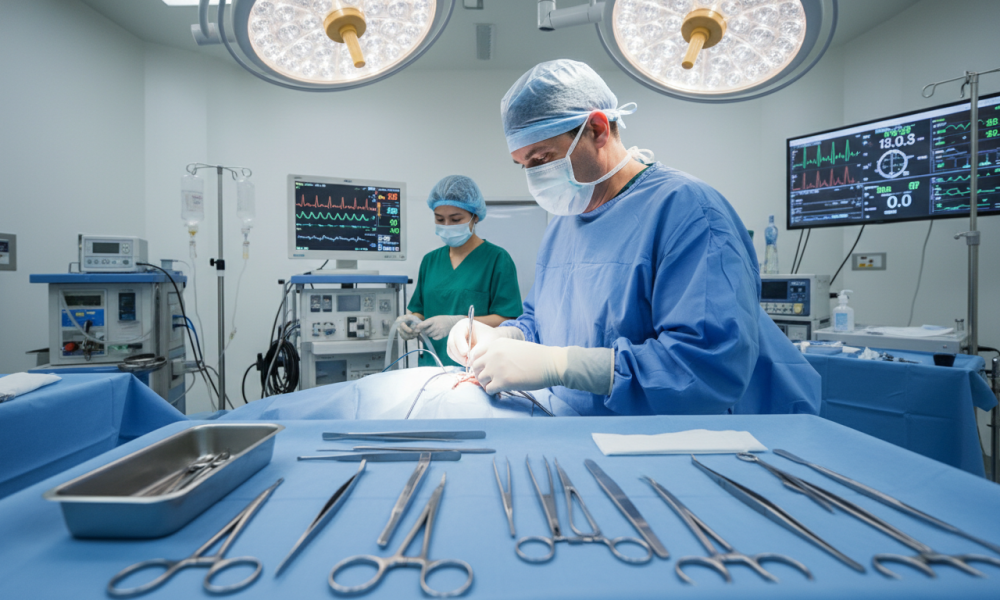
Turkish cardiac surgeons are known worldwide for their skill and care. Patients from the United States often say the care they receive in Turkey is as good as or better than at home. This is thanks to rigorous academic training and a strong focus on patient safety.
Training and Qualifications of Specialists
Most Turkish surgeons have a top-notch education that meets international standards. Many have done fellowships in Europe and North America. This means they know the latest in cardiac revascularisation.
They also have board certifications that prove they can do complex cardiovascular surgery well.
Keeping up with new medical trends is key in Turkey. Surgeons go to global conferences to learn about the latest in heart surgery. This keeps their skills sharp and ensures patients get the best care.
Multidisciplinary Approaches to Heart Surgery
Good medicine today is about teamwork, not just one person. Turkish hospitals have a multidisciplinary approach. Cardiologists, anaesthesiologists, and perfusionists work together.
This teamwork is vital for handling the challenges of cardiac revascularisation. It helps prevent problems before they start.
This way of working is a big part of why Turkish cardiovascular surgery is so good. It means every part of the patient’s health is looked after, making surgery safer and more effective.
| Professional Metric | Turkish Standard | International Benchmark |
|---|---|---|
| Medical Education | 6-Year Degree + Residency | Standardised Global Model |
| Fellowship Training | Required for Specialisation | Advanced Clinical Practice |
| Board Certification | Mandatory for Lead Surgeons | High Regulatory Compliance |
| Team Collaboration | Multidisciplinary Heart Teams | Integrated Care Protocols |
State-of-the-Art Technology in Turkish Hospitals
Turkish hospitals lead in cardiovascular medicine thanks to advanced technology. They invest in the latest medical tools. This ensures patients get precise and effective care.
This focus on innovation is key to the Heart Bypass Surgery experience in the region.
Advanced Imaging and Diagnostic Tools
Surgeons use high-resolution imaging to understand the heart’s complex anatomy. Turkish medical centres employ state-of-the-art 3D echocardiography and multi-slice CT scanners. These tools help plan treatments with precision.
Such advanced diagnostic tools help identify coronary artery disease accurately. This improves cardiac bypass success rates. Patients get faster and more accurate diagnoses.
Robotic-Assisted Cardiac Bypass Procedures
Robotic-assisted platforms are the latest in surgical technology in Turkey. They offer surgeons better dexterity and 3D vision. This makes Heart Bypass Surgery less invasive.
Robotic technology means smaller incisions and lower risks of complications. Patients feel less pain and recover faster. This technology ensures cardiac bypass is safe and efficient.
| Feature | Traditional Surgery | Robotic-Assisted Surgery |
|---|---|---|
| Incision Size | Large (Open chest) | Small (Keyhole) |
| Recovery Time | Extended | Rapid |
| Precision | Manual | High-Definition Robotic |
| Scarring | Significant | Minimal |
The Patient Journey: From Initial Consultation to Surgery
Your cardiac recovery journey in Turkey starts well before your flight. A structured patient journey ensures your medical experience is safe and efficient. This process helps you feel clear and calm about your medical tourism abroad.
Remote Consultations and Medical Record Review
Thanks to modern tech, your surgical team can check your health from anywhere. You’ll send your medical history, scans, and meds list through a secure online portal. This first step is key to checking if your clinic or hospital fits your.
After your records are reviewed, a team will check if you’re a good fit for cardiac surgery. You might have a video call to talk about your treatment and ask questions. This helps you get to know your surgeon before you arrive.
Pre-operative Assessments and Preparation
When you arrive in Turkey, you’ll have final checks to make sure you’re ready for surgery. These include blood tests, heart checks, and lung tests. Preparation is key to a good outcome, making sure your body is ready for surgery.
Your team will also give you specific instructions on fasting, meds, and staying hydrated. It’s important to follow these closely to reduce risks and help your recovery. Below is a table showing the main steps in your preparation.
| Stage | Primary Objective | Key Action |
|---|---|---|
| Initial Review | Clinical Eligibility | Submit medical records |
| Consultation | Treatment Planning | Video call with surgeon |
| Arrival | Physical Readiness | Final diagnostic testing |
| Pre-Op | Safety Compliance | Follow fasting protocols |
Surgical Techniques and Arterial Grafting Methods
Success in heart surgery depends on choosing the right techniques. Turkish cardiac teams focus on each patient’s needs for the best results. They use advanced methods to make bypass operations last longer.
On-Pump versus Off-Pump Bypass Operations
The decision between on-pump and off-pump surgery is key. On-pump uses a heart-lung machine to stop the heart. This method is best for complex cases.
Off-pump surgery, or beating-heart surgery, is done while the heart beats. It may lower the risk of complications in some patients. Turkish hospitals use both methods with great care.
Minimally Invasive Approaches to Open Heart Surgery
New technology lets surgeons do open heart surgery through small cuts. This reduces damage to the chest and tissues. Patients often heal faster and feel less pain.
High-definition cameras and special tools help surgeons do coronary artery bypass graft with less harm. This way, patients can get back to their lives sooner. Turkish medical centres are at the forefront of this modern approach.
The use of arterial grafting is key for long-lasting results. Surgeons pick the best grafts for long-term success. This focus on technical skill shows the quality of open heart surgery in Turkey.
Post-Operative Care and Recovery Protocols
After your cardiac bypass surgery, your journey to full health starts. Turkish hospitals are known for their detailed care in the hours and days after surgery. They focus on keeping you safe and comfortable, ensuring top medical care.
Immediate Intensive Care Unit Management
After your bypass operation, you go to a special ICU. A team of cardiologists and nurses watch your heart and body closely. This is key to avoiding problems and starting your healing.
Managing your pain is a big part of this early stage. Doctors use the latest methods to keep you comfortable. They also encourage you to move early to prevent breathing issues. For more on quality care in Turkey, see this guide.
Cardiac Rehabilitation Programmes in Turkey
When you’re stable, you start cardiac rehab. These programs help you get strong and confident again. You’ll work with a team of experts in exercise, nutrition, and psychology.
Rehab is tailored to your needs. It teaches you how to take care of your heart. This is a big part of the Turkish approach to heart care.
| Recovery Phase | Primary Focus | Expected Outcome |
|---|---|---|
| Immediate ICU | Haemodynamic Stability | Stabilisation of vitals |
| Early Mobilisation | Respiratory Function | Prevention of complications |
| Cardiac Rehab | Physical Conditioning | Restoration of vitality |
| Long-term Follow-up | Lifestyle Management | Sustainable heart health |
Ensuring Patient Safety and Quality Assurance
Turkish hospitals focus on patient wellbeing with strict quality checks. They use the latest clinical methods and put patients first. This makes them a trusted choice for cardiac care worldwide.

Infection Control and Surgical Outcomes
Keeping the operating area clean is key to avoiding complications. Turkish hospitals follow strict infection control rules, like those from the Joint Commission International (JCI). They use top-notch air filters and sterilise all tools carefully.
This focus on cleanliness helps patients have better surgery results. It reduces the chance of infections, making recovery easier. This shows the quality of care in Turkish hospitals.
Monitoring Complication Rates in Turkish Centres
Transparency and using data are big parts of Turkish healthcare. Hospitals watch complication rates closely to keep improving. This helps them stay at the top of safety standards.
Many top hospitals join national and global registries to compare themselves. This continuous oversight means patients get safe and effective care. Turkish hospitals show they care about keeping care at the highest level.
Logistics and Travel Considerations for US Patients
For US patients thinking about heart bypass surgery abroad, knowing the logistics is key. Careful planning helps reduce stress. This lets you focus on your health and the surgery ahead.
Turkey has made it easier for international visitors. It aims to make your transition smooth. Sorting out travel documents and where you’ll stay early helps a lot.
Visa Requirements and Travel Documentation
Most US citizens can get an e-Visa for Turkey easily online. Make sure your passport is valid for at least six months after you leave Turkey.
Keep digital and physical copies of your medical records and other important documents. These prove your medical trip if asked by border officials.
“The modern medical traveller benefits from a highly digitised entry system, yet the importance of maintaining a well-organised folder of physical health records cannot be overstated for international continuity of care.”
Accommodation and Recovery Facilities for International Patients
Turkish hospitals offer packages that include stay for patients and their families. They often work with luxury hotels or have recovery suites nearby.
These places are made for post-op needs. They are easy to get around and close to nurses. This ensures a safe and comfy place for your early recovery.
| Logistical Aspect | Action Required | Timeline |
|---|---|---|
| Visa Application | Complete online e-Visa form | 4 weeks before travel |
| Medical Records | Compile all diagnostic reports | 2 weeks before travel |
| Accommodation | Confirm hospital-affiliated stay | 3 weeks before travel |
| Travel Insurance | Verify international medical coverage | 1 month before travel |
By following these steps, you can focus on healing. Preparation is the key to a good experience in Turkey. It gives you the calm you need for a successful recovery.
Navigating Language Barriers and Cultural Differences
Effective communication is key for a successful medical journey in Turkey. The idea of going abroad for heart bypass surgery can seem scary. But, modern medical centres in Turkey are ready to help international patients. They make sure you feel confident and informed during your treatment.
The Role of Patient Liaison Officers
Top Turkish hospitals have patient liaison officers to help international visitors. These officers are your main contact, providing seamless translation services during your stay. They understand both language and cultural differences, making sure you’re never left out or misunderstood.
These officers also help with practical things and guide you through the hospital. Their help lets your medical team focus on your care. You get personalised support, which reduces stress and builds trust with your medical team.
Communication Standards in Turkish Medical Facilities
Turkish medical places have high standards for communication. Many doctors and nurses speak English well, thanks to their training. This means they can explain medical terms clearly and accurately.
Hospitals also give you detailed information in English. This includes what to do before and after surgery. It’s important to ask questions at any time. Keeping an open conversation with your healthcare team is essential for the best results in Turkey.
Legal and Ethical Considerations in Medical Tourism
Deciding to have heart bypass surgery abroad comes with legal and ethical issues. Turkey has top-notch facilities, but understanding the rules is key. You need to plan ahead to protect yourself.
Understanding Medical Liability and Insurance
Going for treatment outside the US means you’re in a new legal area. Make sure the hospital has comprehensive malpractice insurance and meets global safety standards. Ask for proof of their liability coverage before you book your trip.
Also, your usual health insurance might not cover treatments abroad. Many people get specialised medical travel insurance for extra protection. It’s important to check these policies well to avoid unexpected costs.
Continuity of Care Upon Returning to the United States
Good care after surgery means having a plan for follow-up at home. Talk to your cardiologist in the US before you leave. This way, they know what to expect from your surgery.
Ask for all your medical records, including surgery details and test results, in English. This helps your doctor back home keep an eye on you. Keeping this connection is important for your health in the long run.
Heart Bypass Surgery Success Rates and Long-Term Prognosis
Success in Heart Bypass Surgery is not just about the surgery. It’s about living well for years after. Patients in Turkey often see results that match or beat global standards. Understanding recovery and staying committed to heart health are key to a good outcome.
Evidence-Based Outcomes for International Patients
Top Turkish heart centres show high success rates for patients from abroad. The use of arterial grafting boosts graft success and survival. This keeps the heart muscle well supplied with blood for years.
Turkish hospitals focus on quality, tracking patient results closely. This ensures patients know their surgery is supported by proven medical success.
Lifestyle Modifications Post-Surgery
Surgery is a big step, but lifestyle choices are key to lasting results. Eating well and exercising regularly are musts for recovery. These habits fight off heart disease.
Working with your doctor to make a lasting plan is important. This might include quitting smoking, managing stress, and keeping an eye on blood pressure and cholesterol. Making these changes can maximise the benefits of surgery.
| Recovery Phase | Primary Focus | Expected Outcome |
|---|---|---|
| Immediate (0-6 weeks) | Wound healing | Initial stabilisation |
| Intermediate (3-6 months) | Cardiac rehabilitation | Improved stamina |
| Long-term (1 year+) | Lifestyle maintenance | Sustained heart health |
Selecting the Right Hospital and Surgical Team
Choosing the right hospital and cardiac specialists is key to a successful recovery. When planning for open heart surgery, the quality of the facility and the medical team’s expertise are critical. They play a big role in your long-term health.
Doing thorough research is important. It helps you pick a provider that meets the highest standards. Having confidence in your medical team is the first step to a stress-free recovery.
Vetting a Healthcare Provider
Verifying a hospital’s international accreditations is a reliable way to vet it. Look for places with the Joint Commission International (JCI) gold seal. This shows they follow strict global safety and quality standards.
Also, check the surgical team’s experience. Choose hospitals that share data on their success rates and complication statistics for your heart surgery.
“The best outcomes in cardiac care are achieved when patients are fully informed and partner with surgeons who prioritise transparency and evidence-based practice.”
Questions to Ask Before Committing to Surgery
Before making a final decision, talk directly with your medical team. Make a list of questions to understand the process fully.
Ask these questions to get clear on your care:
- How many procedures of this specific type does the surgeon perform annually?
- What is the hospital’s current protocol for managing post-operative pain and infection control?
- Can I speak with a previous international patient who has undergone a similar heart surgery?
- What specific contingency plans are in place should a complication arise during or after the open heart surgery?
- How will my primary care physician in the United States receive my medical records and follow-up instructions?
By asking these questions, you show you’re involved in your care. This helps build a strong relationship with your medical team. It ensures your expectations match the care you’ll receive.
Conclusion
Choosing the right path for heart bypass surgery is key. It’s about finding a balance between top-notch care and feeling at ease. Turkey stands out with its world-class surgery, cutting-edge tech, and lower costs for US patients.
Places like Acıbadem Healthcare Group and Memorial Hospitals Group show that quality cardiac care is available worldwide. They focus on keeping patients safe and helping them recover well, following strict international standards.
Your health journey needs careful thought and planning. Look into the surgical teams and the details of going abroad for medical care. This way, you can control your treatment and manage your money well.
Start by contacting trusted medical centres to talk about your needs. Use the information in this guide to make a smart choice about your heart health. With the right advice and a solid plan, a healthier future is possible.
FAQ
Q: Why is Turkey a leading global destination for heart bypass surgery?
A: Turkey is known for its top-notch medical care at lower costs. It has invested heavily in modern facilities. This makes high-quality heart surgery affordable for international patients.
Q: What exactly is a coronary artery bypass graft (CABG)?
A: A CABG, or coronary artery bypass graft, is a surgery to improve heart blood flow. It uses a healthy blood vessel from another part of the body to bypass blocked arteries.
Q: When is cardiac revascularisation clinically necessary for a patient?
A: Cardiac revascularisation is needed when tests show severe heart artery blockages. It’s a key treatment for those at high risk of heart attack or severe angina not helped by other treatments.
Q: How do Turkish medical accreditation standards compare to international benchmarks?
A: Turkish hospitals meet global standards, like those from JCI. They ensure top-quality care, hygiene, and surgical results, matching the best in the West.
Q: What are the economic advantages of choosing Turkey for a bypass operation?
A: Choosing Turkey for a bypass operation can save a lot of money. The total cost, including travel and recovery, is much lower than in the US. This is due to lower costs and a supportive medical tourism sector.
Q: What qualifications do Turkish cardiac surgeons possess?
A: Turkish cardiac surgeons are highly trained. They often complete fellowships at top institutions like the Cleveland Clinic. They work with a team to ensure safe and effective heart surgery.
Q: Is robotic-assisted cardiac bypass surgery available in Turkey?
A: Yes, Turkey’s top hospitals use the latest technology, including robotic-assisted cardiac bypass. This technology leads to smaller incisions and faster recovery times.
Q: How does the patient journey begin for an international patient?
A: The journey starts with a remote consultation. Turkish specialists review the patient’s records and imaging. Then, a full pre-operative assessment is done on-site to prepare the patient for surgery.
Q: What is the difference between on-pump and off-pump bypass operations?
A: On-pump surgery uses a heart-lung machine, while off-pump surgery is done with the heart beating. Turkish surgeons are skilled in both, including minimally invasive methods.
Q: What does post-operative care and cardiac rehabilitation look like in Turkey?
A: After surgery, patients are closely watched in a high-tech ICU. As they recover, they join a cardiac rehab programme. This includes supervised exercise and nutrition advice to help them regain strength and heart health.
Q: How do Turkish hospitals ensure patient safety and infection control?
A: Turkish hospitals follow strict infection control and quality assurance. They monitor surgical outcomes and complication rates. This ensures they meet international standards of care.
Q: What logistics should US patients consider when travelling for heart surgery?
A: US patients need a valid passport and e-Visa for Turkey. Hospitals help with travel and accommodation arrangements. This includes transport from Istanbul Airport and finding suitable recovery accommodation.
Q: How are language barriers managed within Turkish medical facilities?
A: Hospitals have patient liaison officers who speak English. They help with communication between the patient and the surgical team. This ensures the patient understands their treatment and recovery plan.
Q: What legal and ethical factors should be considered in medical tourism?
A: It’s important to know Turkey’s medical liability laws and have travel insurance. Patients should also plan for ongoing care, ensuring their US cardiologist receives all reports.
Q: What is the long-term prognosis after heart bypass surgery in Turkey?
A: The success rate for CABG in Turkey is similar to global averages. With lifestyle changes like quitting smoking and a healthy diet, the long-term outlook is good.
Q: How can I vet a hospital and surgical team effectively?
A: Check the hospital’s JCI accreditation and the surgeon’s experience with CABG. Ask about their success rates and experience with international patients. This helps in choosing the right team.
Related guides

Healthcare Content Compliance Guide for Growth
A high-performing treatment page can generate international patient inquiries within hours. It can also create material risk if…

Turkey Hospitals vs Local Hospitals Compared
A lower procedure quote can get a patient’s attention. It should not make the decision on its own.…

Patient Experience That Drives Trust and Growth
A patient who has already uploaded medical records, compared providers, and arranged time away from work is not…