
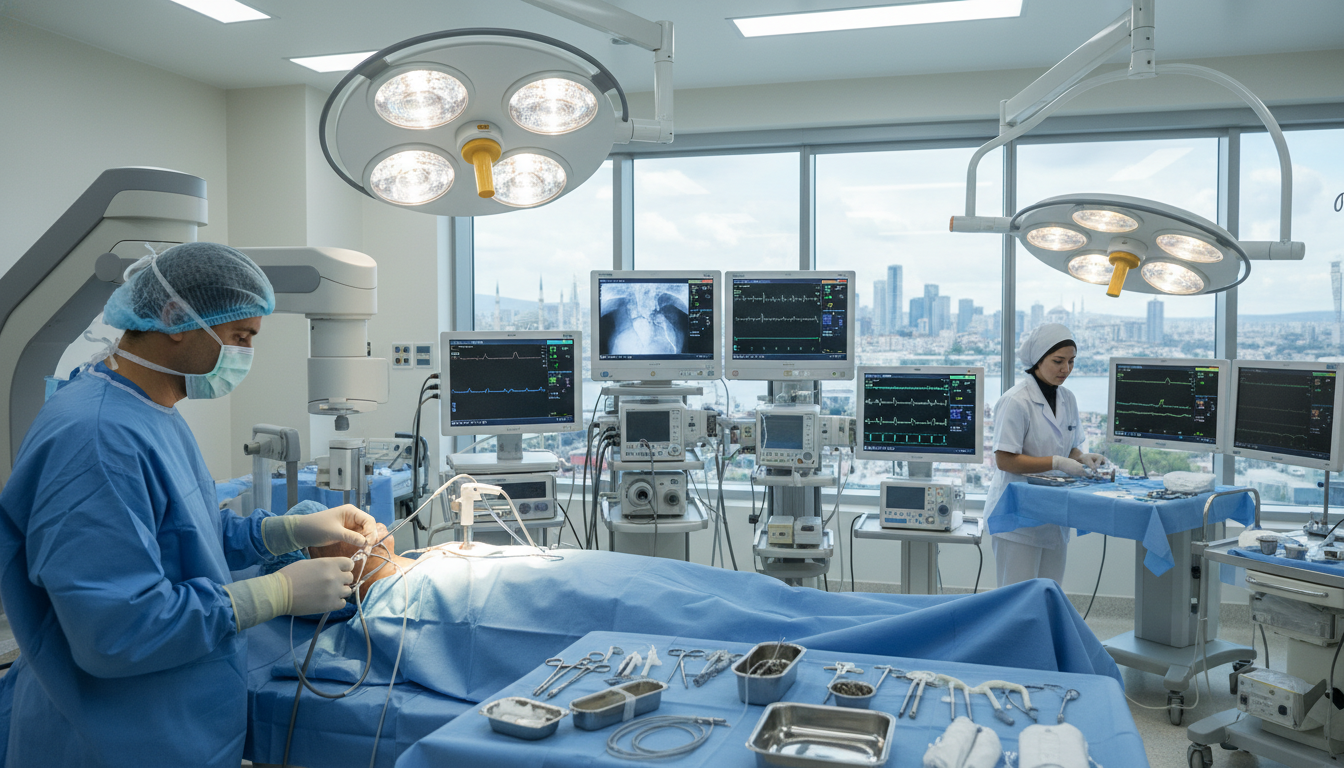
Turkey is now a top choice for people looking for quality medical care. It’s a leader in medical tourism, focusing on cardiac procedures.
Many people from around the world are picking Turkish clinics. They are known for their advanced technology and skilled doctors. This choice is because of the great care and lower costs compared to Western countries.
Deciding to get medical care abroad is a big choice. This guide helps you understand how to get Heart Angioplasty Surgery safely and efficiently in Turkey.
Key Takeaways
- Turkey is a global leader in specialised cardiac care for international patients.
- Clinics offer state-of-the-art facilities that meet rigorous international standards.
- Patients benefit from significant cost reductions without compromising on clinical quality.
- Highly qualified medical teams provide personalised treatment plans for every individual.
- Comprehensive support services ensure a smooth experience for those travelling from abroad.
Understanding Heart Angioplasty Surgery and Its Medical Purpose
Modern cardiology has changed how we treat blocked arteries. We now use less invasive methods. These aim to improve life quality for those with heart issues by ensuring blood flow to the heart.
The Physiology of Coronary Artery Disease
Coronary artery disease happens when heart blood vessels narrow or block. This is usually due to plaque buildup. Plaque is made of fat, cholesterol, and other blood materials.
As plaque grows, arteries thicken. This limits blood flow. This can cause chest pain, shortness of breath, or even a heart attack.
How Percutaneous Coronary Intervention Restores Blood Flow
Doctors use Percutaneous Coronary Intervention to fix these blockages. They insert a thin tube, called a catheter, into a blood vessel. This is usually done through the wrist or groin.
At the blockage site, the team works to widen the artery. This clears the way for blood to flow. You can find out more about robotic-assisted angioplasty treatment to see how it’s evolving.
Distinguishing Between Balloon Angioplasty and Stent Placement
Balloon Angioplasty and Stent Placement are different. Balloon Angioplasty uses a balloon to push plaque against the artery wall. This opens the vessel.
Often, a Stent Placement follows. A stent is a mesh tube that keeps the artery open. It stays in place after the balloon is gone.
The choice between these methods depends on the blockage’s location and severity. Both are key in modern heart care, helping patients worldwide.
Why Turkey Has Become a Global Hub for Cardiac Care
Turkey’s rise as a heart care leader is not by chance. It’s the result of years of careful planning. The country has focused on health, making it a top spot for high-quality cardiac care. This change comes from a drive for innovation and understanding modern medical needs.
Investment in State-of-the-Art Medical Infrastructure
Turkey has invested heavily in top-notch medical infrastructure. Its hospitals now have advanced labs and hybrid theatres for complex surgeries. This ensures patients get the latest in diagnostic and treatment tools.
Accreditation Standards and International Hospital Partnerships
Safety and excellence are key for Turkish healthcare. Many hospitals have Joint Commission International (JCI) accreditation, showing they meet global care standards. They also partner with top international medical centres, promoting ongoing improvement and sharing knowledge.
The Role of Highly Trained Turkish Cardiologists
The success story of Turkish heart care is thanks to its skilled Turkish cardiologists. These experts have trained at top medical schools before returning home. Their deep expertise and caring approach mean patients get the best care during their recovery.
The Patient Journey: From Initial Consultation to Arrival
The journey to top-notch cardiac surgery in Turkey starts long before you fly. Today, patients can connect with doctors online, thanks to digital tools and teamwork. This ensures your heart angioplasty is well-planned and cared for.
Remote Diagnostics and Virtual Consultations
First, patients have virtual chats to check if they’re right for surgery. They share their health history, scans, and blood tests online. This essential step lets doctors review your case and confirm the treatment plan without a face-to-face meeting.
Video calls are a chance to talk directly with your surgeon. You can ask questions, learn about the surgery, and feel more ready for your visit.
Navigating Medical Tourism Agencies in Turkey
Many patients use agencies to make things easier. These groups connect you with the best Turkish clinics, handling everything from language to scheduling. A good agency checks the doctors and hospital’s credentials for you.
Choose an agency that offers full support. They should keep you updated and answer your questions at every step. Good coordination is key to a smooth cardiac care journey.
Logistics of Travel and Accommodation for Cardiac Patients
After scheduling your surgery, focus on the trip details. Agencies often plan your travel, including airport transfers and nearby hotels for recovery. Choosing a comfortable place to stay is important for a stress-free recovery.
The table below outlines your journey’s key phases to keep you organised:
| Phase | Primary Objective | Key Action |
|---|---|---|
| Initial Inquiry | Assessment | Submit medical records |
| Virtual Review | Consultation | Video call with surgeon |
| Logistics | Preparation | Book flights and lodging |
| Arrival | Admission | Hospital check-in |
Pre-Operative Assessment and Cardiac Catheterisation
The journey to a successful heart procedure starts with a detailed check-up before surgery. This step is crucial for keeping you safe and making sure the surgery fits your heart’s shape. Your team will use this info to lower risks and boost your recovery chances.
Diagnostic Imaging and Blood Work Requirements
Your cardiologist will order a range of tests to check your health before surgery. These tests include blood panels to look at clotting, kidney function, and electrolytes. Accurate blood work helps your anaesthesiologist manage your care during the surgery.
You’ll also have an electrocardiogram (ECG) and a chest X-ray. These tests show your heart’s electrical activity and the size of your heart. This info is key for tracking your progress after surgery.
Preparing for the Procedure: Fasting and Medication Adjustments
Following strict fasting rules is very important for your safety. Most hospitals ask you to avoid solid foods and liquids for at least six to eight hours before the procedure. This helps lower the risk of problems with anaesthesia.
Talking about your current medicines with your doctor is also essential. Some drugs, like blood thinners or diabetes meds, might need to be stopped or changed. Always follow your surgeon’s specific instructions about these changes to get your body ready for the procedure.
The Role of Cardiac Catheterisation in Surgical Planning
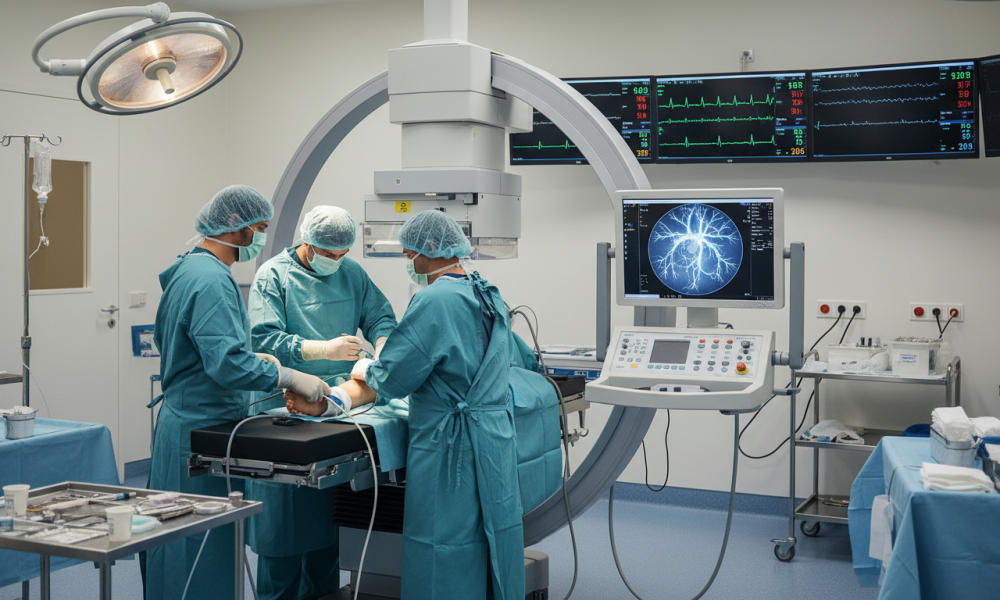
Cardiac Catheterisation is key for mapping your heart’s blood vessels before surgery. A thin, flexible tube is inserted through a blood vessel to reach your heart. This lets the surgeon see blockages in real-time with contrast dye and X-ray images.
This test is vital because it gives the surgical team a detailed plan. It helps them choose the right stents or tools. Cardiac Catheterisation ensures the surgery is done with maximum precision and efficiency.
| Preparation Step | Action Required | Importance |
|---|---|---|
| Blood Work | Complete 24-48 hours prior | Assesses clotting and organ function |
| Fasting | No food/drink for 8 hours | Prevents anaesthesia complications |
| Medication Review | Consult with cardiologist | Reduces bleeding and metabolic risks |
| Cardiac Catheterisation | Diagnostic imaging session | Maps coronary anatomy for surgery |
The Surgical Procedure: What Happens in the Operating Theatre
It’s important for patients to know what happens in the operating theatre before their cardiac procedure. The theatre is a well-organised space with advanced technology and expert care. It’s designed for a successful Percutaneous Coronary Intervention with high hygiene and precision.
Anaesthesia and Patient Comfort During the Intervention
Most patients stay awake during the procedure. This lets them talk to the team. You’ll get a local anaesthetic at the start to avoid pain during Cardiac Catheterisation.
This keeps you comfortable while the cardiologist works on your arteries.
“Patient safety and comfort are the cornerstones of modern cardiac care, ensuring that every intervention is performed with both precision and compassion.”
The Step-by-Step Process of Coronary Artery Stenting
The procedure starts with a thin, flexible tube being inserted into a blood vessel. The team then does Coronary Artery Stenting to clear the blockage. They use a balloon to open the artery and a permanent mesh tube to keep it open.
| Procedural Stage | Primary Action | Patient Experience |
|---|---|---|
| Access | Catheter insertion | Minimal local discomfort |
| Navigation | Guidance to blockage | No sensation inside vessels |
| Deployment | Stent placement | Brief pressure sensation |
Monitoring Vital Signs and Ensuring Procedural Safety
Your vital signs are watched closely during the Cardiac Catheterisation. The team checks your heart rhythm and blood pressure constantly. This ensures any changes are dealt with right away.
The team keeps the area clean to prevent infection and ensure a good recovery. They follow strict safety rules for the Percutaneous Coronary Intervention. You’re in safe hands from start to finish.
Minimally Invasive Heart Surgery Techniques
The world of cardiology has changed a lot with Minimally Invasive Heart Surgery. These new methods aim to get great results with less harm to the patient. They use smaller cuts and precise tools for safer, quicker surgeries.
Advantages of Radial Artery Access Over Femoral Access
Before, doctors used the femoral artery in the groin to reach the heart. Now, they often use the radial artery in the wrist. This is because it’s safer, with less chance of big bleeds.
People find wrist access more comfortable. It’s easier to stop bleeding because the radial artery is closer to the skin. This means patients can get up and move around sooner, helping them recover faster.
Reducing Trauma Through Advanced Catheter Technology
Modern Minimally Invasive Heart Surgery depends on better catheters. Today’s catheters are thinner, more flexible, and can turn easily. This lets doctors get to blockages with unprecedented precision.
These advanced tools help surgeons avoid harming the area around the blockage. This is key in modern heart care. It keeps the focus on fixing the blockage without harming the rest of the heart.
The Impact of Minimally Invasive Approaches on Patient Outcomes
These new technologies have made a big difference in how patients do. With Minimally Invasive Heart Surgery, hospital stays are shorter. Patients feel less pain and get back to normal life faster.
There’s also a lower risk of problems, making recovery more confident. Choosing clinics that use these cutting-edge methods means getting top care. These techniques show a focus on both doing great medicine and caring for the patient’s long-term health.
Managing Possible Angioplasty Complications
Heart surgery is usually safe, but knowing about Angioplasty Complications is key. Being informed helps you work well with your medical team for a smooth recovery. Watching closely in the first days after surgery is the best way to keep your heart healthy long-term.
Recognising Early Warning Signs Post-Surgery
After surgery, keep an eye on how you feel. Minor bruising at the catheter site is normal, but some symptoms need quick action. Talking to your healthcare provider quickly can stop small problems from getting worse.
Watch out for these warning signs:
- Persistent or worsening chest pain or pressure.
- Significant swelling, bleeding, or unusual warmth at the incision site.
- Sudden shortness of breath or difficulty breathing.
- Fever or chills that may indicate an infection.
Mitigating Risks of Restenosis and Blood Clots
The Risks of Angioplasty, like artery narrowing or blood clots, are managed with strict rules. Doctors give you special medicines to keep your blood thin and prevent clots. Taking these medicines as directed is the best way to protect your heart.
Changing your lifestyle also helps a lot. Eating well and avoiding too much activity in the first weeks helps the artery heal. These steps greatly reduce the chance of long-term problems.
Emergency Protocols in Top-Tier Turkish Hospitals
Top Turkish hospitals have strong emergency plans for unexpected problems. They have 24/7 cardiac intensive care units with experts ready to act fast. If a complication happens, they respond quickly and work together.
“Patient safety is the absolute priority in our cardiac centres, where every second counts during an emergency response.”
Choosing a hospital with international accreditation means your care team follows strict safety rules. These hospitals do regular drills and have the latest monitoring tech to handle Risks of Angioplasty well. You can be sure that you’ll get the best support at every stage of your treatment.
Recovery After Angioplasty: The First Few Weeks
Going back to your normal life after the hospital is a big step. Proper Recovery After Angioplasty needs a careful plan. This ensures your heart heals well. By following your doctor’s advice, you can improve your health in the long run.
Immediate Post-Operative Care in the Hospital
After the procedure, you’ll go to a recovery area. Here, doctors watch your vital signs and check the access site. Keeping the access point stable is very important in the first hours.
You’ll stay in the hospital for a short time to make sure the stent works right. Your team will tell you how to care for your wound and move. If you feel any odd pain or discomfort, tell the nurses right away.
Managing Medication Regimens and Antiplatelet Therapy
Following your medication is key to your Recovery After Angioplasty. Antiplatelet therapy stops blood clots in the stent. Skipping a dose can cause serious problems, like stent thrombosis.
- Take all blood-thinning medications exactly as directed by your cardiologist.
- Do not stop or change your dosage without consulting your medical team.
- Keep a daily log to track your medication intake and ensure consistency.
Activity Restrictions and Gradual Return to Daily Life
Even though you might want to get back to your usual routine quickly, it’s important to slow down. In the first few weeks of your Recovery After Angioplasty, avoid heavy lifting or hard physical work. Your body needs time to adjust to the better blood flow and heal the artery.
Start with easy activities, like short walks around your home or neighbourhood. Slowly increase your activity as your doctor advises. Listen to your body; if you feel chest pain, shortness of breath, or dizziness, stop and get medical help.
Long-Term Lifestyle Changes for Heart Health
Your journey to a healthier heart doesn’t stop after surgery. While surgery is very effective, it’s just one part of keeping your heart well. Long-term success comes from making lasting changes in your lifestyle. These changes help protect your arteries and improve how well your heart works.
Nutritional Strategies for Managing Cholesterol
Managing cholesterol well is key to avoiding future heart problems. Eating foods high in soluble fibre, like oats and beans, helps lower bad cholesterol. Adding healthy fats from olive oil and nuts also supports your heart health.
It’s also important to cut down on bad fats. Eating whole, unprocessed foods gives your body what it needs. For top tips on heart-healthy eating, check out the London Bridge Hospital.
The Importance of Cardiac Rehabilitation Programmes
Joining a cardiac rehab programme is a big step in your recovery. These programmes let you safely get more active. They help strengthen your heart and keep an eye on your progress.
These programmes also teach you about heart-healthy living and offer emotional support. Being part of a community with others who understand can really help your mental health. This approach makes sure you’re not alone in your recovery.
Smoking Cessation and Stress Management Techniques
Quitting smoking is a major change for heart health. Smoking harms your arteries and speeds up plaque buildup. Getting help to stop smoking can greatly improve your future health.
It’s also key to manage stress well. High stress can harm your heart. Mindfulness, deep breathing, and regular exercise can help. By focusing on these lifestyle changes, you build a strong base for a healthy life.
Comparing Costs: Turkey Versus the United States
Many patients are surprised to find that top-notch cardiac care in Turkey is much cheaper than in the United States. When choosing a medical destination, knowing the costs is key for your peace of mind. The cost difference between these two countries is huge, but it doesn’t mean Turkey’s care is any less good.
Breakdown of Surgical Fees and Hospital Expenses
In the United States, the cost of cardiac surgery in Turkey is often higher due to extra fees and complex billing. Turkish hospitals, on the other hand, offer clear, all-inclusive prices. These include the surgeon’s fees, anaesthesia, operating theatre costs, and post-operative care.
This clear pricing helps patients plan without worrying about surprise bills. Turkish facilities bundle services, making it easy to see the total cost for a heart angioplasty procedure.
Hidden Costs and Insurance Considerations for International Patients
While the surgery costs are lower, patients need to think about extra expenses like flights, accommodation, and local transport. It’s also important to check if your health insurance covers procedures abroad.
Many US insurance plans don’t cover surgeries in international facilities. So, patients should carefully review their policy documents or get special medical travel insurance. This helps avoid financial surprises during recovery.
Value Proposition of Turkish Healthcare Services
The real value of Turkey’s healthcare is its top-notch facilities and big cost savings. Patients get care from skilled specialists using the latest technological advancements in cardiology, at a lower price than in Western countries.
This makes life-saving treatments more accessible to more people. The Turkish healthcare model shows that top medical care doesn’t have to break the bank.
Legal and Ethical Considerations for Medical Tourists
Going abroad for heart surgery is more than just planning a trip. It’s about knowing your rights and what’s safe. When you choose a foreign country for surgery, you’re entering a professional relationship. It’s important to research these aspects to ensure your experience is safe and clear.
Understanding Patient Rights in Turkish Medical Facilities
Turkey has strong laws to protect patients, including those from abroad. The Turkish Ministry of Health sets strict rules. These rules ensure informed consent, privacy, and access to your medical records.
You have the right to know about your diagnosis, the surgery risks, and what to expect. Top hospitals in Turkey focus on patient care and being open. If you’re not happy, you can talk to a patient advocate or legal representative. They help solve problems and protect your patient rights.
Ensuring Continuity of Care Upon Returning Home
Recovery doesn’t stop when you leave the hospital. It’s important to keep in touch with your medical team. Before you go, ask for a detailed summary of your surgery. This helps your local doctor take care of you.
Make sure your local doctor is ready to handle your care after surgery. Sharing your Turkish medical records with your cardiologist in the US is a good idea. This helps avoid treatment gaps and ensures your medication is adjusted safely.
Verifying Surgeon Credentials and Hospital Licensing
Check the qualifications of your medical team and the hospital before you decide. Good hospitals in Turkey have Joint Commission International (JCI) accreditation. This means they meet high global standards. Always ask for proof of a surgeon’s board certification and their experience with your procedure.
| Verification Step | Action Required | Importance |
|---|---|---|
| Hospital Licensing | Check for JCI accreditation | High – Ensures safety standards |
| Surgeon Credentials | Review board certification | High – Confirms expertise |
| Patient Reviews | Verify independent testimonials | Medium – Provides insight |
| Legal Documentation | Review informed consent forms | High – Protects your rights |
Selecting the Right Clinic and Surgical Team
Finding the right team for your Heart Angioplasty Surgery is key. It affects your health and peace of mind. Research well to be sure you’re in good hands.
Key Questions to Ask Your Prospective Cardiologist
Ask your cardiologist about their experience. Find out how many surgeries they do each year. High-volume surgeons tend to be more skilled.
They should explain their treatment plan and risks. Good communication is vital for your comfort. Look for experts like those at the Heart Angioplasty Surgery centre.
Evaluating Patient Testimonials and Success Rates
Use data to compare hospitals. Look for success rates in cardiac care. Patient testimonials also give insight into care quality.
But, don’t forget official data. A good clinic will show its success and accreditations. Authentic feedback from others can also help.
The Importance of Multidisciplinary Heart Teams
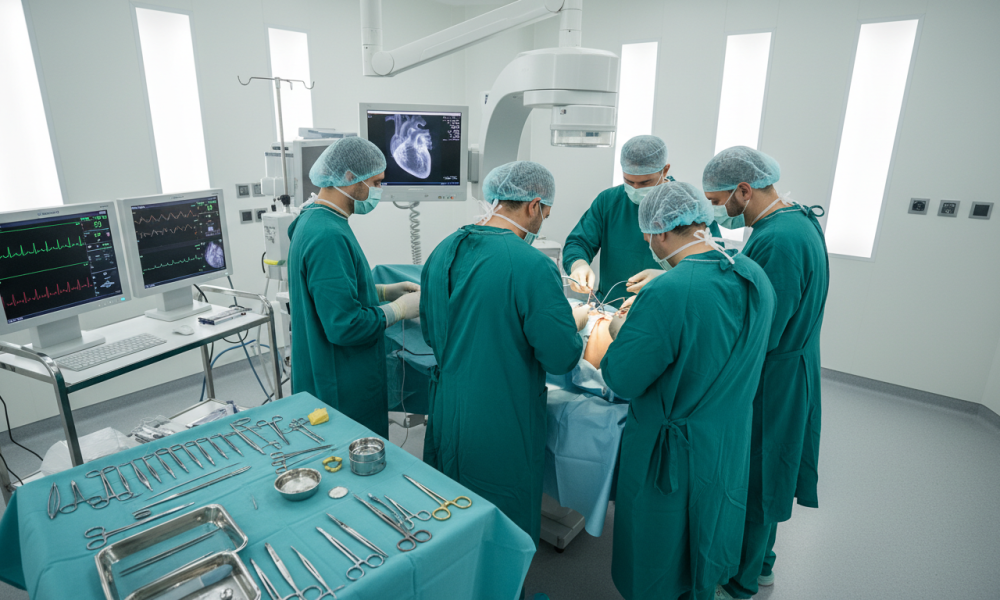
Cardiac care today involves a team. A multidisciplinary heart team includes many experts. This team approach ensures your care is thorough.
Choosing a team-based hospital offers more expertise. It’s a sign of a top medical centre. This setup helps your surgery and recovery.
Technological Advancements in Turkish Cardiology
The world of heart care in Turkey is changing fast. New tech is making Minimally Invasive Heart Surgery safer and more precise. This is thanks to a big push for digital health in Turkish clinics.
Integration of Robotic-Assisted Interventions
Robotic systems are changing how surgeons work on the heart. These tools give enhanced dexterity and help smooth out hand tremors. This means surgeons can make very precise movements.
Using these robots, doctors can easily move through tiny blood vessels. This makes recovery faster and reduces the chance of problems during Stent Placement.
Advanced Imaging Modalities for Precision Stenting
Modern heart care in Turkey relies on top-notch imaging. Surgeons use 3D models and real-time ultrasound to plan Coronary Artery Stenting.
These advanced tools help place stents with millimetre-perfect accuracy. Patients get better long-term results and need fewer follow-up surgeries.
Future Trends in Minimally Invasive Cardiac Care
The future of heart care in Turkey looks even more advanced. Doctors are looking into bio-resorbable scaffolds and AI to make treatments more personal. These new technologies will make care even better.
As these advancements grow, Turkey will stay at the forefront of heart medicine. The table below shows how care is moving from old methods to new, high-tech ones.
| Technology Feature | Traditional Approach | Modern Turkish Standard |
|---|---|---|
| Surgical Access | Large Incisions | Minimally Invasive |
| Imaging Precision | 2D Fluoroscopy | 3D/Intravascular Imaging |
| Procedural Control | Manual Manipulation | Robotic-Assisted |
| Recovery Speed | Extended Hospitalisation | Rapid Discharge |
Conclusion
Choosing Turkey for heart angioplasty surgery is a smart move. It offers top-notch care at a lower cost. You get access to advanced medical facilities and skilled cardiologists who focus on your safety.
This ensures your care is as good as in the US. Your journey to better health starts here.
Success in your surgery depends on your effort. Start by preparing well, from your first virtual consultation to your recovery. Making healthy lifestyle choices, like eating right and exercising, will keep your heart strong.
By taking charge of your recovery, you can live a better life. Contact top medical centres in Istanbul or Ankara to start your journey. Your path to a healthier heart begins with informed choices and expert help.
FAQ
Q: Why is Turkey a preferred destination for Heart Angioplasty Surgery?
A: Turkey is a top choice for heart surgery because it’s affordable yet high-quality. Places like Acıbadem Healthcare Group and Memorial Hospital Group offer the latest in medical tech. They also have surgeons trained at the best facilities worldwide.
Heart Angioplasty in Turkey is cheaper than in the West but doesn’t skimp on safety or tech.
Q: What is the difference between Balloon Angioplasty and Stent Placement?
A: Balloon Angioplasty uses a balloon to widen a blocked artery. It’s often followed by Stent Placement to keep the artery open. This combo, known as Coronary Artery Stenting, helps prevent the artery from narrowing again.
Q: How does Cardiac Catheterisation assist in surgical planning?
A: Cardiac Catheterisation is key for planning heart surgery. It uses dye and X-rays to see the heart’s blood vessels. This helps the team plan the best route for surgery and place stents accurately.
Q: What are the primary Risks of Angioplasty and possible Angioplasty Complications?
A: Angioplasty is usually safe but can have risks like bleeding or allergic reactions. Serious problems like blood clots or artery narrowing are rare in top Turkish hospitals. They use advanced stents and careful monitoring.
Q: What can I expect during the Recovery After Angioplasty?
A: Recovery from Angioplasty is quick, often just one night in the hospital. You’ll need to take medication and avoid heavy lifting for a week. But you can usually go back to light activities in a few days.
Q: Why is radial artery access used in Minimally Invasive Heart Surgery?
A: Using the radial artery in the wrist is common in Turkey. It leads to less bleeding and faster recovery. This makes the surgery more comfortable and quicker for patients.
Q: How do the costs of Coronary Artery Stenting in Turkey compare to the United Kingdom or USA?
A: Treatment in Turkey is much cheaper. A heart stenting procedure can cost 60% to 80% less than in the US or UK. This includes all costs, from tests to surgery and stay, making top care more accessible.
Q: How can I verify the credentials of a cardiologist for my Heart Angioplasty Surgery?
A: Look for cardiologists certified by the Turkish Society of Cardiology or European Society of Cardiology. Make sure the hospital is accredited by the Joint Commission International (JCI). Good clinics will share success rates and patient stories to help you choose.
Q: Are robotic-assisted interventions available for Percutaneous Coronary Intervention in Turkey?
A: Yes, Turkey leads in using new tech in medicine. Top cardiac centres use robotic systems for stenting. This tech offers precise placement, reducing risks and improving results.
Related guides

Healthcare Content Compliance Guide for Growth
A high-performing treatment page can generate international patient inquiries within hours. It can also create material risk if…

Turkey Hospitals vs Local Hospitals Compared
A lower procedure quote can get a patient’s attention. It should not make the decision on its own.…

Patient Experience That Drives Trust and Growth
A patient who has already uploaded medical records, compared providers, and arranged time away from work is not…