
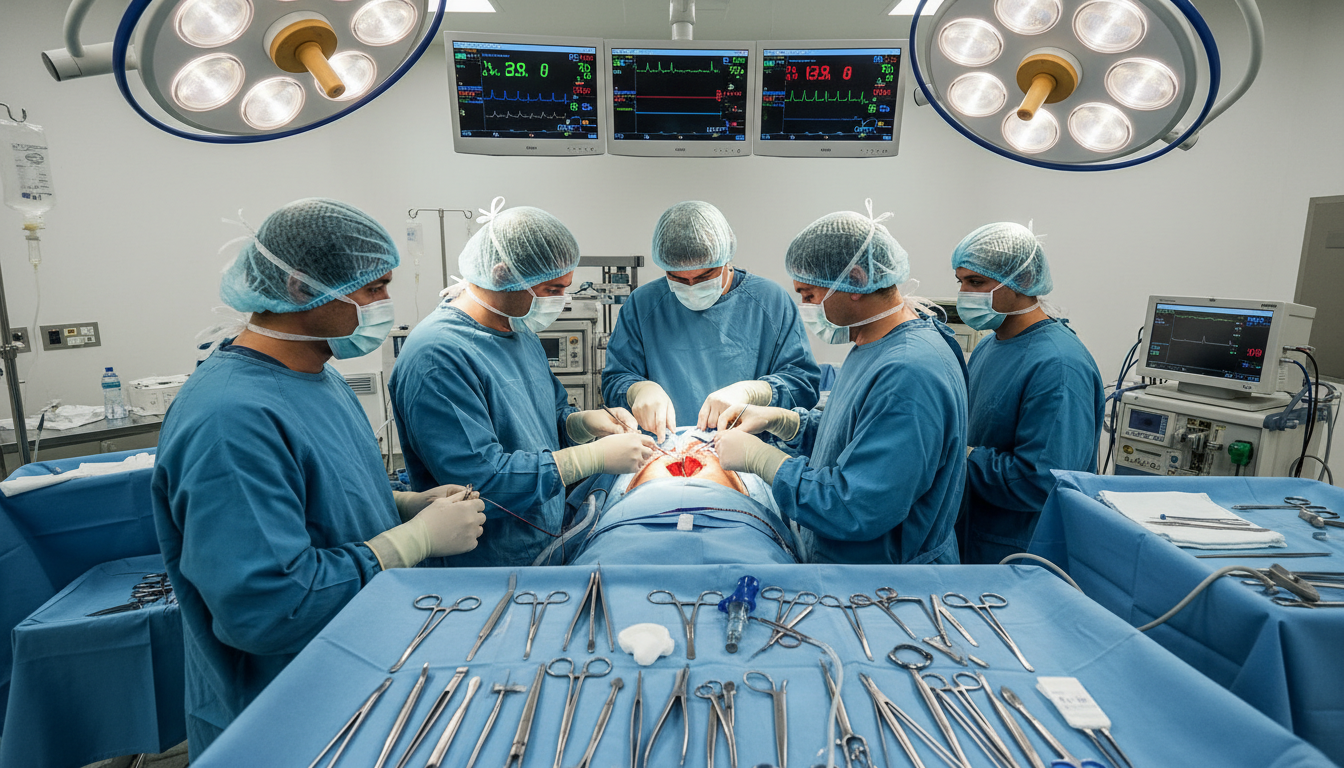
More and more patients from the United States are looking abroad for high-quality cardiac care. Turkey is becoming a top choice for those wanting advanced medical treatments at lower costs. This change shows growing trust in healthcare systems outside their own country.
The country offers a mix of world-class medical expertise and modern hospitals. By choosing Turkey for Heart Valve Replacement Surgery, patients get to see top specialists. These experts use the latest technology to ensure precise and careful procedures.
Turkey is constantly improving its hospitals to meet global standards. For many, this is a cost-effective solution that doesn’t sacrifice safety or quality. It’s important to understand why Turkey is becoming a key place for such surgeries.
Key Takeaways
- Turkey provides affordable access to top-tier cardiac specialists for international patients.
- Modern medical facilities in the region meet rigorous global safety standards.
- Patients often experience significant financial savings compared to domestic healthcare costs.
- The country is recognised for its advanced technological approach to complex procedures.
- Comprehensive care packages often simplify the logistics for those travelling from the United States.
The Rise of Medical Tourism for Cardiac Care in Turkey
Turkey has become a top choice for medical tourism, focusing on heart care. This change is thanks to strategic national investment in healthcare. The country has set high standards, drawing thousands of patients for top-notch surgeries.
Modern hospitals now fill major cities like Istanbul and Ankara. These places have the latest technology for diagnosis and surgery. This means every patient gets the best care.
Turkey aims to be a leading place for medical treatments. The government and private sector work together. They make sure medical staff meet international standards. This has earned Turkey the trust of patients from the US and other countries.
“The future of global healthcare lies in the ability to provide accessible, high-quality, and technologically advanced surgical care to patients regardless of their borders.”
The growth of this industry is backed by a strong logistics network. It helps visitors with everything from patient coordinators to travel plans. Turkey keeps raising the bar for heart care worldwide.
Understanding Heart Valve Replacement Surgery
If a heart valve doesn’t work right, a valve replacement operation is needed to save lives. This surgery helps blood flow properly and reduces heart strain. Knowing when a heart valve operation is needed helps patients make better choices for their heart health.
Indications for Surgical Intervention
Doctors suggest surgery when a valve gets too narrow (stenosis) or doesn’t close well (regurgitation). These problems make the heart work too hard, leading to heart failure or arrhythmias. Tests like echocardiograms help decide if a valve replacement operation is needed.
People with bad valves might feel short of breath, have chest pain, or feel very tired. If these symptoms don’t get better with medicine, surgery is often the best choice. Surgeons check if a patient is healthy enough for the surgery.
Types of Heart Valve Prostheses
When the old valve is removed, a new one is put in. There are two main types: mechanical and biological.
- Mechanical Valves: Made from materials like carbon or metal, they last a long time. But, patients must take blood thinners forever.
- Biological Valves: Made from animal tissue, they don’t need blood thinners for life. But, they might need to be replaced in a few years.
Choosing the right valve depends on the patient’s age, lifestyle, and how well they can manage medication. Your surgical team will talk about these options to find the best fit for you.
Why Turkey is a Leading Destination for Cardiac Valve Surgery
Turkey is a top choice for cardiac valve surgery worldwide. It offers a mix of ancient medical wisdom and modern care. This makes Turkish clinics a hit for those looking for quality and value.
Accreditation and International Standards
Turkey’s medical success comes from following global health standards. Many hospitals in big cities have Joint Commission International (JCI) accreditation. This is the top mark for safety and quality in healthcare.
These hospitals also have ISO certifications for top-notch operations. They focus on everything from patient care to surgical cleanliness. This makes Turkish clinics safe for complex heart surgeries.
Technological Advancements in Turkish Hospitals
Turkish hospitals use the latest tech for cardiac valve surgery. They have modern operating rooms with cutting-edge imaging and robotic tools. These help surgeons make smaller cuts and speed up recovery.
Digital health records and real-time monitoring systems also boost care quality. Surgeons use these to plan surgeries accurately, lowering risks. Here’s what makes Turkish cardiac centres stand out.
| Feature | Standard in Turkey | Patient Benefit |
|---|---|---|
| Accreditation | JCI & ISO Certified | Proven safety and quality |
| Surgical Tech | Robotic & Minimally Invasive | Reduced trauma and faster healing |
| Imaging | High-Resolution 3D Mapping | Enhanced surgical precision |
| Monitoring | Real-time ICU Systems | Constant patient oversight |
Expertise of Heart Surgery Specialists in Turkey
When you look for cardiac surgery in Turkey, you find top-notch medical care. Every heart surgery specialist is carefully chosen to meet international standards. They are committed to saving lives for patients from all over the world.
Training and Qualifications of Surgeons
Turkish surgeons have a lot of education and training in heart surgery. Many have international certifications and fellowships from top places in Europe or North America. This global perspective keeps them up-to-date with the latest surgery techniques.
They also keep learning by doing research and going to international conferences. This ensures patients get the best care based on the latest research.
Multidisciplinary Care Teams
Heart surgery needs a team effort, not just a skilled surgeon. In Turkey, a heart surgery specialist works with a team of experts. This team includes cardiologists, anaesthetists, and perfusionists who work together seamlessly.
The table below shows the important roles in these cardiac teams:
| Specialist Role | Primary Responsibility | Contribution to Care |
|---|---|---|
| Cardiac Surgeon | Performing the procedure | Technical precision and surgical outcome |
| Anaesthetist | Pain and sedation management | Patient stability during the operation |
| Perfusionist | Heart-lung machine operation | Maintaining blood flow and oxygenation |
| Cardiologist | Diagnostic assessment | Pre-operative planning and long-term health |
This integrated approach means every part of your care is watched by experts. Turkish clinics use advanced technology and teamwork to ensure your safety.
Minimally Invasive Valve Surgery Techniques
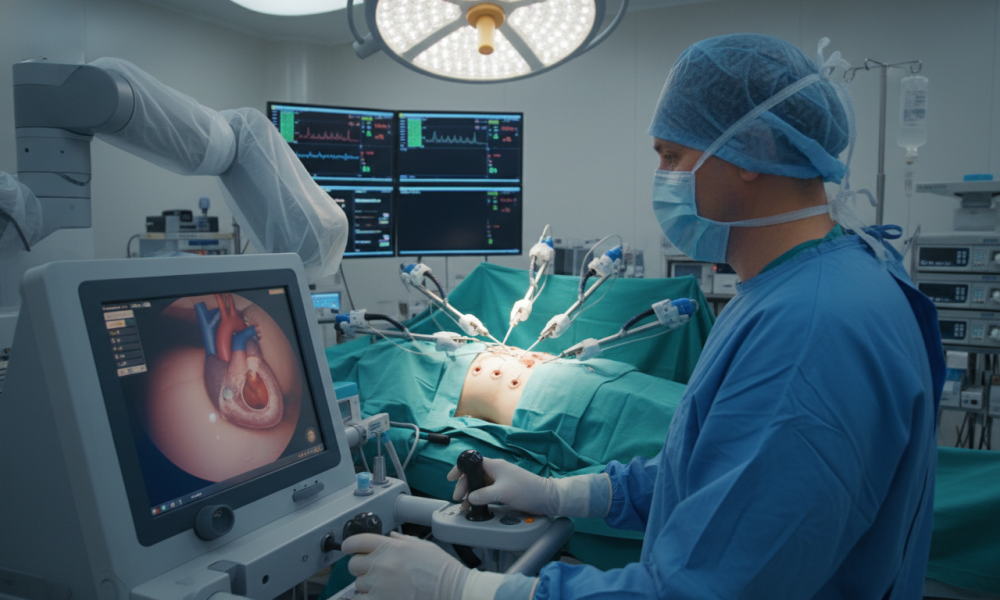
Patients looking for heart valve treatment now have new options in Turkish medical centres. Instead of traditional open-heart surgery, many clinics offer less invasive methods. These new techniques allow surgeons to do complex repairs through small incisions.
Benefits of Keyhole Approaches
Keyhole techniques reduce the damage to the chest wall. They avoid cutting the breastbone, making minimally invasive valve surgery less invasive. This leads to reduced scarring and lower infection risks.
Patients are happier because of the cosmetic benefits and less wound care needed. These precise methods also keep the chest’s structure intact. This is a big change from traditional open-heart surgery.
Recovery Times and Patient Outcomes
Smaller incisions mean faster recovery for most patients. The body heals quicker, allowing people to get back to their daily lives sooner. Many can start light activities in just a few weeks.
Long-term results are also good, with minimally invasive valve surgery matching traditional methods. Expert surgeons and modern technology ensure top care. Here’s a table showing the main differences between these two surgeries.
| Feature | Open-Heart Surgery | Minimally Invasive Surgery |
|---|---|---|
| Incision Size | Large (Full Sternotomy) | Small (Keyhole) |
| Recovery Time | Extended (Months) | Rapid (Weeks) |
| Infection Risk | Higher | Lower |
| Scarring | Significant | Minimal |
Aortic Valve Surgery and Mitral Valve Replacement Procedures
It’s important to know the difference between valve repair and replacement. Each method is chosen based on the patient’s heart and the disease’s severity. This ensures the best treatment for each person.
In Turkey, doctors focus on what’s best for the patient. They decide if the valve can be fixed or if it needs to be replaced. This choice is key for the patient’s long-term health and recovery.
Specific Considerations for Aortic Valve Repair
The main goal of aortic valve surgery is to improve blood flow. Doctors often choose repair if the valve is flexible and not too damaged. This way, the patient’s natural tissue is kept.
Doctors carefully check the aorta’s root to make sure repairs hold up. Precision is key to avoid future problems like leakage or narrowing.
Complexities of Mitral Valve Replacement
The mitral valve is more complex due to its detailed structure. A mitral valve replacement is needed when the valve is too damaged for repair.
This surgery requires great skill to place the new valve correctly. Success depends on the surgeon’s ability to work in tight spaces without harming the heart.
Patients getting a mitral valve replacement benefit from modern Turkish clinics. They use advanced imaging and robotic tools. These help make the surgery more precise and less invasive.
Comparing Costs of Heart Valve Replacement Surgery
When looking at Heart Valve Replacement Surgery, the cost difference between local and international clinics is big. Many patients from the United States are now looking for the best value in top Turkish clinics. This change is because they want quality care that’s affordable.
Financial Advantages for United States Patients
Turkey offers a big financial advantage. Its lower operational costs compared to the US healthcare system are key. Turkish hospitals have competitive pricing models without sacrificing quality. This means patients get top-notch care at a much lower cost than in the US.
Also, the exchange rate often helps international patients. By choosing Turkey for Heart Valve Replacement Surgery, patients save a lot on surgery and hospital costs. These savings don’t mean less safety, but better use of resources in Turkey.
What is Included in Surgical Packages
Transparency is key in Turkey’s medical tourism. Most clinics provide detailed surgical packages to avoid surprise costs. These packages cover everything from hospital stay to follow-up care.
These packages also include pre-op tests and post-op check-ups. Patients get a clear list of services before they go. This all-inclusive approach helps with financial planning and reduces stress.
| Service Category | United States (Est.) | Turkey (Est.) |
|---|---|---|
| Surgical Procedure | $100,000+ | $20,000 – $35,000 |
| Hospital Stay | Included/Variable | Included in Package |
| Follow-up Care | Additional Cost | Included in Package |
| Total Estimated Value | High | Significant Savings |
Safety Protocols and Quality Assurance in Turkish Clinics
Turkish medical facilities focus on rigorous safety standards for international patients. They follow global benchmarks for complex cardiac procedures. This ensures a safe environment for all surgeries.
Infection Control and Sterilisation Standards
Keeping the environment sterile is essential for heart valve operations. Turkish hospitals use the latest sterilisation tech to fight off infections. They stick to strict international rules for cleanliness.
Staff get ongoing training in hygiene. Regular checks make sure everyone follows stringent safety regulations. This reduces risks, helping patients recover better.
Post-Operative Monitoring and Intensive Care
Patients get special care in intensive care units (ICU) after surgery. The team keeps a close eye on vital signs for stability. This is a key part of Turkey’s cardiac care.
Experts use top-notch diagnostic tools to watch progress closely. With a low patient-to-nurse ratio, each patient gets personalised attention. This support helps patients smoothly move from surgery to recovery.
The Patient Journey from the United States to Turkey
Getting from the United States to a top clinic in Turkey is seamless and stress-free. Many find it easier than they thought to get top-notch heart care. Choosing Turkish medical tourism for affordable care means a system that puts your health and comfort first at every step.
Initial Consultations and Remote Diagnostics
It all starts before you fly. You can talk to your team online to go over your health and heart issues. You’ll share your medical scans and test results for a full review.
Online checks let doctors know exactly what you need. This means you get a personalised treatment plan just for you. By the time you arrive in Turkey, your team will know all about your case. This makes your hospital stay much smoother.
Travel Logistics and Accommodation Support
Clinics for international patients have teams ready to help with your trip. They handle flights, transfers, and luxury accommodation for you and your family. You’ll have a personal assistant to help you every step of the way.
The table below shows how Turkish medical centres offer more than local care:
| Service Feature | Standard Local Care | Turkish Medical Tourism |
|---|---|---|
| Initial Assessment | In-person visit required | Remote digital consultation |
| Logistics Support | Patient-managed | Full concierge assistance |
| Accommodation | Not provided | Hospital-affiliated suites |
| Follow-up Care | Local clinic only | International coordination |
Peace of mind is key in this journey. Turkish hospitals blend top care with personal service. This lets you focus on getting better and staying healthy.
Pre-Operative Preparation and Diagnostic Testing
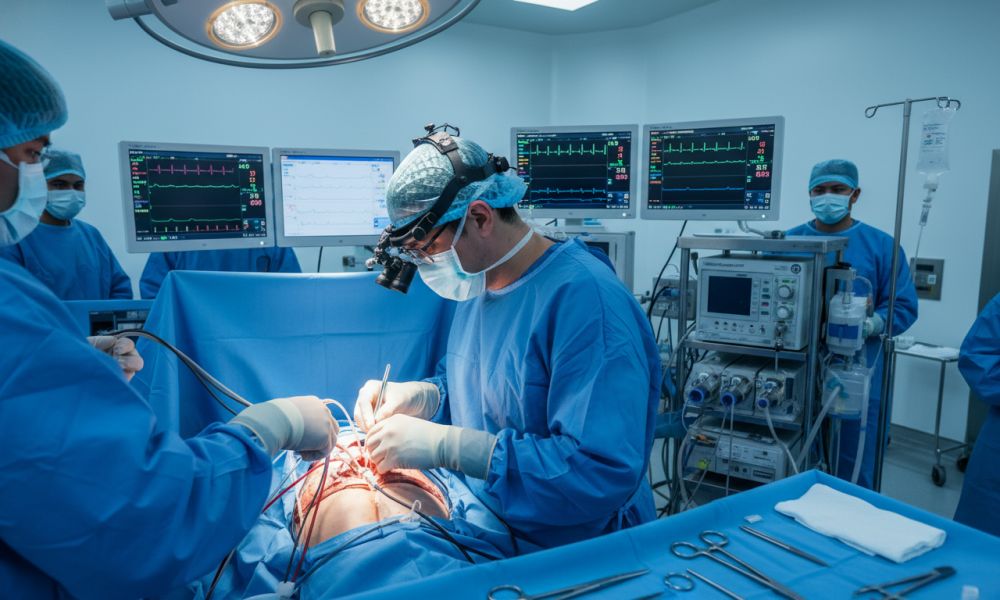
Getting ready for your heart surgery starts long before you go to the hospital. It’s all about making sure your body is ready for the optimal physiological state for your aortic valve surgery. This careful preparation helps doctors reduce risks and make your treatment more precise.
Cardiac Imaging and Laboratory Assessments
Surgeons need a detailed look at your heart before they start. You’ll have tests like echocardiograms and cardiac CT scans. These help the team plan your surgery with unparalleled accuracy.
You’ll also do lab tests. These include a full blood count, coagulation profiles, and kidney function checks. These tests help the anaesthesiology team prepare just for you.
Managing Medications Before the Operation
It’s important to manage your medications before surgery. You’ll need to tell your surgeon about all your drugs, including supplements and herbal remedies. Some medicines, like blood thinners, might need to be stopped to minimise the risk of bleeding during your aortic valve surgery.
Your team will give you a detailed plan for your medications. It’s key to follow this plan closely to stay safe. If you have any doubts, always talk to your surgeon first.
| Assessment Category | Purpose of Test | Patient Action |
|---|---|---|
| Cardiac Imaging | Visualise valve anatomy | Attend scheduled scans |
| Laboratory Work | Assess organ function | Complete blood draws |
| Medication Review | Reduce surgical risk | Follow dosage instructions |
| Physical Exam | Check overall fitness | Consult with cardiologist |
The Valve Replacement Procedure and Anaesthesia
Understanding what happens during your heart valve operation is key to feeling calm and confident. Many people worry about the operating theatre. But knowing what happens there can help make things clearer.
What to Expect in the Operating Theatre
When you enter the theatre, you’ll see a very clean and high-tech area. A team of cardiac surgeons, perfusionists, and nurses will be ready to take care of you. They will make sure your valve replacement procedure goes smoothly.
The room has advanced monitoring systems that watch your vital signs closely. You are never alone, as the medical team focuses on your wellbeing from start to finish.
Anaesthesia Management for Cardiac Patients
Specialised anaesthesia is key for a successful valve replacement operation. Before surgery, a skilled cardiac anaesthesiologist will give you medication. This keeps you in a deep, painless sleep during the surgery.
Your comfort and safety are top priorities. The anaesthesiology team keeps an eye on your heart rhythm, blood pressure, and oxygen levels. This careful monitoring lets the surgical team work on you while you stay comfortable and unaware.
By using the latest anaesthetic techniques, clinics in Turkey make your valve replacement procedure as smooth as possible. This focus on quality care makes the valve replacement operation safe and manageable for patients from abroad.
Post-Operative Recovery and Rehabilitation Programmes
After surgery, your body’s healing is the main focus. A careful plan helps you regain strength safely. This is true for both traditional and minimally invasive valve surgery patients.
Immediate Care in the Intensive Care Unit
You’ll go to the Intensive Care Unit (ICU) after surgery. Here, your vital signs are watched closely. This includes heart rhythm, blood pressure, and oxygen levels.
Medical staff work hard to make sure you’re comfortable and safe. They help you move from being under anaesthesia to waking up. They also manage your pain well.
In the ICU, the team does several important things. They check your heart function, blood, and lungs. They also help you move to keep your blood flowing well.
- Continuous cardiac telemetry to track heart function.
- Regular blood tests to monitor electrolyte balance and coagulation.
- Early respiratory therapy to improve lung capacity and prevent pneumonia.
- Gradual introduction of movement to encourage circulation.
Long-term Cardiac Rehabilitation Strategies
When you leave the hospital, your care shifts to long-term heart health. A tailored recovery plan is key for lasting success. This plan includes exercise, healthy eating, and mental support.
Those who had minimally invasive valve surgery often recover faster. This means they can start their rehabilitation sooner. Your long-term plan will include:
- Supervised exercise sessions to gradually increase heart endurance.
- Educational workshops on heart-healthy nutrition and lifestyle modifications.
- Regular follow-up consultations to assess valve function and overall recovery.
- Stress management techniques to support emotional well-being during the healing process.
Consistency is the key to the best results. Following these professional guidelines helps keep your heart strong for years.
Navigating Legal and Ethical Considerations
When you travel abroad for a mitral valve replacement, it’s important to know your rights. Turkey has strong laws to protect patients getting medical care. Knowing these laws makes you feel safe and informed.
Patient Rights and Informed Consent
In Turkish hospitals, being open is key. Before a mitral valve replacement, you’ll get all the details. This includes risks and what to expect, in your own language. This way, you know exactly what you’re agreeing to.
Privacy and data protection are big deals in Turkey. You can see your medical records and ask questions. Clear communication is a top priority to keep things right.
Medical Insurance and Liability Coverage
Getting insurance for surgery abroad needs careful thought. Many people get extra insurance for their trip. This covers any extra costs or if you need to stay longer than planned. Make sure your insurance covers you in Turkey.
Turkish clinics have strict rules for insurance. They have to have insurance to protect everyone. Knowing this makes you feel more secure before your surgery.
| Consideration | Standard Practice | Patient Benefit |
|---|---|---|
| Informed Consent | Detailed written disclosure | Full awareness of risks |
| Medical Records | Digital access provided | Continuity of care |
| Liability Insurance | Mandatory professional cover | Financial protection |
| Mitral Valve Replacement | Accredited surgical protocols | High safety standards |
Potential Risks and Complications of Cardiac Surgery
It’s important to know the risks of cardiac valve surgery before you start. Turkish hospitals are top-notch, but any big surgery has risks. Knowing these helps you stay safe and recover well.
Managing Post-Surgical Risks
Hospitals in Turkey have strict rules to lower open-heart surgery risks. Doctors and nurses watch your health closely. They check your heart and oxygen levels all the time.
They act fast if something goes wrong. Teams in intensive care are ready to help right away. Catching problems early is key to a good recovery.
Follow-up Care and Communication with Local Doctors
It’s important to talk to your doctor in Turkey and your local doctor in the US before you go. You’ll get a detailed report about your surgery and care. This helps your local doctor know about your cardiac valve surgery.
See your cardiologist soon after you get back. This keeps your care going smoothly. Good communication is key for long-term health after open-heart surgery.
| Risk Category | Mitigation Strategy | Patient Role |
|---|---|---|
| Infection | Sterilisation protocols | Wound hygiene |
| Blood Clots | Anticoagulant therapy | Medication adherence |
| Arrhythmia | Continuous ECG monitoring | Reporting symptoms |
| Recovery Delay | Physiotherapy programmes | Active participation |
Conclusion
Traveling abroad for medical care is a big step towards feeling better. Turkey is a great choice for those needing a valve replacement. It offers top-notch facilities and expert doctors.
Every patient should get the best medical care. Choosing a skilled heart surgeon means your treatment will be safe and precise.
Success in medical tourism needs careful planning and clear talks with your clinic. Knowing your medical team’s skills helps you feel secure during your recovery.
You now have the information to make a smart choice about your health. Contact trusted clinics in Istanbul or Ankara for a consultation. Taking care of your heart health is the best investment for your future.
FAQ
Q: Why is Turkey considered a premier destination for Heart Valve Replacement Surgery?
A: Turkey is a top choice for heart valve surgery. It offers top medical care at a good price. Places like Acıbadem Healthcare Group and Memorial Hospitals Group have great success rates for patients from abroad.
Q: What types of prostheses are used during a cardiac valve surgery?
A: Surgeons use mechanical or biological valves during surgery. Mechanical valves last long but need lifelong medicine. Biological valves come from animals and are chosen based on the patient’s needs.
Q: What are the primary benefits of minimally invasive valve surgery?
A: Minimally invasive surgery has many advantages. It uses smaller cuts, leading to less scarring and infection risk. Patients also recover faster, getting back to their lives sooner.
Q: How qualified are the heart surgery specialist teams in Turkey?
A: Heart surgery teams in Turkey are very skilled. They have international training and work together to care for patients. This team approach ensures the best care for every surgery.
Q: How do the costs of Heart Valve Replacement Surgery in Turkey compare to the United States?
A: Heart valve surgery in Turkey is much cheaper than in the US. Costs can be 50% to 70% lower. Clinics like Medipol University Hospital offer clear packages that include everything needed for surgery.
Q: What is the difference between aortic valve surgery and mitral valve replacement?
A: Aortic valve surgery deals with the valve leading to the body. It’s often needed due to blockage. Mitral valve replacement is more complex, focusing on the valve between heart chambers. It often requires special techniques.
Q: How are international patients assessed before travelling for a heart valve operation?
A: Assessment starts with remote diagnostics. Patients send their medical records and scans for review. This helps the team plan the treatment before the patient travels.
Q: What safety standards and accreditation do Turkish hospitals maintain?
A: Turkish hospitals meet high standards. They are accredited by the Joint Commission International (JCI). This ensures they follow strict safety and quality rules.
Q: What does the recovery and rehabilitation programme involve?
A: After surgery, patients start a cardiac rehab programme. This includes physical therapy and help with medication. It’s designed to support long-term recovery.
Q: How is follow-up care managed once I return to the United States?
A: Follow-up care is a priority. Turkish clinics keep in touch with local doctors. Patients get detailed reports and test copies to help with ongoing care.
Related guides

Healthcare Content Compliance Guide for Growth
A high-performing treatment page can generate international patient inquiries within hours. It can also create material risk if…

Turkey Hospitals vs Local Hospitals Compared
A lower procedure quote can get a patient’s attention. It should not make the decision on its own.…

Patient Experience That Drives Trust and Growth
A patient who has already uploaded medical records, compared providers, and arranged time away from work is not…