
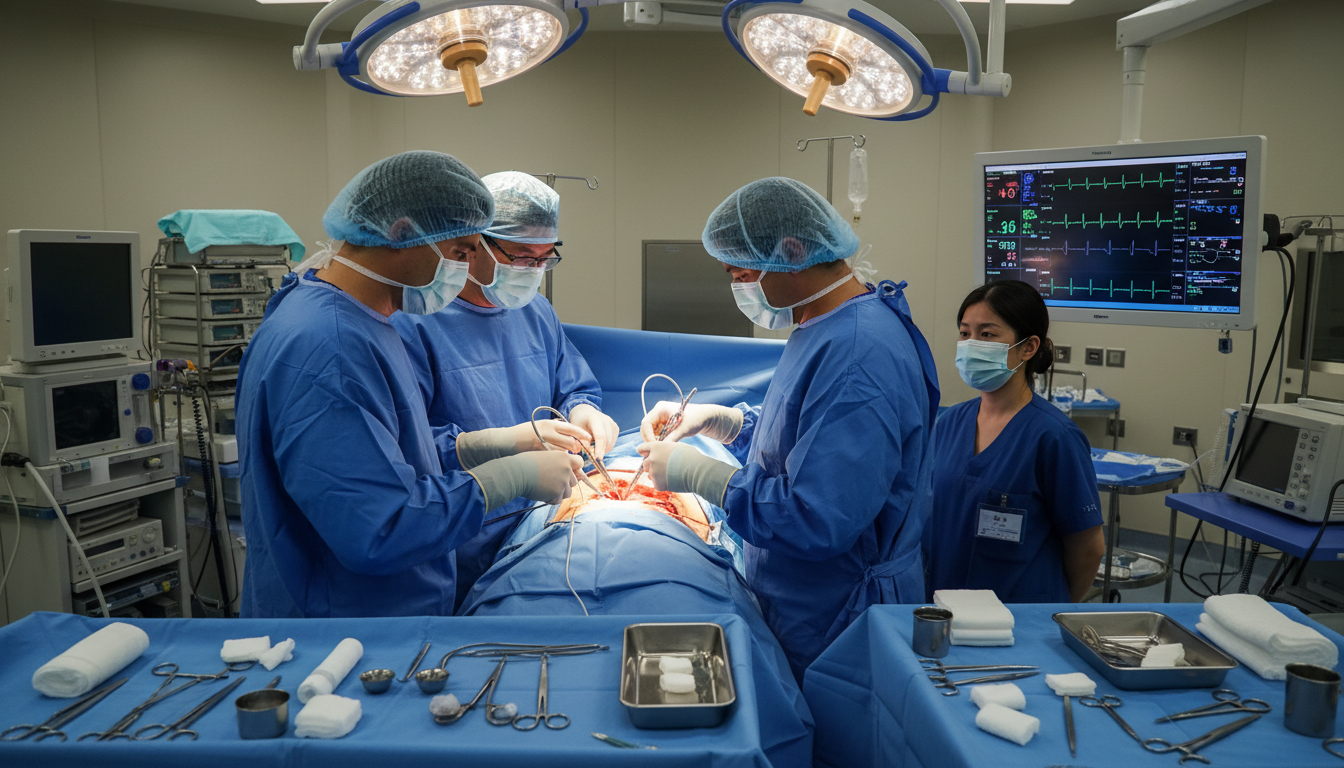
Turkey is now a top choice for complex liver surgeries. People travel here for top-notch medical care and modern healthcare.
Getting hepatectomy surgery in Turkey means quality care at a good price. The hospitals have the latest tech. This ensures patients get great care from start to finish.
Doctors and nurses focus on making patients safe and comfortable. This guide will walk you through getting hepatectomy surgery abroad. It will explain what to expect at every step.
Key Takeaways
- Turkey is known for its advanced medical setup and skilled surgeons.
- Patients get top care and modern facilities all in one place.
- It’s a cost-effective option for complex liver surgeries without losing quality.
- Support is available from the first meeting to long-term recovery.
- International patients can expect clean facilities and care focused on them.
Understanding the Scope of Hepatectomy Surgery
A successful hepatectomy needs a fine balance. It must remove tumours without harming the liver’s health. This surgery treats many conditions by focusing on specific liver areas. It makes sure the rest of the liver keeps working well.
Defining Liver Resection Procedures
A liver resection is when a part of the liver is removed. Surgeons plan carefully to make sure the liver can heal and work right after. They look at the liver’s blood and bile systems closely.
The main aim is to remove diseased tissue safely. By using new surgical methods, doctors can take out tumours. They do this while keeping the healthy liver parts safe.
Indications for Surgical Intervention
People might need surgery when medicine can’t stop their disease from getting worse. This often happens with liver cancers or tumours that have spread from other places.
The table below shows when surgery might be needed:
| Condition Type | Clinical Description | Surgical Goal |
|---|---|---|
| Primary Tumours | Cancer starting in the liver | Removing the tumour completely |
| Metastatic Disease | Cancer that has spread from the colon or other places | Removing secondary tumours |
| Benign Lesions | Large or bothersome growths | Relieving symptoms and preventing problems |
Choosing to have a liver resection is a big decision. Your doctors will look at your situation carefully. They want to make sure the surgery is the best choice for your health in the long run.
Why Turkey Has Become a Global Hub for Liver Surgery
Turkey’s healthcare has changed a lot, making it a top place for surgery. Many people from around the world come here for clinical excellence and top-notch care. This is because Turkey is working hard to make its medical facilities the best.
Advancements in Turkish Medical Infrastructure
Turkish hospitals have modernised fast, using cutting-edge technology like the best in the West. They have the latest tools for diagnosis and surgery. This means patients get the best treatment possible.
But it’s not just about the surgery rooms. Modern clinics also have digital systems for better patient care. From the first visit to recovery, everything is managed well.
Accreditation and International Standards
Turkey’s success in medical tourism comes from following global quality standards. Many top hospitals have Joint Commission International (JCI) accreditation. This shows they focus on safety and ethical care.
Keeping these standards means every liver surgery is done with care. This is why many people choose Turkey for their surgery. Turkey’s world-class infrastructure and safety make it a top choice for medical care.
The Expertise of Turkish Hepatobiliary Surgeons
Turkish hepatobiliary surgeons are known worldwide for their top-notch training and focus on patient safety. They spend years learning the complex details of liver surgery. This hard work means patients get the best care possible, meeting international standards.
Training and Specialisation Requirements
To handle complex surgeries, Turkish surgeons go through a tough education path. They study hepatobiliary and pancreatic surgery after finishing their medical degree. Many also get fellowships in top international centres to improve their skills.
Getting board certified is a key step that shows they can handle risky operations. This rigorous process makes sure surgeons are ready for challenging cases. Patients can trust that they’re in good hands with these experts.
Multidisciplinary Team Approaches
In Turkish medical centres, liver surgery is a team effort. Hospitals use a team approach to manage patients fully. This team includes surgeons, oncologists, radiologists, and pathologists, all working together.
Together, they create personalised treatment plans for each patient. This team effort leads to better decisions and outcomes. It also helps patients recover faster.
This teamwork ensures every patient’s health is watched over carefully. It’s a key part of the excellent liver surgery services in Turkey.
Types of Partial Hepatectomy Procedures
Surgeons use different methods for a partial hepatectomy based on the patient’s needs. Choosing the right surgical approach is key to good liver health. Tailoring the technique to each patient ensures safety and efficiency.
Anatomical vs Non-Anatomical Resections
Anatomical resections remove specific liver segments based on its anatomy. This method is best for tumours deeply in the liver. It helps minimise blood loss and keeps healthy liver function.
Non-anatomical resections, or wedge resections, remove the tumour and some healthy tissue. They are used for smaller, outer lesions. Both methods are important in hepatectomy surgery, giving flexibility for different pathologies.
Laparoscopic and Robotic-Assisted Techniques
Minimally invasive surgery has changed liver surgery. Laparoscopic procedures use small cuts and cameras for a clear view. Patients often have faster recovery times and less scarring than open surgery.
Robotic-assisted systems improve precision with 3D vision and better instrument control. These tools help with complex tasks in tight spaces during a partial hepatectomy. These innovations make surgery more comfortable and reduce hospital stays.
Diagnostic Protocols Before Liver Resection
Getting the details right before surgery is key for a successful liver resection. A detailed map of the patient’s internal body is needed. This map helps guide the surgeon during the operation.
This careful planning helps find the exact spot of tumours and how close they are to important blood vessels. This information helps doctors significantly reduce the chance of problems during surgery.
Advanced Imaging Modalities
Modern hospitals use top-notch imaging to see the liver in 3D. Doctors often use CT scans and MRI to get clear images of the liver’s structure.
These tools help doctors find out the exact size and spread of tumours. Accurate mapping is key to figuring out if surgery is possible and the safest way to do it.
Assessing Liver Function and Reserve
Doctors also check how well the liver will work after part of it is removed. They look at how well the liver can handle toxins and make proteins. This critical assessment makes sure the patient has enough healthy liver to recover well.
By using all this information, the surgical team makes a plan just for that person. This careful planning is essential for achieving the best results and keeping the patient healthy in the long run.
Preparing for Your Medical Journey to Turkey
Your journey to top-notch liver care in Turkey starts with planning your trip and medical needs. Sorting out the practical stuff early lets you concentrate on getting better. Preparation is the key to a stress-free medical journey.
Consultation and Remote Assessment
First, you’ll go through a detailed remote assessment. This lets Turkish experts check your health records and scans without you needing to be there first. You’ll need to share recent scans, blood tests, and a summary of your health.
Thanks to digital tools, sharing these documents is safe and easy. After reviewing your files, the surgical team will likely set up a virtual meeting. This is a great chance to talk about your diagnosis, the surgery plan, and any concerns you have.
Logistics and Travel Planning for Patients
After confirming your surgery, it’s time to sort out travel details. Many Turkish hospitals have patient liaison services to help with this. They make sure your journey from home to the clinic is easy and comfortable.
Here’s a key checklist to help you prepare:
- Visa Requirements: Check the latest visa rules for your country early on.
- Accommodation: Clinics often suggest or book hotels close by for patients.
- Airport Transfers: Book private transport to pick you up at the airport to avoid public transport hassle.
- Medical Documentation: Keep all important documents like your passport, consent forms, and medical reports in both physical and digital formats.
By planning these details, you can focus on getting better. Being proactive helps you feel supported and confident during your stay in Turkey.
State-of-the-Art Facilities and Surgical Technology
Patients looking for liver surgery in Turkey get top-notch facilities. These places are all about precision and safety. The use of cutting-edge technology makes sure every surgery goes smoothly.
Operating Theatre Capabilities
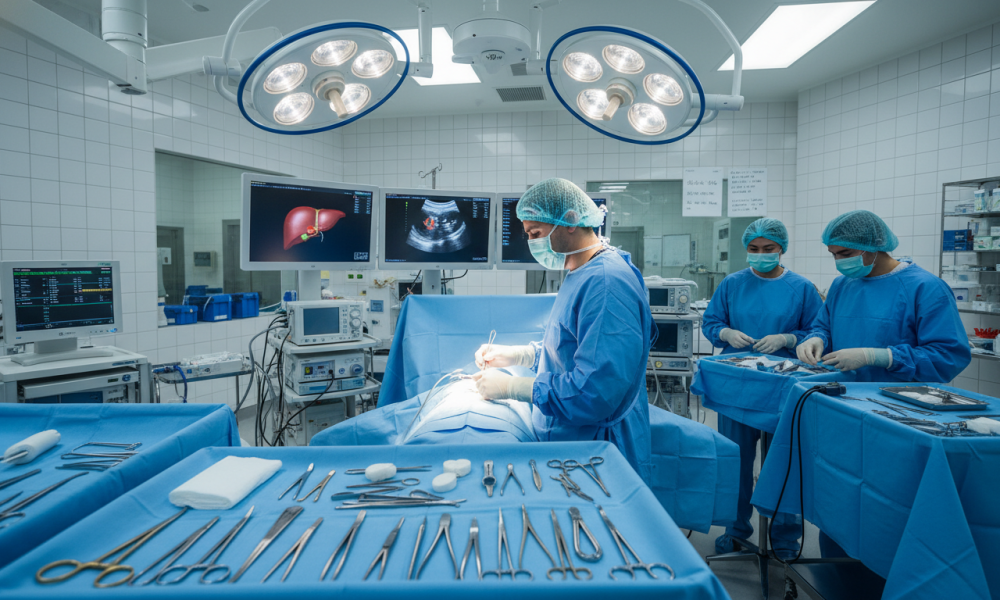
Modern operating rooms in Turkey have the latest tools and high-definition imaging. These help surgeons do complex liver surgery with great accuracy and less invasion. The team can keep an eye on patient health in real-time, making sure everything stays stable.
Post-Operative Intensive Care Units
After surgery, patients go to special ICUs for close watch. These units have skilled staff who keep a close eye and offer quick help. This care is key for a smooth recovery and avoiding complications after liver surgery.
Here’s a table showing the main features of these advanced medical settings:
| Facility Feature | Technological Benefit | Patient Outcome |
|---|---|---|
| Advanced Imaging | High-resolution visualisation | Increased surgical precision |
| Robotic Systems | Enhanced dexterity | Reduced recovery time |
| ICU Monitoring | Real-time vital tracking | Improved safety standards |
| Sterile Environments | Infection control | Lower complication rates |
Managing Surgical Treatment for Liver Cancer
Surgery is key for treating liver cancer. Patients need a place that’s both skilled and knows a lot about cancer. Turkey is known for its top-notch medical care for these tough surgeries.
Oncological Outcomes and Success Rates
Centres in Turkey have impressive results that match the best in the world. They do a lot of surgeries, keeping doctors very good at their job. This means patients have a better chance of living longer.
Patients like how Turkish doctors use facts to plan their treatment. They make sure the surgical treatment for liver cancer is the best choice. With the latest tech and skilled doctors, patients have a strong chance of getting better.
Integrating Surgery with Systemic Therapies
Managing liver cancer is a team effort. Surgeons and oncologists work together. They make sure patients get the right care for their cancer.
Before or after surgery, treatments like targeted therapies or chemo are used. This helps the surgical treatment for liver cancer work better. It’s a key part of caring for patients today.
| Treatment Modality | Primary Goal | Clinical Benefit |
|---|---|---|
| Partial Hepatectomy | Tumour Removal | High curative potential |
| Systemic Therapy | Disease Control | Reduces recurrence risk |
| Multidisciplinary Care | Holistic Planning | Improved survival rates |
Anaesthesia and Pain Management Strategies
Turkish hospitals use the latest methods to keep patients comfortable during and after surgery. They focus on patient-centred care, making sure each person gets a care plan that suits them. This approach helps create a calm and supportive place for those having complex liver surgeries.
Modern Anaesthetic Protocols
The success of an operation depends on modern anaesthetic techniques. Surgeons and anaesthesiologists work together to watch vital signs closely during the surgery. This meticulous attention to detail keeps the patient stable and comfortable from start to finish.
Advanced monitoring tools let the team adjust medication as needed. By using state-of-the-art technology, they reduce risks from general anaesthesia. This careful approach is key to keeping safety high during long liver surgeries.
Post-Operative Analgesia and Comfort
Managing pain well is vital for recovery. Turkish medical centres use multimodal analgesia strategies to keep patients comfortable after surgery. These methods help avoid heavy sedation, speeding up healing.
By controlling pain, patients can mobilise earlier. This lowers the chance of complications. Early movement helps prevent blood clots and improves breathing. The goal is to smoothly move from surgery to recovery, helping patients get strong fast.
Recovery Pathways and Hospital Stays
The path to recovery after a partial hepatectomy in Turkey is well-planned. Medical teams use the latest methods to help patients smoothly move from the hospital to home. They follow strict clinical pathways to ensure top-notch care, matching the standards of the best medical facilities.

Early Mobilisation Programmes
Early mobilisation is key in modern post-op care. Doctors and nurses push patients to move early after a partial hepatectomy. This helps keep blood flowing and prevents blood clots.
Moving also expands the lungs and boosts breathing. This reduces the chance of pneumonia after surgery. Patients work with physiotherapists to gradually increase their activity levels. This is a big part of recovery in Turkish hospitals.
Monitoring and Complication Prevention
Constant monitoring is set up to catch any problems early. Teams use advanced tech and blood tests to watch liver and electrolyte levels closely. These evidence-based practices mean quick action if something changes during recovery.
Nurses also do regular checks to make sure wounds heal and pain is managed. This careful watching is key to keeping patients safe and getting the best results from surgery. Below is a table showing what to expect during the hospital stay.
| Recovery Phase | Primary Focus | Expected Outcome |
|---|---|---|
| Day 1 | Early Mobilisation | Improved circulation and lung capacity |
| Day 2-3 | Dietary Progression | Restoration of normal bowel function |
| Day 4-5 | Pain Management | Transition to oral medication |
| Discharge | Follow-up Planning | Safe return to home environment |
Post-Operative Care and Long-Term Follow-Up
Getting better after a partial hepatectomy needs good communication between your doctors. After you go home, it’s important to keep in touch with your main doctor. This helps your long-term recovery.
Transitioning Back to Primary Care
Your surgical team will give you a detailed discharge summary before you leave Turkey. This summary has important info about your surgery, medicines, and recovery goals. Sharing this with your local doctor quickly helps keep your care smooth and effective.
Your main doctor will watch your health and handle any routine medicines. They will also be your first contact if you have any new symptoms or worries during recovery.
Ongoing Surveillance and Imaging
Regular checks are a key part of your care after a partial hepatectomy. These checks help your team keep an eye on your liver and spot any problems early.
You’ll have regular blood tests to check liver enzymes and tumour markers. These tests give important clues about how your body is doing and your liver’s health.
You’ll also need to have imaging tests like CT or MRI scans to check the surgery area. Sticking to this check-up plan is the best way to keep you healthy in the long run and make sure your surgery was successful.
Comparing Costs and Value in Turkish Healthcare
When looking at surgical treatment for liver cancer, knowing the total cost is key. Turkey stands out by mixing top-quality care with great value. Patients often find Turkish healthcare’s costs clear and easy to understand, unlike other places.
Transparent Pricing Models
Many Turkish hospitals use all-inclusive pricing models. This means you can plan your budget without worrying about surprise costs. These packages include everything from before surgery to aftercare. This way, clinics make billing clear and simple.
This clear pricing lets patients focus on getting better, not on costs. Clear communication about costs is a big part of top Turkish medical centres. You’ll know the total cost of your surgical treatment for liver cancer before you even get there.
Insurance and Financing Considerations
Sorting out the money side of international surgery needs good planning with your insurance. Some private health insurance might cover surgeries abroad, but check your policy first. Turkish hospitals have teams to help with insurance paperwork.
If you’re paying yourself, there might be financing options or payment plans. Talk about these during your first online meeting. This way, your financial plan fits your medical needs. Here’s a table with cost factors to think about when choosing your option.
| Cost Category | Standard Inclusion | Financial Benefit |
|---|---|---|
| Surgical Procedure | Surgeon and Theatre Fees | High-value competitive pricing |
| Hospital Stay | ICU and Recovery Ward | Transparent daily rates |
| Diagnostic Imaging | Pre-op MRI and CT Scans | Included in package deals |
| Follow-up Care | Consultations and Medications | Reduced long-term expenditure |
Patient Safety and Quality Assurance
Patients need the best care when they have complex procedures. Turkish medical places focus on rigorous quality assurance to keep everyone safe. This is very important for surgical treatment for liver cancer, where everything must be precise and clean.
Infection Control and Hygiene Standards
Turkish hospitals follow strict infection control rules. Their operating rooms have top-notch air filters to keep things clean during surgical treatment for liver cancer. They also check that doctors and nurses follow strict hand hygiene and sterilisation rules.
These places use state-of-the-art technology to watch over the environment all the time. This helps keep infections away, making it safe for complex liver treatments. Patients can trust that their health is in good hands with these strong hygiene practices.
Patient Rights and Ethical Practices
Ethical care is key in the Turkish healthcare system. It makes sure every patient is treated with dignity and respect. Patients get clear information about their treatment and what might happen before any surgical treatment for liver cancer starts.
Doctors and nurses follow strict rules to put the patient’s needs first. This builds trust between them and the patient. Here’s a table showing the main safety and quality measures in these places.
| Safety Pillar | Implementation Strategy | Patient Benefit |
|---|---|---|
| Sterilisation | Advanced Autoclave Systems | Reduced Infection Risk |
| Clinical Ethics | Informed Consent Protocols | Enhanced Transparency |
| Quality Audit | International Accreditation | Consistent Care Standards |
| Staff Training | Continuous Professional Development | Expert Surgical Precision |
Navigating Possible Risks and Complications
Modern medicine has made big steps forward, but surgeries like hepatectomy surgery come with risks. It’s important for patients to know about these risks and how they’ll be kept safe. This knowledge helps you feel more confident and clear about your treatment.
Understanding Surgical Risks
Any big surgery on the liver has its own set of risks. Surgeons must be very careful to avoid problems like bleeding, bile leaks, or infections. These issues come from the liver’s complex blood system.
“The greatest risk in surgery is the failure to anticipate the unexpected; therefor, preparation and vigilance remain our most effective tools.”
These risks are not just for one place but are common in liver medicine worldwide. If you’re getting treatment for liver cancer, talk about these risks with your team. Knowing this helps you take a bigger role in your recovery.
Mitigation Strategies in High-Volume Centres
High-volume centres in Turkey are known for their proactive management and advanced technology. They handle many cases, which makes the doctors better and improves results. Surgeons use special imaging and robotic tools to lower the risk of problems during hepatectomy surgery.
Teams work together to watch patients closely at every step. By following the same steps for liver resection, these centres make sure every patient gets the best care. This way, they can spot and fix problems early, making the healing process safer for everyone.
Cultural and Linguistic Support for International Patients
International patients in Turkey get a full support system to help them. This makes sure you feel at ease when you’re away for medical care. The human-centric approach makes your journey, including surgical treatment for liver cancer, easy and worry-free.
Translation Services and Patient Liaisons
Language should never stop you from making important health decisions. Turkish hospitals have medical interpreters who speak many languages. They help during talks and bedside chats, making sure you and your doctors understand each other.
There are also patient liaisons to help you. They handle everything from appointments to logistics. They make sure your needs are met. Choosing places like Hospital Medica Sur means you get a team focused on helping international patients.
Creating a Supportive Healing Environment
Healing is not just about medical care; it’s also about feeling supported and respected. Turkish hospitals work hard to make international patients feel valued. They consider your dietary needs, religious beliefs, and personal comfort during your stay.
The table below shows the main support services that make your stay better:
| Support Service | Primary Benefit | Availability |
|---|---|---|
| Medical Translation | Clear clinical communication | 24/7 On-call |
| Patient Liaison | Logistical coordination | Dedicated Case Manager |
| Cultural Orientation | Increased patient comfort | Upon Arrival |
| Concierge Services | Travel and accommodation | Full-time Support |
Turkish medical centres offer these services to help you focus on your health. This approach is key to top-notch surgical treatment for liver cancer. It lets you heal in a friendly and professional place.
Conclusion
Choosing Turkey for your hepatectomy surgery is a smart move. It combines top medical skills with cutting-edge facilities. Patients get to work with expert surgeons who use the latest tech for accurate results.
This focus on quality makes your surgery a step towards better health. It’s a journey of healing and feeling alive again.
Your active role in the medical process is key to success. From the first online chat to follow-ups after surgery, each step is important. Working closely with your team ensures your needs are always met.
Turkish hospitals are safe and caring places. They have international standards and patient support teams. This makes it easier to choose Turkey for your health journey.
Start your journey to better health by contacting a trusted clinic. Begin your consultation today with confidence.
FAQ
Q: Why is Turkey considered a premier destination for hepatectomy surgery?
A: Turkey is known worldwide for its top-notch surgical skills and strong healthcare system. Patients get excellent care at lower costs than in many Western countries. They also get to enjoy high standards of care.
Q: What is the difference between a liver resection and a partial hepatectomy?
A: These terms are often used the same way. A liver resection or partial hepatectomy means removing a part of the liver that’s sick or has cancer. The goal is to take out the bad part while keeping as much good liver as possible.
Q: How do Turkish hospitals ensure international quality standards for liver surgery?
A: Top Turkish hospitals like Acıbadem Healthcare Group and Memorial Hospitals Group have JCI (Joint Commission International) accreditation. This means they follow strict global standards for safety, precision, and cleanliness. This makes them a safe choice for liver surgery.
Q: What qualifications do Turkish hepatobiliary surgeons possess?
A: Turkish liver surgeons go through tough training and meet high board certification standards. Many have done fellowships at top international places. They work with teams of oncologists and radiologists to make a treatment plan for each patient.
Q: Are minimally invasive techniques used for a partial hepatectomy?
A: Yes, many top Turkish centres use laparoscopic and robotic-assisted surgery for partial hepatectomy. These methods mean smaller cuts, less pain, and quicker recovery times compared to open surgery.
Q: What diagnostic protocols are required before undergoing surgical treatment for liver cancer?
A: Before surgery for liver cancer, patients get a full check-up. They have high-resolution MRI and CT scans to see the tumour. Surgeons also check liver function and reserve to make sure the liver can work after surgery.
Q: How can international patients organise their initial consultation?
A: Most Turkish hospitals offer remote consultations. Patients can send their medical records and scans online for a first review. Then, teams help with travel and visa needs for a smooth trip.
Q: What level of post-operative care can I expect in Turkey?
A: After liver surgery, patients are watched closely in top ICUs. These units have the latest tech and staff focused on preventing problems and helping patients move early. This is key for a good recovery.
Q: How effective is surgery as a treatment for liver cancer in Turkish centres?
A: Surgery is often the main way to treat liver cancer. In Turkey, combining surgery with chemotherapy leads to good results. The team approach ensures a long-term plan for survival.
Q: Is the pricing for hepatectomy surgery in Turkey transparent?
A: Yes, Turkish healthcare is clear about costs. Patients get a full package including surgery, stay, and first meds. This is affordable without sacrificing quality, thanks to Turkey’s competitive medical tourism.
Q: How is pain managed after complex liver surgery?
A: Turkish anaesthesiologists use modern pain management. They focus on controlling pain to help patients move early and avoid complications during healing.
Q: What support is available for patients who do not speak Turkish?
A: International hospitals in Turkey offer help for non-Turkish speakers. They have translation services and patient liaisons. These teams help with communication and daily needs during the stay.
Q: What are the long-term follow-up requirements after a partial hepatectomy?
A: Recovery goes beyond the hospital. Patients get a plan for care back home. This includes regular checks, blood tests, and scans to watch the liver’s health and ensure the surgery’s success.
Related guides

Healthcare Content Compliance Guide for Growth
A high-performing treatment page can generate international patient inquiries within hours. It can also create material risk if…
Turkey Hospitals vs Local Hospitals Compared
A lower procedure quote can get a patient’s attention. It should not make the decision on its own.…

Patient Experience That Drives Trust and Growth
A patient who has already uploaded medical records, compared providers, and arranged time away from work is not…