
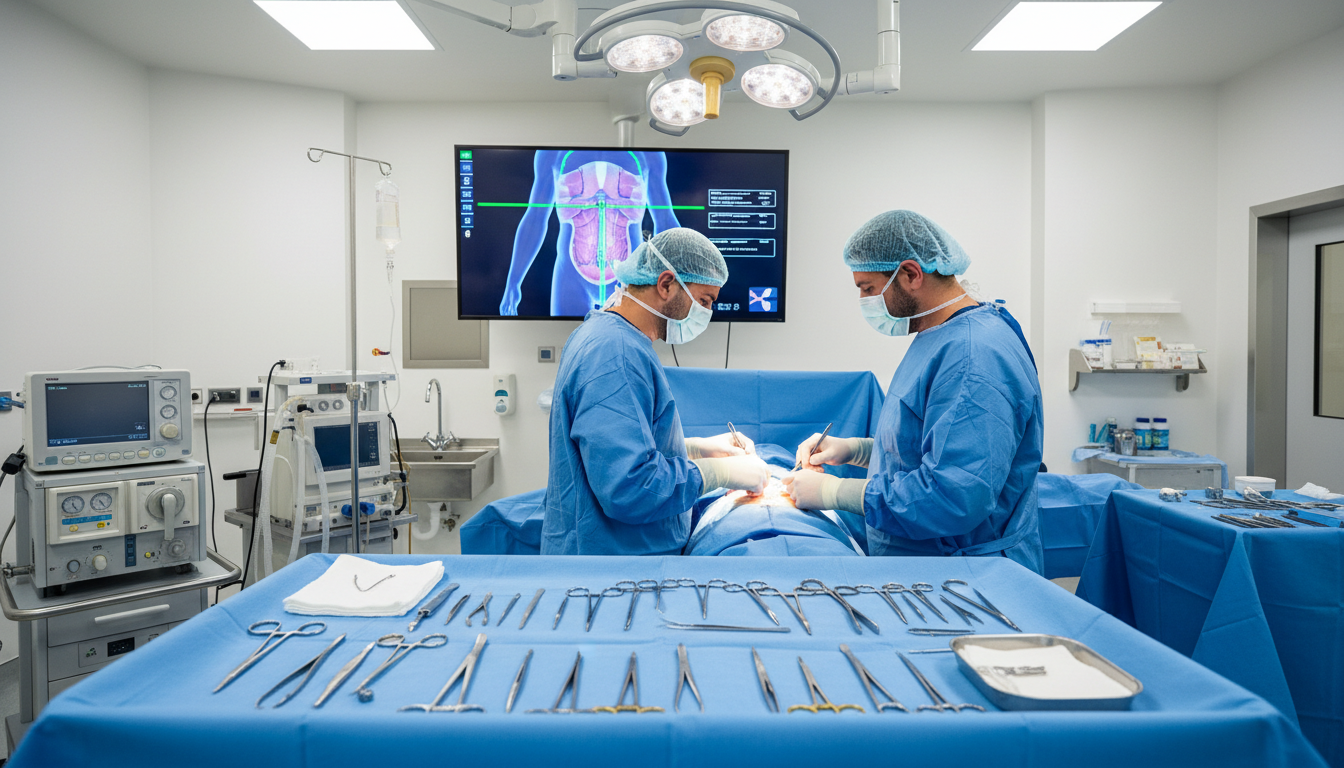
Medical tourism has changed how we get top-notch healthcare worldwide. Many people travel to find affordable, world-class treatment for abdominal wall issues. Turkey is now a top spot for those looking for expert care in this area.
The country has modern hospitals and skilled doctors. This mix means international patients get exceptional standards of care and recovery. Getting Hernia Surgery in Turkey means you get the latest medical techniques and a smooth experience.
Key Takeaways
- Turkey is a leading global hub for medical tourism and specialised procedures.
- Patients benefit from a combination of cost-effective pricing and premium medical standards.
- State-of-the-art hospitals provide a safe environment for complex abdominal wall repairs.
- Highly qualified consultants ensure that every patient receives personalised care plans.
- The region offers a streamlined process for international visitors seeking rapid recovery.
Understanding the Prevalence and Types of Hernias
A hernia happens when an organ or fatty tissue bulges through a weak spot in the muscle or tissue. These issues are common worldwide, affecting people of all ages. The main problem is a weakness in the abdominal wall, leading to different types of hernias.
Doctors see many cases of hernias, often due to muscle weakness and strain. Knowing the type of hernia is vital for choosing the right Hernia Surgery. This helps surgeons to fit their methods to each patient’s needs.
Common Symptoms and Diagnostic Procedures
People with hernias might see a bulge that gets bigger when they cough, bend, or lift. Some hernias cause mild pain, while others can be very painful or feel heavy. It’s important to catch these problems early to manage them well.
Doctors start by doing a detailed check-up. They might also use scans like ultrasound or CT scans to confirm the diagnosis. These tests give a clear picture of the problem, helping surgeons plan the Hernia Surgery accurately.
The Importance of Timely Surgical Intervention
Waiting too long to treat a hernia can be risky. It can lead to serious problems like the tissue getting trapped and cut off from blood. This is why it’s so important to act quickly.
“The best time to address a hernia is before it becomes a source of acute pain or life-threatening complications.”
Getting Hernia Surgery at the right time can make recovery better and lower the chance of it coming back. Early treatment helps people get back to their normal lives quickly and safely. Getting professional help is the best way to fix the problem and stay healthy in the long run.
Why Turkey Has Become a Global Hub for Hernia Surgery
Turkey’s rise in medical tourism is not by chance. It’s the result of years of investment in healthcare. The country has modernised its healthcare to match the West’s standards. This makes Turkey a top choice for Hernia Surgery in a professional setting.
Advancements in Medical Infrastructure and Technology
Turkish hospitals have been greatly improved. They now have the latest technology and facilities. This ensures patients get precise and effective care.
Looking into the quality of care is important. You can check out a guide to choosing the right orthopedic clinic in Turkey. This shows how Turkey’s medical excellence applies to many surgeries, including Hernia Surgery.
Accreditation Standards in Turkish Hospitals
Patient safety is key in Turkey’s healthcare. Many top hospitals have international accreditations, like the Joint Commission International (JCI) seal. These standards ensure safety and quality.
These high standards give international patients peace of mind. You can be sure your Hernia Surgery will be in a place that values your health. This is why many choose Turkey for their medical needs.
Expertise of a Qualified Hernia Surgeon in Turkey
Turkey has a strict system to ensure top-notch surgical care for all patients. Choosing a Hernia Surgeon here means picking someone who meets high international standards. These experts have deep knowledge and lots of experience, leading to great results.
Training and Certification Requirements
Every Hernia Specialist in Turkey goes through a detailed medical education and years of special training. This makes sure they know both old and new surgical methods well. They also get board certified to show they can handle complex repairs.
These surgeons keep learning by going to international meetings and workshops. This keeps them up-to-date with the latest medical breakthroughs. So, your Hernia Surgeon always has the best tools and methods for you.
“The true measure of a surgeon’s skill is not just in the operation itself, but in the dedication to patient safety and the pursuit of perfection in every procedure.”
Multidisciplinary Approaches to Patient Care
Modern medicine is all about teamwork, and Turkey’s healthcare system is great at it. A Hernia Specialist works with a team, not alone. This team approach makes sure your health is fully looked after before, during, and after surgery.
The table below shows the key team members who help you recover well:
| Professional Role | Primary Responsibility | Impact on Patient Care |
|---|---|---|
| Lead Surgeon | Surgical execution | Ensures technical precision |
| Anaesthesiologist | Pain management | Guarantees patient comfort |
| Specialised Nurse | Post-operative care | Promotes faster healing |
By combining different skills, clinics offer a holistic environment for patients. This teamwork lowers the risk of problems and makes your medical experience better. You can trust that a whole team is working for your health.
Comprehensive Overview of Inguinal Hernia Repair
Learning about the Inguinal Hernia Repair methods is key to a good recovery. This surgery fixes weak spots in the groin where tissue bulges out. A hernia specialist will check your body to find the best surgery for you.
Traditional Open Surgery Techniques
The old way is a big cut right over the hernia. Doctors push the bulge back inside and use a mesh to strengthen the area.
This method is very reliable for many, like those with big or recurring hernias. It takes longer to heal, but it fixes the problem well.
Minimally Invasive Approaches for Faster Recovery
New techniques aim for less pain and quicker healing. They use small cuts and cameras for a gentler repair.
People often feel less pain and get back to normal faster than with old methods. The right choice depends on your health, the hernia size, and what you want for recovery.
Specialised Umbilical Hernia Treatment Options
Fixing a problem near the belly button needs precision and expert clinical judgement. Not everyone knows about Inguinal Hernia Repair. But, umbilical cases need a special look at the belly’s middle part. A skilled Hernia Specialist will choose the best method based on the hernia’s details.
Assessing the Severity of Umbilical Defects
First, doctors must check how big and complex the umbilical defect is. They use physical checks and advanced imaging techniques to see how far the tissue is out of place. This helps decide if a simple fix or a bigger repair is needed.
It’s also important to know the patient’s health history and if the hernia could get stuck. This helps the Hernia Specialist make the surgery safer. Getting the diagnosis right is key for good Umbilical Hernia Treatment.
Surgical Repair Methods and Mesh Integration
Today, surgery often uses synthetic mesh to strengthen the belly wall. This method is very good at reducing the risk of recurrence, which is important for big defects. The mesh helps the body heal and keeps the belly wall strong.
For smaller problems, doctors might just stitch it up. But for most adults, using mesh is the gold standard. This makes sure the belly wall can handle pressure well. Picking the right Umbilical Hernia Treatment is key for a good recovery and long-term health.
The Role of Laparoscopic Hernia Surgery in Modern Practice
Laparoscopic techniques have changed hernia treatment a lot. They use advanced imaging and special tools. This lets surgeons do an Inguinal Hernia Repair with great accuracy. Now, many patients choose this method for its effective and long-lasting results.
Benefits of Small Incisions and Reduced Trauma
Laparoscopic Hernia Surgery uses tiny cuts instead of big ones. A thin, flexible tube with a camera is used. This gives a clear view inside the body.
With these small cuts, patients feel less pain and have fewer complications. The body heals faster because there’s less damage. This is good for those who want less scarring and pain.
Post-Operative Recovery Expectations
Recovery times are shorter with these new methods. Most people can do light activities a few days after surgery. They should avoid heavy lifting at first, but getting back to normal is easy.
The table below shows the main differences between old and new surgery methods. It helps you see why the new way is better:
| Feature | Open Surgery | Laparoscopic Surgery |
|---|---|---|
| Incision Size | Large (5-10 cm) | Small (0.5-1 cm) |
| Recovery Time | 4 to 6 weeks | 1 to 2 weeks |
| Post-Op Pain | Moderate to High | Low to Moderate |
| Return to Work | Extended period | Rapid resumption |
Innovations in Robotic Hernia Repair
The world of hernia repair is changing fast with robotic systems. These systems bring new levels of precision to surgery. They let surgeons do complex tasks with more ease than before.
By using Robotic Hernia Repair, medical teams can fix abdominal wall defects more accurately. This is a big step forward in hernia care.
Precision and Control in Complex Cases
Robotic systems give surgeons a clear, 3D view of the surgery area. This magnified visualisation is key for working in tight spaces or fixing hernias that come back. The robotic arms can move more than the human wrist, making it easier to sew in tight spots.
These systems are great for patients with tough abdominal wall problems. They offer enhanced control for detailed dissection and precise mesh placement. This leads to better results, even in hard cases that might need bigger surgeries.
Comparing Robotic Systems to Conventional Methods
Choosing the right surgery depends on the patient’s needs. Traditional open surgery is common, but robotic-assisted methods have their own benefits. They are better for recovery and handling tissues.
Whether it’s for an Umbilical Hernia Treatment or a more complex repair, knowing the differences is important.
| Feature | Conventional Surgery | Robotic-Assisted Surgery |
|---|---|---|
| Visualisation | Direct line of sight | 3D High-Definition |
| Incision Size | Larger | Minimal |
| Recovery Time | Moderate | Faster |
Robotic systems are a big step forward in medicine. They offer a refined experience that focuses on patient safety and success. Clinics in Turkey are leading the way in hernia care with their use of these advanced technologies.
Selecting the Right Hernia Clinic for Your Needs
Finding a good Hernia Clinic needs careful thought and research. When looking for medical care, the clinic’s quality is key. A good clinic makes your surgery safe and successful.
Evaluating Patient Reviews and Success Rates
Check the clinic’s past performance before you decide. Look for positive feedback on their Umbilical Hernia Treatment and patient happiness. Good results show the team’s skill and the hospital’s quality.
Ask for data on complication rates. A clear Hernia Clinic will share their safety records and past results. This shows they care about your health and are honest.
Communication and Language Support Services
Good communication is key when you’re in a foreign country. Make sure the clinic offers language help. This is important for understanding your Umbilical Hernia Treatment and what to do after.
Staff who speak your language can make you feel more at ease. Good communication means you know what’s happening at every step. Also, check if they offer 24/7 support for international patients.
| Evaluation Criteria | Importance Level | Key Benefit |
|---|---|---|
| Patient Testimonials | High | Real-world experience |
| Surgical Success Rates | Critical | Proven clinical safety |
| Language Support | High | Clear communication |
| Accreditation Status | Critical | International standards |
The Financial Advantage of Choosing Turkey for Your Hernia Operation
Deciding to have a hernia operation in Turkey is a smart move. It offers top-notch care at a lower cost. Many from the United States save a lot of money compared to what they would pay at home. This makes it easier to get quality care without breaking the bank.
Cost Comparison with United States Healthcare
The main reason for this choice is the big difference in prices. In the US, costs add up quickly due to high hospital fees and salaries. But, Turkey keeps costs down while meeting international standards.
Patients can save 50% to 70% on their medical bills in Turkey. This doesn’t mean they sacrifice quality. Many surgeons in Turkey are well-trained and work in top institutions. The low cost of Laparoscopic Hernia Surgery in Turkey is a big draw for those looking for affordable, effective care.
Understanding All-Inclusive Medical Packages
Transparency is key in Turkey’s healthcare, thanks to all-inclusive packages. These packages make sure you know exactly what you’re paying for. They cover the surgery, anaesthesia, hospital stay, and meds.
Some clinics even include airport transfers and hotel stays for you and a friend. This all-inclusive approach helps you budget easily. It makes planning your trip stress-free, focusing on your health and finances.
| Service Feature | United States Average | Turkey All-Inclusive |
|---|---|---|
| Surgical Procedure | High Cost | Included |
| Hospital Stay | Variable/Daily Fee | Included |
| Post-Op Medication | Additional Cost | Included |
| Travel/Accommodation | Not Included | Often Included |
Navigating the Medical Tourism Process
Planning your medical trip to Turkey is easy if you know the steps. Breaking it down into stages helps ensure your Hernia Operation is well taken care of. This way, you get the best care and attention.
Initial Consultations and Remote Diagnostics
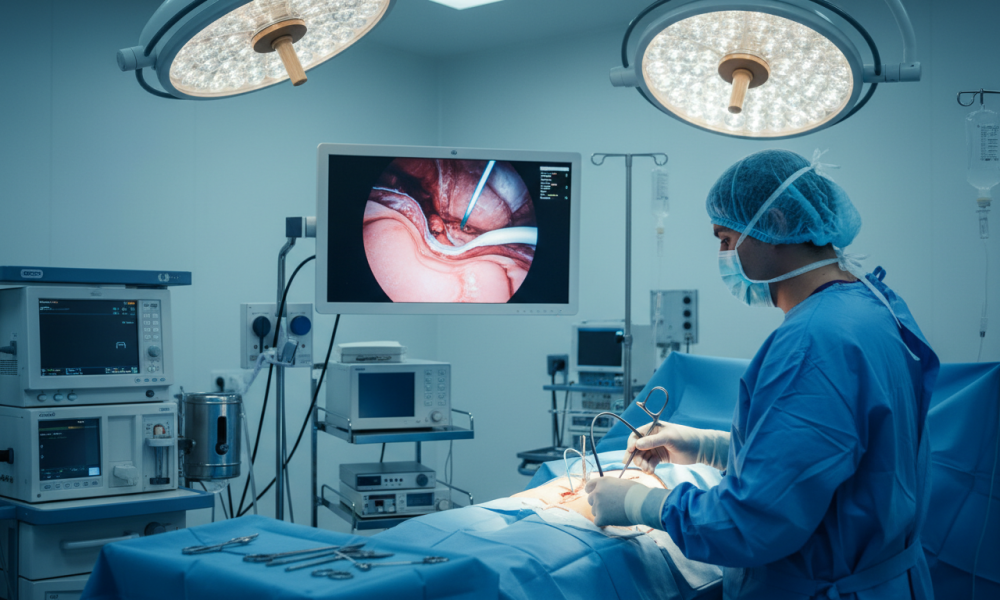
It starts with a remote chat with a specialist from home. You’ll share your health history, symptoms, and any scans online. This is all done securely.
This preliminary assessment is key. It helps the surgeon decide if you’re right for Laparoscopic Hernia Surgery. By looking at your records early, the team can plan your treatment before you travel. This makes your time in Turkey all about getting better.
Travel Logistics and Accommodation Arrangements
After scheduling your surgery, you’ll work on travel and stay plans. Many clinics have patient coordinators to help with flights and local places to stay. They pick spots close to the hospital.
It’s best to stay near the hospital for easy access to follow-up visits. Also, think about the aftercare process to smoothly return to your life. With everything planned, you can heal without worrying about the trip details.
Pre-Operative Preparation and Health Assessments
Getting ready for surgery is key to a good outcome. Taking steps before your hernia operation can reduce risks and make recovery better. Doctors say a well-prepared patient is healthier, which is vital for Robotic Hernia Repair.
Required Medical Documentation and Screening
Your medical team needs a full health history before you go to the clinic. This helps make a plan just for you. You’ll need to bring:
- Recent blood test results, including full blood counts and coagulation profiles.
- Relevant imaging reports, such as ultrasound or CT scans, confirming the hernia location.
- A detailed list of current medications, including dosages and frequency.
- Records of any previous surgeries or chronic health conditions.
“Thorough screening is the cornerstone of patient safety, allowing us to anticipate challenges before they arise in the operating theatre.” — Leading Surgical Specialist
Lifestyle Adjustments Before Travelling
Changing your lifestyle a few weeks before surgery can help your body heal better. It’s important to follow your surgeon’s advice on diet and exercise to be in optimal health for the operation.
Here are key changes to make for your hernia operation:
- Medication Management: Talk to your doctor about stopping blood-thinning meds or supplements that might increase bleeding risks.
- Smoking Cessation: Quitting smoking at least two weeks before surgery helps with oxygen flow and healing.
- Dietary Habits: Eat a balanced, nutrient-rich diet to boost your immune system and keep a healthy weight.
- Hydration: Drink plenty of water to help your body function well during recovery.
Following these steps shows you’re serious about your health and helps your surgery succeed. Always talk to your medical team about any worries before you go.
Post-Operative Care and Follow-Up Protocols
Your recovery starts when you leave the operating room. The success of your treatment depends on your post-operative care. Following professional advice helps your body heal well and safely.
Managing Pain and Wound Care
Managing pain is key in the first days after surgery. Your team will give you a medication schedule to help you relax. It’s important to stick to this plan to avoid extra pain.
Keeping the wound clean and dry is also critical. Follow the dressing change instructions from your surgeon. Watch for signs of redness or swelling to keep your recovery on track.
Long-Term Monitoring and Virtual Consultations
Modern healthcare makes it easy to stay in touch, even from home. Whether you had traditional surgery or Robotic Hernia Repair, your team is committed to your progress. Virtual consultations help them check on you remotely.
These online meetings are great for discussing any worries and getting advice. Regular follow-ups mean the same experts who operated on you can keep an eye on your healing. This approach gives you peace of mind and helps your Robotic Hernia Repair last longer.
Safety Standards and Infection Control Measures
Surgical excellence in Turkey is built on strict safety protocols. Every Hernia Surgeon works in facilities that put patients first. They focus on health and well-being.
These hospitals have a safety culture like the best in the United States. They use advanced technology and strict hygiene. This ensures every procedure is safe.
Sterilisation Protocols in Leading Facilities
Top Turkish hospitals use the latest sterilisation equipment for surgical tools. They follow stringent international guidelines to prevent cross-contamination.
The operating theatres have advanced air filters. This keeps the area sterile during surgery. Important steps include:
- Regular checks on sterilisation equipment.
- Using single-use materials when needed.
- Training staff on keeping things clean and safe.
Patient Safety Records and Regulatory Oversight
The Turkish Ministry of Health checks hospitals to ensure safety. A Hernia Surgeon must follow these rules. These standards match global ones like the Joint Commission International (JCI).
Regular audits and inspections happen. This shows hospitals are transparent. It makes patients trust the care they get.
Choosing a hospital with a good safety record means your Hernia Surgeon has a team focused on your safety. Continuous monitoring and strict care plans are standard.
Addressing Possible Risks and Complications
Every surgery has risks, and knowing them helps ensure a smooth recovery. Modern medicine has made things safer, but patients must stay alert during healing. A key part of good care is telling patients about these risks.
Recognising Warning Signs After Surgery
Patients should watch their body closely after surgery. Some pain is normal, but other signs might mean you need to see a doctor. Spotting problems early can help avoid bigger issues.
If you have a high fever or chills, call your doctor right away. Also, look out for signs of infection like redness, swelling, or discharge at the cut. Severe or getting worse pain that doesn’t go away with medicine is a big warning sign.
Mitigation Strategies Employed by Specialists
A good Hernia Surgeon uses many ways to lower risks before and during surgery. They start with a detailed check-up before the operation. This helps them plan the surgery just right for you.
During surgery, doctors use the latest tech and gentle methods to hurt less tissue. These steps help prevent infections and help you heal faster. They also follow strict cleaning rules to keep everything safe.
After surgery, you’ll get clear instructions on how to care for your wound and what activities to avoid. Keeping in touch with your team helps them quickly address any worries. This all-around safety makes hernia treatment safe and effective today.
Legal and Ethical Considerations for International Patients
Choosing a Hernia Clinic abroad means knowing your legal rights. Medical tourism means dealing with different laws. It’s key to know this before you go. Looking after your legal safety lets you focus on getting better.

Understanding Patient Rights and Medical Liability
In Turkey, healthcare laws protect all patients, including visitors. Every Hernia Clinic must follow strict rules about informed consent. This means you’ll know all about the surgery risks and what to expect. Being open is important in Turkish medical care.
Turkish law is clear about medical liability. Patients should check all papers, like surgery contracts and privacy agreements, before the surgery. Knowing these documents helps keep things professional and safe.
Insurance Coverage and International Health Policies
Checking your insurance is a big part of planning your medical trip. Many health plans don’t cover surgeries abroad. You should talk to your insurance to see if you’re covered or if you need special travel insurance.
Travel insurance for medical needs often covers unexpected issues. Make sure your policy includes emergency evacuation and follow-up care. These steps help protect you financially and legally during your visit.
| Consideration | Importance | Action Required |
|---|---|---|
| Patient Rights | High | Review informed consent forms |
| Medical Liability | High | Verify clinic accreditation |
| Insurance Policy | Critical | Confirm international coverage |
| Legal Documentation | Medium | Keep copies of all contracts |
Conclusion
Choosing to get medical help abroad is a big step towards a better life. Turkey stands out with its advanced surgery and affordable care. It’s a place where many people find top-notch medical services.
Your success depends on your effort. Make sure to research the Hernia Clinic you choose. This ensures you get care from experts who put your safety first. Follow all instructions before and after surgery to get the best results.
Starting your journey to a pain-free life is easy. Just talk to a trusted Hernia Clinic about your condition. They’ll create a treatment plan just for you. This way, you get top care while keeping your healthcare costs down.
Medical science keeps getting better, making treatments safer and more effective. By picking a reliable clinic, you get to use the newest surgical techniques. Take care of yourself by booking a consultation today and take the first step with confidence.
FAQ
Q: Why is Turkey considered a premier destination for Hernia Surgery?
A: Turkey is known for its affordable prices and top-notch medical care. Places like Acıbadem Healthcare Group and Memorial Hospitals Group have the latest technology. They attract many patients from around the world for their Hernia Operations.
Q: What are the common signs that I should consult a Hernia Specialist?
A: Look out for a bulge in your abdomen or groin. Pain when you cough, lift, or strain is also a sign. Feeling heavy in your gut is another symptom. Seeing a doctor early can prevent serious problems.
Q: What qualifications and standards define a top Hernia Surgeon in Turkey?
A: A top surgeon in Turkey has gone through tough training and got certified by the Turkish Surgical Association. They also have international fellowships and memberships. This keeps them up-to-date with the latest in surgery.
Q: How does Laparoscopic Hernia Surgery differ from traditional open methods?
A: Laparoscopic surgery uses small cuts and a camera. This is different from open surgery, which needs a big cut. It causes less damage, less pain, and faster healing.
Q: What does Umbilical Hernia Treatment involve and how is it tailored to the patient?
A: Treatment for umbilical hernias depends on the size and type of the defect. Surgeons might use mesh to strengthen the area. This helps fix the problem and stops it from coming back.
Q: What are the specific benefits of opting for Robotic Hernia Repair?
A: Robotic surgery gives better views and more control than regular laparoscopy. It’s great for complex repairs. This means the surgeon can do a precise job with less harm to healthy tissue.
Q: How can I identify a reputable Hernia Clinic in Turkey?
A: Look for clinics with good patient reviews and success rates. Check for international accreditations like JCI. A good clinic will also communicate well and offer language support.
Q: Is there a significant cost advantage to having a Hernia Operation in Turkey?
A: Yes, Turkey is much cheaper than the UK or US. Many clinics offer packages that include surgery, hospital fees, and sometimes accommodation. This is great value without sacrificing quality.
Q: What should I expect during the recovery period after Inguinal Hernia Repair?
A: Recovery is usually quick, thanks to minimally invasive surgery. Doctors will give you a care plan for pain and wound care. Some clinics even offer online check-ups after you go home.
Q: What safety and infection control measures are standard in Turkish hospitals?
A: Turkish hospitals follow strict safety rules. They use advanced cleaning for tools and air filters in operating rooms. This ensures they keep patients safe and clean.
Q: Are there legal and ethical protections for international patients in Turkey?
A: Yes, Turkey has strong laws for patient rights and medical responsibility. Hospitals are open and clear about your treatment. They also work with health insurance to cover your care.
Related guides

Healthcare Content Compliance Guide for Growth
A high-performing treatment page can generate international patient inquiries within hours. It can also create material risk if…

Turkey Hospitals vs Local Hospitals Compared
A lower procedure quote can get a patient’s attention. It should not make the decision on its own.…

Patient Experience That Drives Trust and Growth
A patient who has already uploaded medical records, compared providers, and arranged time away from work is not…