
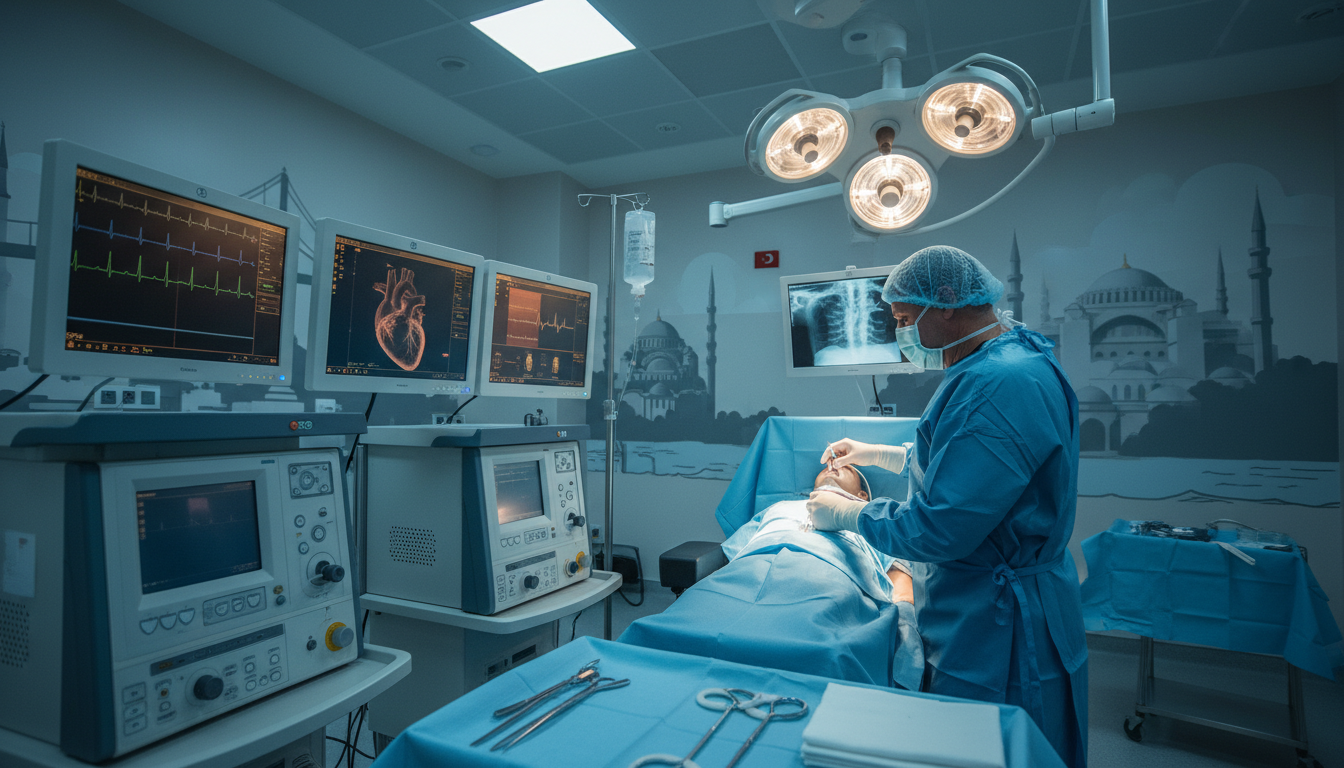
Turkey is now a top choice for heart treatments worldwide. Many from the United States are choosing it for its quality and cost. Turkish medical centres are known for their high standards.
Interventional Cardiology here offers top-notch care for heart issues. People prefer it for quick treatment without long waits at home. You’ll find the latest technology and skilled surgeons at reputable facilities.
If you need a angioplasty or other heart treatments, Turkey is a great option. It’s known for its focus on patient care. This guide will show you the benefits of angioplasty and Interventional Cardiology in Turkey.
Key Takeaways
- Turkey is a leading hub for high-quality, cost-effective cardiac care.
- Patients from the United States benefit from reduced waiting times and advanced medical technology.
- Turkish hospitals maintain rigorous international standards for all surgical procedures.
- Comprehensive planning ensures a smooth experience for international medical travellers.
- Expert surgeons provide personalised care tailored to individual heart health requirements.
The Rise of Turkey as a Global Hub for Cardiac Care
In the last twenty years, Turkey has become a major player in medical tourism. This change is due to a deliberate and sustained effort to improve its healthcare. Now, Turkey is known for its top-notch, affordable, and accessible heart care.
The Evolution of Medical Tourism in Turkey
Turkey’s medical tourism started with a focus on local care. But it quickly grew to meet international standards. The country attracted patients from all over by following global health benchmarks. This was made possible by a robust regulatory framework that put patient safety and quality first.
“Turkey has effectively bridged the gap between advanced medical technology and compassionate patient care, making it a top-tier destination for cardiovascular health.”
The sector’s growth is seen in the number of accredited hospitals for international visitors. These hospitals offer full support, including language help and travel arrangements. This makes the experience smooth for those coming for heart procedures.
Strategic Investments in Cardiovascular Medicine
Big investments have been made in the heart care sector. Hospitals now have the latest tools for diagnosis and surgery. The government and private groups have focused on building special heart centres. These centres have cutting-edge technology on par with the best in the US and Western Europe.
The table below shows the main factors behind Turkey’s fast growth in heart care:
| Investment Area | Impact on Patient Care | Strategic Benefit |
|---|---|---|
| Advanced Cath Labs | Increased precision in surgery | Higher success rates |
| Medical Training | Highly skilled specialists | Global clinical standards |
| Digital Infrastructure | Streamlined patient records | Improved follow-up care |
| Facility Expansion | Reduced waiting times | Enhanced patient access |
These investments have built a sustainable ecosystem for growth. Turkey keeps improving by focusing on innovation. Patients get care that’s both advanced and focused on their well-being.
Understanding Interventional Cardiology and Angioplasty
Modern cardiology has changed a lot thanks to precise catheter-based treatments. Interventional Cardiology uses special catheters to diagnose and treat heart diseases without big surgery. This new way lets doctors fix complex problems with great accuracy.
Defining Percutaneous Coronary Intervention
Percutaneous coronary intervention, or PCI, is at the core of this field. It involves putting a thin tube into a blood vessel, usually through the wrist or groin. Then, a small balloon is used to widen a narrowed vessel, known as angioplasty.
“The beauty of modern cardiology lies in our ability to repair the heart from the inside out, minimising trauma while maximising the restoration of blood flow.”
After the balloon is inflated, a stent is placed to keep the artery open. This ensures blood keeps flowing to the heart muscle, lowering the risk of heart problems. The whole procedure is done under local anaesthesia, so patients stay awake and comfortable.
The Role of Minimally Invasive Techniques
Minimally invasive techniques have changed how patients recover and feel. Unlike old-style open-heart surgery, these new methods don’t need to cut through the breastbone. This means patients feel less pain and get back to their normal lives faster.
| Feature | Open-Heart Surgery | Minimally Invasive |
|---|---|---|
| Incision Size | Large (Sternotomy) | Puncture (Catheter) |
| Recovery Time | Several Weeks | Few Days |
| Anaesthesia | General | Local/Sedation |
The main benefit of angioplasty and similar treatments is less stress on the body. By focusing on the problem area, surgeons protect other tissues. This is a key part of modern heart care, making it safer and more effective.
Why Patients Choose Turkey for Heart Procedures
Turkey is a top choice for those looking for safe and supportive heart care. It’s known for its expert doctors and modern facilities. This makes it a trusted place for complex heart procedures.
Accessibility and Modern Healthcare Facilities
Getting to Turkish medical centres is easy for international patients. Top hospitals are in places like Istanbul, with great flight and transport links. These hospitals meet international standards, providing modern and efficient care.
Advanced technology is used in heart procedures here. This means patients get precise care quickly. The quick admission process helps reduce stress, making the experience less daunting.
The Patient-Centric Approach to Cardiac Wellness
The Turkish healthcare model puts patients first. Medical teams focus on the whole person, not just the illness. This approach supports patients from start to finish.
Staff are trained to communicate clearly, building trust and easing worries. This focus on comfort makes heart procedures part of a bigger recovery plan. It’s why Turkey is a top choice for cardiac care.
| Service Feature | Standard Care | Turkish Cardiac Care |
|---|---|---|
| Wait Times | Extended | Minimal |
| Patient Support | Basic | Comprehensive |
| Technology | Standard | State-of-the-art |
| Focus | Clinical Only | Holistic Wellness |
State-of-the-Art Infrastructure in Turkish Cath Labs
Successful heart treatment starts with a modern catheterisation laboratory. Turkish medical centres are leading the way with top-notch cardiac infrastructure. They invest heavily to ensure patients get the best care, meeting international standards for safety and precision.
Advanced Imaging and Diagnostic Equipment
Modern cath lab procedures need high-resolution imaging. Turkish facilities use advanced fluoroscopy systems for clear, real-time visuals. This helps cardiologists work with unparalleled accuracy, lowering the risk of complications.
“Technology is the silent partner in every successful surgical outcome, bridging the gap between human expertise and clinical precision.”
These hospitals use low-radiation imaging to keep patients safe. They balance innovation with care, showing the Turkish commitment to cardiovascular medicine.
Integration of Digital Health Systems
Digital health systems have changed how cardiac data is handled. They make it easy to store and access patient records. This is key for cath lab procedures, making the process smoother and reducing errors.
Digital systems also improve team communication. This ensures everyone is on the same page, leading to better treatment plans. Turkish hospitals are at the forefront of cardiac care, thanks to these digital advancements.
Expertise and Qualifications of Turkish Cardiologists
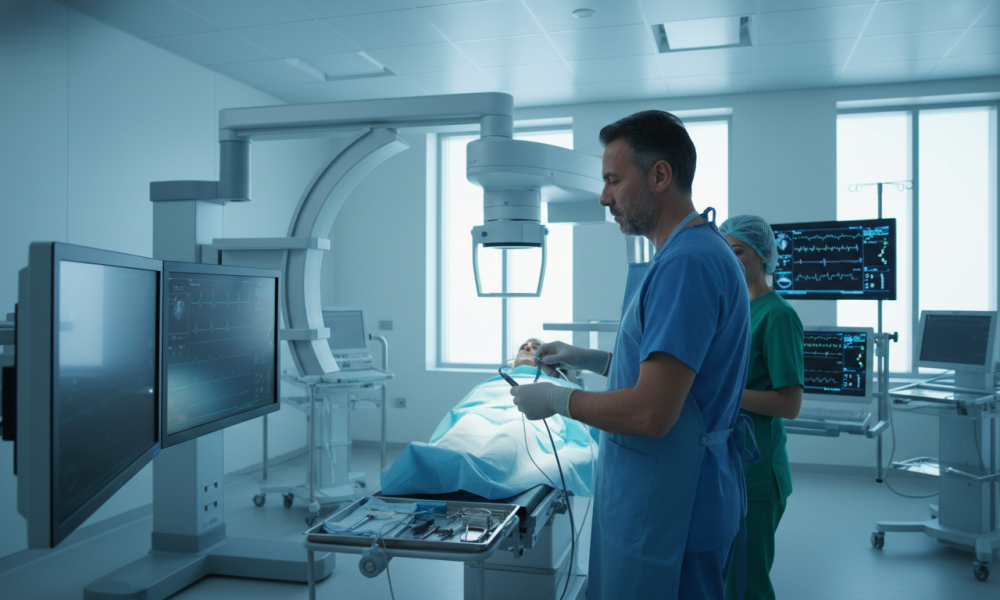
Turkish cardiologists are known worldwide for their deep knowledge and skill. They spend years studying to understand Interventional Cardiology fully. This makes them leaders in modern medicine.
Training Standards and International Fellowships
Becoming a top heart doctor in Turkey takes a lot of hard work and experience. Many doctors get fellowships in Europe and North America. They bring back advanced techniques to use in their clinics.
This experience helps Turkish clinics keep up with the world’s best medical standards. Patients looking for cardiac surgery in Turkey get the best of both worlds.
Multidisciplinary Teams in Cardiac Care
Dealing with heart problems needs a team effort. Turkish hospitals have multidisciplinary teams. Cardiologists, surgeons, and anaesthetists work together.
This teamwork leads to better care for patients. They get thorough checks and treatment plans made just for them. This way, patients get the best care possible.
| Professional Attribute | Standard in Turkey | Global Benchmark |
|---|---|---|
| Academic Training | Rigorous/Specialised | High |
| International Fellowships | Extensive Participation | Standardised |
| Team Collaboration | Multidisciplinary | Integrated |
| Clinical Focus | Interventional Cardiology | Evidence-Based |
The Turkish healthcare system values excellence. These teams keep improving, leading to great results in Interventional Cardiology. This gives patients from all over the world peace of mind.
The Process of Coronary Artery Disease Treatment
Every patient’s journey starts with a detailed check-up to find the best treatment. Turkish medical centres focus on a thorough approach. They use the latest technology and expert knowledge to make sure each patient gets the right diagnosis first.
Diagnostic Pathways and Initial Assessments
The first step is a series of tests to see how the heart is doing. Patients usually have electrocardiograms and stress tests. These tests show how the heart works when it’s under stress.
If tests show big blockages, doctors might suggest a coronary angiogram. This lets them see the arteries live with dye. It’s key for understanding how serious the problem is and what to do next.
Tailoring Treatment Plans to Individual Needs
After getting the test results, the team makes a plan just for the patient. Every heart is different, so personalised medicine is key in Turkey. Doctors look at things like age, health, and where the blockages are.
This custom approach makes sure the treatment is safe and works well. It helps doctors get better results for their patients. Below is a list of common tests used in this process.
| Diagnostic Tool | Primary Purpose | Invasiveness |
|---|---|---|
| Electrocardiogram (ECG) | Electrical activity monitoring | Non-invasive |
| Stress Echocardiogram | Heart function under strain | Non-invasive |
| Coronary Angiogram | Visualising arterial blockages | Minimally invasive |
| Cardiac CT Scan | Detailed structural imaging | Non-invasive |
By using these tests, doctors can make a clear plan for recovery. This focus on detail is why Turkey is a top choice for cardiac care.
Advancements in Stent Placement Technology
Medical engineering has changed how doctors tackle heart blockages. Today’s stent placement methods are safer and more effective. They help restore blood flow to the heart better than before.
These new techniques make heart treatments less invasive. They also give better support to damaged blood vessels.
Types of Stents Used in Modern Practice
In Turkey, doctors use many advanced tools to fix narrowed arteries. The right tool depends on the patient’s unique situation and the blockage type.
- Bare-Metal Stents (BMS): These are traditional mesh tubes that keep the artery open. They work well in certain cases where drug-coated stents aren’t needed.
- Drug-Eluting Stents (DES): These stents have a special coating that slowly releases medicine. This helps prevent the artery from getting blocked again.
The precision in stent placement lets doctors tailor treatments. They choose the best material and design for each patient. This helps the healing process.
Long-term Outcomes and Efficacy
The main goal is to keep the artery open for good. Studies show modern stents work better than old ones in preventing blockages.
Patients enjoy a better life and need fewer follow-up treatments. The efficacy of these stents is proven through tests and standards. This ensures the heart works well after treatment.
Thanks to skilled doctors and advanced technology, stent placement is key to good heart care. These improvements help keep the heart healthy for the long term.
Safety Protocols and Success Rates in Turkish Hospitals
Turkish cardiac centres are known for their strict safety standards and high success rates. Patients looking for heart procedures value a safe clinical environment most. Turkish medical facilities have adopted world-class safety frameworks, similar to those in the United States and Europe.
Infection Control and Surgical Safety
Keeping the environment clean is key to avoiding complications after surgery. Turkish hospitals follow rigorous infection control protocols for every surgical step. These steps are to reduce risks and help patients heal in a clean environment.
Important parts of these safety plans include:
- Advanced Air Filtration: Operating rooms use HEPA-filtered air systems to keep particles almost zero.
- Strict Sterilisation Cycles: Surgical tools go through detailed cleaning using the latest technology.
- Continuous Monitoring: Teams track surgical site infection rates in real-time to make quick changes if needed.
Benchmarking Success Against Global Standards
Transparency is a key feature of Turkish healthcare. Hospitals often join global benchmarking to check their performance. By meeting internationally recognised quality indicators, they show patients their expertise.
This focus on excellence shows in the success rates of major heart surgeries. Hospitals share patient outcome data, showing their commitment to quality. This data-driven approach means every treatment aims for the best possible result.
Preparing for Your Cardiac Catheterisation Journey
Your journey to a successful cardiac catheterisation starts before you get to the clinic. It’s important to get your health records in order and follow your doctor’s advice. This helps your medical team give you the best care possible.
Pre-operative Consultations and Screening
First, you’ll have detailed talks with your medical team. They’ll look over your health history and check your heart’s function. You might need blood tests or scans to make sure you’re ready for the procedure.
Many people choose to plan these steps at places like the HCor – Hospital do Coração. It’s key to have all your past heart treatments documented clearly. This lets your cardiologist plan the best approach for you.
Managing Medications and Lifestyle Adjustments
It’s important to manage your medications well. Tell your doctor about all the drugs you’re taking, including blood thinners or diabetes meds. They’ll tell you when to stop or change your doses before your cardiac catheterisation.
Changing your lifestyle is also key for recovery. Doctors might suggest a healthy diet and some exercise before your trip. Quitting smoking and drinking less alcohol can help your body heal better after the procedure.
| Preparation Phase | Action Required | Timeline |
|---|---|---|
| Medical Records | Gather all recent test results | 4 weeks prior |
| Medication Review | Consult with your cardiologist | 2 weeks prior |
| Lifestyle Changes | Adopt a heart-healthy diet | Ongoing |
| Final Screening | Complete blood work | 1 week prior |
What to Expect During Balloon Angioplasty
Many patients feel more in control when they know what happens during a balloon angioplasty. Knowing the steps helps them relax before the procedure. This method is precise and aims to improve blood flow to your heart.
The Procedure Step-by-Step
The team starts by cleaning and numbing a small area, often in your wrist or groin. A thin, flexible tube called a catheter is then inserted through your blood vessels. It’s guided to the blocked artery.
Once there, a tiny balloon is inflated to widen the vessel. This angioplasty method pushes the plaque against the artery walls. Sometimes, a small mesh tube called a stent is placed to keep the artery open.
The whole process is watched closely using real-time imaging. This ensures the highest accuracy.
Anaesthesia and Patient Comfort
You will stay awake during the procedure. This lets you talk to your medical team at any time. Local anaesthesia makes the insertion site numb, avoiding pain.
Some patients also get mild sedation. This helps them feel relaxed and comfortable during the procedure.
“The true measure of a successful cardiac procedure is not just the restoration of blood flow, but the comfort and confidence of the patient throughout the entire experience.”
Your comfort is a priority in Turkey. The clinical staff watch your vital signs closely and offer support. Choosing balloon angioplasty means a safe and effective treatment. This method is key in modern heart care.
Post-Procedural Recovery and Cardiac Rehabilitation
The journey to better heart health starts right after your procedure. The intervention is a big step, but the recovery phase is just as important. People who have cardiac catheterisation need a plan that mixes rest with gentle exercise.
Immediate Post-operative Care
After your procedure, you’ll go to a recovery area. Medical staff will watch your vital signs closely. This is key to make sure the access site is stable and your heart rhythm is healthy. Professional nursing care helps with any pain and watches for complications.
You’ll likely be told to stay in bed for a few hours. This helps the puncture site heal. Your medical team will give you clear instructions on moving and drinking water. Following these safety protocols helps avoid bruising or bleeding.
“Recovery is not just about returning to your previous state, but about building a stronger foundation for your future heart health.”
Long-term Lifestyle Changes and Follow-up
When you get home, focus on making lifestyle changes for heart health. Eating well, exercising regularly, and taking your medicines as directed are key. Many find joining a rehabilitation programme boosts their confidence and strength after cardiac catheterisation.
Regular check-ups are vital to track your progress and adjust your treatment if needed. These visits help your cardiologist see how well the procedure worked and check your heart function. Keeping in touch with your healthcare team is crucial for long-term success.
- Attend all scheduled follow-up appointments to track your recovery.
- Follow a heart-healthy diet rich in vegetables, fruits, and lean proteins.
- Engage in light, doctor-approved exercise to improve cardiovascular endurance.
- Monitor your blood pressure and cholesterol levels regularly.
By sticking to these habits, you protect the benefits of your cardiac catheterisation and improve your life quality. Remember, your health is an ongoing journey. Being proactive is the best way to live a vibrant, active life.
Comparing Costs: Turkey versus the United States
Many patients are surprised by the big price gap in heart procedures between Turkey and the United States. The quality of care is top-notch, but the cost is much lower in Turkey.
Analysing the Price Gap in Cardiac Services
The main reason for the cost difference is the different operational costs. Turkish hospitals have lower admin costs and pay their staff less. This lets them offer premium cardiac services at a much lower price than in the US.
The Turkish government also helps by investing in medical tourism. This model makes sure top-quality heart procedures are affordable for international patients. It doesn’t cut corners on safety or technology.
| Cost Factor | United States | Turkey |
|---|---|---|
| Hospital Overhead | High | Moderate |
| Professional Fees | High | Competitive |
| Technology Access | High | High |
Hidden Costs and Value-Added Services
When planning your treatment, don’t just look at the surgery cost. Turkish clinics often offer all-inclusive packages. These include airport transfers, luxury stays, and language support.
These packages help avoid surprise costs. They let patients focus on getting better after their heart procedures.
Always ask for a clear cost breakdown before you decide. Knowing what’s included helps make your journey financially predictable and successful.
Navigating Medical Tourism Logistics and Travel
Going abroad for heart treatment means you need to know about travel and support. Good planning helps you focus on getting better, not on paperwork. This way, you can smoothly move from your home to a Turkish medical centre.
Visa Requirements and Travel Arrangements
Getting into Turkey is usually easy for international patients. Many can get an e-Visa online, which saves time at the border. Always check the latest visa rules for your country to make sure your documents are good for your stay.
When booking flights, pick airlines with flexible change policies. Medical plans can change. Hospitals often have dedicated travel coordinators to help with flights and transport. They make sure you get to your place or clinic without stress, often by private car.
Accommodation and Support Services for International Patients
Turkish healthcare knows what patients from abroad need. Most big hospitals have comprehensive support packages. These include help with language and local things, making patients and their families feel at ease.
You can choose from many places to stay, from fancy hotels to special patient homes near the hospital. These places have things like easy-to-get-to rooms and are close to doctors. To make your stay better, here are some tips:
- Confirm your support team: Make sure your hospital has a team for international patients to help you.
- Utilise translation services: Most clinics offer professional translators to help with language issues during visits.
- Pack essential records: Keep both digital and paper copies of your medical history, current meds, and insurance info.
- Plan for recovery time: Add extra days to your trip to make sure you’re ready to travel before going home.
Using these professional support services helps you feel confident on your medical trip. Turkey’s modern setup and caring doctors make it a great place for heart treatments. With the right planning, you can focus on getting better.
Accreditation and Quality Standards in Turkish Healthcare
Turkish medical facilities are known for their high standards. They follow global accreditation and strict government rules. This ensures that patients get the best care when they travel for complex treatments. Knowing these standards is key when you pick the right clinic in Turkey for your heart needs.
JCI Accreditation and Its Significance
The Joint Commission International (JCI) accreditation is the top mark for hospitals. It shows that a hospital has been checked to ensure optimal patient outcomes and safety. Hospitals with this mark show they are always improving and striving for the best.
Patient safety is the cornerstone of modern medicine. Choosing a JCI-accredited hospital gives international patients peace of mind. They know the hospital follows strict global rules. This includes everything from infection control to managing complex surgical equipment.
“Accreditation is not merely a badge of honour; it is a systematic approach to ensuring that every patient receives care that is both safe and evidence-based, regardless of their origin.”
Regulatory Oversight by the Ministry of Health
The Turkish Ministry of Health also plays a big role. It has a strong system to check all medical facilities. This makes sure every hospital, big or small, follows strict health laws. The government checks regularly to make sure care meets modern medical standards.
This double protection—global accreditation and national rules—makes a safe place for heart patients. The table below shows the main ways Turkish healthcare ensures quality.
| Quality Pillar | Description | Patient Benefit |
|---|---|---|
| JCI Standards | Global safety benchmarks | Consistent high-quality care |
| Ministry Oversight | National legal compliance | Accountability and safety |
| Clinical Audits | Regular performance reviews | Reduced risk of complications |
| Staff Certification | Mandatory professional training | Expertise in cardiac procedures |
Patient Rights and Ethical Considerations in Cardiology
Ethical standards are key to top-notch cardiac care for patients from around the world in Turkey. Medical places follow strict rules to make sure everyone gets fair and respectful treatment. This is very important in Interventional Cardiology, where trust between the patient and the team is critical.

Informed Consent and Transparency
Transparency is a big part of Turkey’s healthcare. Before any treatment starts, patients get a full explanation of their condition, the treatment plan, and any risks. This helps you make informed decisions about your health.
Doctors answer all your questions, making sure you understand everything. This open talk makes patients feel safe and respected. It’s key for keeping high medical standards.
Communication and Language Support
Good communication is vital for medical success. Turkish hospitals know this and offer professional language support services for visitors. This helps you talk clearly with your doctors and nurses at all times.
Patient coordinators help with translation during talks and check-ups. This is very important when talking about Interventional Cardiology treatments. It lets the medical team focus on giving you exceptional cardiac care that meets your needs.
Conclusion
Choosing the right place for heart care is key. It needs top-notch medical skills and peace of mind. Turkey stands out for its excellent heart treatments. It combines advanced tech with skilled doctors for the best results.
The healthcare in Turkey puts patient safety first. It has modern facilities and follows strict standards. This ensures your treatment is both safe and effective.
Getting top care doesn’t have to cost a lot. You’ll see the best doctors and use the latest treatments. This makes Turkey a top pick for heart health.
Do your homework and talk to doctors before you decide. Discuss your health needs and what you want to achieve. This way, you can make a choice that’s right for you and your heart.
FAQ
Q: Why is Turkey considered a leading global destination for interventional cardiology and angioplasty?
A: Turkey is known for its top-notch cardiovascular medicine and healthcare. Places like Acıbadem Healthcare Group and Memorial Hospitals Group offer facilities as good as those in the US and Europe. It’s also more affordable than many Western countries.
Q: What exactly is a percutaneous coronary intervention (PCI), and how does it differ from surgery?
A: PCI, or angioplasty, is a non-surgical way to open blocked heart arteries. It’s different from open-heart surgery because it doesn’t need a big cut. Instead, a thin tube is inserted through a blood vessel in the arm or groin.
Q: What technology is typically found in Turkish cath lab procedures?
A: Turkish cath labs use the latest imaging and diagnostic tools. Brands like Siemens Healthineers and GE Healthcare provide high-tech equipment. This includes tools for clear views of the heart and digital systems for managing patient data.
Q: Are the cardiologists in Turkey qualified to international standards?
A: Yes, Turkish cardiologists meet high training standards. Many are members of the European Society of Cardiology (ESC) and the American College of Cardiology (ACC). They often have international fellowships, keeping them up-to-date with global best practices.
Q: How is the choice of stent placement determined during the procedure?
A: The choice of stent depends on the patient’s needs and medical history. Most use drug-eluting stents (DES) to prevent the artery from narrowing again. In some cases, bare-metal stents are used. Turkish hospitals use devices from trusted global makers like Abbott or Boston Scientific.
Q: What should I expect during a balloon angioplasty procedure?
A: You’ll get local anaesthetic and a sedative to stay comfortable. A cardiologist guides a catheter to the blockage. A small balloon is then inflated to open the artery. The team watches your vital signs closely in a controlled environment.
Q: How do the costs of heart procedures in Turkey compare to those in the United States?
A: Heart procedures in Turkey are 50% to 70% cheaper than in the US. This is due to lower costs and a competitive pricing model. Many packages include the procedure, hospital stay, and transport, making it a great value.
Q: How do Turkish hospitals ensure patient safety and quality control?
A: Top Turkish hospitals have Joint Commission International (JCI) accreditation. This means they follow strict rules on infection control and patient safety. The Turkish Ministry of Health also checks success rates and clinical outcomes to ensure quality.
Q: What is the typical recovery process after cardiac catheterisation and angioplasty?
A: Patients usually stay in the hospital for 24 to 48 hours after the procedure. They’re monitored for the catheter site and heart rhythms. Later, they join a cardiac rehab programme for exercise and lifestyle advice.
Q: What logistics support is available for international patients travelling to Turkey?
A: Hospitals in Turkey have special departments for international patients. They help with visas, travel, and airport transfers. They also offer language support to make sure patients understand their treatment plans.
Related guides

Healthcare Content Compliance Guide for Growth
A high-performing treatment page can generate international patient inquiries within hours. It can also create material risk if…

Turkey Hospitals vs Local Hospitals Compared
A lower procedure quote can get a patient’s attention. It should not make the decision on its own.…

Patient Experience That Drives Trust and Growth
A patient who has already uploaded medical records, compared providers, and arranged time away from work is not…