
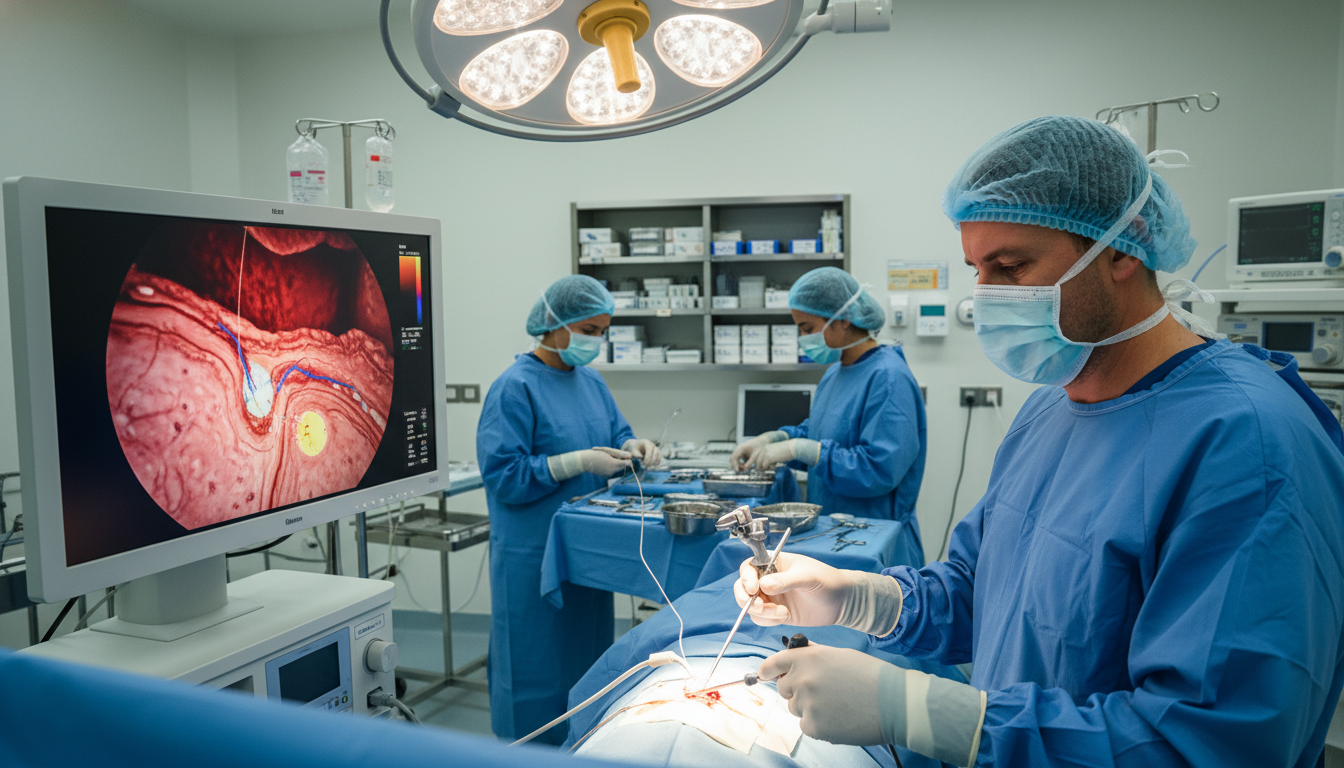
Turkey is now a top spot for people looking for world-class medical care. It has modern facilities and skilled doctors. This makes it a great choice for those needing advanced treatments.
Many people travel abroad for treatments that are both affordable and effective. It’s important to find the right orthopaedic clinic to get the best care.
Keyhole surgery is a big step forward in medicine. It means patients can recover faster and have less scarring. Getting this surgery in Turkey means you get the latest technology and care that focuses on your health.
Key Takeaways
- Turkey is a leading global hub for high-quality medical tourism and specialised healthcare.
- Patients benefit from advanced technology and highly qualified medical professionals.
- Choosing the right clinic is vital for ensuring safety and successful treatment outcomes.
- Minimally invasive techniques provide shorter recovery periods compared to traditional methods.
- International standards of care are strictly maintained across top-tier Turkish medical centres.
Understanding the Rise of Keyhole Surgery in Turkey
Modern healthcare in Turkey has seen a big change over the last 20 years. The country has focused on improving its medical sector. Now, it’s a world-class hub for those looking for top treatments.
This growth has made keyhole surgery more available and popular for visitors from abroad. The move to less invasive methods shows Turkey’s commitment to excellence in healthcare.
By using the latest surgical keyhole technologies, Turkish hospitals match the quality of the best in the US. This means patients get care that is both quick and very effective.
Investing in better facilities has been key to Turkey’s success. Many clinics have gained international recognition for their rigorous safety standards. This has built a strong reputation, attracting thousands for keyhole surgery each year.
The rise of Turkey in medical tourism is due to its affordability and high-quality outcomes. The country keeps improving its medical tourism to meet the increasing demand. Patients can look forward to a smooth experience that focuses on their health and recovery.
The Clinical Advantages of Minimally Invasive Surgery
The move to less invasive surgery has changed healthcare for the better. It focuses on precision and keeping tissues safe. This leads to better results than old methods. The use of high-intensity focused ultrasound (HIFU) and other new ways shows this change.
Reduced Trauma and Faster Recovery Times
Minimally invasive surgery cuts down on body harm. Surgeons use special tools through small openings. This means no big, painful cuts are needed.
Patients usually stay in hospital less. They can get back to normal life sooner than with old surgeries. This makes patients happier and helps the healthcare system too.
Lower Risk of Post-Operative Complications
Studies show laparoscopic surgery leads to better results and fewer problems. The small cuts mean less chance of infection. Patients also feel less pain, needing less strong pain meds.
These new methods let doctors see better during surgery. They keep everything clean and safe. Choosing minimally invasive surgery means caring for the patient’s safety and health.
Why Turkey Has Become a Global Hub for Surgical Excellence
Turkey is now a top choice for those seeking top-notch surgery. It focuses on quality care and safety, drawing thousands of patients each year. This success comes from a long-term plan to improve its healthcare.
It’s a go-to place for minimally invasive surgery. Turkey mixes affordable prices with top medical skills, beating Western markets.
Investment in State-of-the-Art Medical Infrastructure
The Turkish government and private sector have invested heavily in top hospitals. These places have the latest tech for minimally invasive techniques. This means surgeons can do complex surgeries with great accuracy.
“Quality in a service or product is not what you put into it. It is what the client or customer gets out of it.”
Modern hospitals in Istanbul and Ankara have special surgical areas. They aim to make the patient’s journey smooth, from start to finish.
Accreditation Standards and International Partnerships
Turkey sticks to strict international standards to stay ahead. Many top hospitals have the Joint Commission International (JCI) gold seal. This shows they meet global safety standards, reassuring patients from the US.
Turkish clinics also work closely with top medical groups in Europe and North America. These partnerships help share new minimally invasive techniques. Turkey keeps its medical team up-to-date with the latest in surgery.
- Continuous training for surgical teams.
- Adoption of international clinical protocols.
- Regular audits by independent health organisations.
Common Procedures Performed Using Laparoscopic Techniques
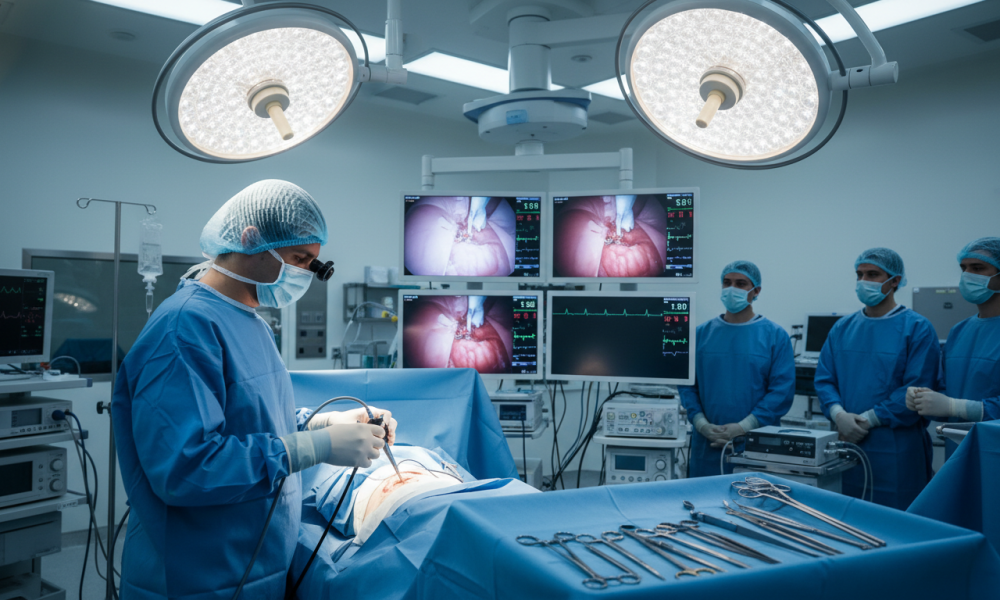
The use of keyhole surgery is widespread in Turkey’s medical field. Turkish hospitals have invested in the latest technology. This ensures patients get top-notch care. Surgeons use laparoscopic technique for complex operations, causing less harm than traditional surgery.
Gastrointestinal and Bariatric Interventions
Turkey is known for its excellence in digestive and metabolic health. Many patients come here for endoscopic procedures to treat chronic conditions or obesity. These surgeries are precise, leading to faster recovery and better long-term results.
Some common surgeries include:
- Gastric sleeve and gastric bypass for weight management.
- Gallbladder removal, also known as a cholecystectomy.
- Repair of complex hiatal hernias.
- Treatment of inflammatory bowel diseases through minimally invasive resection.
Gynaecological and Urological Applications
The laparoscopic technique is also used in gynaecology and urology. It helps treat sensitive conditions while keeping the patient’s quality of life intact. This method is preferred for its ability to reduce pain and scarring after surgery.
Patients often choose Turkey for these treatments:
- Hysterectomies and the removal of ovarian cysts.
- Treatment for endometriosis to alleviate chronic pelvic pain.
- Prostate surgery and kidney stone removal via an endoscopic procedure.
- Bladder reconstruction and repair of urological defects.
By focusing on keyhole surgery, Turkish medical teams help patients recover faster. This leads to shorter hospital stays and a quicker return to daily life. Turkey’s commitment to innovation attracts many from the United States seeking efficient surgical solutions.
Selecting the Right Surgeon and Hospital
Finding the right surgeon and hospital abroad needs careful planning. When looking at checking out the doctor for your treatment, look for clear information and top-notch skills. It’s important to research well to ensure your health is in good hands.
Verifying Credentials and Board Certifications
Choosing a safe medical experience starts with your surgeon’s qualifications. Always ask for proof of board certification and check their experience in small incision surgery. Make sure their training meets international standards.
“The quality of your surgical outcome is directly linked to the expertise and precision of the surgeon performing the procedure.”
It’s okay to ask for a CV or details on their success rates. A good surgeon will answer your questions openly and honestly. Transparency is key for a professional medical provider.
Evaluating Hospital Facilities and Technology
The place where you get treated is also important. Hospitals in Turkey use the latest technology for minimally invasive techniques. Look for places with high cleanliness and the newest diagnostic tools.
When checking a hospital, consider these points:
- Accreditation status: Check for international approvals like JCI certification.
- Technological infrastructure: Make sure they have the latest robotics or high-definition imaging.
- Safety protocols: Confirm they follow strict sterilisation and infection control.
By focusing on these areas, you can find a safe and quality care provider. Choosing a clinic ready for small incision surgery will make your experience better. Remember, your peace of mind is worth the effort of thorough research.
The Patient Journey from the United States to Turkey
Starting your journey to a medical procedure in Turkey is more than just booking a flight. Healthcare providers have made the process smooth. They ensure patients from the United States are fully supported every step of the way.
Initial Consultations and Remote Diagnostics
Your first step is a virtual consultation with your medical team. They look at your health history and current status. This helps decide if you’re right for an endoscopic procedure.
It’s important to share your medical records online. This lets the team create a personalised treatment plan. They prepare everything before you arrive in Turkey.
Logistics of Travel and Accommodation
After confirming your medical plan, a patient coordinator takes care of the details. They arrange your travel and luxury accommodation near the hospital.
Many clinics offer packages that include your stay. This means you can focus on recovering after your laparoscopic surgery. The goal is to make your travel stress-free, so you can relax and recover with complete peace of mind.
| Service Phase | Domestic Process | Turkish Medical Travel |
|---|---|---|
| Consultation | In-person visit | Virtual remote assessment |
| Diagnostics | Local lab referrals | Integrated digital review |
| Logistics | Self-managed | Concierge coordination |
| Support | Standard hospital staff | Dedicated patient liaison |
Cost Analysis and Financial Considerations
Choosing a surgical keyhole procedure in Turkey is a smart move. It balances top-notch care with affordable prices. Many patients from the United States save a lot of money compared to what they would pay at home. Yet, they don’t sacrifice quality, as Turkish clinics meet international standards.
Comparing Prices Against United States Healthcare Costs
Medical tourism thrives on price differences between countries. In the United States, costs are high due to overheads and insurance. Turkey, on the other hand, keeps costs low, saving patients money.
The table below shows how prices vary for common procedures. It explains why many choose Turkey for their health needs.
| Procedure Type | Average US Cost (USD) | Average Turkey Cost (USD) | Estimated Savings |
|---|---|---|---|
| Gallbladder Removal | $15,000 | $4,500 | 70% |
| Hernia Repair | $12,000 | $3,500 | 71% |
| Gastric Sleeve | $20,000 | $6,000 | 70% |
Understanding What is Included in Surgical Packages
Transparency is key in Turkey’s medical tourism. Clinics offer clear packages that include everything needed. This avoids the surprise bills common in the United States.
A typical surgical keyhole package includes the surgeon’s fees, theatre costs, and anaesthesia. It also covers post-operative care like medication and follow-ups. This way, patients can plan their budget without worrying about extra costs.
When looking at these options, make sure to check what’s included in your quote. Ensure your surgical keyhole plan covers all your recovery needs. This way, you won’t face any unexpected expenses during your stay.
Safety Protocols and Quality Assurance in Turkish Clinics
Safety is the cornerstone for international patients in Turkey. Clinics follow strict international standards. They ensure every laparoscopic technique is done safely. This makes them as good as top US hospitals.
Sterilisation Standards and Operating Theatre Safety
Operating theatres in Turkey use the latest air filters and sterilisation tech. They stick to strict rules to stop infections. All tools are cleaned thoroughly.
Teams focus on keeping equipment in top shape for minimally invasive techniques. This ensures everything works perfectly during surgery.
Staff get regular training to keep hygiene standards high. They follow a checklist to make sure the room is safe before surgery. This makes sure risks are very low.
Post-Operative Care and Monitoring Procedures
After surgery, patients go to special recovery areas. Here, they are watched closely. Doctors check their health and pain levels.
Clinics have plans for recovery that include regular checks and clear advice. Using minimally invasive techniques helps patients recover faster. This means they can go home sooner.
The table below shows the main safety steps taken in these clinics.
| Safety Measure | Standard Protocol | Patient Benefit |
|---|---|---|
| Instrument Sterilisation | Autoclave & Chemical | Infection Prevention |
| Theatre Air Quality | HEPA Filtration | Reduced Contamination |
| Post-Op Monitoring | 24/7 Nursing Care | Early Issue Detection |
| Surgical Audits | Monthly Reviews | Consistent Quality |
Navigating Language Barriers and Cultural Nuances
Getting medical care in another country needs careful planning and help from experts. Feeling understood by your doctors is essential for your peace of mind. Top clinics in Turkey make sure language won’t stop you from getting great care.
The Role of Patient Coordinators and Translators
Good hospitals have patient coordinators who help you a lot. They speak both English and Turkish, so they can share your medical history and wishes. They make sure you feel at ease in the hospital.
These coordinators do more than just translate. They help you in many ways, like:
- Setting up appointments and managing your surgery schedule.
- Helping you get used to the new place with cultural orientation.
- Helping with paperwork and explaining what to do after you leave.
- Being a dedicated advocate during talks with your surgeon.
Ensuring Clear Communication with Medical Staff
Good communication is key for a successful endoscopic procedure. Don’t be shy to ask questions if you’re unsure. Turkish surgeons are used to working with patients from abroad and explain things clearly.
To make sure you’re well taken care of, do these things before your consultation:
- Write down questions about your endoscopic procedure before you go.
- Ask for written instructions on what to do before and after surgery.
- Make sure a translator is there for all important talks with doctors.
- Use pictures or diagrams if talking about symptoms is hard.
By being proactive, you can focus on getting better. Turkish doctors are skilled and make sure you’re informed and respected. They work hard to support you every step of the way.
Recovery and Aftercare Planning
Proper aftercare is the cornerstone of healing after advanced medical procedures in Turkey. Whether it’s tummy tuck surgery or other complex treatments, the days after are key. A well-planned approach helps your body heal well and lowers the chance of problems.
Immediate Post-Surgery Management in Turkey
After small incision surgery, patients are watched in the hospital for a bit. The team will manage pain, keep the wound clean, and encourage moving to improve blood flow. It’s important to stick to the advice from your surgical team about what activities to do and when to take medication.
Rest and drinking water are top priorities during this time. Laparoscopic surgery might let you get back to normal faster, but avoid hard exercise until your doctor says it’s okay. Keeping the surgical area clean and dry is key to avoiding infection and helping it heal right.
Guidelines for Safe Travel Back to the United States
Thinking about your return flight needs careful thought about your health. Most doctors say wait a few days before flying to lower the risk of blood clots. Talk to your medical team to figure out the best time to fly based on your surgery.
When you’re ready to fly, wear compression socks and move your legs often to keep blood flowing. Drinking water and avoiding alcohol are simple yet effective ways to help your body on the flight. Here’s a quick guide for your recovery and travel plans.
| Recovery Phase | Key Focus Area | Action Required |
|---|---|---|
| Immediate Post-Op | Wound Care | Follow sterile dressing protocols |
| Pre-Flight | Circulation | Use compression garments |
| During Travel | Hydration | Drink water consistently |
| Post-Arrival | Follow-up | Schedule local medical review |
Managing Possible Risks and Complications
Even with the precision of a laparoscopic technique, patients must stay alert during their healing. While these procedures are less invasive, your body needs time to heal. Being ready for any unexpected changes is key to your surgery’s success.
Recognising Warning Signs During Recovery
It’s important to know the difference between normal discomfort and signs that need medical help. Watch your incision sites for unusual redness, swelling, or discharge. A high fever or chills can mean your body is fighting something.
If you have severe abdominal pain that doesn’t get better with medicine, act fast. Also, if you’re having trouble breathing or can’t stop feeling sick, get help right away. Catching these signs early can help you get better faster.
Accessing Follow-up Care Upon Returning Home
Getting ongoing care is important when you go back to the United States. Make sure you have all your medical records and a detailed summary of your laparoscopic technique before you leave. This helps your doctor back home support your recovery.
It’s a good idea to see a local specialist soon after you get back. This way, someone who knows your medical history can check on your healing. Keeping in touch with your international surgical team can also give you peace of mind.
| Symptom Category | Normal Recovery | Warning Sign |
|---|---|---|
| Incision Site | Mild bruising | Pus or foul odour |
| Body Temperature | Slight elevation | Fever above 38°C |
| Pain Levels | Managed by meds | Severe, worsening pain |
| Surgical Method | Laparoscopic technique | Unexplained swelling |
Legal and Ethical Considerations for Medical Tourists
Going for a surgical keyhole procedure is more than picking a clinic. You must know the laws and ethics that protect you. This ensures your treatment is safe and clear.
Understanding Patient Rights and Recourse
In Turkey, healthcare follows strict rules for safety. Make sure you know your legal rights before agreeing to anything. Top hospitals give detailed forms about risks and what to expect from your surgical keyhole treatment.
Being open is key in your doctor-patient relationship. Ask for a contract that lists the procedure, the doctor’s qualifications, and aftercare plans. If problems come up, knowing your rights helps you get help from local authorities.
Insurance Coverage for International Procedures
Dealing with insurance for medical care abroad is tricky. Many US health plans don’t cover surgeries in other countries. It’s very important to check with your insurance early to see if you’re covered.
Some people buy special medical travel insurance to fill gaps in coverage. This insurance can help with problems during or after your surgical keyhole surgery. Always check the policy details to make sure it covers emergencies, hospital stays, and any needed follow-up surgeries.
Conclusion
Choosing a place for medical care is a big decision. It involves looking at the quality of care, the cost, and how safe it is. Turkey is a top choice for those who want the best care and the latest technology.
The growth of minimally invasive surgery in Turkish hospitals shows a focus on the patient. This means you get access to top-notch facilities, on par with the best in the US.
Doing your homework is key to a successful medical trip. Make sure your surgeon is qualified and the hospital meets international standards. With the right planning, what seems daunting becomes achievable and rewarding.
Those who plan well for their recovery and follow-up care usually get the best outcomes. Turkey is at the forefront for efficient, safe, and effective surgeries. Your health is the top priority when exploring these global medical options.
FAQ
Q: Why has Turkey become a premier destination for keyhole surgery?
A: Turkey is a top choice for keyhole surgery thanks to big investments in modern medical facilities. Hospitals like those in the Acıbadem Healthcare Group and Memorial Hospitals Group are accredited by Joint Commission International (JCI). This means they meet the highest global standards for safety and quality.
Q: What are the primary clinical advantages of choosing a laparoscopic technique over traditional open surgery?
A: Laparoscopic techniques offer many benefits. They cause less damage to tissues, have smaller incisions, and lead to quicker recovery times. Patients often feel less pain and have a lower risk of infections compared to open surgery.
Q: How does a small incision surgery contribute to a faster recovery?
A: Small incision surgeries cause less disruption to the body. This results in less blood loss and a smaller inflammatory response. Patients usually need shorter hospital stays and can get back to their daily lives sooner than those with larger incisions.
Q: Which medical conditions are commonly treated using an endoscopic procedure in Turkey?
A: Turkish specialists use endoscopic procedures for many conditions. They treat gastrointestinal and bariatric issues, like gastric bypass or sleeve gastrectomies. They also do complex gynaecological and urological surgeries. These methods are precise and leave minimal scars.
Q: How can I verify the credentials of a surgeon performing a surgical keyhole procedure?
A: It’s important to check a surgeon’s credentials. Look for board certifications and membership in groups like the Turkish Surgical Association or the International Federation for the Surgery of Obesity and Metabolic Disorders (IFSO). Also, make sure the hospital has the right technology for laparoscopic surgery.
Q: What should I expect during the patient journey from the United States to Turkey?
A: The journey starts with remote consultations and digital diagnostics. In Turkey, a dedicated coordinator helps with travel, accommodation, and hospital admission. This ensures a smooth transition from the first contact to the surgery and recovery.
Q: Is laparoscopic surgery in Turkey more cost-effective than in the United States?
A: Yes, laparoscopic surgery in Turkey is often cheaper, even with travel costs. Turkish clinics offer clear, bundled prices for surgery, hospital fees, and post-operative care. This saves a lot of money without sacrificing quality.
Q: What safety protocols are in place to prevent complications during minimally invasive techniques?
A: Turkish clinics follow strict sterilisation and safety rules set by the Turkish Ministry of Health. Advanced laparoscopic techniques are used to keep the surgical environment safe. This reduces the risk of infection and ensures patient safety.
Q: How are language barriers managed during the medical process in Turkey?
A: Reputable Turkish hospitals use patient coordinators and translators who speak English. They help ensure clear communication between patients and medical staff. This makes sure every part of the procedure and aftercare is understood.
Q: What steps should I take for follow-up care after returning home from a small incision surgery?
A: Before leaving Turkey, patients get a detailed plan for aftercare and safe travel. It’s important to watch for warning signs like unusual pain or fever. Having a pre-arranged consultation with a local GP or specialist is key for ongoing care and the success of the surgery.
Related guides

Healthcare Content Compliance Guide for Growth
A high-performing treatment page can generate international patient inquiries within hours. It can also create material risk if…
Turkey Hospitals vs Local Hospitals Compared
A lower procedure quote can get a patient’s attention. It should not make the decision on its own.…

Patient Experience That Drives Trust and Growth
A patient who has already uploaded medical records, compared providers, and arranged time away from work is not…