

Turkey is now a top choice for people looking for quality medical care abroad. It offers top-notch medical skills and modern facilities. This makes it a favourite for those needing kidney care from around the world.
Choosing kidney dialysis in Turkey means you get the best of both worlds. You get advanced medical tech and a focus on you, the patient. Hospitals follow strict global standards, giving each person the care they need.
The focus on excellence is clear in Turkey’s use of modern tools and skilled doctors. Turkey aims to make your stay safe and comfortable. This sets a high standard for kidney dialysis care worldwide.
Key Takeaways
- Turkey is recognised as a leading hub for international medical tourism and renal health services.
- Patients benefit from the integration of cutting-edge medical technology and professional clinical standards.
- The healthcare system prioritises a patient-centred approach to ensure comfort and safety.
- Clinics maintain rigorous quality control measures to meet international benchmarks.
- The country offers a seamless experience for those travelling abroad for essential medical treatments.
The Landscape of Renal Replacement Therapy in Turkey
Turkey’s care for kidneys has changed a lot in the last ten years. They’ve focused on specialised nephrology departments. This has brought advanced medical care into their healthcare system. Now, patients get top-notch renal replacement therapy in a safe place.
In big cities like Istanbul, Ankara, and Izmir, medical care is at its best. These cities have top hospitals for both locals and visitors from abroad. The Turkish government has put a lot of strategic investment into these hospitals to keep care up to international standards.
Modern technology is key to Turkey’s medical success. Medical centres all over have special units for renal replacement therapy. These units have skilled staff who work hard to help patients get better in the long run.
The table below shows how renal care services have grown in Turkey. It shows the country’s commitment to making healthcare available to everyone.
| Region | Facility Standard | Service Capacity |
|---|---|---|
| Istanbul | International Accreditation | High Volume |
| Ankara | Advanced Research | Specialised Care |
| Izmir | Modern Infrastructure | Integrated Support |
| Antalya | Patient-Centred Focus | Growing Capacity |
Turkey is becoming a go-to place for kidney care because of its strong medical system. They offer cost-effective solutions for kidney health. This means every patient gets the same high-quality care from start to finish.
Understanding Kidney Dialysis and Its Clinical Importance
When kidneys can’t filter waste, the body needs help to stay healthy. This is true for those whose kidneys can’t keep up with the body’s needs. Kidney dialysis is a lifesaver, keeping toxins from building up to harmful levels.
The Physiology of Renal Failure
The kidneys filter out waste and excess fluid from the blood. If they fail, the body can’t keep a stable balance. This imbalance can harm other organs.
Without treatment, the body faces serious problems like fluid overload and imbalances in electrolytes. Renal replacement therapy helps by removing these harmful substances. It helps patients feel better and regain stability.
Indications for Starting Dialysis
Choosing the right time to start dialysis is a big decision. Doctors watch the Glomerular Filtration Rate (GFR) to see how well the kidneys work. If the GFR falls too low or symptoms worsen, dialysis is recommended.
Signs that dialysis is needed include constant nausea, extreme tiredness, and fluid buildup that can’t be controlled. The table below shows key signs that often mean it’s time for renal replacement therapy.
| Clinical Indicator | Normal Range | Dialysis Threshold |
|---|---|---|
| GFR (mL/min) | 90–120 | Below 15 |
| Serum Creatinine | 0.7–1.3 mg/dL | Significantly Elevated |
| Potassium Levels | 3.6–5.2 mmol/L | Dangerous Imbalance |
| Fluid Status | Balanced | Severe Oedema |
The main goal of these treatments is to improve patients’ lives. Early intervention helps prevent more serious problems. This way, patients can manage their health better while dealing with chronic kidney disease.
Why International Patients Choose Turkey for Kidney Failure Treatment
Patients from all over the world are finding Turkey to be a top choice for kidney failure treatment. It offers a mix of top-notch medical care and easy travel options. Turkey stands out as a leading place for medical treatments.
Global Reputation of Turkish Medical Expertise
Turkey’s medical field is known for its high standards. Many doctors and specialists in nephrology treatment in Turkey have trained in the West. This means patients get care that follows the latest global practices.
“The integration of advanced clinical training and modern infrastructure makes Turkey a standout destination for renal care,” notes a leading medical consultant.
These facilities are known for their focus on patient care. Choosing Turkey for treatment offers several benefits:
- Access to highly qualified, board-certified nephrologists.
- Multidisciplinary teams that focus on holistic patient health.
- Evidence-based approaches to kidney failure treatment that prioritise long-term stability.
Accessibility and Geographic Advantage
Turkey is perfectly located between Europe and Asia. This makes it easy for people to get there. It’s a big plus for those who have to travel far for medical care.
The friendly atmosphere in Turkey also helps patients. Clinics are set up to make the experience as smooth as possible. By picking nephrology treatment in Turkey, patients get both top medical care and a comfortable stay.
State-of-the-Art Facilities and Dialysis Machine Technology
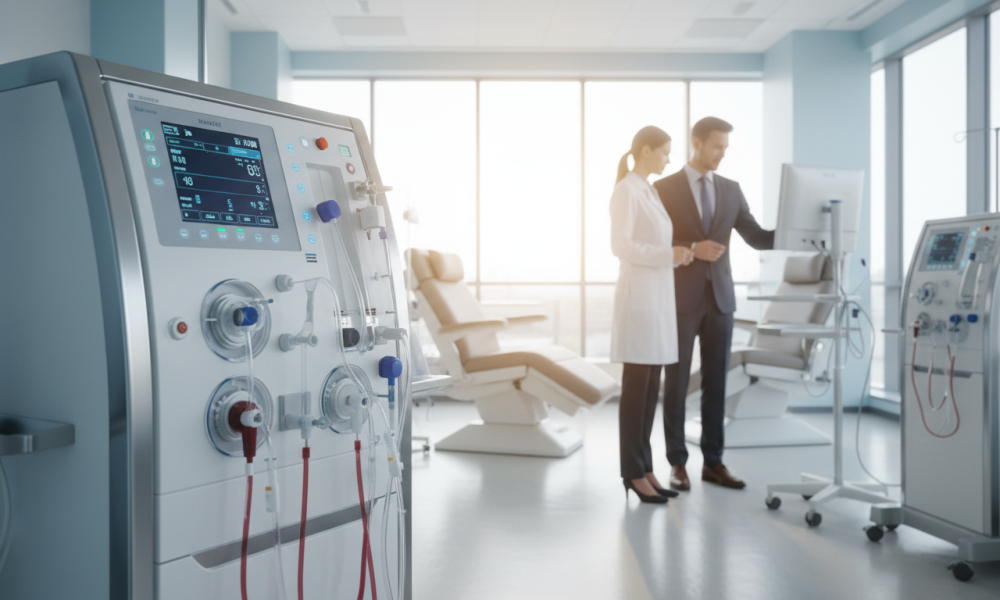
The evolution of kidney dialysis in Turkey is driven by a commitment to high-tech infrastructure. Medical centres across the country have invested heavily in the latest clinical hardware. This ensures that international patients receive world-class care.
This focus on innovation creates a secure environment for those requiring consistent renal support.
Modern Equipment Standards
Turkish clinics use the latest generation of dialysis machine hardware to maximise treatment efficiency. These systems are designed to provide precise filtration. This significantly reduces the risk of complications during sessions.
Reliability and safety are the primary pillars of these modern equipment standards.
By upgrading to advanced machinery, medical facilities ensure that the blood purification process is both thorough and gentle on the patient. This technological edge allows for shorter recovery times and improved overall comfort. Many centres replace their hardware frequently to stay ahead of global medical trends.
Integration of Digital Monitoring Systems
Beyond the physical hardware, the integration of digital monitoring systems has revolutionised patient care. These platforms allow medical staff to track vital signs in real-time throughout the entire kidney dialysis session. If any fluctuations occur, the system alerts the clinical team immediately, ensuring rapid intervention.
This digital oversight provides an extra layer of security for patients who are far from home. The seamless connection between the dialysis machine and central monitoring software ensures that every detail of the treatment is recorded accurately. Such precision is essential for maintaining long-term health stability.
| Feature | Traditional Systems | Modern Turkish Systems |
|---|---|---|
| Monitoring | Manual checks | Real-time digital tracking |
| Filtration | Standard efficiency | High-flux, precise filtration |
| Safety Alerts | Basic alarms | Automated predictive warnings |
| Patient Comfort | Moderate | Optimised for reduced fatigue |
The Role of the Dialysis Nurse and Multidisciplinary Medical Teams
Every dialysis machine has a team of dedicated professionals behind it. They are key to a patient’s wellbeing. Turkish medical centres focus on both technology and human care.
Specialised Training for Renal Care Staff
In Turkey, dialysis nurses get special training. They learn about complex kidney care and new nephrology discoveries. They must keep learning to stay up-to-date.
This training makes sure patients get safe and effective care. Expertise is the foundation of trust. The staff works hard to keep these standards high, making clinics safe for international patients.
The Importance of Patient-Centred Care
A team of experts manages a patient’s health in Turkey. This team includes nephrologists, dietitians, and social workers. They work together to create a treatment plan that meets the patient’s needs.
“The true measure of medical success is found in the comfort and confidence of the patient throughout their journey.”
Turkish clinics use the latest dialysis machines and skilled dialysis nurses. They focus on the patient’s needs, making sure they feel supported and valued. Comprehensive care is the main goal for these teams.
Comparing Haemodialysis and Peritoneal Dialysis Options
When looking at kidney dialysis, patients often compare haemodialysis and peritoneal dialysis. Both methods clean the blood but in different ways. Choosing the right one depends on how it fits into your life.
Technical Differences in Treatment Modalities
Haemodialysis uses a machine and a filter called a dialyser. Blood is pumped out, filtered, and then back into the body. This happens in a clinic with medical staff.
Peritoneal dialysis uses the lining of the abdomen to filter waste. A special fluid is put into the belly through a catheter. It absorbs toxins over hours before being drained, supporting the kidneys continuously.
Selecting the Right Method for Individual Needs
Choosing between kidney dialysis methods depends on your health and lifestyle. Haemodialysis is good for those who prefer a professional setting. It keeps treatment and personal time separate.
Peritoneal dialysis is better for those who want more freedom. It can be done at home, giving more control over your day. Your doctor will help decide which is best for you based on your health.
Navigating the Healthcare System for Chronic Kidney Disease Patients
Managing chronic kidney disease while travelling needs a clear plan for healthcare. It’s important to have your medical history ready and available in Turkey. This helps keep your care quality high during your visit.
Consultation Processes for Overseas Patients
The first meeting is key to your treatment plan. International patients send their medical records, like lab results and medicines, to the facility. Clear communication helps doctors create a treatment plan that fits your needs.
After reviewing your records, a virtual meeting is set up. This lets you talk about your treatment goals and ask questions. It also helps reduce stress and makes sure everything is ready for your visit.
Coordination Between Home and Turkish Physicians
Good care depends on teamwork between your doctor at home and the Turkish team. Sharing your medical data ensures a smooth transition of care for chronic kidney disease. This teamwork helps avoid treatment gaps and keeps your health stable.
Your doctor at home should give a summary of your health and any special needs. The Turkish team will keep you updated on your treatment. This collaborative approach is key for safe and effective care.
| Administrative Step | Local Patient | International Patient |
|---|---|---|
| Medical Record Transfer | Internal System | External Digital Portal |
| Initial Assessment | In-person Visit | Virtual Consultation |
| Renal Replacement Therapy | Standard Protocol | Customised Care Plan |
| Follow-up Planning | Routine Appointment | Remote Coordination |
Quality Standards and Accreditation in Turkish Medical Centres
Turkey is known for top-notch renal care, thanks to strict quality standards. Patients from the United States often look for assurance that their treatment meets high standards. Turkish clinics follow global healthcare practices, ensuring a smooth patient journey.
International Accreditation Bodies
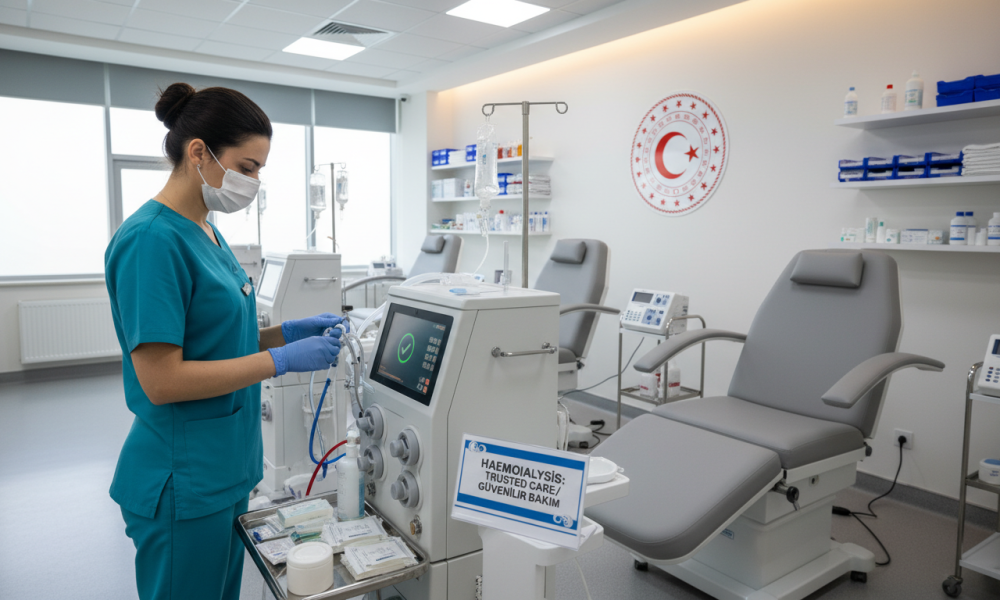
Many top medical centres in Turkey have certifications from the Joint Commission International (JCI). These certifications show that a facility has been thoroughly checked for quality and safety. Consistency is key, ensuring patients get the same care everywhere.
Clincs also follow ISO quality management standards. This focus on excellence means every haemodialysis session is a chance to improve. It creates a safe environment for patients to focus on getting better.
Safety Protocols in Dialysis Units
Dialysis units follow strict infection control and use advanced sterilisation. Every dialysis nurse is trained to keep the environment clean and safe. They watch over patients and the equipment closely.
Modern technology adds to these safety steps, giving real-time updates on treatment. This mix of human skill and tech creates a safe space for long-term care. Here’s a table showing the main safety standards these facilities follow.
| Safety Metric | Implementation Standard | Patient Benefit |
|---|---|---|
| Infection Control | Strict Sterilisation Cycles | Reduced Risk of Complications |
| Staff Training | Certified Renal Specialists | Expert Clinical Oversight |
| Equipment Audit | Daily Calibration Checks | Consistent Treatment Quality |
| Patient Monitoring | Digital Real-time Tracking | Immediate Response to Changes |
Financial Considerations and Cost-Effectiveness of Treatment
Many patients find that high-quality renal care in Turkey is a financially sustainable alternative to what’s available at home. Dealing with the ongoing costs of chronic kidney disease needs careful planning. It also requires a good grasp of international medical prices.
Transparent Pricing Models
Turkish medical centres are clear about costs. They offer all-inclusive packages for international patients. These packages include the procedure, facility fees, and essential medications. This way, patients don’t face unexpected financial burdens.
Whether you need haemodialysis or peritoneal dialysis, clinics give detailed quotes before you arrive. This openness helps families plan their budgets without worrying about hidden costs or surprise charges.
Comparing Costs with United States Healthcare
The cost-effectiveness of treatment in Turkey is a big draw for those dealing with chronic kidney disease. Compared to the United States, the costs for specialised renal care are much lower. This can save patients 40% to 60%.
These savings don’t mean lower quality care. Turkish facilities meet strict international standards. By choosing Turkey, patients get top-notch technology and expert care while keeping their finances in check.
| Service Category | United States Average Cost | Turkey Average Cost | Potential Savings |
|---|---|---|---|
| Monthly Haemodialysis | $8,000 – $12,000 | $3,000 – $5,000 | Up to 60% |
| Peritoneal Dialysis Supplies | $3,500 – $5,000 | $1,500 – $2,500 | Up to 50% |
| Consultation & Monitoring | $500 – $800 | $150 – $300 | Up to 65% |
Managing Kidney Health While Travelling Abroad
Keeping your health in check when crossing borders is key. Your kidney health is the main focus when you travel for medical reasons.
Pre-Travel Health Assessments
Get a full medical check-up before flying. Your doctor should confirm you’re fit for travel and share your health status.
This check-up spots any risks early. Clear communication between your doctor and the international team is vital for a smooth transition.
Maintaining Stability During Transit
Traveling long distances can stress your body. It’s important to stay hydrated and move your legs often to avoid problems.
If you need haemodialysis regularly, stick to your medication schedule. This prevents any imbalances. Once you arrive, you’ll use a modern dialysis machine for top care.
Plan your journey well to arrive in the best shape. This way, you can focus on getting better and staying well.
Legal and Ethical Frameworks for Medical Tourism
Seeking kidney failure treatment abroad requires knowing about legal protections. Turkey has a strong legal system to protect international patients. This ensures care that meets high ethical standards.
Patient Rights and Protection
Patients in Turkey for medical care have the same rights as locals. They have the right to informed consent, knowing the risks and benefits of treatments. Also, their medical records are kept private, following strict laws.
Clinics must clearly explain your treatment plan. If you have chronic kidney disease, you’ll get detailed information about dialysis. This builds trust between you and your medical team.
Regulatory Oversight of Private Clinics
The Turkish Ministry of Health closely watches private clinics. They follow international safety rules. This includes strict hygiene and dialysis equipment maintenance.
Many clinics also get voluntary accreditation from global bodies. This shows their dedication to quality care. By choosing such a clinic, patients can trust their chronic kidney disease management. Here’s a table showing key patient protections in Turkey.
| Protection Category | Standard Requirement | Patient Benefit |
|---|---|---|
| Informed Consent | Mandatory written disclosure | Full awareness of treatment |
| Data Privacy | GDPR-aligned protocols | Secure medical records |
| Clinical Oversight | Ministry of Health audits | Consistent safety standards |
| Ethical Conduct | Professional medical codes | Fair and honest treatment |
Preparing for Your Medical Journey to Turkey
Planning your trip for kidney failure treatment in Turkey needs careful steps. A good plan helps you focus on getting better once you’re there. Start early to sort out admin and travel, making your health journey smoother.
Documentation and Visa Requirements
Make sure all your legal and medical papers are ready before you leave. You’ll likely need a special medical visa, which requires a letter from your Turkish clinic. It’s key to check with the doctor to get the right visa papers.
Keep your important documents in a safe place:
- A valid passport with at least six months left.
- Medical reports showing your kidney condition.
- A list of your current medicines and how much to take.
- Travel insurance that covers medical tourism.
Logistical Planning for Long-Term Stays
For a long stay, choose a place close to the clinic for your comfort. Many clinics help find apartments for patients needing ongoing care. Having your accommodation near the clinic cuts down on travel stress and makes it easier to get to your appointments.
“Proper logistical preparation is the cornerstone of a stress-free medical experience, allowing the patient to focus solely on healing and recovery.”
You’ll meet a dialysis nurse often during your stay. Make sure your place to stay is supportive, with healthy food options for your diet. Sorting these things out early makes your move to Turkey easier, letting you fully benefit from your medical team’s help.
Post-Treatment Care and Long-Term Monitoring
After getting treatment like peritoneal dialysis abroad, it’s key to keep an eye on your kidney health back home. This care after you return is all about keeping up the good work done while you were away. It’s about watching over your health closely.
Follow-up Procedures and Continuity of Care
Right after you get back, book a meeting with your local kidney doctor. It’s important to keep up the care routine you had while abroad. This means regular blood tests and check-ups to catch any issues early.
Also, look into healthcare KPIs to see how your health is doing. Keeping a record of your health data helps your doctors adjust your treatment plan. This is key to managing peritoneal dialysis well.
Communicating Results to Primary Care Providers
It’s critical to share your medical history with your local doctor. Make sure to bring all your treatment details, like what meds you’re on and lab results. This helps your doctor understand your recent care.
Thanks to digital health records, sharing this info is easier than before. If your clinic has an online portal, make sure your doctor can access it. This teamwork helps avoid any gaps in your care and keeps everyone on the same page for your health.
| Monitoring Aspect | Frequency | Primary Objective |
|---|---|---|
| Laboratory Blood Tests | Monthly | Assess electrolyte balance |
| Clinical Consultation | Quarterly | Review treatment efficacy |
| Digital Data Sync | Weekly | Track real-time progress |
| Medication Review | Bi-annually | Adjust dosage requirements |
Conclusion
Choosing a place for kidney treatment needs careful thought. Turkey offers top-notch care and modern facilities. These help you on your way to better kidney health.
Patients get to work with world-class medical teams and the latest technology. This setup helps manage chronic conditions well. It also keeps your quality of life high.
Planning ahead is key to smooth care while traveling. Working with your local doctors keeps your treatment plan on track. This ensures your care is consistent and effective.
Start by looking into accredited centres that meet your needs. Spending time on your medical plans is worth it. It keeps your kidney health safe and gives you peace of mind. Contact top clinics in Istanbul or Ankara to start improving your health today.
FAQ
Q: Why has Turkey emerged as a premier destination for renal replacement therapy?
A: Turkey is known for its top-notch medical care. It combines advanced technology with a focus on patient care. Major cities like Istanbul and Ankara have top nephrology departments, making Turkey a top choice for kidney treatment.
Q: What are the physiological indicators that suggest I need to begin kidney dialysis?
A: When your kidneys can’t filter waste and balance electrolytes, dialysis is needed. This is a sign of renal failure. A dialysis machine helps your body by doing what your kidneys can’t.
Q: How do Turkish medical facilities compare to those in the West regarding expertise and technology?
A: Turkish hospitals, like Memorial Şişli and Acıbadem, use the latest medical equipment. Their doctors are also trained in top Western hospitals. This means Turkish medical care is on par with the best in the world.
Q: What is the role of a dialysis nurse in a Turkish multidisciplinary medical team?
A: Dialysis nurses in Turkey get special training. They work closely with a team to monitor patients and follow safety rules. They use digital systems to watch over patients during treatment.
Q: Which is better for my condition: haemodialysis or peritoneal dialysis?
A: Choosing between haemodialysis and peritoneal dialysis depends on your health and lifestyle. Haemodialysis uses a machine, while peritoneal dialysis filters through your abdomen. Your Turkish medical team will decide what’s best for you.
Q: How does Turkey ensure the safety and quality of its dialysis units?
A: Many Turkish clinics meet global safety standards set by Joint Commission International (JCI). They follow strict rules for cleanliness and machine precision. This makes dialysis units safe for patients.
Q: Is kidney failure treatment in Turkey more cost-effective than in the United States?
A: Yes, Turkey’s healthcare costs are much lower than in the US. You can get top-notch kidney care without the high prices of Western healthcare.
Q: What logistical preparations are necessary for a medical journey to Turkey?
A: Before traveling, get a health check to make sure you’re fit for the trip. You’ll need to prepare medical records, get a visa, and arrange for your records to be transferred to Turkey.
Q: What legal protections do international patients have when receiving treatment in Turkey?
A: Turkey has strong laws and ethics in healthcare. The Ministry of Health oversees clinics and protects patient rights. This ensures international patients are treated with the highest standards.
Q: How is post-treatment care managed once I return to my home country?
A: Turkish teams provide detailed reports and follow-up plans for after you return. They work with your home doctors to keep your care consistent and ongoing.
Related guides

Healthcare Content Compliance Guide for Growth
A high-performing treatment page can generate international patient inquiries within hours. It can also create material risk if…

Turkey Hospitals vs Local Hospitals Compared
A lower procedure quote can get a patient’s attention. It should not make the decision on its own.…

Patient Experience That Drives Trust and Growth
A patient who has already uploaded medical records, compared providers, and arranged time away from work is not…