
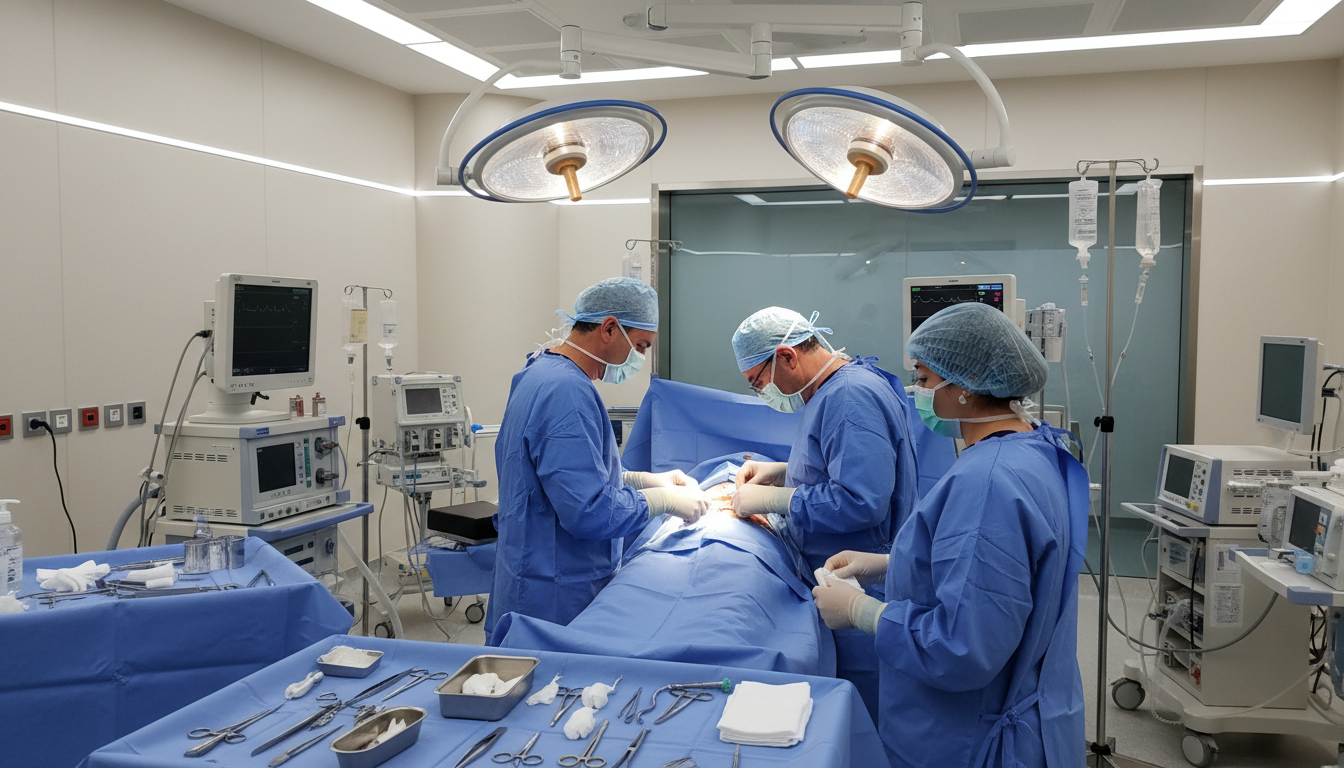
Turkey is now a top choice for people looking for top-notch surgery. Many travel here for a laparotomy. They get to enjoy the best medical care and modern facilities.
The country puts a big focus on keeping patients safe. You’ll find a top-notch team using the latest tech for your best recovery.
Having a laparotomy in Turkey means you get expert care that’s both good and affordable. Turkish hospitals are known for their clinical excellence. They make sure your visit is as smooth as possible.
Key Takeaways
- Turkey is recognised as a leading hub for international medical tourism.
- Hospitals maintain high standards of care and modernised surgical equipment.
- Medical teams are highly qualified and experienced in complex procedures.
- Patients benefit from a professional, safe, and supportive clinical environment.
- The country offers a seamless experience for those seeking specialised surgical interventions.
Understanding the Laparotomy Procedure
A laparotomy is a key surgical method that lets doctors see inside the belly. They make a big cut in the belly to check and fix organs. It’s a vital tool in today’s medicine for detailed and clear views.
Indications for Open Abdominal Surgery
Doctors often choose abdominal surgery for complex cases. It’s needed quickly in emergencies. Here are some reasons:
- Severe belly injuries that cause bleeding inside.
- Removing big or complicated tumours that need a lot of tissue removal.
- Dealing with severe infections or peritonitis.
- Fixing major organ damage that’s too big for small cuts.
The Role of Exploratory Laparotomy in Diagnosis
At times, scans can’t tell what’s wrong. An exploratory laparotomy is then used to find the problem. It lets the surgeon see the organs to find the cause of pain or other issues.
This method is great for sudden, serious symptoms. During an exploratory laparotomy, the team can start treating right away if they find a problem.
Differences Between Open Surgery and Minimally Invasive Techniques
Even with new tech, open surgery is important. Laparoscopic or robotic surgery uses small cuts and cameras. It means less time in hospital. But, it might not give the same feel or movement as open surgery.
Choosing between these depends on the patient and the problem. Doctors look at the benefits of small cuts versus the need for a big view. The goal is always the best care for the patient.
Why Turkey Has Become a Global Hub for Surgical Care
Turkey’s rise as a global surgical hub is not by chance. It’s the result of a clear national strategy. Over the last 20 years, Turkey has heavily invested in its healthcare. This has made it a premier destination for complex abdominal procedures.
Investment in Modern Medical Infrastructure
Turkey has upgraded its medical scene with top-notch hospital complexes. These facilities are on par with the best in the United States. They use the latest robotic surgical systems and advanced imaging tech.
They also focus on digital health records and integrated surgical suites. This ensures surgeons have the best tools for every surgery.
But Turkey’s investment goes beyond just the equipment. Many hospitals have special wings for international patients. These wings offer comprehensive support, making the surgical journey smooth and worry-free.
Accreditation Standards and International Quality Benchmarks
Patient safety is at the heart of Turkey’s healthcare model. Many hospitals have the Joint Commission International (JCI) accreditation. This is the highest standard for healthcare quality worldwide.
This accreditation means hospitals follow strict rules on hygiene, surgical safety, and patient rights. Turkish clinics also meet international quality standards, building trust with patients from abroad.
The table below shows the quality indicators that set these medical centres apart.
| Quality Metric | Standard Practice | Patient Benefit |
|---|---|---|
| Accreditation | JCI or ISO Certified | Guaranteed safety protocols |
| Technology | Latest Robotic Systems | Increased surgical precision |
| Staffing | Board-certified specialists | Expert clinical oversight |
| Hygiene | Strict sterile environments | Reduced infection risk |
These high standards mean international patients get care that meets or exceeds their expectations. Turkey’s modern infrastructure and internationally recognised accreditation make it a top choice for reliable medical care.
The Expertise of Turkish Surgeons
When it comes to complex abdominal procedures, the expertise of the surgical team is key. Turkey has a team of skilled surgeons. They use both old and new medical methods. Patients often say these doctors meet or beat international standards.
Training and Specialisation Pathways
Becoming a surgeon in Turkey is tough. Medical students face rigorous academic and clinical requirements. They learn a lot, meeting European and global standards.
After their primary degree, they must pass tough national exams. This lets them start specialised training. They learn both theory and practical skills.
They also need to keep their board certification up to date. This means they keep learning and getting checked regularly. It helps them stay ahead in surgery.
Finding the right doctor is important. It’s like picking the right orthopedic clinic in Turkey. You need to look at their qualifications and experience.
Multidisciplinary Approaches to Complex Abdominal Cases
Modern medicine sees complex abdominal issues as part of a bigger picture. Turkish hospitals use a multidisciplinary approach. This means teams of doctors work together for your care.
This team includes anaesthesiologists, radiologists, and more. They work together to plan your surgery. This teamwork is essential for the best results. It helps keep you safe from start to finish.
Preparing for Your Laparotomy in Turkey
Starting your medical journey in Turkey is more than just booking a flight. It’s about being well-prepared for your surgery and recovery. By doing your homework, you help your medical team give you the best care possible.
Initial Consultations and Remote Medical Assessments
Your journey starts with a detailed remote assessment. Thanks to technology, surgeons can review your health records and scans without seeing you in person. This step is key to check if you’re a good fit for revision gastric sleeve or other complex surgeries.
In these virtual meetings, you’ll talk about your health, past surgeries, and goals. Clear communication is essential. It lets the team plan your surgery just right for you. You’ll also get to ask questions and learn what to expect from your surgery.
Pre-operative Testing and Health Optimisation
After confirming your suitability, you’ll get a list of tests to do before surgery. These include blood tests, heart checks, and scans. Doing these tests at home makes your transition to Turkey smoother.
Getting your body ready for surgery is also key. Doctors might suggest quitting smoking or changing your diet. Following these tips helps your body heal faster and recover better.
| Preparation Phase | Action Required | Goal |
|---|---|---|
| Remote Assessment | Submit medical records | Confirm surgical candidacy |
| Diagnostic Testing | Blood work and imaging | Ensure physiological stability |
| Health Optimisation | Lifestyle adjustments | Improve recovery outcomes |
| Logistical Planning | Confirm travel dates | Reduce pre-surgery stress |
Navigating the Turkish Healthcare System
When planning surgery in Turkey, it’s key to know the local healthcare and ethics. Turkey’s medical sector has modernised, becoming a top choice for health tourism. Navigating this landscape effectively makes your surgery safe and supported.
Choosing the Right Hospital and Surgical Team
Finding the right hospital is your first big decision. Look for places with Joint Commission International (JCI) accreditation. This shows they meet high global standards.
The team’s reputation is also vital. Choose surgeons who are certified and have lots of experience. Top Turkish hospitals share their staff’s details, helping you check their skills and success stories.
| Selection Criteria | Importance Level | Key Benefit |
|---|---|---|
| JCI Accreditation | High | Guaranteed safety standards |
| Surgeon Experience | High | Reduced risk of complications |
| Facility Technology | Medium | Access to modern diagnostics |
| Patient Liaison | Medium | Clear communication flow |
Understanding Patient Rights and Medical Ethics
Turkey has strong laws to protect patients, including visitors. You have the right to full transparency about your care. This includes knowing your diagnosis, the surgery plan, and any risks.
Medical ethics in Turkey follow global rules, focusing on patient rights and privacy. If unsure, you can ask for a second opinion or more information. Feeling informed and empowered is key for a good recovery, and good hospitals encourage talking openly.
The Role of General Anaesthesia in Abdominal Surgery
General anaesthesia is key to keeping patients safe and comfortable during surgery. It makes sure they are fully asleep and pain-free during abdominal surgery. Turkish medical centres use the latest technology to give each patient the right anaesthetic care.
Safety Protocols and Anaesthesiology Standards
Turkish hospitals follow strict international standards for general anaesthesia. Before surgery, like a rectal resection, patients get a full check-up. This helps the anaesthesiology team plan carefully.
During surgery, experts use top-notch monitoring to watch vital signs closely. These rigorous safety protocols keep heart rate, blood pressure, and oxygen levels just right. This makes sure patients are safe during even the most complex surgeries.
Managing Patient Comfort During and After the Procedure
Keeping patients comfortable is a big deal for the surgical team. It’s not just in the operating room. Anaesthesiologists use quick-acting drugs to help patients fall asleep and wake up gently. This helps avoid nausea or feeling groggy after surgery.
After surgery, the focus is on managing pain well. Doctors aim to balance comfort with getting patients moving early. This helps them recover faster. Here’s a table showing the main parts of anaesthetic care in Turkish facilities.
| Phase | Primary Objective | Monitoring Focus |
|---|---|---|
| Pre-operative | Risk Assessment | Medical History & Labs |
| Intraoperative | Patient Safety | Vital Signs & Depth |
| Post-operative | Pain Control | Recovery & Comfort |
What to Expect During the Surgical Process
Knowing what happens during surgery can ease your worries. When you get to the operating theatre, you’ll see a well-organised space. Your peace of mind is a priority here.
The Surgical Incision and Access to Abdominal Organs
After you’re under anaesthesia, the surgeon makes a precise surgical incision. This first step is done with great care for the best results. The team then moves the tissues around to see the abdominal organs clearly.
Getting to the abdominal organs needs a lot of knowledge and skill. Surgeons in Turkey use new methods to harm less tissue during the surgical incision. This helps you heal faster and lowers the chance of problems later.
Monitoring and Intraoperative Care
While you’re in surgery, a special team watches over you. They check your heart rate, blood pressure, and oxygen levels to keep you stable. This lets the surgical team focus on the surgery, knowing you’re safe.
Operating rooms in Turkey have state-of-the-art technology for this constant watch. The whole surgical team works together to keep everything clean and controlled. You can trust that your care is top-notch.
Postoperative Care and Hospital Recovery
Recovery starts as soon as you leave the operating theatre. It’s vital to get the right postoperative care to heal well and avoid complications. Turkish hospitals focus on this by keeping a close eye on patients.
Immediate Monitoring in the Intensive Care Unit
After your surgery, you’ll go to a special recovery area or the ICU. Here, doctors watch your heart rate, blood pressure, and oxygen levels closely. They catch any small changes right away.
The ICU team is skilled in caring for patients after big surgeries. They make sure you’re safe when you wake up from anaesthesia. This care is a key part of top Turkish hospitals.
Pain Management Strategies and Early Mobilisation
Managing pain is key in your postoperative care. Doctors and anaesthesiologists create a pain plan just for you. This keeps you comfortable and alert.
Moving around early is also very important. It helps your blood flow and prevents breathing problems. This approach speeds up your recovery and helps you get back to normal life sooner.
Laparotomy Recovery and Long-term Healing
Recovering from your surgery starts when you leave the hospital. A good laparotomy recovery needs you to follow doctor’s orders and watch your health closely. Being proactive helps your body heal well and fast.
Wound Care and Preventing Complications
Keeping your surgical incision clean and dry is key. This stops infections. Always do what your doctors tell you about dressing and keeping it clean.
Look out for signs of trouble like more redness, swelling, or discharge. If you have a fever or pain that won’t go away, call your doctor right away. Quick action is crucial to avoid long-term problems and help you heal smoothly.
“Healing is a matter of time, but it is sometimes also a matter of opportunity.”
Returning to Daily Activities and Physical Limitations
Going back to your usual life should be slow. Everyone’s recovery time is different, based on their health and the surgery. Avoid heavy lifting or hard exercise in the first few weeks to protect your surgical incision.
Here’s a guide for what activities are okay during the weeks after your laparotomy:
| Timeframe | Recommended Activity | Restrictions |
|---|---|---|
| Weeks 1-2 | Light walking | No lifting over 5 lbs |
| Weeks 3-6 | Increased movement | No strenuous exercise |
| Post 6 Weeks | Gradual return to normal | Consult your surgeon |
Pay attention to how you feel. If you’re too tired or in pain, rest. Taking it slow with physical activities helps you get strong again without risking your surgery’s success.
Cost Analysis of Laparotomy in Turkey
Many patients are surprised by the big cost differences when they compare surgery in Turkey to the US. Getting a laparotomy abroad can save a lot of money. But, it doesn’t mean you get less quality care or results.

Comparing Surgical Costs with the United States
The cost of abdominal surgery in the US can be very high. This is because of high hospital costs and admin fees. Turkey, on the other hand, has a highly competitive pricing. This is because their costs are lower, but they keep the medical standards high.
Patients often find that a laparotomy in Turkey costs much less than in the US. This makes top-notch surgery more affordable for many people.
What is Typically Included in Medical Packages
Turkish hospitals offer detailed medical packages to make things easier for patients. These packages are transparent. They usually include the surgeon’s fees, anaesthesia, hospital stay, and needed medicines.
These packages help patients avoid surprise bills after surgery. They also include follow-up visits and support to help with the surgical journey.
| Service Category | United States Cost (Est.) | Turkey Cost (Est.) |
|---|---|---|
| Surgical Procedure | $25,000 – $40,000 | $5,000 – $9,000 |
| Hospital Stay | $10,000 – $15,000 | Included in Package |
| Surgeon & Anaesthesia | $8,000 – $12,000 | Included in Package |
| Total Estimated Savings | Baseline | 60% – 80% Reduction |
Logistics for International Patients
Traveling for surgery can be daunting. That’s why we focus on making your journey smooth. Your peace of mind is our top priority. We handle the details so you can focus on your health.
Travel Arrangements and Accommodation Options
A well-planned trip can ease your worries. We help with flight schedules to ensure you arrive on time. Reliable airport transfers take you to your accommodation or the hospital.
Turkey has many top-notch places to stay for medical travellers. Hospitals often work with hotels close by. It’s key to check the clinic or hospital to meet your comfort needs.
Language Support and Patient Liaison Services
Good communication is vital for safe care. We offer patient liaison services to help with language issues. These experts are your personal advocates, ensuring your needs are met.
They help with paperwork and navigating the area. This support means you’re never alone. Below is a table showing the main services for international patients.
| Service Category | Primary Benefit | Availability |
|---|---|---|
| Airport Transfers | Stress-free arrival and departure | 24/7 Support |
| Patient Liaison | Clear communication and advocacy | Throughout stay |
| Accommodation | Comfort and proximity to care | Pre-booked options |
| Language Support | Elimination of language barriers | On-demand assistance |
Managing Risks and Ensuring Patient Safety
Turkish medical facilities focus on careful risk management to ensure the best patient outcomes. They use advanced clinical governance and a patient-focused approach. This creates a safe space for complex abdominal surgeries.
Every step of your surgery is aimed at reducing risks and improving your recovery chances.
Infection Control and Surgical Hygiene Standards
Keeping the environment clean is key to avoiding complications after surgery. Turkish hospitals follow strict international hygiene rules, often going beyond global standards. Their operating rooms have HEPA filters to keep the air clean.
Surgical teams take great care in sterilising all tools and equipment. Regular checks and monitoring of theatre staff keep hygiene standards high. This reduces the chance of infections, making recovery safer and more predictable.
Emergency Protocols and Continuity of Care
Being ready for unexpected medical issues is a key part of top-notch surgery in Turkey. Every hospital has thorough emergency plans, including quick access to ICUs and resuscitation teams. These teams are ready to act at any time.
There’s a smooth flow of information between your surgical team and nurses. Your health and progress are carefully watched from start to finish. This ensures any unexpected changes are quickly spotted and handled.
The Importance of Follow-up Care After Returning Home
Coming home is the start of the final part of your recovery. Even though your surgery in Turkey is done, your body needs consistent monitoring. This is key for your healing to go well.
Coordinating with Your Local General Practitioner
Good communication between your Turkish team and your local doctor is essential. See your general practitioner soon after you get back to the US. Share all your medical records, like discharge summaries and medication lists from Turkey.
Your local doctor is your main contact for any quick issues or questions. They can check your incision and make sure you’re healing right. This way, you keep your care smooth from Turkey to your local doctor.
Managing Long-term Surgical Outcomes
Getting the best from your surgery means caring for your health long-term. Stick to your surgeon’s advice on lifestyle and exercise. Regular follow-ups help track your healing and catch any problems early.
The table below shows important steps for a smooth transition and keeping your health after surgery.
| Action Item | Responsibility | Frequency |
|---|---|---|
| Review surgical records | Local GP | Initial visit |
| Incision site inspection | Patient/Nurse | Daily |
| Medication management | Local GP | As prescribed |
| Progress assessment | Surgeon/GP | Monthly |
Being proactive helps keep the benefits of your surgery for years. Focus on your health with careful follow-up care. This is the best way to protect your investment in your health journey.
Legal and Insurance Considerations for Medical Tourism
Before you decide on a surgical procedure in another country, you need to look at the legal and insurance sides. It’s important to do your research to make sure you’re protected. Preparation is the cornerstone of a safe and successful experience abroad.
Verifying Medical Malpractice Coverage
One key step is to check if your chosen facility and surgeon have enough insurance. Always check the doctor by asking for proof of their malpractice coverage. This gives you essential peace of mind about the care you’ll get.
Good hospitals in Turkey usually show their accreditation and insurance clearly. Don’t be shy to ask for their certificates or how they handle complaints. Making sure the medical team is insured is a big safety step for your health.
Navigating International Health Insurance Policies
Many people think their home health insurance will cover them abroad. But, you must check with your insurance company early to see if they cover international care. Always ask for a written confirmation of what’s covered and what’s not.
Some policies might need you to get approval before you have surgery, even if it’s by a well-known surgeon. If your current insurance doesn’t cover medical tourism, think about getting a travel health insurance policy. These plans help cover any issues that might come up during or after your surgery.
Technological Advancements in Turkish Operating Theatres
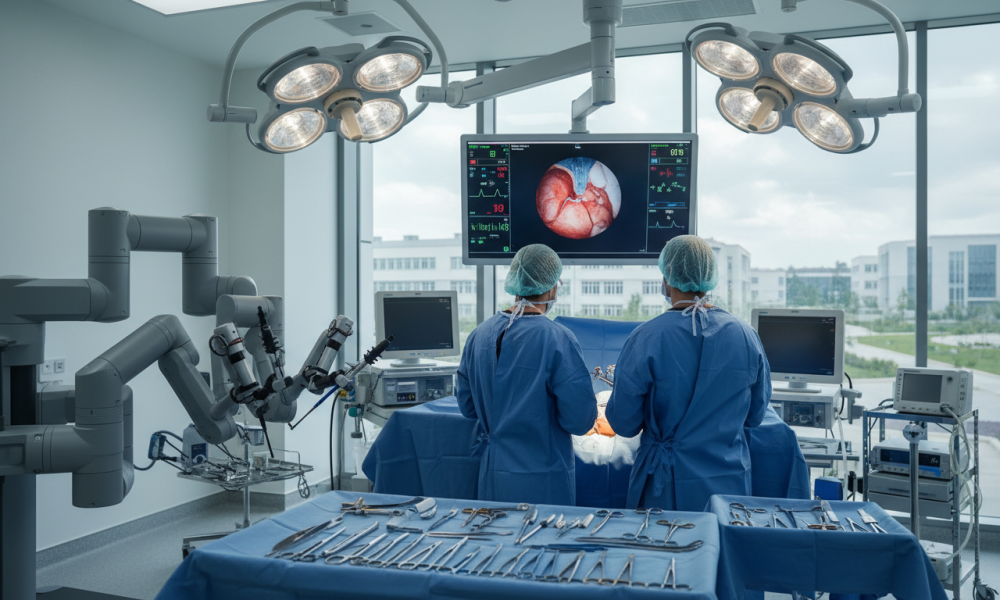
Turkey is leading the change in modern medicine. Advanced technology in Turkish operating theatres is redefining the standards for patient safety and recovery. These facilities use the latest equipment for every abdominal surgery, ensuring precision.
Integration of Advanced Imaging and Surgical Tools
Turkish hospitals use high-resolution imaging systems. These systems give surgeons real-time, three-dimensional views of the internal anatomy. This clarity improves accuracy during complex procedures, reducing complications.
Robotic-assisted platforms have also changed abdominal surgery. They allow for smaller incisions and faster healing times. These tools are key to modern, patient-focused surgery.
By combining high-definition optics with precision instrumentation, medical teams can work with ease. This ensures patients get top-notch care, on par with the best in the United States.
Future Trends in Abdominal Surgical Care
In Turkey, the focus is on using artificial intelligence to predict surgical outcomes. This use of data helps surgeons tailor their techniques for each patient. It makes abdominal surgery safer than ever.
Future developments will include more autonomous surgical support systems and advanced tissue-monitoring sensors. These aim to shorten hospital stays and improve long-term health outcomes. Turkey continues to invest in these areas, solidifying its status as a premier destination for medical tourism.
| Feature | Traditional Methods | Modern Turkish Tech |
|---|---|---|
| Imaging Quality | Standard 2D | High-Res 3D/4K |
| Incision Size | Large/Open | Minimally Invasive |
| Recovery Speed | Extended | Rapid/Optimised |
| Precision Level | Manual | Robotic-Assisted |
The table above shows the benefits of modern technology in surgery. Knowing about these advancements can give you peace of mind when planning your abdominal surgery.
Conclusion
Choosing Turkey for your laparotomy is a smart move. It combines top-notch medical care with modern facilities. You get to work with skilled surgeons who focus on your safety and well-being.
This choice is a cost-effective way to get excellent abdominal care. It’s much cheaper than what you’d find in the United States.
Success in your surgery depends on your preparation and communication. Make sure you’re well-prepared and talk openly with your hospital team. This will help your recovery.
After you return home, keep up with your follow-up care. Your local doctor will help ensure your health stays stable in the long run.
Being proactive in your medical care is key. Turkey is a top choice for those looking for professional care and advanced technology. By choosing the right healthcare partner, you can greatly improve your life.
Start your journey towards a successful recovery by contacting accredited clinics in Turkey today.
FAQ
Q: What exactly is a laparotomy and when is it necessary?
A: A laparotomy is a big surgery where a surgeon cuts open the belly. It’s needed for complex repairs or when a detailed view is needed. This is more than what small incisions can offer.
Q: How does an exploratory laparotomy differ from other abdominal procedures?
A: An exploratory laparotomy is used to find out what’s wrong. It’s done when scans don’t show enough. The surgeon can see and touch the inside to find the problem.
Q: Is undergoing general anaesthesia for abdominal surgery safe in Turkey?
A: Yes, Turkey’s hospitals follow strict safety rules for anaesthesia. Every patient is watched closely by a skilled anaesthesiologist. This ensures safety and comfort during and after surgery.
Q: Why is Turkey considered a premier destination for complex surgical care?
A: Turkey has invested in modern medical facilities and follows high standards. Places like the Acıbadem Healthcare Group in Istanbul are known worldwide. They use the latest technology and have expert surgeons.
Q: What are the primary differences between open surgery and laparoscopic techniques?
A: Laparoscopic surgery uses small cuts and cameras. A laparotomy has one big cut. Open surgery takes longer to recover from but gives a better view and touch for complex cases.
Q: How should I prepare for my surgery and stay in Turkey?
A: Start with a remote medical check and initial talks to see if you’re a good candidate. Do tests and get healthy before your trip. Also, sort out travel and insurance before you go.
Q: What does the typical laparotomy recovery timeline look like?
A: First, you’ll stay in the hospital for a bit, maybe in intensive care. At home, you’ll need to rest and take care of your wound for weeks. You can start with light activities in four to six weeks.
Q: How do surgical costs in Turkey compare to those in the United States?
A: Laparotomy costs in Turkey are much lower, often 50% to 70% less than in the US. These packages include surgery, hospital stay, and sometimes travel and accommodation, making it clear and affordable.
Q: What measures are in place to ensure surgical hygiene and prevent infection?
A: Turkish hospitals have strict infection control and keep operating rooms very clean. They follow European standards to keep risks low, making surgery safe.
Q: How can I manage my follow-up care after returning to the UK or my home country?
A: Talk to your GP before leaving Turkey. Your Turkish team will give you reports and summaries. Keeping in touch is key for ongoing care and healing.
Q: Are Turkish surgeons specially trained for complex abdominal cases?
A: Yes, Turkish surgeons go through tough training and get certified. Many have done fellowships at top places like the Royal College of Surgeons. They’re up to date with the latest in complex surgery.
Related guides

Healthcare Content Compliance Guide for Growth
A high-performing treatment page can generate international patient inquiries within hours. It can also create material risk if…
Turkey Hospitals vs Local Hospitals Compared
A lower procedure quote can get a patient’s attention. It should not make the decision on its own.…

Patient Experience That Drives Trust and Growth
A patient who has already uploaded medical records, compared providers, and arranged time away from work is not…