
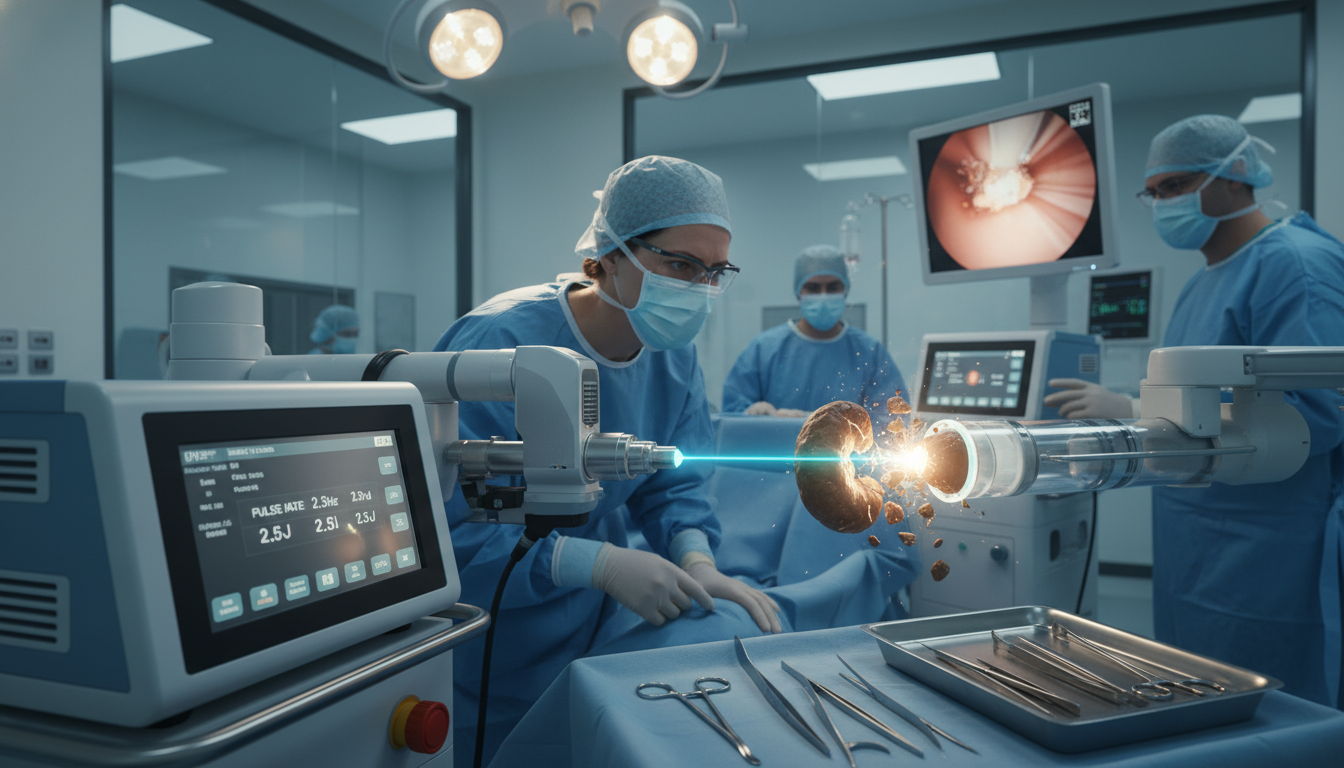
Medical tourism has changed how we get top-notch healthcare worldwide. Many people travel to find advanced medical solutions that are affordable yet of high quality. Turkey is a top choice for those needing urology treatment.
Patients pick this area for its exceptional standards and modern hospitals. For Laser Surgery for Stone Removal, it’s key to choose a place that focuses on safety and recovery. The use of the latest technology means every treatment is done with great care.
Deciding on your health journey is a big choice. Going for stone removal with laser means less invasive methods and less time off. This approach gives patients peace of mind and ensures they get top medical care while abroad.
Key Takeaways
- Turkey offers world-class medical facilities for international patients.
- Advanced urological procedures prioritise patient safety and comfort.
- Minimally invasive techniques ensure a faster recovery for individuals.
- High standards of clinical practice define the local healthcare sector.
- Choosing specialised care abroad provides both quality and value.
Understanding the Prevalence and Impact of Kidney Stones
Kidney stones are becoming more common, which is why knowing about them is key to staying healthy. These hard deposits can cause a lot of pain and make everyday tasks hard. It’s important to get kidney stone treatment early to avoid long-term problems.
Physiological Causes of Stone Formation
Kidney stones form when urine gets too concentrated. This lets minerals crystallise and stick together. Not drinking enough water is a big reason why this happens. Eating too much salt or certain proteins can also make stones more likely.
Genetics also play a big part. If your body doesn’t handle minerals like calcium and oxalate well, you’re more at risk. Knowing how your body works can help prevent and manage stones.
Common Symptoms Requiring Medical Intervention
People often feel sharp pain in their side and back, known as flank pain. This pain can move to the lower abdomen or groin as the stone moves. Other signs that mean you need to see a doctor include:
- Persistent nausea or vomiting.
- Haematuria, which is the presence of blood in the urine.
- Fever or chills, which may indicate an associated infection.
- A frequent or urgent need to urinate accompanied by burning sensations.
The Importance of Timely Urological Assessment
Seeing a doctor early is key to avoiding serious kidney damage and ongoing pain. Waiting too long can lead to serious problems like blockages or infections. Quick action means you can get treatments like Laser Surgery for Stone Removal, which is very effective.
| Stone Type | Primary Cause | Risk Factor |
|---|---|---|
| Calcium Oxalate | High dietary oxalate | Low fluid intake |
| Uric Acid | High protein diet | Metabolic issues |
| Struvite | Chronic infections | Urinary stasis |
The Evolution of Laser Surgery for Stone Removal
The way we manage stones has changed a lot thanks to new technology. Surgeons now use precise tools instead of old methods. This change has set a new standard for stone removal with laser treatments worldwide.
From Open Surgery to Minimally Invasive Techniques
Before, patients had big cuts and long stays in hospital for stone problems. These old ways were risky and took a long time to heal. Now, doctors use endoscopic methods that go through natural openings.
This new way is more accurate and less invasive. It means less harm to the patient. It’s now the top choice in urology clinics.
Advancements in Laser Lithotripsy Technology
New, powerful lasers have changed stone treatment. Laser lithotripsy uses fibre optics to target stones. It breaks them down into dust.
Today’s systems give unmatched control, protecting nearby tissues. As tech gets better, laser lithotripsy becomes even more effective. It’s now a top choice for tough cases.
Benefits of Laser Procedures Over Traditional Methods
Modern methods offer big advantages. Reduced recovery time is a key benefit, letting people get back to life sooner. It also cuts down on risks after surgery.
People often feel less pain with lasers than with old methods. Laser stone removal means a safer, smoother experience. This shows a focus on better care and surgical excellence.
Why Turkey Has Become a Global Hub for Urological Care
Turkey’s rise in medical tourism is not by chance. It’s the result of careful planning over decades. The country has focused on healthcare innovation, becoming a top spot for urological laser surgery. Patients from around the world come for the affordable prices and top-notch care.
Investment in Modern Medical Infrastructure
Turkey has invested heavily in top-notch hospitals. These facilities match those in the US or Western Europe. They have the latest tools and robotic systems for surgery.
Places like Istanbul and Ankara are medical hubs. They offer advanced urological laser surgery efficiently. Digital health records and fast imaging help in making treatment plans quicker and more accurate.
Accreditation Standards in Turkish Hospitals
Turkish hospitals meet strict international standards. Many have the Joint Commission International (JCI) seal. This shows they follow high safety and quality standards for patients.
These standards cover everything from cleanliness to emergency plans. Turkish clinics follow global guidelines, giving patients peace of mind. They know their health is in good hands.
The Role of Highly Trained Urological Surgeons
Turkey’s medical success comes from its skilled urological surgeons. Many have trained in top places in Europe and North America. Their extensive experience means they can do complex surgeries well.
These surgeons stay up-to-date with the latest research. They mix old surgical skills with new, less invasive methods. Choosing a surgeon in Turkey means getting top-notch care and a focus on the patient.
Detailed Overview of Laser Lithotripsy Surgery
Learning about stone removal with laser is key for those thinking about treatment in Turkey. This method has changed how doctors treat urinary problems. It’s quick and doesn’t hurt much.
How Laser Lithotripsy Works
Laser lithotripsy uses light pulses to break down stones in the urinary tract. A thin, flexible fibre is inserted through a ureteroscope to the stone.
The laser then sends precise energy to shatter the stone into tiny pieces. These pieces are then passed out naturally or removed by the surgeon.
Preparation Protocols for International Patients
Before laser lithotripsy surgery, international patients must follow certain steps. This includes a remote consultation to check medical history and scans.
Here are the key steps:
- Complete all blood tests and cardiac screenings before travel.
- Follow a strict fasting schedule as told by the anaesthesiology team.
- Stop blood-thinning medications as advised by a doctor.
- Make sure all medical records and scans are ready for the team.
What to Expect During the Procedure
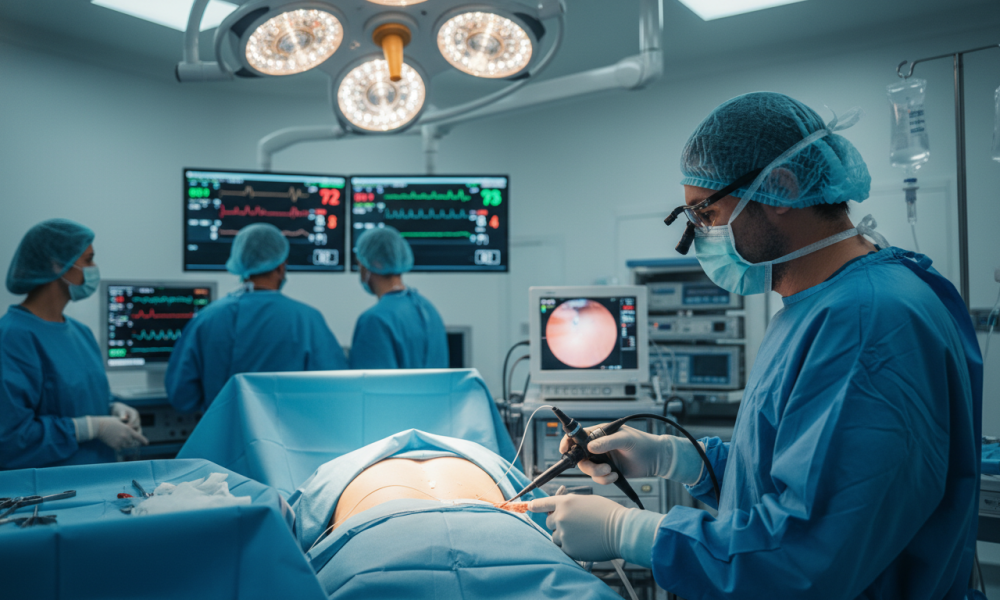
The laser procedure for stones is done under general or spinal anaesthesia. This makes sure the patient is comfortable. The surgeon then inserts a small scope through the urethra to find the stone.
The procedure is very controlled. The surgeon can see the stone clearly on monitors. After the stone is broken, a temporary stent might be placed. This helps with healing and keeps the ureter open during recovery.
Advantages of Minimally Invasive Stone Removal
The way we manage stones has changed a lot with minimally invasive stone removal methods. These new techniques let doctors fix complex problems without big cuts. They make patients more comfortable and save time, making them the top choice in medicine today.
Reduced Trauma and Tissue Damage
Old surgeries took a long time to recover from because they hurt the body a lot. But, minimally invasive stone removal uses natural paths to get to the stone. This way, the body heals faster because less tissue is hurt.
Lower Risk of Post-Operative Complications
Choosing a less invasive method means fewer risks after surgery. With smaller cuts, the chance of infection or long hospital stays drops. Patients feel less pain and get back to normal life sooner than with old methods.
Enhanced Precision in Fragmenting Hard Stones
New tech has changed how doctors deal with tough stones. Using a holmium laser, they can break down stones with unmatched precision. This means even the hardest stones are safely broken down, helping when other treatments fail.
Comparing Laser Stone Therapy with Alternative Treatments
It’s important to know the differences between stone therapies to get the best results. Many methods can treat urological stones, but the right one depends on the stone’s type. Patients should talk to their doctors to find the safest and most effective treatment.
Shock Wave Lithotripsy Versus Laser Lithotripsy
Extracorporeal Shock Wave Lithotripsy (ESWL) is a common non-invasive treatment. It uses sound waves to break stones into smaller pieces. But, laser lithotripsy is better for harder or bigger stones that ESWL can’t handle.
ESWL might need more sessions if the stone doesn’t break up well. On the other hand, laser stone therapy usually works in one go. This makes it a top choice for quick relief from pain.
Ureteroscopy and Laser Application
Ureteroscopy uses a thin scope to reach the stone through the urinary tract. With a laser, it can break the stone with exceptional precision. This method works well for stones in the ureter or kidney.
The combination of the scope and laser can turn even hard stones into dust. This minimally invasive method is safer and lets patients recover faster than older surgeries.
Determining the Best Approach for Specific Stone Types
Doctors look at several factors to choose the best treatment. The size and location of the stone are key. Also, the stone’s chemical makeup affects how it responds to treatment.
- Stone Size: Big stones need laser lithotripsy’s direct access.
- Stone Location: Hard-to-reach stones might need flexible ureteroscopy.
- Composition: Harder minerals need laser energy for effective treatment.
By considering these factors, doctors can create a treatment plan that works best. This custom approach to laser stone therapy is the top choice for modern urology.
Navigating the Patient Journey from the United States to Turkey
Getting urological care in Turkey is easy for American patients. A clear path ensures your care is smooth and stress-free. This starts well before your flight, focusing on clear talks and getting ready for your laser lithotripsy surgery.
Initial Consultations and Remote Diagnostics
First, you have a detailed remote chat with your urology team. You share your health history and scans to get a precise diagnosis. This digital step is key to check if you’re right for laser lithotripsy surgery before you travel.
These online talks let you discuss your symptoms and treatment goals. Surgeons will explain the surgery clearly, making you feel sure and informed. This helps in making a personalised treatment plan just for you.
Travel Logistics and Medical Visa Requirements
After deciding on your treatment, you focus on travel plans. Turkish clinics help with flights and places to stay near the hospital. Make sure to check the latest visa rules for US citizens, as they can change.
Your clinic will give you a letter for your visa. This letter proves your laser lithotripsy surgery and speeds up your entry. Letting experts handle these details lets you focus on getting better.
Support Services for International Patients
Turkish medical places offer comprehensive support for international patients. From the airport, you’ll smoothly get to your hotel or clinic. Many hospitals provide private transport and translation to help with language issues.
These services aim to make your medical trip worry-free. Whether it’s help with local transport or post-op checks, the staff is there for you. This care makes your stay as comfortable as possible.
| Phase | Action Required | Support Provided |
|---|---|---|
| Preparation | Remote diagnostics | Medical consultation |
| Logistics | Visa and travel | Coordination assistance |
| Arrival | Airport transfer | Concierge services |
| Recovery | Post-op monitoring | Follow-up care |
Safety Standards and Quality Assurance in Turkish Clinics
Patient safety and quality are key in Turkey’s healthcare. When you get laser stone therapy abroad, you want to know it’s safe. Knowing these standards is vital when you choose a clinic for your needs.
International Accreditation Bodies and Certifications
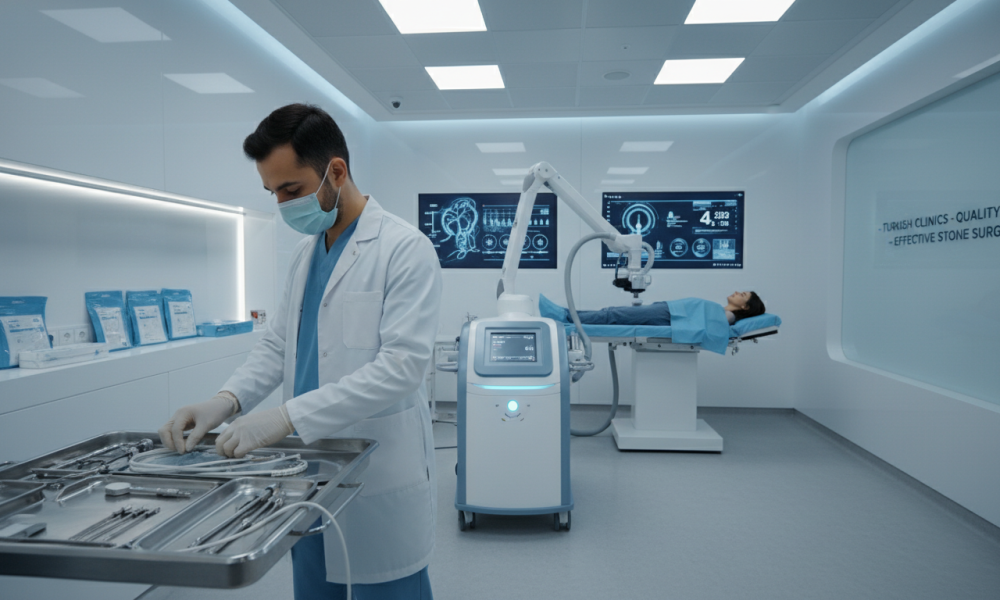
Top Turkish hospitals have accreditations from the Joint Commission International (JCI). These show they meet high global standards for care and safety. They also have ISO certifications for quality management.
Sterilisation Protocols and Operating Theatre Standards
Top clinics have advanced air filters in their operating rooms. They follow strict sterilisation rules to avoid infections. This focus on cleanliness is key for laser stone therapy success.
Patient Safety Records and Success Rates
Good clinics are open about their results. Patients should look at success rates and safety records before deciding. This shows the clinic’s commitment to quality and low risk of complications.
| Safety Metric | Standard Requirement | Turkish Clinic Practice |
|---|---|---|
| Accreditation | International JCI | Verified Compliance |
| Sterilisation | Hospital Grade | Advanced UV/HEPA |
| Success Rate | Industry Average | Exceeding Benchmarks |
| Staff Training | Board Certified | Specialised Fellowship |
Post-Operative Care and Recovery Timelines
After your surgery, your comfort and healing are top priorities. Every laser procedure for stones has a careful watch period. This ensures your body heals well. Medical teams in Turkey keep a close eye on your health, checking vital signs and making sure anaesthesia wears off safely.
Immediate Recovery in the Hospital Setting
In the recovery room, you’ll be watched by skilled nurses. They’ll check your fluids and make sure your urinary system is okay. Rest is key in these first hours to help your body settle.
Most patients stay in the hospital briefly to check for any immediate issues. Your surgeon will review the procedure’s results and give you recovery instructions. This setting is safe for any quick concerns to be sorted out by experts.
Managing Discomfort and Follow-up Care
After a laser procedure for stones, you might feel some discomfort or urgency. Your team will help manage your pain. Drinking plenty of water is crucial to keep your urinary tract clear and prevent stones.
Follow-up care is a big part of your treatment. Before leaving, you’ll get a plan for check-ups and tests. Keeping these appointments is important to track your recovery and health.
Returning Home Safely After Surgery
Planning your return home needs careful thought. Avoiding hard work or heavy lifting for a few days is advised. Most people can start with light activities in a week, with their doctor’s advice.
When heading back to the United States, make sure you have all your medical records and clinic contact details. Having these documents ready offers peace of mind and ensures your care continues smoothly with your local doctor. These steps will help you smoothly get back to your daily life.
| Recovery Phase | Primary Focus | Recommended Action |
|---|---|---|
| Immediate (0-24 hrs) | Monitoring | Rest and hydration |
| Short-term (1-7 days) | Pain Management | Follow medication schedule |
| Long-term (2+ weeks) | Follow-up | Consult local urologist |
Cost Analysis of Kidney Stone Laser Treatment
Understanding the cost of medical care is key for those dealing with urological issues. When looking at kidney stone treatment, it’s important to know the price differences between local and international options. This helps in making a well-informed decision.
Comparing Costs Between the United States and Turkey
In the United States, surgery costs can be very high due to administrative fees and insurance issues. Turkey, on the other hand, offers lower prices without sacrificing quality of care.
The table below shows the price differences for common procedures. It explains why many choose Turkey for their kidney stone laser treatment.
| Service Component | United States (Est.) | Turkey (Est.) |
|---|---|---|
| Surgeon Consultation | $500 – $1,000 | Included |
| Operating Theatre Fees | $5,000 – $10,000 | Included |
| Hospital Stay (1 Night) | $2,000 – $4,000 | Included |
| Total Estimated Cost | $7,500 – $15,000+ | $2,500 – $4,500 |
What is Typically Included in Medical Packages
Turkish clinics offer all-inclusive medical packages. These packages aim to make your experience smooth and worry-free. They ensure you won’t face unexpected costs during your recovery.
These packages usually include:
- Pre-operative tests and blood work.
- Professional fees for the surgeon and anaesthesiologist.
- Hospitalisation costs, including a private room.
- All necessary post-operative medications and follow-up consultations.
- Dedicated patient support and translation services.
Hidden Costs and Financial Planning
While medical packages cover the main procedure, it’s important to plan for extra expenses. Having a contingency fund for unexpected costs is wise.
Remember to budget for:
- International airfare and travel insurance.
- Accommodation for family or friends.
- Personal expenses like local transport and dining.
- Potential costs for longer stays if recovery is slower than expected.
By doing your research and talking clearly with your clinic, you can avoid financial stress. Proper preparation lets you focus on your health and recovery.
Selecting the Right Urological Specialist in Turkey
Finding a good urologist in Turkey is key for a smooth recovery. When you’re looking at urological laser surgery, the skill of your team matters a lot. Doing your homework well will make you feel confident about your treatment.
Researching Surgeon Credentials and Experience
First, check the surgeon’s education and certifications. Make sure they’re trained in minimally invasive techniques and have lots of urological laser surgery experience. It’s also good if they’re part of international urological groups, showing they keep up with the latest in medicine.
Ask how many surgeries they do each year. A busy surgeon is more likely to handle tough cases well. Experience is a key indicator of a surgeon’s skill in dealing with problems.
Evaluating Hospital Facilities and Technology
The hospital’s quality is as important as the surgeon’s skill. Make sure it has the newest laser machines and imaging tools. This technology helps make the surgery more precise, which can speed up your recovery.
Look for hospitals with international accreditations, like the Joint Commission International (JCI). These show the hospital follows strict safety and cleanliness rules. A top-notch hospital always puts patient safety and cleanliness first.
The Importance of Patient Reviews and Testimonials
Real patient stories give you a good idea of what to expect. Look for feedback on the surgeon’s communication and the nursing team’s support. Clear and caring communication is key when you’re getting treatment abroad.
While online reviews are useful, talking to patient groups can give you more detailed insights. Hearing about the whole process, from first meeting to aftercare, helps set the right expectations. Here’s a table with the main things to check when comparing doctors.
| Selection Criteria | Importance Level | What to Verify |
|---|---|---|
| Surgeon Credentials | Critical | Board certification and years of practice |
| Laser Expertise | High | Specific training in urological laser surgery |
| Hospital Accreditation | Critical | JCI or equivalent international standards |
| Patient Feedback | Moderate | Consistency in positive recovery outcomes |
Legal and Ethical Considerations for Medical Tourism
Traveling abroad for medical care is more than picking a clinic. It’s about understanding the laws and ethics. When you go for kidney stone laser treatment in another country, your safety is key. Knowing the rules is vital for a good medical trip.
Understanding Patient Rights Abroad
In Turkey, patients get strong legal protection. Turkish hospitals follow strict rules. They make sure you know everything about your treatment.
Check the patient charter at your chosen hospital. It explains your rights and what care you should get. Knowing your rights before you go makes your trip easier.
Insurance Coverage for International Procedures
Insurance for kidney stone laser treatment abroad can be tricky. Many US insurance plans don’t cover foreign clinics. You need to talk to your insurer early to see if they cover it.
Some people buy extra insurance for travel. Make sure it covers follow-up care and emergencies. Keep all your medical and financial records for insurance claims.
Ensuring Continuity of Care Upon Returning Home
Good communication between your surgeon abroad and your doctor at home is key. Get all your medical records before you leave Turkey. This helps your doctor back home understand your treatment.
Plan your follow-up care before you go. Tell your local doctor about your treatment and any new meds. This makes your return home smooth and safe.
| Consideration | Domestic Care | International Care |
|---|---|---|
| Legal Recourse | Local Jurisdiction | Turkish Health Law |
| Insurance | Standard Coverage | Requires Pre-approval |
| Records | Integrated Systems | Patient-Managed Copies |
| Follow-up | Immediate Access | Coordinated Remote Care |
Conclusion
Choosing the right treatment for kidney stones is key. Turkey is a top choice, known for its world-class medical care. It focuses on patient safety and success.
Here, you get access to the latest technology. This makes your recovery smoother and faster.
Choosing minimally invasive treatments means less disruption to your life. This method is precise and causes less pain. It’s also cost-effective, making it a smart choice for your health.
Your journey to relief begins with research and talking to clinics. Check the surgeon’s credentials and the hospital’s standards. This way, you make a choice that meets your needs and improves your life.
FAQ
Q: Why is Turkey considered a leading destination for laser surgery for stone removal?
A: Turkey is a top choice for urological laser surgery thanks to its modern medical setup. Turkish hospitals are known for their high standards, holding Joint Commission International (JCI) accreditation. This ensures treatments meet global safety levels.
Also, Turkey offers skilled urological surgeons at lower costs than the UK or US. They provide minimally invasive stone removal efficiently.
Q: What are the common symptoms that indicate I may need kidney stone treatment?
A: Signs like severe flank pain, haematuria (blood in urine), or nausea mean you might need treatment. These symptoms can come from dehydration or certain diets. Getting checked early is key to avoid kidney damage.
Ignoring symptoms can lead to serious issues like infections or kidney problems.
Q: How does laser lithotripsy surgery differ from traditional open surgery?
A: Laser lithotripsy is a big step forward in urology. It’s a minimally invasive stone removal method, unlike old methods needing big cuts and long stays in hospital. This new way uses a thin probe through the body’s natural paths, avoiding big cuts and leading to quicker recovery.
Q: What should I expect during a laser procedure for stones in Turkey?
A: During the laser procedure for stones, you’ll be under anaesthesia for comfort. The surgeon uses a special scope to find the stone and breaks it up with Holmium laser. This method is precise, even for hard stones.
Q: How does laser stone therapy compare to Shock Wave Lithotripsy (ESWL)?
A: While ESWL is non-invasive, laser stone therapy often clears stones in one go, better for hard or lower pole stones. It lets the surgeon see and clear all stone pieces, making it more reliable for complex cases.
Q: What is the typical recovery timeline after undergoing kidney stone laser treatment?
A: After minimally invasive stone removal, most patients stay in hospital for a day or two. Some discomfort or urgency is normal but can be managed with meds. Most patients can go home a few days later, after a final check-up.
Q: How do the costs of urological laser surgery in Turkey compare to those in the United States?
A: The cost analysis shows Turkey is much cheaper for laser surgery for stone removal, often 50% to 70% less than the US. Turkish packages are clear, covering all costs, making planning easier without hidden fees.
Q: How can international patients ensure the quality and safety of their care in Turkey?
A: Look for hospitals with international accreditation and check the surgeon’s credentials. Top Turkish clinics follow strict sterilisation protocols and use advanced equipment. Reading real patient stories and success rates helps choose the best provider for your laser lithotripsy procedure.
Q: What logistics are involved for a patient travelling from the United States for stone removal with laser?
A: The journey starts with initial consultations and remote checks, sharing medical images with the Turkish team. Clinics offer full support, including help with medical visa requirements, airport transfers, and translation. This ensures a smooth journey from first contact to laser stone therapy and recovery.
Q: How is continuity of care maintained once I return home after my laser lithotripsy?
A: Before leaving, you get a detailed medical report and digital records. It’s key to work with a local doctor for ongoing care. Turkish centres often stay in touch for remote follow-up to ensure recovery and offer advice on preventing future stones.
Related guides

Healthcare Content Compliance Guide for Growth
A high-performing treatment page can generate international patient inquiries within hours. It can also create material risk if…

Turkey Hospitals vs Local Hospitals Compared
A lower procedure quote can get a patient’s attention. It should not make the decision on its own.…

Patient Experience That Drives Trust and Growth
A patient who has already uploaded medical records, compared providers, and arranged time away from work is not…