
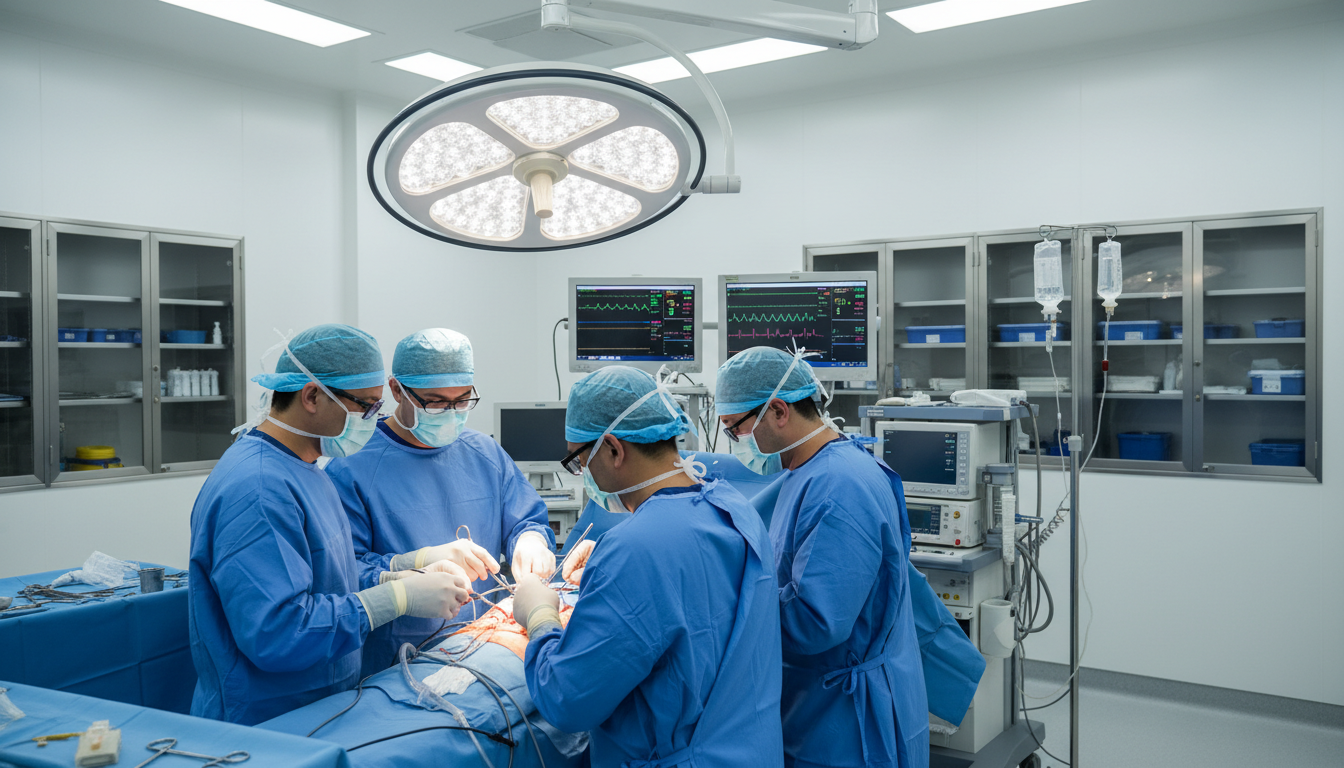
Turkey has quickly become a top choice worldwide for complex surgeries. It offers top medical skills and modern facilities to those from abroad.
For those needing a life-saving Liver Transplant, Turkish hospitals are as good as the best in the US. They focus on keeping patients safe and providing the best care at every step.
The area is known for its skilled doctors and cutting-edge technology. Choosing this path means getting top-notch healthcare aimed at success and recovery. A Liver Transplant here shows a promise of quality and high medical standards.
Key Takeaways
- Turkey is recognised as a leading hub for advanced medical procedures.
- Hospitals maintain rigorous standards of care for international patients.
- Advanced infrastructure supports complex surgical success rates.
- Specialised medical teams provide dedicated support throughout the recovery process.
- Patients benefit from a seamless integration of technology and clinical expertise.
The Growing Reputation of Turkey as a Global Medical Hub
Turkey has become a top medical hub thanks to strategic investment and a focus on excellence. It has modernised its healthcare, making it a top choice for patients worldwide. This change shows Turkey’s commitment to quality care, matching the best in the West.
Every year, thousands of patients come to Turkey for top-notch medical care. They find state-of-the-art technology and skilled doctors. Hospitals in big cities have the latest equipment for precise surgeries.
Keeping patients safe and meeting high clinical standards is key to Turkey’s success. Many hospitals have international accreditations, showing they meet global standards. This builds trust with patients from all over.
Turkey stands out for its advanced medical care and supportive recovery environment. Patients get a full care plan, focusing on their health and well-being. This approach keeps Turkey at the forefront of global healthcare.
Understanding the Liver Transplant Procedure
A hepatic transplant is a life-saving surgery that needs careful planning and precise execution. Patients often find the process complex. But understanding it helps manage their expectations.
Breaking down the surgery stages helps clarify what to expect. This clarity is essential for those facing this major medical event.
Indications for Hepatic Transplant
Doctors decide if a Liver Transplant is needed based on liver function. This includes end-stage liver disease, cirrhosis, and some liver cancers that haven’t spread.
They assess the patient’s health, other diseases, and surgery tolerance. Early action is key for the best results.
The Surgical Process Explained
The liver transplant procedure is a detailed operation. It involves replacing a sick liver with a healthy one. Surgeons work with great care to connect the new liver.
This surgery takes several hours and needs a team of experts. After the transplant, the patient is closely watched. This ensures the new liver works well. Recovery starts right away in the ICU, focusing on healing and preventing rejection.
Why Patients Choose Turkey for Liver Surgery
Turkey is now a top choice for liver surgery worldwide. Many patients, including those from the United States, find quality care without high costs. Turkey’s mix of top-notch medical skills and patient focus makes it a leading medical spot.
Advanced Medical Infrastructure and Technology
Turkish hospitals use state-of-the-art tech, matching the best in the West. Surgeons use advanced robotic systems and high-resolution imaging for precise liver transplants. This tech ensures patients get the latest treatments.
Also, digital health records and diagnostic tools help care teams work together smoothly. This setup boosts the success rate of liver surgery, giving patients peace of mind. Turkey’s commitment to international standards is clear in every detail of care.
Cost-Effectiveness Compared to the United States
Choosing Turkey for medical care is very cost-effective. The total cost of a liver transplant is much lower than in the United States. This is true even when you add travel and accommodation costs. Quality remains high, despite the lower prices.
The table below shows why Turkey is a great choice for medical care:
| Feature | Turkey Medical Standards | United States Comparison |
|---|---|---|
| Surgical Technology | Advanced Robotic Systems | High-End Robotic Systems |
| Total Procedure Cost | Highly Competitive/Affordable | Premium/High Cost |
| Wait Times | Minimal/Efficient | Often Extended |
| Patient Support | Comprehensive/Personalised | Standardised/Clinical |
Choosing Turkey means getting transparent pricing and full care packages. These packages include post-operative support, easing the journey for families. Turkey’s blend of top care and affordable prices makes it a top choice for life-saving treatments.
The Role of the Liver Transplant Recipient
The journey to a successful transplant starts long before surgery. As a liver transplant recipient, your role is key. You must focus on both your physical and mental health.
Pre-operative Assessment and Screening
Before surgery, every liver transplant recipient goes through a detailed screening. Medical teams check if your body can handle the surgery. They do blood tests, heart checks, and imaging to see the liver’s state.
Doctors also look at your medical history for any risks. Being involved in this stage helps the team plan the surgery just for you. This makes the surgery safer.
Psychological Preparation for the Journey
Having a major surgery is a big emotional challenge. A liver transplant recipient needs a strong support network. Family, friends, and professional counselling can help manage stress and stay positive.
Knowing what to expect during recovery is important. By setting realistic goals, you can handle the recovery better. Keeping your mind healthy is as important as your body for a smooth recovery.
| Preparation Phase | Key Focus Area | Patient Responsibility |
|---|---|---|
| Physical Screening | Organ Function | Complete all diagnostic tests |
| Medical Review | Health History | Provide accurate clinical records |
| Mental Readiness | Emotional Support | Engage with support networks |
| Lifestyle Planning | Post-Surgery Care | Prepare for recovery routines |
Navigating the Living Donor Liver Transplant Process
The journey to a living donor liver transplant is filled with careful steps. These steps are to keep everyone safe. The recipient and the donor must be fully committed.
Medical teams follow strict rules. This makes sure the transplant is safe and works well for everyone.
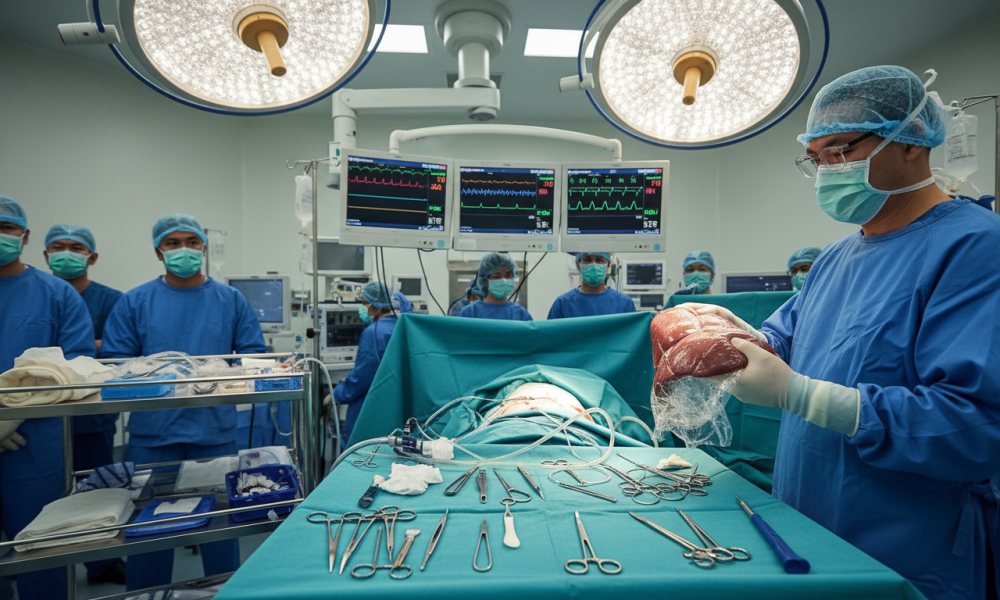
Criteria for liver donors
First, a liver donor must go through a detailed check-up. This check is to make sure they are healthy enough for surgery. Doctors look for certain signs to make sure the donor will be okay after.
Donors need to meet certain criteria. These include:
- A blood type that matches the recipient.
- A healthy BMI.
- No chronic illnesses like heart disease or diabetes.
- Good mental health, checked by experts.
- They must understand the risks and what to expect during recovery.
Ethical and Legal Frameworks in Turkey
Turkey has strict rules for organ transplantation. The Ministry of Health watches over every step. This makes sure there’s no exploitation or pressure.
The law says donations must be given freely. Doctors must make sure the donor knows what they’re doing and isn’t being forced. Turkey’s healthcare system values honesty and care in every living donor liver transplant.
Expertise of Turkish Surgeons and Medical Teams
The success of complex medical procedures depends a lot on the skill of the surgical team. Patients going abroad for liver surgery need to know their doctors are top-notch. Turkey has worked hard to build a team that meets international standards.
Training and International Qualifications
Turkish surgeons get their training at top schools in Turkey and around the world. Many have fellowships from famous medical centres in the US and Europe. This means they know the latest in liver surgery.
These doctors also join international surgical groups. They go to global meetings to learn about new liver surgery methods. This keeps their skills up to date, ensuring patients get the best care.
Multidisciplinary Care Approaches
Modern medicine knows a good outcome needs more than just a skilled surgeon. In Turkey, organ transplantation involves a team of experts. This team includes doctors, anaesthesiologists, radiologists, and nurses working together.
“The strength of the team is each individual member. The strength of each member is the team.”
This team approach means every part of a patient’s health is watched before, during, and after liver surgery. They work together to catch problems early and help patients recover fully.
| Specialist Role | Primary Responsibility | Contribution to Care |
|---|---|---|
| Transplant Surgeon | Surgical execution | Technical precision |
| Hepatologist | Liver health management | Pre-operative stability |
| Anaesthesiologist | Patient safety | Pain and vital monitoring |
| Clinical Coordinator | Logistics and support | Seamless patient journey |
Turkish hospitals are known for their high level of care. Patients can trust that their liver surgery is in the hands of a dedicated team. This team is focused on the patient’s long-term health.
Success Rates and Clinical Outcomes
Patients looking for a life-saving procedure want to know about a hospital’s success. In Turkey, every Liver Transplant is done to high standards. This ensures results meet international levels. Hospitals focus on facts to help patients feel sure about their treatment.
Data-Driven Performance Metrics
Turkish hospitals use digital systems to track Liver Transplant progress. This lets doctors watch patient health closely and change care plans quickly. By looking at these numbers, surgeons can make their methods safer and more efficient.
Transparency is key in Turkish healthcare. Hospitals share their success rates, checked by outside groups for truth. This dedication to using data keeps the quality of Liver Transplant procedures high across Turkey.
Long-term Survival and Quality of Life
After surgery, the focus is on how well the patient does long-term. Most see big boosts in energy and ability after a Liver Transplant. This is thanks to ongoing care and tailored rehab plans.
The table below shows important success markers for these complex surgeries in top Turkish hospitals.
| Metric Category | Performance Indicator | Clinical Goal |
|---|---|---|
| Surgical Success | Graft Survival Rate | Above 90% |
| Patient Recovery | One-Year Survival | High International Standard |
| Liver Transplant | Post-Op Quality of Life | Significant Improvement |
| Safety Standards | Complication Rate | Below 5% |
Liver Failure Treatment Options and Management
Effective liver failure treatment needs a mix of medical care and getting the patient ready. Before surgery, doctors work to fix the body’s stress issues that harm organs. This step is key to make sure the body can handle liver surgery.
Medical Stabilisation Before Surgery
The main goal before surgery is to improve the patient’s health and nutrition. Doctors use strict diets and manage fluids to ease the liver’s work. Stabilisation is more than just easing symptoms; it’s a must to lower surgery risks.
Patients might need special treatments for issues like swelling, brain problems, or blood issues. Fixing these early can greatly increase surgery success. It takes teamwork between liver experts, nutritionists, and surgeons to get the patient ready.
Managing Complications Post-Transplant
After surgery, the focus is on handling possible problems. Common issues include organ rejection, infections, and side effects from drugs. Constant monitoring is key in the first weeks to spot any graft problems.
Doctors use advanced tests to check liver health and blood flow. Patients learn the importance of taking their medicines as directed to protect the new liver. Early action is key to keeping the new liver healthy and the patient alive.
| Management Phase | Primary Objective | Key Clinical Focus |
|---|---|---|
| Pre-operative | Physiological Stability | Nutritional support and fluid balance |
| Post-operative | Graft Preservation | Immunosuppression and infection control |
| Long-term | Quality of Life | Medication adherence and monitoring |
The Importance of Personalised Patient Support
Personalised support services are key for international patients seeking top medical care in Turkey. A liver transplant recipient faces many challenges when they travel. Support teams handle every detail with care and precision.
Language Assistance and Cultural Mediation
Good communication is vital for medical success. Professional language help ensures the liver transplant recipient understands their care fully. This removes language barriers, making care safer and clearer.
Cultural mediation is also critical. Staff respect different cultures, making patients feel at ease. This holistic approach builds trust between patients and their healthcare team.
Logistics and Accommodation for International Patients
Planning a medical trip can be tough. Support services take care of everything, from airport transfers to follow-up appointments. This lets the liver transplant recipient focus on getting better.
Comfortable places to stay are also key. Many patients choose places like the Hospital Medica Sur for their care. Ensuring a stress-free environment helps patients recover better and feel more satisfied.
Post-Operative Recovery and Rehabilitation
Recovery starts as soon as you leave the operating room. A successful Liver Transplant needs careful healing steps. These steps go from the first days in the hospital to getting back to normal life.
Patients must follow a detailed plan to help their body accept the new liver. Working closely with your medical team is key. They watch your progress and avoid any problems.
Immediate Care in the Intensive Care Unit
After your hepatic transplant, you’ll go to the ICU. Here, doctors keep a close eye on your health. They check your vital signs, organ function, and fluid levels all day.
The main goal is to manage pain and avoid early problems. You’ll get special care, like breathing therapy and exercises. These help your blood flow and speed up recovery.
Long-term Follow-up and Medication Management
When you leave the hospital, keeping your new liver healthy becomes the focus. Taking your medication as directed is very important. This includes drugs that stop your body from rejecting the liver.
Regular check-ups are a must for your long-term health plan. These visits help your doctors adjust your medication and check your liver’s function. It’s all about keeping your Liver Transplant working well.
Living a healthy lifestyle also helps. Eating well and staying active support your hepatic transplant. Here’s a quick overview of what to expect during your recovery.
| Recovery Phase | Primary Focus | Expected Outcome |
|---|---|---|
| Immediate Post-Op | ICU Monitoring | Organ stabilisation |
| Hospital Ward | Mobility and Nutrition | Increased independence |
| Early Discharge | Medication Adherence | Infection prevention |
| Long-term Follow-up | Routine Screenings | Sustained graft health |
Safety Standards and Hospital Accreditation
Patient safety is key in Turkey’s medical care. The country has worked hard to meet global healthcare standards. Turkish hospitals focus on rigorous oversight to ensure safe and effective care for all patients.
JCI Accreditation and International Benchmarks
Many top hospitals in Turkey have the Joint Commission International (JCI) accreditation. This shows they’ve been checked for their clinical and management systems. They follow international benchmarks to keep patient outcomes high.
Choosing an accredited hospital gives peace of mind to international patients. These places aim for constant improvement and openness in their reports. This is very important for surgeries like a living donor liver transplant, where safety is critical.
Infection Control and Sterile Environments
Keeping the environment sterile is vital for surgery success. Turkish hospitals use advanced infection control protocols to reduce risks. They use HEPA filters and strict sterilisation for equipment.
The medical teams are skilled in preventing complications with strict hygiene. Every step of the living donor liver transplant is watched to keep the patient safe. Turkish hospitals follow stringent safety standards for a secure recovery and health success.
Legal and Ethical Considerations for Organ Transplantation
Turkey has strict rules to make sure all organ transplantation is ethical. Patients going for complex surgeries can trust in strong legal safeguards. It’s key to check your doctor’s credentials before you go.
Regulatory Oversight by the Ministry of Health
The Turkish Ministry of Health closely watches all surgical centres. This ensures patient safety. Hospitals must follow national laws and international standards.
The government checks these standards regularly. They focus on:
- Monitoring surgical results and clinical data.
- Keeping hospitals clean and infection-free.
- Reporting major surgeries to central databases.
Transparency in Donor Selection
Ethics are at the heart of Turkey’s donor selection process. The system protects donors’ rights. It makes sure donors know the risks and benefits.
Transparency is key. This builds trust among patients, donors, and medical teams. It shows respect for every liver donor in the organ transplantation process.
Financial Planning for Your Medical Trip
Getting clear about your finances is key for a smooth medical trip. When you’re planning for a big procedure like organ transplantation, knowing your budget helps. It reduces stress and lets you focus on getting better.
Understanding Package Inclusions
Top medical centres in Turkey offer detailed packages. These include the surgery, hospital stay, and needed medicines after. It’s important to get a clear list of what’s included before you agree.
Make sure the package covers any extra costs or longer stays in ICU. Knowing this helps avoid surprise bills. A clear plan means you can relax during your treatment.
Insurance and Payment Considerations
Talking to your insurance about international care is a must. Some policies might help with organ transplantation costs, but you might need extra paperwork. Check your coverage and what you need to do before you go.
Hospitals usually take bank transfers or credit cards. Check what currencies they accept and any fees. Keeping track of all payments is important for your records and insurance claims.
| Expense Category | Typical Coverage | Payment Status |
|---|---|---|
| Surgical Fees | Included in Package | Pre-paid |
| Hospitalisation | Included in Package | Pre-paid |
| Organ Transplantation Tests | Variable | Direct Payment |
| Post-Op Medication | Included/Partial | Variable |
Preparing for Your Travel to Turkey
Getting ready for your trip to Turkey starts long before you fly. Organising well means you can focus on getting better, not on paperwork. Taking proactive steps makes your journey smooth from start to finish.
Visa Requirements and Travel Documentation
Most people going for a liver transplant need the right entry permits. Turkey’s e-visa system is quick for many, but medical visitors need special papers from their Turkish clinic.
Make sure your passport is valid for at least six months after you plan to leave. Also, carry official medical invitation letters from your Turkish clinic. These help you get in and show why you’re visiting.
Coordinating Care with Your Home Physician
It’s key to keep your local doctor and Turkey’s surgical team talking. Ask for a detailed summary of your health, including blood tests and meds.
Your physician should know about your treatment in Turkey. This way, they can help you when you get back. Clear documentation connects your local care with Turkey’s special treatment.
Common Challenges and How to Overcome Them
Starting a journey for a liver transplant procedure needs a lot of preparation and emotional strength. The hope of better health is uplifting, but patients face unique challenges abroad. Knowing these obstacles helps you face your liver failure treatment with confidence.

Managing Expectations During Recovery
Recovery takes time and needs patience and realistic goals. It’s key to remember your body needs time to heal after surgery. Physical healing is not quick, and small setbacks are normal.
Talking openly with your medical team is important for managing your recovery. Focus on small goals to stay motivated. Mental well-being is as important as physical health, so seek help if feeling overwhelmed.
Addressing Possible Language Barriers
Good communication is key in healthcare, more so with a liver transplant procedure. Many clinics in Turkey have patient coordinators who help with language and culture. They make sure your liver failure treatment questions are answered well and quickly.
Using professional interpreters can prevent misunderstandings during and after treatment. Make sure your medical team can talk to certified translators who know medical terms. This way, you stay informed about your health at all times.
| Challenge | Impact | Recommended Solution |
|---|---|---|
| Communication Gaps | Misunderstanding instructions | Use professional interpreters |
| Recovery Fatigue | Slowed progress | Set realistic daily goals |
| Cultural Adjustment | Increased stress levels | Engage with patient support staff |
| Logistical Delays | Disrupted care plans | Maintain a detailed travel itinerary |
Conclusion
Deciding on a liver transplant is a big choice that needs trust in your medical team. Turkey combines top-notch surgical skills with caring patient care. You get to use the latest technology and work with experts focused on your health.
Every patient gets a treatment plan made just for them. Hospitals in Istanbul and Ankara follow strict safety rules to keep you safe. You’re not alone on this important journey.
Begin your journey to better health by contacting trusted medical centres. Your recovery is the top priority for your surgeons and support team. Start your consultation today to see what’s best for you.
FAQ
Q: Why has Turkey become a premier destination for a liver transplant?
A: Turkey is a top choice for liver transplants because of its advanced medical setup. Hospitals like Acıbadem Healthcare Group and Memorial Şişli Hospital offer top care. They use the latest technology and have skilled surgeons for international patients.
Q: What are the primary indications that a patient requires a hepatic transplant?
A: A liver transplant is needed for severe liver disease or failure. This includes cirrhosis and metabolic disorders. The liver can’t function properly, so surgery is necessary to save a life.
Q: How does the cost of liver surgery in Turkey compare to the United States?
A: Liver surgery in Turkey is much cheaper than in the US. Yet, the quality of care is high. This makes Turkey a great option for those looking for affordable yet excellent medical care.
Q: What is the role and responsibility of a liver transplant recipient during the process?
A: Before surgery, a patient must prepare well. This includes making lifestyle changes and getting medical checks. Hospitals like Medical Park help patients understand their health journey and medication needs.
Q: What are the criteria for becoming a living donor liver transplant candidate?
A: To be a living donor, one must be a healthy adult, often a relative. Turkey checks donors carefully to ensure their safety. This includes a review by ethics committees to confirm the donation is voluntary.
Q: What qualifications do Turkish surgeons hold for performing organ transplantation?
A: Turkish surgeons are highly qualified, trained in top global institutions. Many have worked in the UK or US. They bring a high level of expertise to hospitals like Florence Nightingale Hospital in Istanbul.
Q: What are the typical success rates for a liver transplant procedure in Turkey?
A: Turkey’s liver transplant success rates are among the best worldwide. Patients see significant improvements in their quality of life. This is thanks to advanced surgical techniques and care.
Q: How is liver failure treatment managed before a surgery is performed?
A: Before surgery, treatment focuses on stabilising the patient. This includes managing symptoms and preventing complications. The goal is to prepare the patient for a successful transplant.
Q: What support services are available for international patients regarding logistics and language?
A: Hospitals in Turkey offer great support for international patients. They help with language, culture, and logistics. This includes airport transfers and accommodation near the hospital.
Q: What does the post-operative recovery and rehabilitation phase involve?
A: Recovery starts in an ICU and then in the hospital. After that, patients follow a strict medication plan. Regular check-ups are key to preventing rejection and ensuring the transplant’s success.
Q: How does Turkey ensure safety standards and hospital accreditation?
A: Many Turkish hospitals are JCI accredited, showing they meet international safety standards. They maintain clean environments and follow strict infection control. This is critical for surgeries like liver transplants.
Q: What are the legal and ethical considerations for organ transplantation in Turkey?
A: The Turkish Ministry of Health oversees organ transplants to ensure ethics and transparency. There are strict laws against organ trading. This aligns with international human rights.
Q: How should I plan the financial aspects of my medical trip for liver surgery?
A: Plan your finances by understanding what’s included in your package. This usually covers the surgery, hospital stay, and initial meds. Talk to the hospital’s financial team to avoid surprises.
Q: What travel documentation is required for a medical journey to Turkey?
A: Ensure you have a valid passport and the right visa. Many can get a medical e-visa. Also, coordinate with your doctor and share medical records with the Turkish team before you go.
Q: How can patients overcome common challenges such as language barriers?
A: Language barriers are less of an issue in Turkey’s top hospitals. They have translators and bilingual staff. Detailed consultations help manage expectations and support patients throughout their treatment.
Related guides

Healthcare Content Compliance Guide for Growth
A high-performing treatment page can generate international patient inquiries within hours. It can also create material risk if…

Turkey Hospitals vs Local Hospitals Compared
A lower procedure quote can get a patient’s attention. It should not make the decision on its own.…

Patient Experience That Drives Trust and Growth
A patient who has already uploaded medical records, compared providers, and arranged time away from work is not…