
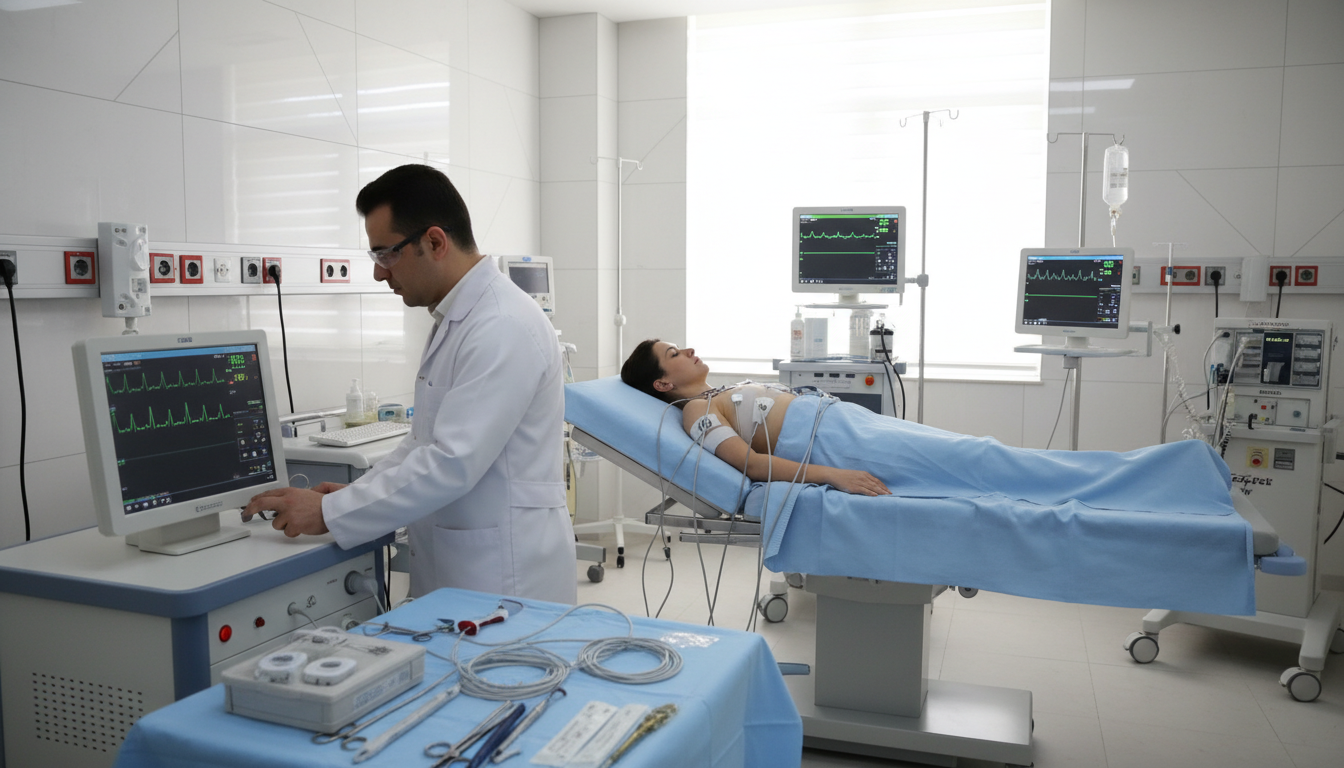
Turkey is now a top choice for people looking for advanced medical care. Many travel here for pain management solutions that were hard to find before.
The growth of medical tourism here is because of a focus on excellence. Turkish clinics offer high-quality treatments that match those in Western countries.
For those with chronic pain, Radiofrequency Ablation is a good option. It helps patients get back to their normal lives with little time off.
Choosing Turkey for this treatment means you get top-notch care. It’s a wise choice for those who value clinical precision and want to save on recovery costs.
Key Takeaways
- Turkey is a leading hub for high-quality medical tourism and specialised pain relief.
- Clinics in the region maintain rigorous standards that match or exceed Western expectations.
- Patients benefit from advanced technology and highly skilled medical professionals.
- The procedure is an effective solution for managing long-term chronic pain conditions.
- International travellers enjoy a seamless experience with complete support services.
Understanding the Basics of Radiofrequency Ablation
Learning about Radiofrequency Ablation is key for those looking for non-surgical pain relief. It’s a powerful method for those who haven’t found help with usual treatments like physical therapy or medicine.
This technique uses precise heat to help restore daily activities. It’s seen as a reliable option instead of open surgery for ongoing pain.
How the Procedure Works
RF Ablation works by heating a small nerve area with electrical current from a radio wave. It targets the nerve that sends pain signals to the brain. This effectively stops the pain from being felt.
A specialist uses a thin needle guided by imaging technology to reach the nerve. Once in place, the device heats the area to create a lesion. This lesion stops the nerve from sending pain signals to the brain.
Common Medical Conditions Treated
Doctors often use this method for chronic conditions in the spine or joints. Radiofrequency Ablation is great for facet joint arthritis, which causes neck and lower back pain.
It’s also used for nerve pain in the limbs. While it works well for certain pain, some might look into high-intensity focused ultrasound (HIFU) for their specific needs.
The aim is to give long-term relief and better life quality. This targeted method helps avoid long recovery times from surgery.
Why Turkey Has Become a Global Hub for Medical Tourism
Turkey’s rise in medical tourism is not by chance. It’s the result of years of strategic investment and dedication. The country has combined traditional hospitality with cutting-edge medical science.
Now, international patients see Turkey as a trustworthy alternative to Western healthcare. This change comes from lower costs, easier access, and top-notch care that matches the world’s best.
Advancements in Turkish Healthcare Infrastructure
In the last twenty years, Turkey’s medical scene has changed a lot. The government and private sector have invested heavily. They’ve built state-of-the-art hospitals with the newest equipment.
These hospitals aim to make the patient experience smooth from start to finish. Many clinics are now health campuses. They offer advanced robotic surgery, digital imaging, and special pain management all in one place.
Accreditation and International Standards
Turkey’s focus on global safety benchmarks is key to its success. Many Turkish hospitals have the Joint Commission International (JCI) accreditation. This is the top mark for healthcare quality.
This accreditation means clinics follow strict rules on patient safety, infection control, and ethical care. By meeting these standards, Turkish medical services give peace of mind to patients from abroad. They ensure care that meets the high standards of their home countries.
The Benefits of Choosing Radiofrequency Ablation in Turkey
Patients going to Turkey for medical care find a mix of modern tech and top-notch care. The country has invested a lot in its medical setup. This makes it a favourite for those looking for Radiofrequency Ablation to manage chronic pain.
This mix of quality facilities and skilled doctors means international patients get the best treatment. It’s a world-class experience.
Access to Cutting-Edge Medical Technology
Turkish clinics have the latest tools for diagnosis and surgery. These tools help surgeons do Radiofrequency Ablation with great precision. This leads to less invasive treatments and quicker recovery times.
The focus on new technology means patients get the same top-notch equipment as in Western hospitals. This equipment is key for finding and treating pain accurately. Modern infrastructure is a big part of the Turkish healthcare experience.
Expertise of Turkish Pain Management Specialists
The success of any treatment depends on the doctor’s skill. Turkish pain management specialists are very skilled. They get a lot of practice doing Radiofrequency Ablation every day.
This experience means they follow strict safety rules and have better surgical skills. Patients can trust their care to experts who focus on evidence-based medicine and patient comfort. Here are the main benefits of choosing these specialists.
| Feature | Turkish Clinical Standard | Patient Benefit |
|---|---|---|
| Technology | State-of-the-art imaging | Higher precision |
| Specialisation | High-volume practice | Improved outcomes |
| Approach | Minimally invasive | Faster recovery |
| Care Quality | International standards | Enhanced safety |
Comparing Radiofrequency Ablation Cost in Turkey versus the United States
Understanding the total radiofrequency ablation cost is key for those thinking about treatment in Turkey. Many find the cost of chronic pain management in the US too high. This is due to high insurance deductibles and out-of-pocket costs.
Traveling for care can be a game-changer. Patients can get top-notch medical facilities at a lower price. This makes it easier to manage the financial side without too much stress.
Breakdown of Procedure Expenses
Looking at RF ablation costs, several factors add up. In the US, these include facility fees, anaesthesiologist charges, and the surgeon’s fee.
In Turkey, these costs are often combined into one clear price. This makes it easier for patients to avoid unexpected bills after their treatment.
| Expense Category | United States (Est.) | Turkey (Est.) |
|---|---|---|
| Surgeon Fees | High | Moderate |
| Hospital/Facility | Premium | Affordable |
| Post-op Care | Variable | Included |
Hidden Costs and Value-Added Services
It’s important to consider more than just the radiofrequency ablation cost when planning your trip. Domestic procedures might seem simple, but hidden costs like follow-up visits and medication can add up quickly.
Turkish clinics often provide packages that include value-added services. These packages might include airport transfers, luxury stays, and patient support.
Choosing these packages can help manage your RF ablation budget better. The transparent pricing model means you know what you’re paying for before you travel.
Preparing for Your Radiofrequency Treatment Journey
Starting your medical journey well before your flight is key. Organising your affairs makes your Radiofrequency Treatment effective and stress-free.
Initial Consultations and Medical Records
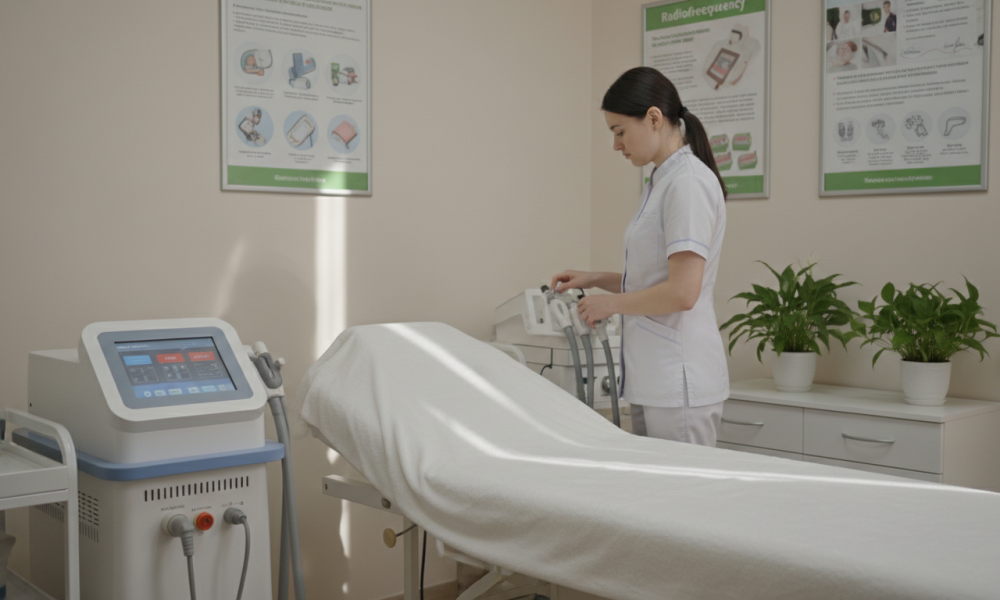
Before you travel, clinics often arrange a remote consultation. You need to carefully gather all your medical records. This includes recent imaging reports, MRI scans, and a list of current medications.
Having a full medical history helps your surgeon create a tailored care plan. It’s essential for a safe and successful Radiofrequency Treatment.
Travel Logistics and Accommodation Planning
Managing your travel is important. Many patients book flights that allow for a day of rest before their appointment.
Choosing accommodation near your clinic reduces travel stress during recovery. Many facilities offer dedicated patient liaison services to help with local transport and hotel arrangements. This makes your Radiofrequency Treatment journey comfortable from start to finish.
Planning ahead lets you focus on your health and recovery. By sorting these details early, you get a seamless experience and top-quality care in Turkey.
What to Expect During the Radiofrequency Ablation Procedure
Understanding what happens during your treatment can make you feel more at ease. Knowing the steps of your treatment can reduce worry. It lets you focus on getting better. By understanding the Radiofrequency Ablation process, you can face it calmly.
Pre-operative Protocols and Anaesthesia
When you arrive, the team will check your health records and vital signs. This makes sure everything is safe before starting the Radiofrequency Ablation Procedure. You’ll be placed on the table, where the area will be cleaned with a sterile solution.
The surgeon will give you a local anaesthetic to numb the area. You might feel a small pinch, but it’s important for your comfort. You’ll stay awake to help the surgeon during the treatment.
The Step-by-Step Surgical Process
With the area numb, the surgeon uses fluoroscopy to guide a thin needle to the nerve. This X-ray helps make sure the treatment is precise. You might feel a bit of pressure, but the anaesthetic should keep you comfortable.
After the needle is in place, the surgeon checks it’s in the right spot. Then, a small amount of heat is applied to stop pain signals. This Radiofrequency Ablation Procedure usually takes thirty to sixty minutes, depending on the nerves treated.
After the treatment, the needle is removed, and a bandage is applied. You’ll then go to a recovery area for a short time before you can go home. This careful plan makes sure your treatment is both safe and efficient.
Recovery and Post-operative Care Protocols
Knowing about the recovery phase is key for those having a radiofrequency ablation procedure. The treatment is not invasive, but your body needs rest to heal well.
Immediate Aftercare in the Clinic
Right after the treatment, you’ll go to a recovery area. Medical staff will watch your vital signs. They make sure you’re okay as the anaesthetic or sedation fades.
Most people feel only a bit of pain where the injection was given. Here’s what you can expect:
- They’ll check the treated area for swelling or bruising.
- They’ll see how much pain you’re in and if you need more medicine.
- You’ll get clear rules on what movements and activities to avoid for a few hours.
“The success of any medical intervention is heavily dependent on the quality of the post-operative care provided to the patient.”
Long-term Rehabilitation and Follow-up
After you leave, the focus is on long-term recovery and pain control. Finishing your radiofrequency ablation procedure is just the start of getting your life back.
Your doctors will book follow-up visits to check on you. These are very important for seeing how well the treatment is working. They might also change your recovery plan if needed.
You might need to do special exercises to make the muscles around the treated area stronger. Following these steps helps make sure you get the most out of the radiofrequency ablation procedure in the months ahead.
Managing Possible Radiofrequency Ablation Risks
Talking openly about Radiofrequency Ablation risks helps patients feel more confident and informed. This treatment is known for being safe and effective. But, it’s also important to know about possible minor side effects.
By understanding these risks, you can make a choice that fits your health goals.
Understanding Common Side Effects
Most people only feel mild and short-term side effects after Radiofrequency Ablation. You might feel some soreness or tenderness where the needle was put in. This usually goes away in a few days as you heal.
Some might feel numbness or a bit more pain before they start feeling better. These feelings are usually because of how the nerve reacts to the heat. But, these symptoms are usually short-lived and don’t mean a big problem.
Mitigation Strategies and Safety Measures
Medical facilities in Turkey take safety very seriously with RF Ablation. They use the latest technology and precise methods to place the needle correctly. This reduces the chance of harming other tissues.
Clincs also keep everything very clean to avoid infections and use special equipment during the treatment. With the latest tech and skilled doctors, they work hard to avoid any problems. Here’s how they handle common worries.
| Potential Concern | Mitigation Strategy | Expected Outcome |
|---|---|---|
| Localised Soreness | Application of cold packs | Rapid recovery |
| Nerve Irritation | Precise imaging guidance | Minimal discomfort |
| Infection Risk | Strict sterile protocols | Zero to low incidence |
| Procedural Error | Expert specialist oversight | High success rate |
The main aim of Radiofrequency Ablation is to give long-lasting relief while keeping patients safe. By picking a well-known clinic, you get top-notch care and careful risk management for your RF Ablation treatment.
The Role of Radiofrequency Catheter Ablation in Cardiac Care
Radiofrequency Catheter Ablation has changed how we treat heart rhythm problems. It lets doctors target and stop irregular heartbeats at their source.
Doctors use heat to fix the heart’s electrical paths. This method is a highly effective way to avoid long-term medicines for many.
Specialised Cardiac Centres in Turkey
Turkey has top-notch heart care centres. They have the latest 3D mapping systems for precise heart views.
These centres use Radiofrequency Catheter Ablation with expert teams. Teams include electrophysiologists, cardiac surgeons, and nurses working together.
Success Rates for Arrhythmia Treatment
Turkish hospitals show great success in treating arrhythmias, like atrial fibrillation. Many patients see a big boost in their life quality soon after.
The long-term success of this treatment draws patients from abroad. Turkey’s use of cutting-edge technology ensures safety and great results for complex heart issues.
Navigating the Healthcare System for International Patients
Getting ready for your medical trip is more than just picking a doctor. You need to think about travel and talking to people. Turkey’s healthcare system is set up for visitors from around the world. Knowing what to do helps you focus on getting better.
Do your homework before booking your trip. Look up your clinic or hospital to make sure it’s good. This ensures you’re in safe hands.

Language Support and Patient Liaison Services
Talking clearly is key for a good medical visit. Top Turkish hospitals have dedicated patient liaison services. These people help make sure your medical history is understood.
Many clinics have on-site translation services for talks before and after surgery. This makes you feel sure and informed. Having someone who speaks your language makes things easier.
Visa Requirements and Travel Documentation
Getting the right papers for your trip is very important. You might need an e-visa or a special medical visa. Always check the latest rules on the Turkish government’s website before you fly.
Your clinic will give you a letter for your visa. Keep all your medical and travel papers in one place. This makes getting into Turkey and starting your treatment smooth.
Selecting the Right Clinic and Surgeon
Finding a qualified surgeon in Turkey is a big step. It’s important for your safety and the best results. The skill of your surgeon is crucial for your recovery. Doing your homework will help you feel confident about your treatment.
Researching Surgeon Credentials and Experience
Start by checking the surgeon’s qualifications. Look for board certifications from known medical groups. This shows they’ve met high standards of training.
Also, ask about their experience with radiofrequency ablation. Specialised knowledge often leads to better results.
Ask for a CV or a summary of the surgeon’s experience. A good clinic will share this information. Experienced surgeons handle complex cases better.
“The quality of your medical care is directly linked to the depth of your research and the transparency of your chosen provider.”
Evaluating Patient Reviews and Testimonials
After finding surgeons, look at what past patients say. Online reviews and testimonials give valuable insights. They show the quality of care and the clinic’s environment.
Choose reviews from independent sites, not just the clinic’s website. See how the clinic handles negative feedback. This shows their commitment to patient happiness. By combining this info, you can make a well-informed choice about your healthcare in Turkey.
Integrating Radiofrequency Therapy into Your Pain Management Plan
Radiofrequency therapy is a key part of a complete wellness plan. It’s not just a single treatment. Instead, it’s part of a comprehensive strategy to tackle pain. This approach helps address the root causes of pain, not just the symptoms.
Multidisciplinary Approaches to Chronic Pain
Managing pain well often means working with a team. Radiofrequency Treatment works best when paired with physical therapy. This combo strengthens muscles and stabilises joints, easing pain.
Don’t forget the mental side of pain. Psychological support, like cognitive behavioural therapy, helps manage the emotional toll of chronic pain. When you combine medical treatments with mental health support, life quality improves a lot.
Long-term Efficacy and Lifestyle Adjustments
To keep the benefits of your treatment, make lifestyle changes. Simple changes like better posture at work or home can stop pain from coming back. Also, gentle exercise keeps your joints moving well after Radiofrequency Treatment.
What you eat and drink matters too. Eating right helps your body heal and fight inflammation. Here’s how different actions support your main treatment plan.
| Supportive Modality | Primary Benefit | Frequency |
|---|---|---|
| Physical Therapy | Muscle stabilisation | Weekly |
| Ergonomic Review | Posture correction | One-time |
| Mindfulness Practice | Stress reduction | Daily |
| Anti-inflammatory Diet | Systemic health | Ongoing |
Your success with Radiofrequency Therapy depends on sticking to these habits. Stay active and work with your healthcare team. This way, you can keep the pain away and live a more active life.
Legal and Ethical Considerations for Medical Tourists
Understanding the legal side of medical tourism in Turkey is key. You need to know your rights as a patient. Turkey has top-notch facilities, but knowing the rules keeps your visit safe and clear.
Learning about local health standards helps you relax while you recover. Your safety is backed by Turkey’s health laws and global medical standards.
Patient Rights and Informed Consent
In Turkey, patient rights are a big deal. You have the right to know everything about your health, treatment, and risks.
Getting your consent is a must before any treatment starts. Make sure all papers are in a language you get. If you’re unsure about anything, ask your doctor for more details.
Insurance Coverage and Liability Issues
Handling money matters is important when you travel for health reasons. Most local health insurance doesn’t cover treatments abroad. So, getting specialised medical travel insurance is a must.
Liability insurance in Turkey protects both you and the healthcare providers. Check the clinic’s insurance and how they handle disputes. This ensures a safe trip for you.
| Consideration | Patient Responsibility | Clinic Obligation |
|---|---|---|
| Informed Consent | Review all documents carefully | Provide clear, translated information |
| Insurance | Verify international coverage | Maintain professional liability |
| Legal Recourse | Understand local regulations | Adhere to ethical medical standards |
The Future of Minimally Invasive Procedures in Turkey
Turkey is leading the way in medical advancements with new minimally invasive procedures. It combines traditional skills with modern healthcare. This means patients get top-notch care that meets global standards.
Emerging Trends in Pain Management Technology
Pain management is changing fast, thanks to digital health and precision medicine. Radiofrequency Therapy is getting better, making treatments more precise and quick. These improvements are also seen in areas like urology treatment in Turkey.
Doctors are using real-time imaging and robots to improve these treatments. They can now deliver energy more accurately during Radiofrequency Therapy. This focus on precision is key in Turkey’s modern medicine.
Investment in Research and Development
There’s a big push for research and development in Turkey. Both public and private funds are backing clinical trials for Radiofrequency Therapy and other methods. This investment cycle supports innovation and keeps patient safety first.
International partnerships are also boosting Turkey’s growth. By working with global research groups, Turkish clinics adopt the latest methods. This commitment to improvement makes Turkey a top choice for advanced medical care.
Conclusion
Deciding to get medical treatment abroad is a big step for your health. Turkey stands out with its top-notch medical care and modern facilities. It’s a top choice for those looking to manage pain effectively.
Your success depends on doing your homework and talking clearly with your medical team. Choosing well-known clinics and skilled doctors is key. This keeps your treatment safe and effective. Always be realistic about your recovery and keep in touch with your doctors.
Getting rid of pain takes smart choices and planning. Turkish clinics offer top-quality care to boost your life quality. Begin your journey today to see how these treatments can help you achieve your health goals.
FAQ
Q: What exactly is Radiofrequency Ablation, and how does it relieve chronic pain?
A: Radiofrequency Ablation is a safe, non-surgical method. It uses heat to stop pain signals. A doctor heats a nerve area with radio waves, creating a small lesion.
This lesion stops the nerve from sending pain signals to the brain. It helps with chronic back pain and arthritis.
Q: Why is Turkey considered a premier destination for Radiofrequency Treatment?
A: Turkey is a top choice for medical tourism. It has invested heavily in healthcare and follows international standards. Hospitals like Acıbadem and Memorial are accredited by Joint Commission International.
Patients choose Turkey for quality care and the latest treatments. Turkish specialists are known for their expertise.
Q: How much can I expect to save on the Radiofrequency Ablation Cost in Turkey?
A: In Turkey, Radiofrequency Ablation costs 50% to 70% less than in the US or UK. Savings come from lower costs and exchange rates, not quality. Clinics offer clear prices, covering all costs.
Q: What are the primary Radiofrequency Ablation Risks I should be aware of?
A: The procedure is safe, but risks include swelling, numbness, or discomfort. Infections or nerve damage are rare. Turkey uses advanced techniques and strict protocols.
A detailed check-up is done before the procedure to ensure safety.
Q: Can Radiofrequency Catheter Ablation be used to treat heart conditions in Turkish clinics?
A: Yes, Turkey is known for its cardiac care. Radiofrequency Catheter Ablation treats heart rhythm disorders. Centres like Medical Park use advanced technology for success.
Q: What is the recovery process like following Radiofrequency Therapy?
A: Recovery is quick, with most returning to normal in 24 to 48 hours. Relief may take two to three weeks. Turkish clinics offer aftercare, including physiotherapy.
Q: How do I prepare for my medical journey to undergo an RF Ablation procedure in Turkey?
A: Start with a remote consultation to share your medical history. Then, arrange travel, including a visa and accommodation. Turkish hospitals help with language and transport.
Q: How do I ensure I am choosing the right surgeon for my Radiofrequency Therapy?
A: Look for a surgeon with the right certifications and experience. Choose someone with good patient feedback. Check the facility’s success rates and accreditation for confidence in your care.
Related guides

Healthcare Content Compliance Guide for Growth
A high-performing treatment page can generate international patient inquiries within hours. It can also create material risk if…
Turkey Hospitals vs Local Hospitals Compared
A lower procedure quote can get a patient’s attention. It should not make the decision on its own.…

Patient Experience That Drives Trust and Growth
A patient who has already uploaded medical records, compared providers, and arranged time away from work is not…