
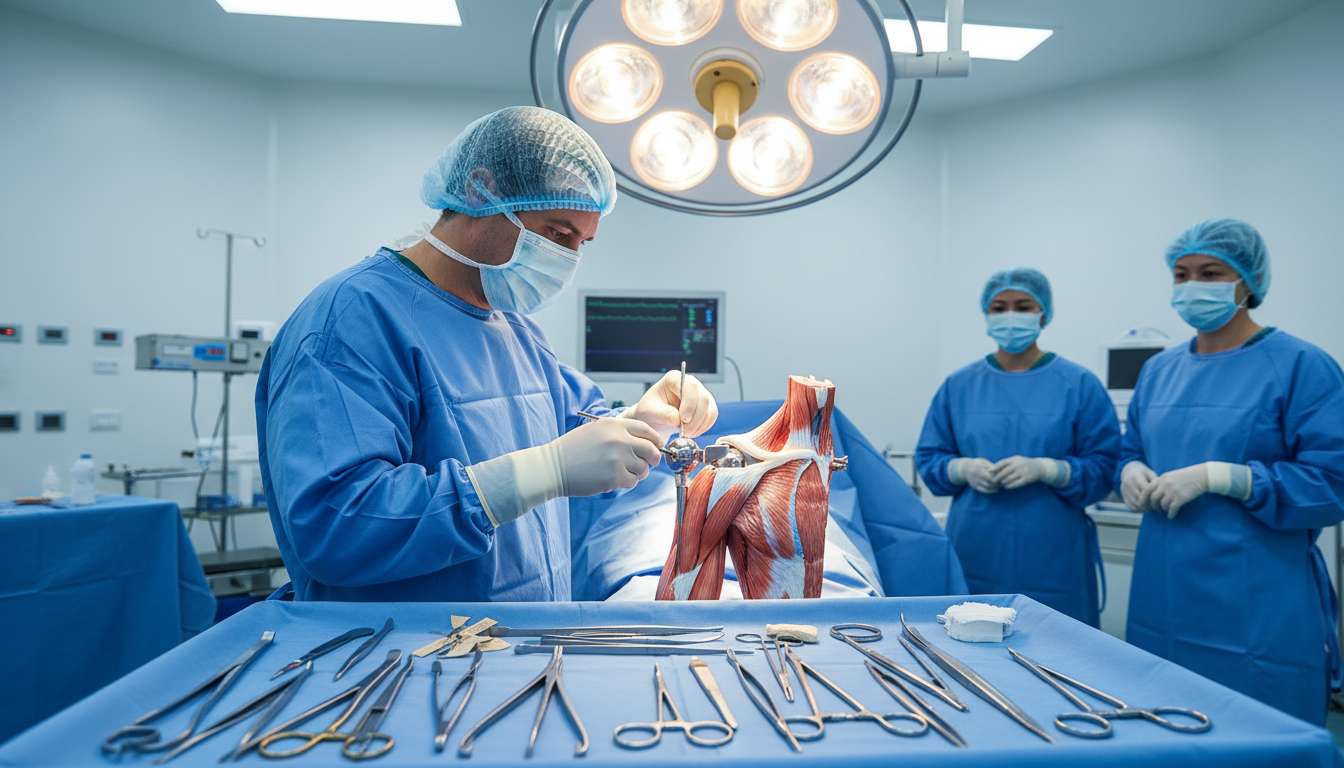
The world of healthcare is changing fast. More people from the United States are looking for medical care abroad. They want top-notch, affordable treatments for long-term joint problems. Turkey is becoming a top choice for such advanced surgeries, thanks to its excellent facilities and skilled doctors.
Planning a medical trip needs careful thought and advice from experts. If you’re thinking about this, it’s key to find a reliable orthopedic clinic in Turkey. Choosing the right place is the first step to a smooth recovery. A good Reverse Shoulder Arthroplasty depends on your doctor’s skills and the care you get after surgery.
Key Takeaways
- Turkey is a leading global centre for orthopaedic medical tourism.
- Patients from the United States benefit from high-quality, affordable surgical care.
- Selecting a reputable clinic is vital for achieving optimal health outcomes.
- Advanced surgical techniques are readily available in modern Turkish hospitals.
- Comprehensive research helps patients manage their recovery expectations effectively.
Understanding the Need for Reverse Shoulder Arthroplasty
The shoulder joint is amazing but can wear out over time. Chronic pain can make daily life hard. It’s important to know why this happens to make better health choices.
Anatomy of the Shoulder Joint
The shoulder is a ball-and-socket joint that moves a lot. It has the humerus, scapula, and clavicle, all connected by muscles and tendons. The rotator cuff keeps the humeral head in place.
When the rotator cuff is healthy, the shoulder moves well. But injury or aging can damage it. This makes simple tasks like reaching or lifting painful.
Indications for Surgical Intervention
When treatments like physiotherapy or medicine don’t help, surgery is considered. Patients often have a constant ache that affects sleep and daily tasks. Severe bone loss or joint damage means surgery is the best option.
Rotator Cuff Arthropathy Explained
Rotator cuff arthropathy happens when the rotator cuff tendons tear badly. Without these tendons, the bone moves up and rubs against the acromion. This causes severe arthritis and makes it hard to lift the arm.
Older shoulder replacements don’t work well for this because they need a healthy rotator cuff. The reverse shoulder replacement flips the joint’s anatomy. It uses the deltoid muscle instead of the cuff. This is the best treatment for rotator cuff arthropathy.
| Condition | Primary Cause | Impact on Mobility |
|---|---|---|
| Osteoarthritis | Cartilage wear | Stiffness and pain |
| Rotator Cuff Arthropathy | Tendon failure | Loss of elevation |
| Frozen Shoulder | Capsule inflammation | Severe restriction |
Why Turkey Has Become a Global Hub for Orthopaedic Surgery
Turkey’s rise as a top medical destination is thanks to smart investments and a commitment to excellence. It has focused on growing its healthcare, drawing patients from everywhere for top-notch orthopaedic surgery.
Investment in Modern Medical Infrastructure
Turkey has invested heavily in building top hospitals, matching the best in the US. These hospitals use the latest tech, including robotic systems, for precise shoulder surgery.
Patients enjoy modern tech and comfort. The setup supports every step, from tests to recovery rooms.
Accreditation and International Standards
Turkey sticks to global health standards closely. Many hospitals have Joint Commission International (JCI) accreditation, showing they meet strict safety and quality rules.
This focus gives patients confidence in their orthopaedic surgery in a safe, regulated place. It aims for high success rates and low risks through standard care.
The Role of Highly Trained Surgeons
Turkey’s doctors have trained at top places around the world. They bring a lot of experience to shoulder surgery, ensuring patients get the best care.
They also keep learning and improving, making sure patients get the newest surgical methods in Turkey.
| Feature | Turkish Medical Centres | Standard Global Facilities |
|---|---|---|
| Accreditation | JCI Certified | Varies by Region |
| Technology | Advanced/Robotic | Standard |
| Surgeon Training | International/Fellowship | Local/Regional |
| Orthopaedic Surgery Focus | High Specialisation | Generalised |
The Reverse Shoulder Arthroplasty Procedure
Understanding Reverse Shoulder Arthroplasty is key for those thinking about it. This surgery helps when the rotator cuff can’t support the joint anymore.
It changes the shoulder’s mechanics to offer stability and ease pain. This method is a big part of modern orthopaedic care for tough joint problems.
How the Reverse Design Differs from Traditional Replacement
In a usual shoulder replacement, a ball goes on the humerus and a socket on the shoulder blade. But, it needs a working rotator cuff to stay in place.
The reverse design is different. It puts a metal ball on the shoulder blade and a plastic socket on the upper arm bone.
This change lets the deltoid muscle help instead of the rotator cuff. So, patients can lift their arm even with damaged tendons.
Surgical Techniques and Implant Positioning
Getting the implants right is very important. Surgeons must prepare the glenoid bone well for the baseplate.
Where the humeral component goes is also key for movement. Advanced surgical planning makes sure each implant fits the patient’s bones perfectly.
| Feature | Traditional Replacement | Reverse Arthroplasty |
|---|---|---|
| Ball Location | Humerus | Shoulder Blade |
| Socket Location | Shoulder Blade | Humerus |
| Primary Muscle Used | Rotator Cuff | Deltoid |
| Best For | Intact Tendons | Torn Tendons |
Anaesthesia and Patient Safety Protocols
Keeping patients safe is the main goal in Reverse Shoulder Arthroplasty. Most surgeries use general anaesthesia and nerve blocks for comfort.
An anaesthesiology team watches vital signs closely during the surgery. These strict rules help keep risks low and ensure the patient is stable.
After surgery, patients are watched in a recovery area to manage pain well. This team effort helps patients smoothly move from surgery to recovery.
Benefits of Choosing Turkey for Shoulder Joint Replacement
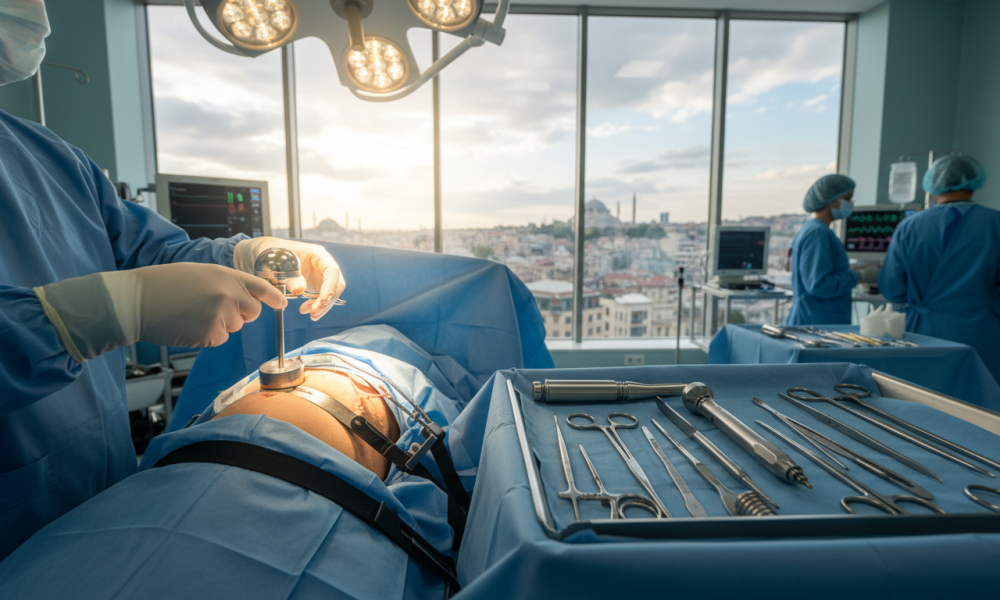
Choosing Turkey for your medical needs is a smart choice. It offers great value and top-notch care. Many patients from the United States find Turkey’s hospitals meet their needs for shoulder replacement. These places focus on patient care, making sure visitors get the best treatment in a welcoming setting.
Cost-Effectiveness Compared to the United States
Medical tourism is often driven by cost. In the United States, surgery can be very expensive. This can stop people from getting the care they need.
Turkey is a cost-effective alternative that doesn’t sacrifice quality. Patients can save a lot of money. This includes:
- Comprehensive surgical fees
- Hospital stay and nursing care
- Post-operative medication and supplies
Reduced Waiting Times for Elective Procedures
Long waits for surgery can cause a lot of pain and loss of function. In many places, patients wait months for a shoulder joint replacement.
Turkish hospitals are known for their quick service. They can see international patients fast. This means patients can get back to their lives sooner, improving their quality of life.
Access to Advanced Medical Technology
The Turkish healthcare system is modern and well-equipped. Many hospitals have the latest tools for diagnosis and surgery.
Surgeons in Turkey use cutting-edge technology for shoulder replacement. This means patients get:
- Advanced robotic-assisted surgical systems
- High-resolution imaging for accurate planning
- State-of-the-art implant materials for longevity
Choosing Turkey for shoulder joint replacement means you get access to the latest technology. This focus on innovation and safety helps your recovery.
Preparing for Your Medical Journey to Turkey
Your journey to a successful shoulder replacement in Turkey starts long before you fly. Organising your medical trip ensures a smooth, safe, and focused recovery. A structured approach helps you navigate international healthcare confidently.
Initial Consultations and Remote Diagnostics
Modern tech makes connecting with top surgeons easy from home. Reputable clinics in Turkey offer remote consultations via video. You’ll share your MRI or CT scans for review.
This step helps the team decide if you’re a good candidate. It’s also a chance to ask about the surgery and what to expect. Clear communication is key for setting the right expectations.
“The success of any international medical procedure is rooted in the quality of the pre-operative dialogue between the patient and the surgical team.”
Travel Logistics and Visa Requirements
Planning your travel is vital. Many patients use medical travel facilitators for flights, transfers, and accommodation. These experts make sure your schedule fits your surgery.
Check your visa needs early. Turkey’s e-visa system is quick for many visitors. But, always check the latest rules on the official portal. Having your documents ready avoids stress when you arrive.
Selecting the Right Hospital and Surgical Team
Choosing the right hospital is key. Look for ones with international accreditations, like JCI. These show high standards in safety and care.
When picking your team, focus on their experience with shoulder surgery. Look at their credentials and success rates. The table below shows important steps for planning your trip.
| Preparation Phase | Key Action Item | Priority Level |
|---|---|---|
| Medical Review | Submit digital imaging records | High |
| Logistics | Confirm flight and hotel bookings | Medium |
| Documentation | Apply for necessary travel visas | High |
| Coordination | Arrange post-operative transport | Medium |
Managing these details well sets a strong foundation for your treatment. A well-prepared patient can focus on healing after surgery. Taking control of your planning is the first step to regain your mobility.
The Role of Advanced Imaging in Surgical Planning
Precision is key in orthopaedic surgery, like with the shoulder joint. Modern medical centres use high-resolution tools for precise planning. This ensures each procedure fits the patient’s unique anatomy.
Utilising MRI and CT Scans for Precision
Surgeons use MRI and CT scans to map the shoulder. These images show bone density, soft tissue, and joint wear. This helps plan the surgery.
These scans give a 3D view of the shoulder. This detail is essential for correct alignment during surgery.
Customised Implant Selection
Every patient’s skeleton is different. Advanced imaging helps choose implants that fit perfectly. This ensures the best fit for the patient’s bones.
- Improved stability of the prosthetic components.
- Reduced risk of long-term implant loosening.
- Enhanced restoration of natural shoulder biomechanics.
This focus on customised care leads to better results. It’s a big step up for patients looking for top orthopaedic surgery.
Predicting Surgical Outcomes Through Digital Modelling
Digital modelling software lets surgeons practice the surgery virtually. This helps predict challenges like bone loss or joint deformities.
“The ability to rehearse a complex procedure digitally transforms the surgical experience, allowing for greater confidence and superior patient outcomes.”
This approach makes surgery safer and faster. It combines technology and expertise for better recovery outcomes.
What to Expect During Your Hospital Stay
Knowing what to expect in Turkey’s hospitals makes patients feel more at ease before their shoulder joint replacement. The modern facilities focus on comfort and safety. They make sure every step of your care is professional. When choosing a place for medical care, knowing the hospital standards is key for peace of mind.
Pre-operative Assessments and Care
When you arrive, you’ll have health checks to make sure you’re ready for surgery. These include blood tests, electrocardiograms, and a look at your anaesthesia plan. Your surgical team will check all your diagnostic images to make sure your new joint is placed correctly.
This step aims to reduce risks and tailor the surgery to fit you. You’ll meet your anaesthetist and nurses, who will explain what’s next. This helps ease any worries you might have.
Post-operative Monitoring and Pain Management
After surgery, you’ll go to a recovery area for close watch. The medical team will check your vital signs and the surgery site to ensure a safe recovery. Managing your pain well is a priority, and they’ll use medicines and positioning to keep you comfortable.
Here’s what you can expect in the early recovery phase:
- Regular checks of your blood pressure and heart rate.
- Frequent checks of the surgical dressing and incision site.
- Early gentle movement to prevent stiffness.
- Pain relief plans made just for you.
Multidisciplinary Support Teams
Choosing a top Turkish hospital means you get a team approach to care. You’ll be supported by a multidisciplinary team of experts. This team includes orthopaedic surgeons, anaesthetists, nurses, and physiotherapists. They work together to make your recovery smooth.
Physiotherapists will visit you early to start exercises. This is key for getting function back and avoiding problems. Your team ensures your health is fully looked after before you go home to recover further.
Recovery from Surgery and Rehabilitation Programmes
Getting better after surgery needs you to move early and keep up with therapy. The surgery is a big step, but the healing phase is where you really get back to life. A good plan helps your shoulder heal right and gets your strength and movement back.
The Importance of Early Mobilisation
Moving early after surgery is key. Starting with gentle movements soon after surgery lowers the chance of stiffness or a frozen shoulder. This helps blood flow to the area, which is vital for healing.
Your doctors will show you simple, safe movements in the first days. These early steps keep the joint flexible without stressing the new implant too much. Moving a bit every day is better than staying very quiet for a long time.
Physiotherapy Techniques for Shoulder Function
Physiotherapy is central to your healing. A therapist will make a special plan for you, based on your needs and the implant used. These sessions help you get better by doing exercises that target your shoulder.
Some common physiotherapy methods include:
- Passive range of motion exercises to gently stretch the joint capsule.
- Active-assisted movements where you use your other arm to support the healing shoulder.
- Scapular stabilisation drills to ensure the shoulder blade provides a solid base for movement.
- Gradual strengthening routines introduced once the initial healing phase is complete.
Long-term Rehabilitation Milestones
Tracking your progress with milestones keeps you motivated. These goals are set in phases, so you can celebrate small wins as you become more independent. Your doctor and physiotherapist will check these milestones to make sure you’re doing well.
Typical milestones include:
- Weeks 1-4: Getting comfortable and doing light tasks with help.
- Weeks 6-12: Getting more active and starting light exercises.
- Months 3-6: Doing most daily tasks and improving shoulder strength.
- Months 6+: Getting back to more challenging activities.
Everyone heals at their own pace. Patience and consistency are your best friends during this time. By following your team’s advice, you can look forward to better shoulder function and comfort in the long run.
Managing Pain and Enhancing Mobility Post-Surgery
When you get home, you’ll focus on easing a painful shoulder and getting back to moving. A set routine is key for a good recovery from surgery. Following expert advice helps your new joint heal right and keeps pain down.
Medication Management Strategies
Managing pain well is the first step in healing. Doctors give you a special plan for taking pain meds. It’s very important to take these meds as told, not when the pain gets bad.
Following your medication plan makes physiotherapy easier. Keep track of your meds to avoid too much. If you get side effects, tell your doctor right away to change your treatment.
Lifestyle Adjustments During the Healing Phase
Keeping your shoulder safe in the first few weeks is key. Don’t lift heavy or stretch back, as it stresses the surgery area. Changing how you sleep, like using pillows, can help at night.
Making small changes at home helps too. Keep things you use a lot at waist level to avoid stretching. These changes help your body heal better.
Monitoring for Possible Complications
Most people heal well, but watch for signs of trouble. Check your incision daily for redness, swelling, or warmth. These could mean an infection that needs quick doctor care.
Also, watch for sudden, severe painful shoulder that meds don’t fix. If you have a fever or see fluid from the wound, call your surgeon fast. Catching small problems early helps your healing.
Comparing Healthcare Standards in Turkey and the United States
Understanding global healthcare is key. Patients compare the benefits of medical tourism in Turkey to their home healthcare. Turkey stands out by meeting high international standards.
Quality Assurance and Patient Outcomes
The Turkish healthcare sector focuses on Joint Commission International (JCI) accreditation. This ensures hospitals meet top American quality and safety standards. Turkish surgeons also train in Western institutions, bringing global expertise.
Patients can expect:
- Strict adherence to evidence-based surgical protocols.
- Regular audits of clinical performance and infection control rates.
- Use of state-of-the-art medical technology and high-quality implants.
Communication and Language Support for International Patients
Language barriers are a worry for those abroad. Turkish hospitals offer strong support for international patients. Most surgical teams speak English, and patient coordinators help throughout the journey.
These services include:
- Professional medical translators for pre-operative and post-operative consultations.
- Detailed written documentation provided in English for patient records.
- 24/7 assistance to address any questions or concerns during the hospital stay.
Continuity of Care Upon Returning Home
Recovery doesn’t stop at the hospital. Turkey focuses on continuity of care. Surgeons and specialists help create a post-operative plan for local doctors in the United States.
Patients get:
- Comprehensive medical reports detailing the procedure and implant specifications.
- Personalised rehabilitation programmes designed for local physiotherapists to follow.
- Direct lines of communication for follow-up questions with the surgical team.
Potential Risks and Considerations for Shoulder Replacement
Knowing about the risks of Reverse Shoulder Arthroplasty helps patients make informed choices. While most surgeries go well, it’s important to think about possible problems.
Understanding Surgical Risks and Infection Prevention
Major surgeries like shoulder surgery can have risks. These include nerve damage, blood clots, or reactions to anaesthesia. In Turkey, hospitals follow strict rules to keep patients safe.
They use special systems and strict cleaning to prevent infections. This makes your shoulder surgery safer.
“The greatest risk in surgery is often the unknown; transparent communication is key.”
Implant Longevity and Wear
Today’s implants last longer, but they will wear out eventually. They can last 15 to 20 years, depending on how active you are and your bone health.
To make your implant last longer, listen to your surgeon’s advice. Avoiding heavy activities helps keep your implant in good shape.
When to Seek Immediate Medical Attention
Some pain is normal after surgery, but watch for warning signs. If you have any of these, call your surgeon right away:
- Persistent fever or chills that may indicate an underlying infection.
- Significant redness, swelling, or drainage around the incision site.
- Sudden, severe pain that does not respond to prescribed medication.
- A noticeable loss of function or stability in the joint.
Being careful during recovery helps catch problems early. This keeps your shoulder replacement working well and helps you stay mobile.
The Financial Aspect of Medical Tourism
Planning a medical trip abroad is more than just picking a doctor. It’s about knowing the costs too. This way, you can relax and focus on getting better. Knowing the costs helps you enjoy your journey without worry.

Understanding All-Inclusive Surgical Packages
In Turkey, many clinics offer all-inclusive surgical packages. These packages make paying for your surgery easy. They combine all the costs into one clear price.
These packages usually include the doctor’s fees, hospital stay, and any needed implants. Some even add in luxury stays and airport transfers. This makes your trip worry-free by showing you the total cost upfront.
Insurance Considerations and Out-of-Pocket Costs
Dealing with insurance for surgery abroad can be tough, like for those from the US. Most US health plans don’t cover surgeries done outside the country. It’s important to talk to your insurance early to see if they’ll cover any part of your treatment.
“Transparency in medical billing is the cornerstone of patient trust, specially when getting surgery abroad.”
Because insurance might not cover everything, you’ll likely need to pay out of pocket. Turkish hospitals often have payment plans or accept international payments. Always ask for a detailed invoice so you know what you’re paying for before you go.
Hidden Expenses to Anticipate
Even with a package, there are extra costs to think about. These include flights, post-op meds, and physiotherapy when you get back. Planning for these can help avoid surprises during your recovery.
| Expense Category | Included in Package | Typical Out-of-Pocket |
|---|---|---|
| Surgical Fees | Yes | No |
| Hospital Stay | Yes | No |
| International Flights | No | Yes |
| Post-Op Medication | Sometimes | Yes |
| Follow-up Physiotherapy | No | Yes |
By planning for these extra costs, your medical trip can be affordable. Always have some extra money for unexpected things. This way, you can focus on getting better without worrying about money.
Patient Experiences and Success Stories
Many patients travel to Turkey to get relief from a painful shoulder. They return home feeling full of life again. Choosing to have surgery abroad is a big decision. Hearing from others who have done it can make you feel more confident.
When checking out the doctor for your treatment, reading their stories is helpful. It shows you the quality of care they received.
Improving Quality of Life After Chronic Pain
Chronic joint pain makes everyday tasks hard. A painful shoulder can stop you from socialising, working, and enjoying hobbies. But, after reverse shoulder arthroplasty, many patients feel much better.
They can start doing things they love again. Feeling free from pain is as important as the physical healing.
Regaining Range of Motion in Daily Activities
Getting back to normal movement is key. Patients are amazed at how easy it is to do simple things like reaching or brushing their hair after surgery.
With a good physiotherapy plan, most patients see big improvements. This helps keep their joints healthy and improves their overall well-being.
Testimonials from International Patients
“I spent years struggling with a painful shoulder that prevented me from playing with my grandchildren. After my surgery in Turkey, I feel like I have been given a second chance at life. The care was world-class, and the results have exceeded all my expectations.”
The table below shows how patients progress during their recovery:
| Recovery Milestone | Pre-Surgery Status | Post-Surgery Outcome |
|---|---|---|
| Pain Management | Severe and constant | Minimal to none |
| Daily Function | Highly restricted | Full independence |
| Range of Motion | Limited to 30 degrees | Near-normal mobility |
| Quality of Life | Low satisfaction | High satisfaction |
Conclusion
Deciding to have a reverse shoulder arthroplasty in Turkey is a big step towards getting your life back. Istanbul’s medical facilities offer top-notch care, matching the best in the US. You’ll get to work with expert surgeons and use the latest technology to keep your joint healthy for years.
Your journey to healing starts with careful research and talking openly with your medical team. Make sure Turkish hospitals meet your needs for the best results. Spend time looking at your choices and getting ready for your surgery.
Improving your mobility and easing pain is possible with international care. Choosing a trusted surgeon means you can live more actively. Enjoy moving freely and feeling comfortable again.
FAQ
Q: What exactly is Reverse Shoulder Arthroplasty, and how does it differ from a standard shoulder joint replacement?
A: Reverse Shoulder Arthroplasty is a special surgery for the shoulder. It changes the way the ball and socket work. Unlike regular shoulder replacements, the ball is attached to the socket and the cup to the upper arm. This helps the deltoid muscle work better, even if the rotator cuff is damaged.
Q: Who is the ideal candidate for this type of shoulder surgery in Turkey?
A: This surgery is best for those with severe arthritis and rotator cuff tears. It’s also good for people who had a failed shoulder replacement or complex fractures. Patients in Turkey often come for this surgery when they can’t find relief from pain and loss of function.
Q: Why has Turkey become a preferred destination for international patients seeking orthopaedic surgery?
A: Turkey has invested in modern medical facilities. Hospitals like Acıbadem Healthcare Group and Medical Park are accredited by Joint Commission International (JCI). They offer top surgeons and advanced technology, like Stryker robotic-assisted platforms, at lower costs than the US.
Q: How does the cost of a shoulder replacement in Turkey compare to the United States?
A: Patients can save a lot of money in Turkey. Costs are 50% to 70% lower than in the US. Hospitals in Turkey offer all-inclusive packages that cover everything, making it clear what you’ll pay.
Q: What role does advanced imaging play in the surgical planning process?
A: Advanced imaging is key for precise planning. High-definition MRI and CT scans create detailed maps of the patient’s anatomy. Surgeons use digital software to plan the implant’s size and placement before surgery, ensuring the best results.
Q: What should I expect during the recovery from surgery while in Turkey?
A: Recovery starts with a hospital stay of two to four days. A team focuses on pain management and getting you moving. You’ll start exercises right away to avoid stiffness. Turkish clinics provide detailed guides for physiotherapy to help you continue improving at home.
Q: How are language barriers managed for English-speaking patients?
A: Top Turkish hospitals have international patient departments. They offer 24/7 translation services. Many surgeons and medical staff speak English, ensuring clear communication about your care.
Q: What are the risks associated with Reverse Shoulder Arthroplasty, and how are they minimised?
A: Risks include infection, nerve injury, or implant dislocation. Turkish hospitals follow strict infection prevention protocols. Surgeons focus on precise implant placement and use high-quality materials. Patients are taught to watch for complications and can contact their team after returning home.
Q: How long do the results of a reverse shoulder replacement typically last?
A: Modern implants are made to last, often 15 to 20 years or more. This surgery helps patients manage pain and regain mobility. It allows them to enjoy activities they couldn’t do before.
Related guides

Healthcare Content Compliance Guide for Growth
A high-performing treatment page can generate international patient inquiries within hours. It can also create material risk if…

Turkey Hospitals vs Local Hospitals Compared
A lower procedure quote can get a patient’s attention. It should not make the decision on its own.…

Patient Experience That Drives Trust and Growth
A patient who has already uploaded medical records, compared providers, and arranged time away from work is not…