

Turkey is becoming a top choice for advanced medical tourism. People from all over the world are picking Turkish clinics for their top-notch, affordable surgery. This is true, mainly for gynaecological health, where the facilities are world-class.
New technology is making a big difference in patient care. A Robotic Hysterectomy means patients get precise, small cuts. This leads to quicker healing. It’s a mix of skilled surgeons and the latest tech for the best results.
Key Takeaways
- Turkey is a leading hub for high-quality, affordable medical tourism.
- Advanced gynaecological care is a primary focus for international patients.
- Modern surgical technology significantly improves recovery times and patient comfort.
- Clinics in the region maintain rigorous standards for specialised procedures.
- Choosing overseas care offers a balance of cost-effectiveness and clinical excellence.
Understanding the Evolution of Gynaecological Procedures
The history of medicine shows our amazing ability to find new ways to help others. This is true for gynaecological procedures in particular. Over time, doctors have made their methods safer and more comfortable for patients. This change shows a shift from old, rough ways to new, precise ones.
Historical context of hysterectomy techniques
For a long time, hysterectomy techniques involved big cuts in the belly. These open surgeries were needed to reach the uterus but were risky. Patients often had to stay in the hospital for a while and had a hard time getting better because of the big cut.
“The history of surgery is not merely a record of tools, but a narrative of our deepening understanding of the human body and the pursuit of gentler healing.”
Early surgeons faced big challenges because of the technology back then. But they worked hard to make things better. Their efforts helped create the safer, more effective surgeries we have today.
The shift towards minimally invasive approaches
Then, a big change came with minimally invasive surgery. This method uses small cuts and special cameras to do complex tasks. It makes the body suffer less, making the patient’s experience better.
Now, doctors focus on faster recovery times and less pain after surgery. The use of robots has helped even more. It lets doctors do things more precisely than they could before. So, patients can get back to their lives much faster than before.
The Rise of Robotic Hysterectomy as a Global Standard
The world of surgery has seen a big change with the rise of robotic systems. Doctors now see these systems as a benchmark for excellence in women’s health. This change shows a big push for better patient safety and more precise surgery.
Defining robotic-assisted surgery
Robotics surgery isn’t about machines doing things on their own. It’s about a smart link between the surgeon and the machine. The surgeon controls the machine’s movements, making tiny changes inside the body.
This tech lets surgeons do things they can’t with their hands. It uses high-definition 3D cameras for a clear view. This is key for doing a Robotic Hysterectomy with great accuracy.
Global adoption rates and clinical acceptance
Healthcare around the world has welcomed this tech as a standard. The use of Robotic Hysterectomy has grown fast because of good results. Surgeons pick it to make operations easier on themselves.
The table below shows how robotic surgery is different from old methods in gynaecology:
| Feature | Traditional Surgery | Robotic Surgery |
|---|---|---|
| Visualisation | Standard 2D | High-Definition 3D |
| Instrument Range | Limited | Full Wristed Motion |
| Precision | Manual | Computer-Assisted |
| Recovery Time | Moderate | Accelerated |
As robotic surgery becomes more common in hospitals, it’s a big help for gynaecologists. The move towards this tech means patients get top-notch care. This change is a big step forward in Robotic Hysterectomy.
Why Turkey Has Become a Premier Destination for Surgical Robotics
Turkey has become a top medical hub thanks to big investments in surgical robotics. It focuses on the latest tech, making complex surgeries very precise. This attracts patients worldwide who want top care at a good price.
Investment in advanced medical infrastructure
Turkish hospitals have been updated with the latest surgical robotics. They have top diagnostic tools and robotic systems, just like in the US. This ensures surgeons can do detailed gynaecology operations in the best setting.
The expertise of Turkish surgeons in gynaecology
The real strength of Turkey’s medical system is its people. Surgeons there get rigorous training in minimally invasive techniques. Their deep knowledge in gynaecology means they can use surgical robotics to get great results, even in tough cases.
Integration of international medical standards
Turkish medical places follow international quality standards. Many are accredited by the Joint Commission International (JCI). This means they meet global safety and hygiene levels, giving patients peace of mind.
| Feature | Turkish Medical Centres | Standard Global Clinics |
|---|---|---|
| Robotic Platform Access | High (Latest Models) | Moderate |
| Surgeon Specialisation | Advanced Certification | General Training |
| Accreditation Level | International (JCI) | Regional |
| Patient Care Focus | Comprehensive Support | Standardised |
The Da Vinci System: Precision Engineering in Modern Surgery
The Da Vinci system is at the forefront of surgical robotics. It’s the top choice for many gynaecological surgeries worldwide. It combines human skill with machine smarts, making complex surgeries possible.
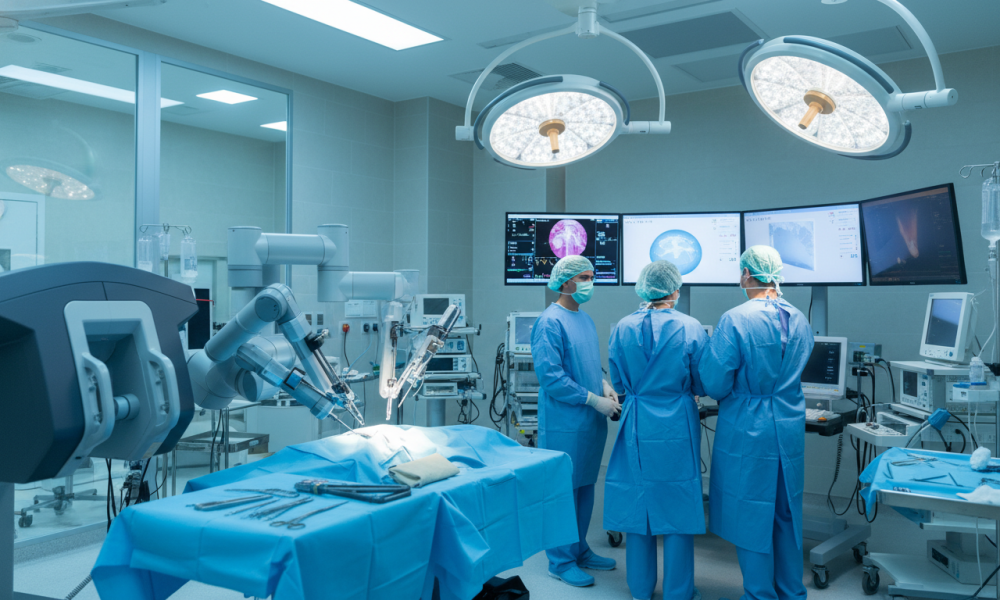
Components of the Da Vinci surgical platform
The system has three main parts that work together. Each part is key to the surgery’s success and safety.
- The Surgeon Console: Here, the surgeon controls the tools and sees the operation area.
- The Patient Cart: This unit is next to the patient and holds the robotic arms.
- The Vision System: It gives the surgeon a clear, 3D view of the surgery area.
Enhanced visualisation and instrument dexterity
The Da Vinci system offers better imaging. Surgeons get a 3D view that’s clearer than old methods. This helps them see tiny details well.
The system also has special instruments called EndoWrist. These tools move like a human wrist but better. They let surgeons work in small spaces with great accuracy.
How the system minimises human error
The use of surgical robotics cuts down on mistakes in gynaecological surgeries. It has software that smooths out hand shakes, making every move precise.
It also scales down big hand movements to small, precise actions at the surgery site. This keeps the surgery stable and precise, even when the surgeon is tired. The Da Vinci system keeps the surgeon’s performance steady all through the surgery.
Comparing Robotic Hysterectomy with Traditional Laparoscopic Hysterectomy
When it comes to gynaecological surgery, understanding the difference between Robotic Hysterectomy and Laparoscopic hysterectomy is key. Both are minimally invasive, but they offer different levels of control and precision for the surgeon.
Technical differences in surgical execution
In a traditional laparoscopic hysterectomy, surgeons use long, rigid instruments through small incisions. This method needs a lot of skill to navigate the body’s anatomy. The instruments have a limited range of motion, unlike the human wrist.
On the other hand, a Robotic Hysterectomy uses a platform for enhanced 3D visualisation and wristed instruments. These tools mimic the human hand’s movement. This allows for better dexterity in complex dissections or suturing in tight spaces.
Impact on tissue trauma and blood loss
The precision of robotic systems often reduces tissue trauma. The robotic arms filter out natural hand tremors. This allows for extremely accurate delicate manoeuvres.
This precision often leads to lower blood loss during the procedure. By minimising contact with healthy tissue, the body experiences less inflammation. This supports a faster healing process after the operation.
Recovery timelines and hospital stay duration
Both procedures are minimally invasive, leading to a faster return to daily activities. The enhanced precision of robotic assistance can make the post-operative experience smoother.
Most patients can expect a shorter hospital stay, often within twenty-four hours. The table below highlights the main differences between these two modern surgical approaches.
| Feature | Laparoscopic Hysterectomy | Robotic Hysterectomy |
|---|---|---|
| Instrument Motion | Rigid/Limited | Wristed/High Dexterity |
| Visualisation | 2D Standard | 3D High-Definition |
| Tissue Trauma | Minimal | Very Minimal |
| Typical Hospital Stay | 1-2 Days | 1 Day |
Clinical Benefits and Patient Outcomes of Minimally Invasive Surgery
Minimally invasive surgery has changed how we treat women with gynaecological issues. Surgeons use new tech to do big surgeries through small cuts. This makes the whole process better for patients.
Reduced post-operative pain management
One big plus is less pain after surgery. The small cuts mean less damage to the body. This makes recovery easier.
Patients often need less pain medicine. This helps them get back to normal life faster. It also means they don’t have to deal with strong pain meds’ side effects.
Lower risk of surgical site infections
Modern tech lets surgeons work in a clean space. This keeps the body safe. The small cuts mean less chance of infection.
This method has many safety benefits:
- Less chance of germs getting inside.
- Lower risk of infections at the wound site.
- Incisions heal faster because they’re smaller.
Long-term gynaecological health advantages
Patients also see long-term benefits. This surgery keeps the pelvic area healthy. It’s better than old methods.
Many women can get back to their activities sooner. This improved quality of life is why they choose this surgery. It’s a big reason for its popularity.
The Patient Journey: From Initial Consultation to Post-Operative Care
The path to a successful robotic hysterectomy in Turkey is designed to be seamless and patient-focused. Advanced technology and personalised care ensure international patients feel supported from the start.
Remote consultations and medical record review
Before you even board a flight, the process begins with a remote consultation. You connect with your chosen surgeon via secure digital platforms. You discuss your medical history and specific health concerns.
You’ll be asked to provide your relevant medical records. These include previous imaging and diagnostic reports. The surgical team reviews these documents to determine if you’re suitable for a robotic-assisted procedure. This proactive approach ensures your treatment plan is tailored to your unique needs before you arrive in the country.
Pre-operative preparation and health assessments
Upon your arrival in Turkey, the focus shifts to finalising your preparations. You will undergo a series of essential health assessments to confirm that your body is ready for the procedure.
These evaluations typically include the following steps:
- Comprehensive blood work and laboratory testing.
- Detailed cardiovascular and respiratory screenings.
- A final consultation with your anaesthesiologist to discuss your comfort and safety.
This phase is critical for identifying any risks and ensuring safety protocols are met. By conducting these checks in person, the medical team can make any necessary adjustments with precision and confidence.
Immediate post-surgical monitoring and recovery
Following your robotic hysterectomy, you will be moved to a specialised recovery area. Here, you receive constant attention. Highly trained nursing staff monitor your vital signs and comfort levels around the clock to ensure a smooth transition out of anaesthesia.
The immediate post-operative period focuses on minimising discomfort and promoting early mobilisation. You can expect the following during your hospital stay:
- Regular checks by your surgical team to monitor incision sites.
- Personalised pain management plans tailored to your recovery speed.
- Early assistance with movement to encourage healthy circulation and healing.
This high level of oversight is a hallmark of the Turkish medical experience. It provides patients with the reassurance that they are in safe hands while they begin their journey toward long-term gynaecological health.
Selecting the Right Hospital and Surgeon in Turkey
Finding a skilled surgeon and a top-notch hospital is key to a successful robotic hysterectomy. Turkey leads in medical innovation, but the quality of care varies. Working with medical tourism agencies can help ensure your safety and comfort.

Evaluating surgeon credentials and experience
Your surgeon’s expertise is vital for a good outcome. Make sure they are board certified in obstetrics and gynaecology. They should also have training in robotic surgery.
It’s okay to ask how many robotic surgeries they’ve done. More experience usually means better results.
Don’t be shy to ask about their ongoing training. Surgeons who keep up with the latest techniques are more likely to do a great job. A good surgeon will happily share their experience and approach with you.
Importance of hospital accreditation and certifications
The hospital’s standards are just as important as the surgeon’s. Look for Joint Commission International (JCI) accreditation. This shows the hospital follows strict safety and quality rules.
Accredited hospitals also have the latest robotic systems, like Da Vinci models. They invest in keeping their equipment in top shape. Choosing such a hospital means you’re in good hands.
Reviewing patient testimonials and success rates
What past patients say is very telling. Look for detailed feedback on their whole experience. Positive comments on communication and support are a good sign.
Also, check the hospital’s success rates for robotic hysterectomies. Good clinics track their results, including how quickly patients recover and any complications. This information helps you make a smart choice.
| Selection Criteria | Why It Matters | What to Verify |
|---|---|---|
| Surgeon Experience | Reduces surgical risks | Robotic surgery case volume |
| Hospital Accreditation | Ensures safety standards | JCI or equivalent certification |
| Patient Feedback | Validates service quality | Recent, verified testimonials |
| Technology Level | Improves precision | Latest Da Vinci system model |
Safety Protocols and Accreditation Standards in Turkish Medical Facilities
Patient safety is key in Turkey’s top medical centres. They focus on rigorous clinical governance to meet international standards. This makes patients feel safe when they travel for surgery.
International Joint Commission (JCI) standards
Many top hospitals in Turkey have the Joint Commission International (JCI) accreditation. This shows they meet high safety and quality standards. Achieving this status is a big deal and they keep working to stay up to date.
- Regular audits of clinical performance and patient outcomes.
- Standardised protocols for surgical preparation and post-operative care.
- Continuous training programmes for medical and nursing staff.
- Transparent reporting of safety metrics to ensure accountability.
Sterilisation and operating theatre safety
Modern surgical suites in Turkey use the latest tech for a clean environment. They follow strict infection control protocols to reduce risks. The theatres have HEPA filters for clean air during surgeries.
Also, surgical tools are sterilised carefully. They go through many cleaning steps before use. This makes sure infections are very rare.
Emergency response and intensive care capabilities
Good safety means being ready for emergencies. Turkish hospitals have robust emergency response systems always on. They have ICUs with experts in critical care.
Teams work together quickly if a patient needs extra help. This setup lets surgeons do complex surgeries safely. Patients know their health is in good hands at all times.
Financial Considerations and Cost-Effectiveness for International Patients
Many patients find that getting a robotic hysterectomy in Turkey is cheaper than in the United States. This way, they can get top-notch care while saving money. It’s a smart move for those looking to manage their healthcare budget better.
Breakdown of surgical costs versus the United States
The main reason Turkey is cheaper is because of lower costs for medical facilities and staff. Even though the Da Vinci surgical platform is the same as in top US hospitals, the total cost is 40% to 60% less.
| Service Component | United States (Est.) | Turkey (Est.) |
|---|---|---|
| Surgeon Fees | High | Moderate |
| Hospital Facility Fees | Premium | Competitive |
| Anaesthesia & Supplies | Standard | Inclusive |
What is typically included in medical packages
Turkish medical providers offer comprehensive packages for international patients. These packages aim to make your experience smooth by covering all the important parts of your surgery. They usually include:
- Pre-operative tests and blood work.
- The full surgical procedure and theatre fees.
- Stay in the hospital, including nursing care.
- Medications after surgery and follow-up visits.
- Transport from the airport and around the city.
Hidden costs and insurance considerations
Even with packages, you should think about personal costs like flights and hotel stays. Transparency is key, so ask for a detailed quote before choosing a clinic.
Insurance can be tricky. Most US policies don’t cover elective surgeries abroad. Check with your provider about out-of-network reimbursement or if you need international insurance. Make sure your policy covers any complications, for extra financial security during recovery.
Navigating Travel Logistics and Recovery Periods Abroad
Booking a flight to Turkey is just the start. You need to plan your recovery time carefully. Choosing minimally invasive surgery means your travel plans must match your physical needs for a smooth trip.
Planning the duration of the medical trip
Surgeons usually say you should stay in Turkey for seven to ten days after surgery. This lets your medical team check on your healing and make sure you’re ready for a long flight. Resting well before flying back helps avoid problems during your journey.
Accommodation options for patients and companions
Turkey has many places to stay, from fancy hotels to apartments for medical tourists. Some places have specialised recovery suites close to hospitals. This makes it easy to get care if you need it. It’s also important to pick a comfy place for your companion, as their support is key to your recovery.
Post-operative follow-up and travel safety
Your medical team will give you a detailed plan for after you leave. This includes how to care for your wound and what activities to avoid. It’s important to follow these steps for the success of your minimally invasive surgery. We suggest talking to your local doctor online when you get back to keep your care going. Putting your safety first helps you get the best health results in the long run.
Managing Expectations and Possible Risks of Robotic Surgery
Modern technology has changed gynaecological care a lot. But, patients should know what to expect from their surgery. Choosing a Robotic Hysterectomy is a big decision. It means understanding the tech’s power and how your body will heal.
Understanding the limitations of robotic systems
The Da Vinci system is very precise. But, it’s key to know it’s not perfect. Surgeons use their skills to make sense of what they see, as the system lacks touch.
Robotic surgery isn’t right for everyone. Your doctors will check if it’s best for you. They look at your health to make sure it’s safe and effective.
Common side effects and recovery milestones
Most people recover well, but some side effects are normal. You might feel a bit sore, tired, or bloated at first. This is as your body gets used to the changes.
Recovery usually follows a set path. You can start with light activities in a few weeks. But, wait for a doctor’s okay before doing anything strenuous.
| Recovery Phase | Typical Experience | Recommended Action |
|---|---|---|
| Days 1-3 | Post-operative fatigue | Rest and hydration |
| Weeks 1-2 | Mild soreness | Gentle walking |
| Weeks 4-6 | Gradual return to routine | Follow-up assessment |
When to seek medical attention during recovery
Complications are rare, but stay alert after surgery. Call your doctor if you have a high fever, severe pain, or signs of infection at the cut.
Using the Da Vinci system for a Robotic Hysterectomy usually works well. But, your safety is most important. Keep your surgeon’s emergency number handy and call if you’re worried about healing.
The Role of Multidisciplinary Teams in Women’s Health
The success of gynaecological procedures depends on teams working together. In top Turkish medical centres, the focus is on teamwork for patient safety and wellbeing. This teamwork is like what’s seen at places like the Policlinico Universitario A Gemelli, ensuring all patients get full care.
Collaboration between gynaecologists and anaesthesiologists
Good communication between the gynaecologist and anaesthesiology team is key. They review the patient’s history to plan the anaesthetic. Precision and vigilance are kept up during the surgery to keep the patient stable.
This teamwork makes the surgery safer. It’s vital for robotic-assisted surgeries. Together, they manage risks and quickly respond to any changes in the patient’s condition. This is a big part of women’s health in Turkey.
Support services for holistic patient recovery
After surgery, a team supports the patient in recovery. Nurses, physiotherapists, and nutritionists create a care plan for each patient. This plan covers physical and emotional needs to help the patient heal faster and live better.
Support services include monitoring, pain management, and lifestyle advice. Hospitals offer a wide range of care to make patients feel supported and confident. This dedication to excellence is why Turkish medical facilities are known for women’s health.
Conclusion
Choosing the right path for your gynaecological health is important. Turkey offers top medical care and advanced robotic technology. This makes your experience better.
Deciding on a robotic hysterectomy is a big step for your health. The Da Vinci system brings precision for quicker recovery and better results. You get excellent care at a good price, thanks to Turkey’s cost-effectiveness.
Start your health journey by researching your hospital and team. Working with experts using the latest tech gives you confidence. Your recovery starts with smart choices and caring for yourself.
FAQ
Q: Why is Turkey considered a leading destination for a robotic hysterectomy?
A: Turkey is a top choice for robotic hysterectomy thanks to its advanced medical setup and skilled surgeons. It offers affordable yet high-quality care that meets international standards. This makes it a favourite for women’s health needs worldwide.
Q: How does the Da Vinci system improve outcomes in gynaecological procedures?
A: The Da Vinci system is a cutting-edge tool for surgeons. It gives them clear 3D images and precise control. This leads to more accurate and safer gynaecological procedures, reducing errors.
Q: What are the main differences between a robotic hysterectomy and a traditional laparoscopic hysterectomy?
A: Both are minimally invasive, but a robotic hysterectomy offers better control and vision. It causes less damage, less blood loss, and a quicker recovery than a laparoscopic hysterectomy.
Q: What should I look for when selecting a hospital and surgeon in Turkey?
A: Look for a surgeon experienced with the Da Vinci system. Choose a hospital with Joint Commission International (JCI) accreditation. This ensures it follows strict safety and sterilisation standards.
Q: What does the patient journey involve for international patients travelling for surgery?
A: It starts with a remote consultation and a detailed medical record review. In Turkey, patients get pre-op checks. The whole process, from surgery to recovery, is designed to be smooth.
Q: How cost-effective is robotic surgery in Turkey compared to the United States?
A: A robotic hysterectomy in Turkey is much cheaper than in the United States or the UK. Prices are 50% to 70% lower. This includes the surgery, hospital stay, and initial post-operative care.
Q: What are the clinical benefits of minimally invasive gynaecological procedures?
A: These procedures mean less pain, fewer infections, and smaller cuts. They lead to shorter hospital stays and a quicker return to daily life. This improves long-term gynaecological health.
Q: How long is the recovery period before it is safe to fly home?
A: Surgeons usually advise a 7 to 10-day recovery in Turkey before flying. This ensures the healing process is complete and there are no complications before travel.
Q: Are there risks associated with robotic-assisted gynaecological surgery?
A: There are risks like anaesthesia reactions or minor infections. But the robotic-assisted method aims to reduce these risks. Turkish surgeons follow strict safety protocols to ensure a safe surgery.
Q: Why is a multidisciplinary team important for a successful hysterectomy?
A: A multidisciplinary team ensures a complete recovery. It includes gynaecologists, anaesthesiologists, and nurses. This team approach guarantees the highest level of care throughout the procedure and recovery.
Related guides

Healthcare Content Compliance Guide for Growth
A high-performing treatment page can generate international patient inquiries within hours. It can also create material risk if…

Turkey Hospitals vs Local Hospitals Compared
A lower procedure quote can get a patient’s attention. It should not make the decision on its own.…

Patient Experience That Drives Trust and Growth
A patient who has already uploaded medical records, compared providers, and arranged time away from work is not…