
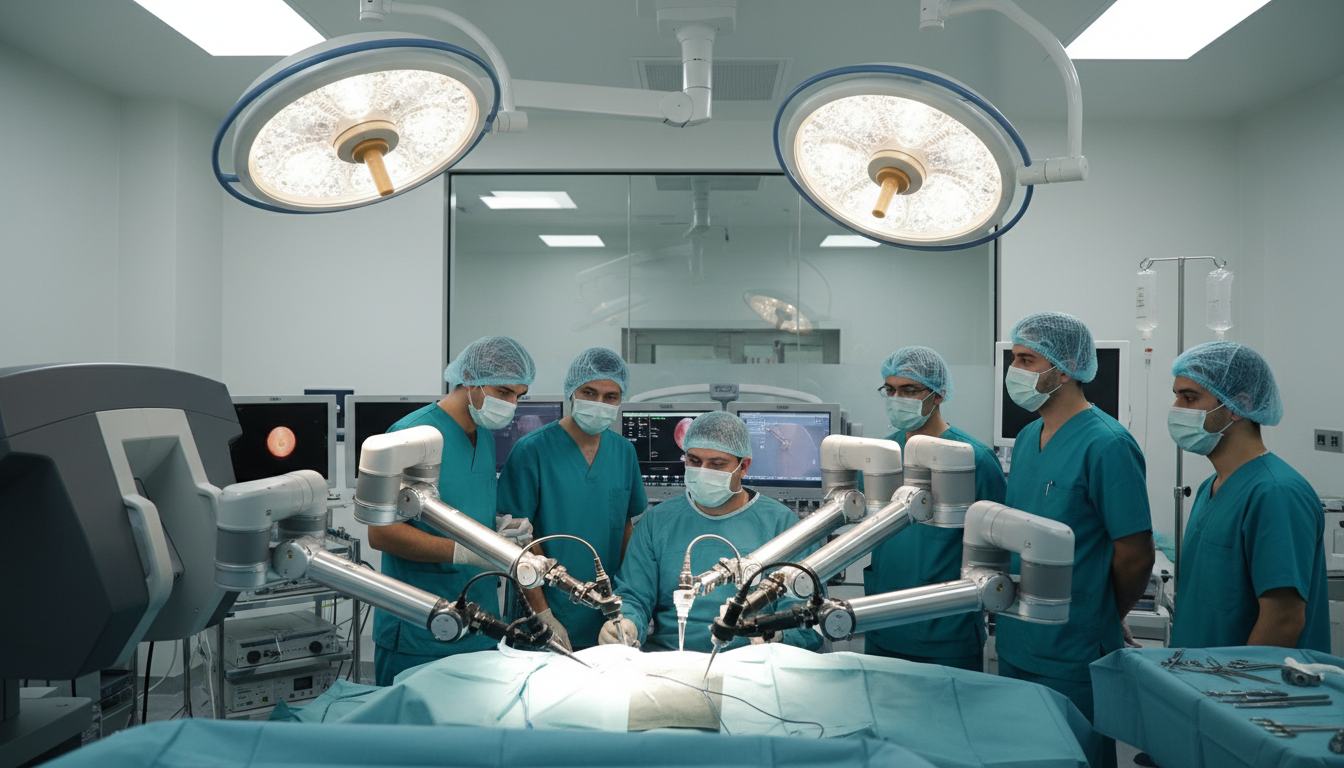
More and more patients from the United States are looking abroad for complex urological care. Medical tourism has changed how people get high-quality treatments and manage healthcare costs. Turkey is now a top choice for advanced surgical solutions.
A Robotic Cystectomy is a big step in modern medicine. It brings precision and quicker recovery times than old methods. Traveling for this can mean getting top-notch care that focuses on patient comfort and excellence.
This guide is for anyone thinking about this life-changing surgery abroad. We want to help you understand your options clearly. Knowing your choices is key to getting optimal health outcomes from a Robotic Cystectomy.
Key Takeaways
- Turkey is a leading global hub for specialised urological procedures.
- Patients benefit from significant cost savings without compromising on clinical standards.
- Advanced technology ensures higher precision and improved recovery experiences.
- Comprehensive research is essential when choosing international medical organisations.
- Professional support teams assist with the logistics of your medical journey.
Understanding Bladder Cancer and the Need for Cystectomy
When bladder cancer gets worse, taking out the organ is often the only way to save a life. This starts when cells in the bladder lining grow too much and might spread to the muscle wall. To stop the cancer from spreading, a strong bladder cancer treatment plan is needed.
A cystectomy is the surgery to remove the bladder completely. Surgeons might also take out nearby lymph nodes and tissues. This is because even tiny cancer cells can be dangerous. It’s a big step for those with advanced cancer or when other treatments fail.
Deciding on bladder cancer treatment depends on the tumour’s depth and grade. If the cancer reaches the muscle, the risk of it spreading grows. So, removing the bladder is a critical step to stop the cancer from getting worse and to help patients live longer.
In modern medicine, cystectomy is key for high-risk patients. It removes the main source of the disease. This helps manage recovery and future health. It’s a crucial part of bladder cancer treatment, a solid solution when other methods don’t work.
The Evolution of Surgical Robotics in Urology
The way we do urology procedures has changed a lot. We’ve moved from big, open surgeries to precise robotic systems. This big change lets surgeons handle complex urinary tract issues better than before.
Old methods needed big cuts, leading to long recovery times and more risks. Surgical robotics brought a new era with smaller cuts and better views. These tools help surgeons see and move with more precision, reducing shakes and showing things in 3D.
Now, robotic surgery is common for complex surgeries. It’s made handling delicate tissues safer, cutting down on blood loss and pain after surgery. As these systems get better, urology procedures are getting more precise, helping patients all over the world.
The table below shows how surgery has changed over the years. It shows how we’ve moved towards more efficient, tech-driven methods.
| Surgical Era | Primary Approach | Precision Level | Recovery Speed |
|---|---|---|---|
| Traditional | Open Surgery | Moderate | Slow |
| Early Laparoscopic | Manual Tools | High | Moderate |
| Modern Robotic | Computer-Assisted | Exceptional | Fast |
The use of surgical robotics has changed how we care for patients. By choosing robotic surgery, hospitals can offer safer options. These options greatly improve health outcomes for those with serious urological issues.
Why Turkey Has Become a Global Hub for Robotic Cystectomy
Why do people choose Turkey for advanced surgical interventions? The country focuses on patient care and clinical excellence. Many travel here for a robotic-assisted cystectomy, wanting top quality at a good price.
Turkey’s success comes from big investments in advanced surgical technology. Top hospitals have the latest robots. This means surgeons can do complex surgeries with the best tools. Clinics in Turkey offer urology treatment that’s on par with the US or Europe.
The rigorous training standards for surgeons are key to safety. Turkish surgeons get extensive training abroad. This ensures every surgery is done with great skill and care.
The table below shows why Turkey is a top choice for medical care:
| Feature | Standard in Turkey | Patient Benefit |
|---|---|---|
| Surgical Technology | State-of-the-art | Higher precision |
| Surgeon Training | International certification | Enhanced safety |
| Care Coordination | Comprehensive support | Seamless experience |
| Infrastructure | Modern facilities | Comfortable recovery |
The mix of advanced surgical technology and skilled doctors makes Turkey special. Patients trust their health to experts using the latest methods. This is why Turkey is a global hub for healing.
The da Vinci Surgical System Explained
The da Vinci system is at the core of modern robotic surgery. It has set the standard in surgical robotics. Surgeons can now do complex surgeries with control they never had before.
The system is not a robot on its own. It’s an extension of the surgeon’s hands. From a console, the surgeon sees a 3D image of the surgery area. This advanced surgical technology gives a clear, magnified view. It helps spot delicate tissues easily.
The robotic arms have special tools that move like human wrists. These tools can move in ways humans can’t. This means they offer unmatched precision during surgeries like cystectomies.
Key features of this technology include:
- Tremor filtration: It removes natural hand tremors for steady movements.
- Enhanced dexterity: Tools can rotate and bend in ways regular tools can’t.
- 3D Visualisation: Surgeons get a depth-perception advantage for detailed reconstructions.
The da Vinci system is mainly used in urology. But, the field of surgical robotics is expanding. Innovations like CyberKnife for cancer show how advanced surgical technology keeps improving. These tools help medical teams offer safer, more effective treatments for bladder cancer.
Benefits of Robotic-Assisted Cystectomy Over Traditional Open Surgery
The move to robotic surgery has changed how surgeons do complex urological procedures. It offers a more precise and controlled surgery. This is very clear when looking at robotic-assisted cystectomy outcomes.
One big plus is the smaller incisions. Unlike open surgery, minimally invasive surgery uses tiny ports. This means less damage to tissues and muscles.
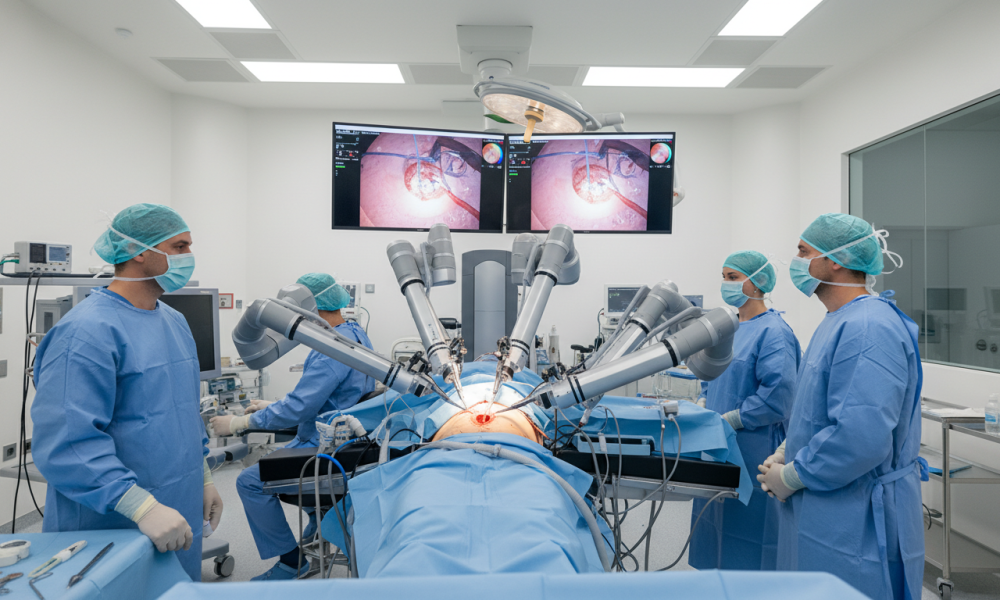
Patients often lose less blood, which means fewer blood transfusions. The small entry points also lead to lower infection rates. This makes the surgery safer.
The patient experience is also better. They usually need to stay in hospital for less time. This is because the body is less stressed, leading to quicker recovery.
In the end, minimally invasive surgery makes recovery smoother. Robot-assisted cystectomy is a better choice for many with bladder cancer. It focuses on the best long-term health outcomes.
Patient Eligibility and Pre-operative Assessment
Before starting complex urology procedures, patients go through a detailed screening. This check makes sure the surgery fits your health needs. Safety is always the top priority in this preparation.
Doctors do many tests to see if you’re right for robotic surgery. They use scans like CT or MRI to find the tumour’s exact spot. They also check your kidney function and overall health through lab tests.
Your past health matters a lot too. Doctors look at any health problems you’ve had before. This thorough preparation helps get the best results in urology procedures.
| Assessment Category | Diagnostic Focus | Clinical Goal |
|---|---|---|
| Imaging Studies | CT, MRI, and PET scans | Tumour staging and mapping |
| Laboratory Tests | Blood and urine analysis | Organ function verification |
| Cardiac Evaluation | ECG and stress tests | Anaesthesia risk assessment |
| Physical Screening | General health review | Optimising surgical readiness |
These tests help your team manage risks. This careful plan makes sure you’re ready for the surgery. Clear communication between you and your doctors is key for a smooth recovery.
The Surgical Procedure: What to Expect in the Operating Theatre
Understanding what happens during your surgery can ease your mind before your minimally invasive surgery. The operating theatre is a clean, safe space. It’s designed to keep you safe and comfortable during the whole process.
When you arrive, the anaesthesiology team will give you general anaesthesia. This keeps you asleep and pain-free. After you’re sedated, the surgical team will place you in the best position for the da Vinci system. This robotic platform is then connected to small ports made by your surgeon.
The surgery follows a detailed plan. A skilled team of urologists, nurses, and technicians manage it. Here’s what you can expect during your surgery:
- Port Placement: The surgeon makes small cuts to insert the robotic tools and a camera.
- Robotic Docking: The da Vinci system arms are connected to these ports. This gives the surgeon better vision and control.
- Cystectomy Execution: The bladder is removed with the robotic tools. This is done with unmatched precision.
- Reconstruction: If needed, the surgeon creates a new way for urine to leave the body using a part of the intestine.
- Closure: After the surgery, the instruments are taken out. The small cuts are then closed with stitches or glue.
During this minimally invasive surgery, the surgeon controls the robotic arms from a console. They do this with incredible accuracy. The whole team watches your vital signs closely to make sure everything goes smoothly. This new technology helps you recover faster and with less pain than old methods.
Post-operative Care and Recovery Protocols
Patients who have a robotic-assisted cystectomy get a detailed care plan to help them heal faster. The team focuses on keeping you comfortable and watching for any health changes. This careful plan makes sure your recovery is closely watched.
Managing pain is key in the first days after surgery. Doctors use different medicines to keep you comfortable without strong opioids. This helps you stay alert and comfortable, which is important for your recovery.
Moving around early is important to avoid problems like blood clots or breathing issues. Nurses and physiotherapists will help you get up or walk a bit in the first day. Even though it might be hard, moving gently is vital for getting back to normal and improving blood flow.
Keeping an eye on your vital signs is always a top priority while you’re in the hospital. The team will check your heart rate, blood pressure, and oxygen levels often. This is to make sure everything is okay, just like with complex surgeries like rectal resection.
| Recovery Phase | Primary Focus | Expected Outcome |
|---|---|---|
| Days 1-2 | Pain control and mobilisation | Improved comfort and movement |
| Days 3-5 | Dietary progression | Restoration of bowel function |
| Post-Discharge | Wound care and activity | Full return to daily routine |
Following these steps is key to a good recovery. By listening to your surgical team, you can make sure your robotic-assisted cystectomy recovery goes smoothly. Talking regularly with your healthcare team will help you feel more confident and comfortable during this time.
Comparing Costs: Robotic Cystectomy in Turkey versus the United States
Many patients are surprised by the big price difference for a robotic cystectomy in the US and Turkey. Both countries have top-notch medical technology. But, the costs are much higher in the US, making Turkey a good option for those wanting quality care without a huge bill.
In the US, the cost of surgery includes high fees for the hospital, insurance, and the surgeon. Turkey, on the other hand, has lower costs and a better exchange rate. This means patients get exceptional value without losing out on quality or precision.
Looking at the total cost of a robotic cystectomy, it’s key to see the whole package. Turkish hospitals offer a clear price that includes everything from hospital stay to medication. This way, patients avoid getting unexpected bills after they go home.
The table below shows how costs usually compare between the two places. Remember, these are just estimates and can change based on your health needs and the hospital’s prices.
| Service Component | United States (Est.) | Turkey (Est.) |
|---|---|---|
| Surgeon Expertise | High | High |
| Hospital Fees | Premium | Competitive |
| Post-operative Care | Variable | Inclusive |
Choosing to have a robotic cystectomy abroad is about finding a balance. Turkey offers top surgeons and advanced robotic technology at a lower cost. This smart choice lets patients focus on getting better and planning for their future health.
Selecting the Right Hospital and Surgeon in Turkey
Choosing the right place for your surgery is very important. When looking at surgical robotics, the quality of the place and the skill of the doctors matter a lot. Look for hospitals that focus on keeping patients safe and getting good results.
Begin by checking if the hospital has international accreditations, like the Joint Commission International (JCI) seal. This shows they meet high global standards for patient care. Always confirm they have the latest technology for complex surgeries.

When picking a surgeon, look at their training and experience with urology procedures. Ask how many robotic surgeries they do each year. A surgeon who does a lot of these surgeries will know them well.
To make a good choice, consider these points when looking at your doctor:
- Board Certification: Make sure the surgeon is registered with the right medical association.
- Robotic Proficiency: Check if the surgeon has special training in surgical robotics.
- Multidisciplinary Teams: Choose hospitals with a full team, including anaesthesiologists and oncology nurses.
- Patient Reviews: Look for feedback from other international patients who had urology procedures.
Don’t be shy to ask for a virtual consultation to talk about your case. Clear communication with your surgeon will make you feel sure about their skills. By doing this, you make sure you’re in good hands for your health and recovery.
Navigating Medical Tourism Logistics for International Patients
Choosing to travel for a robotic cystectomy means you need to plan the non-medical parts well. Careful planning makes your journey less stressful. Before booking flights, it’s key to know how to pick the right place for your treatment.
Reputable hospitals in Turkey offer patient coordinators to help you. They handle airport transfers, hotel bookings, and more. They also help with translation assistance, which is vital for talking about your health or after-care with the team.
Don’t forget about visa requirements for international travel. Many Turkish hospitals help with visa documents. Always check the latest visa rules for your country to avoid border issues.
Planning your trip means balancing medical visits with rest. Your coordinator will give you a detailed plan. This plan includes your pre-op checks, surgery, and follow-ups. Sticking to this schedule helps you stay in control during your recovery.
| Service Category | Standard Support Provided | Patient Responsibility |
|---|---|---|
| Travel Logistics | Airport transfers and local transport | Booking international flights |
| Documentation | Medical visa support letters | Applying for visas and insurance |
| Communication | Professional medical translators | Providing accurate health records |
| Accommodation | Hospital-affiliated hotel rates | Confirming personal stay preferences |
Using these support services lets you focus on your health. Professional coordination takes care of the trip’s non-medical parts. This way, you can face your surgery with confidence, knowing all the details are sorted.
Managing Possible Risks and Complications
Modern technology has changed urology a lot. But, it’s important to know the risks of surgery. Every big operation, like robotic surgery, has its own challenges. Patients need to think about these risks before they decide to have surgery.
The da Vinci system makes surgery more precise. But, it’s the surgeon’s skill that matters most. Knowing about possible problems is key to getting better and staying healthy.
Doctors plan carefully before surgery and use safety steps. They use high-definition images and handle tissues carefully. This helps reduce the chance of bad outcomes during surgery.
Talking openly with your doctor is very important. It helps you understand everything. This way, you can make a choice that’s right for you.
Choosing a place that follows safety rules is also key. Places like the Policlinico Universitario A. Gemelli show how safety and the da Vinci system can work together.
The success of robotic surgery depends on technology and the surgeon’s skill. Being well-informed and talking openly with your doctor helps. This way, you can face your treatment with confidence.
Long-term Outcomes and Quality of Life After Surgery
The journey to wellness doesn’t stop after surgery. Those who have minimally invasive surgery often find it easier to get back to their daily lives. This method focuses on keeping patients comfortable and healthy in the long run.
The use of advanced surgical technology has changed how doctors treat bladder cancer. With precise robotic systems, they can remove cancer more effectively while saving healthy tissue. This precision is vital for keeping urinary and sexual functions intact after surgery.
Regular check-ups are key to long-term success. Specialists can track how well you’re recovering and tackle any issues early. Adopting a healthy lifestyle, like eating well and staying active, also helps your overall health.
The benefits of advanced surgical technology go beyond the operating room. Minimally invasive surgery often means a quicker return to work and social life. Consistent monitoring helps catch and fix any small problems quickly, keeping your quality of life high.
| Recovery Phase | Typical Focus | Expected Outcome |
|---|---|---|
| Immediate Post-op | Pain management | Stable vital signs |
| Short-term (1-3 months) | Functional adaptation | Return to light activity |
| Long-term (6+ months) | Oncological surveillance | Improved quality of life |
Integrating Robotic Cystectomy into Comprehensive Cancer Care
Robotic Cystectomy works best as part of a bigger, team-based care plan. It combines surgery with advanced medical treatments. This mix helps patients recover better.
Creating a treatment plan that fits each patient needs teamwork. Doctors, surgeons, and experts in cancer meet often. They discuss test results and how the surgery went. This teamwork makes sure the care is right for each person.
Having all these experts together makes care smoother. Pathologists help understand the cancer. Oncologists then plan treatments that work with the surgery. This way, every part of the disease is treated.
The table below shows who’s in a team for bladder cancer treatment:
| Specialist Role | Primary Responsibility | Contribution to Care |
|---|---|---|
| Urological Surgeon | Performing the Robotic Cystectomy | Ensures precise tumour removal and reconstruction. |
| Medical Oncologist | Systemic therapy management | Coordinates chemotherapy or immunotherapy cycles. |
| Pathologist | Tissue analysis | Provides detailed reports on cancer staging. |
| Radiologist | Diagnostic imaging | Monitors progress through scans and follow-ups. |
Putting the patient at the heart of this integrated network boosts survival chances. This all-around approach supports patients from surgery to full recovery.
Conclusion
Choosing the right path for your health is important. Turkey is a top choice for bladder cancer treatment with robotic technology.
The da Vinci Surgical System brings precision to your care. Working with skilled surgeons at top facilities means you get the best care. This care focuses on your long-term health.
Doing your research is key. Talk to healthcare providers about your needs and what you expect from treatment. This helps you feel sure about your surgery plan.
Acting now can lead to better results later. You deserve top medical care to help you recover and improve your life. Begin your consultation today to get the care you need.
FAQ
Q: Why is Turkey considered a leading destination for Robotic Cystectomy?
A: Turkey is a top choice for urology procedures. It has invested in top-notch medical facilities and skilled surgeons. Patients from the US and Europe choose Turkey for its quality care at lower costs. Hospitals there are accredited by the Joint Commission International (JCI).
Q: When is a cystectomy required for bladder cancer treatment?
A: A cystectomy is needed for muscle-invasive bladder cancer or when non-invasive tumours don’t respond to treatments. It removes the bladder and lymph nodes to stop the cancer from spreading. This is a key part of treating bladder cancer today.
Q: How has surgical robotics transformed modern urological surgery?
A: Surgical robotics has changed urology from open surgery to computer-assisted methods. This technology offers precision, better views, and controlled movements. It’s great for complex surgeries in the pelvis.
Q: What are the primary technical advantages of the da Vinci system?
A: The da Vinci system gives surgeons a 3D view of the surgery site. It uses instruments that mimic hands but move more freely. This technology removes hand tremors, making dissection and suturing precise.
Q: What are the benefits of minimally invasive surgery compared to traditional open procedures?
A: Minimally invasive surgery has many benefits. It reduces blood loss, lowers infection risk, and makes scars smaller. Patients usually feel less pain and recover faster than with open surgery.
Q: Who is a suitable candidate for robotic-assisted cystectomy?
A: Choosing the right patient for robotic surgery involves a detailed check-up. Surgeons look at the patient’s health, cancer stage, and past surgeries. Tests like MRI or CT scans and lab tests help decide if robotic surgery is best.
Q: What can a patient expect during the surgical procedure in the operating theatre?
A: Patients are under general anaesthesia during surgery. The team makes small incisions for the robotic ports. The surgeon controls the da Vinci system from a console, removing the bladder and creating a new urinary path.
Q: What does the recovery protocol look like following robotic surgery?
A: Recovery focuses on moving early, managing pain, and gradually eating normally. Robotic surgery is less invasive than open surgery, leading to shorter hospital stays. The recovery plan aims to prevent complications and speed healing.
Q: How do the costs of urology procedures in Turkey compare to those in the United States?
A: Urology procedures in Turkey are often 50% to 70% cheaper than in the US. These savings include hospital fees, da Vinci system use, and surgeon costs. Quality of care and technology remain high.
Q: How should I choose the right hospital and surgeon in Turkey for my procedure?
A: Look for hospitals with international accreditations and surgeons experienced in robotics. Check patient outcomes and ensure the latest technology is used. This ensures safety and quality care.
Q: What support is available for international patients navigating medical tourism in Turkey?
A: Reputable Turkish hospitals have international patient departments. They help with logistics, including visas, transfers, and hotels. They also offer translation and personal coordinators for a smooth journey.
Q: What are the possible risks and complications associated with robotic cystectomy?
A: Robotic surgery is safer than open surgery but carries risks like bleeding or infection. Advanced safety protocols and precise robotic technology reduce these risks. Pre-operative planning is key.
Q: What are the long-term outcomes and quality of life expectations after surgery?
A: Robotic cystectomy has positive long-term results, with many patients achieving good cancer control. Minimally invasive surgery often leads to better recovery and a higher quality of life. Patients can quickly return to their routines.
Q: How is robotic surgery integrated into a complete cancer care plan?
A: Robotic cystectomy is part of a broader cancer treatment plan. Surgeons work with oncologists and pathologists to plan pre-operative chemotherapy or post-operative care. This ensures a holistic approach to treating bladder cancer.
Related guides

Healthcare Content Compliance Guide for Growth
A high-performing treatment page can generate international patient inquiries within hours. It can also create material risk if…

Turkey Hospitals vs Local Hospitals Compared
A lower procedure quote can get a patient’s attention. It should not make the decision on its own.…

Patient Experience That Drives Trust and Growth
A patient who has already uploaded medical records, compared providers, and arranged time away from work is not…