
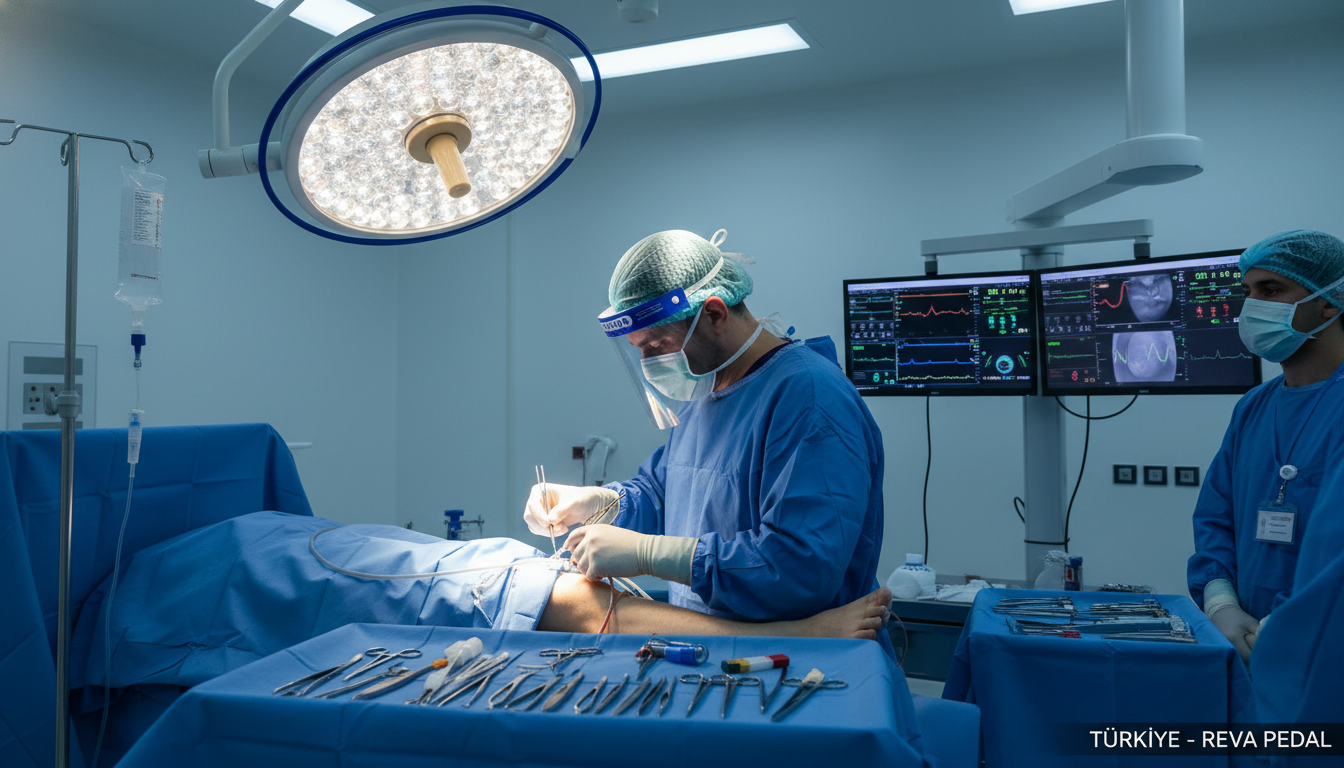
Turkey is now a top choice for those looking for world-class cardiovascular care. Many people travel here for top-notch medical care, similar to what’s found in the US or Western Europe.
The growth of Revascularization Surgery shows Turkey’s dedication to being the best. It combines the latest technology with expert doctors. This makes it a safe place for complex heart surgeries.
This article will help you find the best treatment for your heart health. We’ll look at why these centres are great for your cardiac needs.
Key Takeaways
- Turkey is a leading global hub for advanced cardiac procedures.
- Patients benefit from highly specialised medical teams and modern technology.
- The country offers a seamless experience for international health travellers.
- High standards of care are maintained across all major medical centres.
- Accessing quality treatment abroad is becoming an increasingly popular choice.
The Rise of Medical Tourism for Cardiovascular Care in Turkey
Turkey has become a leader in heart care thanks to big investments in medical facilities. Over ten years, it has updated its hospitals to meet global standards. This makes it a top choice for patients from the US and Europe looking for world-class medical expertise at lower costs.
The success of Turkey’s heart care sector comes from combining affordability with top-notch care. Turkish hospitals use the latest technology, matching the quality of care in Western countries. Many patients use medical tourism agencies to help them through the process, making it easier from start to finish.
Quality of care is the main reason for the rise in international patients. Turkey keeps high safety standards and trains its doctors well. This has made it a reliable choice for heart care.
| Feature | Turkish Healthcare Standard | Patient Benefit |
|---|---|---|
| Clinical Outcomes | High success rates | Improved long-term health |
| Cost Efficiency | Competitive pricing | Significant financial savings |
| Infrastructure | State-of-the-art facilities | Access to modern technology |
| Service Delivery | Patient-centred approach | Reduced waiting times |
Turkey’s mix of advanced surgical techniques and focus on patient comfort makes it a great choice. As more people look for affordable heart care, Turkey keeps improving. This dedication to excellence means patients get great treatment and support during their recovery.
Understanding Revascularization Surgery and Its Clinical Significance
Revascularization surgery is all about fixing the main routes that bring oxygen-rich blood to the heart. When these routes get blocked by plaque, the heart can’t work as well as it should. This surgery helps by creating new paths for blood to flow, keeping the heart healthy.
This surgery is very important for the heart. It helps avoid serious damage to the heart. People often feel much better after it, with less pain and more energy.
Getting treatment quickly is very important for heart disease patients. Waiting too long can make the heart muscle worse. Getting surgery on time can lead to better health and a stronger heart in the long run.
Modern medicine aims to help patients get their health back. Revascularization surgery is a key part of this. It gives people with heart disease a chance to live better lives.
Coronary Artery Bypass Graft (CABG) Procedures in Turkish Hospitals
The Coronary Artery Bypass Graft (CABG) is a top choice for heart health in Turkey. Top hospitals use this method to improve blood flow to the heart. The surgeons there are experts in handling complex cases with great skill.
Pre-operative Assessment and Patient Selection
Before surgery, patients get a full check-up to make sure they’re safe and will do well. Turkish doctors use tests like coronary angiography and stress tests to find blockages. This careful planning helps decide if a Coronary Artery Bypass Graft (CABG) is right for each person.
Choosing the right treatment is all about the patient’s health and recovery. Teams look at medical history to spot risks and plan the surgery. This meticulous preparation means each patient gets a treatment plan made just for them.
Surgical Techniques and Graft Selection
The success of a Coronary Artery Bypass Graft (CABG) depends on the grafts used. Surgeons pick the best grafts for long-term success. They often choose the internal mammary artery or the saphenous vein, based on the patient’s body.
The table below shows the main graft options Turkish surgeons use for the best results:
| Graft Type | Primary Benefit | Long-term Patency |
|---|---|---|
| Internal Mammary Artery | Superior durability | Excellent |
| Saphenous Vein | Versatile application | Good |
| Radial Artery | High flow capacity | Very Good |
Turkish hospitals combine advanced surgery with top-notch grafts for great success rates. Patients get care that meets international standards during their recovery.
Advancements in Angioplasty and Stent Placement Techniques
Cardiac care has seen big changes. Now, Angioplasty is safer and more effective. These new technologies make heart treatments more precise and successful.
Drug-Eluting Stents and Long-term Efficacy
Drug-eluting stents have changed heart care a lot. They release medicine that stops scar tissue from growing. This critical innovation cuts down the chance of the artery narrowing again.
These stents keep the artery open for longer. This means patients often don’t need more procedures. It leads to better health in the long run. This is a big step forward in Stent Placement technology.
Imaging Guidance During Percutaneous Interventions
Advanced imaging is key in today’s surgery. Doctors use high-resolution images to guide them. This helps place devices exactly right during an Angioplasty.
Also, robotic-assisted angioplasty is coming. It offers better control and safety. Safety and precision are what these advanced tools aim for, giving patients top care.
The Role of Balloon Angioplasty in Modern Vascular Surgery
In the world of vascular surgery, balloon angioplasty is key. It helps doctors open up blocked arteries without big surgery. A small balloon is used to clear blockages and improve blood flow for those with artery problems.
Indications for Balloon Angioplasty
This method is mainly used for peripheral arterial disease. It treats blockages in arteries that limit blood flow to the limbs. It’s also used for coronary blockages that don’t need bypass surgery. It’s a quick fix for symptoms like leg pain or chest tightness.
“The true measure of surgical success lies in the ability to restore function while minimising the physical burden on the patient.”
Doctors decide if it’s right based on where and how bad the blockage is. If it’s confirmed, the surgery is planned to avoid more damage. This careful approach makes vascular surgery as gentle as possible while getting great results.
Managing Complications and Recovery
Though safe, doctors watch for risks like vessel damage or blockage coming back. They use advanced tools and images to lower these risks. Keeping patients safe is top priority, and surgeons are ready to handle any issues quickly.
Recovery from balloon angioplasty is quick, and patients can get back to normal soon. After, they’re closely watched to make sure everything is okay. Following strict recovery plans helps patients get the most from their vascular surgery.
Specialised Approaches to Arterial Bypass Surgery
Surgeons in Turkey use advanced methods for Arterial Bypass Surgery. They tailor the surgery to each patient’s unique needs. This approach improves recovery and long-term heart health.
These special techniques show a focus on precision and care for the patient. It’s all about making the surgery fit each person perfectly.
Off-Pump Versus On-Pump Bypass Procedures
Choosing between on-pump and off-pump surgery is key in the operating room. On-pump surgery uses a heart-lung machine to keep blood flowing while the heart stops. This method gives the surgeon a stable, motionless field for complex grafts.
Off-pump Arterial Bypass Surgery is done on a beating heart without a machine. It’s often chosen for patients with certain risks, like a hard aorta or kidney problems. This way, the risk of inflammation is lower.
Minimally Invasive Direct Coronary Artery Bypass
Minimally invasive direct coronary artery bypass (MIDCAB) is a big step towards less invasive surgery. Surgeons make a small cut between the ribs to reach the heart. This targeted approach helps the chest heal faster.
Patients usually have less pain after surgery and stay in the hospital less. It’s great for treating single-vessel disease, helping people get back to their daily lives sooner. Here’s a table showing the main differences between these methods.
| Technique | Incision Size | Heart Status | Recovery Time |
|---|---|---|---|
| Traditional On-Pump | Full Sternotomy | Stopped | Longer |
| Off-Pump | Full Sternotomy | Beating | Moderate |
| Minimally Invasive | Small Thoracotomy | Beating | Shortest |
Endovascular Therapy: Minimally Invasive Options for Patients
The medical world has changed a lot, with Endovascular Therapy becoming a top choice for many. It lets doctors treat blood vessel problems without big cuts. This method is all about being precise and making patients comfortable, changing how we treat heart issues.
Benefits of Endovascular Approaches
This method is great because it causes less harm to the body. Doctors use small holes instead of big cuts, so patients feel less pain and get sick less often. It’s perfect for those who want to get back to their life quickly.
Also, these treatments mean patients stay in the hospital for less time. They can go home sooner, which makes recovery easier. It’s a big win for those looking for effective care with less hassle.
Post-procedural Monitoring and Care
Keeping patients safe after Endovascular Therapy is key. Doctors watch patients closely, checking their health and the site where the procedure was done. This helps catch any problems early, helping patients recover well.
Each patient gets a care plan that includes check-ups and scans to make sure everything is working right. By following these strict clinical standards, doctors ensure the treatment’s benefits last. Regular checks are vital for the best results in vascular care.
Comprehensive Myocardial Infarction Treatment Protocols
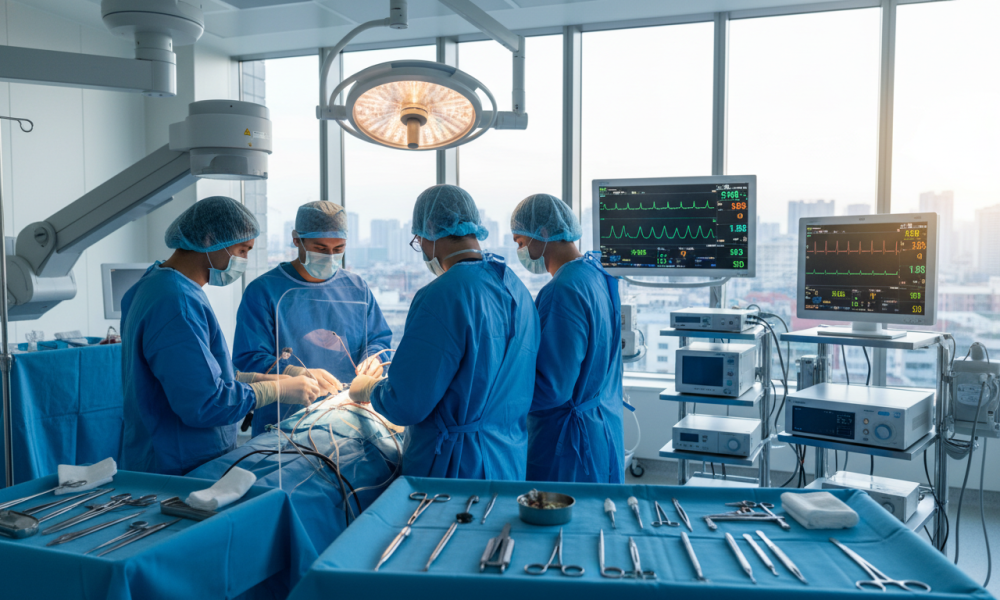
When a myocardial infarction happens, every second is vital. The goal is to get blood flowing back to the heart muscle quickly. Turkish hospitals have fast care plans to help patients right away.
Emergency Revascularisation Strategies
The main aim is to quickly open blocked arteries. Medical teams use emergency revascularisation strategies to do this. They focus on getting the patient to the operating room fast to save lives.
“Time is muscle; the faster we restore blood flow, the better the long-term prognosis for the patient.”
Quick action is key in Myocardial Infarction Treatment. Doctors and surgeons work together to keep the patient stable. They make decisions based on the latest test results.
Cardiac Rehabilitation Programmes
Recovery doesn’t stop after surgery. Cardiac rehabilitation programmes help patients get stronger and more confident. These plans include exercise, diet advice, and mental support.
Patients learn to manage their heart health through these Myocardial Infarction Treatment plans. Regular checks and expert advice lower the chance of future problems. These services help people get back to their lives with renewed vitality and long-term security.
Evaluating the Quality of Healthcare Infrastructure in Turkey
Turkey has become a top place for advanced heart treatments. It has spent a lot on modernising its medical facilities. This makes sure they are up to international standards. This effort helps in doing complex heart surgeries safely.
State-of-the-Art Diagnostic Facilities
Planning before heart surgery is key. Turkish hospitals have top-notch diagnostic suites. They use the latest tech to plan surgeries with unparalleled accuracy. This ensures patients get the best care.
These centres have:
- High-resolution 3D cardiac CT scanners.
- Advanced MRI systems for soft tissue analysis.
- Digital catheterisation labs for real-time monitoring.
- Intravascular ultrasound (IVUS) for detailed vessel checks.
Integration of Robotic Surgical Systems
Robotic systems have changed heart surgery in Turkey. They give surgeons enhanced dexterity and visualisation. This is vital for working on the heart’s complex parts.
Robotic systems bring many benefits for heart surgery:
- Reduced trauma to the chest and tissues.
- Shorter recovery times because of smaller cuts.
- Lower chance of complications and infections.
- Improved control for the surgical team during long surgeries.
This mix of technology and human skill makes care innovative and reliable. Turkish clinics lead the way in heart health worldwide.
The Expertise and Qualifications of Turkish Cardiovascular Surgeons
Turkish cardiovascular surgeons are known worldwide for their exceptional clinical precision and deep knowledge. Many have done fellowships or advanced training at top medical schools in Europe and North America. This experience keeps them up-to-date with the latest surgical techniques.
Training Standards and International Certifications
Becoming a cardiovascular surgeon in Turkey requires stringent educational requirements. They must go through years of intense training. This includes both learning theory and gaining practical surgical skills.
Many Turkish hospitals and surgeons have prestigious international certifications, like those from the European Board of Thoracic and Cardiovascular Surgeons. These show their dedication to high standards. They ensure that patients from abroad can trust in their care.
Multidisciplinary Team Approaches
Modern heart care often involves a team, not just one person. In Turkish clinics, a multidisciplinary team approach is standard for complex heart surgeries. This team includes surgeons, interventional cardiologists, and anaesthesiologists.
This team works together to create a detailed treatment plan for each patient. Holistic care is the focus, from the first meeting to after the surgery. This teamwork improves patient results and lowers the chance of problems.
Patient Safety Standards and Accreditation in Turkish Clinics
Turkey has made big changes in its healthcare by adopting top safety and accreditation standards. These standards are as good as those in the United States. For patients looking for cardiology treatment in Turkey, these high standards give them peace of mind. They ensure that care is of the highest quality.
The focus on patient safety is clear from the start to the end of treatment. This includes everything from the first visit to recovery after surgery.
JCI Accreditation and Global Standards
The Joint Commission International (JCI) accreditation is the top mark for hospitals worldwide. Many top Turkish clinics have this honour. It shows their commitment to high global standards.
This accreditation checks many things, like patient rights and medical equipment management. Turkish clinics follow these rules to make sure their care is safe and reliable. This makes Turkey a top choice for serious medical treatments.
Infection Control and Quality Assurance
Turkish hospitals also focus on infection control and quality assurance. These steps help keep patients safe during their treatment. They check and train staff regularly to keep everything clean and efficient.
Here’s a table showing the main safety areas in top Turkish medical centres:
| Safety Pillar | Implementation Strategy | Patient Benefit |
|---|---|---|
| Infection Control | Strict sterilisation protocols | Reduced post-operative risk |
| Clinical Audit | Regular performance reviews | Consistent high-quality care |
| Staff Training | Continuous professional development | Advanced surgical expertise |
| Patient Advocacy | Dedicated support teams | Clear communication and comfort |
These steps make sure every patient gets personalised and safe care. Turkish clinics use the latest technology and strict safety checks. They are setting new standards in medical tourism.
Navigating the Logistics of Medical Travel from the United States
Going abroad for heart surgery is more than just getting ready for the operation. It’s about planning your trip well. People from the United States find the process easy, letting them focus on getting better. Knowing the key steps helps you move smoothly from your home to a Turkish hospital.

Visa Requirements and Travel Coordination
Most Americans can get an e-visa for Turkey easily. This online process is quick, taking just a few minutes. It’s highly recommended to check the latest visa rules on official websites before you go.
Booking your trip means matching your flight with your hospital dates. Top Turkish hospitals have travel teams to help with flights and transfers. They make sure you arrive without stress, with private transport ready to take you to your place or the clinic.
Language Support and Patient Advocacy Services
Talking clearly is key in good medical care, even when you’re abroad. Turkish hospitals have multilingual staff who speak English well. This means you can talk about your treatment, risks, and recovery plans clearly.
Clincs also offer patient advocacy services. These helpers act as your guide, making sure you understand everything. They aim to give you a supportive and clear experience, making sure you’re well-informed and comfortable.
| Logistical Step | Primary Responsibility | Support Available |
|---|---|---|
| Visa Application | Patient | Online Guidance |
| Flight Scheduling | Patient/Hospital | Concierge Assistance |
| Airport Transfers | Hospital | Private Chauffeur |
| Language Translation | Hospital | Dedicated Interpreters |
Cost-Effectiveness and Financial Considerations for International Patients
Many patients choose to get cardiovascular care abroad for the big savings. Turkey is a top choice because it offers quality care at lower prices. Here, patients can get top-notch surgery at a much lower cost than in the US.
Comparing Costs with the United States Healthcare System
Turkey’s private hospitals have lower costs because of their efficient operations. Unlike the US, Turkey’s clinics have clear, all-inclusive prices. This makes it easier for patients to plan their budgets without worrying about surprise bills.
Efficiency in resource management and lower labour costs help save money. Even with travel and accommodation costs, the total expense is often much less than in the US. Here’s a table showing the cost differences for common heart procedures.
| Procedure | Average US Cost (USD) | Average Turkey Cost (USD) | Estimated Savings |
|---|---|---|---|
| Coronary Angioplasty | $30,000 – $50,000 | $8,000 – $12,000 | 60-75% |
| CABG Surgery | $70,000 – $150,000 | $15,000 – $25,000 | 70-80% |
| Stent Placement | $15,000 – $25,000 | $4,000 – $7,000 | 65-75% |
Insurance Coverage and Payment Options
Understanding your insurance for international care is key. Some US insurance might cover emergency care abroad, but elective surgeries are usually not covered. Always check your policy before planning your trip.
Turkish hospitals offer flexible payment solutions for international patients. These include wire transfers, credit card financing, and partnerships with medical loan providers. Some clinics even offer packages that include surgery, hospital stay, and follow-ups for one price.
Financial planning should include a budget for unexpected costs or longer recovery times. Working with patient advocacy services can help with all the financial paperwork. This way, you can focus on your health without worrying about money.
Conclusion
Choosing the right place for heart surgery is a big decision for your health. Turkey offers top-notch care and advanced technology, matching the best in the United States.
Patients get to see surgeons with international certifications. They work in hospitals that follow strict global safety rules. These places use robotic systems and proven surgical methods to improve patient care.
Getting care abroad can save you money. You can get high-quality treatments without spending too much. You’ll also have a team dedicated to making sure you get the best care and support.
Looking after your heart health means making smart choices and finding trusted partners. Turkey is ready to offer you the best support for a healthier life. Contact a reputable clinic today to start your journey.
FAQ
Q: Why is Turkey considered a premier destination for Revascularization Surgery?
A: Turkey is a top choice for cardiovascular care thanks to big investments in healthcare infrastructure. It has world-class surgeons. Hospitals in Istanbul and Ankara use advanced medical technology and offer care that’s as good as in Europe and the US. They do this at a lower cost.
Q: What is the primary clinical significance of Revascularization Surgery?
A: The main aim of revascularization surgery is to get blood flowing to the heart muscle again. This is key for those with coronary artery disease. It stops long-term heart damage, lowers future risks, and boosts quality of life.
Q: How do Turkish surgeons determine the best approach for a Coronary Artery Bypass Graft (CABG)?
A: Turkish surgeons use strict pre-operative assessment to check if a patient is right for Coronary Artery Bypass Graft (CABG). They pick the best grafts, like the internal mammary artery or saphenous vein, for each patient. This ensures the best results for their unique needs.
Q: What are the advantages of Drug-Eluting Stents in modern Angioplasty?
Drug-eluting stents are key in Angioplasty and Stent Placement. They cut down the chance of restenosis. With advanced imaging guidance, these stents keep arteries open for a long time.
Q: When is Balloon Angioplasty specially indicated within Vascular Surgery?
Balloon Angioplasty is a big help in Vascular Surgery. It’s great for peripheral arterial disease or specific blockages. Turkish teams use it carefully to widen narrowed vessels, aiming for quick recovery and avoiding problems.
Q: What is the difference between Off-Pump and On-Pump Arterial Bypass Surgery?
Arterial Bypass Surgery can be done ‘on-pump’ or ‘off-pump’. Turkish clinics also do Minimally Invasive Direct Coronary Artery Bypass (MIDCAB). This method has smaller cuts, less damage, and quicker recovery.
Q: What are the benefits of choosing Endovascular Therapy over open surgery?
Endovascular Therapy is a minimally invasive option compared to open surgery. It means shorter stays and less pain. It treats cardiovascular conditions from inside the blood vessels, with close post-procedural monitoring.
Q: How do Turkish hospitals manage Myocardial Infarction Treatment?
A: For acute cases, Turkish hospitals focus on quick emergency revascularisation. After, they start cardiac rehabilitation programmes. These programs aim for long-term health and lifestyle changes.
Q: Are Turkish cardiovascular surgeons internationally qualified?
A: Yes, Turkish cardiovascular surgeons meet high standards. Many have international certifications and fellowships at places like the Cleveland Clinic or Mayo Clinic. They work in multidisciplinary teams for complex cases.
Q: What safety standards and accreditations should international patients look for?
A: Look for Joint Commission International (JCI) accreditation. Many top Turkish hospitals, like Acibadem Healthcare Group and American Hospital Istanbul, have it. It means they follow global benchmarks for safety and quality.
Q: How does the cost of cardiovascular procedures in Turkey compare to the United States?
A: Treatment in Turkey is much cost-effective. It’s often a lot cheaper than in the United States healthcare system but doesn’t sacrifice quality. Turkish hospitals offer clear payment options and work with international insurance.
Q: What support services are available for patients travelling from the United States or UK?
A: Turkish clinics help a lot with travel coordination. They guide on visa requirements and arrange airport transfers. They also have patient advocacy services and language support for English speakers.
Related guides

Healthcare Content Compliance Guide for Growth
A high-performing treatment page can generate international patient inquiries within hours. It can also create material risk if…

Turkey Hospitals vs Local Hospitals Compared
A lower procedure quote can get a patient’s attention. It should not make the decision on its own.…

Patient Experience That Drives Trust and Growth
A patient who has already uploaded medical records, compared providers, and arranged time away from work is not…