
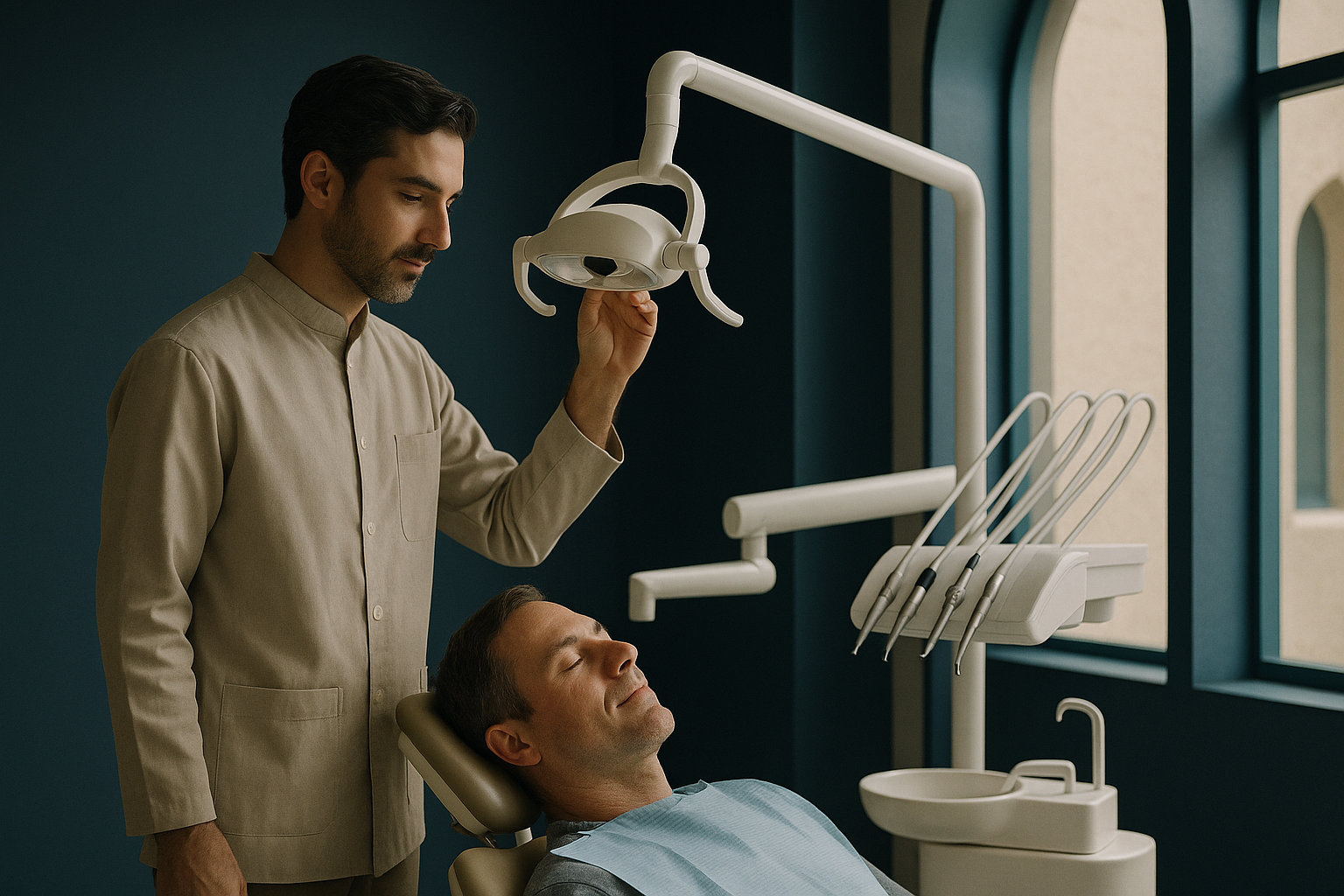
Dental implants are a popular solution for missing teeth, offering a permanent and natural-looking alternative to dentures. With rising costs of dental care, many are considering dental implants abroad. This guide provides a comprehensive look at what you need to know before making this decision.
Is It Worth Going Abroad for Dental Treatment?
Deciding whether to get dental implants abroad depends on various factors, including cost, quality of care, and personal preferences. Many people find it worthwhile due to significant cost savings and access to experienced practitioners. However, it’s essential to research thoroughly and choose reputable clinics to ensure high standards of care.
Cost is a major factor driving dental tourism. Procedures can be significantly cheaper in countries with lower overhead costs. However, weighing these savings against travel expenses and potential risks is crucial. Considerations include the quality of aftercare and the ability to address any complications that may arise.
Ultimately, the decision to pursue dental treatment abroad should be based on a careful assessment of the benefits and potential drawbacks. It’s advisable to consult with both local and international dental professionals to make an informed choice.
Why Is Dental Treatment Cheaper Abroad?
The cost of dental treatment abroad is often lower due to reduced labour costs, lower living expenses, and favourable exchange rates in certain countries. These factors collectively allow clinics to offer competitive pricing without compromising on quality.
In addition to lower operational costs, some countries actively promote medical tourism by offering incentives to international patients. These incentives may include reduced taxes or subsidised healthcare, which can further reduce the overall cost of treatment.
However, it’s important to consider that not all low-cost options guarantee quality. It’s crucial to research thoroughly and seek recommendations to find clinics with a proven track record of successful treatments.
Can I Travel Abroad for Dental Treatment During Lockdown?
Travel restrictions during lockdowns can impact the ability to seek dental treatment abroad. It’s essential to stay informed about the latest travel advisories and entry requirements for the destination country. Some countries may allow medical travel with specific documentation, while others may impose strict quarantine measures.
During these times, it’s advisable to consult with travel and healthcare professionals to navigate the complexities of international travel. Planning ahead and maintaining flexibility are key to managing the uncertainties associated with travel during lockdowns.
Ensure you have comprehensive travel insurance that covers medical tourism and potential disruptions due to changing travel policies. This safeguard can provide peace of mind while pursuing dental treatment abroad.
How Many People Actually Go Abroad for Dental Surgery?
Dental tourism is a growing trend, with thousands of people exploring options for dental surgery abroad each year. While exact numbers vary, it is estimated that hundreds of thousands of individuals globally engage in dental tourism annually.
Factors contributing to this trend include cost savings, access to advanced treatments, and the opportunity to combine healthcare with travel. Popular destinations for dental tourism include countries in Eastern Europe, Asia, and Latin America.
While the number of dental tourists continues to rise, it is crucial for prospective patients to conduct thorough research and choose reputable clinics to ensure positive outcomes.
What Are Dental Implants Abroad Packages?
Dental implants abroad packages typically include a combination of dental procedures, travel arrangements, and accommodation. These packages are designed to provide a seamless experience for international patients, often including airport transfers and local transportation.
Comprehensive packages may offer additional services such as guided tours, language assistance, and post-treatment follow-up care to enhance the overall experience. They are particularly appealing to those seeking convenience and assurance in their dental tourism journey.
When considering dental implants abroad packages, it’s essential to understand the scope of services included and any additional costs that may arise. Clear communication with the service provider is key to a smooth and successful experience.
Choosing the Right Destination for Dental Tourism
Selecting the right destination for dental tourism involves evaluating multiple factors, including the quality of dental care, cost, and travel logistics. Popular destinations are often known for their advanced dental facilities and experienced practitioners.
Consider the country’s healthcare regulations, accreditation of clinics, and reviews from past patients to ensure a safe and satisfactory experience. Countries with established medical tourism industries often have stringent standards and oversight to protect international patients.
Additionally, think about travel convenience, language barriers, and cultural differences. These can impact your overall experience and satisfaction with the treatment received abroad.
Conclusion
Getting dental implants abroad can be a cost-effective and rewarding option for many. By thoroughly researching and planning your journey, you can benefit from quality dental care while enjoying the cultural experiences of a new destination. Always prioritise safety, quality, and transparency in your decision-making process to ensure a successful dental tourism experience.
Frequently asked questions
Is it worth going abroad for dental treatment?
Yes, it can be worth it due to cost savings and access to quality care abroad. However, thorough research and choosing reputable clinics are essential.
Why is dental treatment cheaper abroad?
Lower labour and operational costs, along with favourable exchange rates, contribute to cheaper dental treatment abroad without compromising quality.
Can I travel abroad for dental treatment during lockdown?
Travel during lockdown depends on destination regulations. Some countries may allow medical travel with specific documentation.
How many people actually go abroad for dental surgery?
Hundreds of thousands engage in dental tourism annually, drawn by cost savings and access to advanced treatments.
Related guides

What Is a Medical Travel Facilitator and Why Use One?
A lower treatment quote can look compelling until you try to compare what it actually includes: surgeon fees,…

What Hospital Accreditation Reviews Really Tell You
A hospital can have polished facilities, prominent surgeons, and hundreds of five-star ratings, yet those signals do not…

International Patient Onboarding Guide for Hospitals
An international patient inquiry is not simply a lead. It is a person weighing a major medical decision…