

Medical tourism in Turkey has become a thriving sector, offering international patients access to advanced medical treatments at competitive prices. With a combination of state-of-the-art facilities and highly trained medical professionals, Turkey is increasingly attracting those seeking a range of healthcare services abroad.
What is Medical Tourism?
Medical tourism refers to the practice of travelling to another country to receive medical care. This phenomenon has gained popularity due to the rising costs of healthcare in many nations and the availability of high-quality treatments at lower prices elsewhere. Patients often seek treatments such as dental work, cosmetic surgery, fertility treatments, and more. The global medical tourism market was valued at approximately USD 45.5 billion in 2019 and is projected to grow at a compound annual growth rate (CAGR) of around 21.1% from 2020 to 2027. This growth is driven by the increasing need for affordable healthcare solutions and the desire for advanced medical treatments.
Turkey is a leading destination in this field, known for its cutting-edge healthcare facilities and skilled medical professionals. The country’s strategic location, bridging Europe and Asia, further enhances its appeal to medical tourists from various regions. Istanbul and Antalya are among the most popular cities for medical tourists, offering a blend of modern healthcare services and rich cultural experiences. The diversity of available treatments, from simple cosmetic procedures to complex surgeries, makes Turkey a versatile option for many patients.
Aside from cost savings, patients are drawn to medical tourism for access to treatments that may not be available or approved in their home countries. The promise of shorter waiting times and the chance to combine medical treatment with a vacation are additional attractions. For instance, an average wait time for certain surgeries in countries like Canada or the UK can extend to several months, whereas, in Turkey, the same procedures might be scheduled within weeks, offering both timely care and the opportunity to recuperate in a scenic locale.
How Does Medical Tourism Work?
The process of engaging in medical tourism involves several steps. Initially, patients conduct thorough research to select the best destination and healthcare provider for their needs. This research often includes evaluating hospital accreditations, reading patient reviews, and consulting with medical tourism facilitators. These facilitators can provide invaluable insights into the reputations of various hospitals and clinics, helping to match patients with the right providers. Key criteria include the facility’s specialization, success rates for the desired procedure, and the qualifications of the medical staff.
Once a destination like Turkey is chosen, patients typically contact the healthcare facility directly or through an intermediary. They may need to provide medical records for an initial consultation, which can occur via video conferencing. This step ensures that the facility can meet the patient’s needs and expectations. Video consultations can help bridge the geographical gap, allowing patients to ask specific questions and receive personalized advice before committing to travel.
After finalizing the treatment plan, logistical arrangements such as travel, accommodation, and obtaining medical tourism insurance are made. Patients also need to consider the legal and regulatory aspects of receiving medical care in a foreign country. Obtaining a visa, understanding local patient rights, and ensuring adequate post-procedure support are critical components of a successful medical tourism experience. Many medical tourists opt for comprehensive packages offered by facilitators, which include all necessary arrangements, ensuring a seamless experience from arrival to departure.
Why Choose Turkey for Medical Tourism?
Turkey is renowned for its comprehensive healthcare offerings and world-class medical infrastructure. Many Turkish hospitals are accredited by international bodies, ensuring adherence to global healthcare standards. This accreditation provides reassurance regarding the quality of care patients can expect. For example, the Joint Commission International (JCI) has accredited over 30 hospitals in Turkey, guaranteeing a high level of medical safety and quality.
The cost factor is a significant draw, with treatments often costing 50-70% less than in countries like the United States or the United Kingdom. Despite the lower costs, the quality of care remains high, with many Turkish doctors receiving training in Europe or North America. For instance, a heart bypass surgery might cost upwards of $120,000 in the U.S., whereas in Turkey, the same procedure could be available for $25,000 to $40,000, offering substantial savings without compromising on quality.
Additionally, Turkey offers a rich cultural experience, allowing patients to enjoy historical sites and vibrant cities as part of their medical vacations. The combination of healthcare excellence and cultural richness makes Turkey an attractive option for medical tourists. Patients can visit iconic landmarks such as Hagia Sophia or the ancient city of Ephesus, turning their medical journey into an enriching cultural exploration. This unique blend of healthcare and tourism is a strong selling point for Turkey as a leading destination in medical tourism.
Practical Steps for Planning Your Medical Trip to Turkey
Planning a medical tourism trip involves several practical steps. Initially, patients should consult their local doctor to discuss the planned procedure and ensure it is appropriate for them. This consultation provides a medical baseline and helps in obtaining a second opinion about the necessity and timing of the procedure. Next, they should research and select a reputable facility in Turkey, verifying its credentials and past patient outcomes. Online platforms and forums often provide reviews and ratings that can guide this decision-making process.
Once a facility is selected, patients should engage in a detailed discussion with the medical team regarding the procedure, including understanding the risks, recovery time, and follow-up care required. Obtaining medical tourism insurance is also advisable to cover unforeseen circumstances. Insurance policies specifically designed for medical tourists can cover complications, travel delays, or cancellations, providing an added layer of security.
Logistical arrangements such as booking flights, arranging for accommodation, and understanding the local culture and language are crucial for a smooth experience. Patients should also consider planning some leisure activities to balance their medical schedules. Engaging with local tourism operators can offer insights into the best places to visit and cultural experiences to partake in during recovery. It is important to plan these activities around medical appointments to ensure ample rest and recovery time.
Understanding Costs and Timelines
The cost of medical tourism in Turkey varies depending on the type of procedure and the facility chosen. For instance, cosmetic surgeries and dental treatments are generally more affordable compared to complex surgeries. Patients should budget for additional costs such as travel, accommodation, and any extended stay required for recovery. It’s advisable to get quotes from multiple facilities to compare prices and services offered. Additionally, unexpected costs such as extra nights in a hotel or prescription medications should be considered in the budget.
Timelines also vary, with some procedures requiring only a few days, while others may need several weeks for recovery. It is essential for patients to discuss these timelines with their healthcare providers to plan adequately. A detailed itinerary should be created, highlighting all medical appointments, procedure dates, and recovery periods. This helps in coordinating travel plans and ensuring that all necessary arrangements are in place.
To ensure a clear understanding of costs, patients should request a detailed breakdown of all fees involved, including any potential additional charges. This transparency helps in effective budgeting and financial planning. Some hospitals offer package deals that include surgery, hospital stay, and post-operative care, which can simplify the financial planning process. Always confirm what is included in the price to avoid unexpected expenses.
Safety and Accreditation in Turkish Healthcare
Safety is a paramount concern for medical tourists. Turkey boasts numerous internationally accredited hospitals, ensuring high standards of safety and care. These accreditations from bodies such as the Joint Commission International (JCI) attest to the facility’s commitment to maintaining quality healthcare standards. Accreditation involves rigorous evaluation of hospital practices, quality of care, and patient safety protocols, ensuring adherence to international healthcare standards.
Patients should verify the accreditation status of any Turkish hospital they consider for treatment. This verification can often be done through official websites of accrediting agencies or by directly contacting the hospital. Additionally, patients should inquire about the hospital’s infection control measures, emergency protocols, and staff qualifications to gain a comprehensive understanding of the facility’s safety standards.
Additionally, understanding the legal rights of patients in Turkey and the healthcare regulations in place can further ensure a safe medical tourism experience. Patients are encouraged to ask detailed questions about the procedures and any potential risks involved. Legal rights include informed consent, the right to access medical records, and the right to privacy. Familiarity with these rights can empower patients to advocate for themselves during their medical journey in Turkey.
How Medical Tourism Works for Cancer Treatment
Cancer treatment is a sensitive area where medical tourism can provide significant benefits. Turkey offers advanced cancer treatments, including chemotherapy, radiation therapy, and innovative immunotherapy options. Patients seeking cancer treatment abroad must ensure that the foreign facility offers comprehensive cancer care with a multidisciplinary approach. A comprehensive cancer center should have oncologists, radiologists, surgeons, and support staff working collaboratively to design and implement a personalized treatment plan.
Before opting for cancer treatment in Turkey, patients should consult with oncologists in both their home country and Turkey to understand the full scope of the treatment, its duration, and the aftercare involved. This consultation will help align the treatment plan with the patient’s needs. It is crucial to assess whether the treatment protocols in Turkey align with those recommended by cancer care guidelines in the patient’s home country.
Coordination between the home country’s healthcare providers and Turkish facilities is crucial for continuity of care. Patients should also ensure that all medical records are accurately transferred to avoid any treatment delays or discrepancies. This coordination can often be facilitated through medical tourism agencies, which specialize in managing international patient care and ensuring seamless communication between healthcare providers across borders. Post-treatment follow-up care should also be planned in advance, to ensure ongoing monitoring and support after the patient returns home.
Conclusion: Navigating Medical Tourism Successfully
Medical tourism in Turkey provides a viable option for those seeking high-quality, cost-effective healthcare solutions. By thoroughly researching and planning each aspect of the journey, patients can ensure a successful medical tourism experience. Leveraging resources such as medical tourism facilitators and online reviews can assist in making informed decisions about healthcare providers and treatment plans.
Turkey’s combination of advanced medical facilities, skilled professionals, and cultural attractions creates a welcoming environment for international patients. As the country continues to develop its healthcare infrastructure, it remains a top choice for medical tourists worldwide. The government’s investment in healthcare, particularly in major cities, continues to improve the quality and accessibility of medical services, further enhancing Turkey’s reputation as a premier medical tourism destination.
Ultimately, understanding the logistics, costs, and safety measures associated with medical tourism can empower patients to make informed decisions about their healthcare options abroad. By taking proactive steps to plan effectively, patients can maximize the benefits of medical tourism and achieve their health and wellness goals while enjoying the cultural richness that Turkey has to offer.
Proven result
23× monthly patients from the UK market in six years
Multi-specialty medical travel company (hair, plastic & bariatric surgery)
Frequently asked questions
What is medical tourism?
Medical tourism involves travelling to another country to receive medical care, often to access lower-cost or specialised treatments.
How does medical tourism work?
Patients research and choose a destination, consult with healthcare providers, plan logistics, and may obtain medical tourism insurance for a seamless experience.
Why choose Turkey for medical tourism?
Turkey offers high-quality healthcare at competitive prices, with internationally accredited facilities and experienced medical professionals.
How does medical tourism work for cancer treatment?
Cancer treatment abroad involves thorough consultation with oncologists, coordinated care, and understanding of treatment plans and aftercare.
Related guides
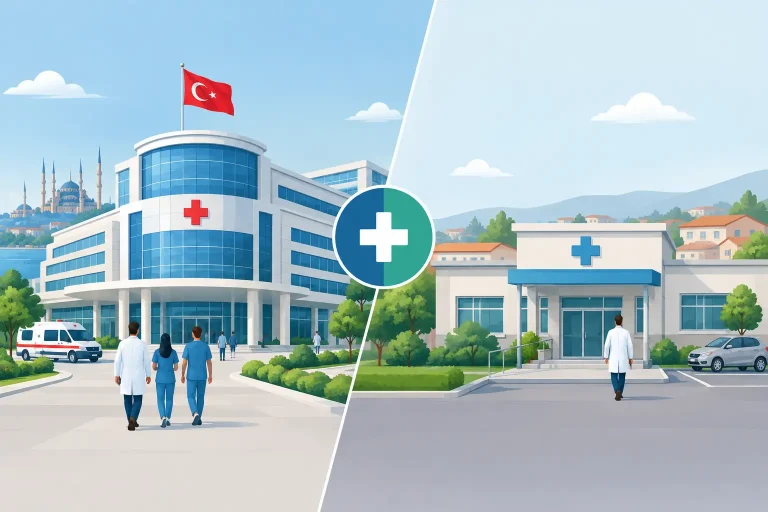
Turkey Hospitals vs Local Hospitals Compared
A lower procedure quote can get a patient’s attention. It should not make the decision on its own.…

Patient Experience That Drives Trust and Growth
A patient who has already uploaded medical records, compared providers, and arranged time away from work is not…

What Is a Medical Travel Facilitator and Why Use One?
A lower treatment quote can look compelling until you try to compare what it actually includes: surgeon fees,…