
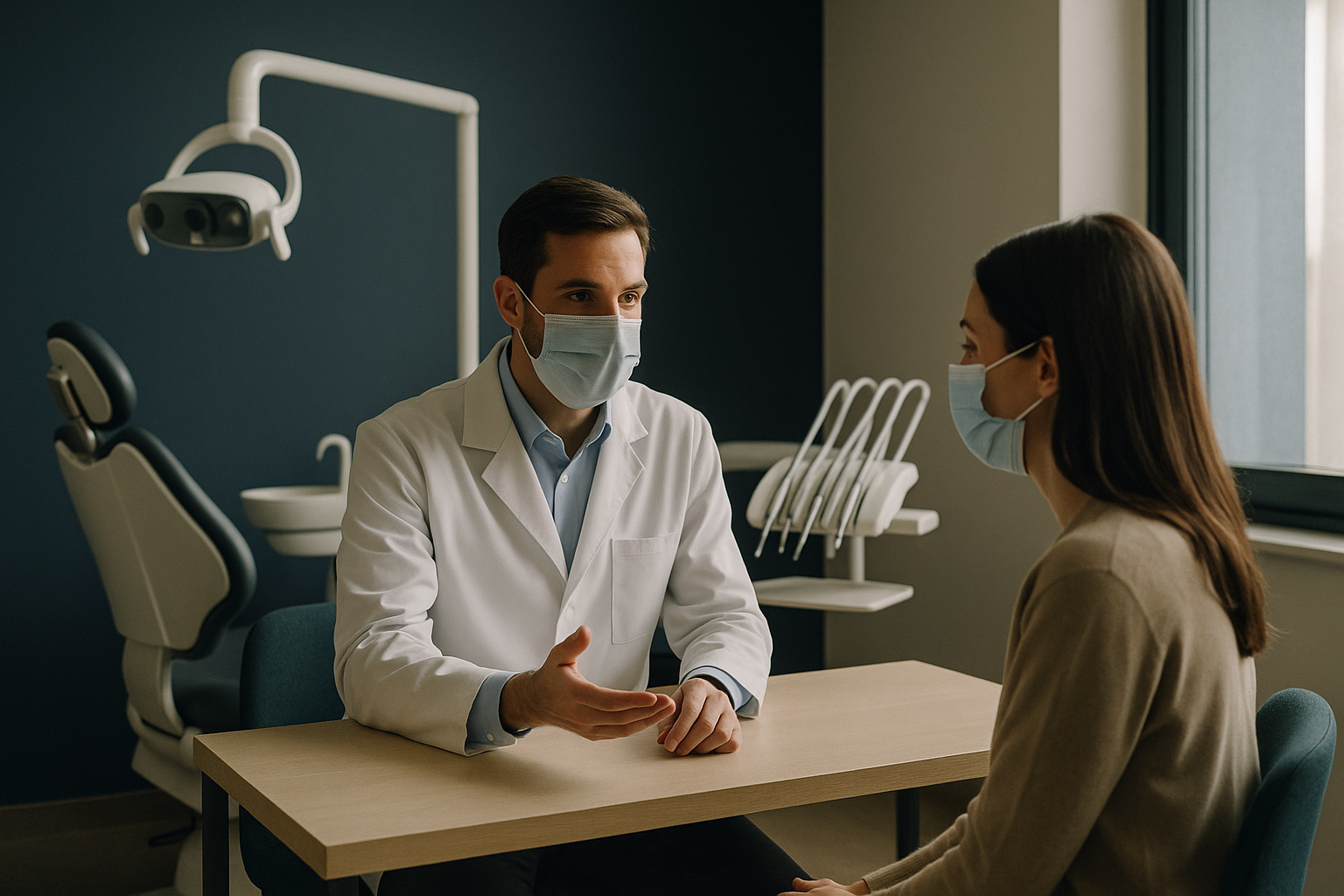
Dental tourism is a growing trend where individuals travel abroad to receive dental care. This practice is often driven by the potential for significant cost savings and access to high-quality treatments. As healthcare costs rise globally, many are considering dental tourism as a viable option for necessary procedures.
Is It Worth Going Abroad for Dental Treatment?
Dental treatment abroad can be a cost-effective solution for many patients. The decision largely depends on individual needs and circumstances. Savings stem primarily from lower operating costs in certain countries and favourable exchange rates. For instance, dental procedures in countries like Mexico or Costa Rica can cost 50% to 70% less than in the United States. However, it’s crucial to balance cost savings with potential risks, such as the need for follow-up care and travel expenses.
Beyond cost, quality is a critical consideration. Many international clinics are accredited by reputable organizations, such as the Joint Commission International (JCI), and offer high standards of care comparable to those in your home country. For example, clinics in Hungary and Thailand are known for their rigorous standards and use of advanced technology. Researching and selecting the right clinic is essential for a successful experience, and platforms like Dental Departures can help compare patient reviews and credentials.
Another factor to consider is the legal and insurance implications. While some insurance plans may cover international procedures, others do not, and patients must verify coverage details before planning their trip. Additionally, understanding the legal recourse options in the destination country is vital should any complications arise post-treatment. Weighing these considerations carefully will help patients make informed decisions about whether dental tourism aligns with their needs and expectations.
Why Is Dental Treatment Cheaper Abroad?
The lower cost of dental treatment abroad is often due to reduced overhead expenses, lower labor costs, and the absence of certain regulatory fees. In countries like India and the Philippines, the cost of living is substantially lower than in Western countries, allowing clinics to offer competitive pricing. For example, a dental implant that costs $3,000 in the United States might only cost $1,000 in India. These savings can be attributed to lower wages for dental professionals and reduced costs for equipment and materials.
Countries popular for dental tourism, such as Hungary and Thailand, offer competitive pricing while maintaining high standards of care. These nations have invested heavily in their healthcare sectors to attract international patients, resulting in advanced facilities and skilled practitioners. Thailand, for instance, is a hub for dental tourists due to its modern clinics and highly trained English-speaking staff. These elements contribute to the affordability without compromising quality.
Additionally, some governments actively promote medical tourism as part of their economic strategy. They provide incentives to clinics that cater to international patients, such as tax breaks or marketing support. This governmental support reduces the operational costs of clinics, allowing them to pass the savings on to patients. As such, dental tourism becomes a win-win situation for both the healthcare providers and the patients seeking affordable care without sacrificing quality.
Can I Travel Abroad for Dental Treatment During Lockdown?
Traveling for dental treatment during lockdown periods can be challenging. It depends on the travel restrictions and healthcare policies in both your home and destination countries. During the COVID-19 pandemic, many countries implemented specific guidelines for medical tourism, allowing for essential travel with appropriate documentation. For example, some countries required proof of a negative COVID-19 test or vaccination status to enter, while others offered medical visas for patients traveling for essential treatments.
Prospective patients should stay informed about changing regulations by consulting official government websites or contacting embassies for the latest travel advice. Additionally, it’s crucial to consult with their chosen clinic to ensure compliance with all necessary protocols, such as quarantine requirements or testing procedures upon arrival. Many clinics have adapted their operations to include virtual consultations and post-treatment check-ups to accommodate international patients during travel restrictions.
Having flexible travel arrangements is advisable under these uncertain conditions. Booking refundable flights and accommodations can mitigate financial losses if travel plans need to change suddenly. Furthermore, patients should consider the potential need for extended stays abroad in case of unforeseen complications or changes in travel restrictions. By planning thoroughly and staying informed, patients can navigate the challenges of traveling for dental treatment during lockdown effectively.
How Many British People Actually Go Abroad for Dental Surgery?
According to recent reports, thousands of British citizens travel abroad each year for dental treatment. This trend is driven by the potential for substantial savings and the opportunity to combine treatment with travel experiences. In 2019, an estimated 150,000 UK residents sought dental care abroad, with numbers fluctuating annually based on economic conditions and travel restrictions.
The exact number varies annually, with popular destinations including Poland, Hungary, and Turkey. These countries are known for their modern facilities and experienced practitioners, making them attractive options for UK residents seeking dental care. Poland, for instance, has become a popular destination due to its proximity to the UK and the availability of low-cost flights, making travel convenient and affordable.
Moreover, the rise of budget airlines and package deals that include treatment, accommodation, and travel has made dental tourism more accessible to British patients. Dental travel agencies often offer all-inclusive packages, simplifying the process and providing additional peace of mind. Some patients also opt for dental tourism to avoid long waiting times in the NHS, seeking immediate and high-quality care abroad instead. As awareness of these benefits grows, it’s likely that the number of British citizens participating in dental tourism will continue to increase.
What Are the Benefits of Dental Implants Abroad?
Undergoing dental implants abroad offers numerous benefits. Patients can access advanced implant technologies and skilled professionals at a fraction of the cost compared to their home country. For example, dental implants in Hungary can cost between €500 and €1,200, compared to €2,000 to €3,000 in the UK. This significant cost difference is a primary reason why many patients choose to travel abroad for implant procedures.
Additionally, many clinics offer comprehensive packages that include accommodation and transportation, providing convenience and reducing logistical challenges. Clinics in Thailand and Mexico, for instance, often include airport transfers and hotel accommodations in their treatment packages, allowing patients to focus solely on their recovery. This holistic approach to dental tourism ensures that patients receive seamless care from the moment they arrive until they depart.
However, it’s vital to conduct thorough research and select a clinic with a proven track record. Reading patient testimonials and verifying clinic accreditations, such as ISO certifications, can provide insights into the clinic’s reputation and quality of care. Understanding the full scope of treatment, follow-up care, and potential risks is essential for making an informed decision. By doing so, patients can enjoy the benefits of dental implants abroad while minimizing potential complications.
How to Choose the Right Clinic for Dental Treatment Abroad?
Choosing the right clinic involves several key considerations. First, look for clinics with international accreditation and positive patient reviews. Accreditation from organizations like the Joint Commission International (JCI) or the International Organization for Standardization (ISO) can assure patients of the clinic’s adherence to high standards of care. Reviews on platforms such as Google or Trustpilot can provide personal insights into the experiences of previous patients.
It’s also important to verify the qualifications and experience of the dental practitioners. Specialists with international training or membership in professional bodies, such as the American Dental Association (ADA) or the British Dental Association (BDA), may offer added assurance of their expertise. Communication is another crucial factor; ensure that staff can communicate effectively in your language to avoid misunderstandings. Language barriers can lead to miscommunication regarding treatment plans and outcomes, so it’s essential to confirm that the clinic staff are proficient in a language you understand.
Additionally, consider the clinic’s location, as proximity to accommodations and transportation can enhance convenience during your stay. Clinics situated near major airports or in tourist-friendly areas may offer additional benefits, such as the opportunity to explore local attractions. Lastly, inquire about the clinic’s post-treatment support, including follow-up care and emergency contacts. This comprehensive approach will help ensure that your dental treatment abroad is both successful and stress-free.
Conclusion: Making an Informed Decision on Dental Tourism
Dental tourism presents an opportunity for patients to receive high-quality care at reduced costs. However, it requires careful planning and research to ensure a safe and successful experience. Weighing the benefits against the potential challenges is essential for making an informed decision. This involves evaluating factors such as cost savings, quality of care, clinic accreditation, practitioner qualifications, and travel logistics.
By thoroughly investigating potential clinics, understanding the procedures, and planning for all eventualities, patients can confidently pursue dental treatment abroad, achieving both health and financial benefits. Additionally, engaging with a dental tourism facilitator can streamline the process, offering personalized guidance and support throughout the journey. This can be particularly beneficial for first-time dental tourists who may be unfamiliar with the nuances of receiving medical care in a foreign country.
Ultimately, the success of dental tourism hinges on the patient’s ability to make informed choices based on comprehensive research and clear communication with healthcare providers. With the right preparation, patients can maximize the benefits of dental tourism, enjoying improved oral health and significant cost savings while exploring new destinations.
Proven result
8× US patient volume since 2024
Plastic & aesthetic surgery clinic
Frequently asked questions
Is it worth going abroad for dental treatment?
Yes, if cost savings and quality care are priorities, but it requires careful research and planning.
Why is dental treatment cheaper abroad?
Lower operating costs, favourable exchange rates, and less regulatory overhead contribute to reduced prices.
Can I travel abroad for dental treatment during lockdown?
It’s possible but depends on current travel restrictions. Check regulations and ensure essential travel documentation.
How many British people actually go abroad for dental surgery?
Thousands travel annually, seeking cost-effective care in countries like Poland, Hungary, and Turkey.
Related guides

Healthcare Content Compliance Guide for Growth
A high-performing treatment page can generate international patient inquiries within hours. It can also create material risk if…

Turkey Hospitals vs Local Hospitals Compared
A lower procedure quote can get a patient’s attention. It should not make the decision on its own.…

Patient Experience That Drives Trust and Growth
A patient who has already uploaded medical records, compared providers, and arranged time away from work is not…