

Medical tourism insurance is a crucial aspect of traveling abroad for medical treatment. This specialized insurance policy is designed to cover unforeseen costs and complications that may arise during medical vacations. Understanding the nuances of medical tourism insurance can protect you financially and offer peace of mind.
What is Medical Tourism?
Medical tourism refers to the practice of traveling to another country to receive medical care. This trend has grown due to the rising cost of healthcare in many countries, long waiting times for procedures, and the appeal of combining medical care with leisure. Patients are often attracted by the prospect of receiving high-quality care at a fraction of the cost, which can be particularly advantageous for elective surgeries or treatments not covered by insurance in their home country.
The process involves extensive research into potential destinations, assessing the quality of healthcare facilities, and evaluating the qualifications of healthcare providers. Popular destinations for medical tourism include Turkey, Mexico, Thailand, and India, each known for their advanced healthcare infrastructure and affordable treatment options. For instance, a hip replacement in the United States may cost upwards of $40,000, while the same procedure in India or Thailand can be as low as $7,000 to $10,000.
It’s essential to consider factors such as accreditation, qualifications of healthcare providers, and the overall cost when planning medical tourism trips. Always verify that the chosen facility adheres to international healthcare standards and offers comprehensive aftercare. Accreditation from organizations such as the Joint Commission International (JCI) can serve as a benchmark for quality and safety. Additionally, understanding the legal and ethical standards of the country is crucial to ensure a smooth treatment experience. It’s advisable to consult with medical tourism facilitators who can guide you through the process and help avoid potential pitfalls.
How Does Medical Tourism Work?
Medical tourism involves several steps, including planning, research, and coordination with healthcare providers abroad. Initially, patients need to identify suitable destinations and healthcare facilities that offer the required treatments at competitive prices. This often involves comparing costs across multiple countries and facilities to ensure that the decision is financially sound. For example, cosmetic surgery might be significantly cheaper in South America than in Europe, but the quality and safety must also be assessed carefully.
After selecting a destination, patients should consult with healthcare providers to understand the treatment process, expected outcomes, and post-operative care. It’s crucial to have clear communication with the facility to avoid any misunderstandings. Language barriers can often pose challenges, so choosing a facility that offers multilingual support or hiring a translator can be beneficial. Moreover, some medical tourism destinations offer package deals that include treatment, accommodation, and even sightseeing tours, which can be a good option for those looking to combine healthcare with leisure.
Patients must also arrange for travel and accommodation, ensuring that they have support during their stay. Medical tourism insurance plays a vital role here, covering unexpected costs such as medical complications, travel delays, and cancellations. For example, if a procedure needs to be delayed due to unforeseen circumstances, the insurance can cover the additional accommodation costs and any rescheduling fees. Having a detailed itinerary and backup plans can also help in managing the logistics effectively. It’s also beneficial to have a local contact who can assist in navigating the healthcare system and addressing any issues that might arise.
Understanding Medical Tourism Insurance
Medical tourism insurance is a specialized insurance product designed to cover the specific needs of international patients. It provides financial protection against unforeseen medical complications, travel-related issues, and sometimes even follow-up care. This type of insurance is crucial for patients traveling abroad for medical treatments, as it mitigates risks that standard health or travel insurance might not cover. For instance, while regular travel insurance might cover lost luggage or flight cancellations, it typically does not cover medical complications arising from elective procedures conducted abroad.
When considering medical tourism insurance, it’s crucial to check the coverage details, including the extent of medical care, travel insurance, and repatriation options. Policies may vary significantly, so comparing different plans is essential to find the most comprehensive cover. Some policies might cover only the medical expenses, while others might include travel interruptions, lost luggage, or emergency evacuations. It’s important to ensure that the policy you choose is tailored to your specific needs and the type of procedure you’re planning to undergo.
Ensure that the insurance provider has experience with international healthcare and can offer support in multiple languages. This expertise can be invaluable when navigating a foreign healthcare system. Additionally, check if the policy includes 24/7 emergency assistance and access to a network of healthcare providers globally. Understanding the claim process and the documentation required is also vital to ensure smooth reimbursement if needed. Reviewing customer testimonials and ratings of the insurance provider can also offer insights into their reliability and service quality.
Medical Tourism for Cancer Treatment
Cancer treatment is a significant area within medical tourism, as patients seek advanced treatment options and reduced costs abroad. Countries like Turkey and Mexico offer specialized cancer care facilities equipped with the latest technology and experienced oncologists. Facilities in these countries often provide treatments such as chemotherapy, radiation therapy, and innovative surgical procedures at costs significantly lower than those in Western countries. The affordability of these treatments enables patients to access high-quality care that might otherwise be financially out of reach.
Patients must ensure that their chosen facility is accredited and follows international treatment protocols. Medical tourism insurance can cover the high cost of cancer treatment, travel expenses, and any unforeseen complications during the treatment process. For example, the cost of a single chemotherapy session in the United States can range from $10,000 to $100,000, whereas in countries like India, it could be as low as $1,000 per session. This significant cost difference highlights why medical tourism for cancer treatment is becoming increasingly popular.
Thoroughly researching potential destinations and treatment centers is crucial for cancer patients to ensure they receive quality care and minimize risks. Consulting with international patient departments can provide valuable insights and support. Additionally, seeking testimonials from previous patients can offer perspective on the facility’s success rates and patient satisfaction. It’s also important to plan for potential extended stays for treatments or recovery, ensuring that both medical and emotional support systems are in place. Making arrangements for family members to accompany the patient can provide additional support during challenging treatment periods.
Cost and Safety Considerations
The cost of medical tourism varies depending on the destination, type of treatment, and duration of the stay. Countries like Mexico offer affordable healthcare options, making them popular for medical vacations. On average, patients can save between 30% to 80% on medical procedures when opting for treatment abroad compared to their home country. For instance, dental procedures in Mexico can cost just 50% of what they would in the U.S. However, it’s important to factor in the total cost, including travel, accommodation, and potential follow-up care when evaluating potential savings.
Safety is a primary concern for medical tourists. It’s essential to choose accredited facilities and experienced healthcare providers to minimize risks. Checking recent medical tourism news can provide updates on safety standards and healthcare developments in popular destinations. Additionally, ensuring that the facility complies with international safety and hygiene standards is imperative. The Global Healthcare Accreditation (GHA) for medical travel services is one such standard that facilities can adhere to, ensuring quality and safety.
Medical tourism insurance is critical for covering costs related to unforeseen medical complications and travel disruptions. Always read the policy details carefully to understand what is covered and any exclusions that may apply. For instance, some policies may not cover pre-existing conditions unless explicitly stated. Understanding the fine print can prevent unexpected expenses and ensure a smoother experience during unforeseen circumstances. It’s also wise to consult with a financial advisor to understand the full financial implications and ensure that you have a comprehensive plan in place.
Steps to Successful Medical Tourism
Successful medical tourism requires careful planning and thorough research. Start by identifying your medical needs and researching potential destinations that offer the required treatments at competitive prices. This involves assessing the quality and reputation of healthcare facilities, as well as understanding the cultural and logistical aspects of the destination country. Engaging with medical tourism facilitators or consultants can provide expert guidance and streamline the planning process.
Next, choose a reputable healthcare facility and verify its accreditation and the qualifications of its medical staff. Communicate with the facility to understand the treatment process and any necessary follow-up care. It’s also advisable to seek a second opinion from a local healthcare provider before finalizing your decision. This can provide further assurance and help in understanding the nuances of the proposed treatment plan. Having a clear understanding of the potential risks and benefits associated with the treatment is crucial for making an informed decision.
Arrange travel and accommodation, ensuring you have the support you need during your stay. Medical tourism insurance is essential for covering unexpected costs and providing peace of mind during your medical vacation. Additionally, consider factors such as the availability of language support, local transportation, and the proximity of the facility to emergency services. Ensuring that you have a local contact or a facilitator can aid in navigating the healthcare system and addressing any issues that may arise during your stay. It’s also beneficial to familiarize yourself with local customs and healthcare laws to enhance your overall experience.
Conclusion
Medical tourism provides an opportunity for patients to receive quality healthcare abroad, often at a reduced cost. Understanding medical tourism insurance and its importance is crucial for protecting yourself against unforeseen expenses and ensuring a successful treatment experience. The financial savings, combined with access to world-class medical care, make it an attractive option for many patients globally. However, it requires careful planning and a thorough understanding of the associated risks and benefits.
By researching destinations, choosing accredited facilities, and securing comprehensive insurance, you can navigate the medical tourism process with confidence. Stay informed with the latest medical tourism news today to make well-informed decisions. Engaging with online forums and patient networks can also provide valuable insights and personal experiences that can guide your decision-making process. As the medical tourism industry continues to grow, staying updated on emerging trends and new destinations will help you make the best choices for your healthcare needs.
Proven result
23× monthly patients from the UK market in six years
Multi-specialty medical travel company (hair, plastic & bariatric surgery)
Frequently asked questions
What is medical tourism?
Medical tourism involves travelling to another country to receive medical care, often to access affordable or specialised treatments.
How does medical tourism work?
Medical tourism requires planning, researching destinations, choosing healthcare facilities, and arranging travel, often with the support of insurance.
What should I know about medical tourism insurance?
Medical tourism insurance covers unforeseen medical and travel-related costs, providing financial protection during international treatment.
How does medical tourism work for cancer treatment?
Patients seek advanced, cost-effective cancer treatments abroad, ensuring facilities are accredited and insurance covers potential complications.
How can I ensure safety in medical tourism?
Choose accredited healthcare facilities, verify provider qualifications, and stay updated with medical tourism news to ensure safety.
Related guides
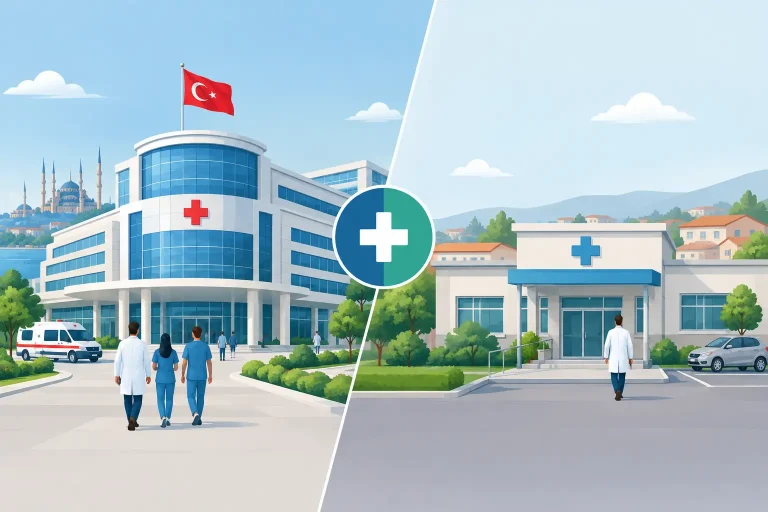
Turkey Hospitals vs Local Hospitals Compared
A lower procedure quote can get a patient’s attention. It should not make the decision on its own.…

Patient Experience That Drives Trust and Growth
A patient who has already uploaded medical records, compared providers, and arranged time away from work is not…

What Is a Medical Travel Facilitator and Why Use One?
A lower treatment quote can look compelling until you try to compare what it actually includes: surgeon fees,…