

Healthcare tourism has become a significant global phenomenon, influencing various aspects of hospital operations, particularly operating theatres (OTs). The impact of healthcare tourism on OTs is multi-faceted, affecting scheduling, costs, and safety standards. Understanding these impacts helps hospital executives and international patient department leaders optimize their strategies.
What is Healthcare Tourism?
Healthcare tourism, also known as medical tourism, involves patients traveling across international borders to receive medical treatment. This trend has grown due to the availability of high-quality medical care at competitive prices in other countries. It is a sector that has seen significant growth over the past decade, driven by factors such as cost savings, shorter waiting times, and the availability of specialized treatments abroad. The demand for healthcare tourism is bolstered by the disparity in healthcare costs between countries; for instance, a heart bypass surgery that might cost $123,000 in the United States could be as low as $10,000 in countries like India or Thailand.
The popularity of healthcare tourism is evidenced by the increasing number of patients opting for treatments ranging from cosmetic surgery to complex procedures like cardiac and orthopedic surgeries. According to a study by the Medical Tourism Association, the industry has seen an annual growth rate of 15-25%, with a global market size expected to reach over $200 billion by 2026. This growth reflects the expanding demand for healthcare services that offer both quality and affordability. Countries like Mexico, India, and Costa Rica are frequently cited as top destinations, offering medical services that combine cost efficiency with internationally accredited standards.
Healthcare tourism also encompasses wellness tourism, where patients seek alternative therapies or health-focused retreats. This includes visits to spas, wellness resorts, and rehabilitation centers that offer a holistic approach to health and recovery. Patients may travel for detox programs, traditional healing practices, or wellness retreats that promise rejuvenation and stress relief. The global movement of patients for medical and wellness purposes has both positive and negative implications for the countries involved, impacting their healthcare systems, economies, and operating theatres where these surgeries are performed. The influx can strain local resources but also incentivize improvements in medical infrastructure.
How Does Healthcare Tourism Affect Operating Theatres?
The impact of healthcare tourism on operating theatres is profound. With an influx of international patients, hospitals face increased demand on their surgical facilities. This can lead to scheduling challenges as hospitals strive to accommodate both local and international patients. Managing the capacity of operating theatres becomes crucial, especially in hospitals that serve as major healthcare tourism hubs. For instance, hospitals in Thailand and India have developed specialized schedules to handle the increased volume, ensuring that both domestic and international patients receive timely care. A common strategy is to allocate certain days or times specifically for international patients, allowing a streamlined process that minimizes disruption to local patient care.
Additionally, healthcare tourism brings in diverse patient needs, requiring operating theatres to be flexible and adaptable. Surgeons and staff must be prepared to handle a wide range of procedures, sometimes beyond the common local demand. This diversity can strain resources but also foster a broader skill set among medical professionals. For example, surgeons in these theatres may become adept at performing procedures that are rare in their home countries, such as complex reconstructive surgeries or cutting-edge cardiac procedures that international patients may demand. This cross-exposure enhances the overall competence and experience of medical teams, allowing them to implement best practices from various sources.
Moreover, the integration of international patients into the scheduling system necessitates a robust administrative framework. Hospitals often employ advanced software solutions to track and manage the surgical schedules effectively. This technology aids in optimizing the use of available theatres, reducing wait times, and ensuring that the impact on local patients is minimized. The digital transformation of hospital management systems plays a critical role in achieving these objectives, making the process seamless and efficient. For instance, predictive analytics can be used to forecast demand and optimize resource allocation, ensuring smooth operations despite high volumes.
What are the Costs and Economic Implications?
The economic implications of healthcare tourism on operating theatres are significant. While healthcare tourism can be lucrative for hospitals, offering a boost in revenue, it can also lead to elevated costs. Facilities might need to invest in advanced medical equipment and staff training to meet the specific needs of international patients. For example, a hospital catering to a high volume of orthopedic surgeries may need to purchase additional state-of-the-art joint replacement tools, which can cost upwards of $100,000. These costs are often offset by the higher fees charged to international patients, who are typically willing to pay more for high-quality care and services.
Moreover, the cost of maintaining high standards to attract international patients can be substantial, impacting the overall financial planning of hospitals. Balancing these costs with revenue generated from international patients is essential for sustainable operations. Hospitals often conduct detailed market analyses to determine pricing strategies that can appeal to international patients while covering the additional operational costs. This includes evaluating competitor pricing, understanding patient expectations, and factoring in the costs of maintaining accreditations and certifications.
Investment in infrastructure and technology to cater to the growing demand from healthcare tourists often translates into improved services for local patients as well, creating a win-win situation for the healthcare providers and their communities. For instance, the installation of advanced imaging equipment or robotic surgical systems not only serves international patients but also enhances the quality of care available to local populations. The economic ripple effect extends to local businesses as well, including hospitality and transportation sectors, thereby contributing to the broader economic ecosystem. Hotels, restaurants, and travel agencies near healthcare facilities often see increased business due to the influx of international patients and their families.
How Are Safety and Accreditation Standards Impacted?
Safety and accreditation are critical factors in healthcare tourism. International patients often choose hospitals based on their accreditation status and adherence to global healthcare standards. Operating theatres must maintain rigorous safety protocols to ensure patient safety, which can be a challenge given the diverse and complex nature of procedures demanded by international patients. For example, hospitals aiming for Joint Commission International (JCI) accreditation must adhere to stringent safety and quality benchmarks. These benchmarks include standards for infection control, surgical safety, and patient rights, requiring hospitals to maintain high levels of hygiene and patient care.
Accreditation from recognized bodies assures international patients of the quality and safety of the care provided. This requires hospitals to continually update their practices and facilities to meet these standards, which can be resource-intensive but ultimately enhances the quality of care for all patients. The accreditation process often involves comprehensive audits and assessments, requiring hospitals to demonstrate compliance with hundreds of standards related to patient care and safety. These processes are crucial for maintaining the trust of international patients, who often use accreditation as a key decision-making factor when choosing healthcare providers abroad.
Accreditation not only serves as a quality benchmark but also helps in marketing efforts, attracting more international patients who seek assurance about the safety and efficacy of treatments abroad. Hospitals frequently highlight their accreditation status in promotional materials and campaigns to build trust and credibility among potential international patients. This strategic emphasis on safety and quality can give hospitals a competitive edge in the global healthcare tourism market. Additionally, maintaining high standards can lead to better clinical outcomes and patient satisfaction, further enhancing a hospital’s reputation and appeal.
What Role Does Technology Play in Managing the Impact?
Technology plays a pivotal role in managing the impact of healthcare tourism on operating theatres. Advanced hospital management systems assist in scheduling and resource allocation, ensuring efficient use of the OTs. These systems help in managing patient records, scheduling surgeries, and streamlining communication between departments. For example, hospitals utilize electronic health record (EHR) systems to maintain comprehensive patient histories, which is crucial for international patients who might not have direct access to their medical records abroad. EHR systems facilitate seamless information exchange, allowing for better pre-operative planning and post-operative care.
Telemedicine is another technological advancement that supports healthcare tourism. It allows pre-operative consultations and post-operative follow-ups to be conducted remotely, reducing the need for extended stays in the host country and facilitating continuous care. Telemedicine platforms enable surgeons to offer consultations to patients in their home countries, saving costs and improving the overall patient experience. This not only increases accessibility but also helps build a rapport between patients and healthcare providers, enhancing trust and satisfaction.
Innovations like robotic surgery and minimally invasive techniques also enhance the capacity of operating theatres to handle a higher volume and variety of procedures, improving patient outcomes and operational efficiency. Robotic systems, such as the Da Vinci Surgical System, allow for precision in complex surgeries, reducing recovery times and minimizing the risk of complications. These technological advancements ensure that hospitals can meet the high expectations of international patients while maintaining operational efficiency. The integration of artificial intelligence in diagnostic and surgical procedures is also on the rise, offering predictive analytics and decision support tools that enhance clinical accuracy and efficiency.
How Can Hospitals Prepare for Healthcare Tourism?
Hospitals can prepare for healthcare tourism by investing in infrastructure, technology, and staff training. Building partnerships with international insurance companies and facilitators can streamline the patient journey and enhance the hospital’s reputation as a preferred destination for medical tourists. These partnerships often involve agreements that outline coverage details for international patients, providing peace of mind and financial clarity. By working closely with international insurers, hospitals can ensure that their services are accessible and affordable for patients from various countries.
Developing a dedicated international patient department can help manage the unique needs of these patients, providing language support, cultural sensitivity training for staff, and streamlined administrative processes to enhance the patient experience. Hospitals may hire multilingual staff or offer translation services to ensure effective communication with patients from diverse backgrounds, which is crucial for delivering personalized care. Cultural training programs for staff can also help in understanding the unique expectations and preferences of international patients, improving overall service delivery.
Furthermore, hospitals should focus on marketing strategies that highlight their strengths in handling international patients, such as showcasing accreditation, successful case studies, and patient testimonials, to attract more healthcare tourists. Digital marketing campaigns, participation in international health fairs, and collaborations with travel agencies can further bolster a hospital’s visibility and appeal in the healthcare tourism market. These strategic efforts help build a strong brand identity and foster trust among prospective international patients. Hospitals can also create targeted content and utilize social media platforms to reach potential patients globally, emphasizing their commitment to quality and patient-centered care.
Conclusion: The Future of Healthcare Tourism and Operating Theatres
The future of healthcare tourism and its impact on operating theatres is likely to grow as globalization continues to make international travel more accessible. Hospitals that adapt to these changes by optimizing their operating theatres, maintaining high safety standards, and leveraging technology will be well-positioned to benefit from this trend. The integration of artificial intelligence in surgical planning and patient management is an emerging area that could further enhance the efficiency and outcomes of operating theatres. AI technologies offer predictive analytics for patient flow and resource allocation, aiding in the strategic planning of surgical schedules and capacity management.
As healthcare tourism continues to evolve, so will the strategies needed to manage its impact. By understanding the dynamics and preparing adequately, hospitals can turn the challenges into opportunities for growth and improved patient care. Embracing innovative practices and maintaining a patient-centered approach will be crucial for hospitals aiming to thrive in the competitive landscape of global healthcare tourism. Ultimately, the success of healthcare tourism relies on the ability to provide exceptional care that meets the diverse needs of international patients while supporting the health systems of host countries. Hospitals that manage to find the right balance between serving international and local patients will likely lead the way in this burgeoning industry.
Proven result
8× US patient volume since 2024
Plastic & aesthetic surgery clinic
Frequently asked questions
What are the main benefits of healthcare tourism?
Healthcare tourism offers benefits such as access to advanced medical procedures, cost savings, and shorter waiting times for treatment.
How do hospitals balance local and international patient needs?
Hospitals balance these needs by optimizing scheduling, investing in technology, and training staff to handle diverse patient requirements.
What challenges do operating theatres face due to healthcare tourism?
Operating theatres face challenges like increased demand, complex scheduling, and the need for diverse surgical capabilities to meet international patient needs.
Why is accreditation important in healthcare tourism?
Accreditation is crucial as it assures patients of safety and quality standards, making hospitals more attractive to international patients.
How does technology support healthcare tourism?
Technology supports healthcare tourism by improving scheduling, facilitating telemedicine, and enhancing surgical capabilities through innovations like robotic surgery.
Related guides

Healthcare Content Compliance Guide for Growth
A high-performing treatment page can generate international patient inquiries within hours. It can also create material risk if…
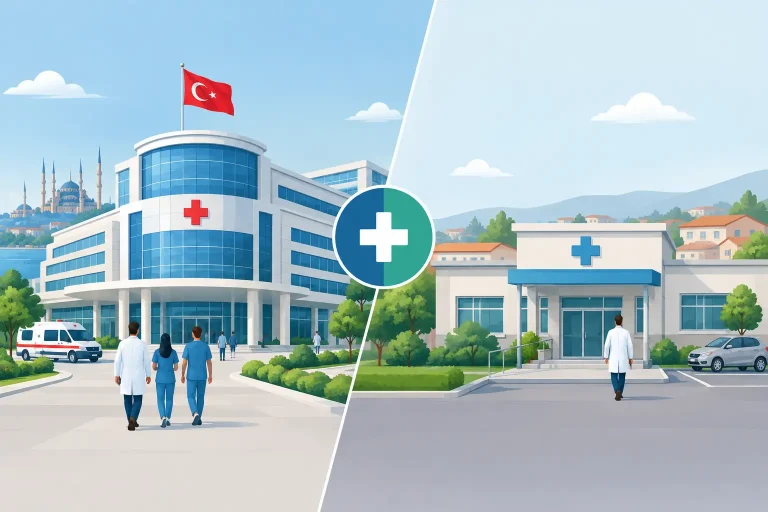
Turkey Hospitals vs Local Hospitals Compared
A lower procedure quote can get a patient’s attention. It should not make the decision on its own.…

Patient Experience That Drives Trust and Growth
A patient who has already uploaded medical records, compared providers, and arranged time away from work is not…