
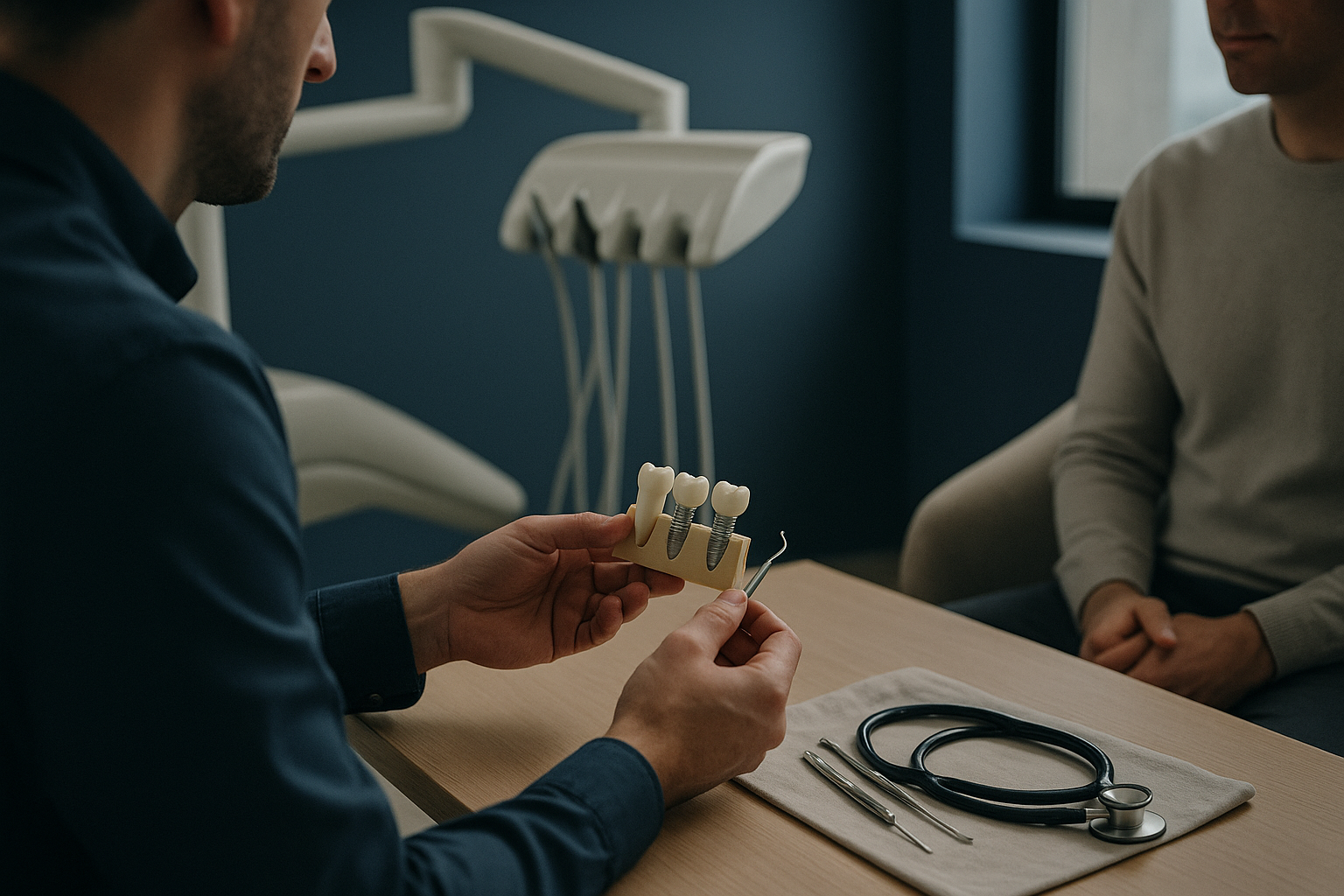
For those seeking cost-effective dental solutions, finding the cheapest country for all-on-4 dental implants is crucial. This guide explores options and practical considerations for international patients.
What are All-on-4 Dental Implants?
All-on-4 dental implants offer a full-arch restoration using only four strategically placed implants per jaw. This technique is ideal for individuals with significant tooth loss and provides a stable and long-lasting solution. Unlike traditional dentures, all-on-4 implants do not slip or require adhesives, offering comfort and functionality. This makes them particularly appealing to those who wish to avoid the common inconveniences associated with dentures, such as slippage during eating or speaking.
The procedure involves placing two implants at the front of the jaw and two at the back, angled to maximize contact with the bone. This strategic placement supports a full set of prosthetic teeth, making it a popular choice for dental tourists seeking comprehensive solutions abroad. The angled placement of the posterior implants increases bone-to-implant contact, which is crucial for stability, especially in patients who may have experienced some degree of bone loss.
Moreover, the all-on-4 system is designed to reduce the need for bone grafting, which can be a significant advantage in terms of both cost and recovery time. For many patients, this approach offers a more expedited treatment timeline compared to traditional implant methods that may require multiple surgeries and longer healing periods. This efficiency not only reduces the time spent out of the country for international patients but also leads to quicker functional and aesthetic results. The ability to avoid complex procedures like bone grafts is particularly advantageous for patients with time constraints or those looking to minimize surgical interventions.
Which Countries Offer the Cheapest All-on-4 Dental Implants?
When considering the cheapest country for all-on-4 dental implants, Hungary, Mexico, and Thailand frequently emerge as top contenders. These countries offer a blend of affordability, quality, and experienced dental professionals. Hungary, often dubbed the “dental capital of Europe,” offers advanced technology and highly trained professionals at a fraction of the cost compared to Western Europe. Clinics in cities like Budapest are equipped with modern facilities and follow stringent European healthcare standards. Patients can expect savings of up to 60% compared to prices in the UK or Germany.
Mexico presents another viable option, particularly for North American patients due to its close proximity and significant cost savings. Border towns such as Tijuana and cities like Cancun are well-known for their dental services, attracting thousands of American patients annually. The savings here are substantial, often 50-70% cheaper than in the United States, without compromising on quality. Mexican clinics frequently employ dentists trained in the U.S. and use similar materials and procedures. This not only ensures a high standard of care but also means that patients can communicate effectively with their healthcare providers.
Thailand, on the other hand, combines affordability with a high standard of care, making it attractive to Asian and Australian patients. Cities like Bangkok and Phuket not only offer cost-effective dental care but also provide patients with the opportunity to recuperate in beautiful surroundings. The healthcare infrastructure in Thailand is robust, supported by a thriving medical tourism industry that ensures international standards are met. Patients here benefit from the combination of expertise, hospitality, and significant savings, with costs often being 40-60% lower than in Australia or New Zealand. The cultural hospitality and luxurious recovery options add to the overall appeal for dental tourists.
How to Plan a Dental Tourism Trip?
Planning a dental tourism trip involves several steps to ensure a successful outcome. Begin by researching potential countries and clinics, focusing on their reputation, patient reviews, and accreditation. This initial research phase is crucial; websites such as WhatClinic and Dental Departures provide comprehensive databases where potential patients can compare clinics based on reviews and ratings from previous patients. Look for clinics with consistent positive feedback and visible accreditation badges, as these are indicators of reliable services.
Next, consider travel logistics such as visa requirements, flight options, and accommodation. It’s crucial to plan for an extended stay to accommodate recovery time post-surgery, which typically ranges from one to two weeks depending on the complexity of the procedure. During this time, you’ll need to attend follow-up appointments, so proximity to the clinic is a key consideration when choosing accommodations. Platforms like Airbnb or Booking.com offer flexible lodging options for various budgets. Selecting accommodations with kitchen facilities can also help manage dietary needs during recovery.
Engage with a healthcare facilitator if needed to streamline the process, ensuring all logistics are managed professionally. These facilitators can arrange everything from clinic appointments to transportation, providing peace of mind and allowing you to focus on recovery. They can also assist in overcoming language barriers, which can be a significant concern in non-English speaking countries. Having someone to facilitate communication and logistics can transform the experience from daunting to manageable, especially for first-time dental tourists. Additionally, facilitators often have partnerships with clinics, which can sometimes result in cost savings or added benefits for patients.
- Research and select a reputable clinic
- Plan travel logistics and accommodation
- Consider engaging a healthcare facilitator
What are the Costs Involved in All-on-4 Dental Implants?
The cost of all-on-4 dental implants varies by country and clinic. In Hungary, prices can start from €5,000, whereas in Mexico, they may range from $6,000 to $8,000, and in Thailand, costs often start around $7,000. These figures typically include the implants, prosthetic teeth, and surgery costs. However, it’s essential to confirm what’s included in the quoted price as some clinics might charge extra for consultations, anesthesia, or follow-up visits. Transparent communication with the clinic can prevent unexpected expenses.
Additional costs may arise from travel, accommodation, and post-operative care. For instance, flights to Hungary from Western Europe might cost between €100-€300, depending on the season, while flights to Mexico from the U.S. can range from $200-$600. Accommodation costs can vary widely; budget hotels or Airbnb in Budapest might cost €30-€50 per night, whereas in Cancun, similar accommodations might be around $40-$80. Patients should also consider daily expenses such as meals and local transportation, which can add up over the course of a stay.
Budgeting for these expenses is crucial to avoid any financial surprises. Many clinics abroad offer package deals that can include accommodation and transportation, providing further savings. It’s wise to inquire about such packages during your initial consultation with the clinic. Additionally, some clinics may offer payment plans or financing options, making the procedure accessible to a wider range of patients. Discussing financing options with both your home bank and the clinic can provide a clearer picture of financial commitments and potential savings.
| Country | Starting Cost |
|---|---|
| Hungary | €5,000 |
| Mexico | $6,000 – $8,000 |
| Thailand | $7,000 |
How to Ensure Safety During Dental Tourism?
Ensuring safety during dental tourism is paramount. Start by verifying the credentials of the dental clinic and ensure they are accredited by recognized international organizations. Accreditation ensures adherence to high standards and patient safety. The Joint Commission International (JCI) is one such body that accredits healthcare organizations worldwide and can be a reliable indicator of quality and safety. Checking for JCI accreditation or similar certifications can provide peace of mind.
Additionally, communicate clearly with the dental provider about your medical history and any concerns. A thorough pre-consultation can address potential risks and clarify the procedure details. Ensure that the clinic has all your medical records, including any allergies or previous dental work, to avoid complications. A clinic that takes the time to understand your health background is more likely to provide tailored and safe care. This thorough preparation can significantly mitigate risks and enhance the quality of care received.
Opt for clinics that provide comprehensive aftercare to monitor recovery and address any complications promptly. Aftercare is a critical component of the treatment, and you should have a clear understanding of the follow-up schedule and any associated costs. Some clinics offer remote consultation post-procedure, which can be beneficial if you return home before full recovery. Having access to professional advice during your recovery phase can prevent minor issues from becoming major complications. Discussing the availability and terms of aftercare prior to your trip can be a decisive factor in your overall experience.
- Verify clinic accreditation
- Communicate medical history
- Ensure comprehensive aftercare is available
What are the Benefits of All-on-4 Dental Implants?
All-on-4 dental implants offer numerous benefits, including improved oral health, aesthetics, and function. The implants provide a permanent solution for tooth loss, enhancing the patient’s ability to chew and speak effectively. They are particularly beneficial for those who have suffered from extensive tooth loss or decay, as they restore the full functionality of the mouth. This functional enhancement can significantly improve quality of life, allowing patients to enjoy a wider range of foods and speak with greater clarity.
Furthermore, they help preserve jawbone integrity, preventing the bone loss associated with missing teeth. This aspect is crucial for maintaining facial structure and avoiding the sunken appearance common with traditional dentures. The implants stimulate the jawbone much like natural tooth roots, preventing the bone resorption that can occur after tooth loss. This preservation of bone density contributes to overall oral health and maintains facial aesthetics over time. The long-term benefits of maintaining jawbone structure are a key consideration for many patients.
The aesthetic improvement also boosts self-confidence, making it a worthwhile investment. Patients often report feeling more self-assured in social and professional settings after receiving implants. Additionally, the maintenance of these implants is straightforward, involving regular oral hygiene practices without the need for special adhesives or cleaning solutions. This simplicity, combined with their durability, makes all-on-4 implants a preferred choice for many seeking long-term dental solutions. The combination of functional, aesthetic, and psychological benefits underscores the value of this dental treatment.
In conclusion, the cheapest country for all-on-4 dental implants depends on various factors, including individual preferences and travel logistics. By thoroughly researching and planning, patients can find affordable and high-quality dental care abroad, ensuring a seamless experience. Taking the time to understand the processes involved, from selecting a country to choosing the right clinic, can lead to significant savings and a successful outcome. The combination of cost savings, quality care, and the added benefits of travel can make dental tourism an attractive option for many seeking oral health improvements.
Proven result
8× US patient volume since 2024
Plastic & aesthetic surgery clinic
Frequently asked questions
What are the advantages of all-on-4 dental implants?
All-on-4 dental implants offer improved oral health, aesthetics, and function, providing a stable and permanent solution to tooth loss.
Which country is the most affordable for all-on-4 implants?
Countries like Hungary, Mexico, and Thailand are known for offering affordable and quality all-on-4 dental implants.
How do I choose a dental clinic abroad?
Choose a clinic based on accreditation, patient reviews, and the reputation of dental professionals to ensure quality care.
What should I budget for a dental tourism trip?
Budget for the procedure, travel, accommodation, and any additional expenses like post-operative care to prevent surprises.
How can I ensure a safe dental tourism experience?
Ensure safety by verifying clinic accreditation, communicating your medical history, and opting for clinics with comprehensive aftercare.
Related guides

Healthcare Content Compliance Guide for Growth
A high-performing treatment page can generate international patient inquiries within hours. It can also create material risk if…
Turkey Hospitals vs Local Hospitals Compared
A lower procedure quote can get a patient’s attention. It should not make the decision on its own.…

Patient Experience That Drives Trust and Growth
A patient who has already uploaded medical records, compared providers, and arranged time away from work is not…