

The medical tourism market has emerged as a significant option for individuals seeking healthcare services abroad. By exploring various medical tourism destinations, patients can find affordable and high-quality treatments outside their home country. This article guides prospective medical travellers through the essential aspects of medical tourism.
What is Medical Tourism?
Medical tourism refers to the practice of travelling to another country to obtain medical care. This trend has grown due to the rising costs of healthcare in certain countries, coupled with the accessibility of high-quality treatment in others. Patients often seek procedures such as cosmetic surgery, dental care, fertility treatments, and complex surgeries abroad. The medical tourism market has expanded significantly, with an estimated value of $54.4 billion in 2020 and projected to grow at a compound annual growth rate (CAGR) of 12.1% from 2021 to 2028. This growth is driven by the increasing demand for quality healthcare services at reduced costs.
The key drivers behind medical tourism include cost savings, access to treatments not available locally, and shorter waiting times. For instance, a hip replacement in the United States can cost up to $50,000, whereas the same procedure in India may cost as little as $7,000, including travel and accommodation expenses. International patients choose destinations based on the quality of care, accreditation of facilities, and the expertise of healthcare professionals. This practice not only benefits patients but also boosts the economies of host countries by creating jobs and promoting healthcare investment.
Furthermore, advancements in technology and telemedicine have made it easier for patients to consult with foreign doctors and receive follow-up care, enhancing the feasibility and appeal of medical tourism. As more countries develop robust healthcare infrastructures, the medical tourism market continues to thrive, offering patients a wider array of options and the possibility of combining medical procedures with leisure travel, known as “medical vacations.” The integration of tourism and healthcare services provides an attractive package, encouraging more individuals to consider crossing borders for medical needs.
How Does Medical Tourism Work?
Medical tourism involves several steps, starting with researching potential medical tourism destinations. Patients typically consult with medical tourism companies to compare options and understand the available packages. These packages often include treatment costs, accommodation, and transportation. A thorough assessment of the patient’s medical needs and the healthcare services offered by potential destinations is crucial. This includes understanding the success rates of procedures, the qualifications of medical staff, and the facilities’ accreditations.
Once a destination is chosen, patients connect with healthcare providers to discuss their medical needs. This involves sharing medical records and undergoing preliminary consultations, often remotely. Many providers offer virtual consultations to assess patient needs and customize treatment plans, ensuring that expectations are clear and realistic. This also helps in establishing trust and rapport between the patient and the healthcare provider. The ability to communicate effectively with healthcare providers is crucial for patients to feel comfortable and informed about the treatment they will receive.
The patient then travels to the chosen country, where they receive treatment and recuperate before returning home. Some medical tourism packages offer post-operative care options, such as physical therapy sessions or follow-up consultations, either in the destination country or remotely once the patient has returned home. Understanding travel requirements, such as visas and vaccinations, is also an essential step, as is ensuring that travel insurance is comprehensive and covers medical complications that might arise during the trip. Adequate preparation and understanding of the journey can lead to a smoother experience and successful outcomes.
Medical Tourism Market for Cancer Treatment
Cancer treatment has become a significant part of the medical tourism market. Many patients seek specialized treatments and advanced technologies available in countries renowned for oncology care. Countries like Germany, Israel, and Singapore have become popular destinations for cancer treatment due to their advanced medical technologies and high success rates. Medical tourism companies facilitate this process by coordinating with leading cancer treatment centers worldwide, ensuring that patients receive comprehensive and continuous care.
Patients benefit from access to cutting-edge therapies, clinical trials, and personalized treatment plans. For example, proton therapy, a type of radiation treatment that is more precise and causes fewer side effects, is available in specialized centers in Germany and the U.S. However, it is crucial to ensure that the chosen facility is accredited and employs highly regarded oncologists. Accreditation by bodies such as the Joint Commission International (JCI) or the European Society for Medical Oncology (ESMO) can significantly impact the quality and success of the treatment received abroad.
Additionally, patients should consider the logistics of long-term stays if extended treatment or rehabilitation is necessary. This includes planning for accommodation, understanding local customs and healthcare practices, and arranging for language support if needed. With the right planning and choice of destination, medical tourism for cancer treatment can provide access to life-saving treatments and improve patient outcomes. It also allows patients to explore new environments, which can contribute positively to their mental and emotional well-being during the recovery process.
Popular Medical Tourism Destinations
Mexico and Costa Rica are notable for their thriving medical tourism sectors. Medical tourism in Mexico offers a range of procedures from dental work to bariatric surgery, often at significantly lower costs than in the US or Europe. For example, dental implants in Mexico can cost as little as $1,000 compared to $3,500 in the U.S. Meanwhile, Costa Rica is renowned for its dental and cosmetic surgery services, with procedures often priced 50% to 70% lower than in North America. These countries have developed robust healthcare systems that cater to international patients, with English-speaking staff and modern facilities.
- Thailand: Known for advanced medical facilities and competitive pricing, Thailand attracts over a million medical tourists each year. Its hospitals offer state-of-the-art technology and a wide range of treatments, including heart surgeries and orthopedic procedures.
- India: Offers complex surgeries and treatments at reasonable costs. It is particularly renowned for its cardiac and orthopedic surgeries, with hospitals accredited by JCI and NABH (National Accreditation Board for Hospitals & Healthcare Providers).
- Turkey: Renowned for hair transplants and cosmetic procedures, Turkey has become a leader in these fields, offering high-quality care and competitive pricing.
These countries are attractive due to their combination of quality care and cultural experiences, making them popular choices for medical tourists worldwide. In addition to the affordability and quality of medical services, the opportunity to explore rich cultural landscapes and enjoy vacation-like experiences adds to the appeal. This blend of healthcare and tourism supports a growing trend of “health vacations,” where patients can recover in serene environments after their procedures. As each destination offers unique advantages, patients can choose based on both the medical services and the cultural experiences they wish to enjoy.
Cost and Savings in Medical Tourism
Cost is a major factor driving the medical tourism market. Patients can save between 30% to 80% on treatment costs compared to their home countries. For instance, a heart bypass surgery that costs approximately $150,000 in the U.S. can be as low as $25,000 in India, including hospital stay and travel costs. This makes medical tourism packages appealing, as they often include comprehensive care, travel, and accommodation at an affordable price. The cost savings are significant enough that even when factoring in travel expenses, patients can still expect substantial savings.
| Procedure | Home Country Cost | Medical Tourism Cost |
|---|---|---|
| Dental Implants | $3,500 | $1,000 |
| Heart Bypass | $150,000 | $25,000 |
It is essential for patients to research and verify the total costs involved, including post-operative care and potential travel expenses. This ensures a clear understanding of the financial implications prior to making a decision. Patients should also consider the exchange rates and any potential hidden costs, such as additional medical tests or extended recovery stays. Consulting with medical tourism facilitators or companies can provide a more comprehensive understanding of the potential expenses and help avoid unexpected financial burdens.
Moreover, payment methods and insurance coverage should be clarified in advance. Some international hospitals offer package deals that include all necessary medical expenses, while others may require separate payments for each aspect of care. Understanding these details can prevent financial surprises and ensure a more seamless healthcare experience abroad. By addressing all financial aspects beforehand, patients can focus on their health and recovery without undue stress about costs.
Safety and Accreditation in Medical Tourism
Safety is paramount when considering medical tourism. Prospective patients should verify the accreditation of hospitals and clinics, ensuring they meet international healthcare standards. Accrediting bodies such as the Joint Commission International (JCI) and the International Society for Quality in Health Care (ISQua) provide assurance of quality and safety. These organizations assess healthcare facilities on various parameters, including patient care, hospital management, and clinical outcomes, ensuring a standard of excellence is maintained.
- Check for facility accreditation. Accreditation ensures that the facility adheres to international standards and protocols, providing a benchmark for evaluating healthcare quality.
- Research the credentials of healthcare providers. Patients should ensure that doctors and specialists are certified by relevant medical boards and have a track record of successful procedures.
- Review patient testimonials and case studies. Feedback from previous patients can provide insights into the quality of care and patient satisfaction levels.
By choosing accredited institutions, patients can mitigate risks and enhance the likelihood of successful treatment outcomes. Additionally, understanding the legal framework and patient rights in the destination country is essential. Patients should be aware of their rights to informed consent and the processes for addressing grievances or complications that may arise during treatment. Consulting with legal advisors familiar with medical tourism can provide additional protection and peace of mind. Proper legal understanding ensures that patients are well-informed and protected in case of any discrepancies during their medical journey.
How to Do Medical Tourism Successfully
Successful medical tourism involves careful planning and informed decision-making. Start by researching potential destinations and their healthcare offerings. Consider the reputation of medical professionals and facilities, as well as the legal and ethical standards of the country. This includes understanding the healthcare regulations, malpractice laws, and the overall stability of the region. Evaluating these factors helps ensure a safe and effective medical tourism experience.
Engage with reputable medical tourism companies to facilitate arrangements and ensure a seamless experience. These companies can provide valuable insights into the best facilities and doctors, as well as assist with logistics such as travel arrangements, visa requirements, and accommodation. Maintain open communication with healthcare providers, clarify all aspects of the treatment plan, and prepare for your journey with appropriate travel insurance. Comprehensive travel insurance should cover medical complications, travel delays, and cancellations to protect against unforeseen circumstances.
Ultimately, an informed approach to medical tourism can lead to positive health outcomes and personal satisfaction. Patients should also arrange for follow-up care upon returning home to ensure continuity of care and address any post-treatment needs. By taking these steps, prospective medical travelers can navigate the medical tourism market with confidence, securing the best possible outcome for their healthcare journey. The combination of thorough preparation and informed choices enables individuals to make the most of the opportunities presented by the global medical tourism market.
Conclusion
The medical tourism market presents opportunities for patients to access affordable, high-quality healthcare worldwide. Through careful research and planning, prospective medical travellers can navigate this landscape with confidence, ensuring their health and well-being are prioritised throughout their journey. As the global healthcare landscape continues to evolve, medical tourism offers a viable alternative for those seeking to balance cost savings with exceptional care, making it an attractive option for a growing number of patients worldwide. With the right approach, medical tourism can significantly enhance the healthcare experience, providing access to treatments and services that may otherwise be unavailable or unaffordable.
Proven result
23× monthly patients from the UK market in six years
Multi-specialty medical travel company (hair, plastic & bariatric surgery)
Frequently asked questions
What is medical tourism?
Medical tourism involves travelling to another country to receive medical care, often to reduce costs or access advanced treatments.
How does medical tourism work?
Patients research destinations, consult with healthcare providers, and travel to receive treatment, often aided by medical tourism companies.
How does medical tourism work for cancer treatment?
Patients seek specialised cancer care abroad, benefiting from advanced treatments and experienced oncologists, often coordinated by medical tourism companies.
What are popular medical tourism destinations?
Popular destinations include Mexico, Costa Rica, Thailand, and India, known for affordable and high-quality medical services.
Related guides
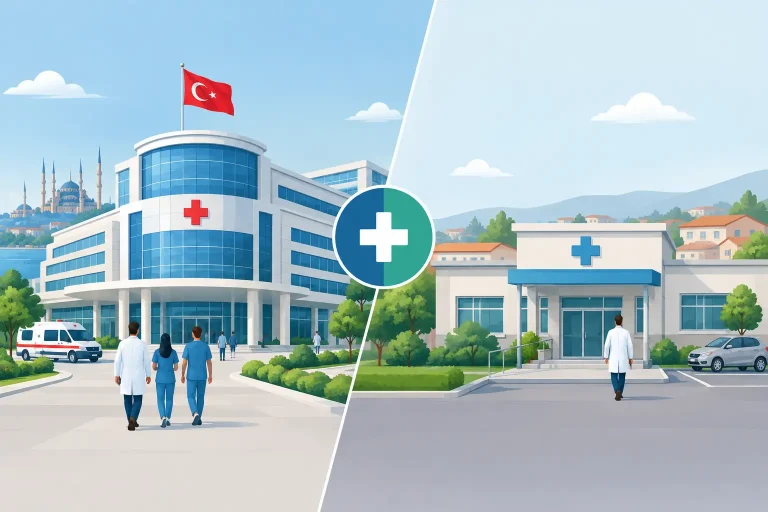
Turkey Hospitals vs Local Hospitals Compared
A lower procedure quote can get a patient’s attention. It should not make the decision on its own.…

Patient Experience That Drives Trust and Growth
A patient who has already uploaded medical records, compared providers, and arranged time away from work is not…

What Is a Medical Travel Facilitator and Why Use One?
A lower treatment quote can look compelling until you try to compare what it actually includes: surgeon fees,…