
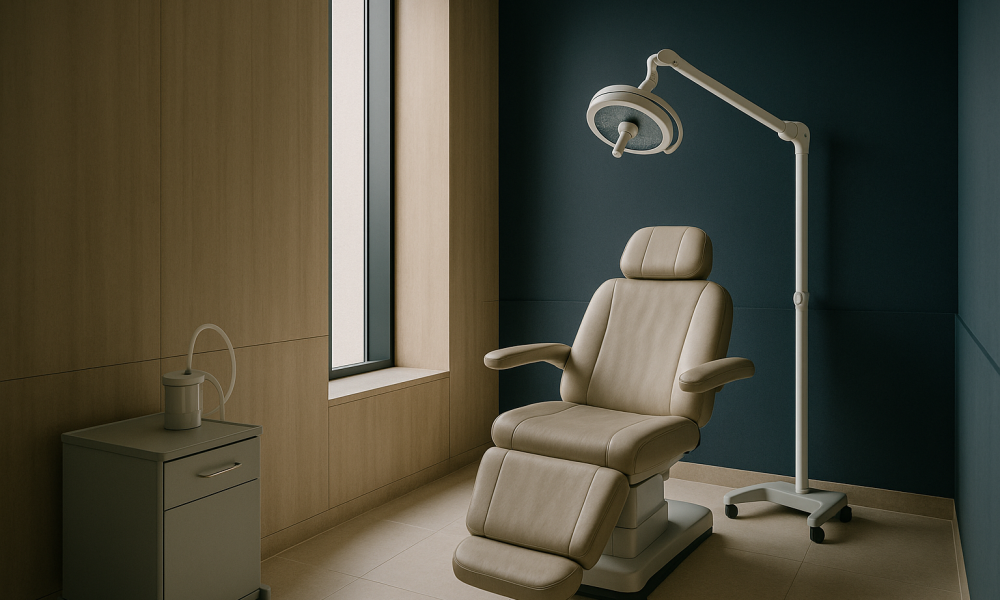
What FUE Hair Transplant is and who it is for
Follicular Unit Extraction (FUE) is a modern hair restoration technique that has gained popularity worldwide, particularly in Turkey, due to its minimally invasive nature and promising results. Unlike the traditional strip method, FUE involves the extraction of individual hair follicles from the donor area, typically the back of the scalp, which are then transplanted to the balding or thinning areas. This method is renowned for its precision and the natural-looking outcomes it can produce.
The FUE procedure begins with the preparation of the donor area, where the hair is trimmed to facilitate the extraction process. Local anaesthesia is administered to ensure patient comfort during the procedure. Using a specialised micro-punch tool, hair follicles are carefully removed one by one. These follicles are then implanted into the recipient areas, following the natural hair growth pattern to achieve seamless integration.
FUE is suitable for individuals experiencing various degrees of hair loss, whether due to genetics, trauma, or medical conditions. It is particularly beneficial for those who prefer a less invasive option with minimal scarring. The absence of a linear scar, as seen in traditional methods, makes FUE an attractive choice for those who wish to wear their hair short.
However, it is crucial to note that not everyone is an ideal candidate for FUE. The success of the procedure largely depends on the availability of a healthy donor area with sufficient hair density. Candidates should also have realistic expectations about the outcomes, understanding that the procedure may require multiple sessions for optimal results. Additionally, FUE is a meticulous process that demands the expertise of skilled professionals to ensure the best possible results.
Are you a good candidate?
Determining whether you are a suitable candidate for an FUE hair transplant involves several considerations. The procedure is not universally applicable, and a thorough evaluation is essential to ensure its appropriateness for your specific situation. Here, we outline the primary criteria that potential candidates should meet.
- Age: While there’s no strict age limit, candidates are typically over 25 years old. Younger individuals may still be experiencing hair loss progression, which can affect the long-term results.
- Hair Loss Type: Ideal candidates have pattern baldness, where hair loss is predictable and stable. Those with diffuse hair loss may not see as consistent results.
- Donor Hair Density: Sufficient hair density in the donor area is crucial. This region, usually at the back of the head, should have robust hair growth to supply the follicles needed for transplantation.
- Overall Health: Good general health is important. Conditions such as uncontrolled diabetes or autoimmune diseases may complicate recovery or affect outcomes.
- Realistic Expectations: Understanding the potential results and limitations of FUE is essential. Candidates should be aware that while FUE can significantly improve appearance, it may not restore hair to its original density.
- Commitment to Post-Operative Care: Following the procedure, adhering to aftercare instructions is vital for optimal recovery and results. This includes avoiding certain activities, maintaining scalp hygiene, and attending follow-up appointments.
If you meet these criteria, you may be a good candidate for FUE. However, it is advisable to consult with a qualified hair transplant specialist who can assess your individual case and provide personalised recommendations.
The procedure, step by step
Follicular Unit Extraction (FUE) is a popular method for hair transplantation, particularly favoured for its minimally invasive nature and natural-looking results. Here is a detailed step-by-step guide to what you can expect during the FUE procedure in Turkey.
- Consultation and Planning: Before the procedure, you will have a comprehensive consultation with your surgeon. This includes discussing your medical history, hair restoration goals, and the feasibility of achieving them. A detailed examination of your scalp is conducted to determine the number of grafts needed. Typically, for moderate hair thinning, 1,500 to 3,000 grafts might be required.
- Preparing the Donor Area: On the day of the surgery, the donor area, usually the back of the scalp, is trimmed to approximately 1-2 mm. This makes it easier to extract hair follicles. Local anaesthesia is applied to numb the area, ensuring you remain comfortable throughout the procedure.
- Follicle Extraction: Using a specialised micro-punch tool, the surgeon extracts individual follicular units from the donor area. Each unit typically contains 1-4 hairs. The extraction tool is usually between 0.7 mm to 1.0 mm in diameter, allowing for precise removal of follicles with minimal trauma to surrounding tissues.
- Preparing the Recipient Area: After extraction, the recipient area is also numbed with local anaesthesia. The surgeon then creates tiny incisions where the grafts will be placed. The angle, depth, and direction of these incisions are carefully planned to mimic natural hair growth patterns, ensuring a seamless blend with existing hair.
- Graft Placement: The extracted follicles are meticulously placed into the prepared incisions. This process is time-consuming, as it requires precision to ensure natural results. The entire procedure can take anywhere from 4 to 8 hours, depending on the number of grafts.
- Post-Procedure Care: Once all grafts are placed, the scalp is cleaned and bandaged. You will receive detailed post-operative care instructions, including how to clean and care for your scalp in the initial days following the surgery.
Throughout the procedure, you will be awake and can communicate with the medical team. Breaks are provided as needed, and you may listen to music or watch videos to pass the time. The FUE method leaves tiny, almost invisible scars, allowing you to wear your hair short if desired.
Recovery timeline
Recovery from an FUE hair transplant is generally swift, with most patients returning to normal activities within a few days. Below is a detailed timeline of what to expect during the recovery process, from the first day post-surgery to full recovery.
| Period | What to expect | Care notes |
|---|---|---|
| Day 1 | Immediately after the procedure, you may experience mild discomfort and swelling. The donor and recipient areas will appear red and may ooze slightly. | Rest with your head elevated. Use prescribed painkillers and anti-inflammatory medication as directed. Avoid touching or scratching the scalp. |
| Days 2-3 | Swelling may peak around the forehead and eyes. Scabs begin to form over the grafts. Mild itching is common. | Continue sleeping with your head elevated. Apply cold compresses to reduce swelling. Follow the surgeon’s instructions for washing your hair gently. |
| Days 4-7 | Swelling and redness start to subside. Scabs begin to fall off naturally. The itching may persist but should decrease. | Avoid strenuous activities and exposure to direct sunlight. Use a gentle shampoo as recommended to clean the scalp. |
| Weeks 2-4 | The transplanted hair may fall out, a normal part of the process known as “shock loss.” New hair growth may not yet be visible. | Maintain a healthy diet to support hair growth. Avoid hair dyes and harsh chemicals. Continue using any recommended topical treatments. |
| Months 1-3 | The shedding phase typically ends. New hair begins to emerge, although it may be fine and lighter in colour initially. | Regular follow-ups with your surgeon are advised. Be patient, as hair growth varies among individuals. |
| Months 4-12 | Hair growth becomes more noticeable. Hair thickens and darkens over time, gradually achieving a natural look. | Continue any prescribed supplements or treatments. Protect hair from excessive heat and sun exposure. |
| Full Recovery (12-18 Months) | The final results are typically visible, with most patients enjoying full, natural-looking hair growth. | Regular hair care routines can resume. Discuss any concerns with your healthcare provider. |
While individual experiences may vary, adhering to post-operative care instructions significantly enhances the recovery process and optimises the outcome of your FUE hair transplant.
What it costs: Turkey vs Australia
When considering a Follicular Unit Extraction (FUE) hair transplant, cost is a significant factor for many patients. Turkey has become a popular destination for this procedure, partly due to its competitive pricing compared to countries like Australia. However, it is crucial to understand what these costs typically cover and how they compare.
In Australia, the cost of an FUE hair transplant can vary significantly depending on the clinic, the experience of the medical team, and the number of grafts required. Generally, the cost ranges from AUD 10,000 to AUD 30,000. This price usually includes the surgery itself, pre-operative consultations, and follow-up appointments. However, additional costs such as medications, anaesthesia, and any unexpected complications might not be included.
In Turkey, the cost of an FUE hair transplant is often more affordable, with prices typically ranging from AUD 2,500 to AUD 7,000. This lower cost does not necessarily imply a compromise in quality. Many Turkish clinics offer comprehensive packages that include not only the surgery but also hotel accommodation, airport transfers, pre-operative consultations, and post-operative care. Some packages may also cover medications and follow-up appointments, providing a more all-inclusive experience.
| Country | Indicative Price Range (AUD) | Typical Package Inclusions |
|---|---|---|
| Australia | 10,000 – 30,000 | Surgery, consultations, follow-ups (excludes many extras like medication) |
| Turkey | 2,500 – 7,000 | Surgery, accommodation, transfers, consultations, post-care, often medications |
While the cost advantage in Turkey is clear, it is essential for prospective patients to conduct thorough research to ensure they are receiving quality care. Enquiring about the specifics of what each package includes, the credentials of the medical team, and the clinic’s accreditation can provide reassurance and help make an informed decision.
Risks and how accredited providers manage them
Undergoing an FUE hair transplant, like any surgical procedure, involves certain risks. Understanding these risks and how accredited providers in Turkey manage them can help alleviate concerns and enable patients to make informed choices.
Common risks associated with FUE hair transplants include infection, bleeding, and scarring. Additionally, there may be risks of unnatural-looking results if the procedure is not performed correctly. Accredited clinics in Turkey adopt stringent measures to mitigate these risks. They adhere to international standards of hygiene and sterility to minimise the risk of infection. This includes sterilising equipment thoroughly and maintaining a clean surgical environment.
Another risk is the potential for post-operative shock loss, where transplanted hair temporarily falls out before regrowing. This is generally a temporary condition, and accredited clinics provide comprehensive post-operative care instructions to support recovery and reduce anxiety during this phase.
Accredited providers in Turkey often have highly experienced and well-trained medical teams. They perform thorough pre-operative assessments to ensure patients are suitable candidates for FUE transplants. This assessment helps in designing a personalised treatment plan that considers the patient’s hair type, density, and desired outcome, thereby reducing the risk of unsatisfactory results.
Furthermore, many clinics are equipped with state-of-the-art technology that enhances precision during the extraction and implantation of hair follicles. This technological advantage plays a crucial role in achieving natural-looking results and reducing the risk of scarring.
Communication is another critical factor in managing risks effectively. Accredited clinics typically provide patients with detailed pre-operative and post-operative guidelines, ensuring they understand the procedure, potential risks, and necessary aftercare. This proactive approach helps in managing patient expectations and reduces the chances of complications arising from misunderstanding or non-compliance with care instructions.
Moreover, many clinics offer follow-up consultations after the procedure, either in person or via telemedicine, to monitor the patient’s recovery and address any concerns promptly. This ongoing support is vital in ensuring a smooth recovery and achieving the desired results.
While no surgical procedure is entirely without risk, choosing an accredited provider with a proven track record can significantly mitigate these risks. Patients are encouraged to verify the credentials and accreditation of the clinic and its medical team, ensuring they choose a provider committed to high standards of patient care and safety.
How to choose the right provider
Choosing the right provider for your FUE hair transplant in Turkey is a crucial step that requires careful consideration. Accreditation should be your first checkpoint. Ensure the clinic is accredited by recognized international medical bodies, such as the Joint Commission International (JCI) or the International Society of Hair Restoration Surgery (ISHRS). Accreditation indicates adherence to high standards of care and safety.
Next, evaluate the surgeon’s experience. A competent surgeon will have years of experience specifically in FUE procedures. Look for those who have performed hundreds, if not thousands, of successful transplants. Ask for before-and-after photos of previous patients and, if possible, contact past patients for testimonials. Surgeons should also be members of professional organizations like the Turkish Medical Association, which ensures they are up-to-date with the latest techniques.
Aftercare is another critical factor. A reputable clinic will offer comprehensive aftercare, including follow-up visits and instructions for post-surgery care. This may include guidance on hair washing, medication for pain and swelling, and tips for promoting healthy hair growth. Some clinics provide a direct line to the medical team for any immediate post-operative queries.
Be wary of red flags such as extremely low prices, which could indicate subpar facilities or inexperienced staff. Clinics that guarantee results or have overly aggressive marketing tactics should also be approached with caution. Ensure that the clinic provides a detailed breakdown of costs upfront, including any additional fees for consultations or medications.
Finally, consider the facility’s location and the ease of access from your accommodation. Proximity to your hotel can significantly reduce stress and travel time during your recovery period. Choose a provider that offers a balanced package of quality care, experienced staff, and reasonable pricing, all while maintaining transparency throughout the process.
Planning your trip
Planning your trip to Turkey for an FUE hair transplant involves several steps to ensure a smooth experience. Start by creating a timeline. It’s advisable to book your procedure at least three months in advance. This allows ample time for consultation, travel arrangements, and any necessary preparations.
Documentation is key. Ensure your passport is valid for at least six months beyond your planned return date. An e-Visa is required for Australian citizens, which can be easily obtained online. Keep copies of your medical records and any correspondence with the clinic, as these may be needed upon arrival.
Consider the length of stay. Typically, patients should plan to stay in Turkey for about 7 to 10 days. This duration allows time for the procedure, initial recovery, and a follow-up appointment to ensure the grafts are settling well. Some clinics offer packages that include accommodation, making it easier to manage logistics.
Regarding travel arrangements, book flights early to secure the best rates. Istanbul is the primary hub for medical tourism, with multiple international flights arriving daily. Upon arrival, many clinics offer airport transfers, simplifying your journey to the hotel or clinic.
Post-procedure, consider your follow-up care at home. Discuss with your surgeon any necessary check-ups or treatments you may need once you return to Australia. Some clinics offer virtual consultations to monitor progress remotely. Ensure you have a clear understanding of this process before departing Turkey.
Lastly, consider travel insurance that covers medical procedures abroad. While complications are rare, having insurance provides peace of mind. With careful planning, your journey for an FUE hair transplant in Turkey can be both smooth and successful.
Frequently Asked Questions
What is the typical cost of an FUE hair transplant in Turkey?
The typical cost of an FUE hair transplant in Turkey ranges from £1,500 to £3,500. This price varies depending on the clinic, the number of grafts required, and the surgeon's expertise. Some clinics offer packages that include accommodation and airport transfers, which can provide additional value.
How experienced are Turkish surgeons with FUE procedures?
Turkish surgeons are often highly experienced in FUE procedures, with many having performed thousands of transplants. It's advisable to choose a surgeon who is a member of professional organizations such as the Turkish Medical Association and the International Society of Hair Restoration Surgery, as these memberships indicate a commitment to ongoing education and adherence to high standards.
What should I expect during the recovery period?
The recovery period involves some swelling and mild discomfort, which typically subsides within a week. You should avoid strenuous activities for at least two weeks post-procedure. The clinic will provide detailed aftercare instructions, including how to wash your hair and what medications to take. Most patients can return to work within a week.
Is it safe to travel to Turkey for medical procedures?
Yes, Turkey is a popular destination for medical tourism, known for its experienced surgeons and modern facilities. Many clinics are accredited by international bodies, ensuring high safety standards. It's important to choose a reputable clinic and be aware of travel advisories issued by your government.
How soon can I see results after the transplant?
Initial results can be seen within three to four months, as new hair begins to grow. Full results are typically visible after 12 to 18 months, once the transplanted hair has fully matured. Patience is essential, as hair growth is a gradual process.
What should I pack for my trip to Turkey?
Pack comfortable clothing, as you'll need to rest post-procedure. Include any personal medical supplies, a hat to protect your scalp, and travel essentials like a power adapter. Don't forget important documents such as your passport, e-Visa, and medical records.
Are there any risks associated with FUE hair transplants?
As with any surgical procedure, there are risks such as infection, scarring, or an unnatural look. However, these risks are minimal when the procedure is performed by an experienced and qualified surgeon. Discuss any concerns with your chosen clinic to understand the safeguards they have in place.
Can I return to work immediately after the procedure?
It's recommended to take at least a few days off work following the procedure to allow for recovery. Most patients feel comfortable returning to work within a week, although this can vary depending on the nature of your job and personal recovery rate.
What are the red flags when choosing a clinic?
Red flags include extremely low prices, lack of accreditation, and aggressive marketing tactics. Ensure the clinic is transparent about costs and offers comprehensive aftercare. Verify the surgeon's credentials and look for reviews from previous patients to gauge their experience.
How long should I stay in Turkey after the procedure?
Patients are generally advised to stay in Turkey for 7 to 10 days post-procedure. This duration allows for the procedure, initial recovery, and a follow-up visit to ensure the grafts are settling properly. Some clinics offer packages that include accommodation to streamline your stay.
Will I need a follow-up appointment after returning home?
Yes, follow-up care is important to monitor your progress. Some clinics offer virtual consultations to assist with this. Discuss with your surgeon the recommended timeline for follow-ups and any additional care you might require once back in Australia.
How can I ensure my results are satisfactory?
Choose a highly experienced surgeon and follow all pre- and post-operative instructions carefully. Maintain realistic expectations, as full results take 12 to 18 months to manifest. Adhering to aftercare guidelines and attending follow-up appointments will help ensure the best possible outcome.