
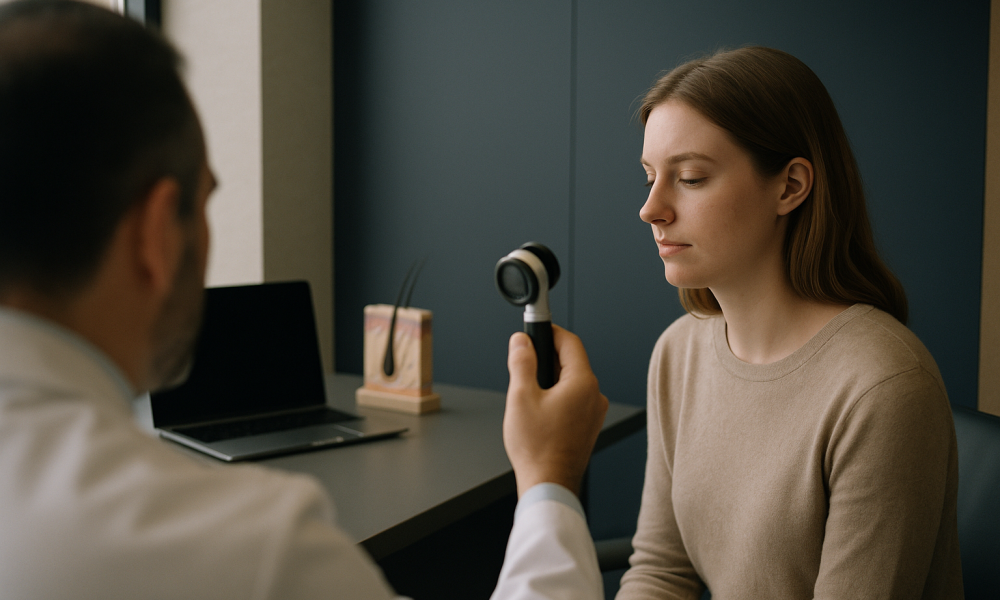
What FUE Hair Transplant is and who it is for
Follicular Unit Extraction (FUE) is a widely recognised hair restoration technique that has gained popularity due to its minimally invasive nature and effective results. Unlike traditional methods, FUE involves extracting individual hair follicles from a donor area, typically the back or sides of the scalp, and implanting them into the balding or thinning areas. This technique is renowned for leaving no linear scars, making it an appealing option for those who prefer shorter hairstyles.
FUE is suitable for individuals experiencing various types of hair loss, including male and female pattern baldness, which is often attributed to genetic factors. It is also effective for those who have lost hair due to trauma or previous surgical procedures. The procedure is performed under local anaesthesia, allowing patients to remain awake and comfortable throughout the process. Depending on the extent of the hair loss and the desired density, the procedure typically takes between 6 to 8 hours.
Patients from Canada considering FUE in Turkey can expect a high standard of care, as many Turkish clinics are accredited and staffed by experienced professionals. The country is known for its medical tourism industry, which offers competitive pricing without compromising on quality. Typical costs for FUE in Turkey range from £1,500 to £3,500, which is significantly lower than the prices in Canada, where the same procedure could cost upwards of £6,000.
It is important to manage expectations, as hair transplantation does not provide instant results. Initial shedding of transplanted hair is common, followed by regrowth that becomes noticeable after 3 to 4 months, with full results visible within 6 to 12 months. Therefore, candidates should be prepared for a gradual transformation rather than an immediate change.
Are you a good candidate?
Determining whether you are a suitable candidate for an FUE hair transplant involves several considerations that extend beyond the desire for fuller hair. Firstly, candidates should have a stable pattern of hair loss, which is typically assessed by a qualified specialist. This stability is essential as ongoing hair loss can affect the outcome of the transplant.
Secondly, the availability of a sufficient donor area is crucial. The donor area, usually located at the back or sides of the scalp, should have enough healthy hair follicles to be transplanted to the thinning or balding areas. Individuals with extensive baldness may require multiple sessions to achieve the desired density.
Good candidates should also be in overall good health, as certain medical conditions and medications can influence the procedure’s success and recovery. It is advisable to provide a comprehensive medical history during the initial consultation to identify any potential risks.
Moreover, realistic expectations are vital. While FUE can significantly improve hair density and appearance, it cannot completely restore the original hair volume. Candidates should understand the limitations and potential outcomes discussed during the consultation.
- Stable pattern of hair loss
- Sufficient donor area
- Good overall health
- Realistic expectations
- Commitment to post-operative care
It is also important for candidates to be committed to the post-operative care regimen, which includes avoiding strenuous activities, following a prescribed hair care routine, and attending follow-up appointments. These precautions are essential to ensure optimal healing and the best possible results.
The procedure, step by step
The Follicular Unit Extraction (FUE) hair transplant procedure is a meticulous process that involves several carefully orchestrated steps, designed to ensure optimal results while minimising discomfort and downtime. Here is a detailed step-by-step overview:
- Initial Consultation: Prior to the procedure, an in-depth consultation with a qualified specialist is essential. During this session, your medical history is reviewed, your hair loss pattern is assessed, and a personalised treatment plan is developed. This is the time to discuss any concerns and understand the expected outcomes.
- Preparation: On the day of the procedure, the patient is prepared by having their hair trimmed to facilitate the extraction and transplantation process. The donor area, typically the back or sides of the scalp, is sterilised to prevent infection.
- Local Anaesthesia: To ensure comfort, local anaesthesia is administered to both the donor and recipient areas. This numbs the scalp, allowing the procedure to be pain-free. Patients remain awake and can listen to music or watch TV during the process.
- Extraction of Follicular Units: Using a specialised micro-punch tool, individual follicular units are carefully extracted from the donor area. This tool, usually measuring between 0.7mm to 1mm in diameter, ensures minimal scarring. The units are extracted one by one, preserving the integrity of each follicle. Typically, between 1,000 to 4,000 grafts may be harvested, depending on the extent of the hair loss and the density required.
- Graft Preparation: Once extracted, the follicular units are meticulously sorted and prepared under a microscope. This process ensures that only healthy grafts are selected for transplantation.
- Creation of Recipient Sites: The surgeon creates tiny incisions in the recipient area, where the hair will be transplanted. The angle, depth, and distribution of these incisions are critical to achieving a natural-looking result.
- Graft Placement: The prepared follicular units are then implanted into the recipient sites. This is a delicate process that requires precision and expertise to ensure the grafts are positioned correctly and securely.
- Post-Procedure Care: After the grafts are placed, the scalp is cleaned and bandaged. Patients receive detailed aftercare instructions to optimise healing and hair growth.
Throughout the procedure, every step is conducted with a focus on preserving the health of the hair follicles and achieving a natural appearance. The entire process can take anywhere from 4 to 8 hours, depending on the number of grafts being transplanted. Patients are encouraged to rest and follow post-operative instructions carefully to ensure the best possible outcome.
Recovery timeline
Recovering from an FUE hair transplant is a gradual process that requires patience and adherence to aftercare instructions. Below is a detailed timeline outlining what patients can expect during the recovery period:
| Period | What to expect | Care notes |
|---|---|---|
| Day 1 | Immediately post-procedure, slight swelling and redness in the donor and recipient areas are normal. Patients may feel minor discomfort. | Rest is crucial. Avoid touching or scratching the treated areas. Use prescribed medications to manage pain and prevent infection. |
| Days 2-4 | The swelling typically peaks and then begins to subside. Scabs may form around the grafts. | Continue using any prescribed topical treatments. Gentle washing may be recommended, but follow your surgeon’s specific instructions. |
| Days 5-7 | Scabs start to fall off naturally. Redness diminishes significantly. | Avoid strenuous activities. Resume light activities as advised. Protect the scalp from direct sunlight. |
| Week 2 | Most visible signs of surgery subside. The transplanted hair may begin to shed, a normal part of the process called “shock loss.” | Maintain a gentle hair care routine. Avoid hats or helmets that may irritate the scalp. |
| Month 1 | Shedding continues, but this is temporary. The scalp should feel normal, with no lingering discomfort. | Regular check-ups with your surgeon are recommended to monitor progress. |
| Months 2-3 | New hair growth may begin, though initially fine and lighter in colour. | Stay patient and maintain a healthy lifestyle to support hair growth. |
| Month 6 | Noticeable hair growth. The new hair is thicker and more substantial. | Continue following any prescribed hair care treatments to enhance growth. |
| Month 12 | Full results are typically visible, with the transplanted hair fully matured and integrated with existing hair. | Consult with your surgeon for a final assessment and any long-term care recommendations. |
It’s important to remember that individual recovery times may vary. Factors such as age, health, and adherence to aftercare instructions can influence the healing process. Consistent follow-ups with your healthcare provider will ensure any concerns are addressed promptly, contributing to a smooth recovery and optimal results.
What it costs: Turkey vs Canada
When considering a Follicular Unit Extraction (FUE) hair transplant, cost can be a significant factor influencing your decision. Turkey has become a popular destination for this procedure, not only due to its high-quality medical care but also because of its competitive pricing compared to countries like Canada. It is important to note that the figures provided here are indicative and can vary based on factors such as the clinic’s reputation, the surgeon’s experience, and the complexity of the procedure.
| Location | Indicative Price Range (CAD) | Typical Package Inclusions |
|---|---|---|
| Turkey | CAD 2,500 – CAD 5,500 |
|
| Canada | CAD 6,000 – CAD 15,000 |
|
The lower cost of FUE hair transplants in Turkey can be attributed to several factors, including lower living costs and government incentives for medical tourism. Additionally, many Turkish clinics offer comprehensive packages that cover not only the medical procedure but also accommodation and transport, which can help reduce the overall cost for international patients.
In contrast, the higher costs in Canada reflect the higher living expenses and operational costs faced by clinics. While the basic inclusions are similar, additional services such as accommodation and transport are typically not included, potentially increasing the total expenditure for patients.
Ultimately, while cost is an important consideration, it should not be the sole factor in your decision-making process. Prospective patients should also consider the quality of care, the experience of the surgical team, and the level of post-operative support offered by the clinic.
Risks and how accredited providers manage them
Undergoing an FUE hair transplant, like any medical procedure, carries certain risks. Understanding these risks and knowing how accredited providers in Turkey manage them can help you make a more informed decision.
Common Risks: The most common risks associated with FUE hair transplants include infection, bleeding, and scarring. While these are generally rare, they can occur if the procedure is not carried out under proper sterile conditions. Additionally, some patients may experience temporary swelling, numbness, or itching in the treated area.
Management by Accredited Providers: Accredited clinics in Turkey adhere to international standards of medical care to minimise these risks. Here’s how they typically manage them:
- Infection Control: Clinics maintain strict hygiene protocols, including sterilising all surgical instruments and using disposable tools where possible. Pre-operative assessments include screening for any conditions that might increase infection risk.
- Bleeding Management: Surgeons are trained to use precise techniques to minimise bleeding during the procedure. Local anaesthesia is administered to reduce discomfort and control bleeding, and patients are advised to avoid medications that can increase bleeding risk prior to surgery.
- Scarring Prevention: The FUE technique itself is designed to minimise scarring, as it involves extracting individual hair follicles rather than removing a strip of scalp. Surgeons use specialised equipment to ensure minimal trauma to the donor area.
- Post-Operative Care: Accredited providers offer comprehensive post-operative care, including detailed instructions on how to care for the transplant area, prescribed medications to manage pain and prevent infection, and regular follow-up consultations to monitor healing progress.
Choosing the Right Provider: To ensure safety and quality, it is crucial to choose a clinic that is accredited by recognised international bodies. Accreditation indicates that the clinic meets high standards in terms of staff qualifications, facility cleanliness, and patient safety protocols.
By understanding the risks and how they are managed, you can approach your FUE hair transplant with confidence. Accredited providers in Turkey are well-equipped to offer a safe and effective treatment experience, prioritising patient safety and satisfaction above all.
How to choose the right provider
Choosing the right provider for your Follicular Unit Extraction (FUE) hair transplant in Turkey is crucial for a successful outcome. Start by considering the accreditation of the clinic. Look for clinics that are accredited by international bodies such as the Joint Commission International (JCI) or the International Society of Hair Restoration Surgery (ISHRS). This ensures that the clinic adheres to high standards of care and safety.
Next, evaluate the surgeon’s experience. A surgeon with extensive experience in FUE hair transplants is more likely to achieve desirable results. Ask about their years of practice, the number of procedures they have performed, and request before-and-after photos of previous patients. It is also beneficial to read reviews and testimonials from past patients to gain insight into their experiences.
Aftercare is another critical factor. A reputable clinic should offer comprehensive aftercare services, including follow-up appointments and advice on post-operative care. This support is essential for monitoring the healing process and ensuring optimal results. Inquire about the availability of support staff who can assist you during your recovery period.
Be wary of red flags such as clinics offering significantly lower prices compared to others. While cost is an important consideration, clinics that undercut the market may compromise on quality or safety. Avoid providers that guarantee specific results, as outcomes can vary based on individual factors. Additionally, steer clear of clinics that pressure you into making quick decisions or fail to provide detailed information about the procedure.
Finally, consider scheduling a consultation with potential providers, either in person or via video call. This allows you to ask questions, discuss your expectations, and evaluate the professionalism and communication skills of the staff. A transparent, patient-focused approach is indicative of a trustworthy provider.
Planning your trip
Planning your trip for an FUE hair transplant in Turkey involves several key steps to ensure a smooth experience. Begin by establishing a timeline before travel. Ideally, you should start planning at least three months in advance. This period allows you to research providers, schedule consultations, and make necessary travel arrangements.
Gather all required documents for your trip. Canadian citizens need a valid passport and may require a visa, which can often be obtained online through the Republic of Turkey’s e-Visa system. Ensure your passport is valid for at least six months from your date of entry into Turkey.
Plan for the length of stay. Typically, you should expect to stay in Turkey for about 5 to 10 days. This duration allows for pre-operative consultations, the procedure itself, and initial recovery and follow-up appointments. Confirm with your provider how many days they recommend based on your specific case.
Consider your accommodation options. Many clinics offer packages that include hotel stays, but you may also choose to arrange your own accommodation. Select a location that is convenient to the clinic and offers a comfortable environment for recovery.
For follow-up at home, establish a plan with your local healthcare provider to monitor your recovery. Your Turkish clinic should provide detailed instructions and support for your post-operative care once you return to Canada. This may include guidance on washing your hair, avoiding certain activities, and recognizing signs of complications.
Finally, check travel advisories and health recommendations from the Government of Canada for Turkey, as these can impact your travel plans. By thoroughly planning each aspect of your trip, you can focus on your recovery and the success of your FUE hair transplant.
Frequently Asked Questions
What should I consider when budgeting for a FUE hair transplant in Turkey?
When budgeting for a FUE hair transplant in Turkey, consider the cost of the procedure itself, which typically ranges from £1,500 to £3,500. Factor in travel expenses such as flights, accommodation, and local transportation. Some clinics offer package deals that include these costs. Additionally, budget for any pre-operative consultations and post-operative medications or care. Keep in mind that prices can vary based on the clinic's reputation, the surgeon's experience, and the number of grafts required.
How safe is it to undergo a hair transplant in Turkey?
Undergoing a hair transplant in Turkey can be safe if you choose a reputable clinic with accredited surgeons. Many Turkish clinics adhere to international standards and have experienced, well-trained staff. However, it is crucial to conduct thorough research, verify the clinic's accreditation, and read reviews from past patients. Avoid clinics with unusually low prices or those that lack transparency in their procedures and outcomes. Safety is enhanced by following the clinic's pre- and post-operative care instructions carefully.
What are the typical costs associated with a hair transplant in Turkey?
The typical cost for a hair transplant in Turkey ranges from £1,500 to £3,500. This price depends on several factors, including the number of grafts, the clinic's reputation, and the surgeon's expertise. Some clinics offer package deals that may cover additional expenses such as accommodation, airport transfers, and post-operative care. It is essential to clarify what is included in the quoted price to avoid unexpected costs. Always compare multiple clinics to ensure you receive a fair and comprehensive offer.
How long should I plan to stay in Turkey for the procedure?
For a FUE hair transplant, plan to stay in Turkey for approximately 5 to 10 days. This period allows for pre-operative consultations, the procedure itself, and initial recovery and follow-up appointments. The exact duration may vary depending on individual circumstances and the clinic's recommendations. Ensure you have enough time to rest and recover before traveling back to Canada. Confirm the recommended length of stay with your chosen clinic to accommodate all necessary appointments.
What documents do I need to travel to Turkey for a hair transplant?
Canadian citizens traveling to Turkey for a hair transplant need a valid passport and may require a visa. The passport should be valid for at least six months from the date of entry. Visas can often be obtained online through Turkey's e-Visa system. Ensure you have all necessary travel insurance and medical documentation related to your procedure. It's also wise to have contact information for your clinic and accommodation readily available during your travels.
How do I prepare for the FUE procedure before traveling?
Preparation for an FUE procedure involves several steps. Consult with your chosen clinic and surgeon to understand the pre-operative instructions, which may include dietary restrictions and avoiding certain medications. Arrange all travel documents, including your passport and visa. Plan your travel and accommodation logistics well in advance. It is also beneficial to prepare mentally by understanding the procedure, potential risks, and recovery process. Communication with your clinic is key to ensuring you're fully prepared.
What should I expect during the initial recovery period in Turkey?
During the initial recovery period in Turkey, expect some swelling and discomfort around the transplanted area. The clinic will likely provide pain management options and instructions on how to care for your scalp. Follow-up appointments will be scheduled to monitor your progress. It's important to avoid strenuous activities and direct sunlight. You may also be advised on how to wash your hair and manage any scabbing. Rest and hydration are crucial during this time to facilitate healing.
Will my health insurance cover the costs of a hair transplant in Turkey?
Most health insurance plans do not cover the costs of a hair transplant, considering it a cosmetic procedure. It's important to verify this with your insurance provider before proceeding. Some clinics may offer financing options or payment plans to help manage costs. If your insurance does not cover the procedure, ensure you have the funds available to cover the entire cost, including travel and accommodation expenses. Always confirm the total cost with your clinic beforehand.
What post-operative care is needed once I return to Canada?
Once you return to Canada, follow the post-operative care instructions provided by your Turkish clinic. These may include guidelines on washing your hair, avoiding certain activities, and recognizing signs of complications. Arrange follow-up appointments with a local healthcare provider to monitor your recovery. Keep in touch with your Turkish clinic for any questions or concerns. Continued adherence to the care plan is essential for optimal results and to ensure any issues are promptly addressed.
How can I verify the qualifications of the surgeon in Turkey?
To verify the qualifications of a surgeon in Turkey, check for membership in professional organisations such as the International Society of Hair Restoration Surgery (ISHRS) or the Turkish Medical Association. Review their credentials, including medical education and years of experience in performing FUE hair transplants. Request to see before-and-after photos of previous patients and read reviews or testimonials. Directly ask the clinic about the surgeon's specific training and track record to ensure they meet high standards of care.
Are there any risks associated with traveling for a hair transplant?
Traveling for a hair transplant involves certain risks, such as potential complications from the procedure, travel-related stress, and unfamiliarity with the local healthcare system. Mitigate these risks by choosing a reputable clinic, ensuring clear communication, and understanding the procedure and recovery process. Be prepared for travel logistics, and adhere to all pre- and post-operative instructions. It's also wise to have travel insurance that covers medical emergencies to safeguard against unforeseen issues.
What factors should I consider when choosing accommodation in Turkey?
When choosing accommodation in Turkey for your hair transplant, consider the proximity to the clinic to minimize travel time and stress post-procedure. Opt for a comfortable and quiet environment conducive to recovery. Check if the clinic offers package deals that include hotel stays. Evaluate the amenities offered, such as Wi-Fi, room service, and accessibility. Reading reviews can provide insight into the quality of service and guest experiences. Ensure your accommodation meets your comfort and convenience needs during your stay.