
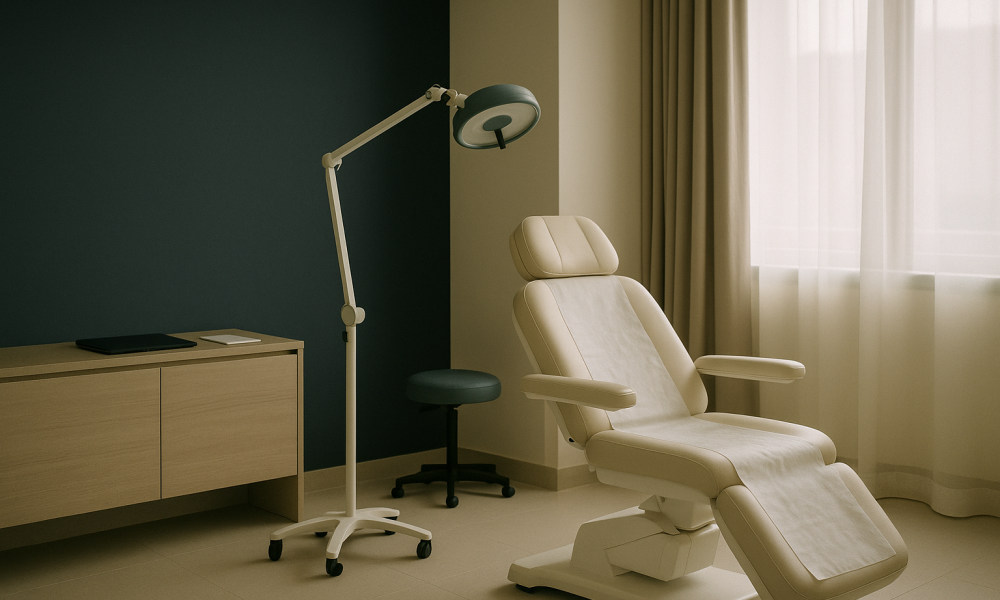
What Unshaven FUE Hair Transplant is and who it is for
The Unshaven Follicular Unit Extraction (FUE) hair transplant is a minimally invasive procedure designed to offer a discreet solution for individuals seeking to restore hair density without the need to shave their entire head. This method is particularly appealing to those who prefer to maintain their existing hairstyle during the recovery phase. Unlike traditional FUE, which typically requires shaving the donor area, unshaven FUE allows for the extraction of individual follicular units from the donor site without removing surrounding hair. This technique is most suited for individuals who are concerned about the immediate aesthetic impact of a hair transplant, as it enables them to keep their hair length intact.
The procedure involves using a micro-punch tool to extract hair follicles from the donor area, typically the back or sides of the scalp, and implanting them into the thinning or balding areas. The procedure time can vary significantly, ranging from 6 to 10 hours, depending on the extent of the area being treated and the number of grafts required. Unshaven FUE is performed under local anaesthesia, meaning that patients remain awake but feel no pain in the scalp area.
This option is particularly advantageous for individuals who need to return to work or social activities quickly, as the unshaven technique allows for a more subtle post-operative appearance. Most patients can resume non-strenuous activities within 3 to 7 days, with full recovery typically achieved within 2 to 3 weeks. The results of the transplant become progressively visible over a period of 6 to 12 months, as the transplanted follicles gradually grow new hair.
Unshaven FUE is suitable for a wide range of candidates, including those with early-stage hair loss, individuals seeking to increase hair density, and those who have previously undergone hair transplantation. It is also a viable option for individuals with tight schedules or public-facing roles, as it allows them to maintain their usual appearance with minimal disruption. However, it’s important to note that the cost of unshaven FUE in Turkey can vary, with indicative prices typically ranging from £1,500 to £3,500, depending on the clinic and the number of grafts required.
Are you a good candidate?
Determining whether you are a suitable candidate for an unshaven FUE hair transplant involves several key considerations. This procedure is not ideal for everyone, and a thorough assessment by a qualified specialist is essential to ensure the best outcomes. Here are some general criteria to help you determine if you might be a good candidate for this procedure:
- Stage of Hair Loss: Ideal candidates are usually in the early to moderate stages of hair loss. Those with extensive baldness may require a different approach or multiple sessions to achieve desired results.
- Hair Characteristics: The nature of your hair, including its thickness, curliness, and colour, can affect the outcome. Individuals with thicker hair may achieve better coverage with fewer grafts.
- Health Status: Good overall health is crucial. Candidates should be free from conditions that could impair healing, such as uncontrolled diabetes or bleeding disorders.
- Realistic Expectations: It’s important to have realistic expectations about the results. While unshaven FUE can significantly improve hair density, it may not completely restore hair to its original volume.
- Donor Area Availability: Adequate donor hair is necessary. The success of the procedure depends on having enough healthy hair follicles in the donor area.
- Commitment to Post-Op Care: Willingness to follow post-operative care instructions is vital for optimal healing and results.
- Previous Surgeries: If you have had previous hair transplants, discuss this with your specialist to determine compatibility and strategy.
Before deciding on an unshaven FUE transplant, it is advisable to consult with a hair restoration specialist who can provide a personalised assessment. During the consultation, the specialist will evaluate your hair loss pattern, discuss your goals, and explain the potential risks and benefits of the procedure. They may also use advanced imaging techniques to assess the donor and recipient areas, ensuring that you receive a tailored treatment plan. Remember, the success of a hair transplant depends not only on the procedure itself but also on the skill of the practitioner and the quality of post-operative care.
The procedure, step by step
The Unshaven Follicular Unit Extraction (FUE) hair transplant is a meticulous process that allows for hair restoration without the need for a pre-operative shave. This method is particularly appealing for those who wish to keep their existing hairstyle intact during recovery. Here is a detailed step-by-step guide to what this procedure entails:
- Initial Consultation: The journey begins with a comprehensive consultation where the specialist assesses your hair loss pattern, discusses your expectations, and determines your suitability for the procedure. This may involve a scalp examination and a discussion of your medical history.
- Pre-Procedure Preparation: Before the procedure, patients are advised to avoid alcohol, smoking, and certain medications, such as blood thinners, to minimise the risk of complications. On the day of the procedure, you should wear comfortable clothing and ensure you are well-hydrated.
- Local Anaesthesia Application: The procedure starts with the application of local anaesthesia to the donor and recipient areas to ensure comfort throughout. This numbing process typically takes about 30 minutes and is crucial for a pain-free experience.
- Follicle Extraction: Using a micro-punch tool, the surgeon carefully extracts individual hair follicles from the donor area, usually the back or sides of the scalp. The unshaven technique allows for the extraction of follicles without trimming the donor hair, preserving the natural look. This step can take 2-4 hours depending on the number of grafts required.
- Follicle Preparation: Once extracted, the follicles are meticulously examined and prepared for implantation. This involves sorting and cleaning the follicles to ensure only the healthiest grafts are used.
- Recipient Site Creation: The surgeon then creates tiny incisions in the recipient area where the hair will be transplanted. The angle, depth, and density of these incisions are carefully planned to mimic natural hair growth patterns.
- Graft Implantation: The prepared follicles are implanted into the recipient sites. This is a delicate process where each follicle is placed individually to ensure a natural appearance. This step can also take several hours, depending on the number of grafts.
- Post-Procedure Evaluation: After implantation, the surgeon evaluates the grafts and provides immediate post-operative care instructions. Patients are usually able to leave the clinic on the same day, with detailed guidelines on how to care for their scalp.
The entire procedure can last between 6 to 10 hours, depending on the complexity and the number of grafts. It’s a time-intensive process that prioritises precision and patient comfort, ensuring the best possible outcome.
Recovery timeline
The recovery process following an Unshaven FUE hair transplant is crucial for ensuring optimal results. While individual experiences may vary, the following table provides a general timeline of what to expect during the recovery period, from the first day post-operation to full recovery:
| Period | What to expect | Care notes |
|---|---|---|
| Day 1 | Immediately after the procedure, some swelling and redness are normal. The donor and recipient areas may feel tender. | Rest is essential. Avoid touching or scratching the scalp. Sleep with your head elevated to reduce swelling. |
| Days 2-4 | Swelling may increase slightly, peaking around day 3. You might notice some crusting around the grafts. | Continue to avoid strenuous activities. Follow any prescribed medication regimen to manage discomfort and prevent infection. |
| Days 5-7 | Swelling begins to subside. Itching may occur as the scalp starts to heal. | Gently wash your hair with a mild shampoo as instructed by your surgeon. Do not pick at any scabs that form. |
| Weeks 2-4 | Initial shedding of transplanted hair may begin, which is a normal part of the process. The donor area should be healing well. | Resume normal activities, but avoid direct sun exposure and swimming. Continue using gentle hair care products. |
| Months 1-3 | The shedding phase continues. New hair growth may start to become visible by the end of this period. | Be patient and maintain a healthy lifestyle to support hair growth. Keep up with follow-up appointments. |
| Months 4-6 | Noticeable hair growth should be evident. The texture and density will gradually improve. | Regularly monitor progress and maintain scalp hygiene. You may start styling your hair as desired. |
| Months 7-12 | Significant hair growth with improved density and thickness. The final results are becoming clear. | Continue to follow any long-term care recommendations from your surgeon. Enjoy your new hair with confidence. |
Patience is key throughout the recovery process. Following your surgeon’s post-operative care instructions will aid in achieving the best possible results from your Unshaven FUE hair transplant.
What it costs: Turkey vs Canada
When considering an unshaven Follicular Unit Extraction (FUE) hair transplant, cost is a significant factor for many patients. The pricing structure for such procedures can vary greatly between countries, and Turkey has emerged as a popular destination for medical tourism due to its competitive pricing and high standards of care.
In Canada, the cost of an unshaven FUE hair transplant can range significantly depending on the location, clinic, and extent of the procedure. Typically, prices in Canada range from CAD 8,000 to CAD 15,000. This cost generally includes the surgery itself, anaesthesia, post-operative consultations, and sometimes medication.
In contrast, Turkey offers more affordable options, with prices typically ranging from CAD 2,500 to CAD 5,000. This lower cost does not necessarily reflect a compromise in quality but rather the advantages of lower living costs and operational expenses in Turkey. Additionally, many clinics in Turkey provide comprehensive packages that may include accommodation, airport transfers, and translation services, making it a convenient option for international patients.
| Location | Indicative Price Range (CAD) | Typical Inclusions |
|---|---|---|
| Canada | 8,000 – 15,000 |
|
| Turkey | 2,500 – 5,000 |
|
It is crucial to understand that these figures are indicative and can vary based on personal circumstances and specific clinic policies. Patients should ensure they receive a detailed quotation and understand what is included in the price before proceeding with any treatment.
Overall, while the financial savings of undergoing an unshaven FUE transplant in Turkey are evident, patients must weigh these against other factors such as the experience and reputation of the clinic and medical team, the quality of the facilities, and the comprehensive nature of the care provided.
Risks and how accredited providers manage them
Like any surgical procedure, an unshaven FUE hair transplant carries certain risks. However, these risks are generally low when the procedure is performed by experienced and accredited professionals. Understanding these risks and how they are managed by reputable clinics can help reassure prospective patients.
One of the primary risks associated with FUE hair transplants is infection. This risk is mitigated by strict adherence to hygiene protocols, including the sterilisation of equipment and the use of sterile environments. Accredited clinics in Turkey follow international standards to ensure the safety and well-being of their patients.
Another risk is the potential for scarring, though it is minimal with the FUE method compared to other hair transplant techniques. Accredited providers manage this risk by employing highly skilled surgeons who utilise precise techniques to minimise trauma to the scalp. Additionally, the unshaven method allows for better visualisation and precise extraction, further reducing the likelihood of noticeable scarring.
There is also the risk of poor graft survival, where transplanted follicles fail to grow as expected. Accredited clinics mitigate this risk through careful handling and storage of grafts, maintaining optimal conditions to preserve their viability. They also provide detailed post-operative care instructions to patients, which are crucial for ensuring the best possible outcomes.
Accredited providers in Turkey are committed to managing these risks through comprehensive pre-operative assessments. These assessments ensure the patient is a suitable candidate for the procedure and help tailor the treatment plan to individual needs, thereby enhancing safety and effectiveness.
Furthermore, clinics often have dedicated patient coordinators who provide ongoing support and communication throughout the treatment process. This includes follow-up consultations to monitor the healing process and address any concerns that may arise. Patients are encouraged to report any unusual symptoms promptly, allowing the medical team to intervene early if necessary.
In summary, while the risks associated with an unshaven FUE hair transplant should not be overlooked, they are generally manageable with the right precautions and care. Prospective patients can take comfort in knowing that accredited providers in Turkey are well-equipped to ensure a safe and successful procedure, adhering to the highest standards of medical care.
How to choose the right provider
Choosing the right provider for your unshaven FUE hair transplant in Turkey is a crucial step in ensuring a safe and satisfactory experience. Begin by considering the clinic’s accreditation. Look for facilities that are certified by reputable international organizations such as the Joint Commission International (JCI) or the International Organization for Standardization (ISO). These accreditations indicate that the clinic adheres to high standards of quality and patient safety.
The experience and qualifications of the surgeon are equally important. Research the surgeon’s background, including their education, years of experience in performing FUE transplants, and any specialised training they have undergone. A surgeon with at least five years of specialised experience in FUE procedures is typically recommended. Additionally, check for membership in professional bodies such as the International Society of Hair Restoration Surgery (ISHRS), which signifies a commitment to ongoing education and adherence to industry standards.
Aftercare is another critical factor to consider. A comprehensive aftercare programme should include post-operative consultations, access to medical staff for any concerns, and detailed instructions on how to care for your scalp after the procedure. Some clinics offer remote follow-up services, which can be particularly beneficial for international patients.
Be vigilant for red flags that may indicate a less reputable provider. Avoid clinics that make unrealistic promises, such as guaranteed results or exaggerated claims of success rates. Also, be cautious of providers that offer significantly lower prices than the average range of USD 2,000 to USD 4,500, as this may reflect lower quality standards or hidden costs. Additionally, lack of transparency regarding the surgeon’s identity or qualifications is a warning sign.
Online reviews and testimonials can provide valuable insights into the experiences of past patients. However, approach these sources critically, as some reviews may be biased or fabricated. Seek out reviews from independent platforms and consider reaching out to former patients if possible to gain firsthand accounts of their experiences.
Planning your trip
Planning your trip for an unshaven FUE hair transplant in Turkey involves several key steps to ensure a smooth and stress-free experience. Begin by establishing a timeline for your journey. Ideally, you should start planning at least three to four months in advance to allow ample time for research, booking, and preparation.
Ensure you have all necessary documents ready well before your departure. Canadian citizens require a valid passport and may need to obtain an e-visa to enter Turkey, which can be easily applied for online. Check the latest travel advisories and entry requirements, as these can change.
The typical length of stay for an unshaven FUE hair transplant is approximately 7 to 10 days. This duration includes time for pre-operative consultations, the procedure itself, and initial recovery. It is advisable to arrive at least two days before the surgery to acclimatise and attend any pre-operative appointments. After the procedure, you will need a few days for initial recovery and follow-up checks before flying back home.
Consider the logistics of your stay, such as accommodation, transport, and local amenities. Many clinics offer packages that include hotel stays and airport transfers, which can simplify your planning. Ensure your accommodation is comfortable and close to the clinic to minimise travel stress post-surgery.
Post-operative care is an essential aspect of your trip planning. Discuss with your clinic what follow-up will be provided and what you need to arrange locally once you return to Canada. This might include regular photo updates, online consultations, or coordination with a local dermatologist or hair specialist for ongoing care. Additionally, prepare for any lifestyle adjustments needed during the recovery period, such as avoiding strenuous activities and direct sunlight exposure.
Finally, consider travel insurance that covers medical procedures abroad, as this can provide peace of mind in case of unforeseen circumstances. Ensure the policy includes coverage for any potential complications related to the procedure.
Frequently Asked Questions
What is the typical cost range for unshaven FUE hair transplants in Turkey?
The typical cost range for an unshaven FUE hair transplant in Turkey is between USD 2,000 and USD 4,500. This range is indicative and can vary based on factors such as the clinic's reputation, the surgeon's experience, and the complexity of the procedure. It's important to obtain a detailed quote that includes all potential costs before proceeding.
How do I know if a clinic is reputable?
A reputable clinic should have international accreditations such as JCI or ISO. Check the surgeon's qualifications, including their experience and membership in professional bodies like ISHRS. Read independent reviews and avoid clinics making unrealistic promises or offering significantly lower prices than the average range.
What should I expect in terms of recovery time?
Recovery time for an unshaven FUE procedure typically involves a few days of rest immediately after the surgery. Most patients can resume normal activities within a week, but it is advisable to avoid strenuous activities and direct sunlight for at least two weeks. Full results may take several months to become visible.
Are there any risks or side effects I should be aware of?
As with any surgical procedure, there are risks associated with unshaven FUE hair transplants, including infection, scarring, and temporary swelling. However, these risks are minimised by choosing a reputable clinic and following post-operative care instructions closely. Discuss potential risks with your surgeon before the procedure.
How long should I plan to stay in Turkey for the procedure?
You should plan to stay in Turkey for approximately 7 to 10 days. This allows time for pre-operative consultations, the procedure itself, and initial recovery. Arriving a couple of days before the surgery is recommended to acclimatise and attend necessary appointments.
What follow-up care is necessary after the procedure?
Follow-up care includes post-operative consultations with the clinic, either in person or remotely, to monitor your recovery. You may also need to coordinate with a local dermatologist or hair specialist once you return home. Adhering to aftercare instructions is crucial for optimal results.
How can I ensure a smooth recovery after the transplant?
To ensure a smooth recovery, follow the aftercare instructions provided by your surgeon, which may include gentle hair washing techniques, avoiding strenuous activities, and protecting your scalp from direct sunlight. Regular follow-up consultations will help monitor your progress and address any concerns.
What should I pack for my trip to Turkey for the procedure?
Pack comfortable clothing, especially for the days following your surgery when relaxation is key. Include any prescribed medications, travel documents like your passport and e-visa, and personal care items. It's also advisable to bring a hat or scarf to protect your scalp from the sun post-procedure.
Can I travel alone for the procedure, or should I bring someone with me?
While it is possible to travel alone for the procedure, having a companion can provide additional support during your recovery. They can assist with logistics, offer emotional support, and help with any immediate needs post-surgery. Discuss with your clinic if additional support is recommended.
Is it safe to have the procedure done in Turkey?
Turkey is a popular destination for medical tourism, including hair transplants. By choosing a clinic with proper accreditations, experienced surgeons, and positive patient feedback, you can significantly reduce risks. Always research thoroughly and consult with your healthcare provider at home before making a decision.
What are the benefits of unshaven FUE compared to traditional FUE?
Unshaven FUE offers the advantage of not requiring a full shave of the donor area, allowing for a more discreet procedure. This is particularly beneficial for individuals who wish to maintain their current hairstyle and avoid the noticeable signs of having undergone a transplant.
Will the results of the hair transplant be permanent?
The results of a hair transplant are intended to be long-lasting. However, it is important to understand that hair growth can be influenced by factors such as genetics, age, and overall health. While transplanted hair is generally permanent, ongoing hair loss in other areas may require additional treatments.