
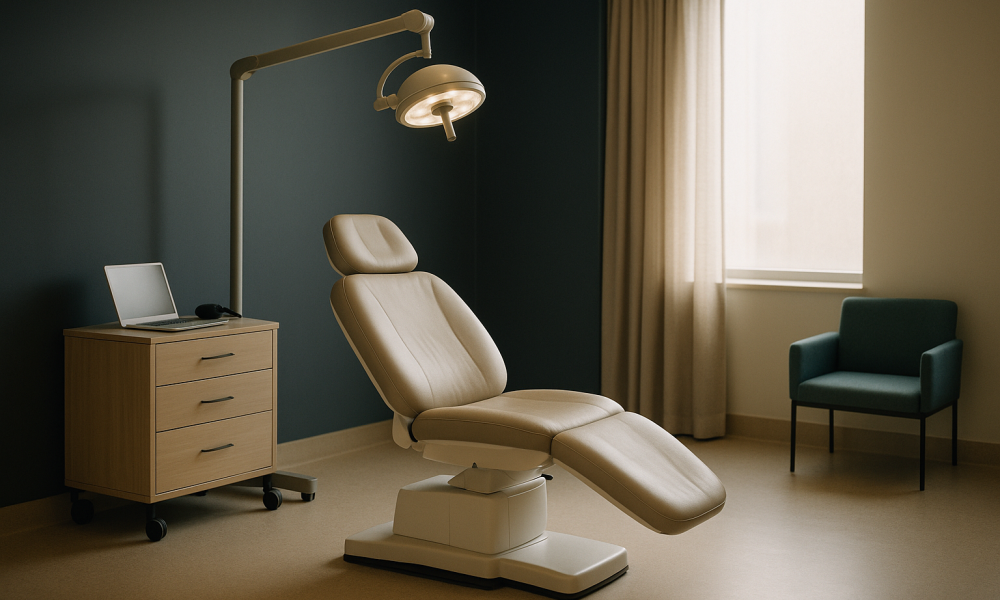
What Unshaven FUE Hair Transplant is and who it is for
The unshaven Follicular Unit Extraction (FUE) hair transplant is a modern technique designed for individuals seeking hair restoration without the need to shave their entire head. This approach allows patients to maintain their regular hairstyle throughout the procedure, offering a more discreet solution compared to traditional methods. Unshaven FUE involves extracting individual hair follicles from the donor area, typically the back or sides of the head, and implanting them into the thinning or balding areas.
This technique is particularly advantageous for those who wish to keep their hair length as it is, making the procedure less noticeable during the recovery phase. The process begins with the surgeon creating tiny incisions in the recipient area where the grafts will be placed. The extracted follicles are then meticulously implanted, ensuring a natural hair growth pattern.
The unshaven FUE method is ideal for individuals who are concerned about the aesthetic impact of shaving their head. This can be especially important for those in professions or social situations where appearance plays a significant role. Moreover, this technique allows for a quicker return to normal activities since the visible signs of the procedure are less pronounced.
While unshaven FUE offers numerous benefits, it is a more time-intensive process than traditional FUE because the surgeon must navigate existing hair, requiring greater precision and skill. Consequently, the procedure may take longer, typically ranging from 6 to 10 hours, depending on the number of grafts needed. The cost in Turkey ranges from £1,500 to £3,000, offering a cost-effective solution compared to prices in the UK, Europe, or North America.
Overall, unshaven FUE is a suitable option for those looking for a subtle yet effective hair restoration solution, provided they meet the candidacy criteria.
Are you a good candidate?
Determining if you are a suitable candidate for an unshaven FUE hair transplant involves several factors. This procedure is not universally applicable, and certain criteria must be met to ensure optimal results and patient satisfaction. Below is a checklist to help potential candidates assess their suitability:
- Age: Ideally, candidates should be over 25 years old. This is because hair loss patterns are more stable, and long-term results can be better predicted.
- Type of Hair Loss: Unshaven FUE is best suited for those with androgenetic alopecia (male or female pattern baldness). It may also be appropriate for individuals experiencing thinning due to other non-medical factors.
- Hair Density: Candidates should have adequate hair density in the donor area. This ensures there are enough healthy follicles available for transplantation.
- Health Status: Good overall health is essential. Conditions like uncontrolled diabetes or autoimmune disorders may affect healing and outcomes.
- Realistic Expectations: Understanding that hair restoration is a process and that results will gradually become visible over 6 to 12 months is crucial.
- Commitment to Aftercare: Willingness to follow post-operative care instructions, including avoiding strenuous activities and adhering to a prescribed hair care regimen, is necessary for successful healing.
- Non-smoker or Willing to Quit: Smoking can impair healing and affect the success of the grafts. Candidates should be non-smokers or willing to quit before and after the procedure.
By reviewing this checklist, prospective patients can better understand whether they are likely to benefit from an unshaven FUE hair transplant. Consulting with a qualified surgeon is essential for a comprehensive evaluation and personalised advice. The surgeon will assess your hair characteristics, medical history, and personal goals to determine the best approach for your needs.
The procedure, step by step
The Unshaven Follicular Unit Extraction (FUE) hair transplant is a meticulous procedure that requires careful planning and execution. This method allows patients to undergo the transplant without the need to shave the donor or recipient areas completely, offering a more discreet option for those concerned about immediate post-operative aesthetics. Here’s a detailed step-by-step guide to what you can expect during the procedure:
- Initial Consultation and Planning: Before the day of the procedure, you will have a thorough consultation with your surgeon. This involves discussing your goals, examining your hair loss pattern, and planning the hairline. Photographs may be taken for documentation, and the surgeon will mark the areas for extraction and implantation.
- Preparation and Local Anaesthesia: On the day of the procedure, the donor area, typically the back or sides of the scalp, will be trimmed to allow for better access. Local anaesthesia is then administered to both the donor and recipient areas to ensure a pain-free experience. This can take about 30 minutes to an hour.
- Extraction of Hair Follicles: Using a specialised micro-punch tool, typically ranging from 0.7 to 1.0 mm in diameter, individual hair follicles are extracted from the donor area. The unshaven technique allows the surrounding hair to cover the extraction sites, making post-operative signs less visible. This phase can last several hours depending on the number of grafts needed, usually ranging from 2,000 to 5,000 grafts.
- Preparation of the Recipient Site: The recipient area is then prepared with tiny incisions made to accommodate the extracted follicles. The angle, direction, and density of these incisions are crucial for achieving a natural-looking result.
- Implantation of Hair Follicles: The extracted follicles are meticulously implanted into the incisions. This stage requires precision to ensure that the hair grows in a natural pattern. The implantation process can take a few hours, with breaks in between to ensure patient comfort.
- Post-Procedure Care: Once the implantation is complete, the surgical team will review post-operative care instructions with you. This includes how to clean the scalp, medications to manage discomfort, and guidelines to promote optimal healing.
Throughout the process, the surgical team will ensure your comfort and address any concerns you might have. The entire procedure can last anywhere from 6 to 10 hours, depending on the complexity and the number of grafts required.
Recovery timeline
Understanding the recovery timeline is crucial for setting realistic expectations and ensuring optimal post-operative care. The recovery process for an unshaven FUE hair transplant involves several stages, each with specific care instructions. Here’s a detailed timeline:
| Period | What to expect | Care notes |
|---|---|---|
| Day 1 | Immediately post-surgery, you may experience mild swelling and discomfort in the treated areas. | Rest is recommended. Keep your head elevated and avoid touching the transplant sites. |
| Days 2-3 | Swelling may peak and some redness or tenderness in the donor and recipient areas is common. | Use prescribed medications to manage swelling and discomfort. Follow cleaning instructions carefully. |
| Days 4-7 | Scabs begin to form around the transplanted follicles. Swelling usually subsides by this time. | Avoid scratching or picking at scabs. You can gently wash your hair as per surgeon’s guidance. |
| Week 2 | Most scabs should have fallen off. The transplanted hair may start to shed, a normal part of the process. | Continue to follow hair washing instructions. Avoid strenuous activities that could impact the scalp. |
| Weeks 3-4 | Shedding continues, and hair growth may appear patchy. | It’s important to remain patient. Full shedding is expected and part of the normal cycle. |
| Months 1-3 | The shedding phase continues, with new hair growth starting to become visible by the end of this period. | Maintain a healthy lifestyle and follow any additional care instructions provided by your surgeon. |
| Months 4-6 | Noticeable hair growth begins, with transplanted hair starting to thicken and mature. | Regular follow-ups with your clinic are recommended to monitor progress. |
| Months 6-12 | Significant improvement in hair density and coverage is expected. Hair continues to thicken. | Continue regular care routines and consult your surgeon for any concerns. |
| Full Recovery (12-18 months) | Final results are typically visible. Hair should have reached full thickness and natural appearance. | Maintain regular hair care and check-ins with your healthcare provider if needed. |
By following these guidelines and maintaining open communication with your healthcare provider, you can ensure a smooth recovery process and achieve the best possible outcome from your unshaven FUE hair transplant.
What it costs: Turkey vs the UK, Europe and North America
When considering an unshaven Follicular Unit Extraction (FUE) hair transplant, it’s vital to understand the cost differences between Turkey, the UK, Europe, and North America. Costs can vary significantly based on location, clinic reputation, and the complexity of the procedure. In Turkey, the medical tourism industry is well-developed, offering competitive prices without compromising on quality.
Below is a table comparing indicative price ranges for unshaven FUE hair transplants across these regions. Note that these figures are indicative and can vary based on specific patient requirements and clinic offerings.
| Region | Indicative Price Range (GBP) | Typical Package Inclusions |
|---|---|---|
| Turkey | £1,500 – £3,500 |
|
| UK | £4,000 – £8,000 |
|
| Europe | £3,500 – £7,500 |
|
| North America | £5,000 – £10,000 |
|
In Turkey, the inclusive nature of the packages often extends beyond the procedure itself, incorporating accommodation and local transport into the overall price. This can offer substantial savings compared to the UK, Europe, and North America, where such amenities might incur additional costs.
It’s crucial to thoroughly research and choose a reputable clinic. The lower cost in Turkey doesn’t imply a compromise on quality. Turkish clinics often boast internationally accredited standards and experienced surgeons. However, prospective patients should ensure that the clinic has the necessary certifications and positive patient reviews.
In conclusion, while the financial aspect is important, it should be balanced with considerations of the clinic’s reputation, the surgeon’s experience, and patient safety protocols. Patients are encouraged to contact clinics directly for detailed quotes and to clarify what is included in their package.
Risks and how accredited providers manage them
As with any surgical procedure, unshaven FUE hair transplants come with inherent risks. Understanding these risks and how reputable clinics manage them is crucial for prospective patients.
Common risks associated with FUE hair transplants include infection, bleeding, scarring, and unnatural-looking hair growth. However, these risks can be significantly mitigated by choosing an accredited provider with a robust track record of safety and success.
Accredited clinics in Turkey adhere to stringent international standards to ensure patient safety. Here’s how they typically manage these risks:
- Infection Control: Reputable clinics maintain sterile environments, employing rigorous sterilisation protocols for all surgical instruments and facilities. Pre-operative and post-operative antibiotic regimens are often prescribed to minimise infection risks.
- Bleeding Management: While some bleeding is normal, experienced surgeons are adept at minimising this through precise surgical techniques. Patients are also advised to avoid certain medications, such as blood thinners, before surgery to reduce bleeding risks.
- Scarring Prevention: One of the advantages of FUE is minimal scarring compared to other hair transplant methods. Accredited providers use advanced techniques and tools that minimise trauma to the scalp, promoting quicker healing and reducing the potential for visible scarring.
- Natural Hair Growth: Skilled surgeons at accredited clinics meticulously plan hairline design and graft placement to ensure a natural appearance. This involves careful consideration of hair density, direction, and angle, tailored to each patient’s natural hair growth patterns.
In addition to these measures, accredited providers often conduct thorough pre-operative assessments to identify any potential risks specific to the patient. This personalised approach helps in tailoring the procedure to the individual’s health profile, further mitigating risks.
Furthermore, reputable clinics offer comprehensive aftercare programmes. These programmes typically include follow-up appointments, detailed post-operative care instructions, and direct access to medical staff for any concerns. This ongoing support is vital in monitoring recovery and addressing any complications promptly.
Prospective patients should ensure that the clinic they choose is accredited by recognised international bodies. Accreditation is a hallmark of quality and safety, indicating that the clinic meets or exceeds global healthcare standards. Patients can verify accreditation through organisations such as the Joint Commission International (JCI) or the International Organization for Standardization (ISO).
Ultimately, while no medical procedure is without risk, the expertise and protocols of accredited providers in Turkey significantly reduce these risks, offering patients peace of mind as they embark on their hair restoration journey.
How to choose the right provider
Choosing the right provider for an unshaven FUE hair transplant in Turkey is a crucial step in ensuring a successful outcome. The first consideration should be accreditation. Look for clinics accredited by reputable international health organisations such as the Joint Commission International (JCI) or the International Society of Hair Restoration Surgery (ISHRS). Accreditation serves as a quality assurance, indicating that the clinic adheres to international medical standards.
Surgeon experience is another critical factor. Research the surgeon’s qualifications, which should include specialised training in hair transplantation and a significant number of successfully performed procedures. A surgeon with over five years of experience in unshaven FUE is generally preferable. Additionally, patient reviews and before-and-after photos can provide insight into the surgeon’s skill and consistency.
Aftercare is an often-overlooked aspect but is vital for recovery and achieving the best results. Ensure the clinic offers comprehensive aftercare services, including follow-up consultations and support for any post-operative issues. Some clinics may provide virtual consultations for international patients, which can be particularly convenient.
Be aware of red flags when selecting a provider. Avoid clinics that make unrealistic promises, such as guaranteed outcomes or exceptionally low prices that seem too good to be true. These can indicate subpar service or lack of experience. Also, be cautious if the clinic pressures you to make a quick decision or pay upfront without a thorough consultation.
In summary, take the time to thoroughly research and choose a provider that meets high standards of accreditation, has experienced surgeons, offers comprehensive aftercare, and avoids making unrealistic claims. This careful selection process will help ensure a safe and successful hair transplant experience.
Planning your trip
Planning your trip for an unshaven FUE hair transplant in Turkey involves several key steps to ensure a smooth and stress-free experience. Begin by establishing a timeline before travel. Ideally, start researching and consulting with clinics at least three months before your intended travel date. This allows ample time for consultations, securing a slot with your chosen clinic, and making necessary travel arrangements.
Ensure your travel documents are in order. UK, European, and North American citizens typically require a valid passport with at least six months’ validity. Depending on your nationality, you may also need a visa to enter Turkey, which can often be obtained online through the Turkish e-Visa system.
The length of stay in Turkey will depend on the complexity of your procedure. Typically, patients are advised to plan for a stay of 3 to 7 days. This duration allows for the procedure itself, as well as a follow-up appointment to ensure the initial stages of recovery are proceeding as expected. Some clinics offer packages that include accommodation and airport transfers, which can simplify logistics.
Consider your follow-up care at home. Before travelling, discuss with your clinic what follow-up procedures are necessary and whether they can be coordinated with a local physician. Some clinics provide remote consultations, which can be a convenient option for international patients.
In summary, careful planning is essential for a successful hair transplant trip to Turkey. Start early, ensure all documents are ready, plan your stay according to the procedure’s requirements, and arrange for post-operative care at home to ensure a smooth and successful experience.
Frequently Asked Questions
What is the typical cost of an unshaven FUE hair transplant in Turkey?
The cost of an unshaven FUE hair transplant in Turkey typically ranges from £1,500 to £3,500. This price range is indicative and varies based on factors such as the clinic's reputation, the surgeon's experience, and the complexity of the procedure. It's important to ensure that the quoted price includes all necessary services such as consultation, the procedure itself, and post-operative care.
Is the procedure safe?
Unshaven FUE hair transplants are generally considered safe when performed by experienced and qualified surgeons in accredited clinics. As with any medical procedure, there are risks involved, such as infection or scarring, but these are rare and can be mitigated by following the surgeon's pre- and post-operative instructions carefully. Always ensure the clinic follows international safety standards.
How long will I need to stay in Turkey for the procedure?
Most patients should plan to stay in Turkey for 3 to 7 days. This duration allows time for the procedure itself and for a follow-up appointment to monitor the initial healing process. Some clinics may offer packages that include accommodation and transportation, which can make your stay more convenient and stress-free.
How do I verify a clinic's accreditation?
You can verify a clinic's accreditation by checking for certifications from reputable international health organisations such as the Joint Commission International (JCI) or the International Society of Hair Restoration Surgery (ISHRS). These certifications ensure that the clinic adheres to international standards of medical care and patient safety.
What should I look for in a surgeon?
When selecting a surgeon, look for qualifications such as specialised training in hair transplantation and a substantial track record of successful procedures. A surgeon with more than five years of experience in unshaven FUE is ideal. Patient reviews and before-and-after photos can also provide valuable insights into a surgeon's expertise and results.
Will I need a visa to travel to Turkey?
Visa requirements for Turkey vary based on your nationality. UK, European, and North American citizens often need a visa, which can be obtained online through the Turkish e-Visa system. Ensure your passport is valid for at least six months beyond your planned departure date to avoid any travel issues.
What does the aftercare involve?
Aftercare typically includes follow-up consultations, monitoring of the healing process, and guidance on how to care for the transplanted area to promote optimal results. Some clinics offer remote consultations for international patients, ensuring you have access to support and advice without needing to travel back to Turkey.
Are there any red flags to watch out for when choosing a clinic?
Be cautious of clinics that make unrealistic promises, such as guaranteed outcomes or exceptionally low prices. These can indicate subpar service or lack of experience. Also, be wary if the clinic pressures you into making a quick decision or requires upfront payment without a detailed consultation.
How soon can I return to work after the transplant?
Most patients can return to work within a week following the procedure, depending on their job's physical demands. It's crucial to follow your surgeon's advice on post-operative care and activity restrictions to ensure a smooth recovery and optimal results.
Can I arrange follow-up care at home?
Yes, many clinics provide options for follow-up care at home, such as remote consultations. Before travelling, discuss with your clinic the necessary follow-up procedures and whether they can coordinate with a local physician. This ensures continuity of care and addresses any post-operative concerns.
What are the payment options for the procedure?
Clinics in Turkey typically accept a variety of payment options, including cash, credit cards, and bank transfers. Some may also offer financing plans or payment packages. It's important to confirm the accepted payment methods and any associated fees before your trip to avoid any surprises.
Are there any side effects I should be aware of?
Common side effects of an unshaven FUE hair transplant include mild swelling, redness, and itching in the donor and recipient areas. These usually subside within a few days to a week. Rarely, more serious complications such as infection or scarring can occur. Following your surgeon's aftercare instructions can help minimise these risks.