
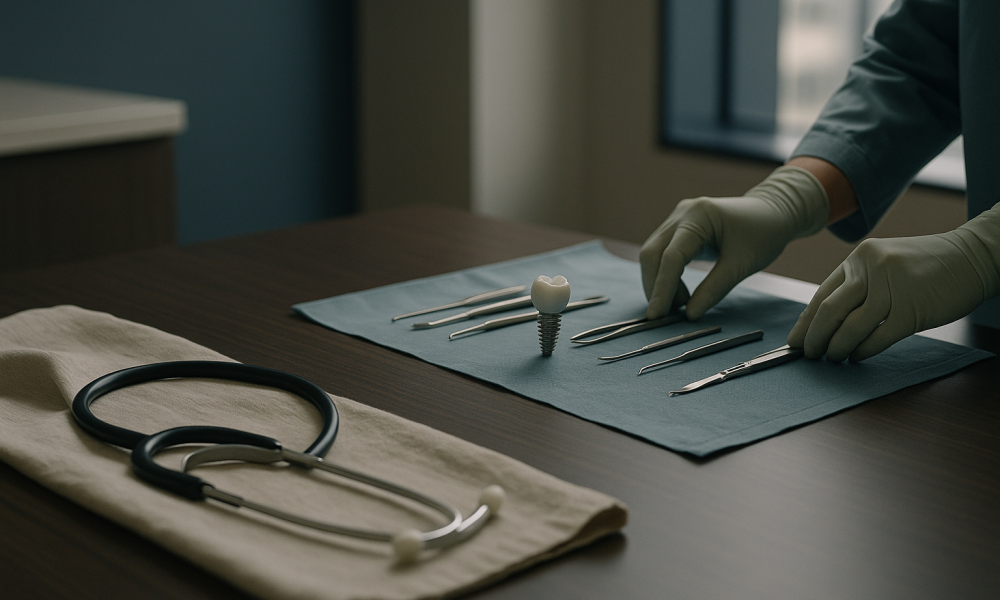
The Process: Dental Implants in Turkey, step by step
- Enquiry: The process begins with an initial enquiry, where potential patients reach out to a clinic or medical tourism agency in Turkey. During this stage, patients typically provide their dental history and any existing dental records or X-rays to help the dental team assess their suitability for implants.
- Assessment: Once the enquiry is made, a detailed assessment is conducted either through online consultations or during an initial visit to Turkey. The dental team evaluates the patient’s oral health, bone density, and overall suitability for dental implants. This step may involve preliminary imaging tests such as panoramic X-rays or 3D CT scans to plan the procedure accurately.
- Travel: If the assessment is favourable, the patient then plans their travel to Turkey. This includes arranging flights, accommodation, and local transportation. Many clinics and agencies offer packages that include these logistics to ensure a seamless experience. Patients are advised to arrive a few days prior to the scheduled procedure to acclimate and attend any necessary pre-operative consultations.
- Treatment Days: The dental implant procedure is typically performed over one or two days, depending on the number of implants required. On the day of the procedure, patients receive local anaesthesia or sedation. The dentist then places the titanium implant posts into the jawbone. In some cases, temporary crowns are fitted during the same visit.
- Discharge: After the procedure, patients are usually discharged on the same day, especially if local anaesthesia is used. The dental team provides detailed post-operative care instructions, including medication for pain management and guidelines for oral hygiene to promote healing.
- Follow-Up: Follow-up appointments are crucial for monitoring the healing process. These can be scheduled in Turkey or with a local dentist in the patient’s home country. During these visits, the dental team checks the integration of the implant with the bone and eventually fits the permanent crown once healing is complete. This step ensures that the implant functions and appears as a natural tooth.
What Dental Implants is and who it is for
Dental implants are a popular and effective solution for replacing missing teeth. They consist of small titanium posts that are surgically inserted into the jawbone, acting as artificial tooth roots. Over time, these posts fuse with the bone in a process called osseointegration, providing a stable foundation for attaching artificial teeth such as crowns, bridges, or dentures.
This treatment is ideal for individuals who have lost one or more teeth due to injury, decay, or periodontal disease. To be considered a good candidate for dental implants, patients should have healthy gums and sufficient bone density to support the implants. Those with conditions like uncontrolled diabetes or patients who smoke heavily may face higher risks of complications, and a thorough assessment is required to determine their suitability.
Dental implants offer numerous benefits over traditional tooth replacement options. Unlike dentures, implants are fixed and do not slip or require adhesives. They also preserve the natural bone structure and prevent the deterioration commonly associated with tooth loss. Furthermore, implants provide a more natural appearance and function, allowing patients to eat, speak, and smile with confidence.
While dental implants can be more expensive initially compared to other options, their durability and longevity often make them a cost-effective choice in the long run. Patients are encouraged to discuss their specific needs and financial considerations with their dental provider to explore suitable options and payment plans.
Are you a candidate? Criteria and preparation
Determining whether you are a suitable candidate for dental implants in Turkey involves several clinical and personal considerations. Dental implants are a popular choice for those seeking a long-term solution to replace missing or severely damaged teeth. However, not everyone is an ideal candidate for this procedure. Below, we outline the key criteria and the necessary preparation to ensure the best possible outcomes.
Firstly, it is crucial to assess your overall health. Candidates should be in good general health, as certain medical conditions such as uncontrolled diabetes, cancer, or autoimmune disorders can affect the healing process and the success of the implant. Additionally, patients should have healthy gums and adequate jawbone density to support the implant. Bone grafting may be considered for those with insufficient bone structure.
Dental health is another critical factor. Candidates must maintain excellent oral hygiene and be free from gum disease or other oral infections. Smoking is a significant risk factor that can impede healing and increase the likelihood of implant failure. Therefore, candidates who smoke are strongly advised to quit before undergoing the procedure.
Here is a checklist to determine if you might be a suitable candidate for dental implants:
- Good overall health with no uncontrolled chronic diseases.
- Healthy gums and no active periodontal disease.
- Sufficient jawbone density or willingness to undergo bone grafting.
- Commitment to maintaining excellent oral hygiene.
- Non-smoker or willing to cease smoking prior to the procedure.
- No recent chemotherapy or radiation therapy to the head/neck area.
- Realistic expectations about the outcomes and commitment to follow-up care.
Preparation for dental implant surgery involves a thorough dental examination, including X-rays and possibly 3D imaging to assess bone structure and oral health. A personalised treatment plan will be developed, outlining the procedure stages, expected timelines, and aftercare requirements.
Patients are advised to discuss their medical history, including any medications they are taking, with their dental surgeon. This ensures that any potential risks are mitigated. Dietary and lifestyle adjustments may also be recommended pre-surgery to promote optimal healing.
In summary, while dental implants in Turkey offer a promising solution for many, careful consideration of health, lifestyle, and oral conditions is essential. Consulting with a qualified dental professional will help determine your suitability and prepare you for a successful treatment journey.
Techniques and options available in Turkey
Turkey is renowned for its advanced and diverse dental implant techniques, offering international patients a range of options to suit different needs and preferences. The country has become a hub for dental tourism due to its state-of-the-art facilities, experienced dental professionals, and cost-effective treatments. Below, we explore the various techniques and options available for dental implants in Turkey.
One of the most common techniques is the endosteal implant, which involves surgically placing a titanium post into the jawbone. This type of implant is highly popular due to its durability and ability to fuse with the bone, providing a stable foundation for artificial teeth. Patients with adequate bone density are typically candidates for this procedure.
For those with inadequate bone volume, subperiosteal implants may be recommended. Unlike endosteal implants, subperiosteal implants are placed on top of the jawbone but underneath the gum tissue. This technique is less invasive and can be a suitable alternative for patients who cannot undergo bone grafting.
In recent years, the All-on-4 technique has gained popularity in Turkey. This method allows for the placement of a full arch of teeth using only four implants. The All-on-4 technique is a cost-effective and time-efficient solution for patients requiring full mouth restorations, as it often eliminates the need for bone grafting and reduces overall treatment time.
Immediate load dental implants, also known as same-day implants, are another option available in Turkey. This technique allows for the placement of a temporary crown or bridge on the same day as the implant surgery. Immediate load implants are suitable for patients with sufficient bone density and are looking for a quick restoration of function and aesthetics.
Mini dental implants are a less invasive option, characterised by their smaller size compared to traditional implants. They are often used for stabilising dentures and are ideal for patients with limited bone structure or those seeking a more affordable solution.
Turkey also offers advanced imaging technologies such as 3D cone beam computed tomography (CBCT) to enhance the precision of implant placement. Digital planning and guided surgery techniques ensure that the implants are positioned with optimal accuracy, reducing the risk of complications and enhancing the overall success rate.
In addition to these techniques, Turkish dental clinics offer a variety of materials for crowns and bridges. Patients can choose from porcelain, zirconia, or ceramic, depending on their aesthetic preferences and budget. Each material offers different benefits in terms of durability, appearance, and cost.
In conclusion, the wide range of dental implant techniques and options available in Turkey caters to diverse patient needs. Whether you require a single tooth replacement or a full mouth restoration, Turkey’s dental professionals can provide tailored solutions using the latest technologies and materials. As always, it is crucial to consult with a qualified dental specialist to determine the most suitable option for your specific condition and goals.
Recovery and aftercare timeline
The recovery and aftercare process following dental implant surgery is crucial to ensure successful integration of the implant and long-term oral health. While individual recovery experiences can vary, the timeline generally follows a structured path. Below, we outline the typical recovery stages and essential care instructions.
| Period | What to expect | Care notes |
|---|---|---|
| First 24-48 hours | Patients may experience swelling, mild discomfort, and possibly minor bleeding. These symptoms are normal as the body begins the healing process. | Apply ice packs to reduce swelling. Avoid strenuous activities. Use prescribed pain medication and antibiotics as directed. Stick to a soft diet and avoid hot drinks. |
| First week | Swelling and discomfort should gradually decrease. The implant site begins initial healing. | Continue with a soft diet and maintain oral hygiene with gentle brushing. Avoid smoking and alcohol, which can impede healing. |
| 2-4 weeks | Most initial symptoms subside. The implant starts to integrate with the jawbone. | Resume normal diet gradually, but avoid hard or sticky foods. Regularly rinse the mouth with salt water or antiseptic mouthwash. |
| 1-3 months | The osseointegration process, where the implant bonds with the bone, progresses significantly. Patients usually have a follow-up appointment to assess healing. | Maintain regular dental check-ups. Continue with good oral hygiene practices. |
| 3-6 months | Osseointegration is typically complete, allowing for the placement of the permanent crown. | Follow the dentist’s advice for the placement of the permanent crown. Continue regular oral hygiene and dental visits. |
Throughout the recovery period, it is imperative to follow the dentist’s instructions and attend all scheduled follow-up appointments. These visits allow the dental professional to monitor the healing process, address any complications promptly, and ensure the implant’s success.
Risks, safety and how accredited Turkish providers manage them
Dental implant surgery, while generally safe and effective, does carry certain risks and potential complications. Understanding these risks and how they are managed can help reassure patients considering treatment in Turkey.
Some common risks associated with dental implants include infection at the implant site, injury or damage to surrounding structures such as teeth or blood vessels, nerve damage that can cause pain, numbness, or tingling, particularly in the lower lip, chin, or tongue, and sinus problems if implants placed in the upper jaw protrude into the sinus cavities.
Accredited Turkish providers are well-equipped to manage these risks effectively. Clinics in Turkey adhere to international standards of care and employ highly trained dental professionals. These professionals undergo rigorous training and are often members of international dental associations, ensuring they are up-to-date with the latest techniques and safety protocols.
Infection control is a top priority in Turkish dental clinics. They utilize state-of-the-art sterilization equipment and adhere to strict hygiene protocols to minimize the risk of infection. Pre-surgical assessments are conducted to evaluate the patient’s overall health and identify any conditions that may increase surgical risks.
To prevent nerve damage, advanced imaging techniques such as 3D cone-beam computed tomography (CBCT) are used for precise mapping of the jaw structure before surgery. This technology allows for accurate implant placement and reduces the risk of complications.
In the event of complications, Turkish dental professionals are trained to respond swiftly. Post-operative care includes monitoring for signs of infection or other issues, and patients are provided with clear instructions on recognizing and reporting any unusual symptoms.
Patients can also expect comprehensive pre-treatment consultations. During these sessions, the dentist will discuss the procedure in detail, including potential risks and how they will be managed. This transparent communication helps patients make informed decisions about their treatment.
Overall, the combination of advanced technology, skilled professionals, and stringent safety protocols ensures that dental implant procedures in Turkey are performed with a high degree of safety and efficacy. Patients are encouraged to choose accredited providers to ensure they receive the highest standard of care.
Choosing the right provider in Turkey
When considering dental implants in Turkey, choosing the right provider is paramount to ensure both safety and success. Accreditation is a key aspect to evaluate. Look for clinics accredited by international bodies such as the Joint Commission International (JCI), which ensures adherence to stringent healthcare standards. Accreditation signifies that the clinic follows essential safety and quality protocols.
Another critical factor is the experience and expertise of the dental surgeon. Verify the surgeon’s qualifications, experience, and specialty in dental implantology. Experienced surgeons often have affiliations with professional organizations such as the Turkish Dental Association or international groups like the International Congress of Oral Implantologists (ICOI). It is prudent to request before-and-after photos of previous patients to gauge the surgeon’s proficiency.
Be vigilant for red flags that might indicate substandard care. These include clinics that offer significantly lower prices without clear explanations, lack of transparency in treatment plans, and unwillingness to provide detailed information about the procedure. Additionally, beware of clinics that pressure you into making quick decisions or those that do not offer a comprehensive consultation process.
Reviews and testimonials from past patients can provide valuable insights into the quality of care and patient satisfaction. Online forums and healthcare review sites can be useful resources, but ensure that the feedback is genuine and not overly promotional.
Finally, consider the clinic’s facilities and technology. Modern equipment and a well-maintained clinic environment contribute to a positive treatment outcome. A reputable provider should offer a clean and hygienic environment, as well as access to the latest dental technologies.
Dental Implants Cost in Turkey
The cost of dental implants in Turkey is one of the most attractive aspects for international patients. Prices are generally lower than in many Western countries, without compromising on quality. Below is an indicative price table comparing dental implant costs in Turkey with those in the UK, US, Germany, Australia, and Canada.
| Country | Cost Range (USD) |
|---|---|
| Turkey | $500 – $1,500 |
| UK | $2,000 – $3,500 |
| US | $3,000 – $5,000 |
| Germany | $2,500 – $4,000 |
| Australia | $2,500 – $4,500 |
| Canada | $2,800 – $4,500 |
Many clinics in Turkey offer all-inclusive packages that cover various aspects of the treatment process. These packages typically include consultations, X-rays or CT scans, the dental implant procedure itself, and postoperative care. Some packages may also cover accommodation and airport transfers, providing a seamless experience for international patients.
The price of dental implants can vary based on several factors. The complexity of the case, the type and brand of the implant, the need for additional procedures such as bone grafts, and the experience of the dental surgeon all influence the final cost. It is essential to obtain a detailed quote that itemizes each component of the treatment to avoid unexpected expenses.
When reading quotes, pay attention to what is included in the price. A comprehensive quote should list all necessary procedures, materials, and any potential additional costs. Ensure that the quote is transparent and that you have a clear understanding of what each item entails.
Ultimately, while cost is an important consideration, it should not be the sole deciding factor. The expertise of the dental team, the quality of care, and the overall experience should also weigh heavily in your decision-making process.
Frequently Asked Questions
How much does a dental implant cost in Turkey?
The cost of a single dental implant in Turkey typically ranges from $500 to $1,500. This is considerably lower than prices in countries such as the US and UK, where prices can range from $2,000 to $5,000. The exact cost will depend on various factors, including the complexity of the procedure and the type of implant used.
What factors affect the cost of dental implants in Turkey?
Several factors influence the cost of dental implants in Turkey. These include the type and brand of the implant, the complexity of the case, whether additional procedures like bone grafts are needed, and the experience of the dental surgeon. It's important to obtain a detailed quote that clearly outlines all costs involved to avoid unexpected expenses.
Is it safe to get dental implants in Turkey?
Yes, it is generally safe to get dental implants in Turkey, provided you choose a reputable clinic with appropriate accreditation. Look for clinics accredited by international bodies like the Joint Commission International (JCI) and ensure the dental surgeon is experienced and qualified. Reading patient reviews and testimonials can also provide additional assurance of safety and quality.
What should I look for in a Turkish dental clinic?
When choosing a dental clinic in Turkey, ensure it has proper accreditation, such as from the Joint Commission International (JCI). The clinic should have experienced dental surgeons, modern equipment, and a clean, hygienic environment. Transparency in pricing and treatment plans is also crucial.
Do Turkish clinics offer warranties on dental implants?
Many Turkish clinics offer warranties on dental implants, covering the replacement or repair of the implant if it fails within a specified period. The terms of the warranty can vary, so it's important to discuss this with your chosen clinic to understand what is covered and for how long.
How long does the dental implant procedure take in Turkey?
The dental implant procedure in Turkey typically takes one to two hours per implant. However, the entire process, including planning, surgery, and healing, can span several months. The initial consultation and planning phase may require a few days, while the healing period can last several months before the final crown placement.
What is included in all-inclusive dental implant packages?
All-inclusive dental implant packages in Turkey usually cover consultations, diagnostic tests like X-rays or CT scans, the implant procedure, and post-operative care. Some packages may also include accommodation and airport transfers, making it more convenient for international patients.
Are there additional costs beyond the quoted price for dental implants?
While many clinics offer comprehensive quotes, additional costs can arise, such as for pre-existing dental conditions or necessary supplementary procedures like bone grafts. It's crucial to discuss all potential costs with the clinic beforehand to ensure you have a clear understanding of what is included in the quoted price.
How can I verify the qualifications of a Turkish dental surgeon?
You can verify the qualifications of a Turkish dental surgeon by checking their affiliation with professional organizations, such as the Turkish Dental Association or the International Congress of Oral Implantologists (ICOI). Additionally, request to see their credentials and any relevant certifications or accreditations.
Will I need to return to Turkey for follow-up visits?
While many clinics provide comprehensive follow-up care as part of their package, it's important to clarify with your chosen clinic whether additional visits are necessary and if they can be conducted in your home country. Some follow-up can be managed remotely, but complex cases might require a return visit.
Can I combine my dental treatment with a holiday in Turkey?
Yes, many patients choose to combine their dental treatment with a holiday in Turkey. The country offers a rich cultural experience and beautiful landscapes, making it an attractive destination. However, it's important to prioritize recovery time and follow any post-operative care instructions from your dental surgeon.
What should I do if I experience complications after returning home?
If you experience complications after returning home, contact your Turkish dental clinic immediately to discuss your symptoms. They may provide advice on managing the issue or recommend seeing a local dentist. Some clinics offer remote consultations to assist with post-operative concerns.