
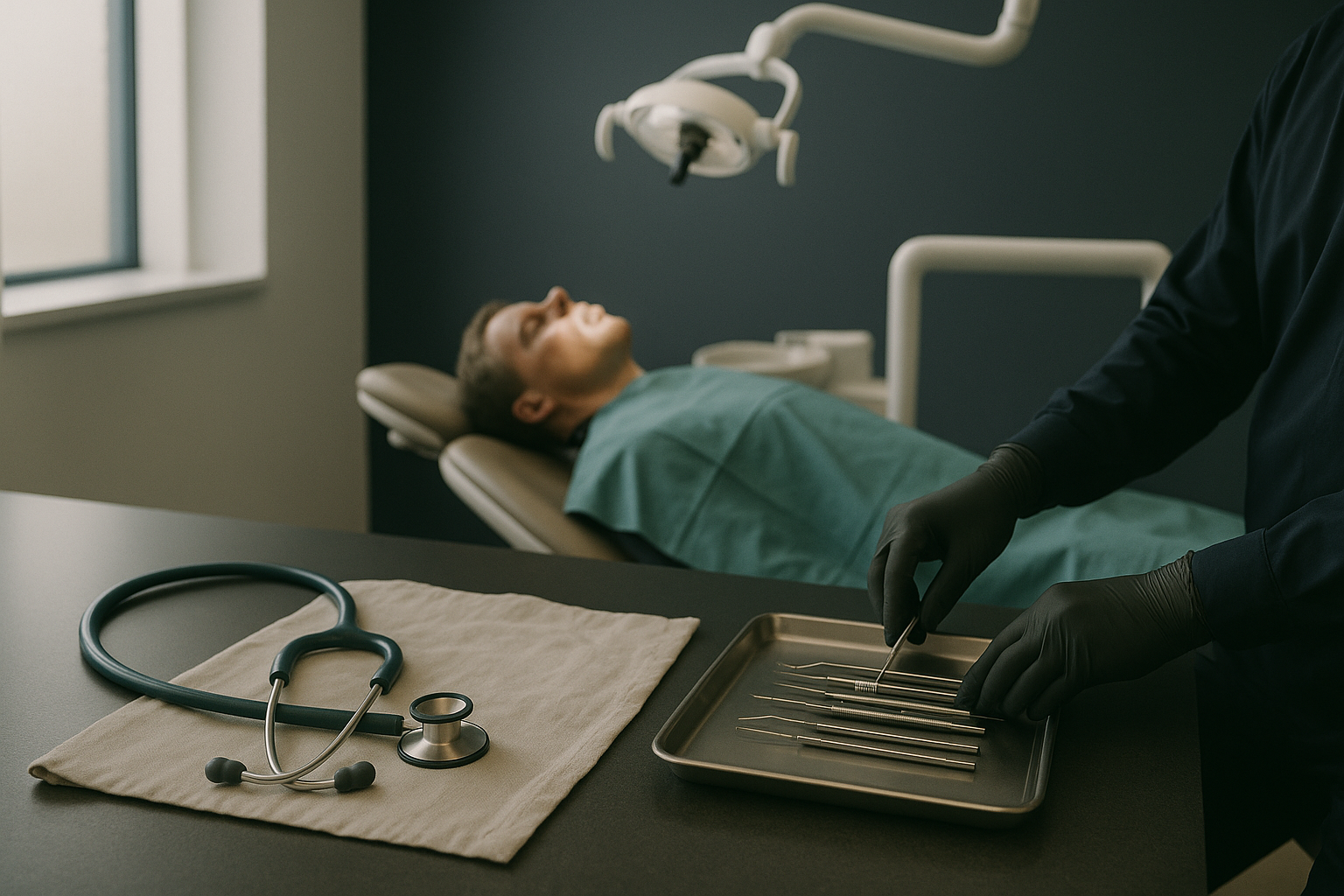
All-on-four dental solutions provide an innovative approach to full-arch teeth restoration, especially appealing to international patients seeking effective dental care abroad. This treatment involves using four implants to support a full set of replacement teeth, offering stability and a natural look.
What Are All-on-Four Dental Solutions?
The all-on-four dental approach is a revolutionary method designed to restore an entire arch of teeth using only four strategically placed dental implants. These implants act as a strong foundation for a full set of prosthetic teeth, providing both durability and a natural appearance. This technique is particularly beneficial for individuals who have lost most or all of their teeth due to decay, gum disease, or injury. Unlike traditional dentures, which may require adhesives and can shift during use, all-on-four implants are fixed permanently, ensuring a secure fit.
This procedure is appealing because it typically requires fewer implants than other methods, significantly reducing the need for additional surgeries, such as bone grafting. Bone grafting is often necessary in traditional implant procedures to ensure there’s enough bone to support the implants, but all-on-four can bypass this step in many cases. This advantage makes it a more accessible option for patients with bone loss. Additionally, the reduced surgical invasiveness means shorter recovery times and lower overall costs, making it an ideal choice for dental tourists.
For international patients, the all-on-four dental solution offers a feasible and efficient approach to dental restoration, aligning perfectly with their need for effective, less time-consuming treatment options. The strategic placement of the implants means that they can be placed even in patients with some degree of bone loss, which is a common hurdle for other dental implant procedures. Furthermore, the ability to have a new set of teeth in a single day has led many to refer to this procedure as “teeth in a day,” highlighting its efficiency and convenience.
How Much Do All-on-Four Dental Implants Cost?
The cost of all-on-four dental implants is one of the most significant considerations for patients, especially those traveling abroad for treatment. Prices can vary widely depending on several factors, including the country in which the procedure is performed, the expertise of the dental team, and the specific materials used for the implants and prosthetics. On average, patients can expect to pay between $15,000 and $30,000 per arch, although this range can fluctuate based on additional services and package deals offered by clinics.
For example, clinics in countries like Mexico, Thailand, or Hungary may offer lower prices due to reduced operational costs, making them attractive destinations for medical tourism. Some clinics offer comprehensive packages that include not only the dental procedure but also travel arrangements, accommodations, and post-operative care, providing a more seamless experience for international patients. These packages can significantly influence the overall cost and value of the treatment.
When planning for this investment, it is crucial for patients to consider additional expenses such as travel insurance, which can cover unexpected medical issues that might arise during their trip. Allianz travel insurance, for example, offers policies that cater to the specific needs of medical tourists, ensuring peace of mind throughout the journey. Conducting a thorough cost comparison across different countries and clinics, and factoring in exchange rates and travel expenses, can help patients find the most cost-effective solution without compromising on quality.
What Are the Advantages of All-on-Four Over Traditional Dentures?
All-on-four dental implants offer numerous advantages over traditional dentures, making them an increasingly popular choice among patients seeking durable and aesthetically pleasing solutions. One of the most significant benefits is the enhanced stability that implants provide. Traditional dentures rest on the gums and can slip or shift during eating or speaking, necessitating the use of adhesives. In contrast, all-on-four implants are securely anchored into the jawbone, eliminating the risk of movement and providing a more natural feel.
This stability translates into greater comfort and confidence for the wearer, as they can enjoy a variety of foods without worry. The secure fit also contributes to improved speech, as the implants do not impede the movement of the tongue or lips. From an aesthetic standpoint, all-on-four solutions offer a natural-looking smile that closely mimics real teeth, boosting the patient’s self-esteem and overall quality of life.
- Enhanced comfort and stability
- Long-lasting results
- Reduced need for maintenance
Another key advantage is the longevity of all-on-four implants. With proper care, these implants can last many years, often a lifetime, compared to dentures, which typically need to be replaced every five to seven years. The reduced maintenance requirements make them a convenient option for many, particularly those who travel frequently or have busy lifestyles. Furthermore, the procedure’s ability to circumvent the need for bone grafting not only shortens the treatment timeline but also reduces discomfort and recovery time, offering a more patient-friendly experience overall.
How Do I Prepare for the All-on-Four Procedure Abroad?
Preparing for an all-on-four procedure abroad involves careful planning and consideration to ensure a successful and stress-free experience. The first step is to conduct thorough research on potential clinics and dental surgeons. Patients should look for facilities that boast strong credentials, international accreditation, and a proven track record of successful outcomes. Online reviews, patient testimonials, and recommendations from trusted sources can provide valuable insights into the quality of care offered by different providers.
Once a suitable clinic has been identified, it is crucial to engage in a detailed discussion with the healthcare provider about all aspects of the procedure. This includes understanding the timeline, from the initial consultation to the post-operative care required. Patients should ask about the expected recovery period, any potential complications, and the type of prosthetics that will be used. Understanding these details will help set realistic expectations and prepare for any eventualities during the trip.
In addition to the medical aspects, organizing travel logistics is essential. Ensuring that accommodations are comfortable and conveniently located near the clinic can alleviate stress and facilitate easier access to post-operative appointments. Arranging transportation to and from the airport, as well as between the clinic and lodging, is also advisable. Patients might consider travel insurance options tailored to medical tourists, which can provide coverage for unforeseen circumstances. By taking these steps, patients can focus on their recovery and enjoy a smoother, more focused experience.
What Should I Expect During Recovery?
The recovery process following an all-on-four dental procedure is a critical phase that determines the success and longevity of the implants. Initially, patients can expect some swelling and discomfort, which are natural responses to the surgery. These symptoms typically peak within the first 48 hours and gradually subside over the following days. Pain management may involve prescribed medications or over-the-counter pain relievers, depending on the individual’s needs and the dentist’s recommendations.
During the initial recovery period, patients are advised to adhere to a soft diet to allow the gums and jaw to heal without undue stress. Foods such as soups, smoothies, and mashed vegetables are ideal choices. As healing progresses, more solid foods can be gradually reintroduced into the diet. Adopting good oral hygiene practices, including gentle brushing and rinsing with a prescribed antimicrobial mouthwash, is crucial to prevent infection and promote healing.
Regular follow-up appointments with the dental surgeon are essential to monitor the integration of the implants with the jawbone. These check-ups allow the dentist to assess the healing process, address any concerns, and ensure that the implants are functioning as intended. Most patients can expect to resume normal activities within a week, although complete osseointegration of the implants with the bone can take several months. By following these guidelines, patients can optimize their recovery and enjoy the full benefits of their new dental implants.
How Does AI Impact Healthcare Call Centers?
Artificial intelligence (AI) is transforming healthcare call centers by enhancing efficiency and improving the quality of service provided to patients. AI systems are capable of automating routine inquiries, freeing up human agents to focus on more complex issues that require personal attention. This automation not only reduces operational costs but also shortens wait times for callers, resulting in a more satisfying experience for patients.
For international patients, AI in call centers offers personalized assistance by leveraging machine learning algorithms to analyze patient data and tailor responses to individual needs. This personalization can improve communication between patients and healthcare providers, ensuring that inquiries are addressed accurately and promptly. AI can handle tasks such as appointment scheduling, follow-up reminders, and providing information about procedures like all-on-four dental implants, which can be particularly beneficial for patients navigating treatment options abroad.
- Automated responses to common queries
- Improved patient data management
- Enhanced service personalization
The integration of AI in healthcare call centers also enhances data management by efficiently organizing patient information, leading to better service and care coordination. This technological advancement ensures that patient interactions are consistent and informed, contributing to an overall improved healthcare experience. As AI continues to evolve, its role in healthcare call centers is likely to expand, offering even more sophisticated tools for managing patient relationships and streamlining operations.
Conclusion
All-on-four dental solutions present a viable and cost-effective option for patients seeking dental treatment abroad. By understanding the procedure, costs, and recovery process, international patients can make informed decisions and enjoy the benefits of a restored smile with confidence. With the support of AI technology, accessing and managing healthcare services has never been more efficient. The combination of innovative dental techniques and advanced technological support underscores a new era in healthcare, where patient care is both comprehensive and accessible.
Proven result
80 to 240 dental patients a month from France
High-volume dental clinic, Istanbul
Frequently asked questions
How can hospitals use PSWP internally for patient safety?
Hospitals can use Patient Safety Work Product (PSWP) to identify safety issues and develop strategies for improvement, enhancing patient care quality.
How do I stop calls from healthcare enrollment centers?
To stop unwanted calls from healthcare enrollment centers, register your number with a national ‘Do Not Call’ registry and directly request removal from their call lists.
What time does the United Healthcare call center open?
The United Healthcare call center typically opens at 8:00 AM local time, but hours can vary by location. Check their official website for specific details.
Where is the United Healthcare call center located?
United Healthcare call centers are located in various regions worldwide. Specific locations can be found on their corporate website.
How does AI reduce healthcare call center costs?
AI reduces costs by automating routine tasks, decreasing the need for human intervention, and enhancing the efficiency of customer service operations.
Related guides

Healthcare Content Compliance Guide for Growth
A high-performing treatment page can generate international patient inquiries within hours. It can also create material risk if…
Turkey Hospitals vs Local Hospitals Compared
A lower procedure quote can get a patient’s attention. It should not make the decision on its own.…

Patient Experience That Drives Trust and Growth
A patient who has already uploaded medical records, compared providers, and arranged time away from work is not…