
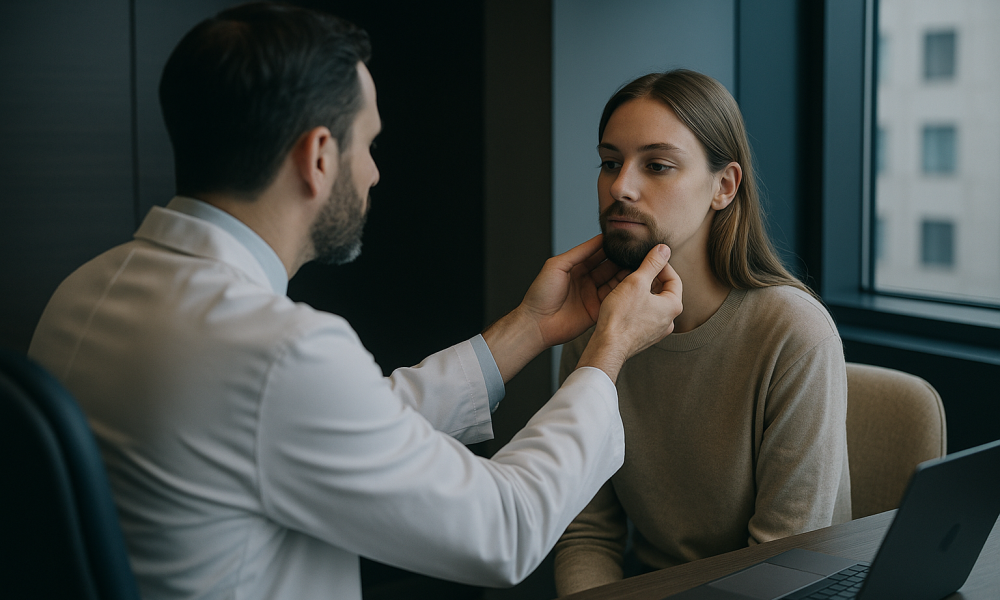
What Beard Transplant is and who it is for
A beard transplant is a surgical procedure designed to enhance facial hair density and coverage. This can be particularly beneficial for individuals experiencing patchy beard growth or those unable to grow facial hair due to genetic factors. The procedure involves harvesting hair follicles from a donor site, typically the back of the scalp, and implanting them into the beard area. The technique most commonly used is Follicular Unit Extraction (FUE), which minimises scarring and allows for natural-looking results.
Beard transplants have gained popularity among men seeking a more masculine appearance or those desiring to cover scars or patches. The procedure is minimally invasive and performed under local anaesthesia, making it a relatively low-risk option for facial hair restoration. In Turkey, beard transplants are offered by a variety of clinics known for their skilled surgeons and advanced technology. The country’s reputation for high-quality medical care at affordable prices has made it a top destination for medical tourism, particularly for cosmetic procedures.
The process begins with a consultation to assess the patient’s needs and determine the most suitable approach. During the transplant, individual hair follicles are extracted and implanted into the desired areas of the beard. Each follicle is carefully placed to ensure natural growth patterns and density. Patients can expect the procedure to last between 4 to 8 hours, depending on the extent of the transplant. Post-procedure, minor swelling and redness are common but typically resolve within a few days.
Recovery from a beard transplant is straightforward. Most patients can return to work within 2 to 5 days, although full recovery, where all signs of the procedure have subsided, may take up to 2 to 3 weeks. The transplanted hair will initially shed, a normal part of the process known as ‘shock loss’. New growth usually becomes visible within 3 to 4 months, with full results evident at around 6 to 12 months post-procedure. The cost of a beard transplant in Turkey typically ranges from £1,500 to £3,500, making it a cost-effective option compared to other countries.
Are you a good candidate?
Determining whether you are a suitable candidate for a beard transplant involves several considerations. The procedure is generally recommended for individuals who have sparse or patchy beard growth, often due to genetics, trauma, or previous hair removal techniques. It’s also suitable for those who desire a fuller beard for aesthetic reasons or to cover facial scars.
Potential candidates should ideally have healthy hair growth at the donor site, usually the back of the scalp. This area must have a sufficient density of hair follicles to ensure successful transplantation. Another crucial factor is overall health; candidates should not have any underlying medical conditions that could impair healing or increase the risk of complications.
Here is a checklist to help determine if you might be a good candidate for a beard transplant:
- Have sparse or uneven beard growth.
- Desire a fuller beard for aesthetic or corrective purposes.
- Have a suitable donor area with adequate hair density.
- Are in good general health without chronic conditions affecting healing.
- Have realistic expectations about the outcomes and recovery process.
- Do not smoke or are willing to quit smoking before and after the procedure to promote healing.
- Are over 18 years old, as facial hair patterns can continue to change until adulthood.
It’s important to have a thorough consultation with a qualified surgeon who can evaluate your specific needs and medical history. During this consultation, the surgeon will assess the donor and recipient areas, discuss your expectations, and explain the potential risks and benefits of the procedure. Understanding the full scope of the procedure, including the recovery time and realistic outcomes, will help you make an informed decision about whether a beard transplant is right for you.
The procedure, step by step
Undergoing a beard transplant in Turkey involves a series of carefully orchestrated steps, ensuring both the safety and satisfaction of the patient. Here’s a detailed look at the procedure:
- Initial Consultation: The journey begins with a thorough consultation. During this session, the surgeon evaluates the patient’s facial anatomy, discusses goals, and examines the donor area, typically the back of the scalp. This is when the number of grafts needed is estimated, usually ranging from 1,000 to 3,000, depending on the desired density and coverage.
- Preparation: On the day of the procedure, the patient is given local anaesthesia to numb both the donor and recipient areas. The patient is made comfortable in the surgical suite, and the donor area is prepared by trimming the hair to a suitable length for extraction.
- Follicle Extraction: The most common technique used is Follicular Unit Extraction (FUE). The surgeon uses a micro-punch tool, approximately 0.7 to 1 millimetre in diameter, to carefully extract individual hair follicles from the donor area. This process can take several hours, depending on the number of grafts required.
- Graft Preparation: The extracted follicles are then examined under a microscope and sorted based on quality and size. This step is crucial to ensure that only healthy grafts are used for transplantation.
- Recipient Site Creation: The surgeon meticulously creates tiny incisions in the beard area, considering the natural angle and direction of beard growth. This step is critical for achieving a natural-looking result and may take another few hours.
- Graft Implantation: Each follicle is individually implanted into the recipient sites with precision. The surgeon places the grafts strategically to mimic natural beard patterns, including variations in density and direction. The implantation phase is intricate and can take several more hours to complete.
- Post-Procedure Care: Once all grafts are in place, the patient is provided with detailed post-operative care instructions. This includes advice on how to manage swelling, avoid infection, and promote optimal healing.
Throughout the procedure, patient comfort and safety are prioritised. The entire process can span a full day, typically from six to eight hours, depending on the complexity and number of grafts.
Recovery timeline
The recovery process following a beard transplant is as important as the procedure itself. Here is a comprehensive timeline of what patients can expect during their recovery:
| Period | What to expect | Care notes |
|---|---|---|
| Day 1 | Patients may experience mild discomfort and swelling in the treated areas. Small scabs may form around each graft. | Keep the area dry and avoid touching or rubbing the face. Rest and elevate the head to reduce swelling. |
| Days 2-5 | Swelling and redness may persist. The scabs around the grafts will become more pronounced but should not be disturbed. | Continue to avoid washing the face. Use prescribed medications to manage discomfort. Follow any additional instructions provided by your surgeon. |
| Days 6-10 | The scabs will begin to fall off naturally. Itching may occur as the skin heals. | Gently wash the face with a mild cleanser as advised. Avoid scratching or picking at the scabs. |
| Days 11-14 | Most scabs should have fallen off, and the transplanted area will look less red. Some grafts may shed, which is normal. | Resume normal facial cleansing routines. Continue to avoid direct sunlight and apply sunscreen if necessary. |
| Weeks 3-4 | Shedding of transplanted hairs may continue. New hair growth may not yet be visible. | Patience is key. Maintain a healthy diet and lifestyle to support hair growth. |
| Months 1-3 | New hair growth begins. Initial growth may be fine and lighter in colour. | Regularly moisturise the area and avoid harsh facial products. |
| Months 4-6 | Noticeable improvement in hair density. Hairs will thicken and darken. | Continue with regular grooming and maintain a balanced diet. |
| Months 7-12 | Full results become apparent. The beard should appear natural and full. | Consider consulting your surgeon if you have concerns about growth patterns or density. |
Recovery is a gradual process, and results improve over time. Adhering to post-operative care instructions is vital for achieving the best outcome.
What it costs: Turkey vs Europe
When considering a beard transplant, cost is often a significant factor in decision-making. Turkey has become a popular destination for such procedures due to its competitive pricing and high-quality service. However, understanding the cost differences between Turkey and Europe is essential for prospective patients.
The cost of a beard transplant can vary based on several factors, including the number of grafts required, the clinic’s reputation, and the package inclusions. Below is a comparative table to provide an indicative idea of the price ranges in Turkey versus Europe:
| Region | Indicative Price Range (GBP) | Typical Package Inclusions |
|---|---|---|
| Turkey | £1,500 – £3,000 | Consultation, procedure, post-op care, 2-3 nights accommodation, airport transfers |
| Europe | £4,000 – £8,000 | Consultation, procedure, basic post-op care |
As seen in the table, the cost for a beard transplant in Turkey is significantly lower than in many European countries. This affordability is largely due to the lower cost of living and operational expenses in Turkey. Additionally, many Turkish clinics offer comprehensive packages that include accommodation and transportation, which can further reduce the overall financial burden on patients.
However, while cost is a crucial consideration, it should not be the sole factor in choosing a treatment destination. Prospective patients should also consider the clinic’s accreditation, the surgeon’s experience, and patient reviews. A thorough evaluation of these elements can help ensure a successful outcome.
Ultimately, the decision to undergo a beard transplant in Turkey or Europe should be based on a balanced assessment of cost, quality, and personal preferences. By carefully comparing the indicative price ranges and package inclusions, patients can make an informed choice that best suits their needs and budget.
Risks and how accredited providers manage them
As with any surgical procedure, beard transplants carry certain risks. It is essential for patients to be aware of these potential complications and understand how accredited providers in Turkey manage them to ensure safety and satisfactory outcomes.
Common risks associated with beard transplants include infection, scarring, and uneven hair growth. In rare cases, patients may experience folliculitis, which is an inflammation of the hair follicles. Furthermore, some individuals might develop an allergic reaction to anaesthesia or medications used during the procedure.
Accredited providers in Turkey take several measures to mitigate these risks. Firstly, they adhere to international health and safety standards, ensuring that all surgical instruments are sterilised and that operating rooms are maintained in a sterile environment. This significantly reduces the risk of infection.
Pre-operative assessments are crucial in managing risks. Accredited clinics conduct comprehensive evaluations to determine a patient’s suitability for the procedure. This includes reviewing medical history, current health status, and any potential allergies. Such assessments help in tailoring the procedure to the individual’s needs and in identifying any potential contraindications.
Skilled surgeons play a pivotal role in minimising risks. Accredited providers in Turkey employ experienced surgeons who are well-versed in the latest techniques and technologies in hair transplantation. Their expertise ensures precise graft placement, reducing the likelihood of scarring and promoting natural-looking results.
Post-operative care is another critical aspect of risk management. Accredited clinics provide detailed aftercare instructions and schedule follow-up appointments to monitor healing progress. They also offer 24/7 patient support, allowing individuals to address any concerns or complications that may arise during the recovery phase.
In addition to these measures, many clinics in Turkey are accredited by international bodies such as the Joint Commission International (JCI), which sets stringent healthcare standards. Accreditation ensures that the clinic maintains high levels of patient care, safety, and ethical standards.
While risks cannot be entirely eliminated, choosing an accredited provider in Turkey can significantly enhance the safety and success of a beard transplant. Patients are encouraged to conduct thorough research, read patient testimonials, and consult with multiple clinics to make an informed decision. By understanding the potential risks and how they are managed, individuals can embark on their treatment journey with confidence and peace of mind.
How to choose the right provider
Choosing the right provider for your beard transplant in Turkey is crucial for achieving the desired outcome and ensuring your safety during the procedure. Here are several factors to consider when making your decision:
Accreditation: Ensure that the clinic is accredited by recognised international bodies. Accreditation is a marker of quality and adherence to international standards. Look for certifications from organisations such as the Joint Commission International (JCI) or the International Society of Hair Restoration Surgery (ISHRS).
Surgeon Experience: The experience of the surgeon is a critical factor. Research the surgeon’s background, including their education, years of experience in hair restoration, and the number of beard transplant procedures they have performed. It’s beneficial to find a surgeon who specialises in facial hair transplants, as this requires specific skills distinct from scalp hair transplants.
Aftercare: Comprehensive aftercare is essential for a successful transplant. Inquire about the clinic’s aftercare program, which should include follow-up appointments, post-operative care instructions, and access to medical staff for any concerns. A good provider will offer detailed guidance on how to care for your new beard to ensure optimal healing and growth.
Red Flags: Be wary of clinics that make unrealistic promises, such as guaranteed results or extremely low prices. Transparency is key; reputable clinics will provide clear information about the risks and benefits of the procedure. Avoid providers that pressure you to make immediate decisions or do not provide adequate consultation time.
Patient Reviews and Before/After Photos: Look for patient reviews online and request to see before and after photos of previous patients. These can give you a realistic expectation of the results and insights into the patient experience at the clinic.
Planning your trip
Planning your trip to Turkey for a beard transplant involves several logistical and preparatory steps to ensure a smooth experience.
Timeline Before Travel: It’s advisable to start planning your trip at least two to three months in advance. This timeframe allows you to research providers, schedule consultations, and make travel arrangements. Once you have selected a clinic, they will likely provide a timeline for pre-operative preparations.
Documents: Ensure that your passport is valid for at least six months beyond your intended stay. Depending on your nationality, you may need a visa to enter Turkey. Check the requirements well in advance and apply for a visa if necessary. Additionally, carry medical documents such as previous health records and any relevant medical history.
Length of Stay: Typically, patients are advised to stay in Turkey for about 5 to 7 days. This duration allows time for the procedure, initial recovery, and a follow-up appointment before returning home. Some clinics offer packages that include accommodation and transportation, which can simplify logistics.
Follow-Up at Home: Before your trip, discuss with your chosen clinic about the follow-up care plan. Understand what follow-up appointments are required and whether they offer remote consultations. It’s also a good idea to have a local dermatologist or healthcare provider who can assist in case of any issues when you return home.
Travel Insurance: Consider purchasing travel insurance that covers medical procedures abroad. This can provide peace of mind in case of unforeseen circumstances or complications during your stay.
Frequently Asked Questions
What is the typical cost range for a beard transplant in Turkey?
The cost of a beard transplant in Turkey typically ranges from €1,500 to €3,500, depending on the clinic, the extent of the transplant, and the surgeon's expertise. This price usually includes the procedure, initial consultation, and follow-up care. It's important to confirm what is included in the quoted price to avoid unexpected costs.
How can I verify a clinic's accreditation?
You can verify a clinic's accreditation by checking if they are listed on the official websites of accrediting bodies like the Joint Commission International (JCI) or the International Society of Hair Restoration Surgery (ISHRS). Additionally, you can request to see the clinic's accreditation certificates during your consultation.
What should I expect during the initial consultation?
During the initial consultation, the surgeon will evaluate your facial hair density, discuss your goals, and assess your suitability for the procedure. You will also be informed about the techniques used, potential risks, and post-operative care. This is a good opportunity to ask any questions you may have about the procedure and recovery process.
How long does the beard transplant procedure take?
The beard transplant procedure typically takes 4 to 8 hours, depending on the number of grafts required. This duration includes time for preparation, the actual transplant process, and immediate post-operative care. The surgeon will provide breaks as needed during the procedure to ensure comfort.
Are there any risks associated with beard transplants?
As with any surgical procedure, beard transplants carry some risks, including infection, scarring, and unsatisfactory results. However, these risks are minimised when performed by an experienced surgeon in a reputable clinic. Discuss all potential risks with your surgeon during the consultation to make an informed decision.
How soon can I return to work after the procedure?
Most patients can return to work within 3 to 5 days after the procedure. However, this can vary based on individual healing rates and the type of work you do. If your job involves physical activity, you may need to take additional time off to ensure proper recovery.
Will I need follow-up appointments after the transplant?
Yes, follow-up appointments are essential to monitor the progress of your transplant. Typically, you will have an initial follow-up a few days after the procedure, with additional check-ins at one month, three months, and six months. Some clinics offer remote consultations for international patients.
What is the recovery process like?
The recovery process involves initial swelling and redness, which typically subsides within a week. You may also experience scabbing and mild discomfort. It's important to follow the aftercare instructions provided by your surgeon to ensure optimal healing and to avoid any complications.
How soon will I see results from the beard transplant?
Initial results can be seen within a few weeks, with transplanted hairs shedding before regrowing. Full results are typically visible after 9 to 12 months, as the new hair follicles establish themselves and begin to grow consistently. Patience is key, as hair growth progresses gradually.
What factors affect the success of a beard transplant?
The success of a beard transplant depends on factors such as the skill of the surgeon, the quality of the donor hair, and adherence to post-operative care instructions. Maintaining a healthy lifestyle and avoiding smoking can also enhance the healing process and overall results.
How do I care for my beard after the transplant?
After the transplant, it's important to keep the area clean and avoid touching or scratching it. Your surgeon will provide specific instructions, which may include washing techniques, moisturising, and avoiding direct sunlight. Adhering to these guidelines is crucial for successful healing and growth.
Can I expect any scarring from the procedure?
While beard transplants are designed to minimise scarring, tiny scars can occur where grafts are harvested and transplanted. These are typically not noticeable once the hair grows. Discuss scarring concerns with your surgeon, who can explain the technique used and what to expect in your case.