
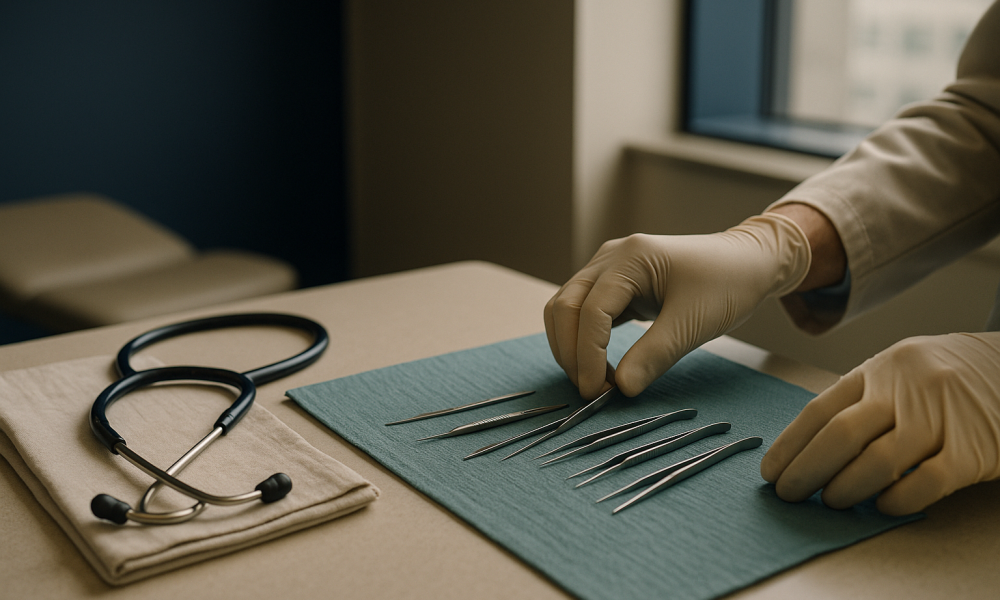
What Mustache Transplant is and who it is for
A mustache transplant is a surgical procedure designed to restore or enhance facial hair in the upper lip area, typically for individuals who have sparse or patchy mustache growth. This procedure is particularly popular among men who wish to achieve a fuller, more defined mustache, whether for aesthetic reasons or to cover scars and other imperfections. The process involves the extraction of hair follicles from a donor site, usually the back of the scalp where hair is denser. These follicles are then meticulously transplanted into the mustache area to create natural-looking growth.
The technique most commonly employed for mustache transplants is Follicular Unit Extraction (FUE). In FUE, individual hair follicles are extracted using a micro-punch tool, leaving minimal scarring and allowing for a quicker recovery. This method is favoured for its precision and the natural appearance of the transplanted hairs. The procedure typically takes between four to six hours, depending on the number of grafts required. Most patients report minimal discomfort during the process, as it is performed under local anaesthesia.
Mustache transplants are suitable for a wide range of individuals. Men who have lost facial hair due to genetics, trauma, previous surgeries, or medical conditions such as alopecia are good candidates. Additionally, those seeking more facial symmetry or improved aesthetics often find mustache transplants beneficial. The procedure can also be an option for transgender individuals transitioning from female to male who wish to enhance their facial hair.
Post-procedure, patients can expect some redness and swelling in the treated area, which typically subsides within a week. Small crusts may form around the transplanted follicles but generally fall off naturally. It is crucial to follow post-operative care instructions to ensure optimal results. It is also important to note that while the initial transplanted hairs may shed within the first few weeks, this is a normal part of the hair growth cycle, with new growth appearing within three to four months. Full results are typically visible between six to nine months after the procedure.
Are you a good candidate?
Determining whether you are a suitable candidate for a mustache transplant involves several factors. The ideal candidate is typically someone who has realistic expectations and understands the limitations and possibilities of the procedure. Here are some criteria to consider:
- Age: Candidates should be at least in their mid-20s. At this age, natural hair patterns have matured, allowing for a more accurate assessment of hair loss.
- General Health: Good overall health is essential. Conditions such as uncontrolled diabetes or issues that impair healing can affect the success of the transplant.
- Hair Characteristics: The quality and density of hair in the donor area are crucial. Candidates must have sufficient donor hair, typically located at the back of the head, to achieve the desired mustache density.
- Non-smoker: Smoking can impair blood circulation and affect healing, so non-smokers or those willing to quit temporarily are preferred.
- Realistic Expectations: Understanding that while a mustache transplant can significantly enhance facial hair, it may not achieve perfection. Discussing goals with a qualified surgeon helps set realistic outcomes.
- Commitment to Aftercare: Following post-operative instructions is crucial for optimal results. Candidates must be willing to adhere to care guidelines provided by their surgeon.
- Stable Hair Loss: Ideal candidates have stable hair loss patterns. Those with ongoing hair loss may require future procedures.
Before proceeding, potential candidates should consult with a qualified surgeon to discuss their medical history, expectations, and the potential risks and benefits of the procedure. A thorough evaluation will help ensure that the mustache transplant is appropriate and likely to yield satisfactory results.
The procedure, step by step
Undergoing a moustache transplant in Turkey involves a series of carefully coordinated steps designed to ensure the best possible outcome for each patient. The procedure typically follows a well-structured process that is both efficient and patient-centred.
- Initial Consultation: Prior to the procedure, patients will have a thorough consultation with a specialist to discuss their goals and expectations. This may be conducted online or in person. The doctor will evaluate the patient’s facial hair density and discuss the donor area, usually the back of the scalp.
- Design and Planning: The next step involves designing the desired moustache shape. This is a collaborative process where the doctor provides professional input to ensure a natural look that complements the patient’s facial features.
- Preparation: On the day of the procedure, the patient’s donor area is trimmed and cleaned. Local anaesthesia is administered to both the donor and recipient sites to ensure the patient remains comfortable throughout the process.
- Extraction of Follicles: The Follicular Unit Extraction (FUE) method is commonly used, where individual hair follicles are meticulously harvested from the donor site using a specialised micro-punch tool. This process is precise and minimises damage to the donor area.
- Graft Preparation: Once extracted, the hair follicles are carefully sorted and prepared for transplantation. This step is crucial to ensure that only healthy and viable follicles are used.
- Recipient Site Creation: The surgeon creates tiny incisions in the recipient area where the grafts will be placed. The angle, depth, and density of these incisions are critically important to achieve a natural appearance.
- Graft Insertion: The prepared follicles are then inserted into the incisions. This step requires a high level of skill and precision to ensure that the grafts are placed in the correct direction and pattern.
- Post-procedure Care: After the grafts are placed, the patient receives instructions on how to care for the donor and recipient areas. This includes information on washing, using prescribed medications, and avoiding certain activities.
The entire procedure can take anywhere from 4 to 8 hours, depending on the number of grafts required. Patients are usually able to return to their accommodation the same day, with follow-up appointments scheduled to monitor progress and address any concerns.
Recovery timeline
Recovering from a moustache transplant is a gradual process that requires patience and adherence to post-operative care instructions. Here is a detailed timeline of what patients can typically expect during the recovery period:
| Period | What to expect | Care notes |
|---|---|---|
| Day 1 | Mild swelling and redness around the treated area are common. Some patients may experience slight discomfort or tightness. | Keep the area clean and dry. Avoid touching the grafts. Use prescribed pain relief if necessary. |
| Days 2-5 | Scabbing begins to form around the grafts. Swelling may peak but should start to subside by day 5. | Avoid strenuous activities. Gently clean the area as instructed. Continue using any prescribed medications. |
| Week 1 | Scabs may start to flake off naturally. The area might still appear slightly pink. | Do not pick at scabs. Avoid direct sun exposure. Follow any additional care instructions provided by your doctor. |
| Weeks 2-4 | Most scabs should have fallen off, revealing new hair growth. Some shedding of the transplanted hairs is normal. | Continue to avoid trauma to the area. You may begin gentle washing as directed. |
| Month 1-3 | Shedding phase ends, and new hair growth starts to become visible. The area begins to look more natural. | Regularly moisturise the skin. Attend follow-up appointments for progress checks. |
| Month 4-6 | Noticeable increase in hair density as new hairs grow longer and thicker. | Maintain a healthy diet and lifestyle to support hair growth. Follow any specific advice from your healthcare provider. |
| Month 6-12 | Full results are typically visible, with the moustache appearing fuller and natural. | Continue with routine grooming. Consult your doctor if you have any concerns. |
It is important for patients to follow all post-operative guidelines provided by their healthcare provider to optimise results and minimise any potential complications. Regular follow-up appointments are recommended to monitor the progress of hair growth and address any concerns that may arise.
What it costs: Turkey vs Canada
When considering a moustache transplant, cost is a significant factor for many patients. The price of a moustache transplant can vary widely between Turkey and Canada, largely due to differences in healthcare systems, labour costs, and clinic overheads. Below is a comparative table outlining the indicative price ranges for moustache transplants in both countries, along with what typical packages include.
| Country | Indicative Price Range (GBP) | Package Inclusions |
|---|---|---|
| Turkey | £1,200 – £2,500 | Initial consultation, surgeon’s fee, anaesthesia, transplant procedure, post-operative medications, 1-2 nights accommodation, airport transfers, and sometimes a follow-up consultation. |
| Canada | £3,500 – £6,500 | Initial consultation, surgeon’s fee, anaesthesia, transplant procedure, and post-operative medications. Accommodation and transfers are usually not included. |
It is crucial to note that these figures are indicative and can vary based on the complexity of the procedure, the clinic’s reputation, and the surgeon’s experience. In Turkey, the lower cost does not necessarily reflect a compromise in quality. Many clinics cater specifically to international patients, offering comprehensive packages that include not only the medical procedure but also logistical support like transportation and accommodation. This can make the overall experience more convenient and stress-free.
Canadian clinics tend to charge higher fees due to the higher operational costs in the country. Additionally, the packages offered in Canada are often less comprehensive, typically excluding accommodation and travel arrangements. This means that patients might need to manage these logistics independently, potentially adding to the overall cost and complexity of the treatment.
While cost is an important consideration, it should not be the sole factor in your decision-making process. It is essential to weigh the benefits of the comprehensive packages offered in Turkey against the convenience of having the procedure done closer to home in Canada. Always ensure that your chosen clinic is accredited and that the medical team is experienced and qualified.
Risks and how accredited providers manage them
Like any surgical procedure, a moustache transplant comes with its own set of risks and potential complications. It is important to approach the decision with a clear understanding of these risks and how they are managed by accredited providers, particularly in Turkey where many international patients choose to have their procedures done.
Common risks associated with moustache transplants include infection, scarring, and poor hair growth. Infection can occur if the surgical site is not properly cared for post-operation. Accredited clinics in Turkey manage this risk by providing detailed post-operative care instructions and prescribing antibiotics when necessary. Patients are advised to follow these guidelines diligently to minimise the risk of infection.
Scarring is another potential risk, though modern techniques such as Follicular Unit Extraction (FUE) significantly reduce its likelihood. Accredited clinics employ highly skilled surgeons who use precision tools to extract and implant hair follicles, minimising trauma to the skin. Patients are also counselled on proper wound care to aid in smooth healing.
Poor hair growth or unnatural appearance can result from improper placement of hair follicles or poor graft survival. Accredited providers mitigate this risk through meticulous planning and execution. Surgeons at reputable clinics often use advanced imaging and design software to plan the transplant, ensuring that the new hairline is natural-looking and in harmony with the patient’s facial features.
Accredited providers also prioritise patient safety and satisfaction by conducting thorough pre-operative assessments. These assessments help determine a patient’s suitability for the procedure and allow for the identification of any underlying conditions that could complicate surgery. By doing so, clinics can tailor the procedure to each individual, enhancing outcomes and reducing risks.
Furthermore, many clinics in Turkey are internationally accredited, adhering to stringent international standards of care. This includes maintaining high levels of hygiene, using state-of-the-art equipment, and ensuring all staff are well-trained in the latest techniques. Choosing an accredited provider ensures that you receive care that meets global benchmarks for safety and quality.
In summary, while there are risks associated with moustache transplants, choosing an accredited and experienced provider in Turkey can significantly mitigate these risks. By following post-operative care instructions and maintaining open communication with your medical team, you can enhance your chances of a successful outcome.
How to choose the right provider
When considering a mustache transplant in Turkey, selecting the right provider is crucial to ensure the best possible experience and outcome. Here are several factors to consider:
- Accreditation: Ensure that the clinic is accredited by reputable international or national bodies. Accreditation indicates adherence to certain standards of quality and safety. Look for clinics recognized by organizations such as the Joint Commission International (JCI) or the Turkish Ministry of Health.
- Surgeon Experience: Investigate the qualifications and experience of the surgeons. A well-experienced surgeon will not only have the necessary skills but also a portfolio of successful procedures. Look for surgeons with at least 5-10 years of experience in hair restoration, specifically facial hair transplants.
- Aftercare: Comprehensive aftercare is essential for a smooth recovery and optimal results. Check what aftercare services are offered, including follow-up appointments, post-operative care kits, and access to medical advice post-surgery.
- Red Flags: Be wary of clinics that offer unusually low prices or make unrealistic promises. Guaranteeing specific results or outcomes is a red flag, as individual responses to surgery can vary. Additionally, ensure that the clinic maintains high standards of hygiene and patient care.
Choosing the right provider involves thorough research and consideration of these factors. It’s advisable to consult with multiple clinics, ask detailed questions, and review patient testimonials to make an informed decision.
Planning your trip
Proper planning is essential to ensure a smooth and stress-free experience when travelling to Turkey for a mustache transplant. Here are key aspects to consider:
- Timeline Before Travel: Begin planning your trip at least 3-4 months in advance. This will give you ample time to research providers, schedule consultations, and arrange necessary logistics.
- Documents: Ensure your passport is valid for at least six months beyond your intended stay. Canadian citizens typically require an electronic visa (e-Visa) to enter Turkey, which can be obtained online.
- Length of Stay: Plan to stay in Turkey for approximately 7-10 days. This allows time for the initial consultation, the procedure, and follow-up appointments. It’s also wise to account for a few days of rest post-surgery.
- Follow-up at Home: After returning to Canada, plan for follow-up care, which may include virtual consultations with your Turkish surgeon or check-ups with a local dermatologist. Ensure you understand the post-operative instructions and have access to any necessary medications or treatments.
By addressing these logistical considerations, you can ensure a more organized and less stressful experience. Proper planning will help facilitate a successful procedure and recovery, contributing to a positive overall experience.
Frequently Asked Questions
What is the typical cost of a mustache transplant in Turkey?
The cost of a mustache transplant in Turkey can vary depending on factors such as the clinic's reputation, the surgeon's experience, and the complexity of the procedure. Typically, the price ranges from £1,200 to £2,500. This range is indicative and may include additional services such as consultations and post-operative care. It is important to obtain detailed quotes from multiple clinics to understand what is included.
How do I know if a clinic is reputable?
To determine a clinic's reputation, look for accreditations from recognized health organizations such as the Joint Commission International (JCI). Additionally, research patient reviews and testimonials to gauge past experiences. Speaking directly with previous patients can provide insights into the clinic's service quality. Reputable clinics will be transparent about their procedures and willing to answer all your questions.
What are the risks associated with mustache transplants?
As with any surgical procedure, mustache transplants carry some risks, including infection, scarring, and poor hair growth. However, these risks are generally low when performed by an experienced surgeon in a reputable clinic. Ensuring proper post-operative care and following your surgeon's instructions can further minimize these risks. Always discuss potential risks with your surgeon before proceeding.
How long does the recovery process take?
The initial recovery period for a mustache transplant typically lasts about 7-10 days. During this time, patients may experience some swelling and redness. Full recovery, including the growth of new hair, can take several months, with noticeable improvements usually seen within 3-6 months. It is important to follow the surgeon's aftercare instructions to ensure optimal healing and results.
Will I need to return to Turkey for follow-up care?
While it is not usually necessary to return to Turkey for follow-up care, many clinics offer virtual consultations to monitor your progress. It is also advisable to have a local dermatologist in Canada who can assist with follow-up appointments if needed. Ensure you have a clear understanding of the follow-up process before leaving Turkey.
What is the success rate of mustache transplants?
Success rates for mustache transplants are generally high, particularly when performed by experienced surgeons. While individual results can vary, most patients experience satisfactory hair growth and a natural-looking mustache. Success depends on factors such as the quality of the donor hair and adherence to post-operative care instructions. Discuss expected outcomes with your surgeon to set realistic expectations.
How soon can I return to work after the procedure?
Most patients can return to work within 5-7 days following a mustache transplant, depending on the nature of their job and personal recovery. If your work involves physical activity or exposure to dust and pollutants, you may need to take additional time off. Consult with your surgeon for personalized advice based on your specific circumstances and job requirements.
Are there any non-surgical alternatives to mustache transplants?
Non-surgical alternatives to mustache transplants include topical treatments like minoxidil, which may promote hair growth, and cosmetic solutions such as makeup or temporary hair fibres. However, these alternatives do not offer permanent results and may not be effective for everyone. Discuss with a dermatologist to explore the best options based on your needs.
How do I prepare for a mustache transplant?
Preparation for a mustache transplant includes avoiding blood thinners and smoking at least two weeks prior to the procedure, as these can affect healing. Your surgeon may also advise you to stop certain medications. Ensure you have a clear understanding of pre-operative instructions and arrange for someone to assist you post-surgery if needed.
Is the procedure painful?
The mustache transplant procedure is typically performed under local anaesthesia, meaning you should not feel pain during the surgery. Some discomfort may be experienced post-operatively, but this can usually be managed with prescribed pain medication. Discuss any concerns about pain management with your surgeon prior to the procedure.
What should I look for in a surgeon's portfolio?
When reviewing a surgeon's portfolio, look for before-and-after photos of previous patients, particularly those with similar hair types and facial features to yours. This can provide a realistic idea of potential outcomes. Additionally, inquire about the surgeon's experience with facial hair transplants specifically, as this requires different skills compared to scalp hair transplants.
What are the payment options for international patients?
Many clinics in Turkey offer flexible payment options for international patients, including credit card payments, bank transfers, and in some cases, financing plans. It is advisable to confirm payment methods and any associated fees with the clinic in advance. Always ensure that you understand the payment terms and any refund policies before proceeding with the treatment.