
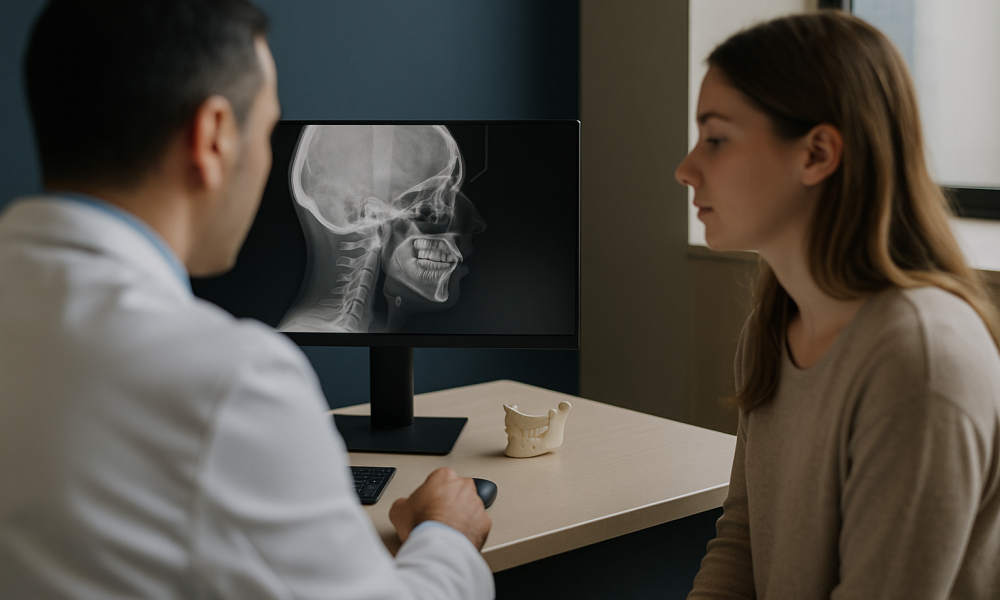
The Process: Jaw Surgery (Orthognathic) in Turkey, step by step
- Enquiry: The journey begins with an initial enquiry, typically conducted online. International patients can contact clinics or medical tourism agencies in Turkey to express their interest in jaw surgery. During this phase, patients usually provide basic medical history and photographs of their jaw and teeth to give the specialists an initial understanding of their condition.
- Assessment: After the enquiry, a detailed assessment follows. This involves comprehensive consultations with maxillofacial surgeons, orthodontists, and sometimes other specialists. These consultations can be conducted virtually, allowing patients to discuss their needs and expectations. A thorough evaluation includes reviewing medical history, dental records, and possibly additional imaging like X-rays or 3D scans. The specialists will then formulate a tailored treatment plan.
- Travel: Once the treatment plan is agreed upon, patients arrange their travel to Turkey. This includes booking flights and securing accommodation close to the chosen medical facility. Many clinics and agencies offer packages that may include airport transfers, accommodation, and even local tours, making the travel process smoother and more comfortable for international patients.
- Treatment Days: Upon arrival in Turkey, patients will have a pre-surgery consultation to finalize the surgical plan. The surgery itself is typically performed under general anaesthesia and can last between 2 to 4 hours. Patients are monitored closely during their hospital stay, which usually lasts 1 to 2 days, ensuring they are stable and comfortable before discharge.
- Discharge: After being discharged from the hospital, patients may choose to stay in Turkey for a few more days to ensure initial recovery is proceeding well. During this time, follow-up consultations with the surgeon may be scheduled, and any immediate concerns can be addressed.
- Follow-up: Follow-up care is crucial for successful recovery. This involves regular check-ins with the surgeon, which can be managed remotely for international patients. Patients are advised to follow specific care instructions, including dietary modifications and oral hygiene practices, to facilitate healing. Full recovery can take several months, with ongoing orthodontic adjustments often required.
What Jaw Surgery (Orthognathic) is and who it is for
Jaw surgery, or orthognathic surgery, is a corrective procedure aimed at addressing severe jaw irregularities that cannot be resolved through orthodontics alone. This surgery is typically performed by oral and maxillofacial surgeons and is often coordinated with orthodontic treatment to ensure optimal alignment and function of the teeth and jaws.
The primary goal of orthognathic surgery is to correct functional issues such as difficulty in chewing, biting, or swallowing, speech problems, and chronic jaw or joint pain due to misalignment. Additionally, the procedure can have significant aesthetic benefits, enhancing facial symmetry and overall appearance.
Candidates for jaw surgery often include individuals with congenital jaw deformities, such as those resulting from cleft lip and palate, or acquired conditions such as trauma or disease. Patients who experience significant bite discrepancies, such as an overbite, underbite, or crossbite, are also considered potential candidates. Furthermore, those with obstructive sleep apnoea due to jaw misalignment may benefit from this surgical intervention.
Before undergoing surgery, patients typically undergo extensive planning and preparation. This involves orthodontic treatment to align the teeth in preparation for surgery, as well as detailed imaging and modeling to plan the surgical approach. The surgery itself involves making precise cuts in the jawbones to reposition them into a more functional and aesthetic alignment. Plates, screws, and wires are often used to stabilize the bones during the healing process.
Post-surgery, patients are required to follow a strict care regimen to ensure proper healing. This includes dietary adjustments, oral hygiene practices, and possibly speech therapy. Regular follow-up appointments are crucial to monitor the healing process and make any necessary adjustments to the treatment plan.
Overall, orthognathic surgery offers a comprehensive solution for individuals with significant jaw misalignments, improving both functionality and aesthetics, thus enhancing the quality of life for many patients.

Are you a candidate? Criteria and preparation
Determining if you are a suitable candidate for jaw surgery, also known as orthognathic surgery, involves a comprehensive evaluation by a qualified oral and maxillofacial surgeon. This evaluation considers both functional and aesthetic aspects, as the surgery is designed to correct a range of issues related to jaw alignment and facial symmetry. Candidates often present with conditions such as malocclusion, jaw asymmetry, or congenital defects that affect chewing, speaking, or breathing. In addition to these functional concerns, many patients pursue surgery for aesthetic improvements, which can significantly enhance self-confidence and quality of life.
Before proceeding with surgery, candidates will undergo a series of diagnostic tests, including X-rays, 3D imaging, and possibly an MRI to provide detailed insights into the bone structure and any underlying issues. These assessments help in formulating a precise surgical plan tailored to the individual’s needs. The decision to undergo surgery also involves a thorough discussion with the healthcare provider about the potential risks, benefits, and the recovery process.
Candidates must meet specific criteria to be considered for orthognathic surgery:
- Physical maturity: The candidate should have completed facial growth, typically around the ages of 18-21.
- Functional impairment: Issues such as difficulty chewing, chronic jaw or TMJ pain, excessive tooth wear, or obstructive sleep apnea.
- Aesthetic concerns: Significant facial asymmetry or disproportion that affects self-esteem.
- Good general health: The candidate should be in good overall health to withstand surgery and recovery.
- Realistic expectations: Understanding the limitations and potential outcomes of surgery is crucial for a satisfactory experience.
Preparation for the surgery involves several steps to ensure optimal results and a smooth recovery. These include:
- Orthodontic treatment: Often, braces are required before and after surgery to correctly position the teeth.
- Comprehensive dental evaluation: A dental check-up to address any oral health issues that could complicate surgery.
- Medical clearance: Preoperative assessments to confirm fitness for surgery, including blood tests and possibly a physical examination.
- Nutritional planning: Consultation with a dietitian to plan for the dietary changes required during recovery.
- Smoking cessation: Patients are advised to quit smoking at least several weeks before surgery to promote healing.
- Psychological preparation: Understanding the emotional and mental adjustments required post-surgery.
By meeting these criteria and adequately preparing, candidates can significantly improve their chances of a successful surgical outcome.
Techniques and options available in Turkey
Turkey is renowned for its advanced healthcare facilities and skilled surgeons, making it a popular destination for orthognathic surgery. The country offers a wide range of techniques and options tailored to address various jaw-related issues, employing state-of-the-art technology and innovative approaches.
One of the primary techniques used in Turkey is the Le Fort I osteotomy, commonly employed to correct upper jaw (maxillary) discrepancies. This procedure involves repositioning the upper jaw to improve alignment and function. Surgeons in Turkey often use computer-aided surgical planning to enhance precision and outcomes.
Another prevalent technique is the Bilateral Sagittal Split Osteotomy (BSSO), typically used to correct lower jaw (mandibular) discrepancies. This surgery involves splitting the lower jaw and moving it forwards or backwards to achieve proper alignment. Turkish surgeons are well-versed in performing BSSO with minimal risk of nerve damage, a common concern with this procedure.
For patients with combined jaw issues, a bimaxillary osteotomy may be recommended. This comprehensive approach addresses both the upper and lower jaws simultaneously, offering a balanced and harmonious facial structure. The simultaneous correction can lead to more dramatic improvements in both function and aesthetics.
In cases where the jaw is too narrow, a distraction osteogenesis technique might be used. This method gradually lengthens the bone using a special device, promoting new bone growth and expansion. It is particularly useful for addressing severe deformities or deficiencies in bone structure.
Advanced technology plays a pivotal role in jaw surgery in Turkey. Many clinics offer 3D virtual surgical planning, which allows surgeons to visualize and simulate the surgical outcome before the procedure. This technology enhances accuracy and helps in setting realistic expectations for patients.
| Technique | Purpose | Benefits |
|---|---|---|
| Le Fort I Osteotomy | Corrects upper jaw alignment | Improves bite, facial symmetry |
| Bilateral Sagittal Split Osteotomy | Corrects lower jaw alignment | Enhances function, minimizes nerve impact |
| Bimaxillary Osteotomy | Corrects both upper and lower jaws | Comprehensive improvement in aesthetics and function |
| Distraction Osteogenesis | Expands jaw bone | Effective for severe bone deficiencies |
Patients considering orthognathic surgery in Turkey can expect a thorough consultation process, where all available options are discussed in detail. The choice of technique is highly individualized, based on the patient’s unique anatomical and functional needs. With a focus on patient safety and satisfaction, Turkey’s healthcare providers ensure that each patient receives personalized care and attention throughout their surgical journey.
Recovery and aftercare timeline
Recovering from jaw surgery, also known as orthognathic surgery, is a gradual process that requires careful adherence to aftercare instructions to ensure optimal healing and outcomes. The timeline for recovery can vary depending on individual factors such as the extent of the surgery, the patient’s overall health, and adherence to post-operative care guidelines. Below is a general overview of the recovery and aftercare timeline.
| Period | What to expect | Care notes |
|---|---|---|
| Week 1 | Swelling, bruising, and discomfort are common. Patients may experience difficulty in speaking and eating. | Rest is crucial. Apply ice packs to reduce swelling. Follow a liquid or soft food diet as recommended by your surgeon. Maintain oral hygiene with a prescribed mouth rinse to prevent infection. |
| Weeks 2-3 | Swelling begins to subside. Bruising may still be visible, but pain should decrease significantly. | Gradually introduce more solid foods as tolerated. Continue to practice good oral hygiene and attend follow-up appointments to monitor recovery. |
| Weeks 4-6 | Significant reduction in swelling. Normal activities can usually be resumed, but strenuous activities should still be avoided. | Begin gentle jaw exercises if recommended by your surgeon to regain mobility. Monitor for any signs of infection or complications. |
| Weeks 7-8 | Most of the swelling should have resolved. Patients generally return to normal eating habits. | Maintain a balanced diet to support healing. Continue regular check-ups with your healthcare provider. |
| 3-6 months | Final results become more apparent. Residual swelling may still be present but should be minimal. | Regular dental check-ups are important. Report any persistent issues or concerns to your surgeon. |
It is important to adhere to all post-operative instructions provided by your surgical team. This can include specific dietary restrictions, medication regimens, and activity limitations. Each patient’s recovery journey is unique, and maintaining open communication with your healthcare providers is essential for addressing any concerns that may arise during the healing process.
Risks, safety and how accredited Turkish providers manage them
Undergoing jaw surgery involves inherent risks and potential complications, as with any surgical procedure. Understanding these risks and how they are managed is crucial for patients considering orthognathic surgery in Turkey. Accredited Turkish healthcare providers adhere to stringent safety protocols to minimize risks and ensure patient safety throughout the treatment process.
Common risks associated with jaw surgery include:
- Infection: As with any surgery, there is a risk of infection at the incision site. Surgeons in Turkey utilize sterile techniques and prescribe antibiotics post-operatively to mitigate this risk.
- Bleeding: Some bleeding is expected during and after surgery. Surgeons carefully monitor blood loss and provide instructions for managing minor post-operative bleeding.
- Nerve damage: Temporary numbness or altered sensation in the jaw, lips, or tongue can occur due to nerve proximity. These sensations typically resolve over time.
- Swelling and bruising: Significant swelling and bruising are common but usually subside within weeks.
- Relapse of jaw position: In rare cases, the jaw may shift back toward its pre-operative position.
Accredited Turkish clinics implement comprehensive risk management strategies, including pre-operative assessments to identify potential risk factors and post-operative care plans to monitor and address complications promptly. Patients undergo thorough evaluations to ensure they are suitable candidates for surgery, and personalized treatment plans are crafted to optimize outcomes.
Accredited facilities in Turkey also prioritize patient education, ensuring that patients are fully informed of the potential risks and expected outcomes of jaw surgery. This includes detailed consultations and the provision of written materials outlining the surgical process and aftercare requirements.
Moreover, Turkish healthcare providers are regulated by national and international accreditation bodies, which uphold high standards of care and safety. These organizations conduct regular audits and assessments to ensure compliance with healthcare standards and to promote continuous improvement in surgical practices.
In conclusion, while risks are inherent in any surgical procedure, the combination of advanced surgical techniques, comprehensive patient care, and adherence to international safety standards ensures that jaw surgery in Turkey is conducted with a strong emphasis on patient safety and successful outcomes.
7. Choosing the right provider in Turkey
When considering jaw surgery in Turkey, selecting the right provider is paramount. Accreditation is a key factor in ensuring quality care. Look for clinics accredited by international bodies such as the Joint Commission International (JCI) or the Turkish Health Quality System (SKS). These accreditations indicate adherence to global healthcare standards.
Surgeon experience is another critical consideration. It is advisable to choose a surgeon who specializes in orthognathic surgery with a substantial portfolio of successful procedures. Look for those who have completed fellowships or specialized training in maxillofacial surgery. Patient testimonials and before-and-after photos can provide insight into their expertise.
Be aware of red flags when choosing a provider. Avoid clinics that offer significantly lower prices without clear explanations, as this might indicate compromised quality or hidden costs. Additionally, steer clear of providers that do not offer comprehensive pre-operative consultations or follow-up care, which are crucial for successful outcomes.
Transparency in communication is vital; reputable providers will offer detailed explanations of the procedure, potential risks, and expected outcomes. Ensure that the clinic provides a clear and comprehensive treatment plan, including diagnostics, surgery, and post-operative care.
Finally, pay attention to the facility’s infrastructure. A modern, well-equipped clinic is essential for ensuring the highest standards of surgical care. Check for advanced technology and equipment, as these can significantly impact the success and safety of your surgery.
8. Jaw Surgery (Orthognathic) Cost in Turkey
The cost of jaw surgery in Turkey is one of its most attractive aspects, offering significant savings compared to other countries. Below is an indicative price comparison for orthognathic surgery:
| Country | Indicative Price Range (USD) |
|---|---|
| Turkey | $5,000 – $10,000 |
| United Kingdom | $18,000 – $25,000 |
| United States | $20,000 – $40,000 |
| Germany | $15,000 – $22,000 |
| Australia | $18,000 – $30,000 |
| Canada | $20,000 – $35,000 |
Many Turkish clinics offer all-inclusive packages, which typically cover the surgeon’s fee, anaesthesia, hospital stay, pre-operative tests, and post-operative care. Some packages also include accommodation, airport transfers, and a personal assistant, making it easier for international patients.
The final cost may vary based on several factors, including the complexity of the surgery, the surgeon’s expertise, and the location of the clinic. Additional procedures such as orthodontic treatment or bone grafting may also affect the total price.
When reviewing quotes, ensure you understand what is included. A comprehensive quote should detail all aspects of the treatment, including any potential additional costs. Be cautious of quotes that are significantly lower than the market average, as they may exclude essential services or involve less experienced practitioners.
In summary, while the cost of jaw surgery in Turkey is competitive, it is crucial to choose a reputable provider that offers a transparent and comprehensive service package. This ensures that you receive high-quality care and achieve the best possible outcome.
Frequently Asked Questions
What is the typical recovery time after jaw surgery?
Recovery time after jaw surgery can vary, but patients typically need around 6 to 12 weeks for initial healing. Full recovery, including swelling reduction and bone healing, can take up to 12 months. It is essential to follow your surgeon's post-operative care instructions to ensure a smooth recovery.
Is jaw surgery in Turkey safe?
Jaw surgery in Turkey is generally safe when performed by experienced and qualified surgeons in accredited facilities. It's important to choose a provider with a strong track record in orthognathic surgery and to ensure they follow international healthcare standards.
What factors affect the cost of jaw surgery in Turkey?
The cost of jaw surgery in Turkey can be influenced by several factors, including the complexity of the procedure, the surgeon's experience, the clinic's location, and any additional treatments required, such as orthodontics. Comprehensive package deals may offer better value, including accommodation and transfers.
How do I choose a good clinic for jaw surgery in Turkey?
To choose a good clinic, look for international accreditation, experienced surgeons, and positive patient reviews. Ensure the clinic offers comprehensive pre- and post-operative care. Avoid clinics with unusually low prices or those that do not provide detailed treatment plans.
Are all-inclusive packages for jaw surgery worth it?
All-inclusive packages can offer convenience and cost savings, covering surgery, accommodation, transfers, and sometimes additional support services. They are worth considering if they meet your needs and are offered by reputable clinics with transparent pricing.
What should I ask during a consultation for jaw surgery?
During a consultation, inquire about the surgeon’s experience, the specifics of the procedure, potential risks, recovery time, and what the all-inclusive package covers. Ask for a detailed breakdown of costs and ensure you understand what is included in the quote.
Can I combine jaw surgery with a holiday in Turkey?
While it's possible to combine surgery with a holiday, it is crucial to prioritize recovery. Plan any leisure activities around your medical schedule, and consult your surgeon about any travel restrictions post-surgery to ensure optimal healing.
What are the risks associated with jaw surgery?
Jaw surgery, like any surgical procedure, carries risks such as infection, bleeding, nerve damage, or anesthesia complications. Discuss these risks with your surgeon, and choose a clinic that follows strict safety protocols and provides comprehensive care to minimize these risks.
How long should I stay in Turkey after jaw surgery?
The recommended stay in Turkey after jaw surgery is generally 1 to 2 weeks to ensure proper post-operative care and follow-up consultations. Your surgeon will advise on the appropriate duration based on your individual recovery needs.
What kind of anesthesia is used during jaw surgery?
Jaw surgery is typically performed under general anesthesia to ensure patient comfort and allow for the precise execution of the procedure. Your anesthesiologist will discuss the process and any related concerns during your pre-operative consultation.
Will I need orthodontic treatment before or after jaw surgery?
Orthodontic treatment is often required before and sometimes after jaw surgery to align teeth properly and ensure optimal results. Your surgeon and orthodontist will work together to plan the timeline and specifics of any necessary orthodontic care.
How soon can I return to work after jaw surgery?
The time to return to work varies depending on your job and recovery speed. Most patients can resume non-physical work within 2 to 4 weeks. However, jobs requiring physical exertion may require a longer recovery period, so consult your surgeon for personalized advice.