

The Process: Inverted Nipple Correction in Turkey, step by step
- Enquiry: The journey begins with an initial enquiry, where patients can contact clinics in Turkey through various channels such as email, phone, or online forms. During this stage, potential patients provide preliminary details about their condition and expectations.
- Assessment: Once the enquiry is received, the clinic’s medical team reviews the information and may request additional details, including photographs or medical history. A virtual or in-person consultation is scheduled to assess the suitability of the procedure for the patient.
- Travel Arrangements: After confirming the procedure and dates, patients make travel arrangements. Clinics often assist with logistics, including airport transfers and accommodation, ensuring a smooth experience.
- Treatment Days: Upon arrival, patients undergo a pre-operative consultation with the surgeon. The procedure is performed under local or general anaesthesia, depending on the case. The surgery typically lasts 1-2 hours, focusing on releasing constricted tissue causing the inversion.
- Discharge: Most patients are discharged the same day or after a short hospital stay. Detailed post-operative care instructions are provided, covering wound care, medication, and activity restrictions.
- Follow-Up: Follow-up appointments can be conducted virtually or in person, ensuring the healing process is on track. The surgical team remains available for any queries or concerns during recovery.
What Inverted Nipple Correction is and who it is for
Inverted nipple correction is a surgical procedure designed to address the condition of inverted nipples, where the nipples retract inward instead of protruding. This condition can affect one or both nipples and might be present from birth or develop later due to various factors such as trauma, breastfeeding, or underlying medical conditions. Inverted nipples can cause both aesthetic concerns and functional issues, including difficulties with breastfeeding and hygiene.
The procedure typically involves making small incisions at the base of the nipple to release fibrous bands or ducts that are pulling the nipple inward. The approach may vary depending on the severity of the inversion and the patient’s specific anatomy. In some cases, the procedure can be performed under local anaesthesia, allowing for a quicker recovery.
Inverted nipple correction is suitable for individuals who experience discomfort, self-consciousness, or functional problems due to their nipple inversion. Ideal candidates are those who are in good overall health, have realistic expectations about the outcome, and do not have contraindications for minor surgical interventions. A thorough assessment by a qualified plastic surgeon is essential to determine the appropriateness of the procedure for each patient.
It is important to note that while the results are typically immediate, the final appearance may take a few weeks to stabilize as swelling subsides and tissues adjust. Patients should follow post-operative care instructions meticulously to ensure optimal healing and results.
Are you a candidate? Criteria and preparation
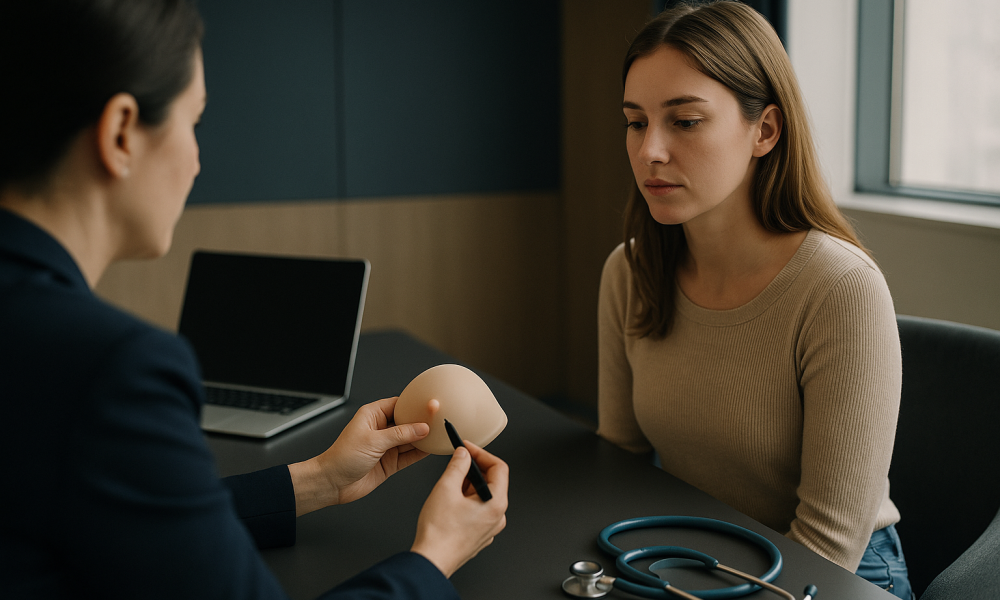
An inverted nipple is a condition where the nipple is retracted into the breast instead of pointing outward. This can occur in both men and women, and may affect one or both nipples. Before considering inverted nipple correction surgery in Turkey, it is important to determine if you are a suitable candidate. Generally, candidates for this procedure should be in good overall health, have realistic expectations about the results, and be experiencing physical or psychological discomfort due to the condition.
The first step in assessing candidacy is a thorough medical evaluation. This includes a detailed medical history and a physical examination by a qualified healthcare provider. Important factors to consider include the severity of the inversion, any underlying conditions such as breast cancer or infections, and previous breast surgeries that may affect the procedure.
Preparation for the surgery involves several steps to ensure the best possible outcome and minimize risks. Here is a checklist to help you prepare:
- Medical Evaluation: A comprehensive medical assessment by a qualified healthcare provider is necessary to rule out any contraindications.
- Realistic Expectations: Understand that while surgery can improve the appearance of the nipples, it may not achieve perfection and carries some risks.
- Smoking Cessation: If you smoke, it is advisable to stop at least a few weeks before and after the surgery to promote better healing.
- Medication Review: Inform your surgeon about any medications or supplements you are taking, as some may need to be paused or adjusted.
- Weight Stability: Maintaining a stable weight before surgery can help ensure consistent results.
- Mental Preparation: Consider discussing your concerns and expectations with a psychologist if nipple inversion has caused significant emotional distress.
- Travel Arrangements: Plan your travel and accommodation in Turkey, ensuring you allow sufficient time for recovery before returning home.
It is also important to discuss with your surgeon any potential impact on breastfeeding, as some techniques may alter the ability to breastfeed in the future. By carefully evaluating these criteria and preparing adequately, you can enhance your candidacy for inverted nipple correction surgery in Turkey.
Techniques and options available in Turkey
Turkey offers a variety of surgical techniques for inverted nipple correction, performed by skilled and experienced surgeons. The choice of technique depends on the severity of the inversion, the underlying cause, and the patient’s individual preferences and needs. Here, we explore the most commonly used techniques available in Turkey.
One of the primary techniques is the simple release technique, which is typically employed for mild to moderate cases. This involves releasing the fibrous bands tethering the nipple to the underlying breast tissue, allowing it to project outward. This procedure is relatively straightforward, has a high success rate, and is often performed under local anesthesia.
For more severe cases, the subdermal tissue flap technique may be used. This involves creating a flap of tissue beneath the nipple to provide support and prevent retraction. This technique is more complex and may require general anesthesia but offers a longer-lasting solution for severe inversion.
Another option is the purse-string suture technique, where a suture is placed around the base of the nipple and tightened to hold it in an outward position. This method is minimally invasive and can be effective for moderate inversion, though it may require adjustments over time.
In cases where preservation of breastfeeding function is a priority, the duct-preserving technique can be considered. This approach aims to correct the inversion while maintaining the integrity of the milk ducts, though it may be more suitable for mild cases.
In Turkey, surgeons also offer combination techniques, tailored to the patient’s specific needs. These may involve a combination of the above methods to achieve the desired outcome. The choice of technique will be discussed in detail during the consultation phase, where the surgeon will evaluate the nipple inversion’s characteristics and the patient’s goals.
It is important to note that while these techniques are generally safe, they do carry some risks, including infection, bleeding, scarring, and changes in nipple sensation. Patients should discuss these potential risks with their surgeon and weigh them against the potential benefits.
Ultimately, the availability of a range of techniques in Turkey allows for personalized treatment plans, ensuring that each patient receives the most appropriate and effective care for their specific condition. By choosing a reputable clinic and experienced surgeon, patients can expect high-quality care and support throughout their treatment journey.
Recovery and aftercare timeline
Recovery from inverted nipple correction surgery is generally straightforward, but it is essential to follow a structured aftercare plan to ensure optimal healing and results. Patients must adhere to specific guidelines, which typically span several weeks. Understanding the recovery timeline can help patients prepare adequately and manage their expectations.
| Period | What to expect | Care notes |
|---|---|---|
| First 24-48 hours | Immediately following the procedure, patients may experience mild discomfort, swelling, and bruising around the treated area. Some redness is also common. | Rest is crucial during this period. Patients should keep the area clean and dry, and avoid any activities that may put pressure on the chest. Pain relief can be managed with prescribed medications. |
| 1-2 weeks | Swelling and bruising should begin to subside. Sutures, if non-dissolvable, are typically removed during this time. Patients may notice initial improvements in nipple appearance. | Continue to follow cleaning instructions. Patients should avoid heavy lifting or strenuous exercise. Wearing a supportive bra can help minimize discomfort and provide necessary support. |
| 3-4 weeks | The majority of swelling should have diminished, and the nipples will appear more natural. Any discomfort should be minimal. | Patients can gradually return to normal activities but should still avoid direct pressure on the chest. Follow-up appointments are crucial to monitor healing progress. |
| 5-6 weeks | By this time, most patients will feel fully recovered. The final results of the surgery will become more apparent as the nipples settle into their new shape. | Patients can resume all normal activities, including exercise, but should continue to follow any specific advice provided by their surgeon. Scar management techniques, such as silicone gel, may be recommended to enhance healing. |
| Beyond 6 weeks | Full recovery is typically achieved, with significant improvements in nipple projection and appearance. Scars will continue to fade over the coming months. | Regular follow-up visits may be scheduled to ensure the desired outcome is maintained. Patients should continue to monitor for any unusual symptoms and report them to their healthcare provider. |

Risks, safety and how accredited Turkish providers manage them
As with any surgical procedure, there are inherent risks associated with inverted nipple correction. However, these risks can be minimized through careful planning and execution by qualified professionals. Accredited Turkish healthcare providers adhere to stringent safety protocols to ensure patient safety and satisfaction.
Common risks associated with inverted nipple correction include infection, bleeding, asymmetry, scarring, and changes in nipple sensation. In rare cases, patients may experience complications such as hematoma or issues related to anaesthesia. It is crucial for patients to discuss these potential risks with their surgeon during the consultation phase.
Accredited clinics in Turkey implement comprehensive safety measures to mitigate these risks. Pre-operative assessments are conducted to evaluate the patient’s overall health and suitability for surgery. This includes a detailed review of the patient’s medical history, physical examination, and any necessary laboratory tests.
During the procedure, surgeons utilize advanced techniques and sterile environments to minimize the risk of infection and other complications. The use of state-of-the-art surgical instruments and adherence to international standards of practice further enhance the safety of the procedure.
Post-operative care is an integral part of the safety protocol. Patients receive detailed aftercare instructions to promote healing and prevent complications. Accredited providers offer robust support systems, including 24/7 access to medical professionals in case of emergencies or concerns. Regular follow-up appointments are scheduled to monitor recovery progress and address any issues promptly.
In terms of accreditation, many Turkish healthcare facilities are recognized by international organizations, such as the Joint Commission International (JCI), ensuring they meet high standards of patient care and safety. This accreditation process involves rigorous evaluation of the facility’s infrastructure, staff qualifications, and adherence to safety protocols.
Patients are encouraged to verify the credentials of the clinic and the surgeon before proceeding with the surgery. Reputable clinics will have a transparent track record of successful procedures and patient testimonials that reflect their commitment to safety and quality care.
Ultimately, the combination of skilled professionals, modern facilities, and comprehensive safety measures helps to ensure that inverted nipple correction in Turkey is performed with a high degree of safety and efficacy. Patients can feel confident that their health and well-being are prioritized throughout the entire surgical journey.
Choosing the right provider in Turkey
When considering inverted nipple correction in Turkey, selecting the right provider is crucial to ensure a safe and satisfactory outcome. The first step is to verify the accreditation of the healthcare facility. Look for clinics accredited by international bodies such as the Joint Commission International (JCI) or the Turkish Ministry of Health. These accreditations indicate that the facility meets high standards of care and safety.
Surgeon experience is another critical factor. It is advisable to choose a surgeon who specializes in plastic or reconstructive surgery, with a proven track record in nipple correction procedures. Check their credentials, training background, and membership in professional organizations like the International Society of Aesthetic Plastic Surgery (ISAPS).
Red flags to watch out for include clinics that offer unusually low prices without clear explanations, as they may compromise on quality or safety. Be wary of providers who pressure you into making quick decisions or who do not provide a comprehensive consultation process. A thorough consultation should involve a detailed discussion of your medical history, expectations, potential risks, and a personalized treatment plan.
Additionally, consider the clinic’s patient reviews and testimonials. While individual experiences can vary, consistently negative feedback may indicate systemic issues. Look for reviews that mention post-operative care and patient support, as these are crucial for recovery and long-term satisfaction.
Finally, communication is key. Ensure that the clinic provides clear and open lines of communication, with staff who are fluent in your language. This will facilitate better understanding and help you make informed decisions throughout your treatment journey.
Inverted Nipple Correction Cost in Turkey
The cost of inverted nipple correction in Turkey is often significantly lower than in Western countries, making it an attractive option for many international patients. The indicative price range for this procedure in Turkey is approximately $1,000 to $2,500. In comparison, prices in the UK range from $3,000 to $5,000, in the US from $3,500 to $6,000, in Germany from $3,200 to $5,500, in Australia from $3,800 to $6,500, and in Canada from $3,300 to $5,800.
| Country | Indicative Cost Range (USD) |
|---|---|
| Turkey | $1,000 – $2,500 |
| UK | $3,000 – $5,000 |
| US | $3,500 – $6,000 |
| Germany | $3,200 – $5,500 |
| Australia | $3,800 – $6,500 |
| Canada | $3,300 – $5,800 |
Many clinics in Turkey offer all-inclusive packages that cover the procedure, hospital stay, pre-operative tests, post-operative care, and sometimes even accommodation and airport transfers. However, it is essential to review what each package includes, as some may not cover additional expenses like medications or follow-up consultations.
Several factors can influence the final cost, including the surgeon’s experience, the clinic’s location, and the complexity of the procedure. More experienced surgeons or those with higher demand may charge more. Similarly, clinics in major cities like Istanbul may have higher fees than those in less urban areas.
When reviewing quotes, ensure they are comprehensive and transparent. A detailed quote should list all components of the procedure, including any potential additional costs. Avoid quotes that seem vague or significantly lower than the average range, as they may not include essential services or may indicate a compromise on quality.
Frequently Asked Questions
What factors affect the cost of inverted nipple correction in Turkey?
Several factors can influence the cost, including the surgeon's expertise, the clinic's location, and the complexity of the procedure. Clinics in larger cities or those with internationally renowned surgeons may charge higher fees. Additionally, the inclusion of post-operative care and accommodation can affect the overall price.
Are there any hidden costs in the all-inclusive packages for nipple correction?
Most reputable clinics offer transparent all-inclusive packages, but it's essential to check what is covered. Typically, these packages include the procedure, hospital fees, and initial aftercare. However, costs such as medications, additional tests, or extended stays may not be included. Always clarify these details with the clinic beforehand.
Is inverted nipple correction safe in Turkey?
Inverted nipple correction in Turkey is generally safe, especially when performed in accredited clinics by experienced surgeons. It's crucial to choose a facility with international accreditation and a surgeon with a strong track record in this procedure. Comprehensive pre-operative assessments and post-operative care further enhance safety.
How do I verify the credentials of a surgeon in Turkey?
To verify a surgeon's credentials, check their training background, certifications, and membership in professional organizations. Reputable surgeons often belong to bodies like the International Society of Aesthetic Plastic Surgery (ISAPS). Online reviews and patient testimonials can also provide insights into their reputation and expertise.
What should I expect during the consultation for nipple correction?
During the consultation, the surgeon will assess your medical history, discuss your goals, and evaluate the severity of the inversion. They will explain the procedure, potential risks, and expected outcomes. This is also an opportunity for you to ask questions and address any concerns you may have.
How long is the recovery period after inverted nipple correction?
The recovery period varies but generally lasts one to two weeks. During this time, patients may experience swelling and discomfort. Most individuals can return to work within a few days, although strenuous activities should be avoided for several weeks to ensure proper healing.
What are the potential risks of inverted nipple correction surgery?
As with any surgery, there are potential risks, including infection, scarring, and changes in nipple sensation. Choosing a qualified surgeon and following post-operative care instructions can minimize these risks. Discuss any concerns with your surgeon during the consultation.
Can men undergo inverted nipple correction in Turkey?
Yes, men can also undergo inverted nipple correction. The procedure is similar for both men and women, focusing on releasing the constricted tissue causing the inversion. Men considering this procedure should consult with an experienced surgeon to discuss their specific needs and concerns.
How long do the results of nipple correction last?
In most cases, the results of inverted nipple correction are permanent. However, factors like significant weight changes, pregnancy, or hormonal fluctuations can affect the long-term stability of the results. Maintaining a stable weight and following post-operative care instructions can help preserve the outcome.
What if I'm not satisfied with the results of my nipple correction?
If you're not satisfied with the results, it's important to discuss your concerns with your surgeon. They can assess whether a revision procedure is necessary. Many clinics offer follow-up consultations and support to address any issues and ensure patient satisfaction.
How do I prepare for inverted nipple correction surgery?
Preparation involves a detailed consultation with your surgeon, during which you'll receive specific instructions. Generally, you should avoid smoking and certain medications before surgery. It's also advisable to arrange for someone to accompany you on the day of the procedure and assist during the initial recovery period.
Will I experience pain during or after the procedure?
The procedure is performed under local or general anesthesia, so you should not feel pain during surgery. Post-operative discomfort is common, but it is usually manageable with prescribed pain medications. Your surgeon will provide guidance on pain management and recovery care.